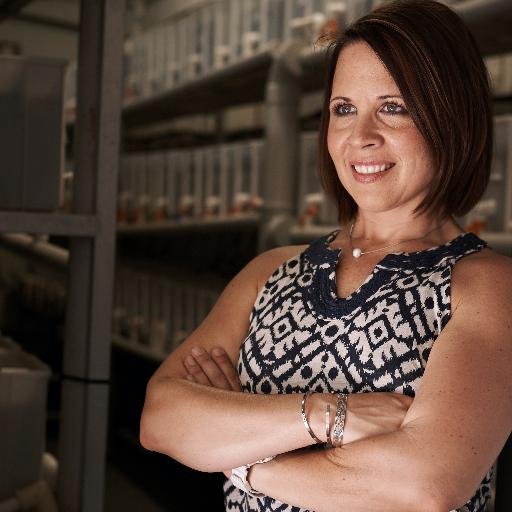
#biodiversity #coralreefs #fish #sharks stress #physiology #evolution #conservation #climatechange #physioshark #womeninscience #TEDx speaker #LGBTQ #STEM
Joined December 2009
- Tweets 21,656
- Following 2,638
- Followers 5,405
- Likes 11,485
1,784 Photos and videos
Pinned Tweet

7 Jun 2023
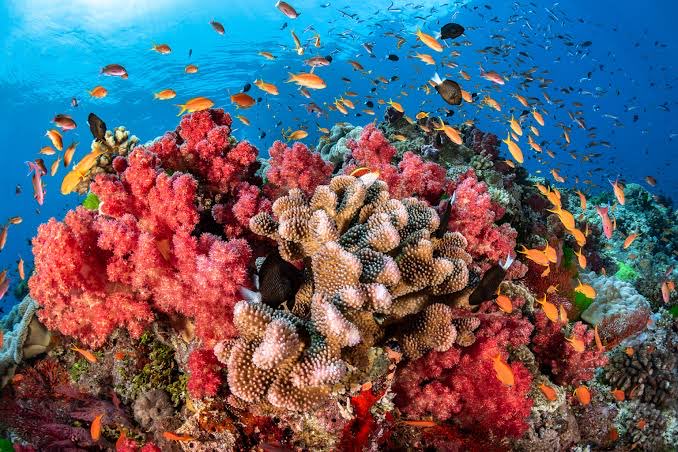
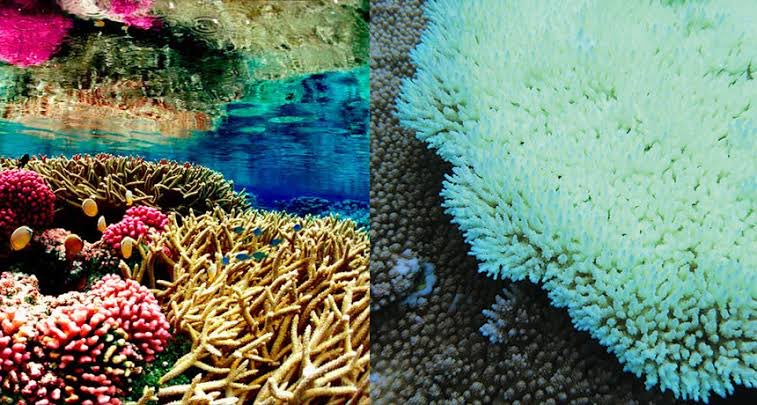
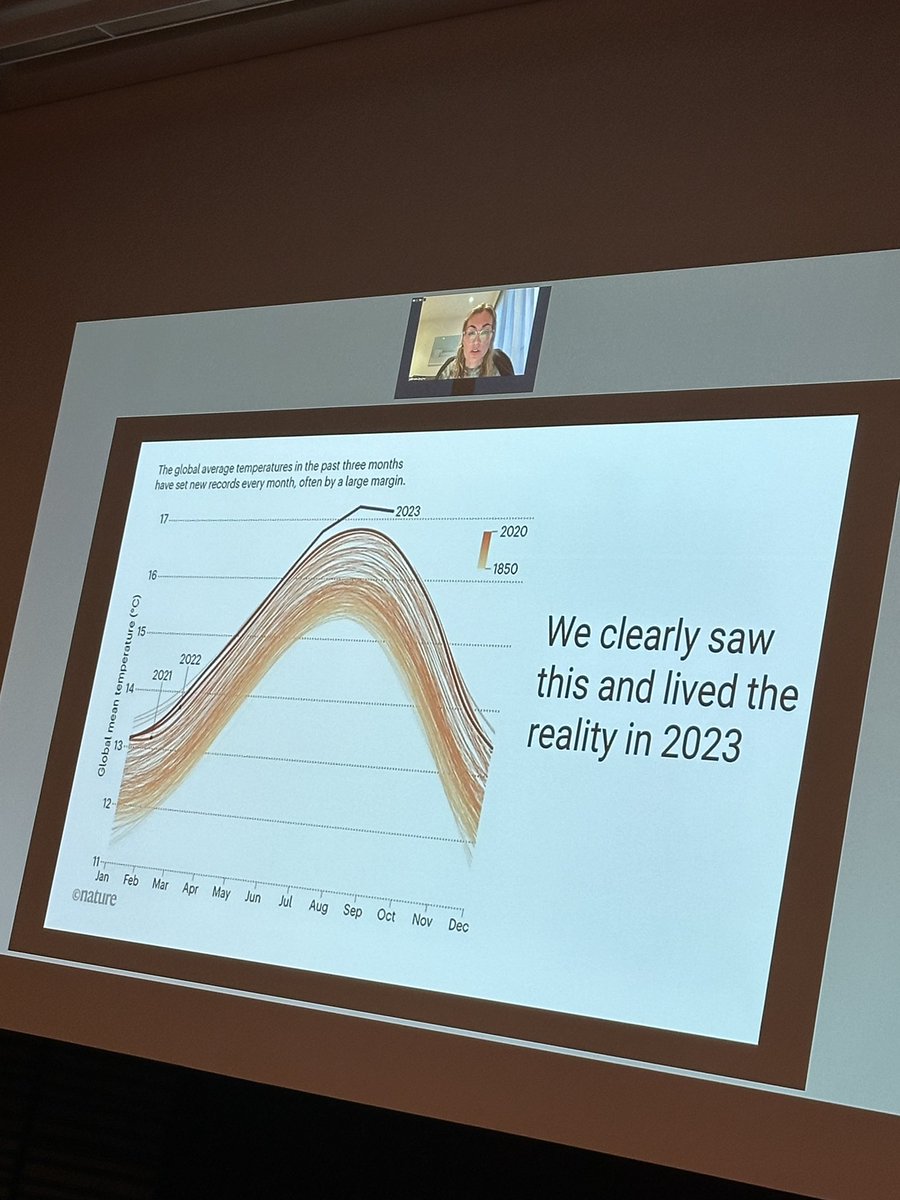
Warm is the new norm for the #GreatBarrierReef – a likely El Niño this year = more red flags. What are we waiting for? theconversation.com/warm-is-… via @ConversationEDU @sfheron @physiologyfish Jon Day @gbrmarinepark @WMO @bureauofmeteorology @jcu
4
25
6,060
Professor Jodie Rummer retweeted

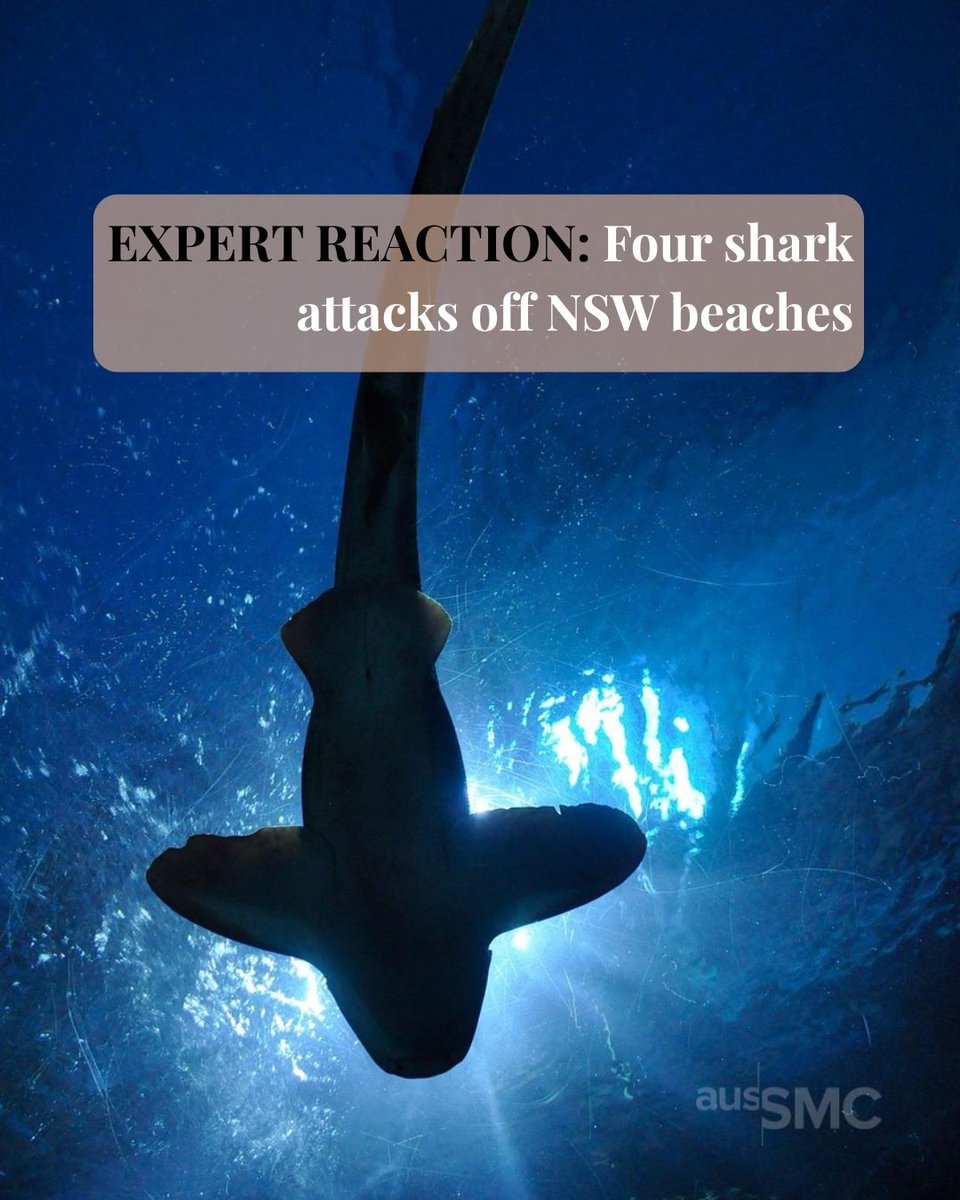
🦈Four shark attacks have now been recorded off NSW beaches in 48 hours, with more than 20 beaches closed
Experts from @RMIT @Macquarie_Uni @culumbrown @jcu @physiologyfish @UniofAdelaide @BriannaLeBusque @Swinburne respond
✨full comments here✨
buff.ly/xIW6co5
1
2
3
260
Professor Jodie Rummer retweeted
🦈Need an expert to talk to about the recent shark attacks?
📢Talk to our #EXPERTSPOTLIGHT @physiologyfish from @jcu
🐟Jodie is an expert in all things fish, reefs, sharks, ocean acidification, marine ecosystems and much more
🔦Find her details here: scimex.org/experts?name=jodi…
1
5
159
Professor Jodie Rummer retweeted

Jan 20
After a spate or four shark attacks in 48 hours in New South Wales, authorities are urging beachgoers ‘just go to a pool’.
JCU professor of marine biology Dr Jodie Rummer weighs in on the situation in this article for Guardian Australia 👇📰
theguardian.com/australia-ne…
2
3
821
27 Jan 2025
Professor of marine biology, James Cook University - Australia - #coralreefs #fish #sharks #evolution #conservation #physiology #climatechange #LGBTQ #STEM #TEDx #physioshark
Find me here now:
bsky.app/profile/physiologyf…
2
183
Professor Jodie Rummer retweeted

8 Jan 2025
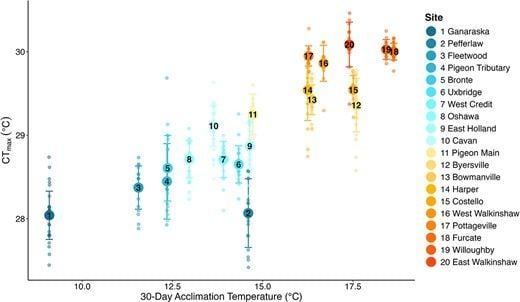
Species’ adaptability to climate change will depend on individual and population-level responses to heat stress. This study quantified thermal tolerance of wild trout populations and identified factors affecting interpopulation variation
🐟 Read here: buff.ly/3PqIVON
1
4
13
941
Professor Jodie Rummer retweeted

7 Jan 2025
The advantage of the holiday backlog is being able to accept 5 papers 😊 today for @conphysjournal
If you’re working on the physiology of any organism in the context of conservation and want to know more about the journal, please get in touch.
4
14
459
Professor Jodie Rummer retweeted

18 Nov 2024
As Australia privatises nature repair, the cheapest approach won’t save our threatened species theconversation.com/as-austr… via @ConversationEDU
2
5
524
Professor Jodie Rummer retweeted

17 Nov 2024
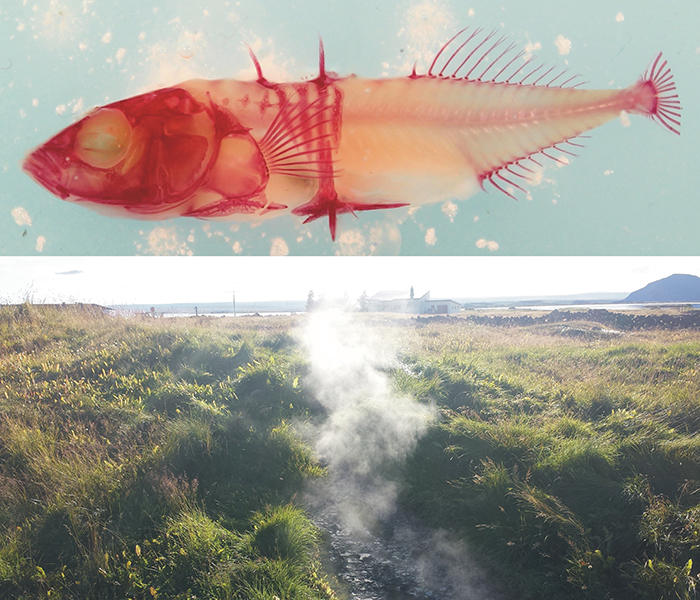
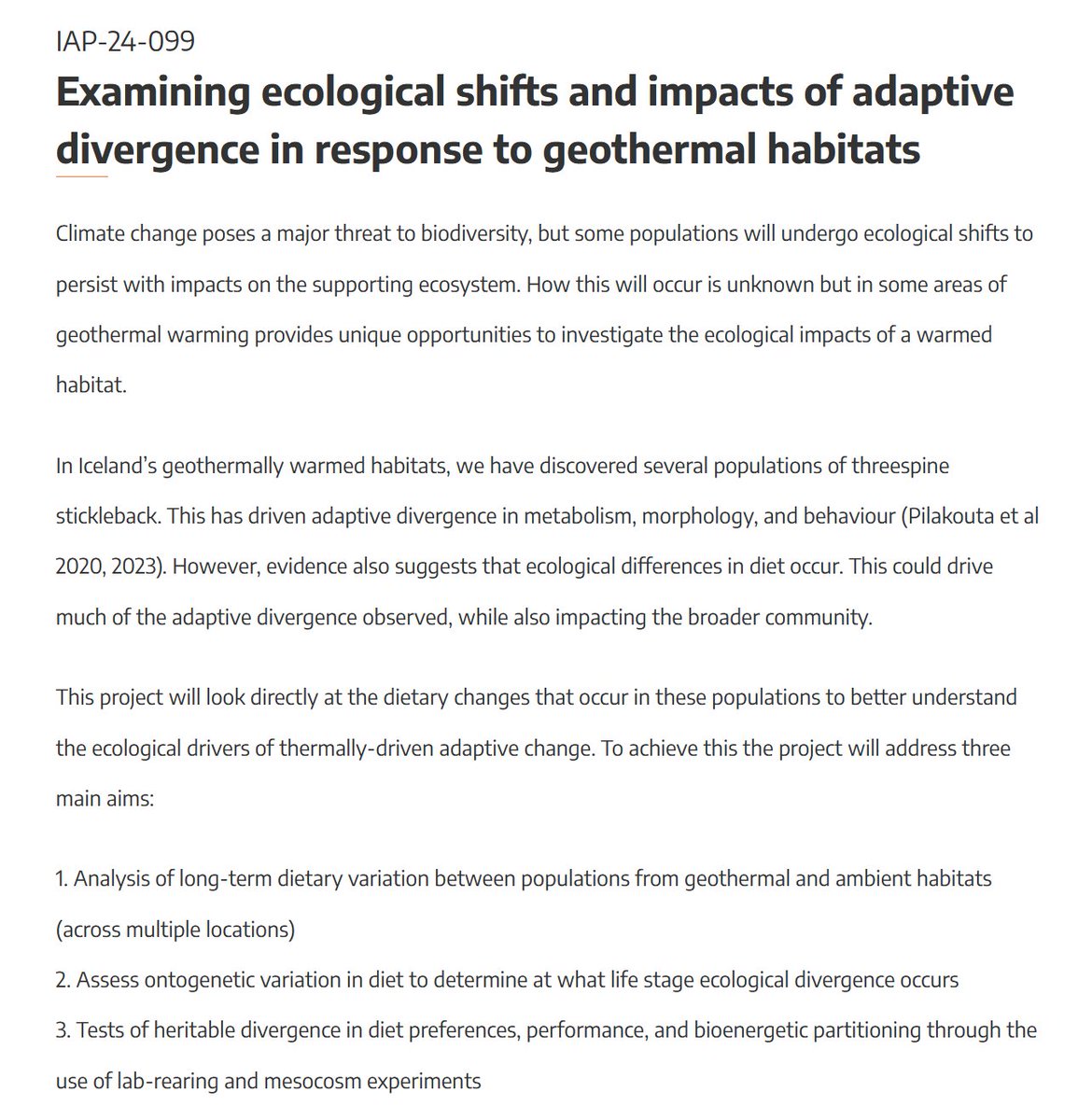
Exciting PhD project on the ecological implications of divergence & adaption to warm water habitats in 3-spined sticklebacks combining field work in Iceland, mesocosms, tank studies & lab-work in the UK. Great team, lots of exciting ideas & techniques.
shorturl.at/9ueah
1
32
58
5,607
13 Nov 2024
I value the connections & conversations we’ve built here, but the platform’s direction no longer aligns with my values. 🧵 1/3
4
6
729
Professor Jodie Rummer retweeted

12 Nov 2024
We are looking for master, PhD, and postdoc individuals that would be interested by a project with fish, food-web and winter ecology project in Canada. Experience with telemetry and/or isotopes will be a great asset! If interested, DM me :)
27
115
262
34,695
13 Nov 2024
I’d love to see you there as we continue exploring & advocating for the things that matter most. #climateaction #science #healthyoceans #biodiversity #diversityinSTEM #PhDchat #scicomm 🧵3/3
1
164
13 Nov 2024
With 6000 followers, I may not have the reach of others, but if you’ve appreciated my work & want to keep the conversation going, please join me on Threads @rummerjodie. 🧵2/3
1
127
Professor Jodie Rummer retweeted

28 May 2024
Essay in @ScienceMagazine:
“Although fieldwork has been pivotal in scientific breakthroughs across disciplines, the constraints imposed by fieldwork are often incompatible with high publication rates, journal impact factors, and citation counts”
science.org/doi/10.1126/scie…
1
47
133
23,716
Professor Jodie Rummer retweeted
11 Nov 2024
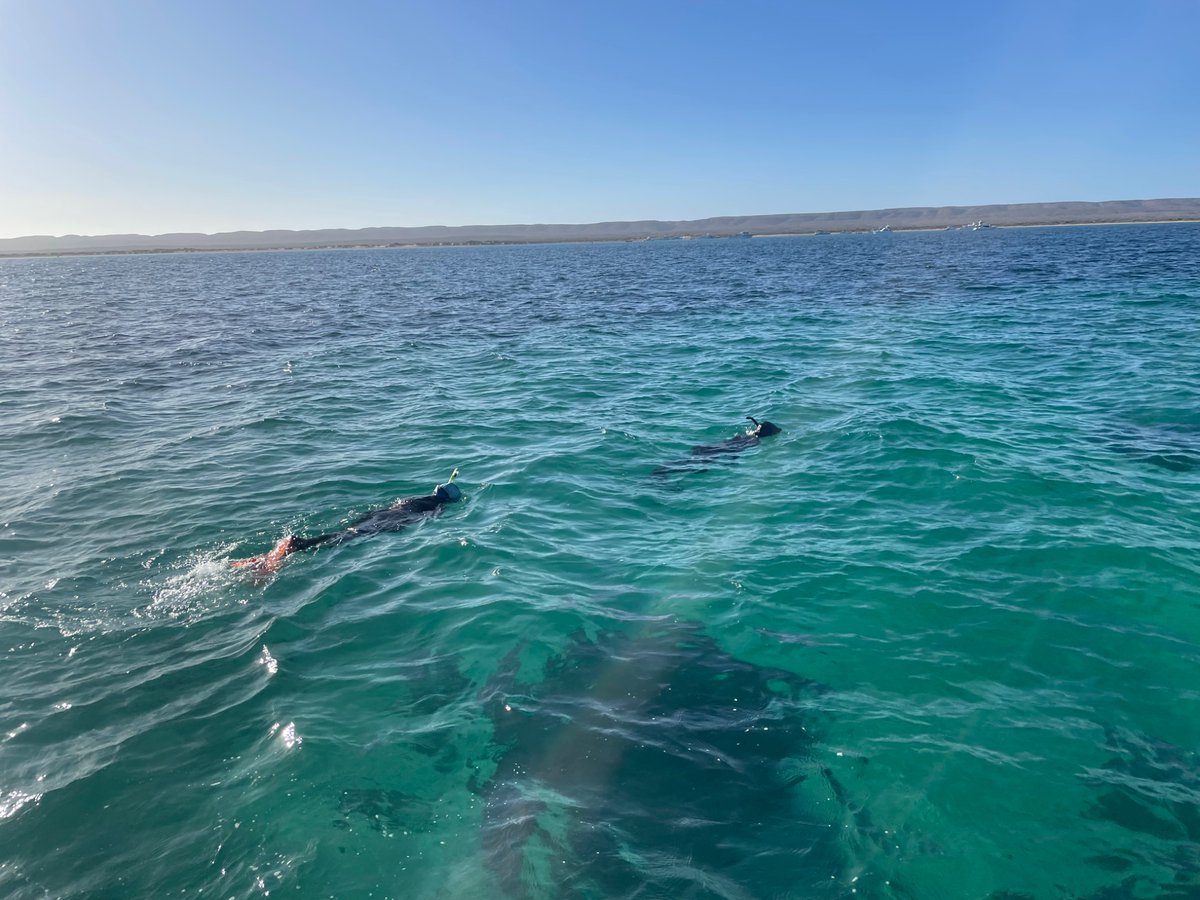
OPEN 🎤 #PhD position @uwanews @uwaoceans on the use of genomic methods for coral reef conservation and threatened species. 🪸
Instructions 👇
Preferred skills include demonstrated skills in #Bioinformatics
researchdegrees.uwa.edu.au/p…
38
57
9,203
Professor Jodie Rummer retweeted

11 Nov 2024
Portugal shut down their last remaining coal fired power plant and is fostering a renewable energy revolution. They could be completely renewable by 2040 if not sooner. It can be done.
We have the solutions. Implement them. #ActOnClimate
#climate #energy #renewables #go100re
155
1,034
2,768
60,607
Professor Jodie Rummer retweeted

10 Nov 2024
1. Here are my thoughts on the pros and cons of staying on this platform.
Pro: We were here long before Musk took it over. We built this.
Con: He has used our creation to help elect a far-right autocrat, and build his own grim political career.
🧵
619
1,999
9,849
995,200
Professor Jodie Rummer retweeted

11 Nov 2024
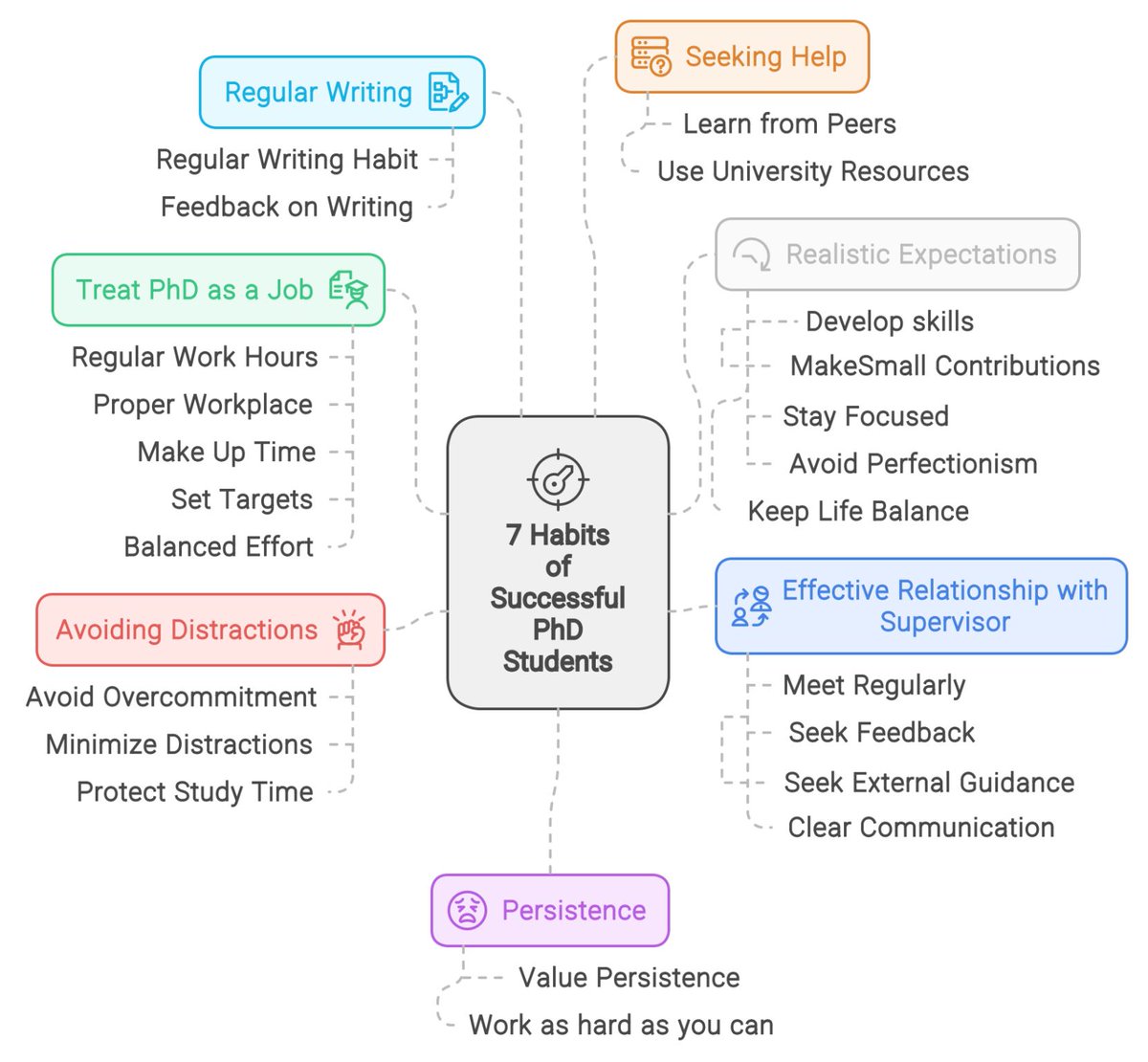
PhD Students - Here are the 7 most useful habits for PhD students.
𝟏. 𝐌𝐚𝐢𝐧𝐭𝐚𝐢𝐧 𝐚𝐧 𝐞𝐟𝐟𝐞𝐜𝐭𝐢𝐯𝐞 𝐰𝐨𝐫𝐤𝐢𝐧𝐠 𝐫𝐞𝐥𝐚𝐭𝐢𝐨𝐧𝐬𝐡𝐢𝐩 𝐰𝐢𝐭𝐡 𝐲𝐨𝐮𝐫 𝐬𝐮𝐩𝐞𝐫𝐯𝐢𝐬𝐨𝐫
→ Meet regularly with your supervisors.
→ Discuss your progress and seek concrete feedback regularly.
→ Don't shy away from seeking guidance from outside.
→ If it's not working out, communicate it clearly to your supervisors.
𝟐. 𝐓𝐚𝐤𝐞 𝐢𝐭 𝐚𝐬 𝐚 𝐣𝐨𝐛
→ Keep working on your PhD on regular basis (maybe 9 - 5).
→ Set up a proper workplace for yourself.
→ Make up for the time you couldn't work on your PhD.
→ Set up clear targets and deadlines.
→ Work hard but don't push yourself too much.
𝟑. 𝐁𝐞 𝐫𝐞𝐚𝐥𝐢𝐬𝐭𝐢𝐜: 𝐈𝐭'𝐬 𝐧𝐨𝐭 𝐚 𝐧𝐨𝐛𝐥𝐞 𝐩𝐫𝐢𝐳𝐞
→ No one expects you are an expert researcher. You learn it during PhD.
→ You don't need to change the world, you are here to make a small but concrete contribution to the body of knowledge.
→ Don't deviate too much from your topic often. Stay focused.
→ Don't aim for perfection. It will hold you back.
→ PhD is part of your life, not your entire life so treat it so.
𝟒. 𝐖𝐫𝐢𝐭𝐞 𝐚𝐧𝐝 𝐬𝐡𝐨𝐰 𝐚𝐬 𝐲𝐨𝐮 𝐠𝐨
→ Develop a habit of regular writing ideas, papers, meeting minutes, etc.
→ Seek feedback on your writing e.g., a draft of your paper.
𝟓. 𝐆𝐞𝐭 𝐡𝐞𝐥𝐩
→ Don't shy away from seeking help. Learn from your lab mates and seek help from your seniors.
→ Seek help or assistance from your university resources e.g., assistance for proofreading your thesis.
𝟔. 𝐒𝐚𝐲 𝐍𝐎 𝐭𝐨 𝐝𝐢𝐬𝐭𝐫𝐚𝐜𝐭𝐢𝐨𝐧𝐬
→ Don't indulge yourself in 10 things (e.g., teaching and program committees, etc.) so much that your PhD research becomes the last priority.
→ Don't get easily distracted via things like housework and gossips around
→ Don't let anything eat into your set study times.
𝟕. 𝐏𝐡𝐃 𝐢𝐬 𝟗𝟎% 𝐩𝐞𝐫𝐬𝐢𝐬𝐭𝐞𝐧𝐜𝐞 𝐚𝐧𝐝 𝟏𝟎% 𝐢𝐧𝐭𝐞𝐥𝐥𝐢𝐠𝐞𝐧𝐜𝐞
→ You already have the 10% intelligence that's why you are here. You just need to be persistent to reach the finishing line.
→ You can do it. At times, it seems otherwise along the journey but your hard work will eventually pay off.
Source: The seven habits of highly effective PhD Students by Hugh Kearns and Maria Gardiner
Which habit helped you the most in your PhD?
#phd #research
3
70
182
10,621
Professor Jodie Rummer retweeted

9 Nov 2024
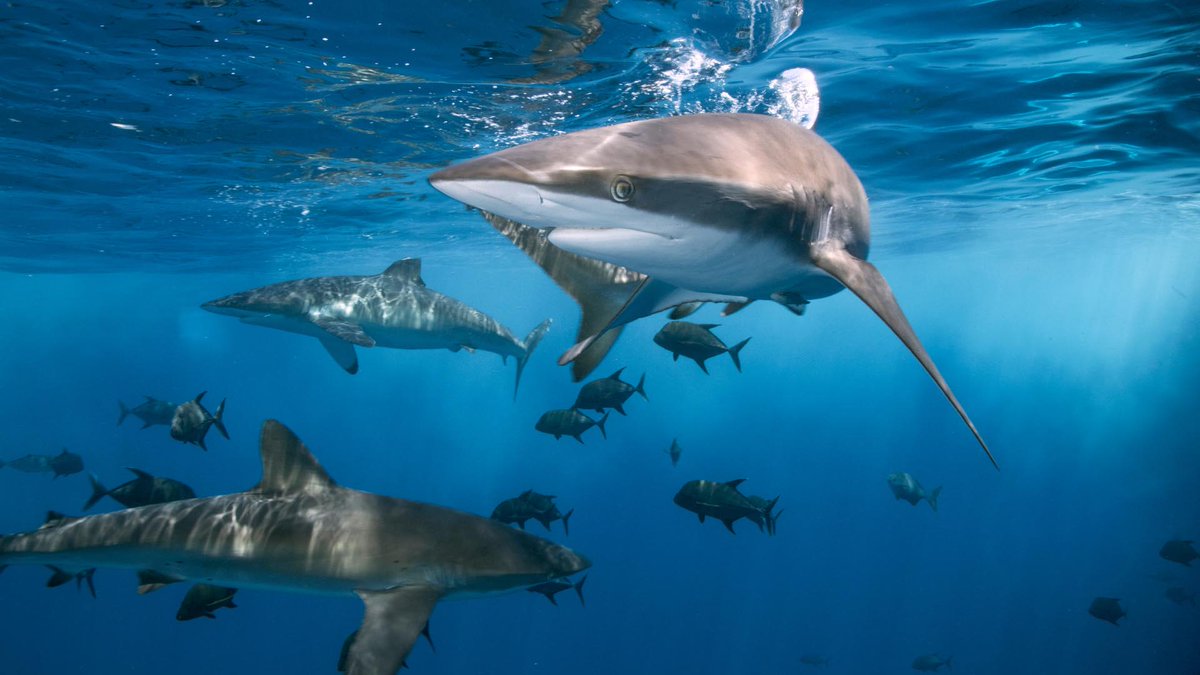
AWESOME WORKSHOP: Sharks of the Maldives: Introduction to field based research and monitoring techniques
marhe.unimib.it/activities/e…
Sharks are elasmobranchs, fish with skeletons made from cartilage, and with five to seven gill-slits to filter oxygen from the water. They can be found in both shallow waters basins, reefs, and the pelagic zones throughout the world’s oceans, with some migrating vast distances to breed and feed. Some species are solitary, while others hang out in groups of varying degrees or aggregate for reproductive purposes.
Despite what is often portrayed, sharks may not be a significant threat to us, but we are to them. Humans are responsible for drastic declines in shark populations. It is estimated that around 100 million sharks are killed each year, mostly by overfishing to supply demand for shark-based products, but also as a result of bycatch, a new threat to the species. Rising water temperatures and coastal development are also contributing to shrinking populations by destroying the mangroves and coral reefs that sharks use for breeding, hunting, and protecting young shark pups.
Furthermore, the survival of many coastal human communities largely depends on fish populations controlled by the presence of sharks, both important for fishing and tourism activities. Therefore, the study and description of shark communities that inhabit reefs and coastal zones can provide helpful information for the management of all human activities involving the sea, from fishing to tourism. The skills acquired in the field of shark biology and ecology can therefore be used both in the sectors related to the protection and conservation of ecosystems, in fisheries management and tourism, as well as in academia.
#coralreefs #maldives #sharks #oceanecology #coralreefecology #workshop #surveytechniques #networking #marinebiology
4
11
649
Professor Jodie Rummer retweeted
10 Nov 2024
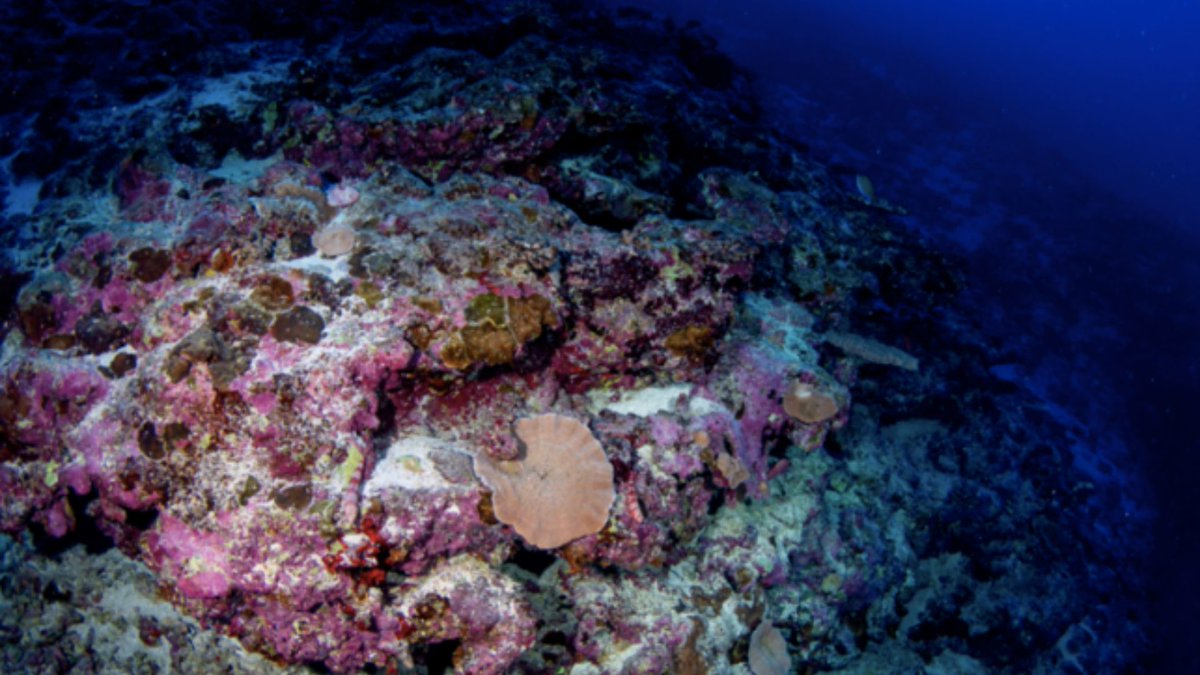
PHD OPPORTUNITY: Impacts of upwelling and internal waves on deep-water coral reefs around the Galapagos archipelago (University of East Anglia)
uea.ac.uk/course/phd-doctora…
The Galapagos archipelago is a hotspot of biodiversity and hosts one of the worlds’ largest marine reserves, including pristine deep-water coral reefs. The rich ecosystem is sustained by a dynamic current system, air-sea interactions, and flow-topographic interactions around the multiple islands and seamounts. One critical process is upwelling, driven by local winds, which brings nutrient-rich deep water into the photic zone, fuelling phytoplankton growth. A second important process is the generation and breaking of internal waves. These large-amplitude waves in the ocean’s interior have recently been observed in the region and are thought to enhance the upward flux of nutrients around the seamounts. However, due to a sparsity of data, we do not understand how these local-scale processes are influenced by global-scale weather systems (e.g. El Niño and the Madden-Julian Oscillation), or how they impact the ecosystem at reef scales.
#coralreefs #galapagos #phd #phdopportunity #upwelling #mesophotic #coralreefecology #marineecology #coralhealth #marinebiology
15
25
2,484