
life, liberty, and the pursuit of piginess
Joined August 2025
- Tweets 325
- Following 95
- Followers 27
- Likes 856
16 Photos and videos

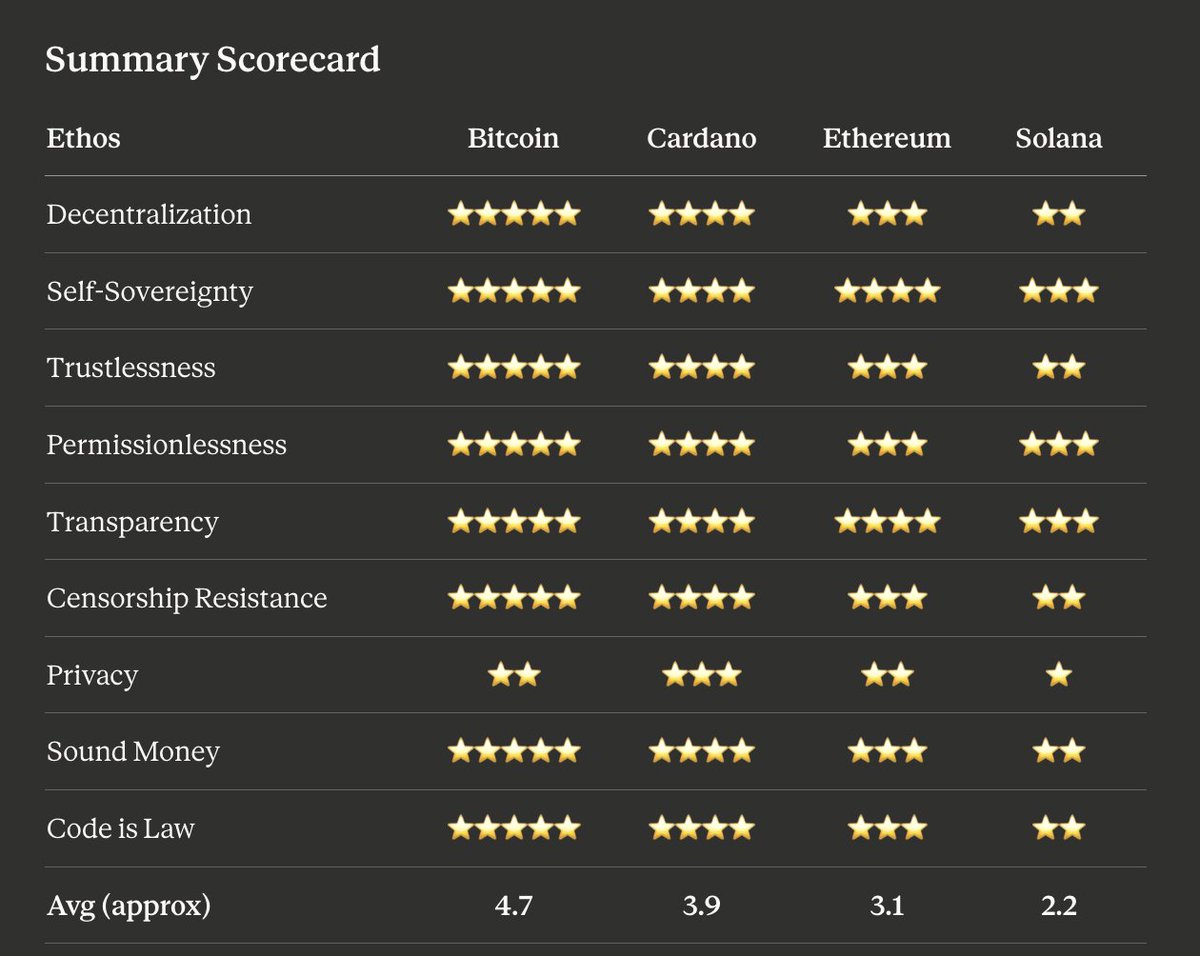
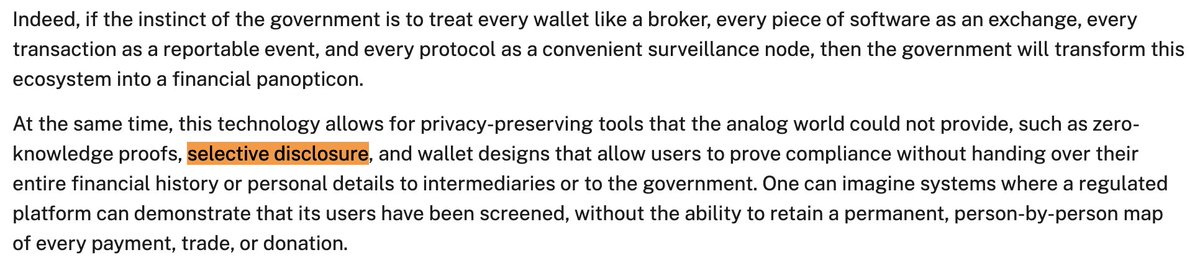
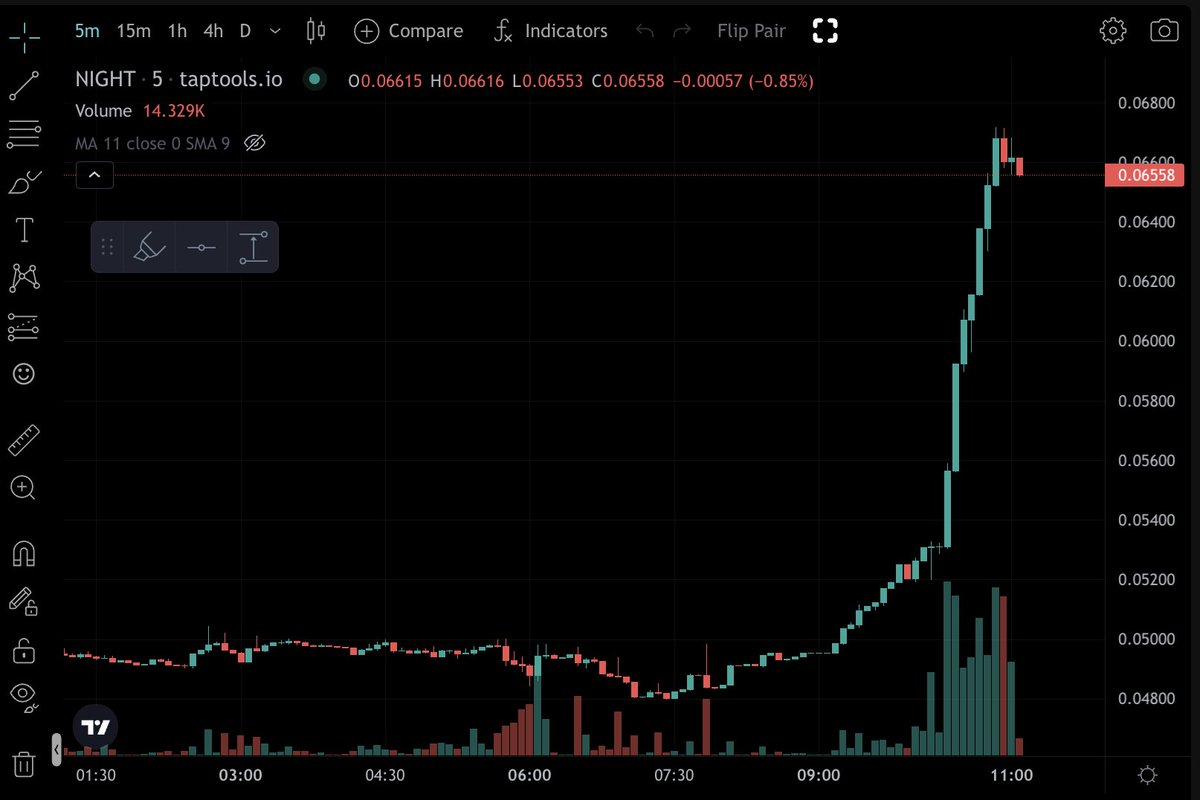
pig.night retweeted

Apr 23
⚡️CARDANO STABLECOIN SUPPLY NEARLY TRIPLES IN A YEAR
Cardano’s stablecoin market cap has nearly tripled over the past year, signaling growing activity across its ecosystem.

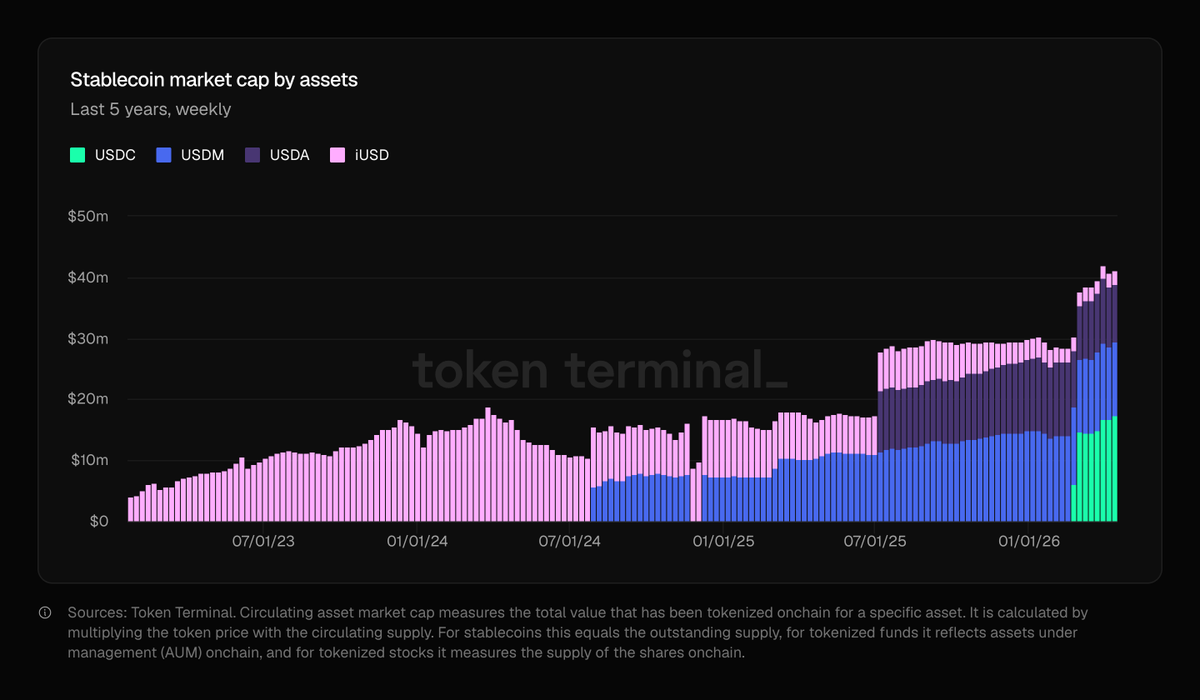
52
220
1,149
39,049
pig.night retweeted

I've created a demo for Ouroboros Peras, which is CIP140 compliant and uses TWEAG artifacts 💪
Experience the power of accelerating finality!
adatool.net/peras-demo
3
9
53
2,832
pig.night retweeted

Apr 20
Just a reminder to all #DeFi guys migrating your USDC/USDT to Solana or Tron – you still do not own your tokens. Circle and Tether own them.
On Cardano you actually own your Cardano Native Tokens (CNTs) like USDCx or USDM.
5
38
185
3,361

pig.night retweeted

Apr 16
Midnight is live on Blockfrost 🥳
Hosted indexer, WebSocket, and node for the Midnight network. Same account, same API key flow. Just select Midnight Mainnet from your dashboard and start querying.
Included on every plan.
@MidnightNtwrk
10
43
211
5,783


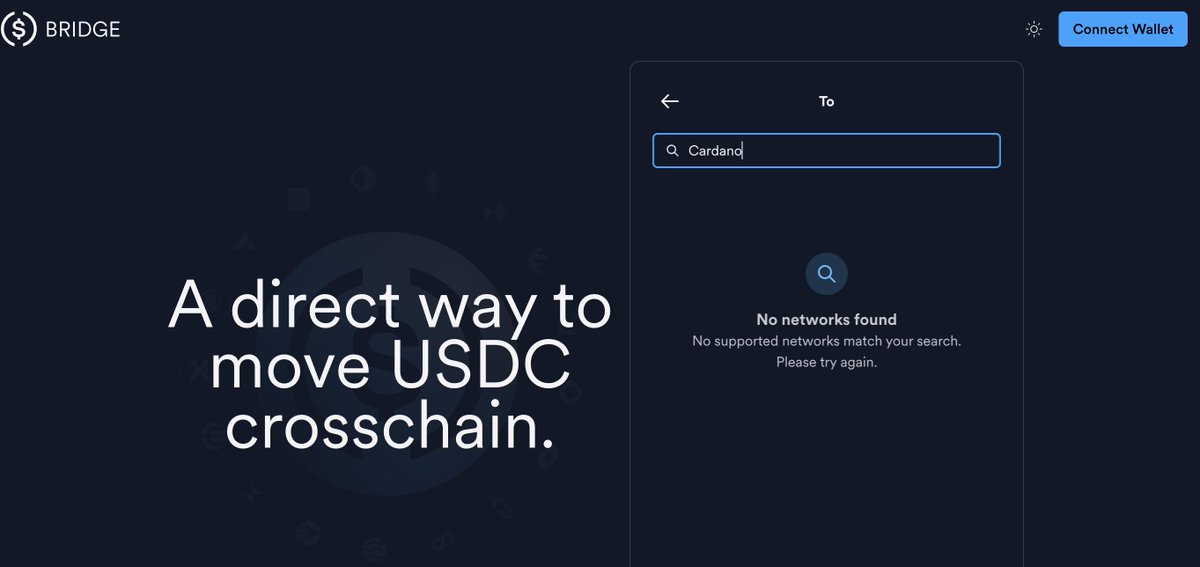
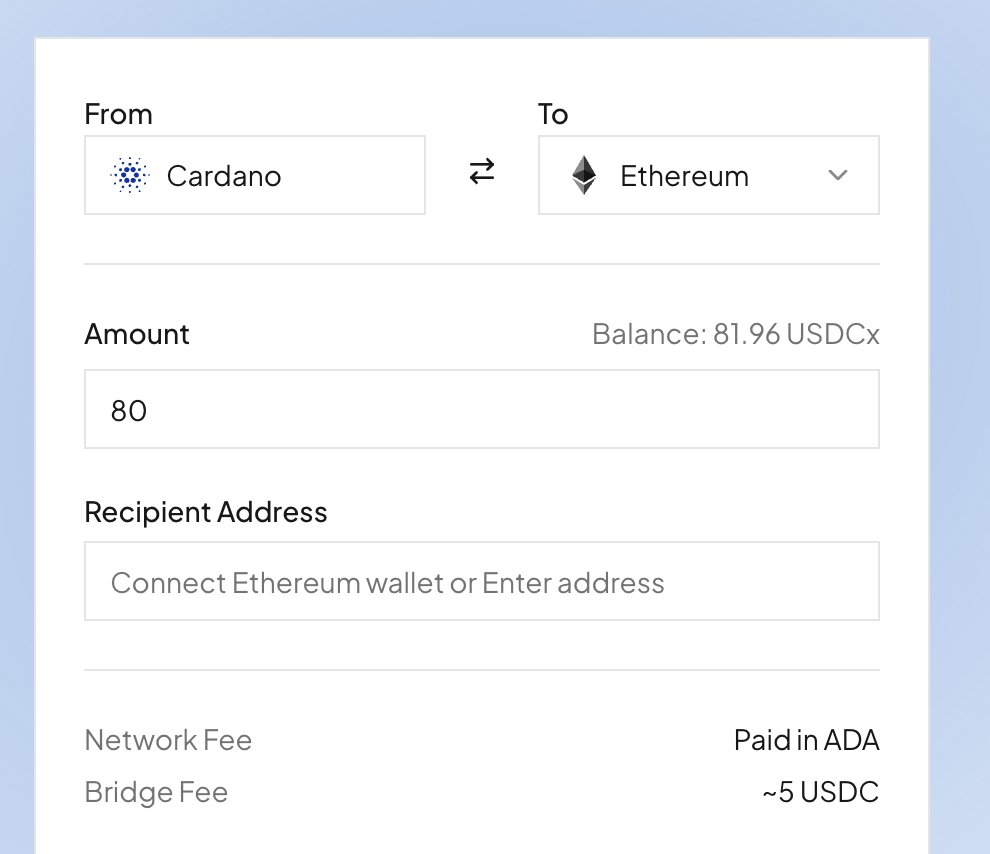
Introducing the USDC Bridge.
A direct way to move USDC crosschain.
Built and operated by Circle, USDC Bridge gives you a predictable, transparent way to move USDC between chains:
→ Native burn-and-mint transfers
→ Clear fees upfront, with live status and progress
→ No route selection. No bridge complexity.
→ Destination gas handled automatically
Move USDC. That’s it.
bridge.usdc.com
46
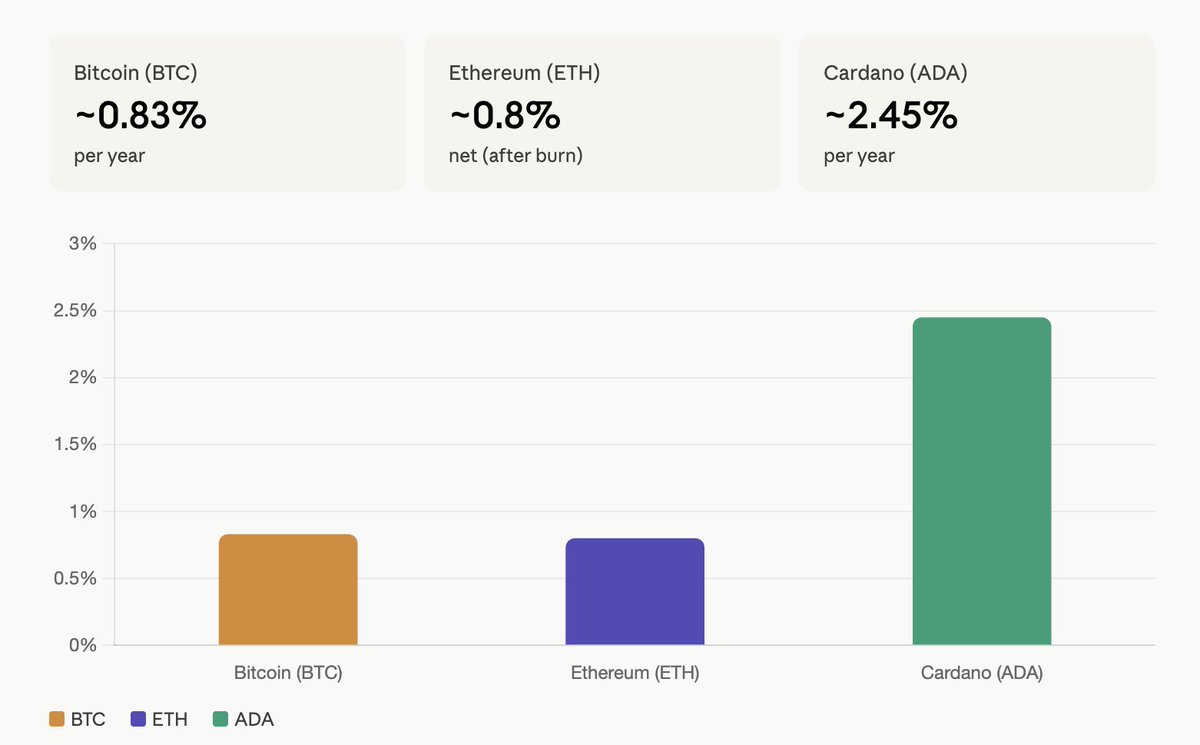
ADA has capped supply, but there is still inflation to circulating supply, and that is 2.45%, 3x higher than that of BTC and ETH
claude.ai/share/a66d2f28-f33…

Cardano inflation from treasury is currently ~2.45% , compare to bitcoin ~0.83% and ETH ~0.8% (according to Claude Opus)
28
pig.night retweeted

Apr 12
That’s why we hit a new low against BTC yesterday. If someone tells you that what we’re selling from the treasury has no impact on the market, they’re simply lying.
A lower ADA price means everyone will leave, and that’s the end. Realize that.
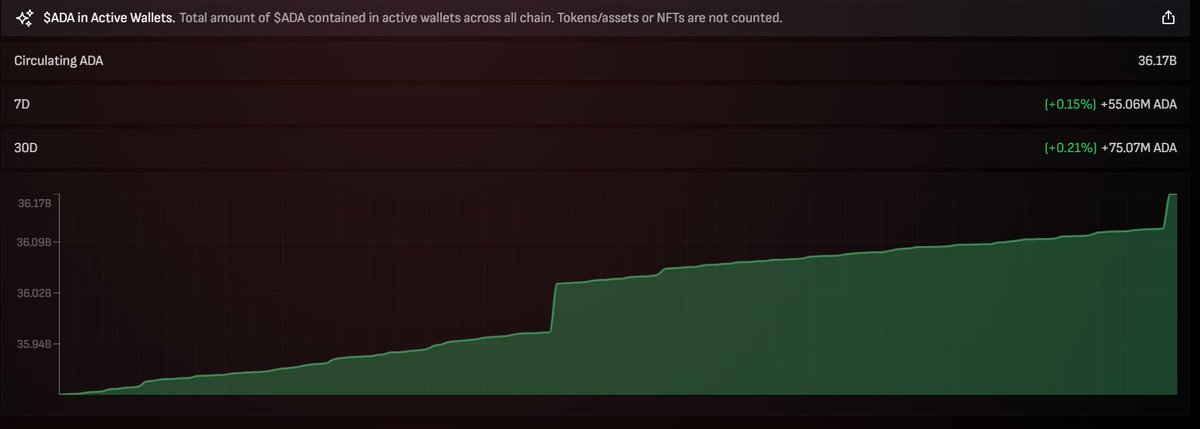
Circulating ADA Last 7 days: 55M
Circulating ADA Last 30 days: 75M
cardanzo.tools/cardano
7
13
62
4,505
pig.night retweeted

Apr 12
I cannot support allocating around 14 million ADA to events to be clear and transparent early on.
This comes from the treasury and in practice creates sell pressure that impacts ADA holders, including those I represent. I do not see a clear return or lasting value to justify it.
If you disagree, you should move your delegation. If you share this view, I welcome your support in delegating to me as a DRep.
Thank you for the continued support. 💙
drep1ygsgfhcydhlfglamhzkjn97rz3edef8a4z99fwl2frcwnrcmgurt3
46
47
438
10,927

I’ve been in this space since 2019, starting as an SPO. Back then, you could already see certain figures positioning themselves as “voices” of the ecosystem — people who knew how to explain things well and rally the community behind them.
But over time, something started to bother me more and more.
It feels like within Cardano, only a small group decides what gets attention. Projects get talked about, supported, and promoted… but mostly when they’re backed or pushed by those same voices.
Meanwhile, builders — real builders — who are actually trying to create utility for everyday users often get ignored. Not criticized. Not challenged. Just… not even looked at.
And that’s the part that concerns me.
We built Payada for the average user.
No code. No complexity. Just simple payment and access links that anyone can use.
We even launched a TRY campaign where people can test it in under 5 minutes and receive 5 ADA back.
And still… almost no activity.
Not even curiosity.
Not even a simple “let’s try this and see.”
It makes me wonder — is the issue visibility?
Or is it that the ecosystem has become too dependent on influencers to validate what’s worth attention?
Because let’s be honest: many of those influencers expect to be paid.
And if something isn’t sponsored, it often doesn’t exist.
So where does that leave builders who are just trying to create real utility?
Is Cardano not ready yet for simple, user-focused tools?
Or are we just not looking in the right places anymore?
I’m not posting this out of frustration, but out of genuine concern.
Because if real builders aren’t seen or tested…
we risk building an ecosystem that talks a lot — but uses very little.
We’re going to keep building — with or without Cardano.
We already have a working product.
Don’t let that go to waste.
Curious to hear your thoughts.
#cardano #cardanocommunity #ada #payada
13
27
127
5,660
pig.night retweeted

Apr 10
What if onboarding on Midnight just… worked?
@Quantumplation (@SundaeSwap) demos the Midnight Capacity Exchange:
👉 No extensions
👉 No waiting for dust
👉 No friction
Users can pay fees with what they already have.
36
107
560
21,867

pig.night retweeted
Apr 10
Cardano Transactions as Enterprise Blockchain Events
I have been building an open source engine that turns raw Cardano chain data into structured events that applications can consume directly.
The core issue is simple. Most systems do not need blocks. They need signals. Address activity, asset movements, metadata, governance actions. Today every team rebuilds parsing, indexing, and filtering from first principles. The result is duplicated effort and inconsistent outputs across the ecosystem.
This engine connects to Ogmios and works at the transaction level. You define what matters through rules. Address match, policy and asset filters, metadata, governance activity, or even every transaction. The system evaluates each transaction once and emits CloudEvents 1.0 in real time.
Events are pushed into a queue that can run on any service provider. From there, any number of consumers can subscribe over HTTP or through gRPC streams. Consumers do not need Cardano specific tooling. They receive clean, structured events and process them in their own environment.
I tested this against Cardano mainnet starting a full year behind the chain tip with four rules running in parallel, including a full transaction match. The behaviour is measurable:
• 5 days of chain history processed in 14 minutes, around 500 times real time
• 22,000 blocks scanned and 192,000 transactions evaluated
• 270,000 events emitted across rules, sustaining around 320 events per second
• 90 percent of events published in under 1 ms
• 139 MB memory footprint
• Zero failed events and zero data loss
• Checkpoint recovery built in, restart continues from the exact position
The design choice is deliberate. Process once at the edge of the chain, then distribute clean data downstream. It removes repeated work, reduces failure points, and makes behaviour predictable across systems.
Other ecosystems often push this complexity into every application or rely on centralised indexers. This approach keeps the pipeline transparent and composable while still scaling to real workloads.
In practice this means faster integration, fewer moving parts, and consistent data across services, along with cost savings.
It is still in progress, but this demo shows four consumers run in separate docker containers, each subscribing to a single queue, each receiving only the events they care about and surfacing it's details, all fed by one chain sync process.
All of this is open sourced and will continue to be
github.com/ItsDaveB/OgmiosDo…
12
45
333
7,642

pig.night retweeted

Apr 8
Sundae Labs showed up big at Buidler Fest Argentina 🇦🇷
Our CTO, Pi Lanningham (@Quantumplation), breaks down our latest projects:
• Midnight Capacity Exchange
• an early build of Gummiworm, a Cardano L2 solution
• and a first sneak peak at the @SugarRushDEX, powered by Gummiworm
7
39
265
8,647
pig.night retweeted

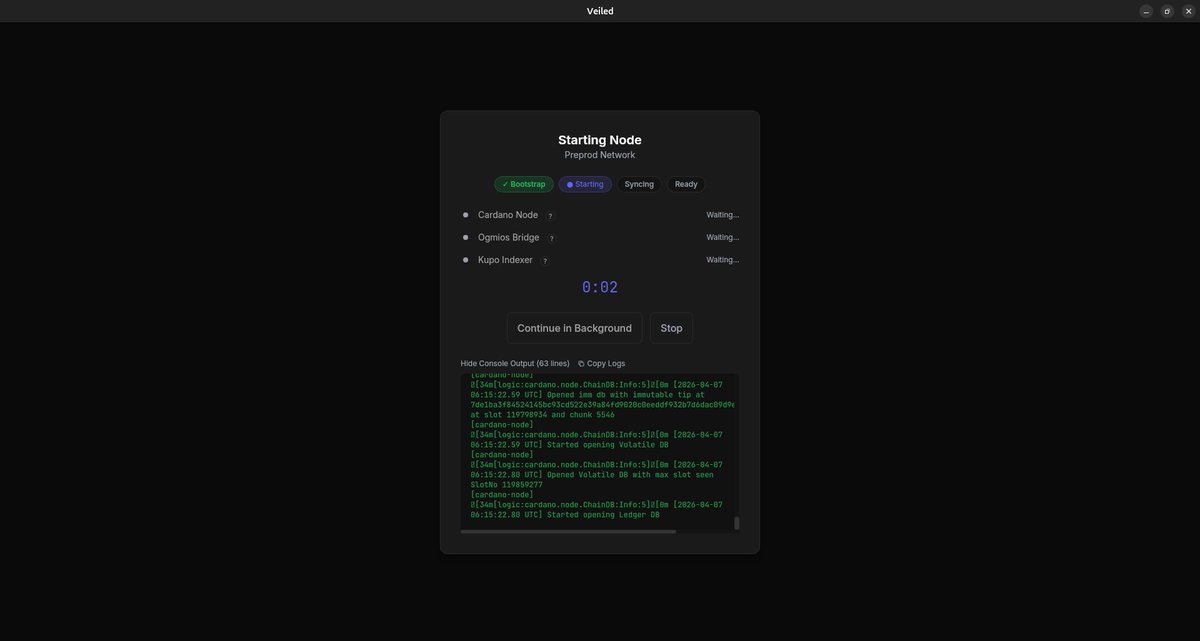
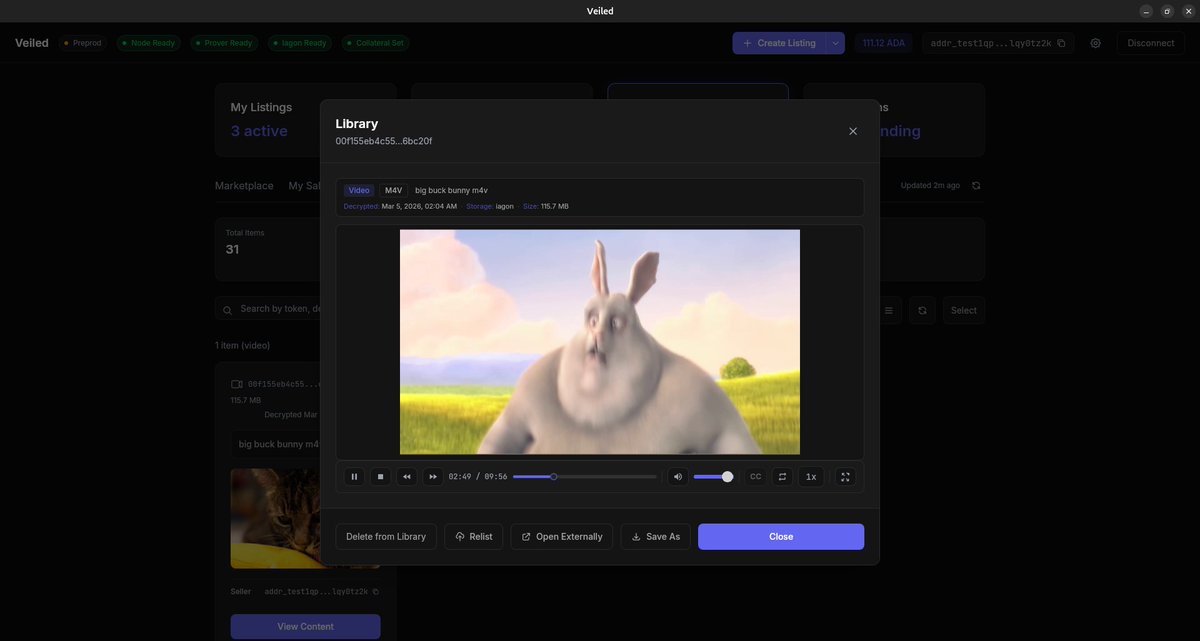
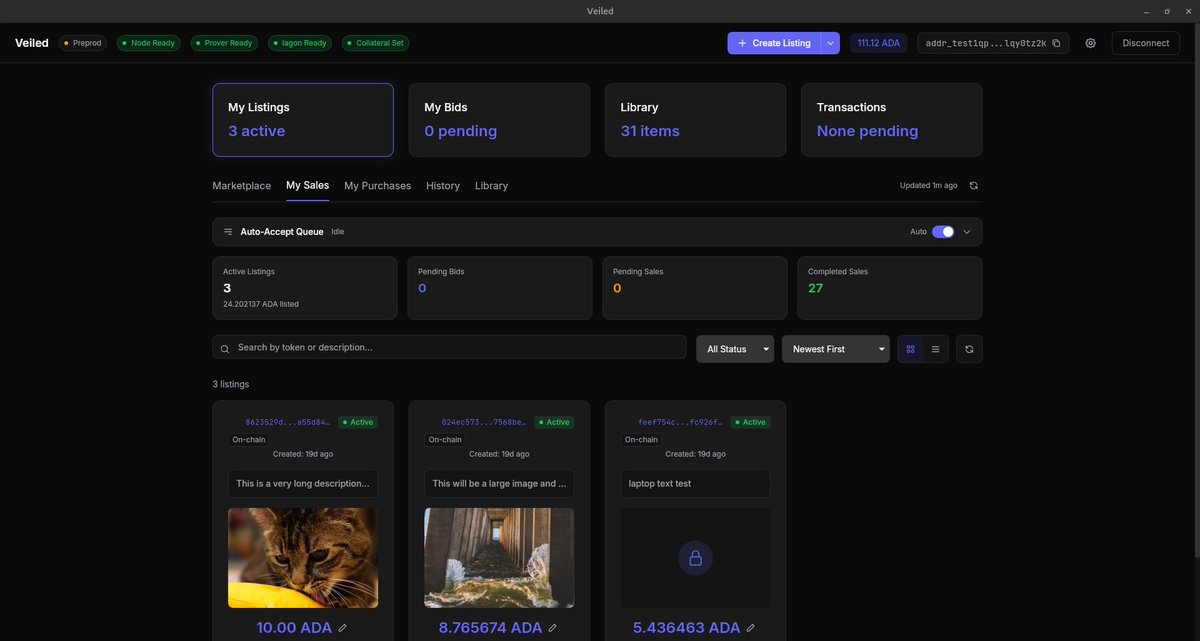
Been working on this for a while. It's called Veiled.
A desktop app for buying and selling encrypted data on #cardano. You run your own node. Bids lock in escrow. When a seller accepts, a zk proof re-encrypts for the buyer. No trust required.
github.com/logical-mechanism…
3
10
34
2,368
pig.night retweeted

Apr 7
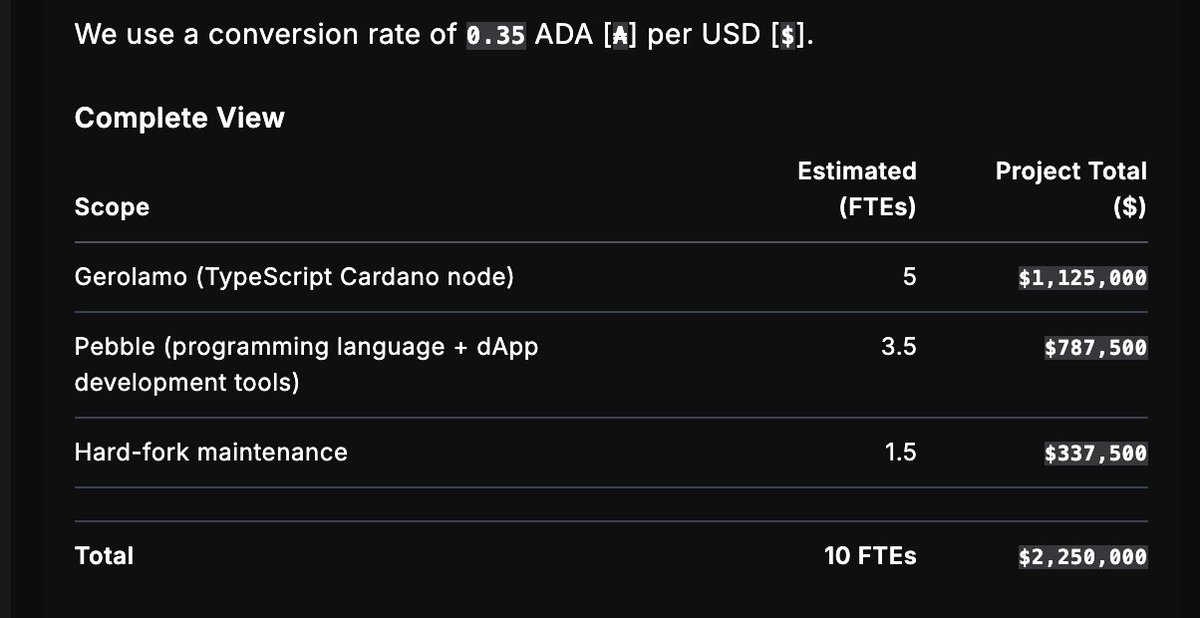
We’re changing course to prioritize Cardano’s growth. We are ceasing development on Acropolis to focus on chain abstraction and cancelling Tiered Pricing to align with the Leios roadmap. This decision returns ₳4.1M to the Treasury. We’re putting resources where they deliver the most value for the community.
Full update: spr.ly/6016B6QhFG
39
124
616
39,125
pig.night retweeted

Apr 6
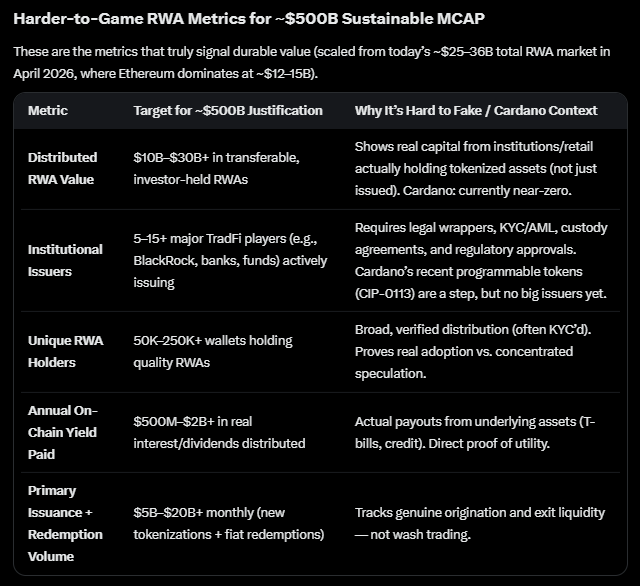
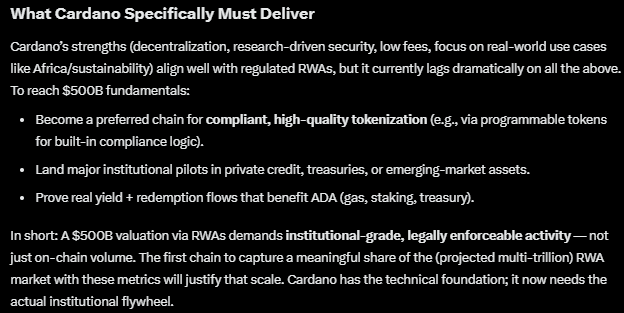
Asked Grok what it would take for Cardano to be legitimately valued as a 500B mcap chain ($ADA around $14). Here's what it said.
We have a long way to go. But the fastest method is really to capture key institutions that will infuse the blockchain with billions, if not trillions in value.
This is what I mean by Cardano needing to differentiate itself, and not just chasing the current success metrics inferior chains have paved (e.g. easy to cheat TVL, Defi metrics).
If a government would tokenize an entire country's real estate to be on-chain in order to have a permanent record of land ownership, transfers and easier property management and taxation, that's a very quick way of getting to our destination metrics wise.
The key question then, is if @Cardano_CF and @emurgo_io are even looking at these angles, and have they made progress.
This I believe is the reason why alts never did experience success. The market looked at the industry and called our bluff. Speculation can only go so far, now the real adoption must begin.
15
13
92
6,044
pig.night retweeted
Apr 5
While many blockchains talk about freedom, they still quietly rely on inflation and concentrated power. Cardano was built on a very different foundation.
The protocol enforces a hard cap of 45 billion ADA. That matters because long term value cannot be manufactured through endless issuance. It has to be earned through real utility, real demand, and a blockchain people actually choose to use and secure.
That scarcity is paired with genuine decentralization. Thousands of independent stake pools operate across the world, and more than 58% of circulating ADA is actively staked. That creates one of the strongest distributions of power anywhere in proof of stake.
What this produces is a genuinely borderless system, where participation is open by design. Anyone with an internet connection can stake, help secure the ledger, and take part in governance. There is no banks. No gatekeepers. No special access based on wealth, geography, or connections.
In my view, this combination of hard supply and broadly distributed control is exactly why Cardano stands apart as one of the most principled experiments in digital money.
16
36
276
4,891