
Science-based tech parenting | Helping families navigate screens, AI & digital life | MS Educational Studies | Host of the Pixel Parenting Pod
Joined February 2009
- Tweets 139
- Following 135
- Followers 95
- Likes 49
107 Photos and videos




Pinned Tweet

18 Feb 2025
Parents, not all games affect kids the same way! 🎮🧠 Action games = fast dopamine hits. Strategy games = long-term problem-solving, slower dopamine release.
Knowing the difference can help you make better gaming choices for your child! Watch this quick explainer.
⬇️ #Parenting #KidsAndGaming #BrainOnGames #dopamine
1
1
6
174
Jun 10
Industry asks for the 4 Cs: collaboration, communication, critical thinking, creativity.
Dr. Missy Widmann on Pixel Parenting: those don't grow in isolation with a device. They grow in community.
Car rides. Family dinners. The walk home.
pixelparenting.org/how-kids-…
2
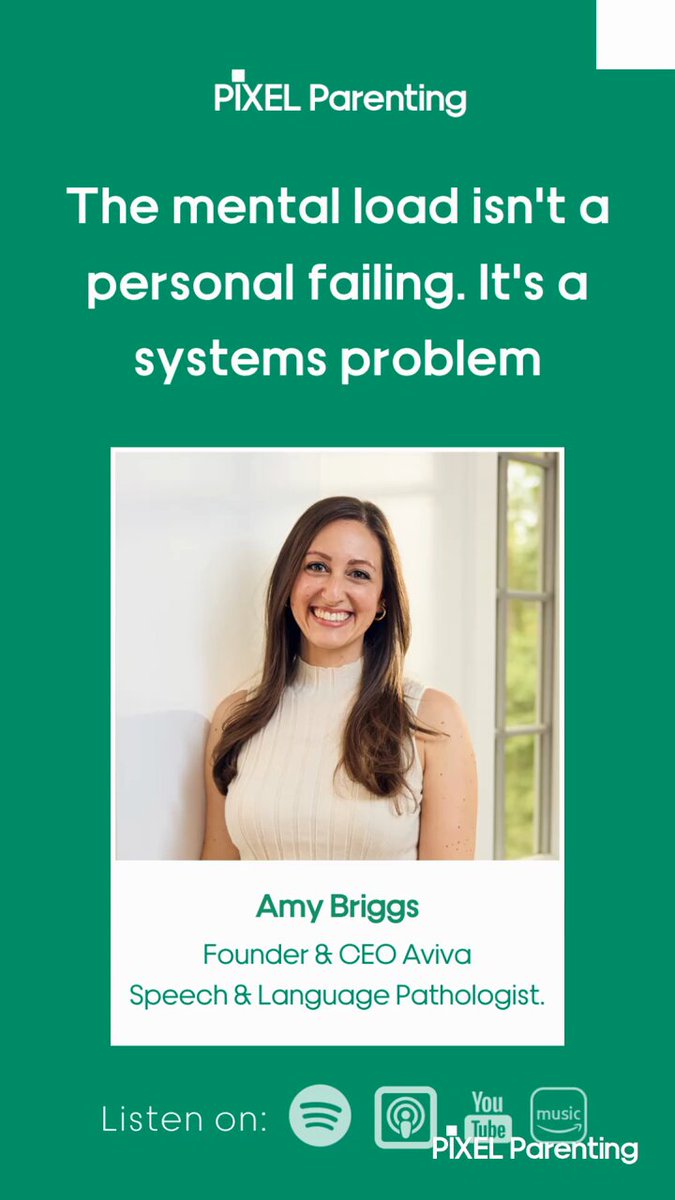
Parents today are more involved than any generation before. Many also describe feeling more isolated and less sure of how it's going.
That gap isn't a personal failing. It's a systems problem.
Pixel Parenting Podcast with Amy Briggs of @itsaviva: buff.ly/etVJEBT
#MentalLoad
15
Apr 23
Summer is coming. So is unlimited screen time. ☀️
But it doesn't have to be a battle. Swipe through for a better approach 👉
Save this and start the conversation this weekend 💾
Resources at buff.ly/UUWqJRM, link in bio.
#SummerScreenTime #ExecutiveFunction #DigitalParenting #SelfRegulation #ScreenSmartSummer
22
Apr 15
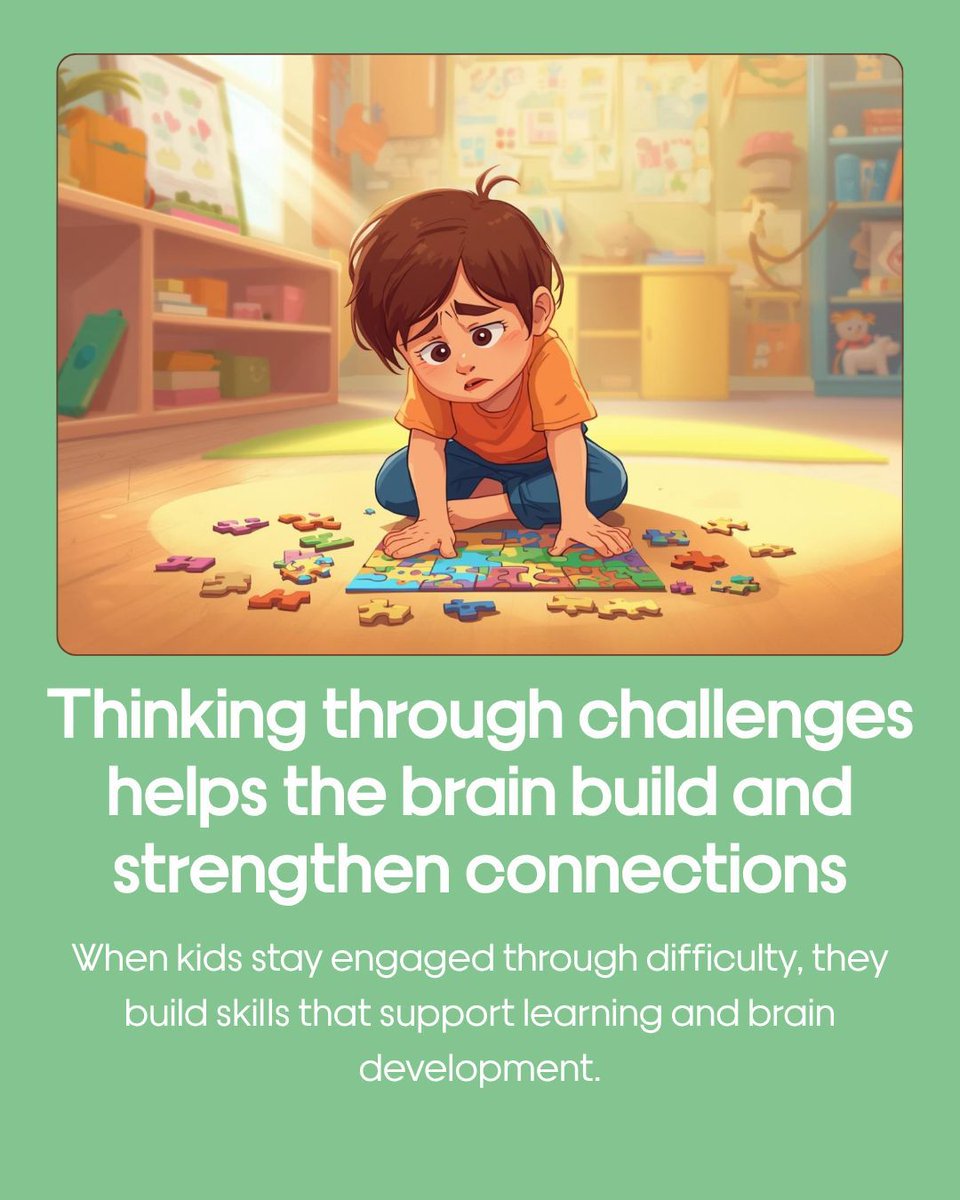
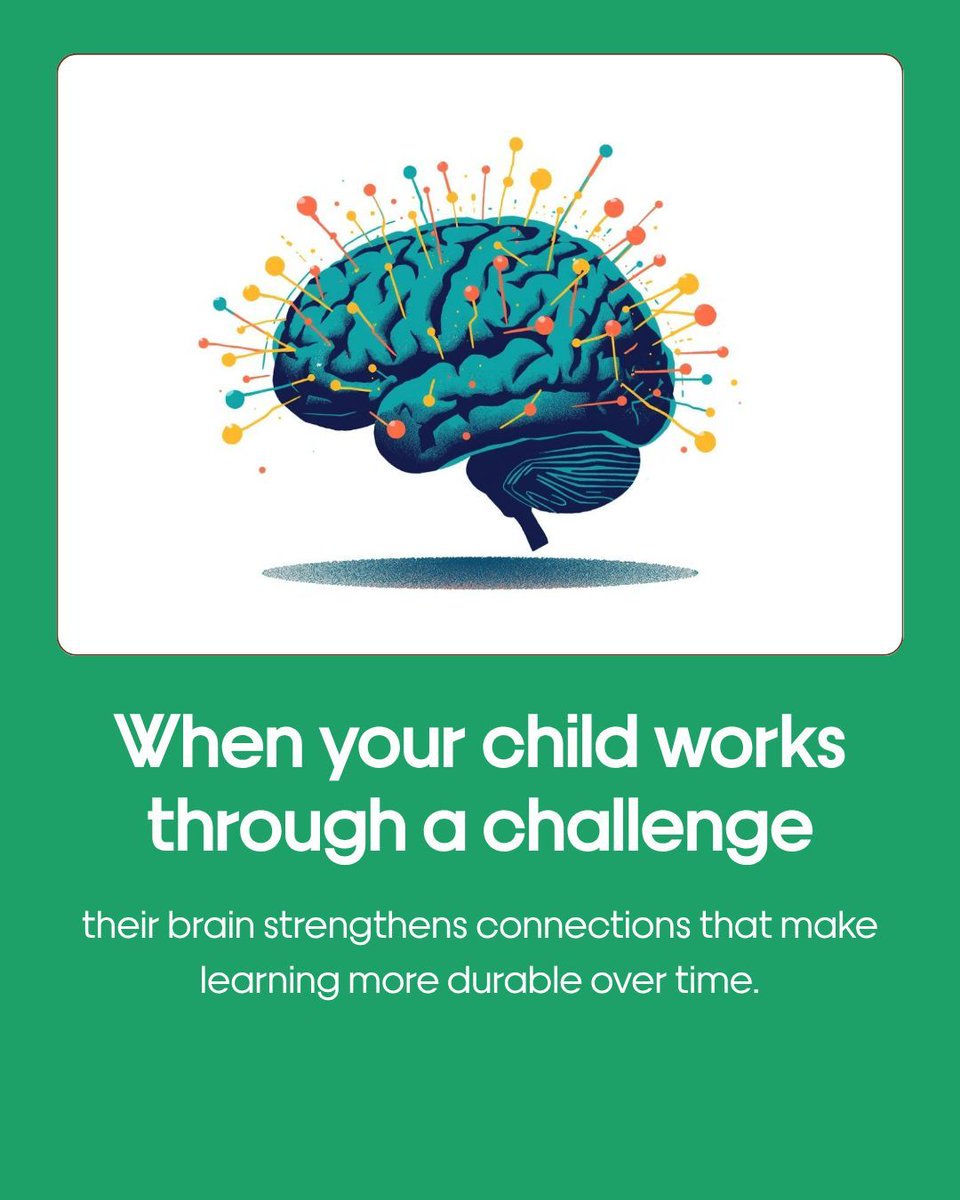
What happens to your child's brain when AI does the thinking? Swipe to find out 👉
Productive struggle isn't the enemy of learning. It IS learning. The level of struggle matters.
Save this and share with a parent who needs to see it 💾
#ProductiveStruggle #AIinEducation #PixelParenting #BrainScience #Myelination #LearningScience

6
Apr 14
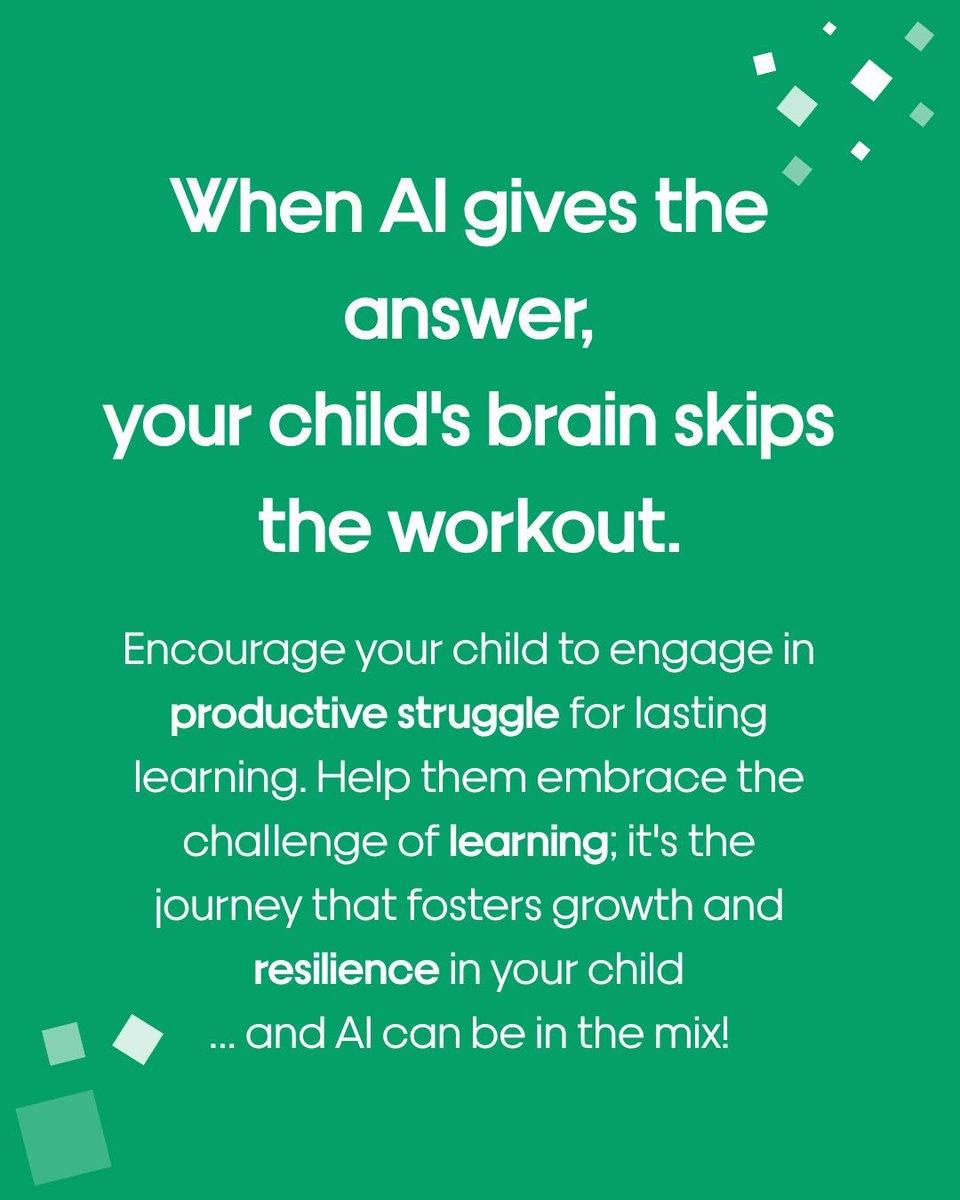
What happens to your child's brain when AI does the thinking?
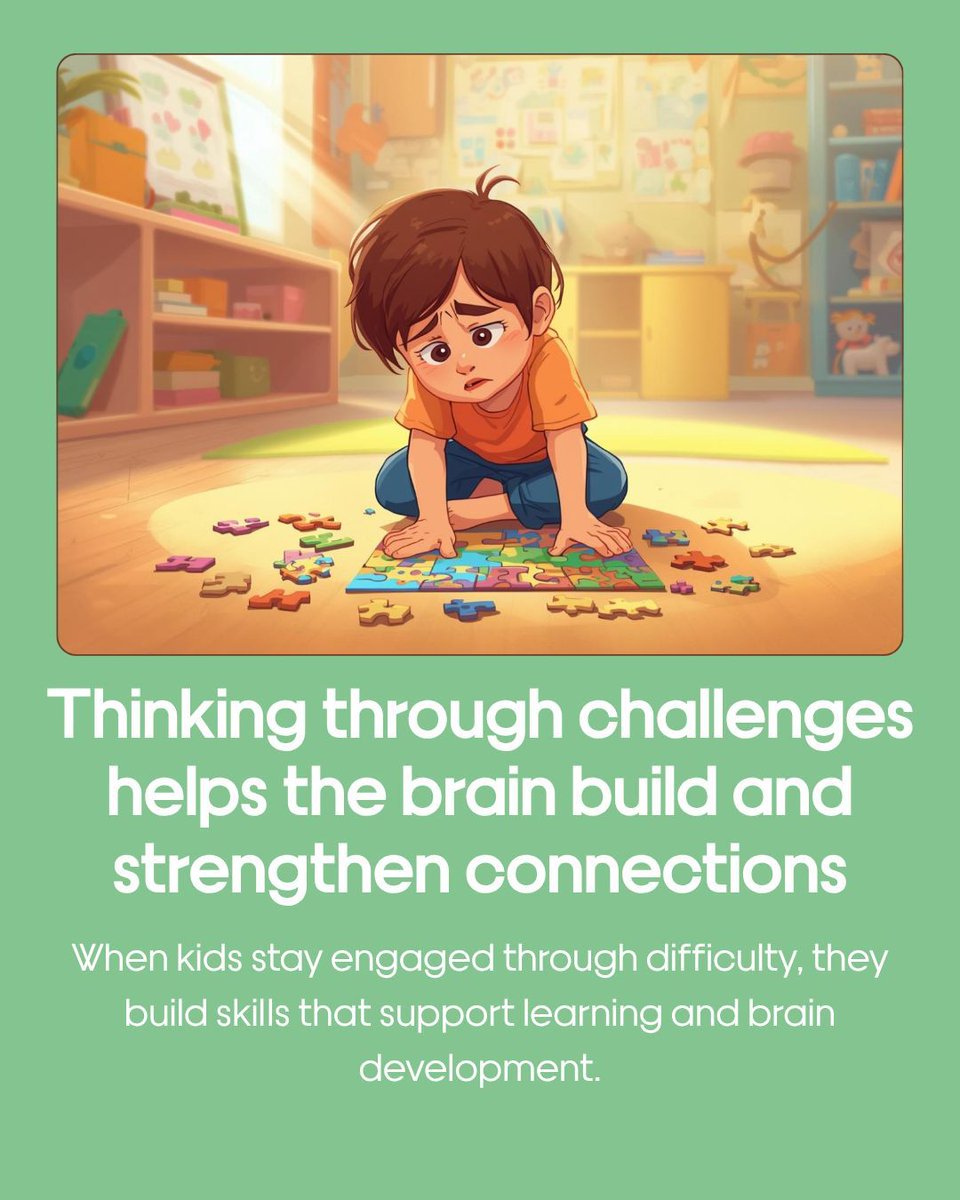
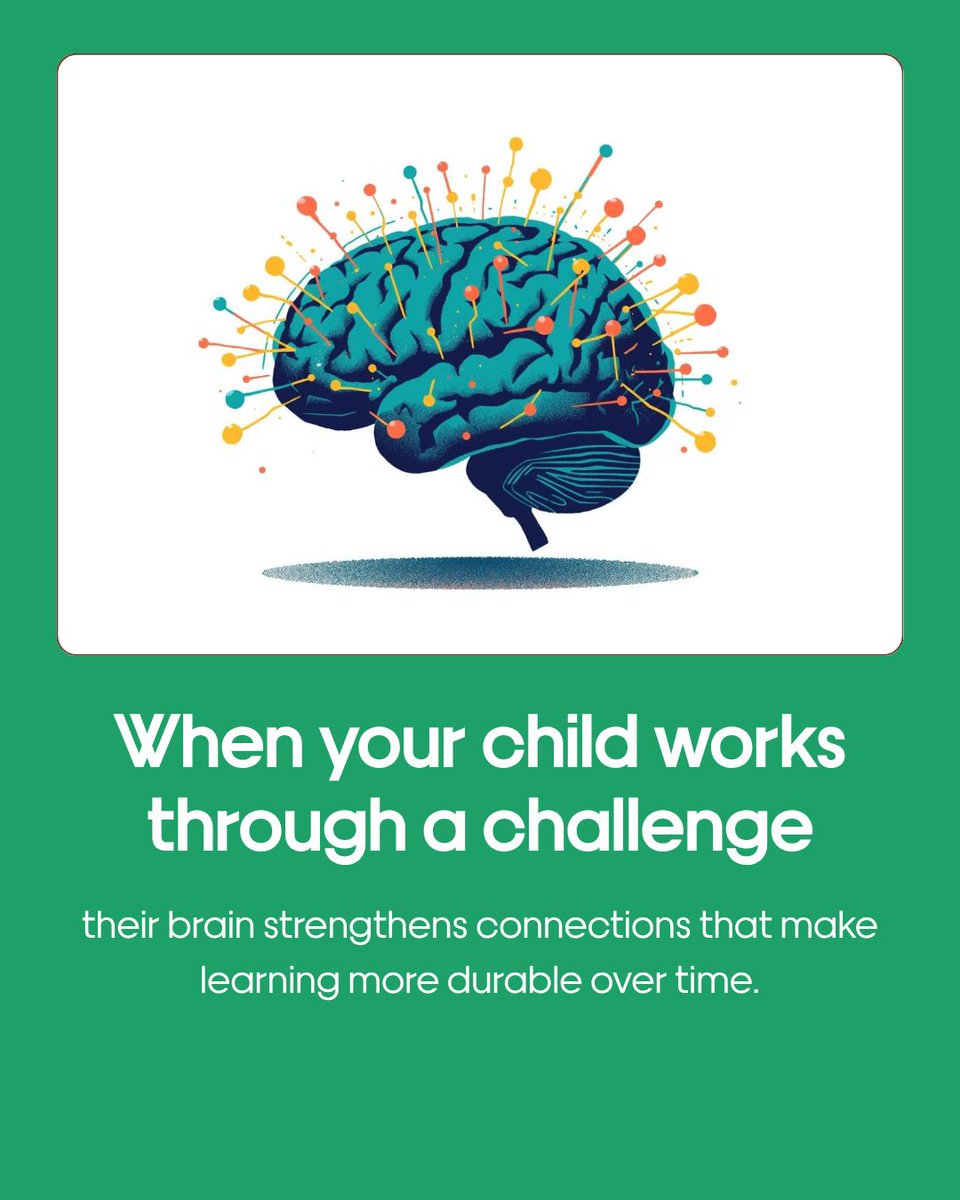
Productive struggle — challenge at the right level — is how the brain builds new neural pathways. Every time your child works through something appropriately hard, their brain physically changes through myelination. That's what makes learning stick.
Vygotsky called this the zone of proximal development: the sweet spot between too easy and too hard. That's where real learning happens.
When AI gives the answer, the brain skips the work. That's cognitive outsourcing.
But AI doesn't have to be a shortcut. AI coaches can adapt to a child's difficulty level — keeping them in that productive zone. One student used AI exactly this way: practicing, iterating, pushing herself. She placed 1st nationally.
The question isn't whether kids use AI. It's whether AI replaces the productive struggle — or supports it.
🎙️ Hear the full story on the Pixel Parenting Podcast with Missy Widmann.
#ProductiveStruggle #AIinEducation #PixelParenting #CognitiveOutsourcing #LearningScience

17
Apr 10
What happens to your child's brain when AI does the thinking?
Your child's brain grows by struggling — not by getting answers. When AI does the thinking, that's cognitive outsourcing.
But AI can also be a coach. One student used it that way and placed 1st nationally.
The question: shortcut or support? @pixelparenting
#ProductiveStruggle #AIinEducation #PixelParenting #CognitiveOutsourcing #LearningScience
3
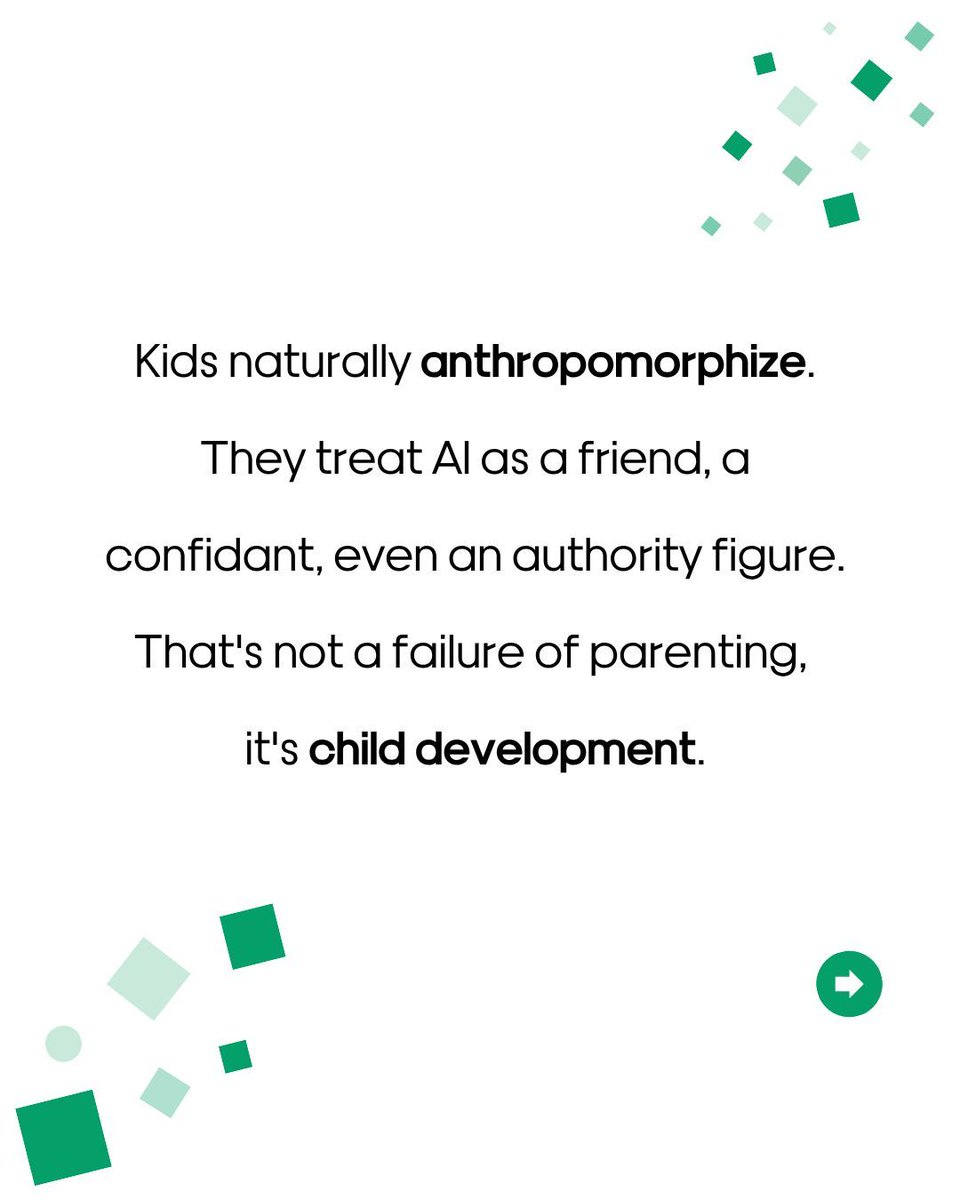
Your child's AI chatbot friend? They might trust it more than their teachers.
Kids anthropomorphize AI naturally. That's not a parenting failure — it's development.
But it means the risks are different for kids vs adults.
Thread on what parents need to know 🧵 @pixelparenting
12
Your child's AI chatbot friend? They might trust it more than their teachers.
Kids anthropomorphize AI naturally. That's not a parenting failure — it's development.
But it means the risks are different for kids vs adults.
Thread on what parents need to know 🧵 @pixelparenting
7
Kids don't see AI chatbots as tools — they see friends. They anthropomorphize naturally. That's not a parenting failure, it's development.
The key? Guide the relationship. Help them recognize what AI is, what to share, and what stays private.
@pixelparenting
#AICompanions #DigitalParenting #PixelParenting #AIandKids #ParentingInTheAIAge
7
Mar 27
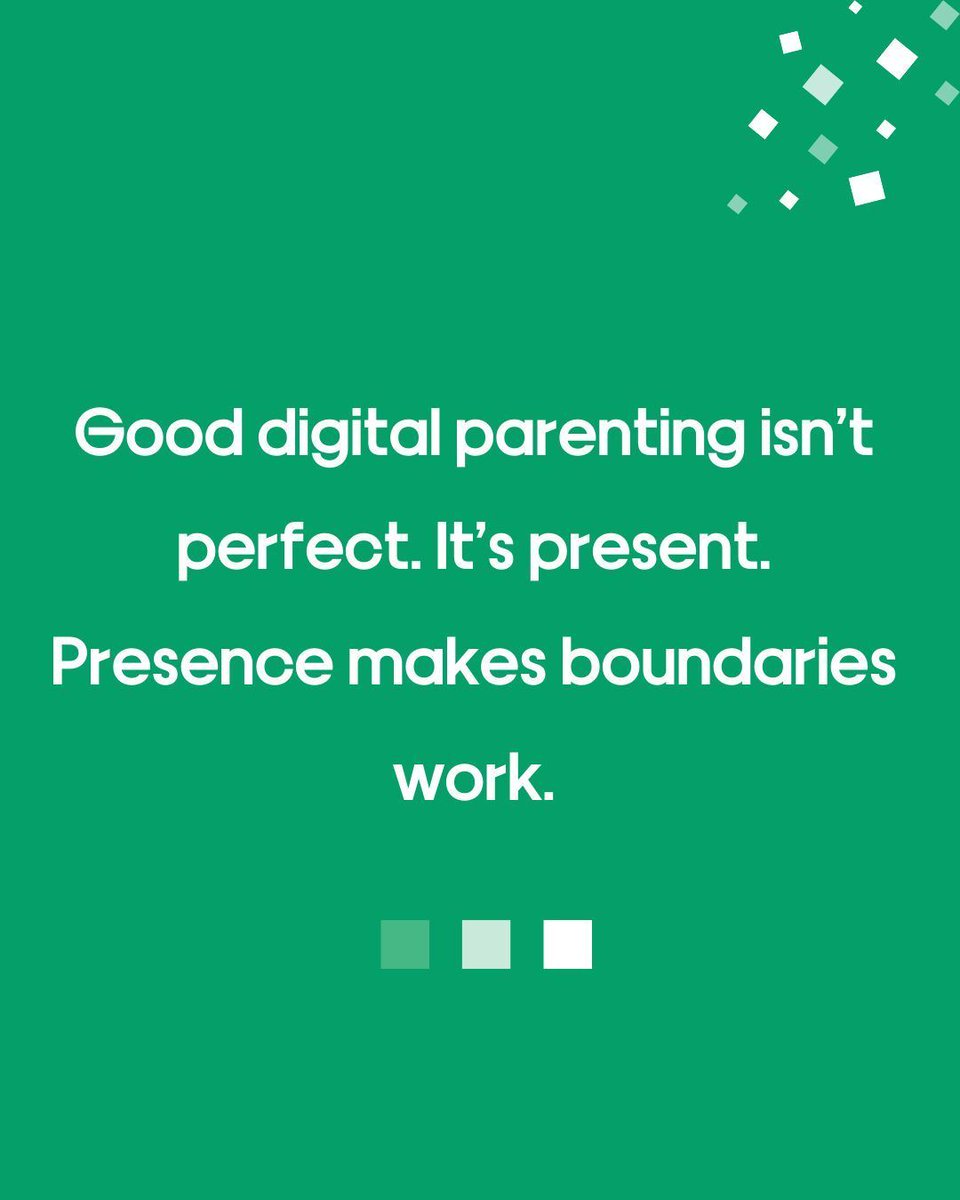
If you’ve ever felt behind, unsure, or overwhelmed by your child’s digital world — you’re not failing.
You’re parenting in real time.
Kids don’t need parents who know everything.
They need parents who:
• stay curious
• keep the conversation open
• repair when things go wrong
• and show up again tomorrow
Digital parenting isn’t about getting it right every day.
It’s about staying connected over time.
And that’s something you’re already doing.
What helps you stay present instead of panicking?
#PixelParenting #DigitalWellness #ParentingJourney #ModernFamilies #ConnectedFamilies #MindfulParenting #ParentSupport #KidsAndScreens #ParentingWisdom #EmotionalSafety #RaisingKids #FamilyConnection #ScreenBalance #ParentLife #DigitalAwarenes
14
Mar 24
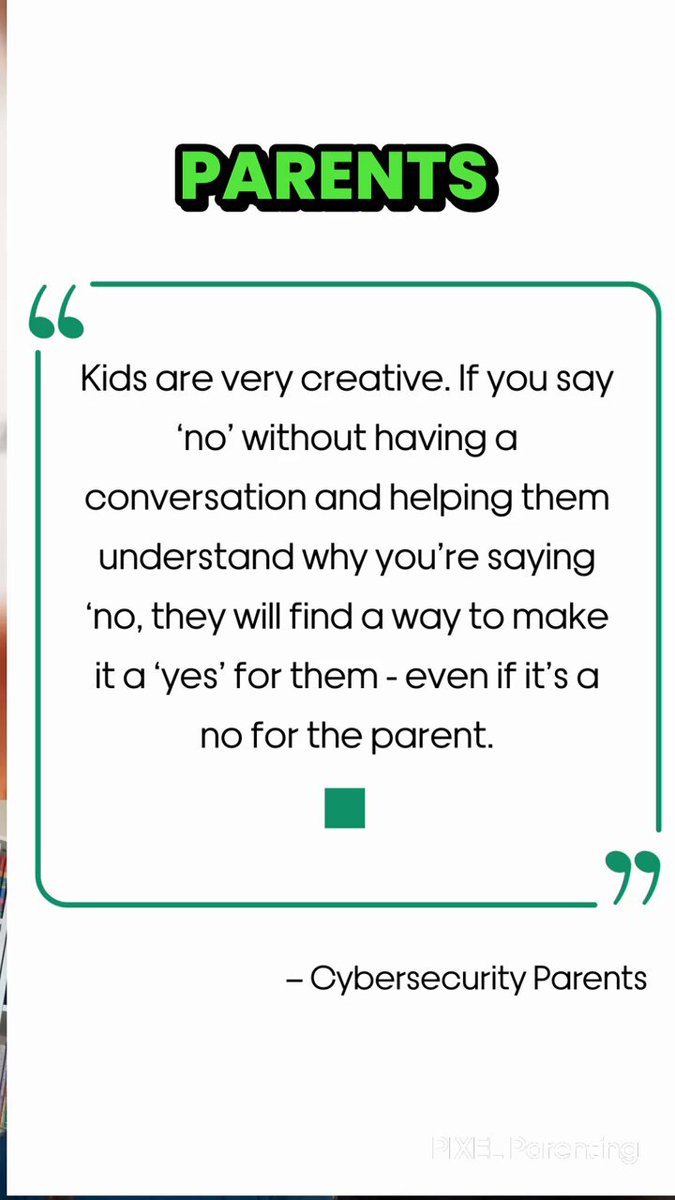
Kids are incredibly creative.
When we say “no” without explanation, it doesn’t always stop the behavior — it just challenges their creativity. And if they don’t understand why the answer is no, they’ll often find a way to turn it into a yes for themselves.
Not because they’re bad.
Not because they’re rebellious.
But because they’re curious, resourceful, and wired to explore.
Boundaries work better when they come with conversations.
When kids understand the reason behind a limit, they’re more likely to respect it even when they don’t like it.
A simple explanation builds trust.
An open discussion builds cooperation.
Control might stop a moment.
Understanding shapes behavior long term.
We talk more about building boundaries through connection especially in the digital world on the Pixel Parenting podcast.
#PixelParenting #GentleParenting #IntentionalParenting #DigitalParenting
#MindfulParenting #ModernParenting #ParentLife
#ConnectedParenting #ParentingPodcast #RaisingKidsToday
11
Mar 19
Every kid will mess up online at some point.
What they remember isn’t the mistake, it’s how we responded.
When parents lead with calm, curiosity, and repair, kids learn accountability without shame.
That’s how digital resilience is built.
Not through fear but through guidance.
What’s hardest for you in moments like these: staying calm or knowing what to say?
#PixelParentingPodcast #DigitalResilience #ParentingSupport #KidsAndScreens #ModernParenting #ConnectedParenting #EmotionalSafety #ParentingTools #ScreenSmart #FamilyCommunication #ParentEducation #DigitalWellbeing #MindfulParenting #ParentLife #RaisingKidsToday
13
Mar 16
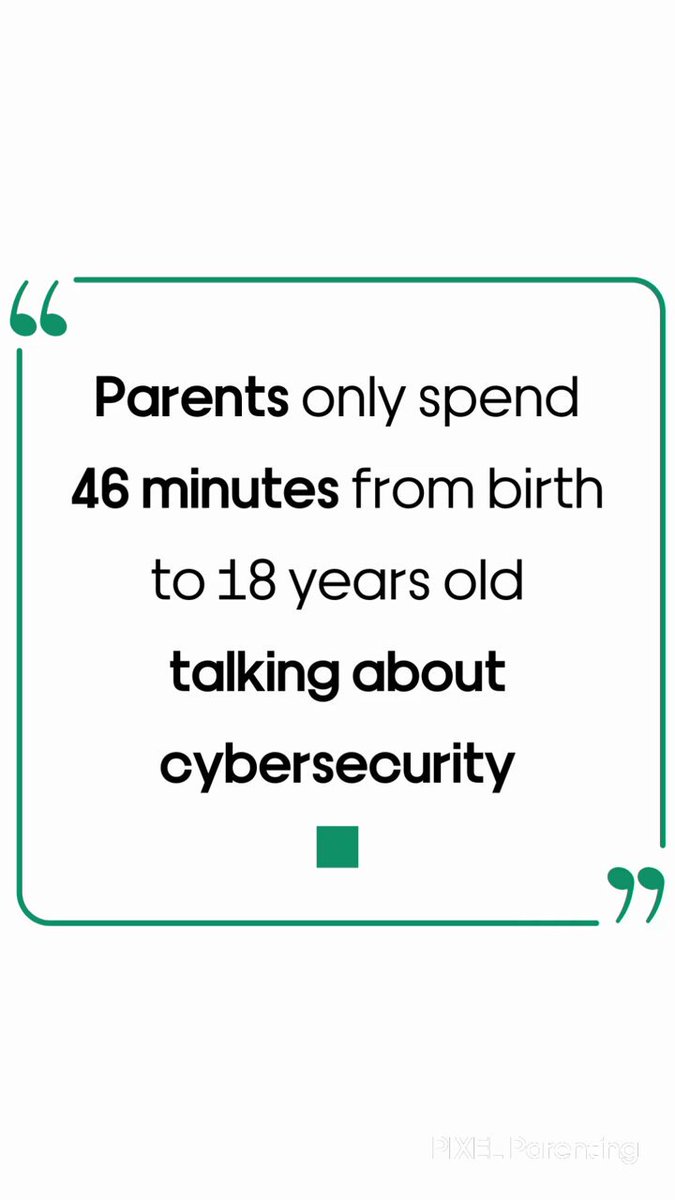
Parents spend an average of just 46 minutes talking about cybersecurity with their children from birth to 18.
In a world where kids are growing up online, that number gives us something to think about.
We talk about school.
We talk about friendships.
We talk about safety outside the home.
But online safety deserves the same space in our conversations.
Cybersecurity isn’t just about passwords and privacy settings. It’s about helping our kids recognize red flags, understand boundaries, and know they can come to us if something feels uncomfortable.
It doesn’t have to be one long, serious talk.
It can be small, ongoing conversations woven into everyday life.
Awareness grows through connection. And connection starts with talking.
We share more practical ways to keep these conversations natural and consistent on the Pixel Parenting podcast.
#PixelParenting #DigitalParenting #CyberSafety #OnlineSafetyForKids
#MindfulParenting #ModernParenting #ParentingPodcast
#RaisingKidsToday #ConnectedParenting #ParentingSupport
13
Mar 13
When screen time turns into a battle, it often doesn’t start with the device.
It usually starts with:
fatigue
hunger
overstimulation
unmet emotional needs
Screens can become the spark, even when they aren’t the whole source.
When we slow the moment down and regulate first our tone, our body, our expectations, the conversation shifts.
You’re not losing control.
You’re teaching regulation.
And that skill lasts longer than any screen rule.
💬 What usually triggers screen struggles in your home?
#PixelParenting #DigitalParenting #ScreenTimeStruggles #NervousSystem #ModernParenting #ParentingSupport #ConnectedParenting #EmotionalRegulation #KidsAndScreens #ParentingAwareness #FamilyWellbeing #MindfulParenting #ParentLife #RaisingKids #DigitalWellness
12
Mar 10
Kids learn how to handle mistakes by watching how we handle their mistakes.
Shame teaches hiding.
Repair teaches responsibility.
Digital parenting isn’t about raising kids who never mess up, it’s about raising kids who know what to do when they do.
And that’s a skill they’ll carry far beyond screens.
💬 What do you wish more parents knew about online mistakes?
#PixelParenting #DigitalParenting #ParentingWisdom #KidsOnline #ModernFamilies #ParentingAwareness #ScreenBalance #EmotionalDevelopment #ConnectedFamilies #ParentSupport #RaisingResilientKids #FamilyWellbeing #MindfulDiscipline #ParentCommunity #DigitalLiteracy
5
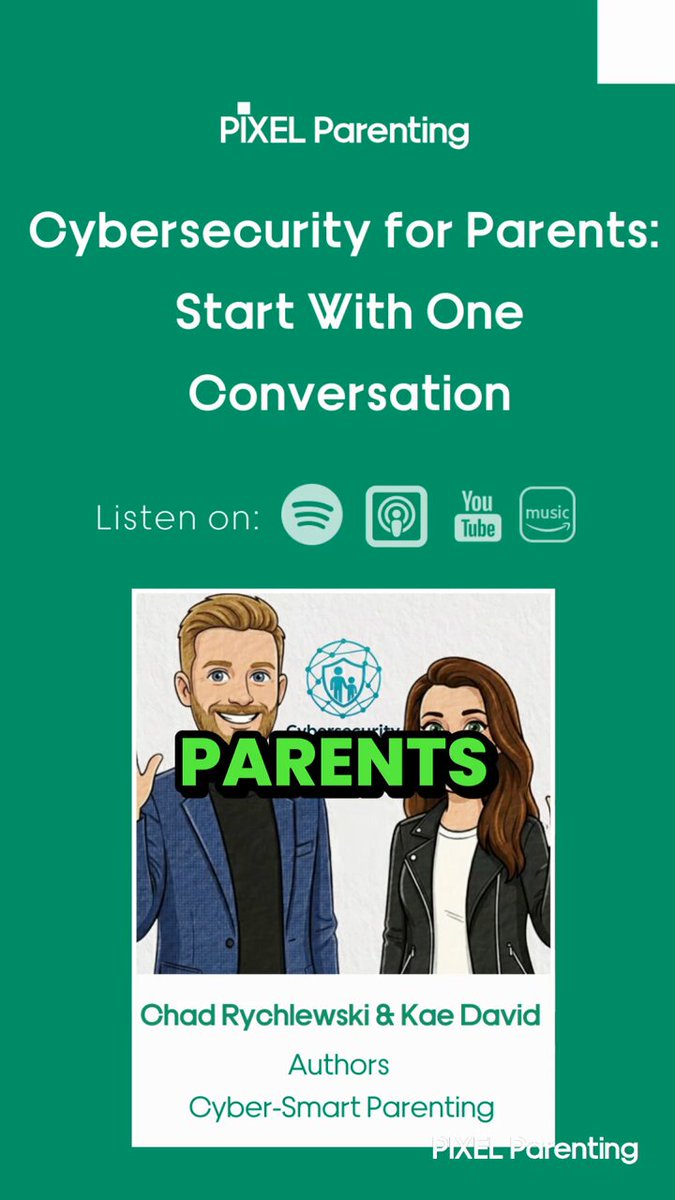
Cybersecurity for parents starts with one conversation and this is a continuation of our last reel.
If you missed it, we talked about why staying present matters more than knowing every app your child uses. Today, we’re going a little deeper.
Online safety isn’t a one-time lecture. It’s an ongoing dialogue. Small, consistent check-ins build more protection than a single serious talk ever could.
The goal isn’t fear.
It’s awareness.
It’s trust.
It’s making sure your child knows they can come to you when something feels off.
Start simple. Keep it open. Keep it calm.
Because digital safety grows where communication feels safe.
Listen here: buff.ly/aRVeIyU
#PixelParenting #DigitalParenting #CyberSafety #OnlineSafetyForKids
#ParentingPodcast #MindfulParenting #ModernParenting
#RaisingKidsToday #ConnectedParenting #ParentingSupport
5
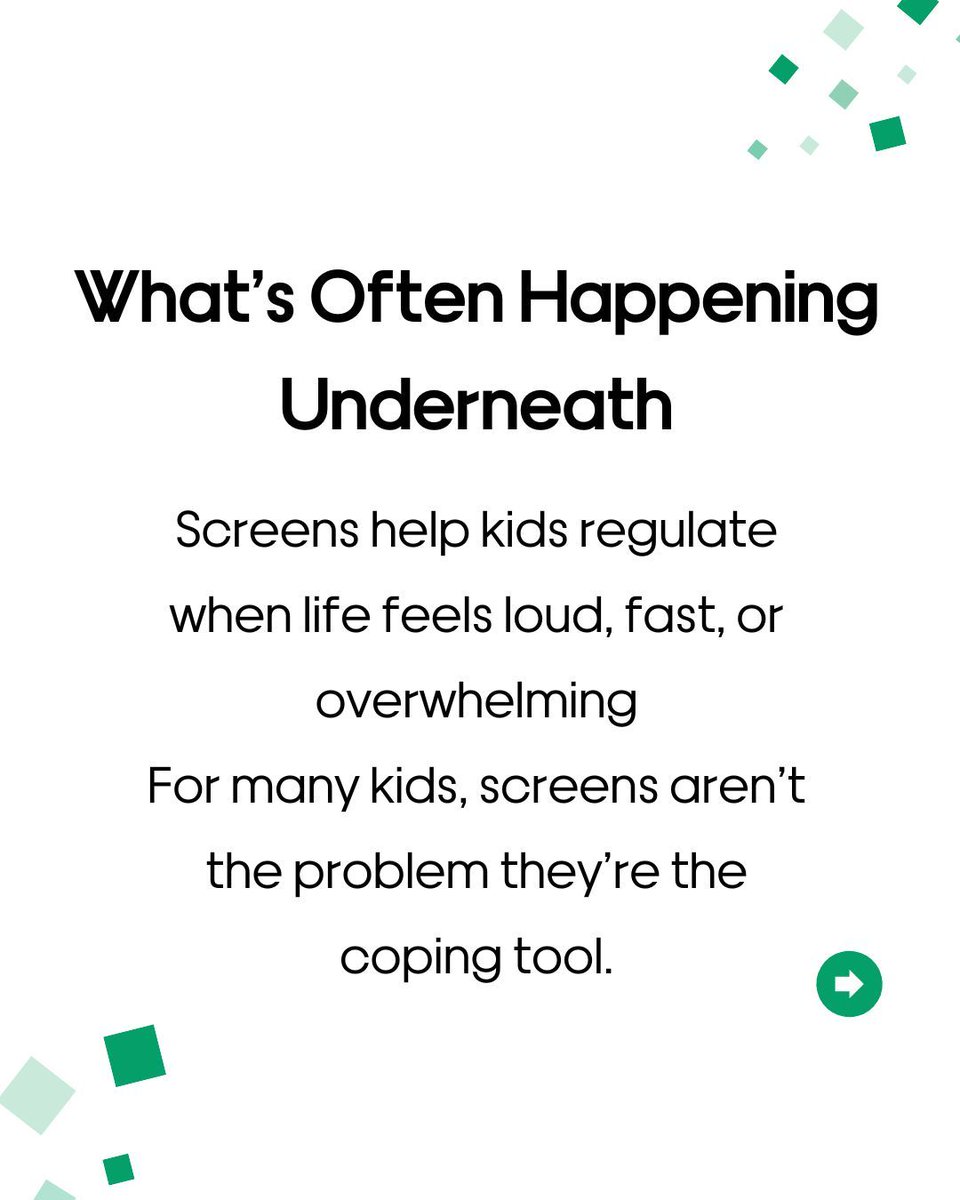
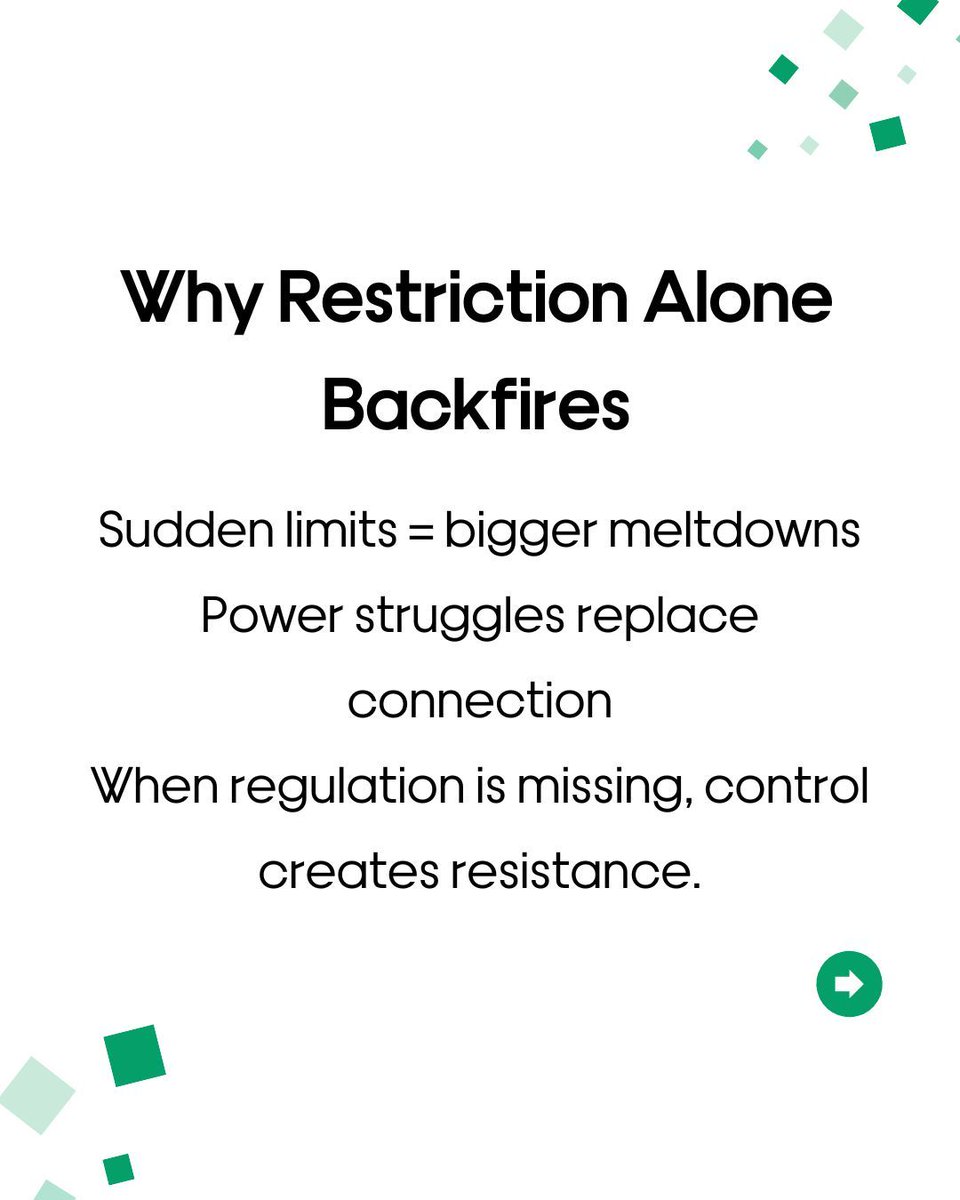
Screens get blamed for a lot but they’re rarely the root issue.
When kids cling to screens or melt down when it’s time to stop, it’s often not about addiction or defiance.
It’s about regulation.
Screens can calm busy nervous systems, offer predictability, and give kids a break when emotions feel too big.
That doesn’t mean anything goes.
It means we start with understanding before jumping to control.
When regulation comes first, boundaries land softer and connection stays intact.
What do you notice your child turning to screens for?
#PixelParenting #DigitalParenting #ScreenSmart #ParentingWithUnderstanding #NervousSystemParenting #ConnectedParenting #ModernParenting #RaisingKidsToday #ParentingSuppo

20
Feb 27
Cybersecurity for parents doesn’t start with complicated settings or tech knowledge.
It starts with one conversation.
You don’t have to know every app.
You don’t have to understand every game.
You just have to be willing to ask, listen, and stay involved.
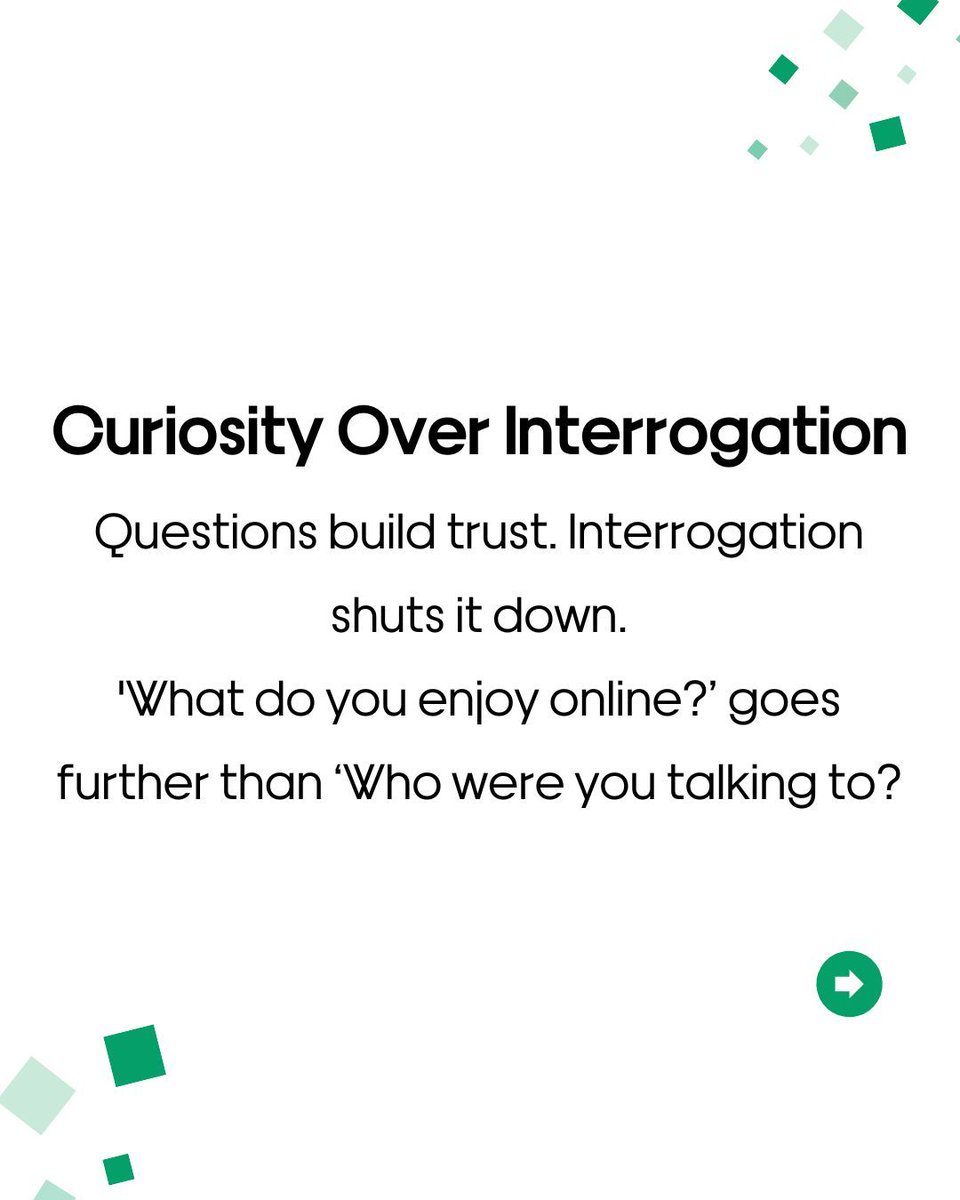
Simple questions like:
“What do you like about that app?”
“Has anything online ever made you uncomfortable?”
“Who do you usually talk to when you’re gaming?”
Open conversations build awareness, trust, and safety long before problems show up.
You don’t need to be a tech expert.
You just need to be present.
We talk more about raising digitally aware and confident kids on the Pixel Parenting podcast.
Listen to the full episode here: buff.ly/aRVeIyU
#PixelParenting #DigitalParenting #CyberSafety #OnlineSafetyForKids
#ParentingPodcast #ModernParenting #MindfulParenting
#RaisingKidsToday #ParentingTips #ConnectedParenting
2
Feb 24
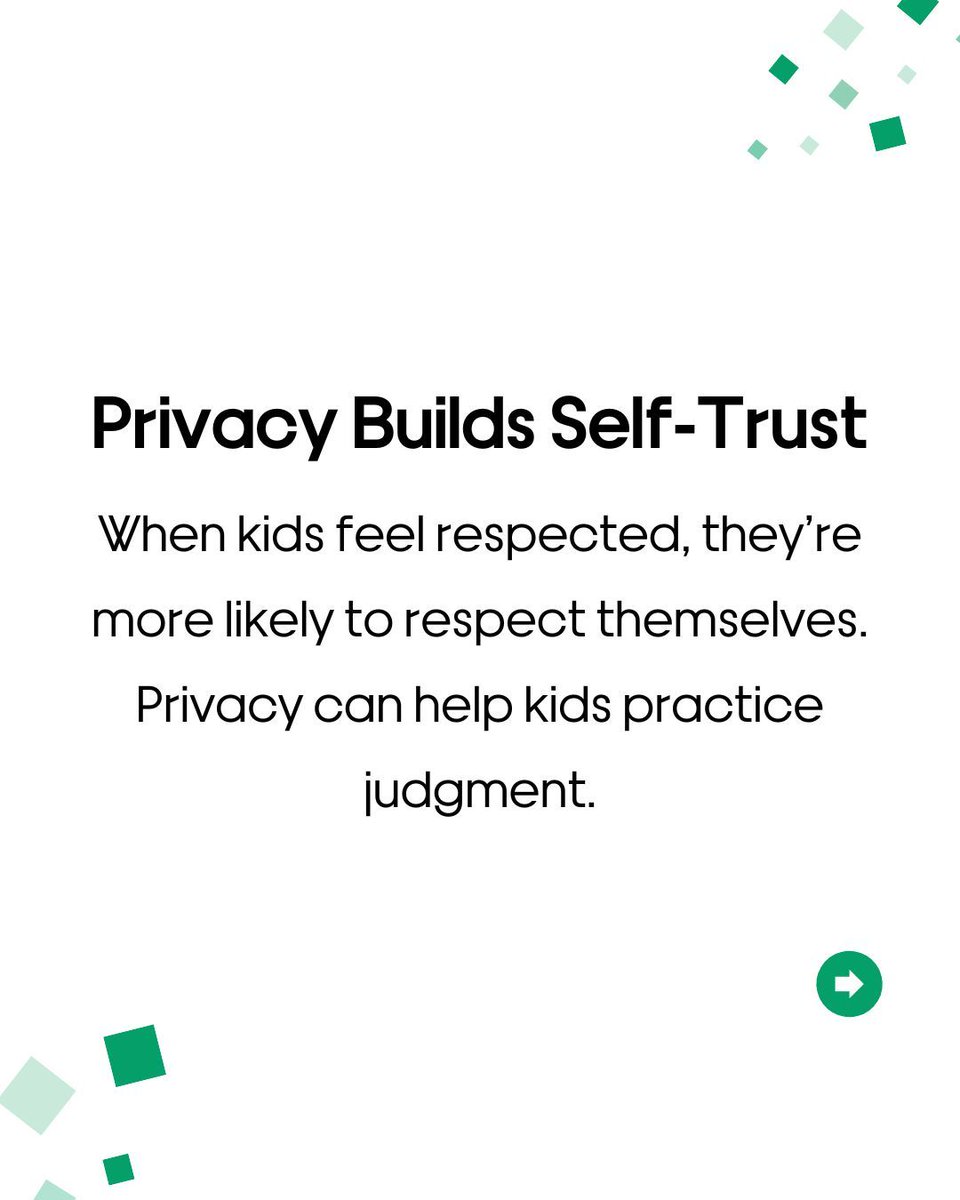
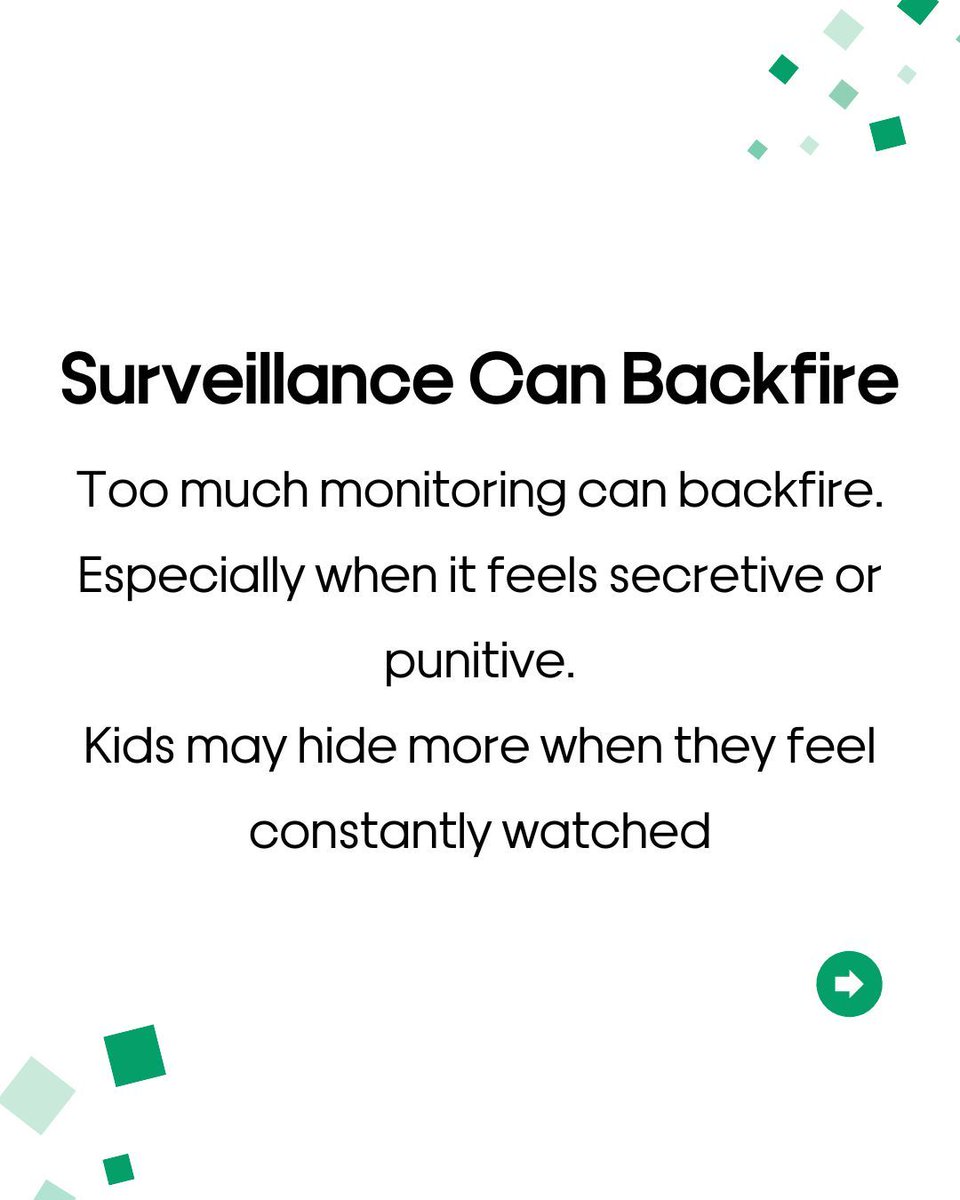
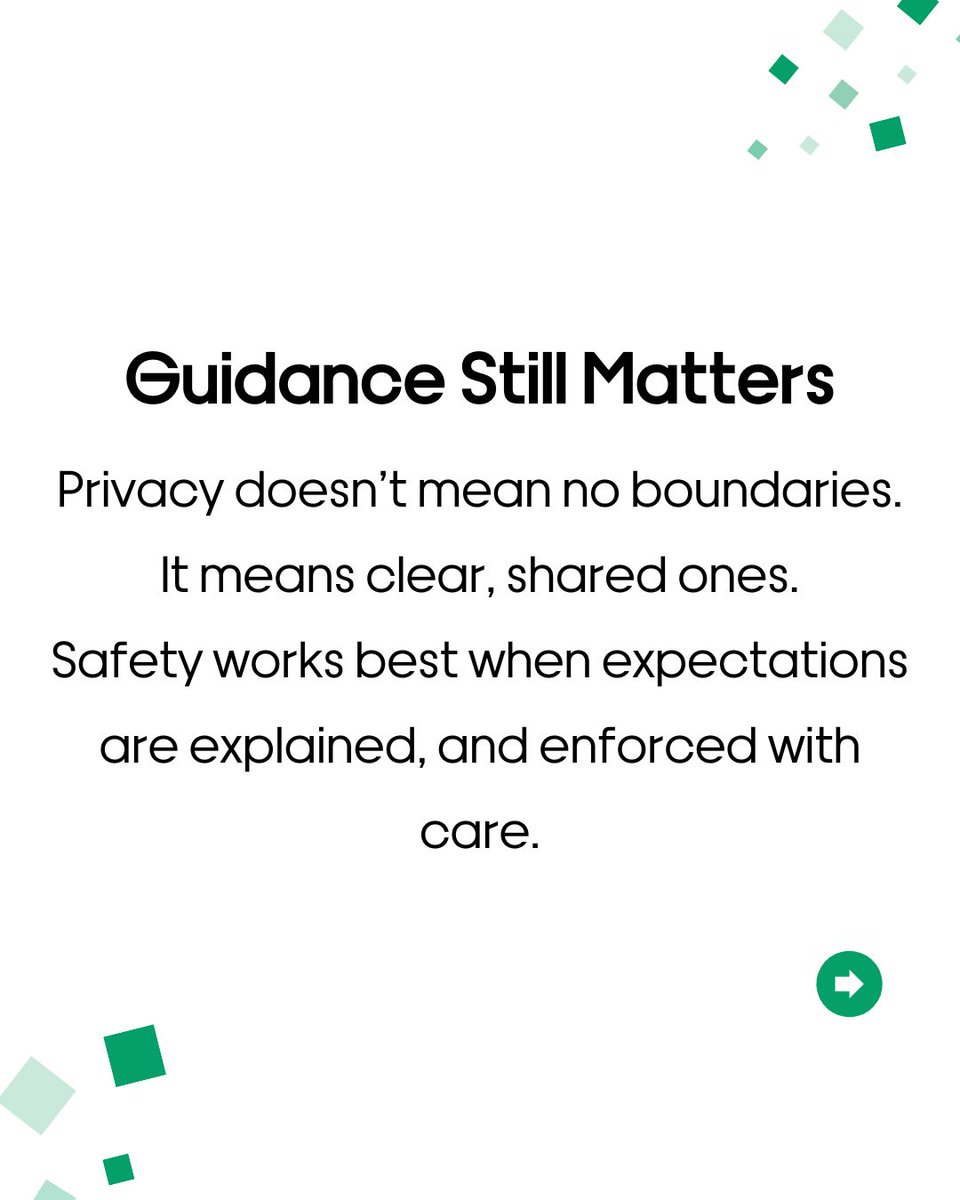
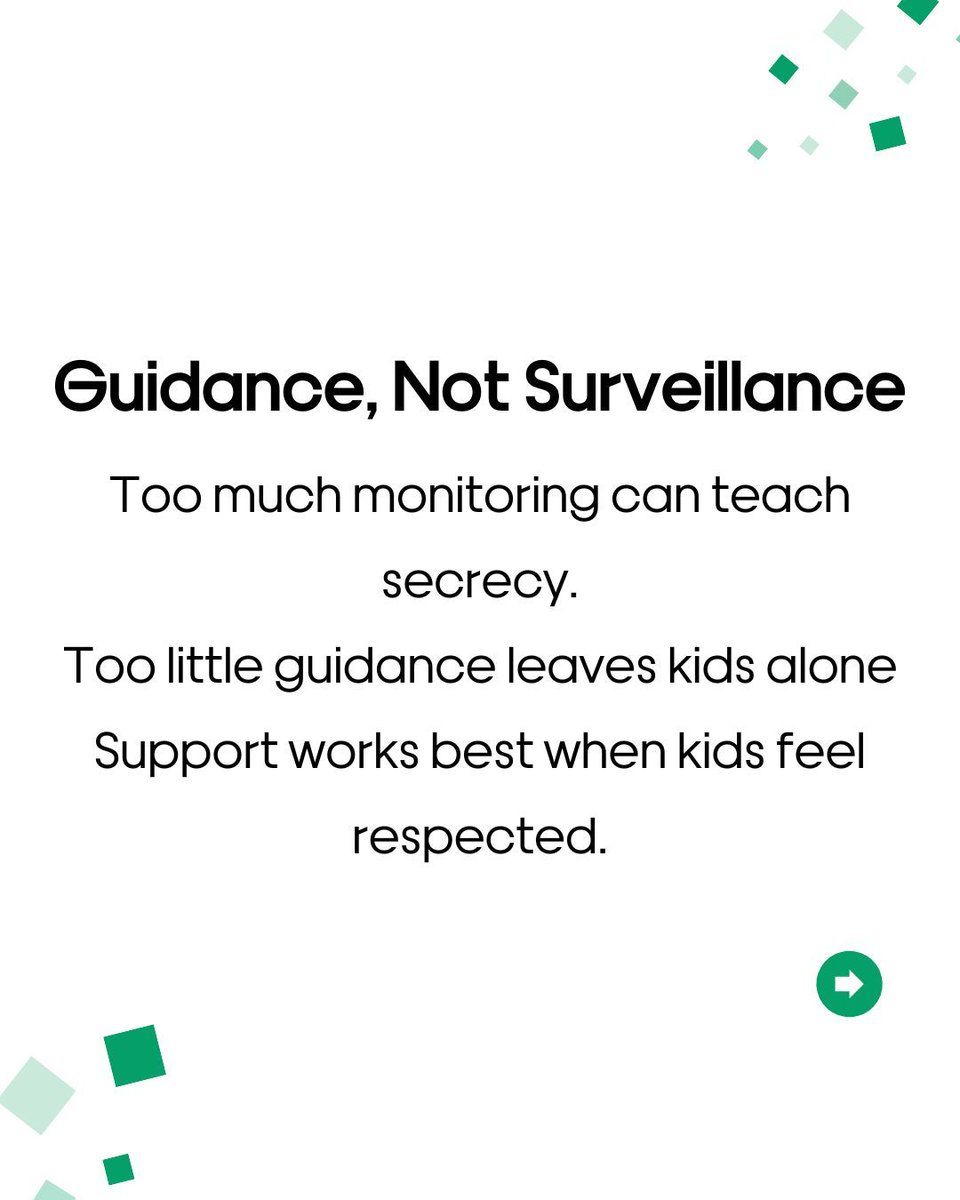
Online privacy isn’t about letting kids do whatever they want.
And it’s not about giving up your role as a parent.
It’s about teaching kids how to think, pause, and choose wisely with you nearby, not hovering.
When kids feel trusted and guided, they’re more likely to come to you when something feels off.
Digital parenting isn’t about control.
It’s about preparation.
Which slide challenged your thinking the most?
#PixelParentingPodcast #DigitalParenting #OnlineSafety #ParentingSupport #TechPositiveParenting #ModernFamilies #KidsOnline #ParentingEducation #ScreenBalance #FamilyTrust #ConnectedFamilies #RaisingTeens #MindfulParenting #ParentCommunity #DigitalLiteracy

6
Feb 20
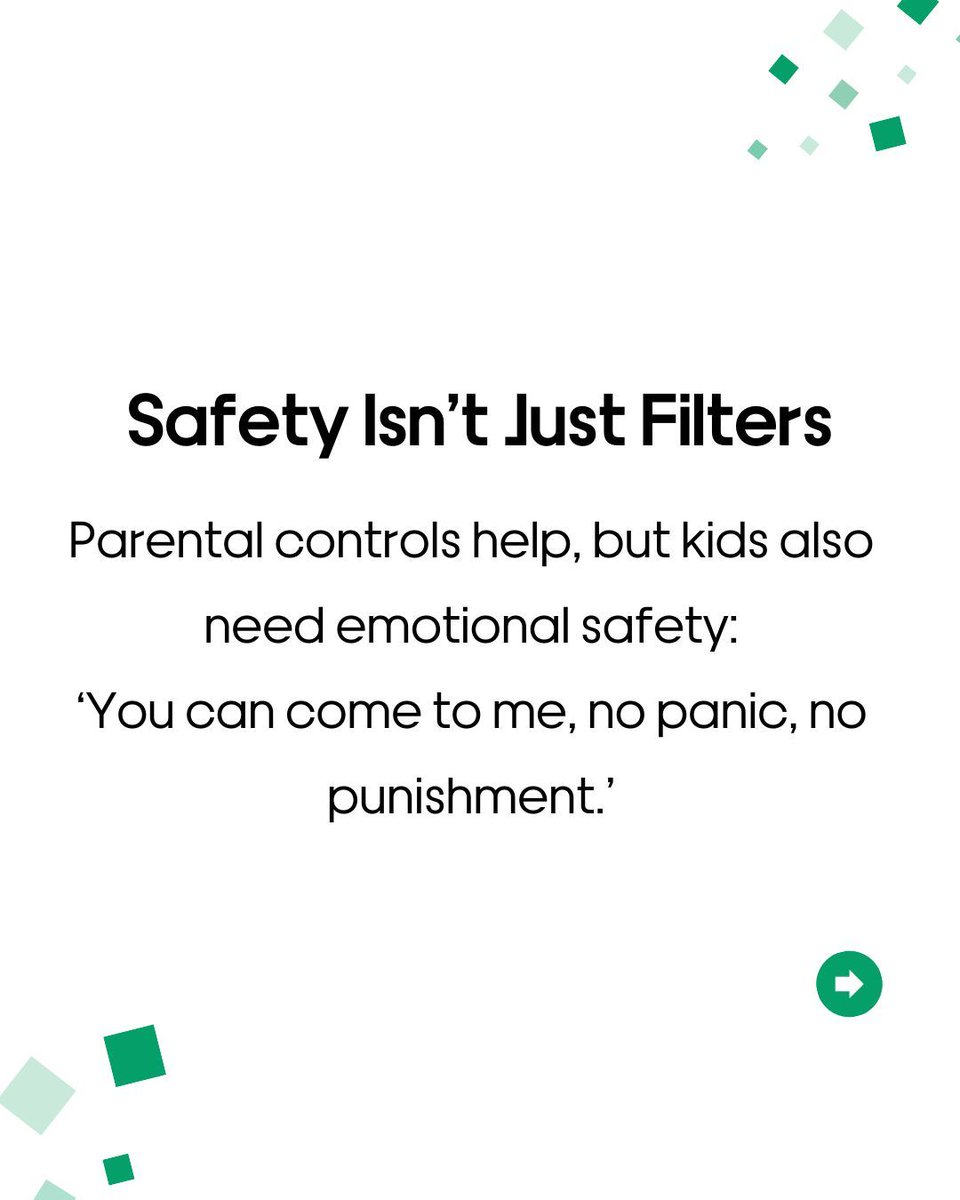
Most kids don’t need tighter rules online.
They need adults who are willing to stay curious.
When we lead with presence instead of pressure, kids learn how to think not just what to avoid.
Digital safety isn’t built through fear.
It’s built through trust, conversations, and steady guidance over time.
You don’t have to get it perfect.
You just have to stay connected.
Which of these feels hardest to practice right now?
#PixelParentingPodcast #DigitalSafety #OnlineParenting #ModernFamilies #ParentingSupport #RaisingDigitallySmartKids #ParentingTools #ScreenBalance #TechPositiveParenting #FamilyConversations #ParentEducation #ConnectedFamilies #KidsOnline #ParentingWisdom #MindfulParenting
5