
Cybersecurity & Blockchain Security Research | Bug Bounty Contributor | A.S. Cybersecurity
Joined July 2025
- Tweets 248
- Following 88
- Followers 52
- Likes 7,820
20 Photos and videos









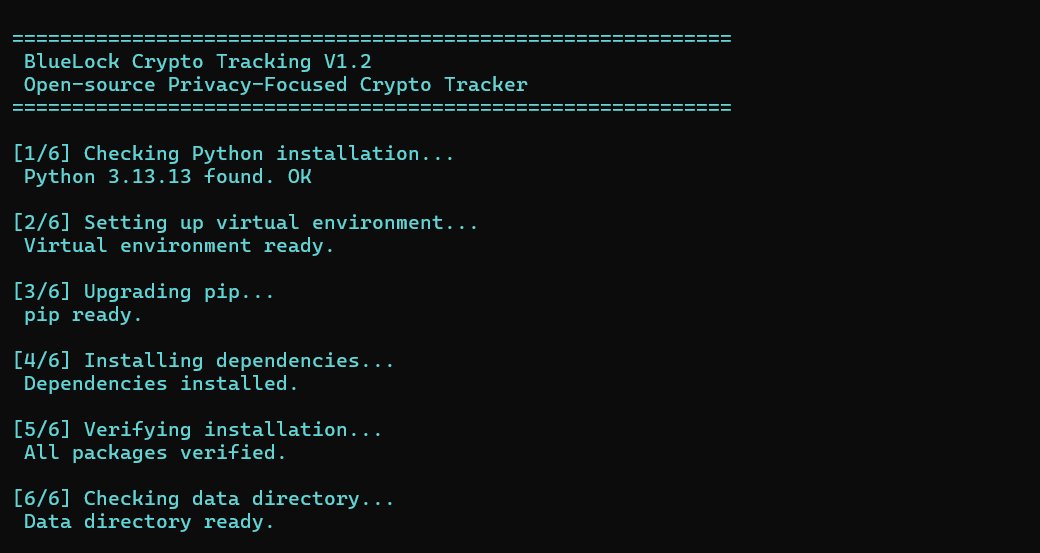
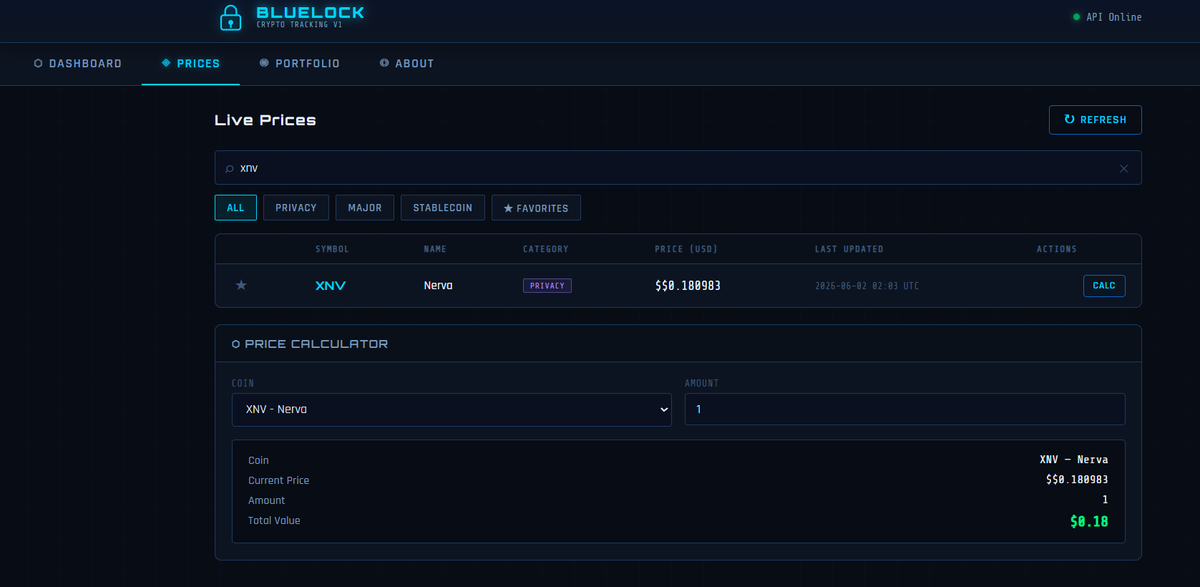
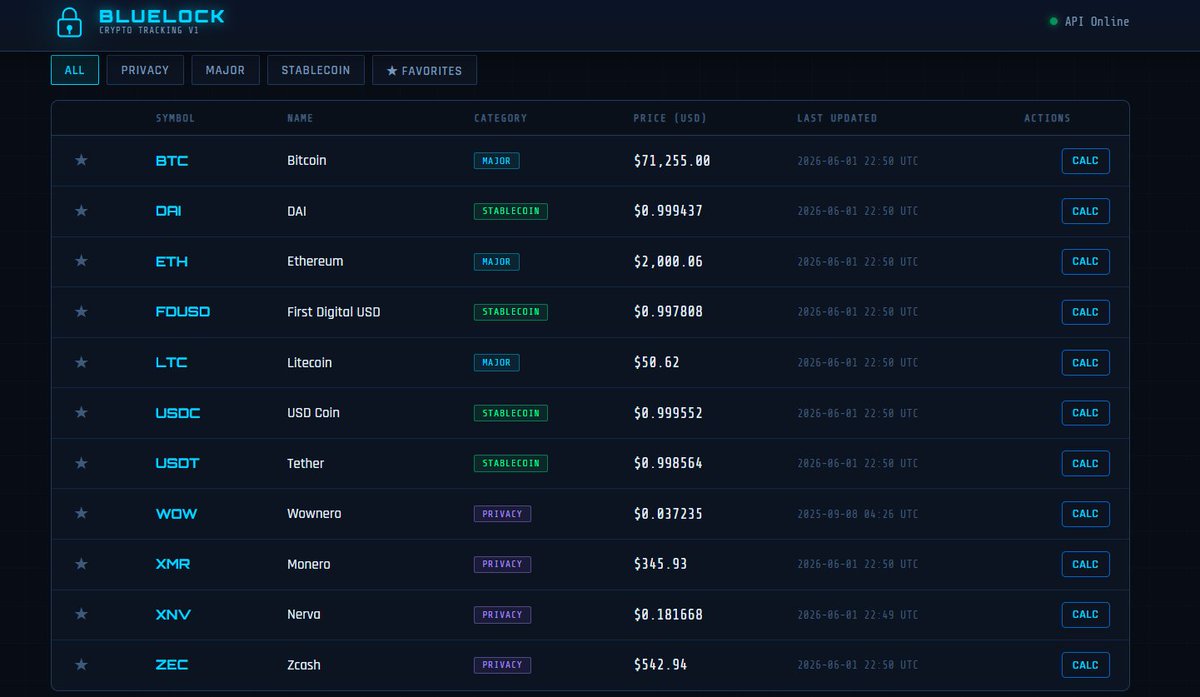
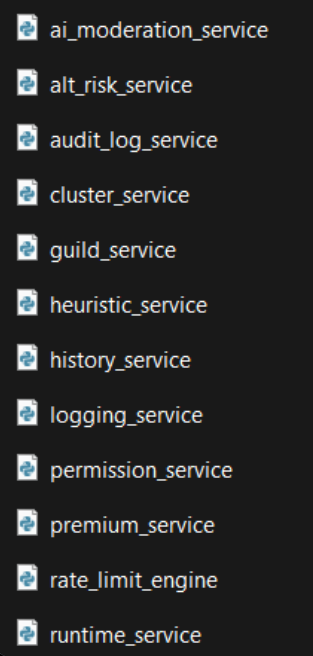
Next weekend V1.4 drops , this weekend I’m on a side quest fixing bugs.
Jun 10

V1.2 is packaged with V1.3. I got lazy. Also, V1.4 is coming out this weekend.
31
While my template runs audit scans for bugs, I'm scanning the Origin System for loot.
#Warframe #DeveloperLife
21
Dr. pixel retweeted

Recap 🔁: Hours Ago
@EdgeWallet reminded everyone on the importance of privacy.
According to them, Your BCH going with the X handle @BitcoinCashOG should be yours but when everyone sees what you do with your Bitcoin cash on an open blockchain, it isn't total freedom.
They made reference of a new tech "BCHx".
A private alternative of BCH.
Which enables your transaction remain private giving you full control of your money.
Pointing out @zano_project as the host blockchain to this technology supported by @EdgeWallet, a place where the swapping take place.


1
1
3
76
yaya lets go!
22h

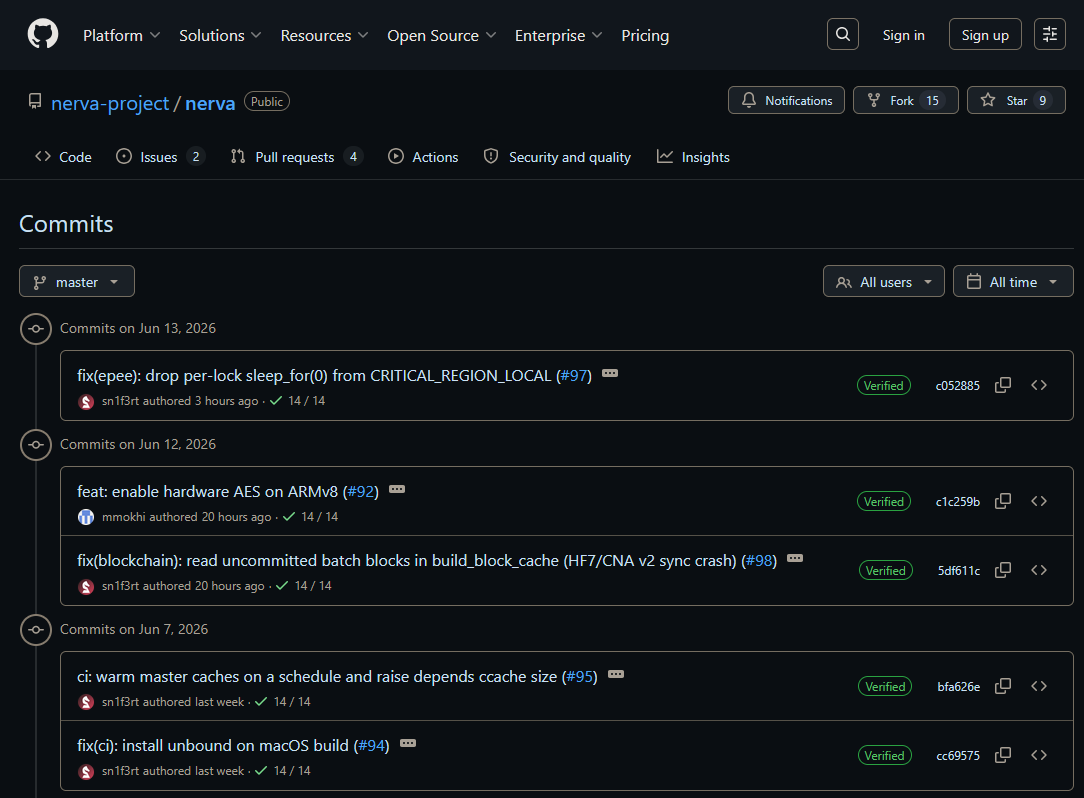
Core software patch incoming.
v0.2.2.0 introduced a bug that caused a sync crash at block ~173,500 (HF7) on full PoW syncs. It is now fixed and will be released soon along with a few other improvements.
Stay tuned.
github.com/nerva-project/ner…
1
58
Yesssssddd
16h
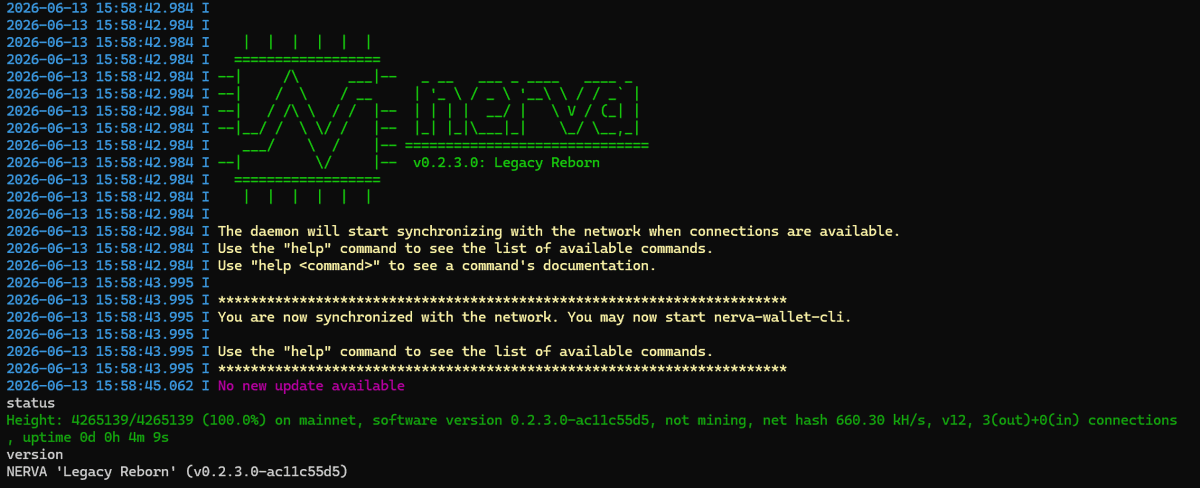
📢 Nerva core software v0.2.3.0 is out.
Sync crash fix for users syncing from genesis. ~10% faster sync and QuickSync. Wallet operations up to 12x faster with the Boost 1.89 fix. ARM64 hardware AES acceleration for Apple Silicon and ARM64 Linux.
Upgrade is optional but recommended:
🔗 nerva.one/#downloads
🔗 github.com/nerva-project/ner…
Builders keep building and shipping. 💪
$XNV
2
53
Dr. pixel retweeted

21h
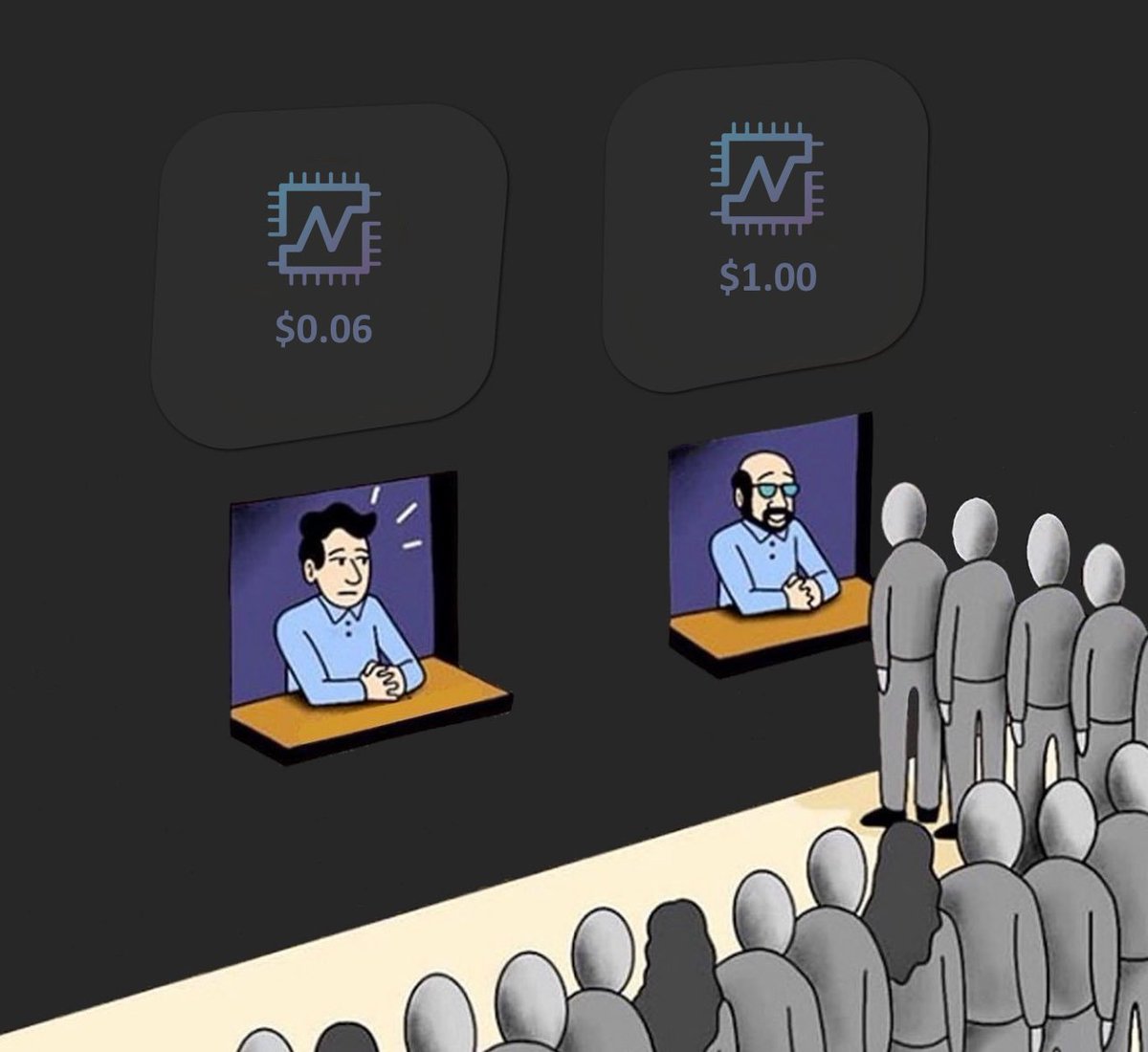
No one's rationing your allocation here. CPU mines it, you keep it.
$0.06 not long ago. $0.18 today. You can still get as much as you want before the masses arrive.
Crypto privacy is the way.
$XNV
Jun 12

Tried to get 8000 Shares of SpaceX and only got 1000. The demand must be ridiculous. I hate stocks!
3
1
10
180

Jun 13
Interesting detail from my dive into the Nerva (nerva:native )codebase:
CryptoNight Adaptive (CNA) proof-of-work variants reference blockchain data from 256 blocks earlier as part of the mining process.
That means miners aren’t hashing based solely on the current block. Part of the work is tied to the chain’s historical state, creating a stronger link between the blockchain’s past and the block being mined.
It’s a subtle engineering decision, but one of the more interesting departures from the “just hash faster” approach that dominates much of PoW.
Nerva has always pursued a CPU-first philosophy, and details like this show that some of that thinking extends deep into the protocol design. This is not just about mining hardware assumptions.
The more I read the code, the more I find ideas that differ from the standard playbook.
#XNV #Nerva #Crypto #ProofOfWork #Mining #OpenSource
1
5
154


Jun 12
Oooooooooo

Dash Platform version 4.0 is live on testnet.
This is the version with Orchard shielded transactions.
Very soon.... 🛡️🤫
github.com/dashpay/platform/…
1
62
Jun 12
Bitcoin wasn’t the only outcome of the original Bitcoin codebase.
Disagreements over scaling, block sizes, mining, and governance led to several notable forks:
• Bitcoin (BTC) – the original network
• Bitcoin Cash (BCH) – forked in 2017 to pursue larger block sizes for payments
• Bitcoin SV (BSV) – forked from BCH in 2018, advocating even larger blocks
• Bitcoin Gold (BTG) – changed the mining algorithm to promote broader mining participation
• eCash (XEC) – evolved from the Bitcoin ABC/BCHA network and rebranded in 2021
While these networks share a common origin, they represent different approaches to scaling and network design. By market capitalization and adoption, BTC remains the dominant Bitcoin-derived network.
#Bitcoin #BTC #Crypto #Blockchain
3
2
110
Jun 12
A common misconception is that #Bitcoin is private. In reality, Bitcoin is pseudonymous, not anonymous.
Every #Bitcoin transaction is permanently recorded on a public blockchain that anyone in the world can view and verify. Wallet addresses are represented by alphanumeric strings rather than real names, which provides pseudonymity. However, if a wallet address becomes linked to a person or organization, its transaction history can often be traced and analyzed.
This transparent public ledger is one of Bitcoin's most important innovations. It enables a decentralized system where participants can independently verify transactions and ownership without relying on a central authority. Since its launch in 2009, the #Bitcoin network has maintained a publicly auditable record of transactions secured by cryptography and global consensus.
Understanding the difference between privacy and pseudonymity is essential for anyone exploring #BTC and blockchain technology.
#Bitcoin #BTC #Blockchain #PublicLedger #Pseudonymous #Cryptography #Decentralization #Transparency #DigitalAssets #Crypto #Web3 #FinTech #Technology #CryptoEducation
Jun 12
#Bitcoin (#BTC) is the world's first decentralized digital currency, launched in 2009 by #SatoshiNakamoto. Its supply is capped at 21 million coins, making it a scarce asset by design. The Bitcoin network operates 24/7 through a global system of miners and nodes, processing transactions without the need for a central authority. Every four years, the Bitcoin issuance rate is reduced through an event known as the "halving," which decreases the number of new bitcoins entering circulation. Today, Bitcoin remains the largest cryptocurrency by market capitalization and is widely recognized as a pioneering innovation in digital finance and blockchain technology.
#Bitcoin #BTC #Cryptocurrency #Blockchain #DigitalAssets #Decentralization #Finance #Technology #Crypto #Web3 #FinTech #HODL #BitcoinNetwork #CryptoEducation
2
148
Jun 12
#Bitcoin (#BTC) is the world's first decentralized digital currency, launched in 2009 by #SatoshiNakamoto. Its supply is capped at 21 million coins, making it a scarce asset by design. The Bitcoin network operates 24/7 through a global system of miners and nodes, processing transactions without the need for a central authority. Every four years, the Bitcoin issuance rate is reduced through an event known as the "halving," which decreases the number of new bitcoins entering circulation. Today, Bitcoin remains the largest cryptocurrency by market capitalization and is widely recognized as a pioneering innovation in digital finance and blockchain technology.
#Bitcoin #BTC #Cryptocurrency #Blockchain #DigitalAssets #Decentralization #Finance #Technology #Crypto #Web3 #FinTech #HODL #BitcoinNetwork #CryptoEducation
1
183
Jun 12
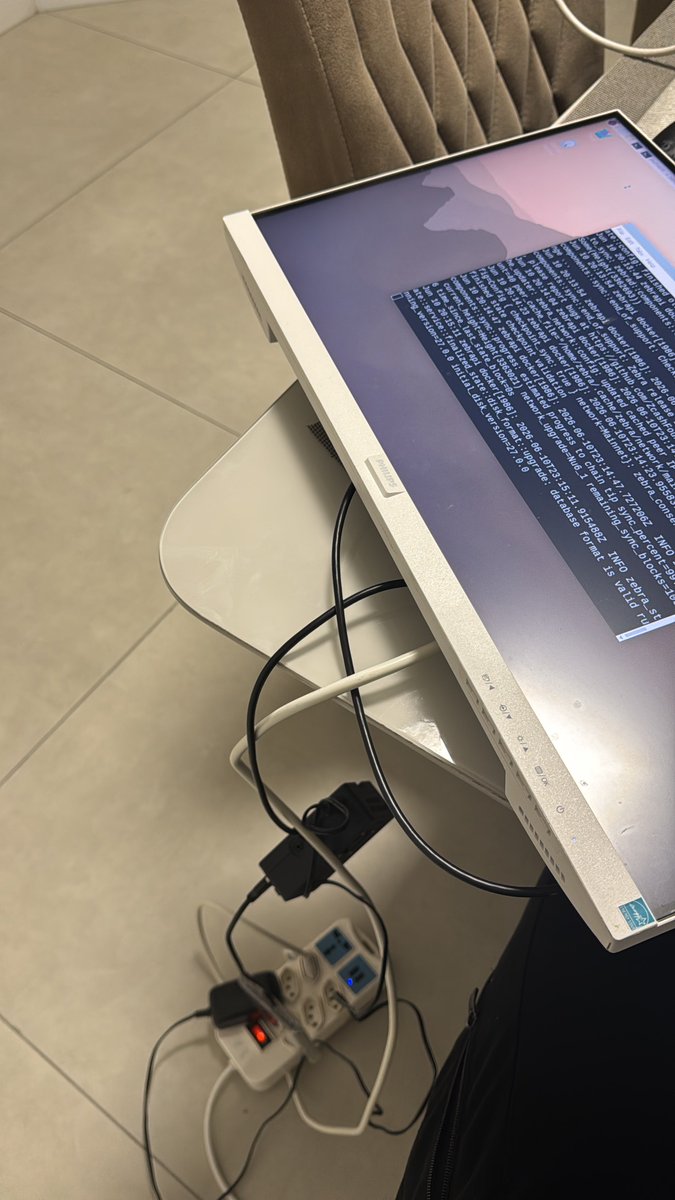
Have you tried pouring water on it? It might be thirsty.

1
5
267

Jun 11
Interesting read on Salvium #SAL and its approach to privacy, compliance, staking, and future DeFi infrastructure.
The article focuses on publicly available information and clearly distinguishes between shipped features and roadmap goals.
#Salvium #SAL #CryptoNews #PrivacyCoin #Blockchain #Web3 #DeFi #CryptoResearch #DYOR
2
6
26
702
Dr. pixel retweeted
Jun 10
Most Proof-of-Work chains follow a predictable path: CPU mining → GPU takeover → ASIC dominance.
NERVA refuses that script.
Its mining algorithm is a moving target, designed to stay CPU-friendly and continuously adapt, making hardware arms races far less effective.
No static advantage. No easy monopolies. Just a system that keeps shifting under your feet.
Read more in the article below.
#NERVA #Crypto #ProofOfWork #CPUmining #ASICResistance #Blockchain #DeFi
1
2
6
246