
Space host/co-host, Trader, Content Creator, Web3 Writer, Product User, Community Contributor, Web3 explorer. Ambassador @TheDeltaGlobal
Joined March 2023
- Tweets 2,515
- Following 1,265
- Followers 815
- Likes 4,074
420 Photos and videos


Pinned Tweet

30 Dec 2025
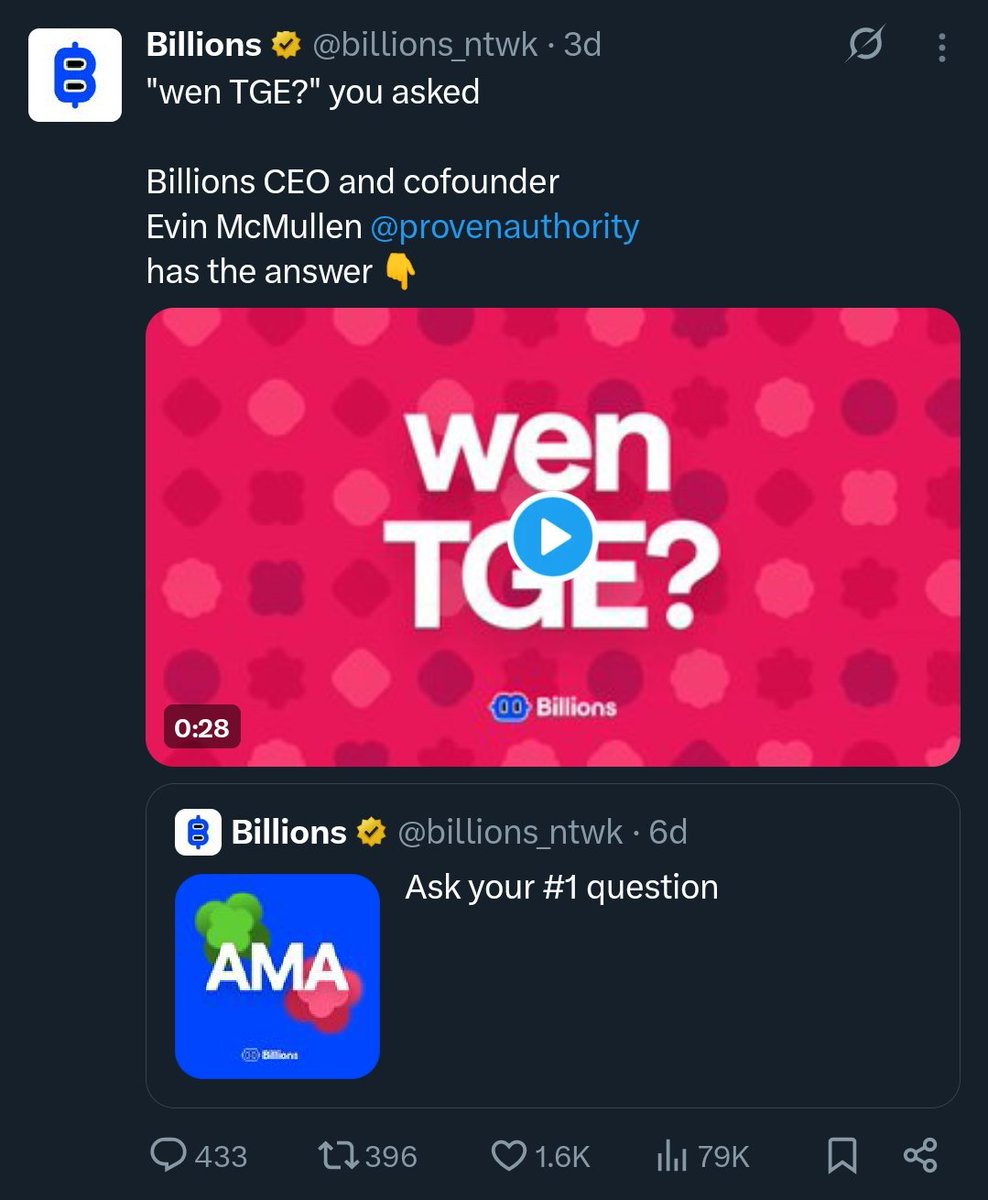
@billions_ntwk scheduling TGE for Q1 shows they’re focused on infrastructure.
By prioritizing identity as a trust layer for humans and AI, they ensure integrations and real usage precede financialization
So At token lauch, identity will already be embedded, proving serious intent
274
655
1,137
5,123
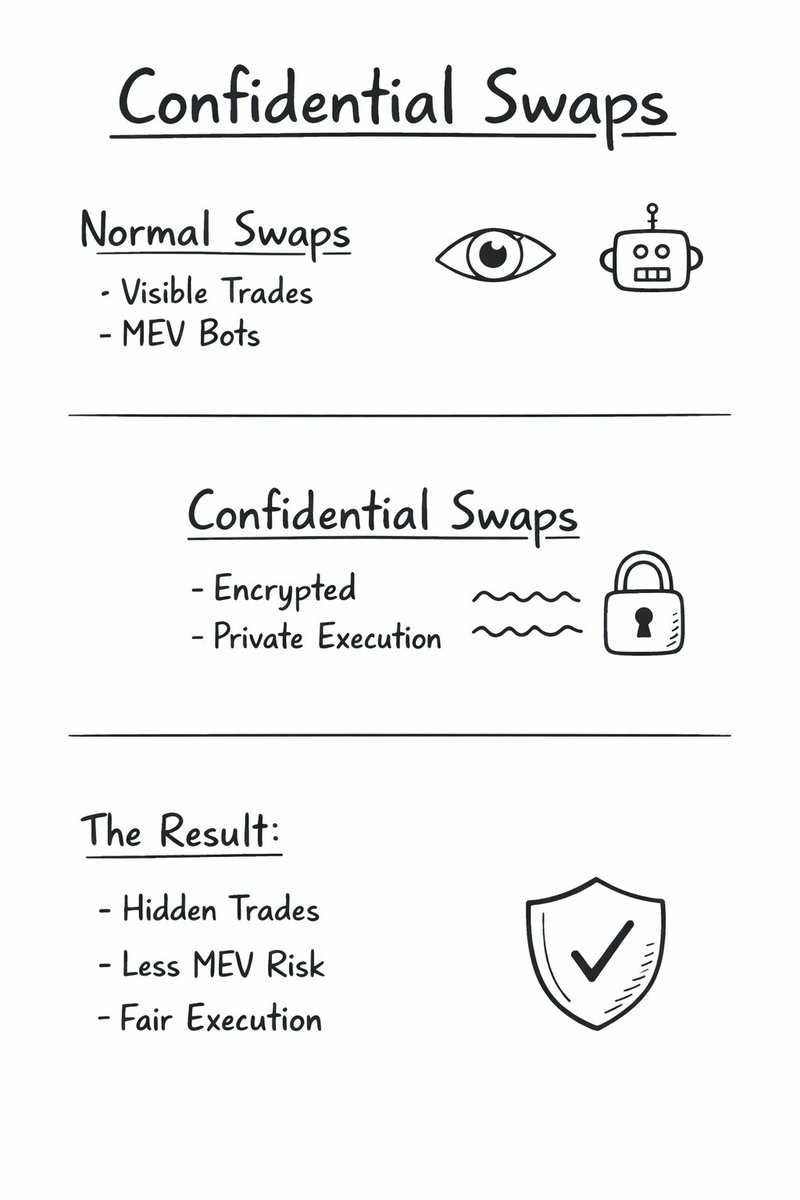
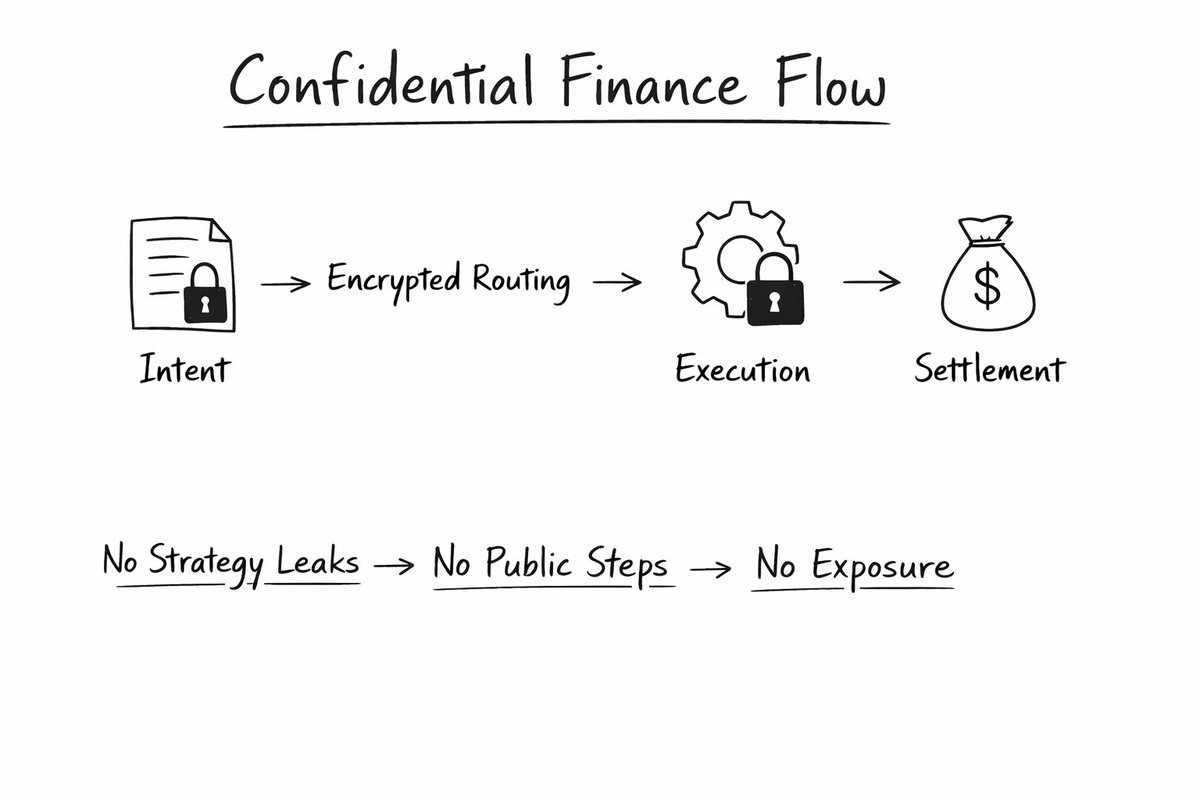
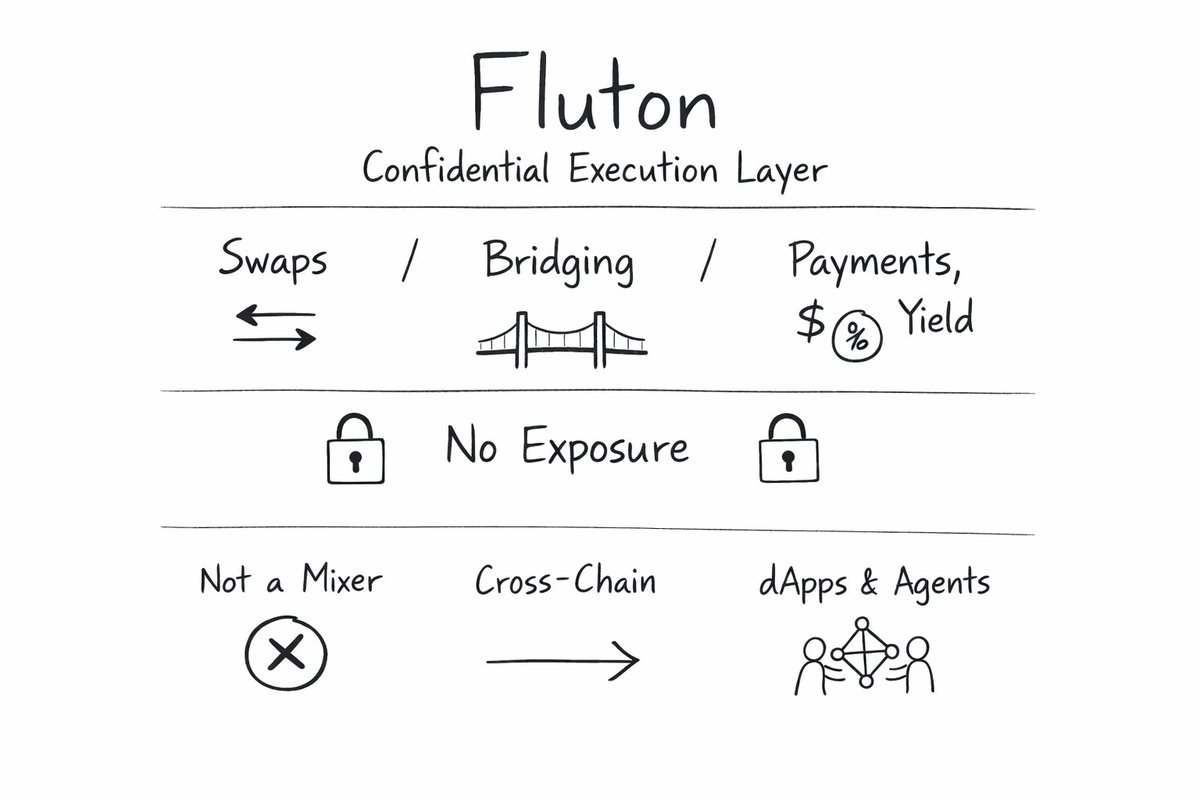
Most token swaps expose your moves before they’re done. Traders watch, bots exploit, and your strategy isn’t really yours. What if swaps could stay private from start to finish? (Thread)
@FlutonIO
1
1
11
Fluton’s Confidential Swaps use Encrypted Intents powered by Fully Homomorphic Encryption. Your trade details remain hidden while the network executes (no leaks, no front-running)
1
17
The outcome? Private swaps, less MEV risk, and fairer execution. As DeFi matures, confidential trading could shift from “nice-to-have” to the new standard for protecting users
1
10
Jun 13
Ever used a blockchain app that suddenly feels broken overnight?
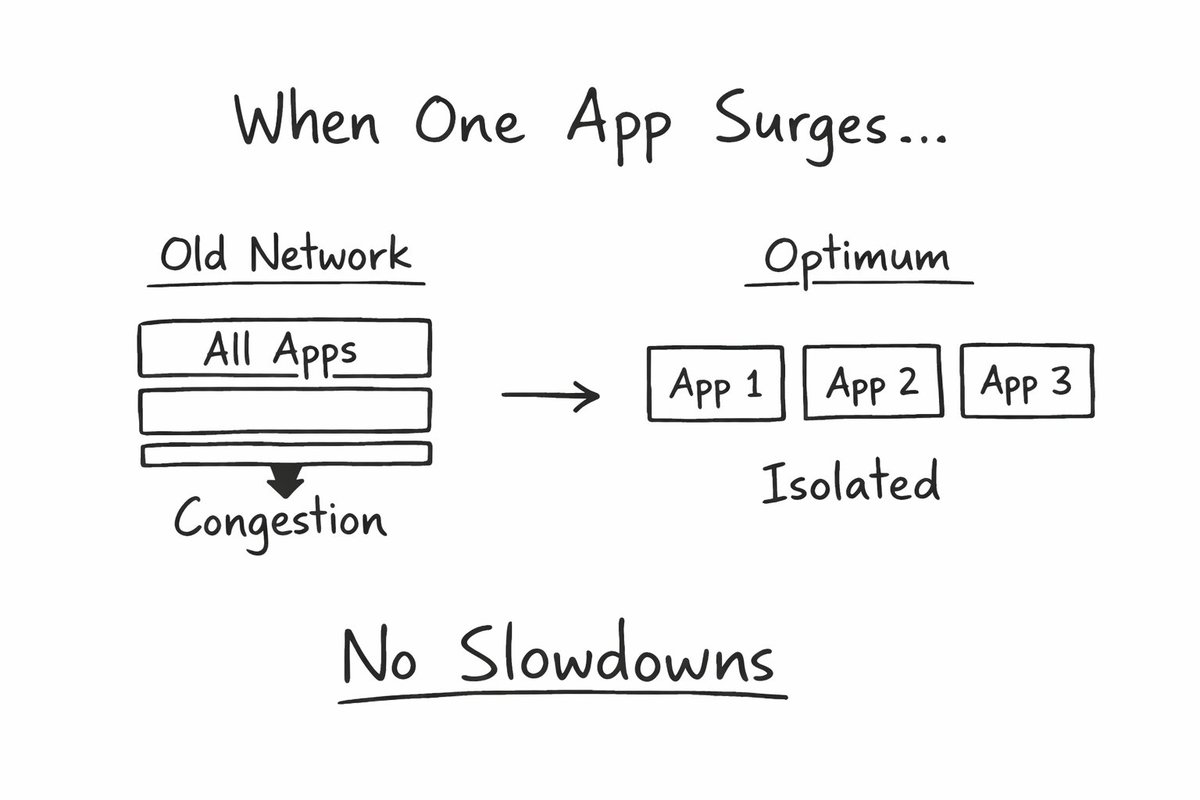
It’s not the app, it’s the network. When one app goes viral, it hogs resources, leaving every other app crawling (Thread)
@get_optimum
1
1
19
Jun 13
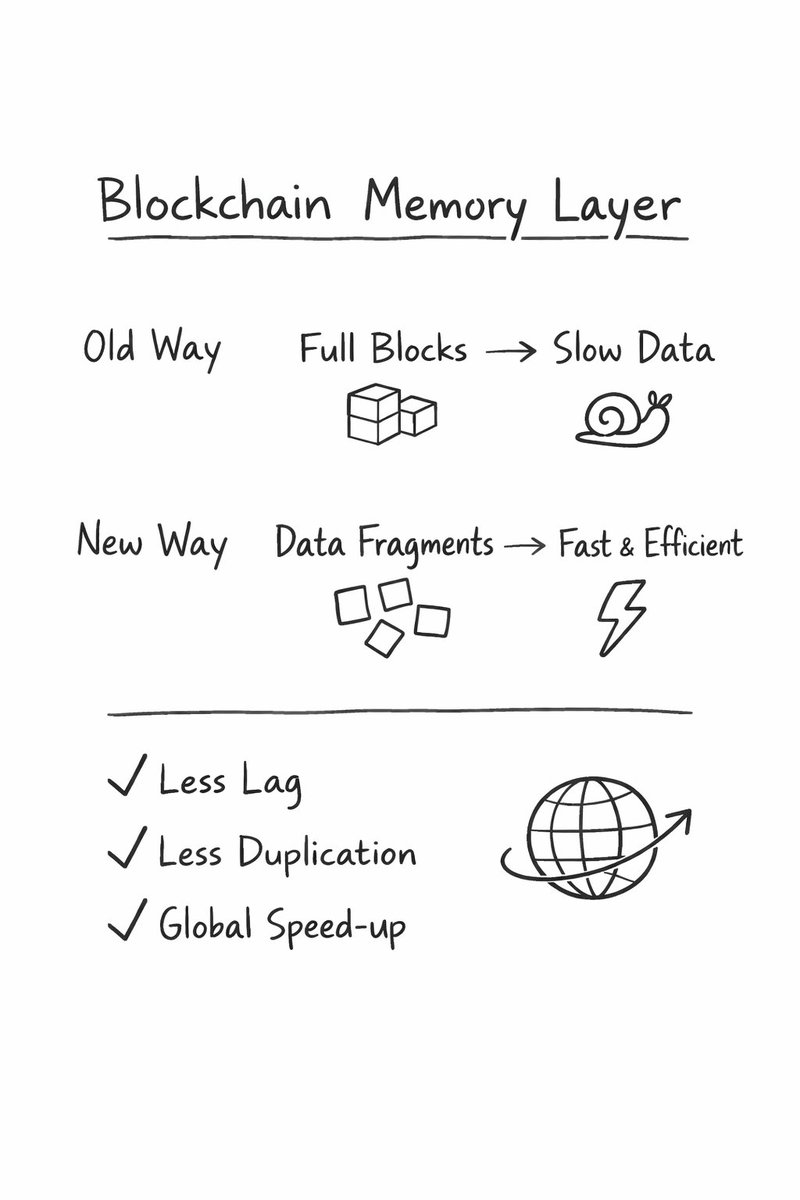
Old networks lumped all activity together. A surge in one app meant delays for everyone else. Your simple transaction had to wait in line behind someone else’s hype
1
16
Jun 13
Optimum changes the game by isolating each app’s data, no surge elsewhere can slow you down. Every app gets its own lane (fast, smooth, and unaffected) by the crowd
37
Jun 11
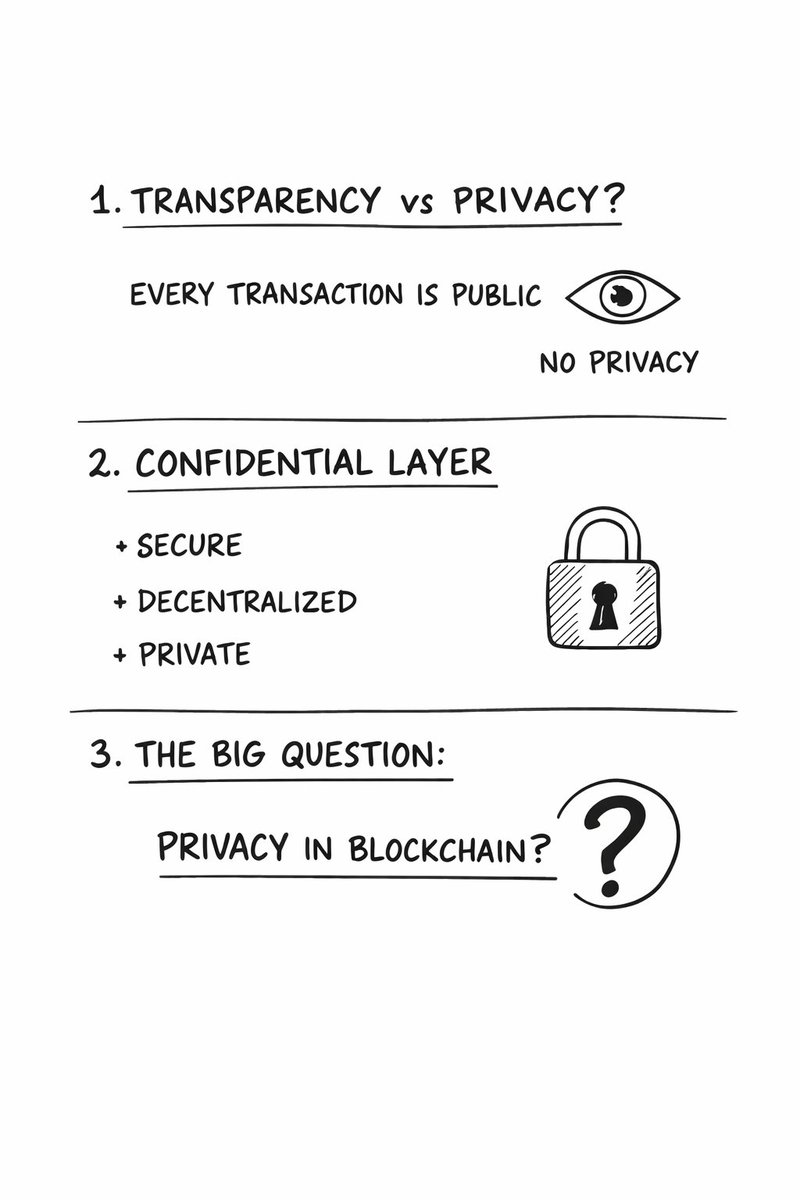
Transparency vs Privacy
Blockchain gave us trust through radical transparency. But imagine every financial move you make being permanently public. Is that really the future we want
(Thread)
@FlutonIO
1
1
24
Jun 11
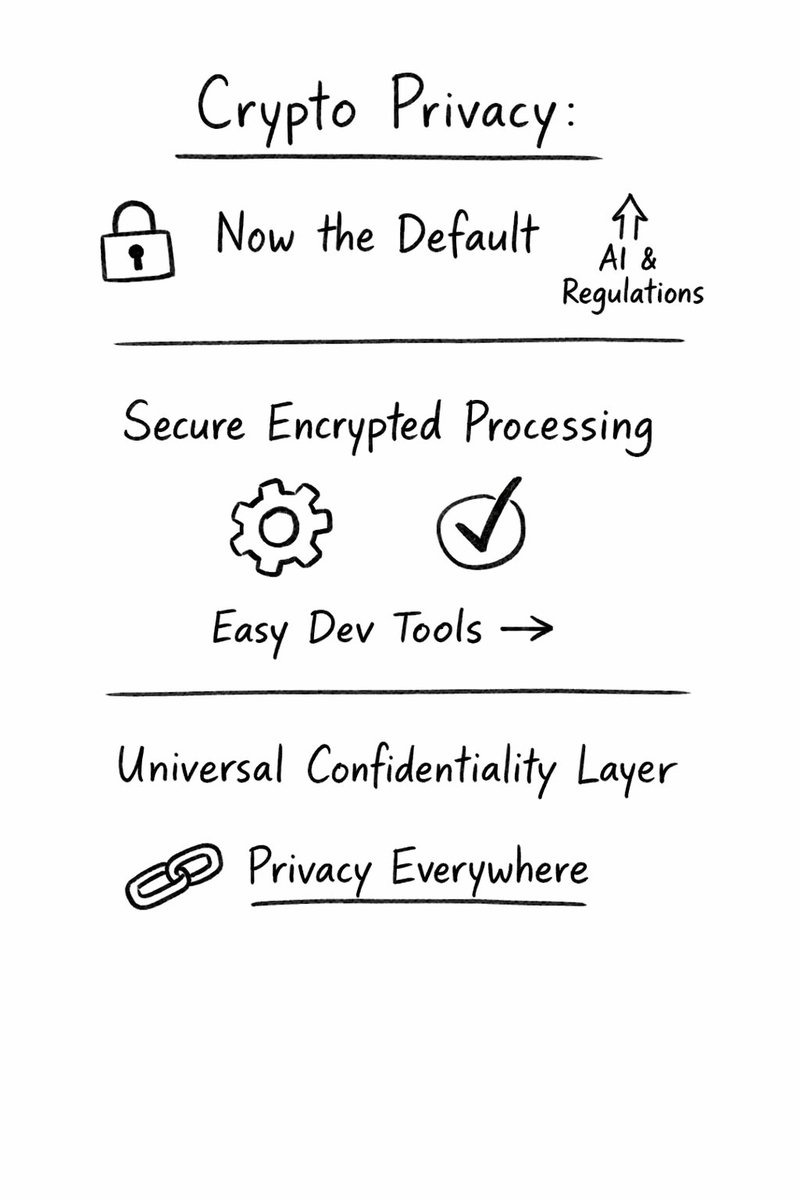
Enter Confidential Layers
Projects like Fluton aim to fix this by hiding sensitive details while keeping transactions verifiable. The idea: security decentralization, but with selective privacy built in
1
19
Jun 11
The Big Question
Web3’s next frontier isn’t just transparency, it’s balance. Should privacy be optional, or a fundamental right baked into blockchain itself? The debate is only beginning
15
Jun 10
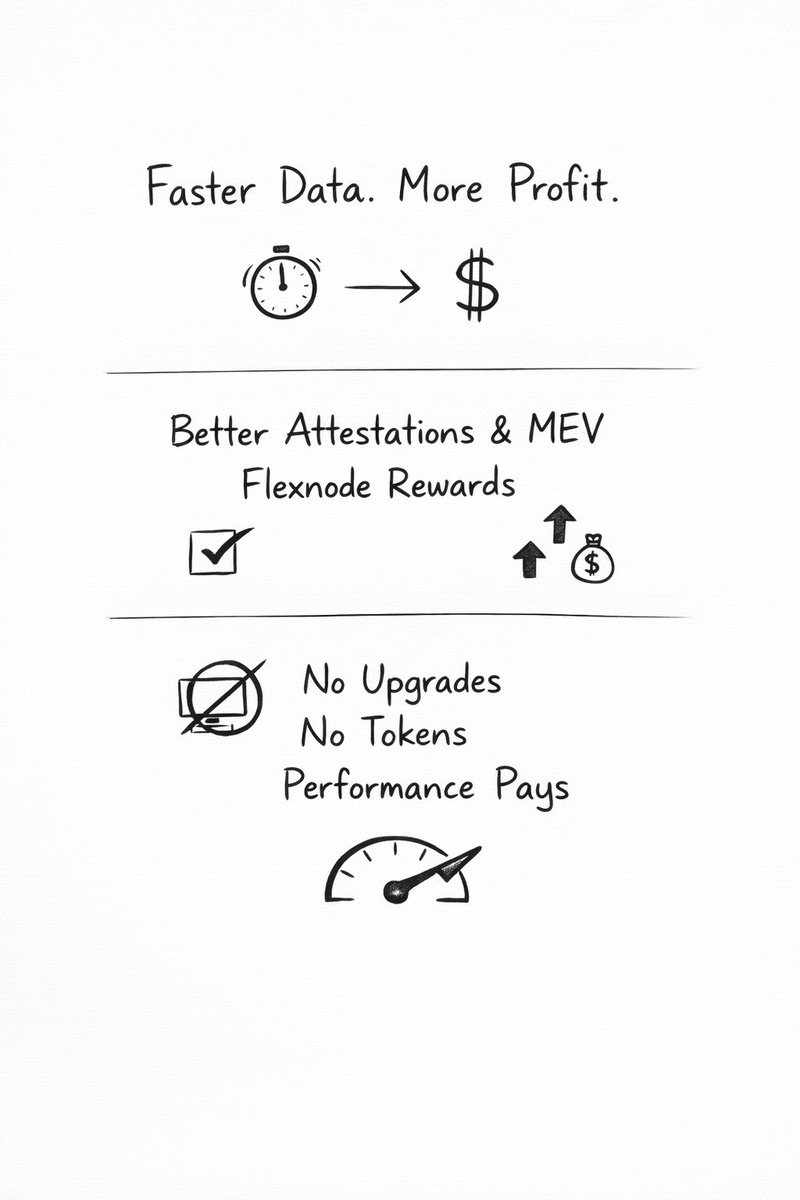
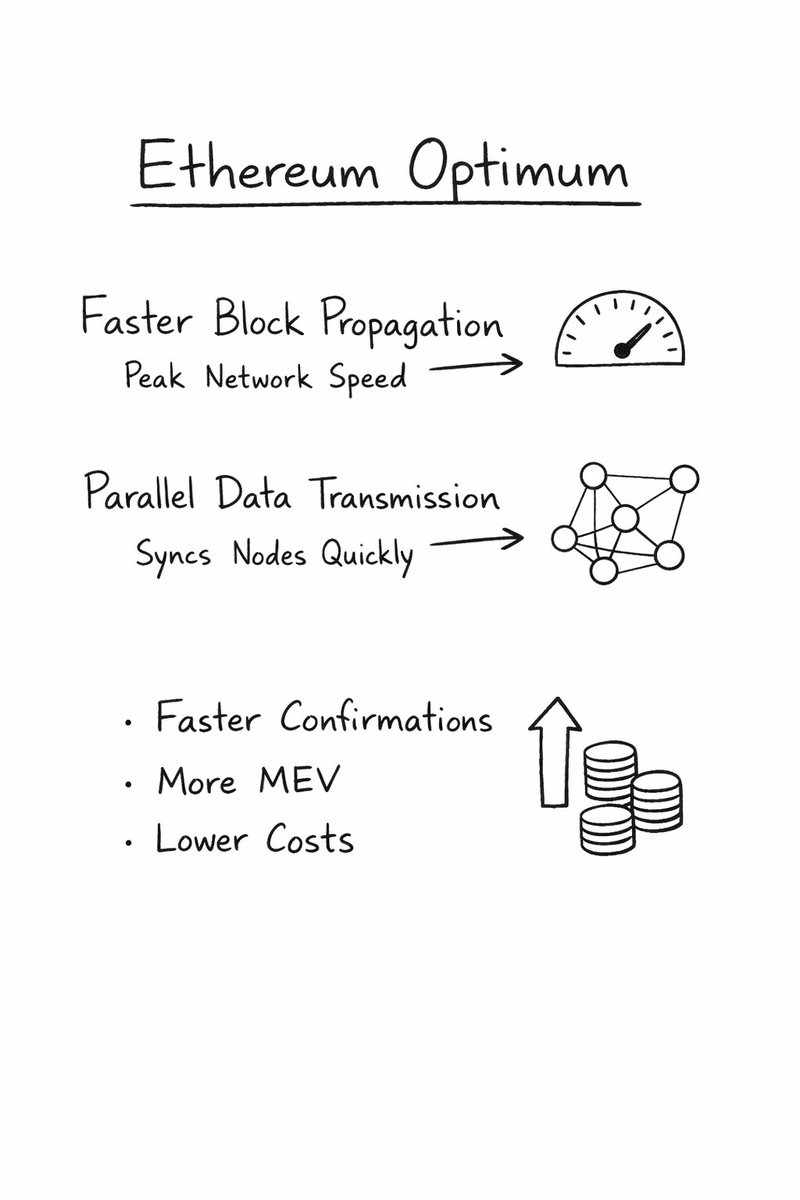
Every millisecond counts. Faster data flow for Ethereum validators isn’t just speed, it’s profit. Optimum unlocks hidden value by turning latency into revenue
(Thread)
@get_optimum
3
3
38
Jun 10
Validators gain sharper attestations, stronger MEV outcomes, fewer missed slots, and leaner bandwidth use. Flexnode operators fuel the system, earning rewards for their contribution
1
14
Jun 10
No hardware upgrades. No consensus tweaks. No token reliance. Just a smarter network where performance pays, and every saved millisecond boosts APR potential
8
Jun 10
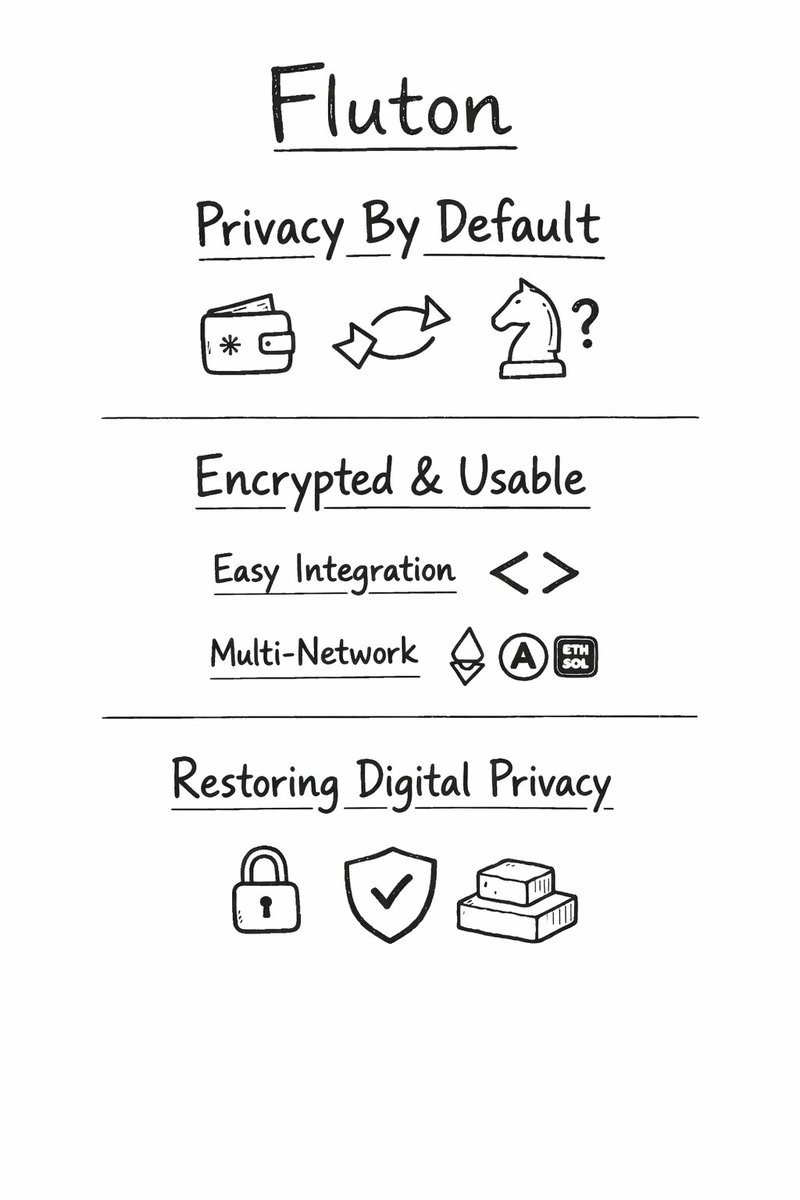
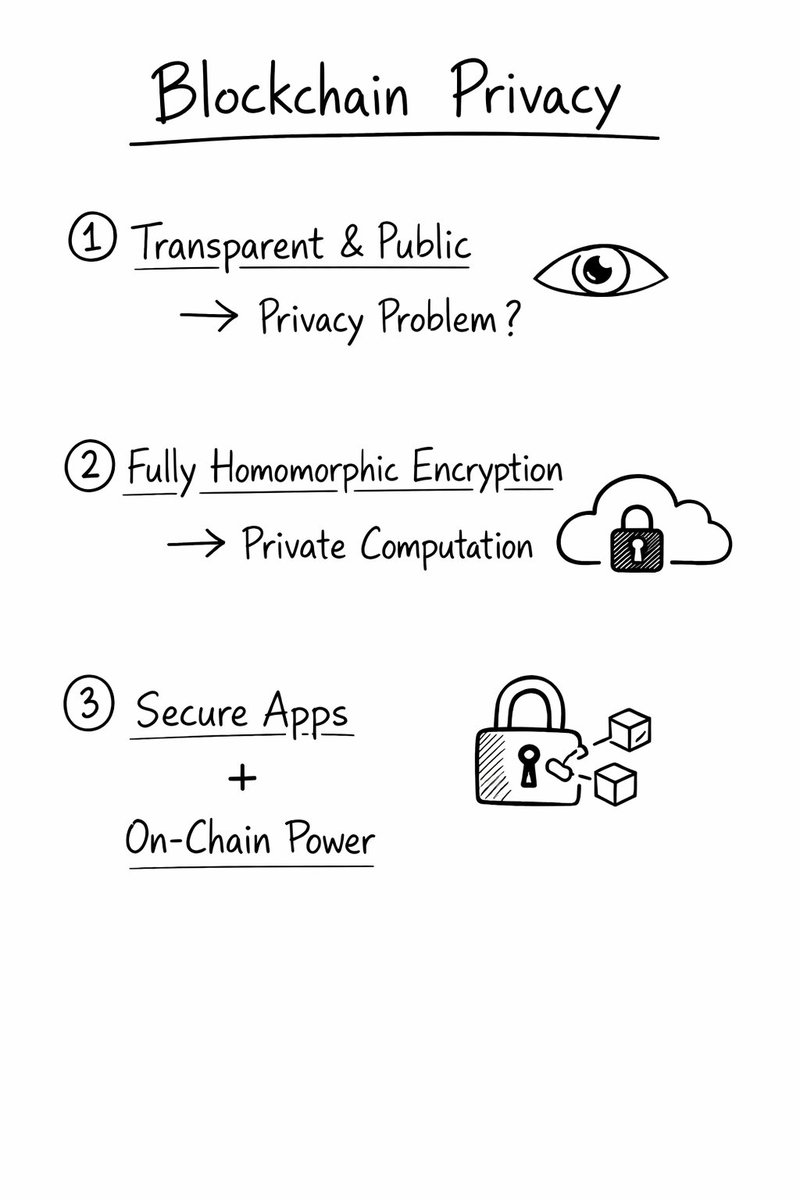
Web3’s future isn’t about surveillance, it’s about freedom. Imagine transacting without exposing your balance, strategy, or moves. That’s the vision Fluton is quietly building (privacy as the default, not the exception)
Thread
@FlutonIO
3
2
39
Jun 10
With Fully Homomorphic Encryption, data stays encrypted yet usable. Developers can add privacy with just a few lines of code, while users swap across Ethereum, Arbitrum, or Solana (without revealing their actions)
1
24
Jun 10
Fluton’s strength lies in restoring digital privacy, not hiding people. It’s a project that grows steadily, solving problems with real tech instead of hype. A cornerstone for the Web3 world where privacy feels normal again
22
Jun 9
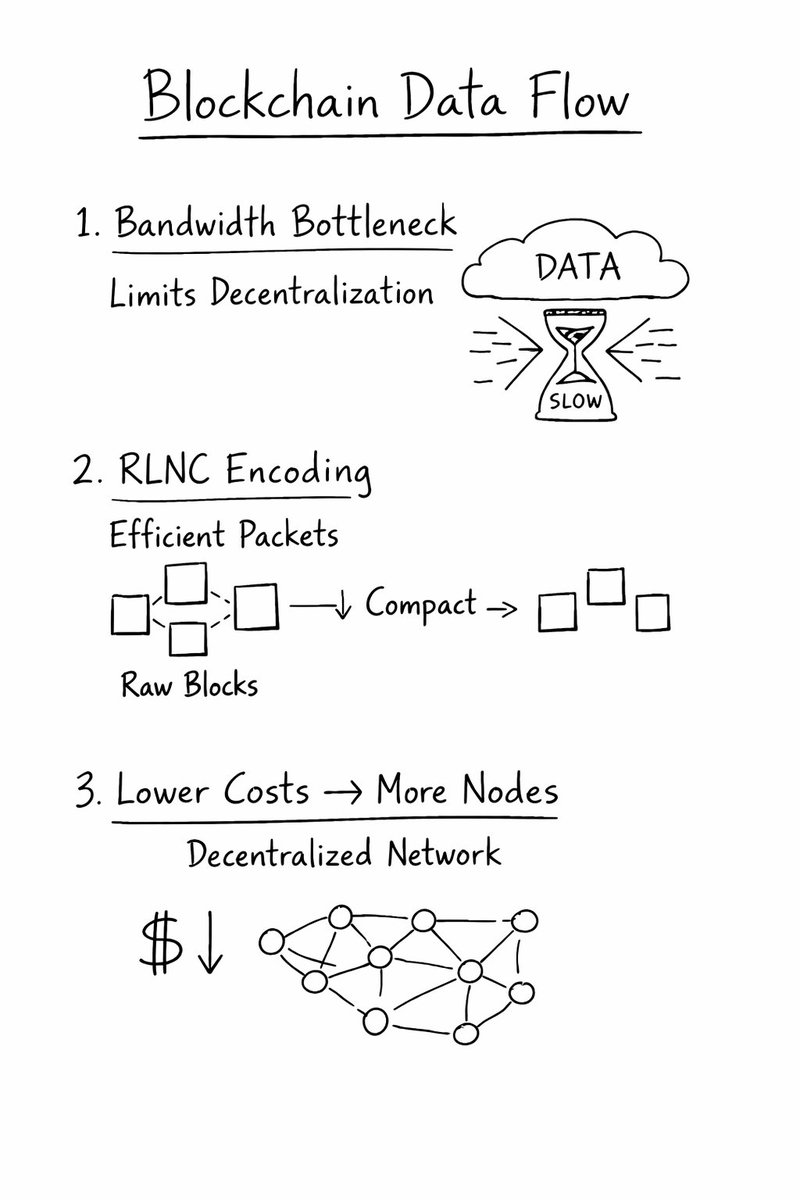
Blockchain scaling isn’t just about faster consensus, it’s about moving data smarter. The hidden bottleneck? Bandwidth. Without solving it, true decentralization stays out of reach (Thread)
@get_optimum
4
2
44
Jun 9
Optimum tackles this with RLNC (instead of blasting raw blocks across the network, nodes share lean encoded packets). Less bandwidth, more resilience, lower costs for validators everywhere
1
20
Jun 9
Cheaper infrastructure means more diverse operators can join the network profitably. As onchain activity grows, data acceleration layers like this won’t be optional (they’ll be core infrastructure)
1
12
Jun 8
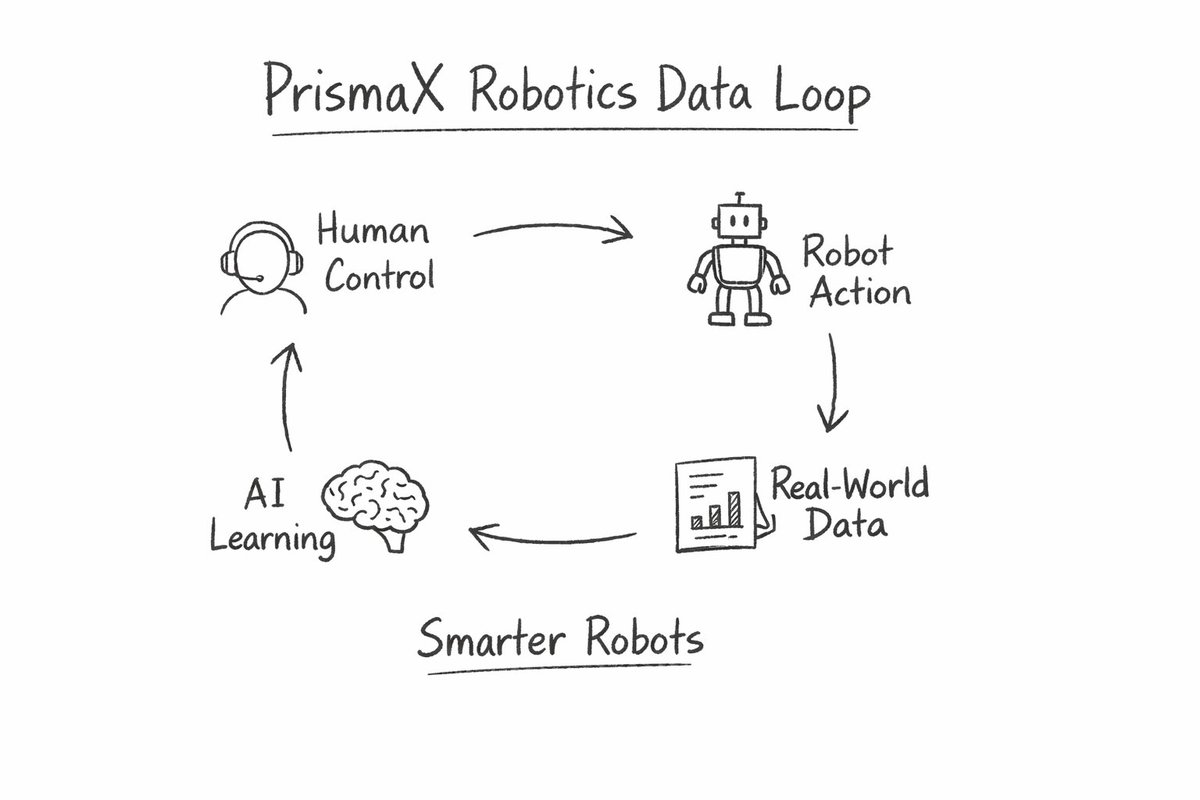
Robotics, AI and blockchain are no longer separate worlds. At NY Tech Week, the PrismaX community showed how these forces are converging to shape the next wave of innovation. The future of physical AI is unfolding now (Thread)
@PrismaXai
3
2
38
Jun 8
Smarter robots aren’t just about advanced AI. They rely on strong infrastructure, clean data and human-guided systems to thrive in real-world environments. Progress is as much about foundations as intelligence
1
1
21
Jun 8
Collaboration across industries is accelerating breakthroughs. What once felt futuristic is already being built today. Events like this prove the next generation of tech isn’t far off (it’s happening in front of us)
1
12