
Christian | Husband | Father | Author of Travel By Star | plainrunner.substack.com
Joined August 2022
- Tweets 19,504
- Following 378
- Followers 885
- Likes 67,403
624 Photos and videos





Pinned Tweet

13 May 2025
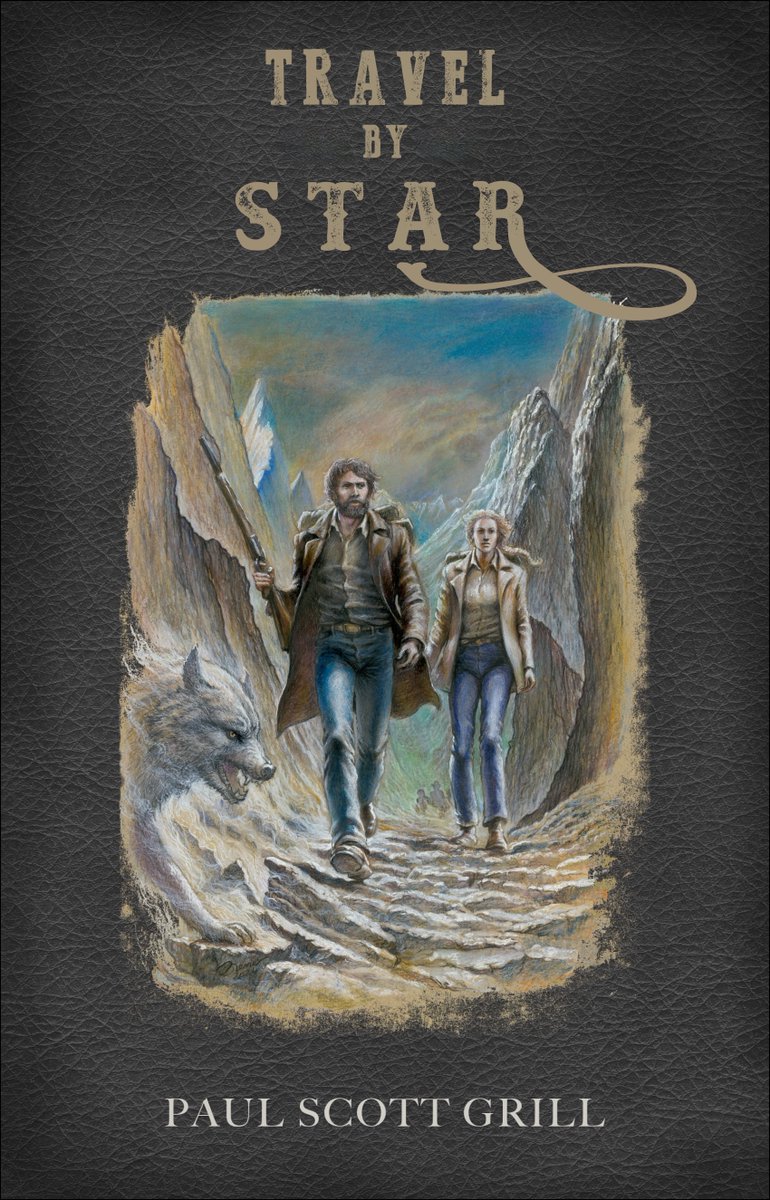
Five years in the making…
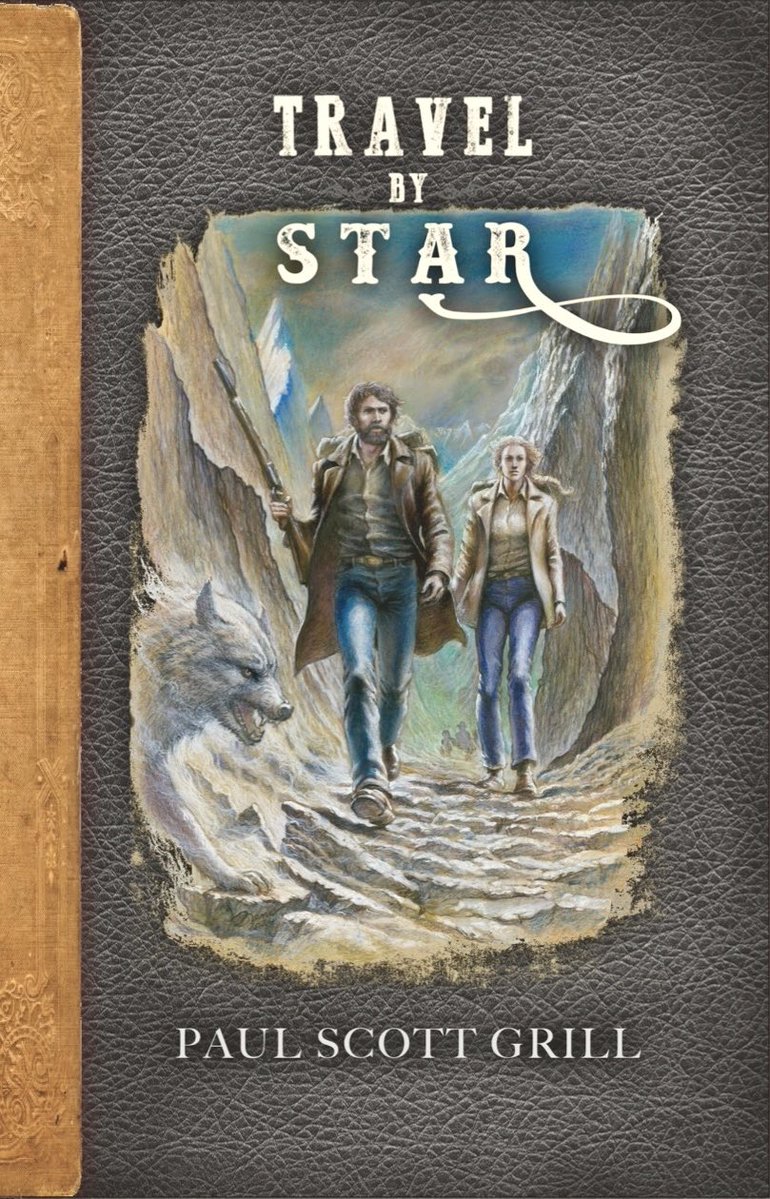
I am excited to announce my first novel, "Travel By Star" is available today in paperback (details in the replies).
Inspired by the works of C.S. Lewis and Louis L'Amour, it is a story of fallen days and homeward hopes. Of sons adrift, and prodigal daughters.
And what it takes to find the way back.
Many good friends, both in in real life and here on X, have helped bring this book to completion, but I want to especially thank my editor and layout designer @JohnBLeonard for his faithfulness and friendship. A lot of life has passed since we first began. We are finally here, brother.
I also want to thank once more my brilliant cover artist, @BarbaraBrendt. She showed me what these characters could be. More than that, she believed in me. I am forever grateful for her talent and her kindness.
I only wish I could write faster so that I might be able to work with both of them again.
Sincere thanks, as well, go out to @HeidiAHill1 and @KingAriPress. They were among my first writer friends in the world of social media and I was blessed to happen upon such steadfast encouragers.
To everyone else who has befriended me here, offering timely advice, or a gentle query, or a friendly jab in the side - and to those of you who gave your time to my short stories - you are deeply appreciated. I hope you enjoy this story (at last). More than anything, I hope you come away from it resolved to fight your own good fight, and to run well, even into the sunset, knowing its light will reach back to draw you on.
Thank you, all, truly. To the City!
64
50
320
67,562
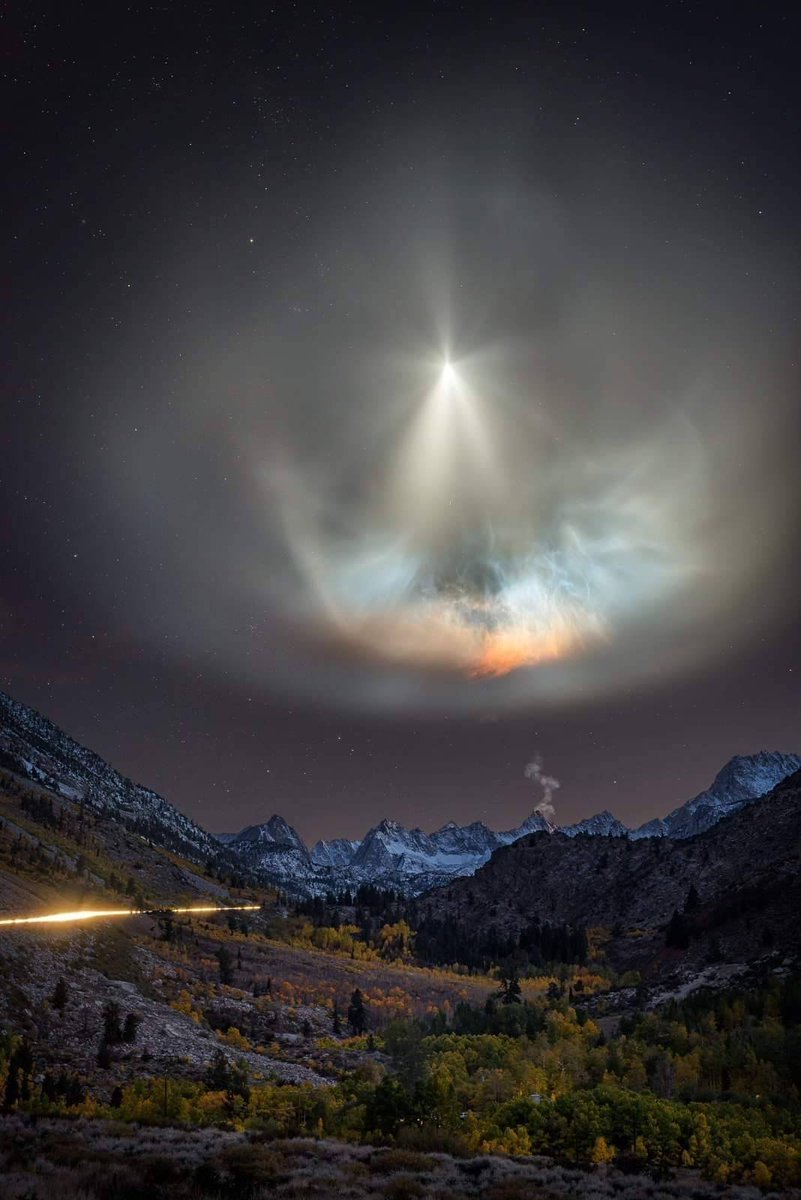
"Trees," by Paul Scott Grill
The soil of love will ever tend
Upon a nature starting slight
Strengthening us for the wind
Training us toward the light
While the ground of hard neglect
May warp a sapling strong
Turning wisdom to inflect
And languish in the wrong
Yet be we sturdy or so weak
This grace may still abound
To ask, to knock, to want to seek
A river flowing all around
Finding seeds of newness sown
Nourishing what cannot fade
Till you and I, forever grown
Can give each other shade
Thanks to @JoshuaOreskovic for the initial inspiration here.
Photo credit unknown
10
108
As if I need to be more intimidated. 😅
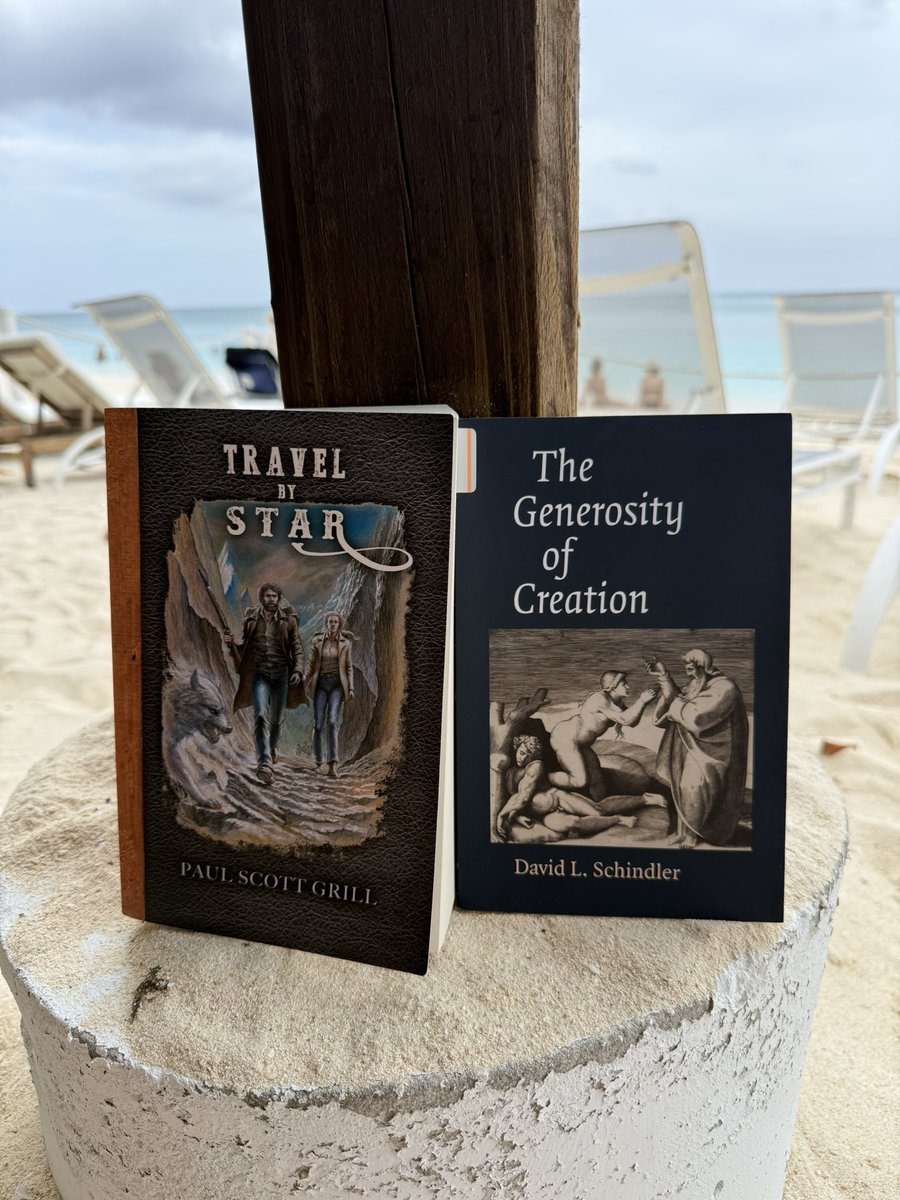
Sincerely, though, I hope you enjoy the read. Thank you.

19
270
I am still very much a novice poet. I don't always know what I'm doing in terms of rhyme or meter, I experiment with free verse now and then... mostly I work on instinct or feeling, listening more than structuring, at least at first.
I try to read more of it, as time permits.
I've commented before, though, that the poetry bug found me rather unexpectedly. A few verses pushed their way into Travel By Star, even though I had not set out to write a story layered with poems and songs. After I finished drafting and was down in the long editing process, I went through some significant personal struggles, and being exhausted from prose, found poetry to be a ready help.
I seem to recall reading somewhere that poetry (or, perhaps song) is our natural state of communication. For all the value we gather from didactic, explicative writing, there are things that can only be heard through poetry, if we have ears for it. Perhaps that is why the Psalms speak when our souls are driest. They are springs from the rock, as it were, and it is no wonder to me that when Scripture speaks of angelic speech or the voice of God, it is often compared to the sound of mighty waters.
Which leads me to ponder, however fancifully, that when the Spirit intercedes for us, carrying forward those prayers, those groanings too deep for words, He's actually turning them to song or the sound of rain upon a creek bed, or perhaps, both at once.
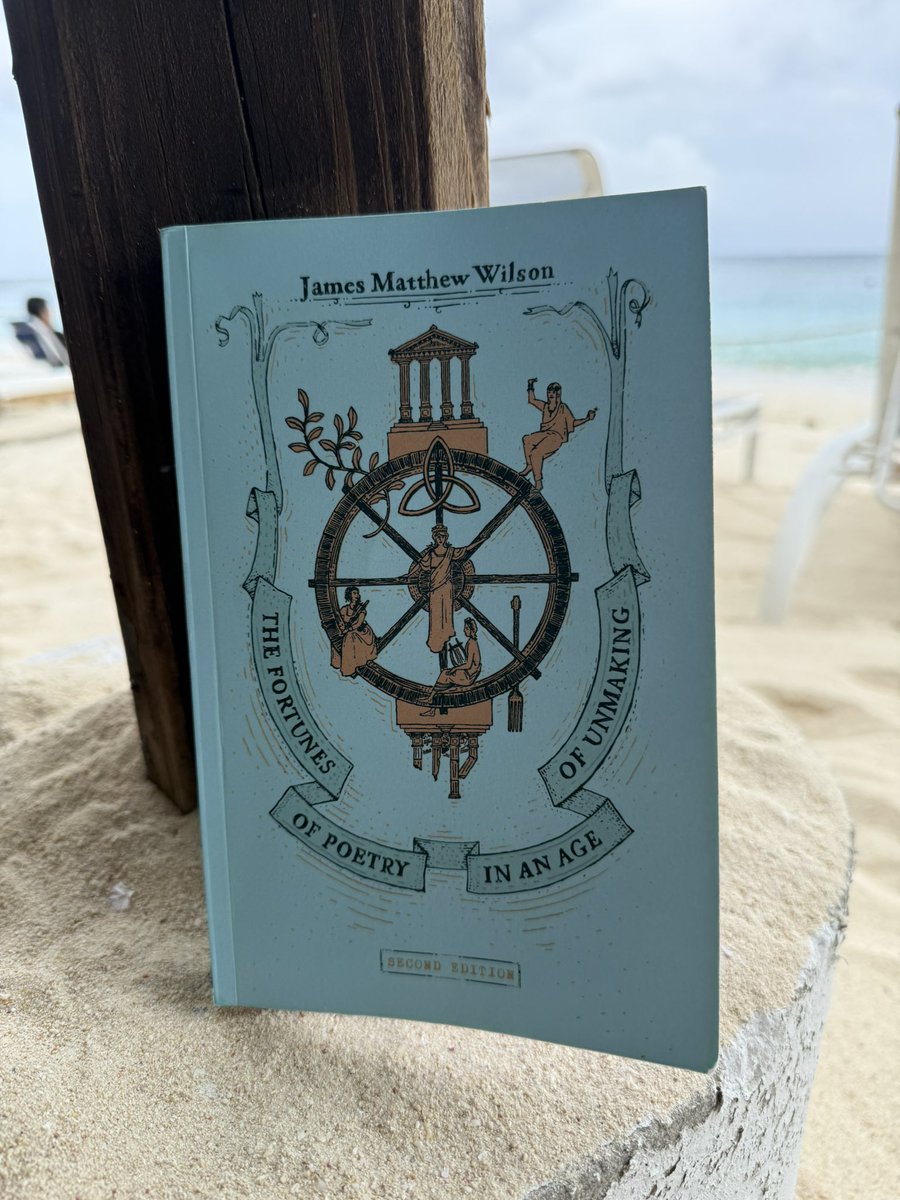
Finished. What a magnificent book.
It is an Aristotelian recovery of poetic ontology through deep meditaton on the historical practice of poetry.
Befitting the concerns of a poet, and the nature of poetry, the end emphasizes knowing what a poem is through contemplation of how a poem works, which in the end reveals a deeply incarnation, even Trinitarian, understanding of the poem, the Beauty of the Infinite made manifest in a particular whole that is both something made and something given, a human participation in the divine radiance of Goodness, Truth and Beauty.
All this I knew, but what the master poet has taught me is how meter is truly the first and last principle of poetry. I would have said metaphor, but Wilson is here convincing:
“Approaching it from the outside, we see that it is a hypostatic union of the made and the given, the gift passively received and the art actively undertaken, the human craft and the divine origin. This alone suffices to explain why a poem is always more than itself, a duality in unity, a perfectly intelligible mystery.
“Looked at from within, at its heart, we see that this union of art and gift result in something that has the character of a trinity. Memory, meter, and metaphor live together in a kind of cir-cumincession. Meter is already the first instance of memory, gathering and holding parts together as a whole. It is already the first metaphor, signifying what is beyond itself by its numbered nature. And so, memory and metaphor are at once other than meter and continuous with it. Meter may be present at the beginning, but, as first and last, it holds all together.”
I have long avoided contemporary poetry because I saw all its nihilism and pretense and absurdity.
But @JMWSPTgives me reason to believe real poets are still at work and they need our participation.
2
1
33
1,437
Jun 12
I picked up a few new followers in the wake of the Daily Wire review. Wanted to say, "Hi." If you're interested in checking out any of my writing, I've gathered most of my poems and fiction sketches here in my highlights tab.
Also, my short stories can be found over at my other writing space (noted in my profile). No obligations, no paywall. Just me dreaming of other worlds and how to make this one better.
Thanks for being here, and have a blessed weekend.
26 Nov 2025

“As The Day Draws,” by Plain Runner
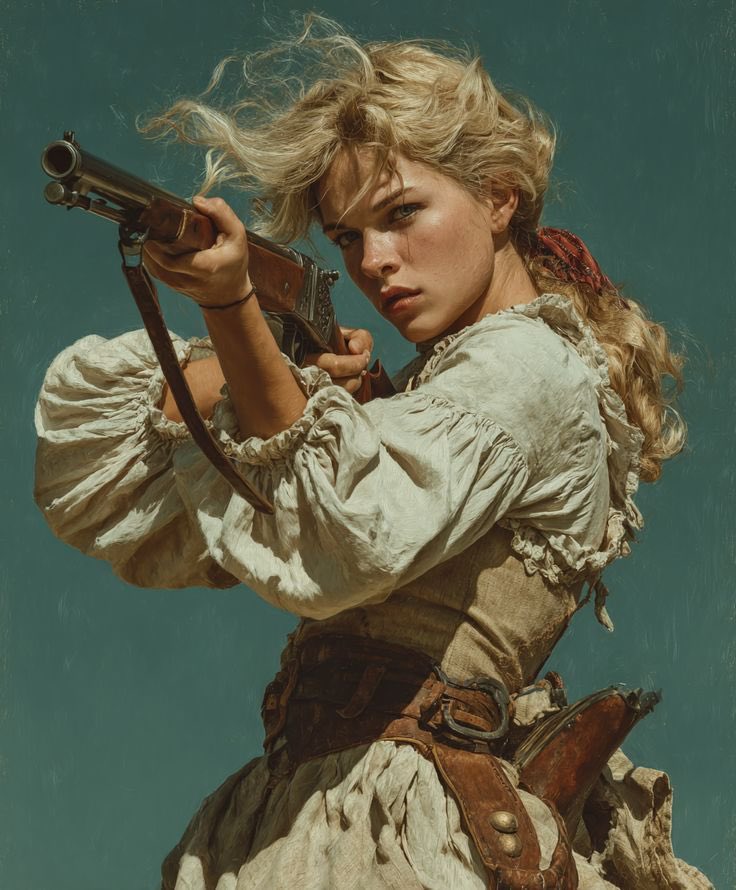
The Bloodless Ones usually came out dusk, and only on moonless nights. Sherlyn could spot them a mile off by their cadence. The steps never landed right, the shoulders didn't move as a man's would, especially a man worn out from a trek across baked earth, with no company beside the wind-witches. At thirty yards, she could see the overlong fingers. Not grossly so, but enough to make a born piano player wrinkle his nose. At ten yards, she could see lipid eyes, too bright and too open for any man long thirsting.
She had to wait for them to get that close.
Since the time she'd been a girl, Sherlyn had possessed a sharp eye and an even sharper intuition. At age eleven, she had begged her father for a rifle. Any breech-loader would do, she’d said, so long as the barrel was sound and its grooves were true. He always said he couldn't afford one, or couldn't find one.
One day, though, a traveling arms master had passed through looking for room and board. For payment he'd left this smoothbored cannon that fired like a draft kick to the shoulder. Its range was useless, but up close, she could blow a hole through a banker's stage. Her first kill had left a flittering spray of grey pulp and a blank space where the Bloodless One's head had been.
There'd been plenty more since. All through the cold days when her father grew ill and finally passed. All through the past spring when the rains didn’t show. All through the miserable summer when they came for her favorite horse. They must have. She'd been tired that day, and for one sorry second, she forgot to double check the hitch on the gate. She had an old plowhorse still, and the work was getting done. But she missed riding.
It was dusk on a moonless night, again…
Yet the man standing before her was as real as it got. His walk had been sure, if tired. His veins held life. His eyes, however keen, had seen their share of dust. His hand, a normal, working man's hand, held a lead. The end of which held her horse.
"Found this," he said.
"Stole it," she replied.
"Saved it," he insisted. "Moreover, I want nothing for him. Nothing, that is, except you train that gun somewhere else."
"Why should I?" she asked, imperceptibly easing off the trigger.
"Because in about an hour, you're going to need all the help you can get."
Sherlyn's eyes dropped only so briefly to the two long black pistols on each of his hips. His free hand was nowhere near.
"They're coming for you, Miss. You can thank me when this is over."
1
23
518
Jun 12
Don't let the marketing part of indie/small press discourage you. I went through that wringer and there were moments where I thought, "Well, that's that. I gave my all to this book and I have nothing left." At least four times I attempted to walk away from social media feeling like I'm failing as an author and as a human who should be doing something other than looking at my phone.
Worse, I have run the gamut of feeling like I have no idea what to write next, or if I do, it's going to be the messiest sophomore slump the world has ever known. There are days I have no energy to write, probably because I've spent whatever I had online. There are days I think I've wasted the last six years, and maybe the smart thing is to not waste anymore.
All I can say is, if you have a story you care about, keep at it... at your pace. Keep caring for the people in your life, keep meeting people, and keep just being you. The right readers will come along. Success is defined by faithfulness.
Jun 12

The dilemma that is pointed out here puts me between a rock and a hard place. Anyone would love being an overnight success and selling a million copies. But I never expected that to happen to me, I just wanted to find a few friends that liked my book and I feel that goal has been met. However, that does not equate to success for my publisher. So, the rock is my limited energy and the hard place is helping market my books.
3
1
46
1,282
Jun 12
I would just like to take this moment to say the somewhat angelic animals in "Travel By Star" are not Disney animals and they don't do weird things to children.
But they are pretty rad.
Jun 12

I promised no spoilers as much as possible, but here is the basics for Disclosure Day. It is one of the most shocking pieces of propaganda I have seen in a while. It is the last call of the WWII consensus: aliens are your saviors and empathy is the only virtue.
In a post-Epstein world, it dares have a story of children seduced and kidnapped by aliens pretending to be Disney-style animals, taken to Hansel and Gretel's house (this is what it is called in the movie) to be "imbued" by aliens in a way so traumatic that they forget and repress it until they are adults, only to discover that this initiation has given them the power to:
See people's secret thoughts.
Pretend to be other people and use that to manipulate.
Make things in plain view disappear.
Translate foreign and alien languages.
Be a "passenger" for the alien's message to the world.
This is nothing to say about its take on Christianity and the suggested apostasy around accepting these beings.
Then finally the entire movie is a final desperate appeal to the traditional media as the only purveyors of truth. The entire drama of the film is a man who has irrefutable video proof of aliens looking to release it. The whole movie is a series of chases against the evil corporation that wants to keep it hidden. He ends up releasing it on the evening news! Yes, you heard me. He releases it on the evening news which is then transmitted to all the traditional media companies that are named: ABC, CNN, Fox News etc. Anyone under 70 will realize that the movie could have ended in 10 minutes with a laptop and wifi. It is really mad.
Don't go see it.
3
1
37
893
Plain Runner retweeted

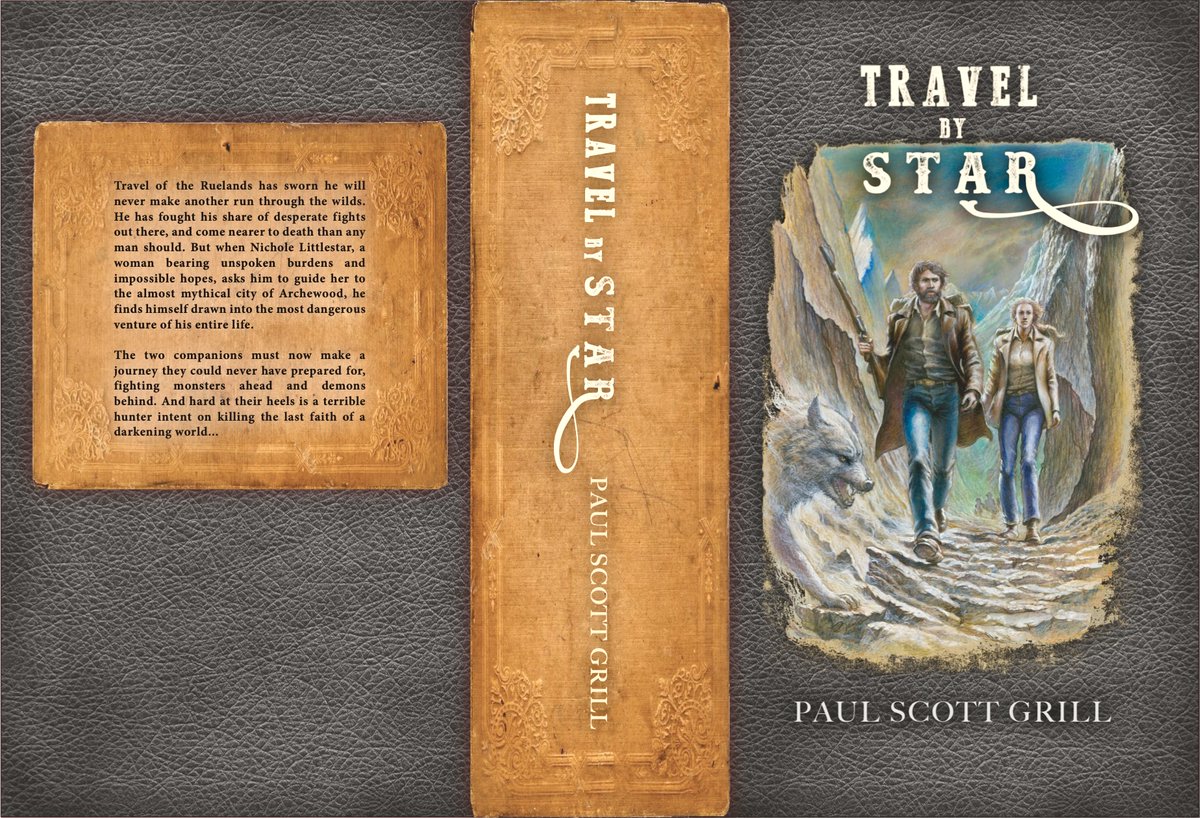
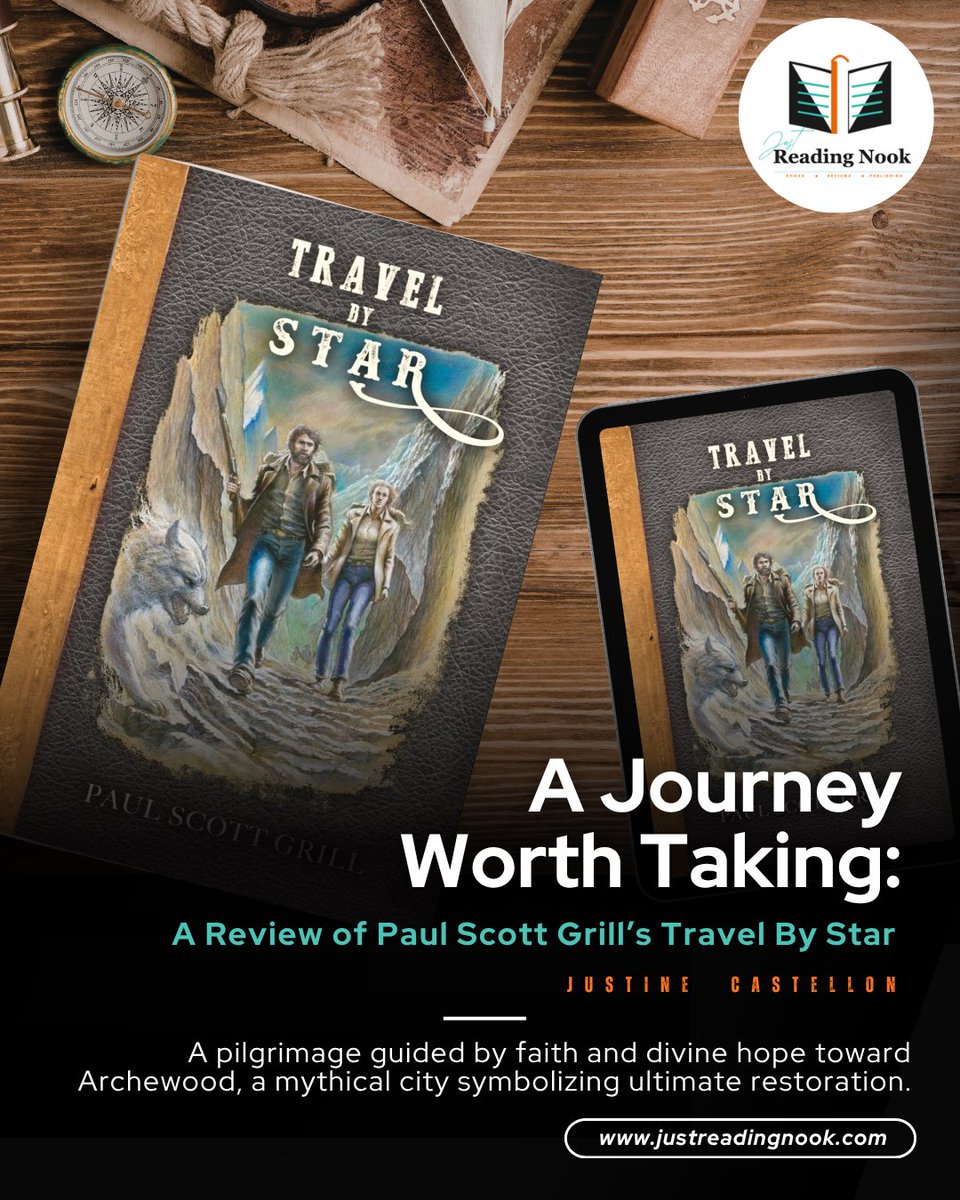
A jaded drifter. A woman with a destination no one believes exists. A journey that sneaks up on you and doesn't let go.
@justcastellon’s review of @plainrunner2’s Travel By Star, a redemptive quest wrapped in westerns, myth, and horse-angels.
via 👉 tr.ee/myp17H
4
26
277
Jun 12
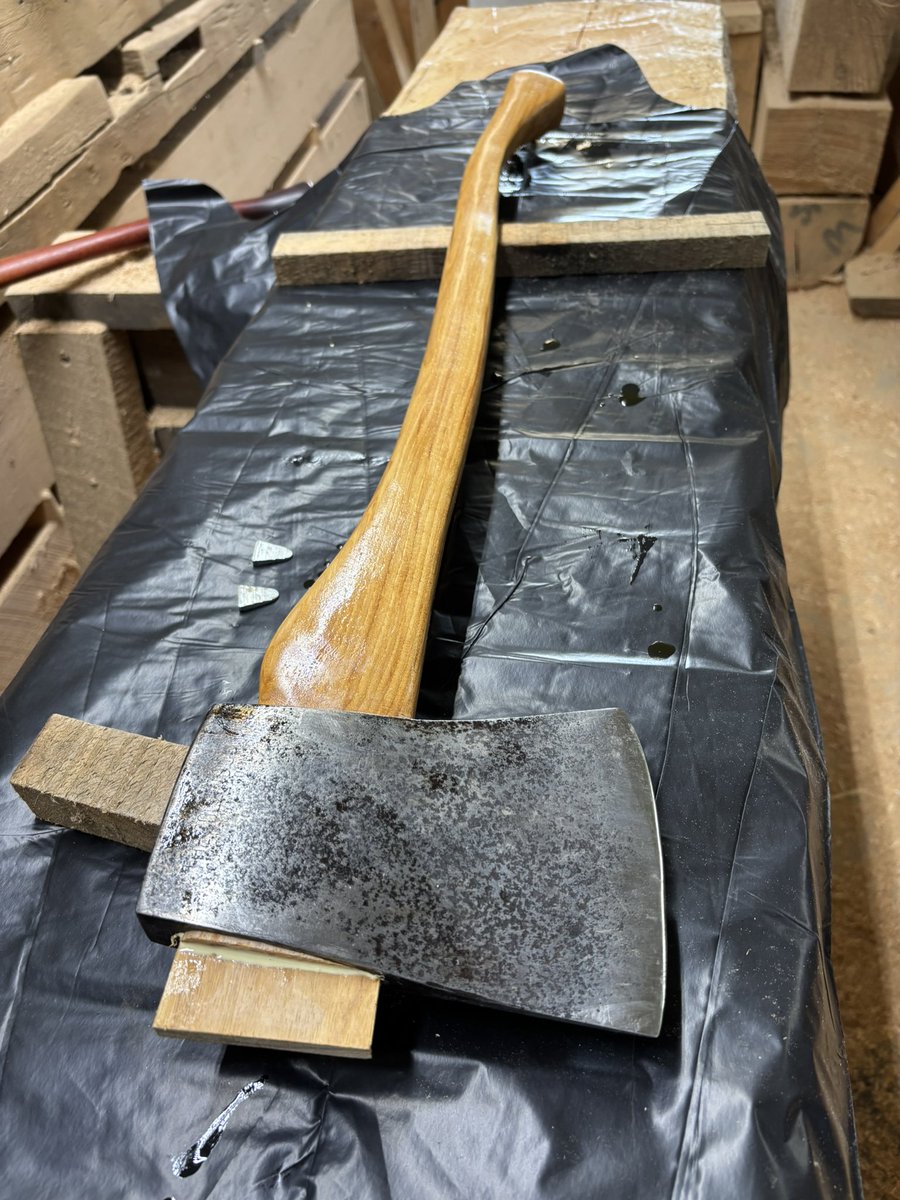
This is gorgeous. Makes me think of a certain character who is given a war axe near the end of a certain book.

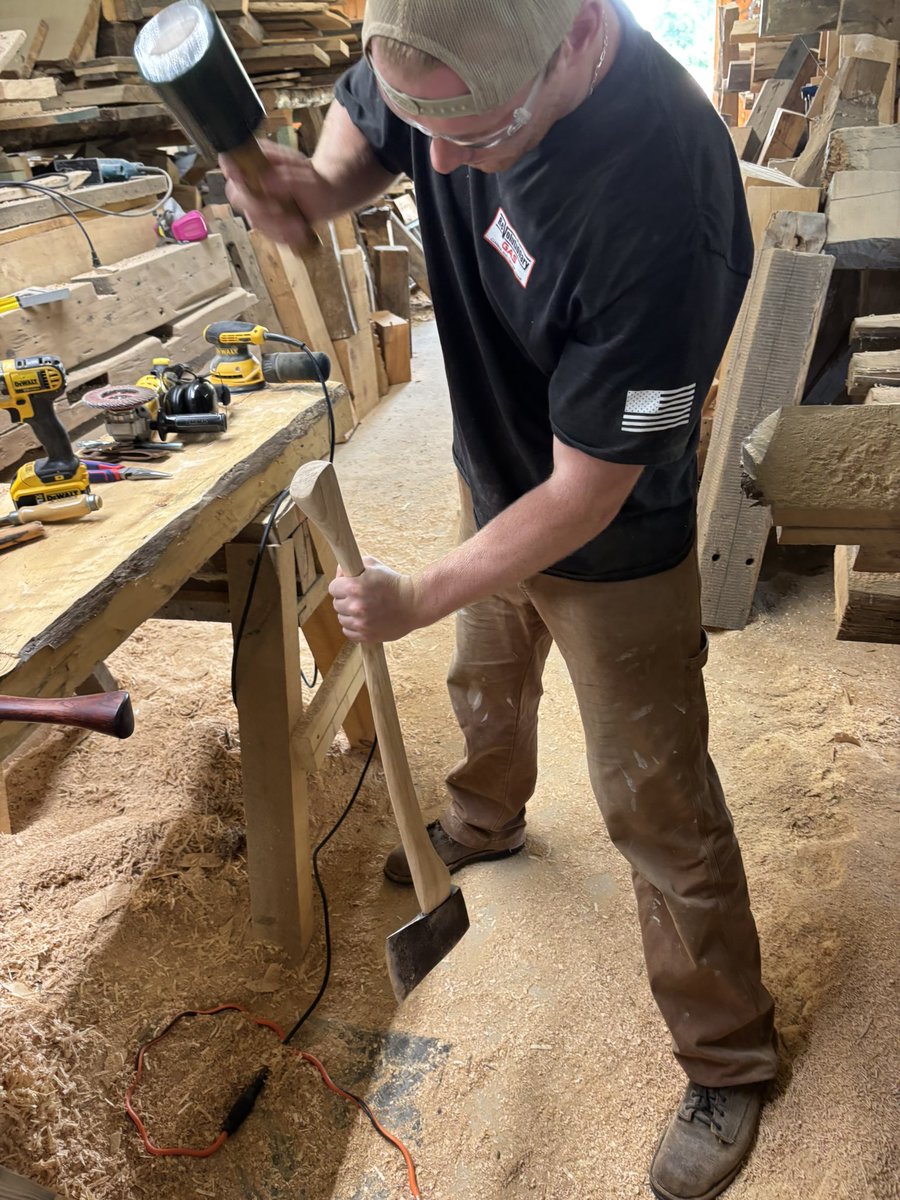
My apprentice broke his axe, so we took a morning to teach him how to make and hang his own hickory handle 🪓
22
397
Jun 11
Due to morning bleariness and links and whatall, I forgot to tag @hradzka and @dailywireplus when I posted this. Thank you so much for giving your time and thoughts on "Travel By Star."
Jun 11
Completely floored! I had no idea this was happening, but my sincere thanks to @realDailyWire for including "Travel By Star" in this article (yeah, I know the book's long... epic fantasy, slow burn, first time author, what can I say). This is really nothing I could've expected. Thank you also to @timfrankovich for flagging it.
dailywire.com/news/what-happ…
1
2
38
1,134
Jun 11
Completely floored! I had no idea this was happening, but my sincere thanks to @realDailyWire for including "Travel By Star" in this article (yeah, I know the book's long... epic fantasy, slow burn, first time author, what can I say). This is really nothing I could've expected. Thank you also to @timfrankovich for flagging it.
dailywire.com/news/what-happ…
29
7
108
8,196
Jun 11
Tagging @hradzka (David Hines), who wrote the article. I didn't realize that was your handle here. Thank you so much for the read and the review. I appreciate you sticking with the book despite the length.
15
234
Jun 10
Blessed by this review, both the positive and the negative. Be warned, there are significant spoilers, which @pauldirks has kindly offset with asterisks.
Again, my appreciation to everyone who has hung in with the book and shared their thoughts.
Jun 10

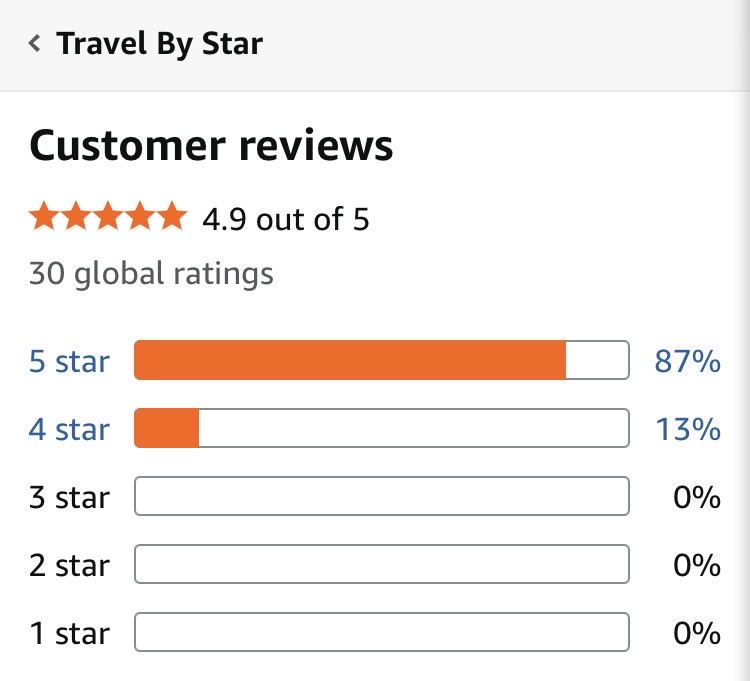
This review of Paul Scott Grill's (@plainrunner2 ) "Travel by Star" should be up at Amazon soon. 5/5 there.
Paul Scott Grill's debut novel is a veritable feast of a Christian fantasy, serving up tantalizing prose that enchants a simple but rich plot with layers of depth. This is spiritual speculative fiction as it should be--subtle and significant. Quite simply, this indie Western-fantasy is one of the very best fantasies I have read.
The two main characters are beautifully crafted. Travel, a sharp-shooting cowboy is hired to accompany a mysterious young woman, simultaneously powerful and vulnerable, to a forgotten city. There is some delightful symbolism and play within the story on Travel's name that adds to the novel's pilgrim-theme. Not only do the two wayfarers face a host of enemies and entities on their journey, they are also pursued by a tortured and formidable villain.
The book earns trust within the first few chapters, calling for an emotional and spiritual investment. It created an interesting dynamic for this reader wherein there was a yearning and rooting not only for the characters, but for the story to fulfill the vows it was making. It did not disappoint. While the ending was not quite perfect (more below), it was very well done and satisfying with both its twists and its expectations.
The frequent flashbacks, usually unmarked as to their chronology, were initially disorienting, but together with the alluring prose, it quickly knit together into an enchanting whole that felt ethereal and became an asset rather than an obstacle. More than any other fantasy I can remember, the story breathes with an almost Narnian atmosphere.
Their is a craftsmanship to the writing in "Travel by Star" that is superlative. Grill is comfortable and effective writing fast-paced action, but really enters his element in more poignant scenes. Chapter 15 is five pages of some of the best writing I can remember and was gut-wrenchingly beautiful in spite of it being related to a minor sub-plot.
A few enjoyable surprises that stood out were the increasing significance of what seemed like a heroic but minor character who turns out to be very powerful, and a defeat of the villain mid-way in the book that left me cheering, but somehow left the mystique and menace of the villain intact--a difficult task done well.
The world-building is appropriate to the story and enjoyable in its accretive fashion which suits its dream-like form. A few (very small) criticisms include the need for a better map, some editing issues, and a cover that better suits the fantasy genre. The cover currently reads as "Western," but as a fantasy reader with little interest in Westerns, it almost kept me from opening the book, in spite of the praise I had heard of it and the fact that it was sitting on my bookshelf.
All in all, this will now be my foremost recommendation for a Christian fantasy, unseating my previous favorite. Aside from Tolkien, of course.
*Spoiler*
A few words about the story's ending may be appropriate. By the time it comes, the investment in characters and their journey is significant. It is an adventure, but no mere adventure and I found myself constantly wondering if the author was going to be able to land this beautiful craft he had built and guide it successfully into port. The answer: yes, but maybe not perfectly.
At the end, each of the three major characters end up tangling with the villain, with the young woman experiencing a resurrection and together with Travel, finally vanquishing him. The resurrection/recovery works very well and was satisfying, coming after Travel's realization/conversion. What was less satisfying was the end of the pursuing champion whose victory over the villain, but seemingly insignificant death afterwards, seemed to undermine his pursuit, which was ostensibly to save the girl. In the end he neither saved her through his death nor killed the villain, either of which would, in my opinion, have been a better outcome for this beloved minor-to-major character.
The other slight-miss was Travel's vision of the historic death of Christ upon another planet. In a story that had otherwise beautifully balanced a Christian ethos with subtlety, it seemed not only too revealing, but also jarring. I have no problem with gospel clarity in fiction, but the story seemed to step out of its own mythos in that moment.
The big twist at the end, however, was the reality of the city and its relevance to Travel. And this was beautifully done and it dripped with the full significance of the theme of conversion.
1
13
378
Jun 10
This has been my greatest challenge on social media, to remember who I am and be that man. To be forthright, yet gentle; careful, but not cowardly; private, while public; to guard against pointless heat, always seeking the light; to harness the needy devils of my nature, and instead offer unselfish joy...
To trust the unseen hand of God rather than join the manipulation of men with their mercantile machinery.
Just as in life (or writing), the rewards are slow, but steadily, more real.
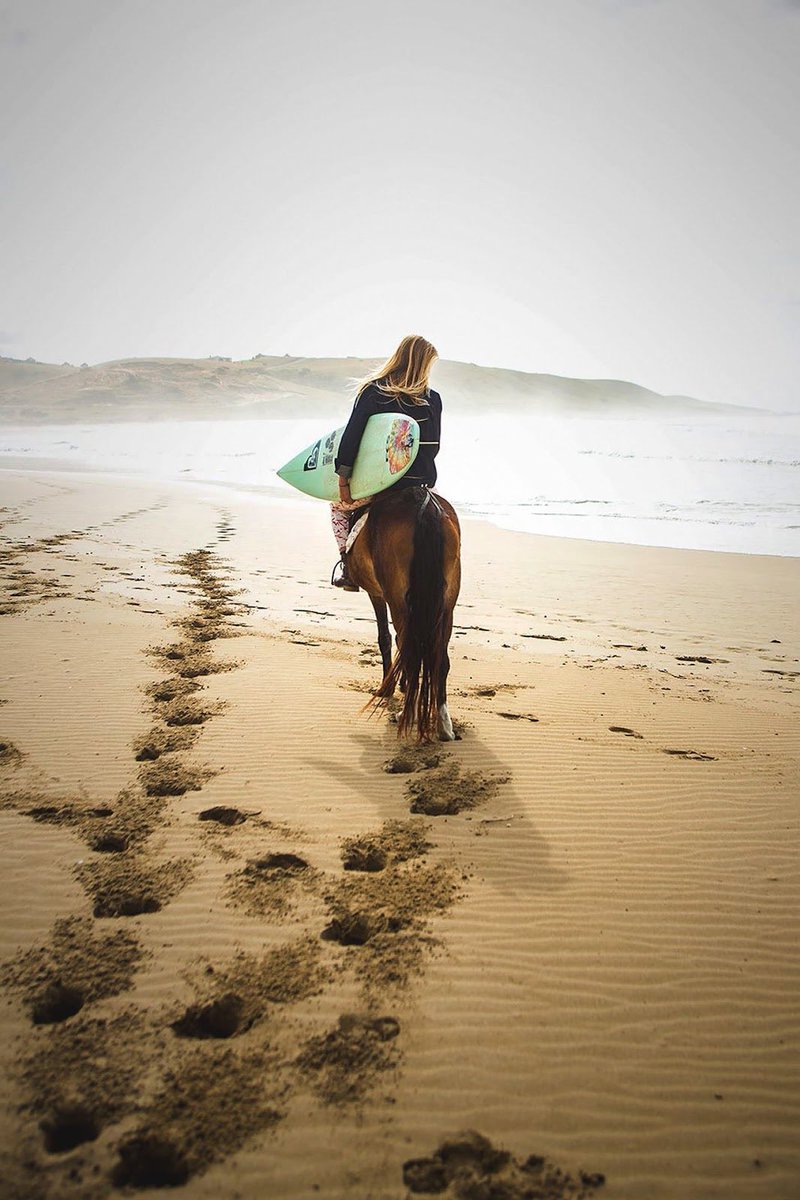
Also, this might be a good moment to mention I cannot surf. However, I feel like this image gets at what I'm saying.
Jun 10

Part of GK Chesterton’s answer to solipsism is simple sympathy. The moment you show up as yourself and not as some mental projection, the exaggerated egotism of the solipsist is broken. It’s a neat thing to consider given the automatic solipsism of the digital order.
1
1
25
340
Jun 10
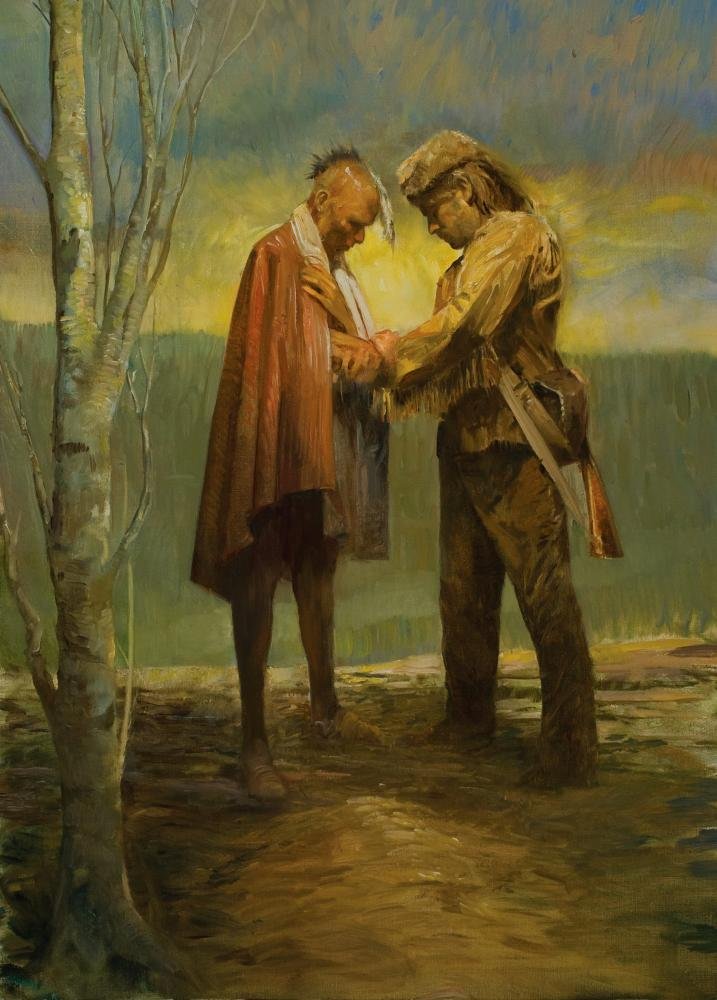
"His eye, alone, which glistened like a fiery star amid lowering clouds, was to be seen in its state of native wildness. For a single instant his searching and yet wary glance met the wondering look of the other, and then changing its direction, partly in cunning, and partly in disdain, it remained fixed, as if penetrating the distant air."
James Fenimore Cooper, THE LAST OF THE MOHICANS
Art by Robert Hunt
I am humbled to mentioned in the same breath. Thank you, Jen.
Jun 10

Some of this writing reminds me of @plainrunner2's TRAVEL BY STAR.
13
234
Jun 10
My sincere thanks to everyone who's taken a moment to rate and review "Travel By Star."
I'm just a little engine over here chugging up the track. Every "I think I can," has the kindness of orhers running beneath it.
Truly appreciated.
4
34
423
Jun 9
Beholding as in a mirror, changed from shadow to shadow.
Jun 1
AI has no depth. And the fact that some people project ‘consciousness’ onto it is because they see themselves, possibly erroneously but also possibly not, as equally depthless and without subjectivity.
1
7
226
Jun 9
I owe my fifth grade teacher a great deal more than this (yes, I'm still sorry for bringing a pocket knife to school and for my continual smart mouth).👇
Jun 9
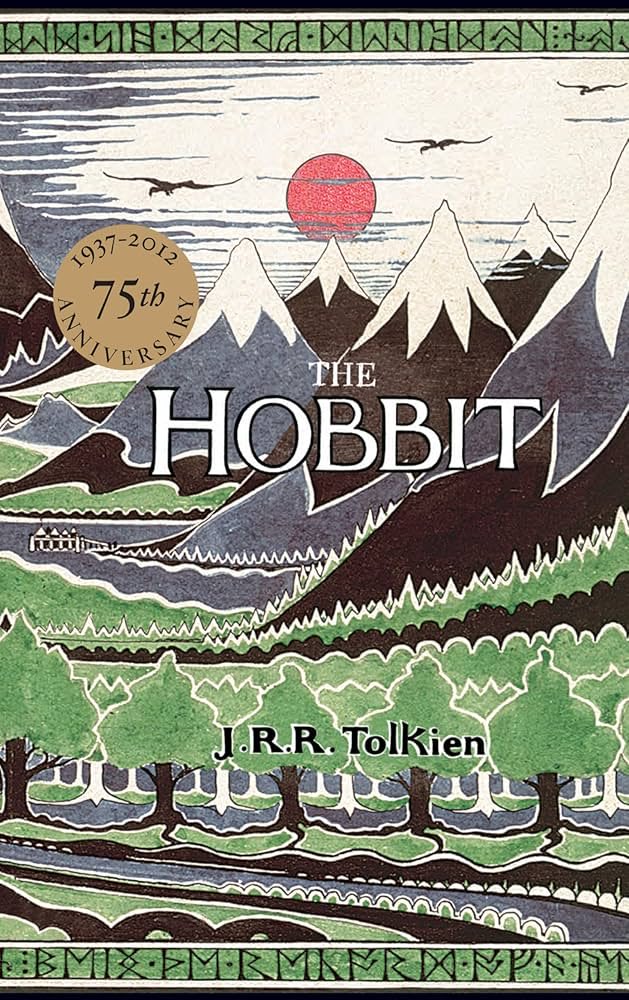
I never went to college. I went almost directly into working life and raising a family. However, because a fifth grade teacher read The Hobbit to our class, my mind was awakened to not just Tolkien's world, but the works it touches. My reading and writing life for nearly 40 years was shaped by him, Lewis, Chesterton, and the Scriptures. I'm an older guy now, and still doing my best to catch up on the luminaries I missed, but I would have never gotten even close to where I am without that fateful walk through Middle Earth.
2
25
637
Jun 8
My real world knowledge of history is not strong enough to write this...
My imaginary world's may be. 😉
Jun 8

We need more historical fiction where the gods are real. It’s too often that we rationalize the old stories and then lose their spirit.
3
25
476
Jun 8
“Well, the world doesn’t run on kisses, does it?” Travel said.
“No, it doesn’t, horsemaster. But it’s nice to have them all the same.” She gave him one last sly smile.
I'm just going to say it, ladies. There are at least three - count 'em, three! - all out kisses in this book, plus a little flirting, some hand holding, a slow dance till early morning, and one engagement. Don't let the dusty trails, and shootouts, and monsters, and magic dissuade you.
At its heart, "Travel By Star" is a love story.
I am unashamed of good classic, boy meets girl butterfiles. I am unashamed of second chance romances. I am unashamed of married love. If you've read any of my poems or short stories here, you know.
Oh, and Father's Day is coming. Don't let your men fool you... they love this stuff, too. At least 2/3 of Louis L'Amour's catalogue revolves around a man and a woman fighting their way back to each other. There's a reason that even that loner, Jack Reacher, ends up with a woman in most of his adventures. Rocky Balboa needs Adrian. Daniel LaRusso needs Allie. John Carter needs Dejah Thoris. Han Solo needs Princess Leia.
We're just as romantic as the fairer half, I promise you.

It's odd how writing romance automatically makes you a bottom feeder in some people's eyes. Couldn't it be that we're simply smart enough to know the market?
Sometimes the perception is genuinely mind-boggling. For the record — I was reading Dumas and Dante at 9, and so is Brontë, and Austen. And yes, also the text on cereal boxes and milk cartons. I read everything. 😂
Know your reader. Know your market. It's not that deep. 📚
5
3
31
1,179