
The open source visual development platform for React. Build beautiful apps, sites, and content fast—without compromise. Break the no-code ceiling.
Joined September 2019
- Tweets 2,411
- Following 1,487
- Followers 4,473
- Likes 2,720
276 Photos and videos








Jun 13
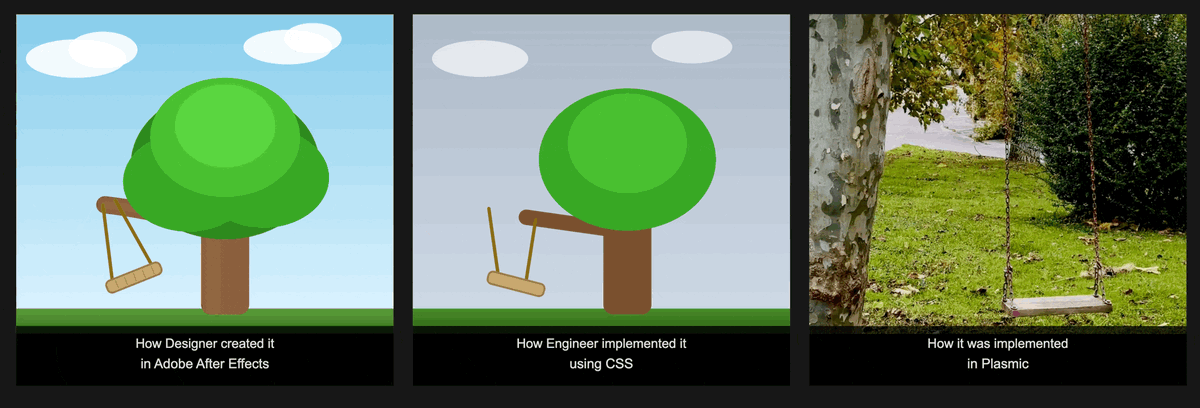
Folks outside of US be like

173
Jun 12
It's insane that for a tiny text/UI change, marketers in enterprise companies still have to file:
- A request for change
- Request for approval from the security team
- A ticket for devs
And then wait for X sprints to get the ticket in
Instead of just using no-code...
What are the weirdest policies from your ex-workplaces?
1
250
Plasmic retweeted

Jun 1
Some tips to help agents understand your codebase:
1. The source code either needs to be the source of truth, or have something legible as a path to the source. For example, if marketing site content is actually stored in a CMS, you need to either delete the CMS and move that content into code, or make the CMS legible through and MCP, CLI, or skill: leerob.com/agents
2. Agents need to be able to verify their work. This includes but is not limited to: using a typed language, having high-quality and fast tests, having a well-configured linter: x.com/leerob/status/20263694…
3. You need to have a concise and effective AGENTS.md file, which is included in every message to your agent. Models are quite good now, so some things you can omit as the models know them. You don’t need to say the tests live inside /tests for example. It’s worth asking the models to find things in your codebase and making sure they’re named what the models might expect, otherwise consider refactoring: cursor.com/learn/customizing…
4. Set up automations which give you suggestions for refactoring code, catching security issues which may have slipped through code review, and optionally continuous documentation of the codebase. You can effectively create a self-driving codebase which gets better while you sleep: cursor.com/blog/security-age…
Feb 24

Cursor just got a major upgrade!
Agents can onboard to your codebase, use a cloud computer to make changes, and send you a video demo of their finished work.
The latency of using the remote desktop is smooooth.
34
68
1,091
73,055
Plasmic retweeted

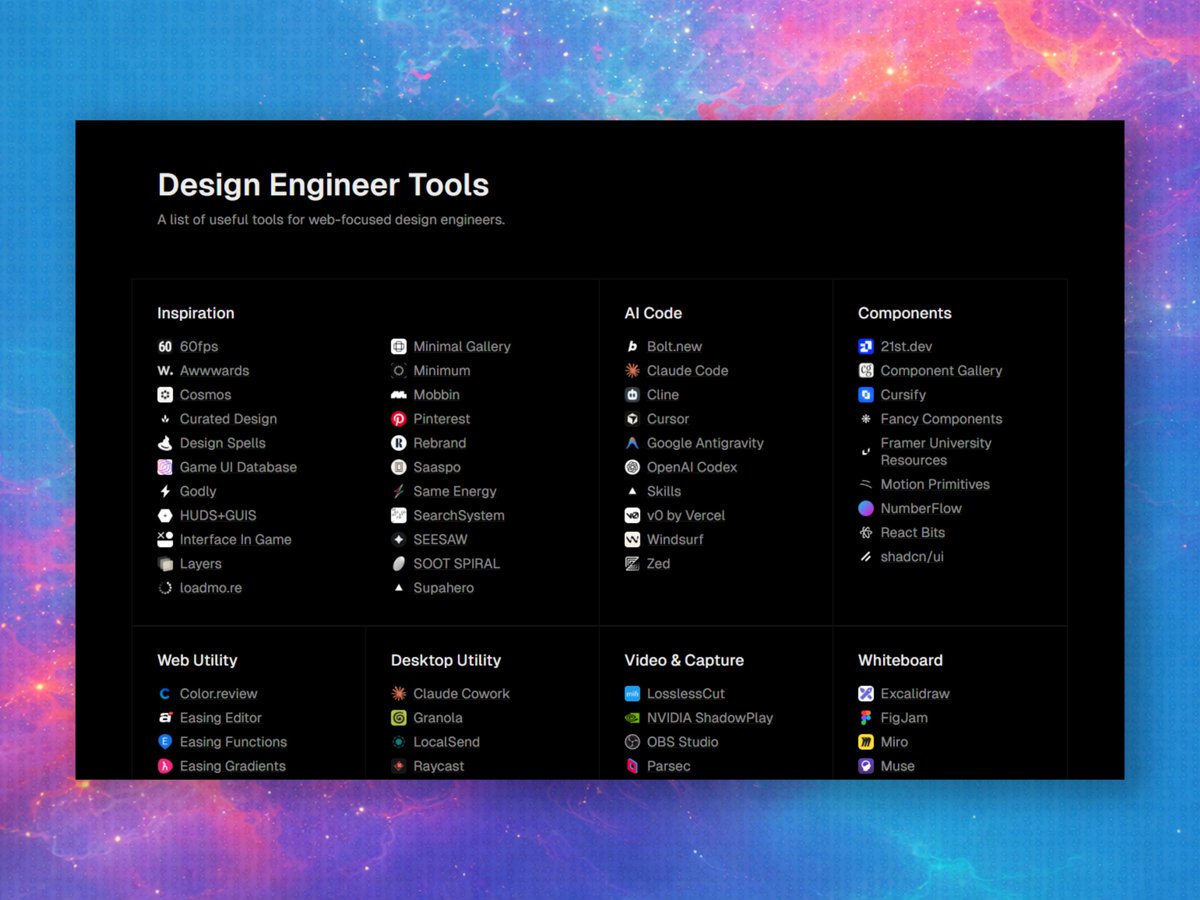
Came across this today. Huge shoutout to whoever built it. 👏
designengineer.tools
13
48
632
24,429
Plasmic retweeted

HTML canvas has always been a black box to the browser, but not anymore. The HTML-in-Canvas API lets you integrate real DOM elements directly into the canvas, making them fully searchable, accessible, natively translatable, and inspectable. Fuse shaders and semantics to build new UI, eliminating the need for separate DOM overlays → goo.gle/4gal7xc
The web is about to get a whole lot more whimsical and we can't wait to see it 🎨
15
45
416
40,506
Jun 10
It's easy to pick a car: choose the most powerful, reliable one you can afford. But what about website builders?
There's a ton to choose from! Every demo looks powerful, but reliability only shows up months later, when the first weird requirement lands.
A visual development tool without a way to eject to code feels great right up until that moment.
This is what separates a mature platform from something you throw away as soon as you need custom logic, React/Next.js components, or anything else that belongs in code.
2
112
Jun 9
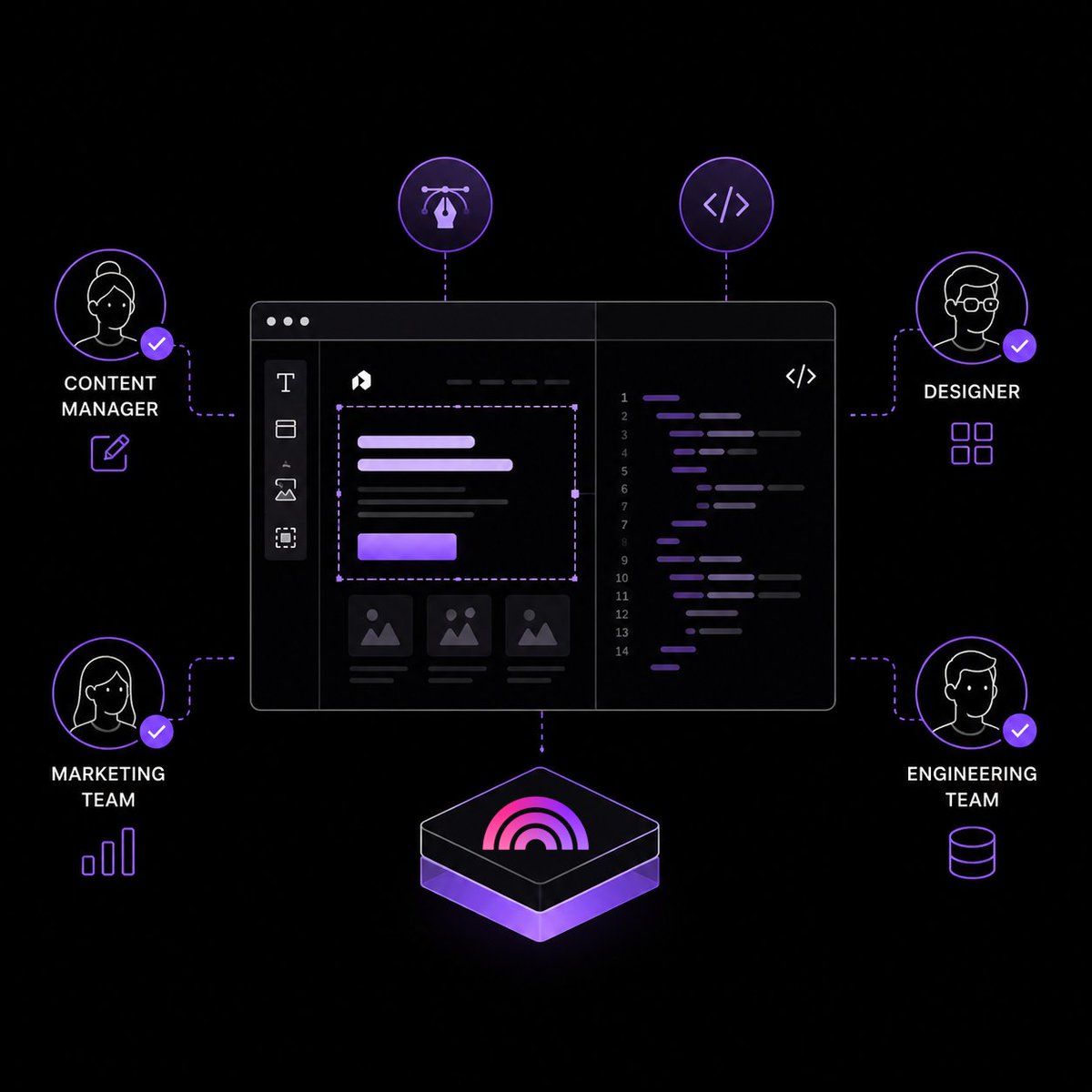
If your frontend team is still occupied with tiny UI tasks all week, you're probably doing something wrong.
2
3
187
Plasmic retweeted

Jun 8
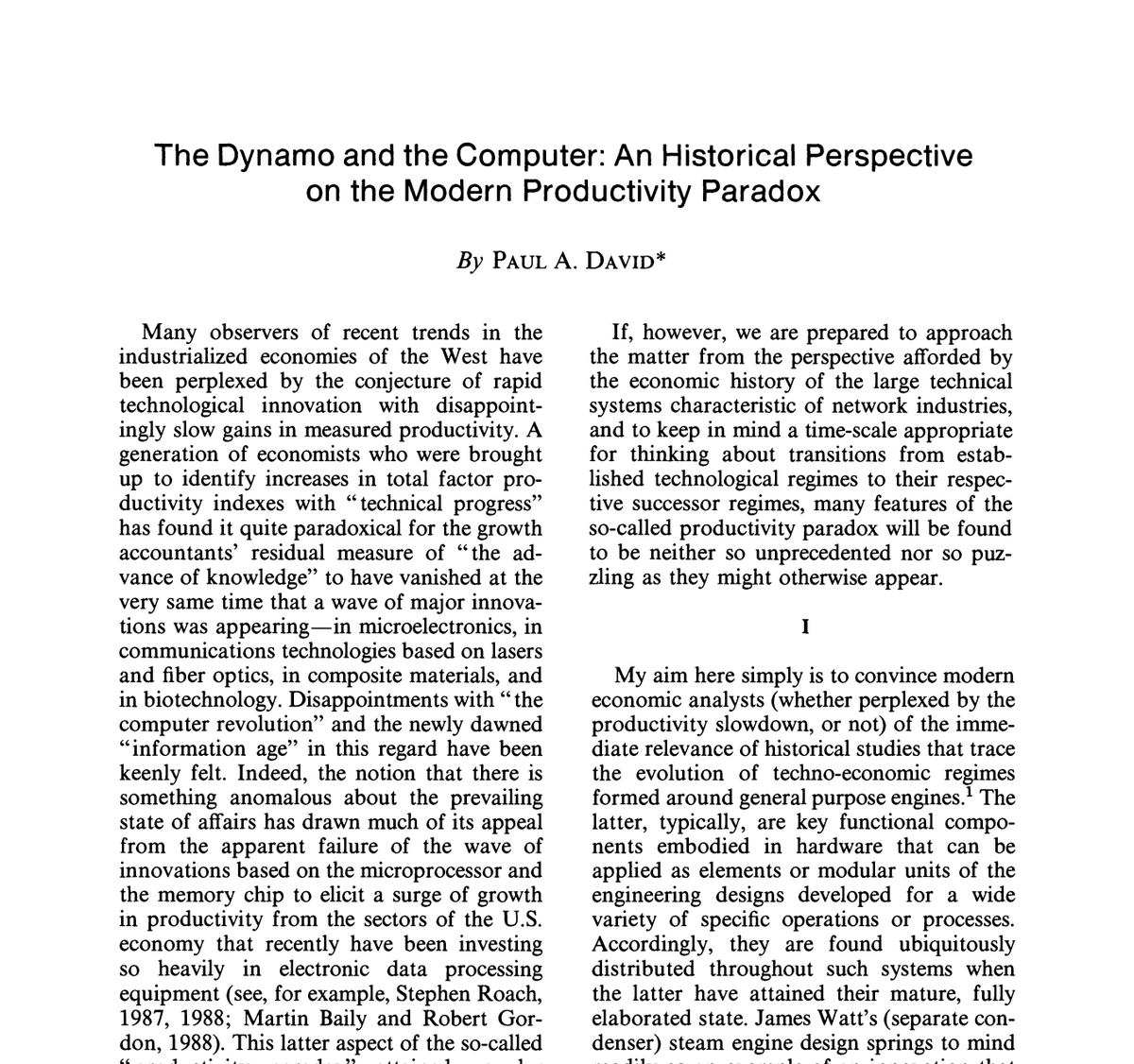
If you've adopted AI at your company but haven't seen any tangible results, read this 1990 article: "The Dynamo and the Computer" by Paul David.
When electricity first arrived, factories that "adopted" it barely got faster. They just swapped the steam engine for an electric one and ran everything else exactly as before: same machine layout, same workflow, same management. Electricity in, no real gains out.
The most common mistake with any new technology is to drop it into the old organization and then declare the transformation done.
The real leap came decades later, when each machine got its own small motor. Suddenly machines no longer had to be lined up around one central drive shaft. They could be rearranged around the actual flow of work.
The productivity gains didn't come from electricity. They came from REDESIGNING THE ENTIRE FACTORY around it.
AI is the same. Bolting it onto your existing process gets you a faster steam engine. The payoff comes when you redesign the work itself.
(link to paper in comments)
146
753
4,228
286,181

Jun 8
Don't forget to always build in public - visibility is the key to success!
Share your work with us on Slack #showcase channel (plasmic.app/slack) or send it here, and we will upload it to our selected works gallery! plasmic.app/showcase
3
1
183
Plasmic retweeted

Jun 7
People think designers pick colors. Designers pick battles. The color is just where the battle happens to be today.
15
10
128
5,560
Jun 5
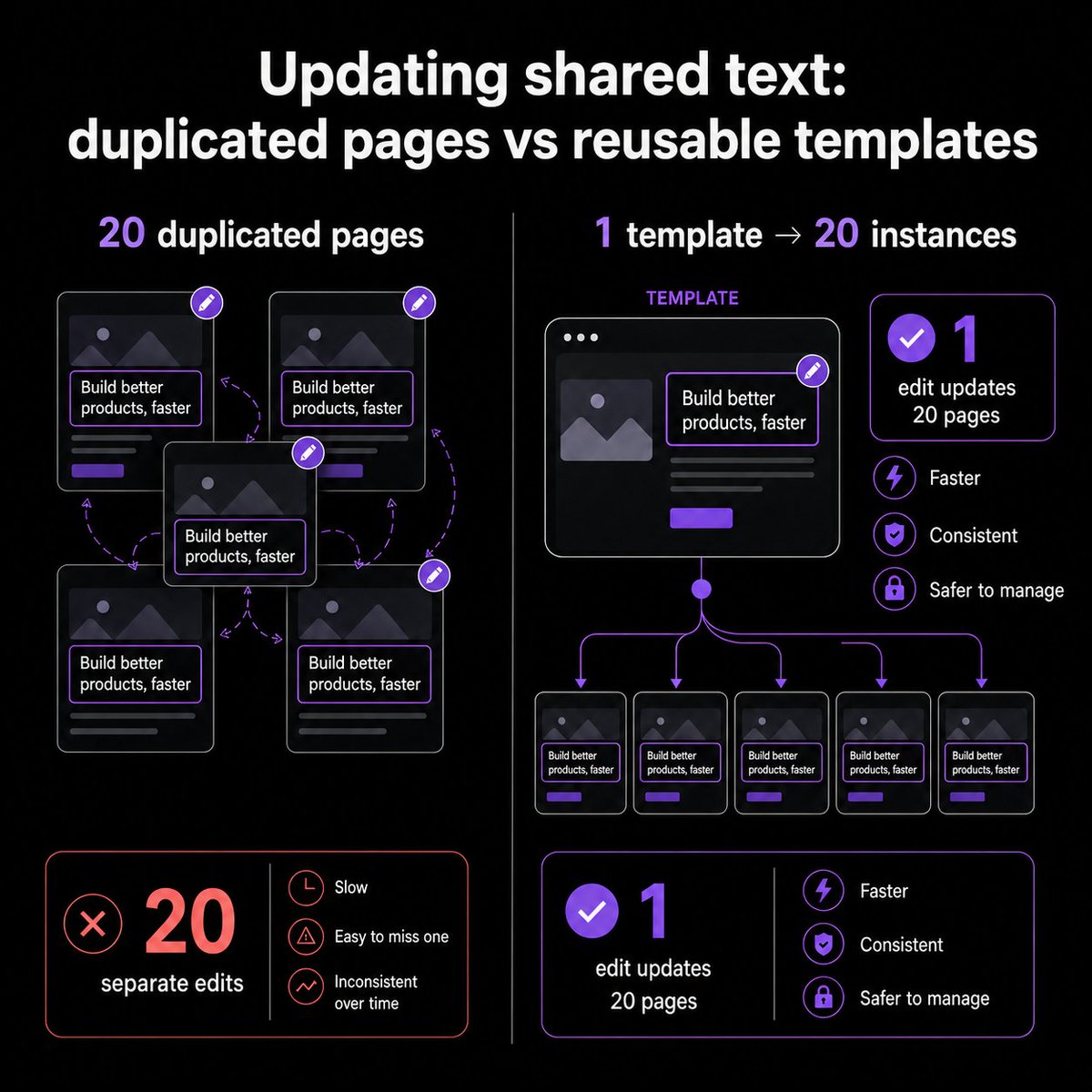
Don't trap yourself in a pile of tech debt!
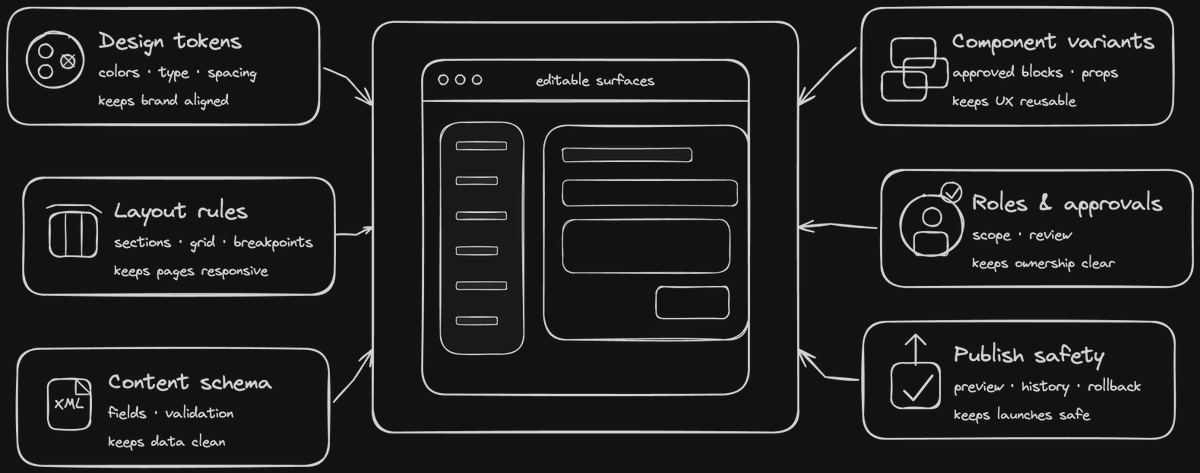
Cloning page for ad or marketing campaigns feels harmless at first, but it gets messy quickly when every page has its own slightly different hero, form, tracking setup, and layout tweaks. And then, all of a sudden, you have to maintain 20 duplicated pages with 1 or 2 differences.
A better way to use no-code:
- Turn repeated layouts into reusable components
- Create templates for common campaign types
- Use props or variants to change the data and UI easily
- Use tokens to quickly change branding themes for experiments
- Make preview and approval part of the launch workflow
That’s the kind of workflow you can build with Plasmic. Try it now, for free: studio.plasmic.app?utm_campa…
1
1
258





Plasmic retweeted

Jun 3
design isn’t dead because most designers i know feel more alive than ever
70
57
774
47,197

i’ve started sponsoring young indian builders / devs / security researchers who are doing genuinely cool work. only sponsored @amanvarshney01 and @ni5arga so far, but i want to scale this up over time
there are so many young indian devs doing insanely cool shit with basically zero support. i want to help with that
more of this soon
70
32
811
74,308
Jun 2
Why don’t most apps and websites have Easter eggs anymore?
If your product has something hidden, drop a URL below and let people go hunting!
As for us, there’s a cat lurking somewhere in Plasmic Levels 🐈
Good luck finding him at studio.plasmic.app
2
108
Plasmic retweeted
Jun 1
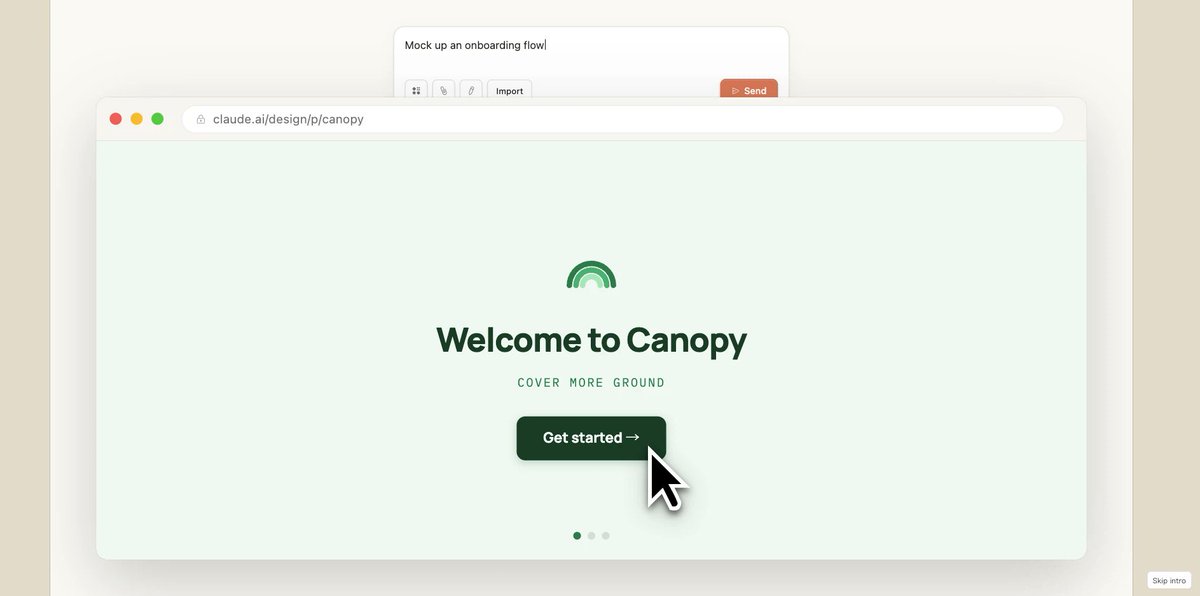
The demo logo in @AnthropicAI's Claude Design intro video looks suspiciously… familiar 🌈
Coincidence? Maybe.
Hidden Plasmic marketing campaign? We’ll take it.
BUT — Claude can now work with Plasmic through MCP, so this WAS a prophecy!
Read more about using Plasmic with Claude: plasmic.app/blog/using-plasm…
2
4
8
403
Plasmic retweeted

Jun 1
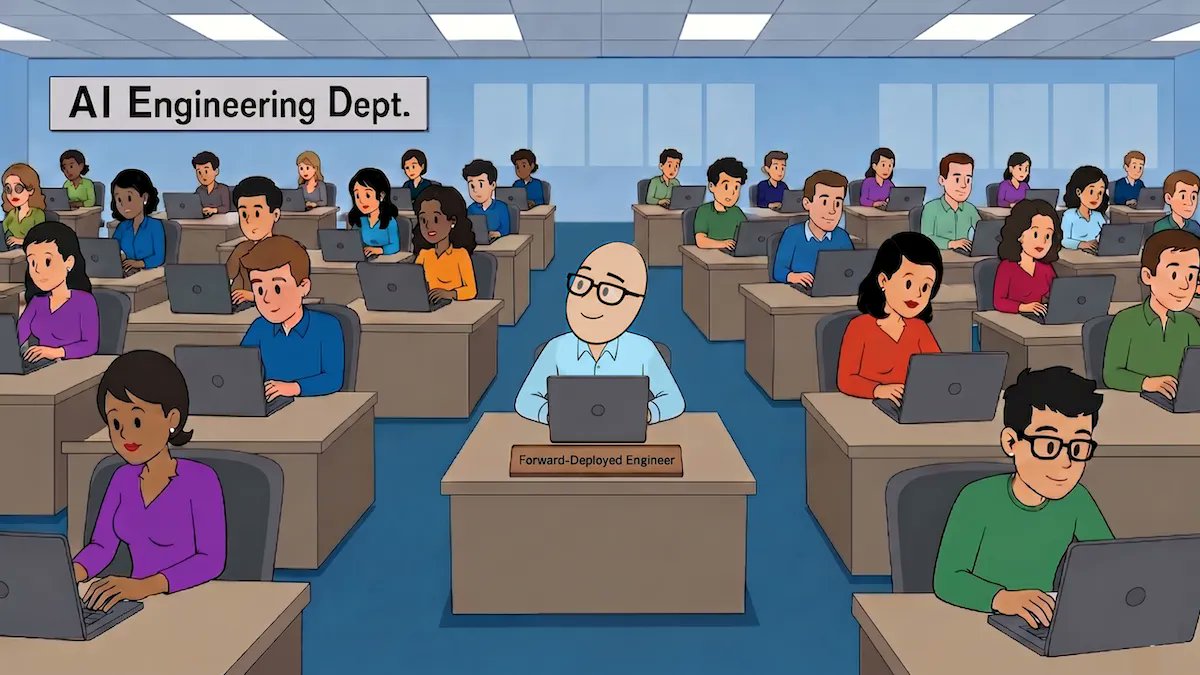
One of the new, buzzy jobs in Silicon Valley is the AI Forward Deployed Engineer (FDE), an engineer who is embedded within a client organization to help customize solutions, such as building and tuning agentic workflows that suit the client’s particular needs. I’ve heard from people who are wondering anew about the FDE career path since OpenAI and Anthropic started building new teams to place FDEs within client organizations.
The rise of FDEs for AI workloads is one way AI is creating new jobs (and why the jobpolcalypse narrative of upcoming job market collapse is false -- there will be many AI and non-AI jobs). However, I believe there will be far more AI Engineer jobs than FDEs, as I explain below.
The FDE role was pioneered about two decades ago by Palantir, which sent engineers to government locations to work on secure, air-gapped networks. In addition to having good technical skills, FDEs need communication skills and sometimes business skills. For example, they may need to speak with clients to understand their needs, formulate a strategy to prioritize projects, explain complex technology, and respectfully push back if a client asks for something unrealistic. They’re enjoying a resurgence because of the amount of work involved in taking an off-the-shelf LLM and building it into a custom agentic workflow that fits particular business needs.
However, I believe the number of AI Engineer jobs will be far larger. A company might accept a few FDEs to be embedded within its organization. But most companies will want far more of their own employees working on their projects. While my organizations do hire FDEs, we hire far more AI Engineers! Also, a common client concern is that it is hard to find vendor-neutral FDEs — they are, after all, there to deeply integrate a particular vendor’s product into a company. In this moment when it’s hard to predict which AI service will be the best one in a year’s time, optionality (the ability to pick whatever vendor turns out to fit best in the future) is very valuable. In contrast, letting FDEs tightly bind a company’s processes significantly reduces optionality.
Right now, I see surging demand for AI Engineers who can build software applications using AI software components (like LLM prompting, agentic frameworks, evals, etc.) and effectively use AI coding agents (like Claude Code, Codex, Antigravity CLI, and OpenCode). As the AI Engineer role matures, I expect it to fragment into more specialized roles, like the generic Software Engineer role from decades ago fragmented into frontend, backend, mobile, data engineering, devops, and so on.
What will be the future, specialized AI engineering roles? I don’t know. Perhaps there will be AI FDEs, LLMOps Engineers, Evals Engineers, AI Data Engineers, Harness Engineers, and other roles we don’t have names for yet. But for now, I see a lot of AI engineers who are generalists create a lot of value. Skilled AI Engineers are in very high demand! As our field continues to mature over the coming decade, I look forward to new specializations within AI Engineering that create even more job opportunities.
[Original text: The Batch newsletter]
319
729
4,470
549,914
