
This too shall pass. ex-@topdotco
Joined November 2009
- Tweets 7,907
- Following 1,017
- Followers 30,858
- Likes 6,706
677 Photos and videos






Pinned Tweet

28 Sep 2025
On hypercompetition
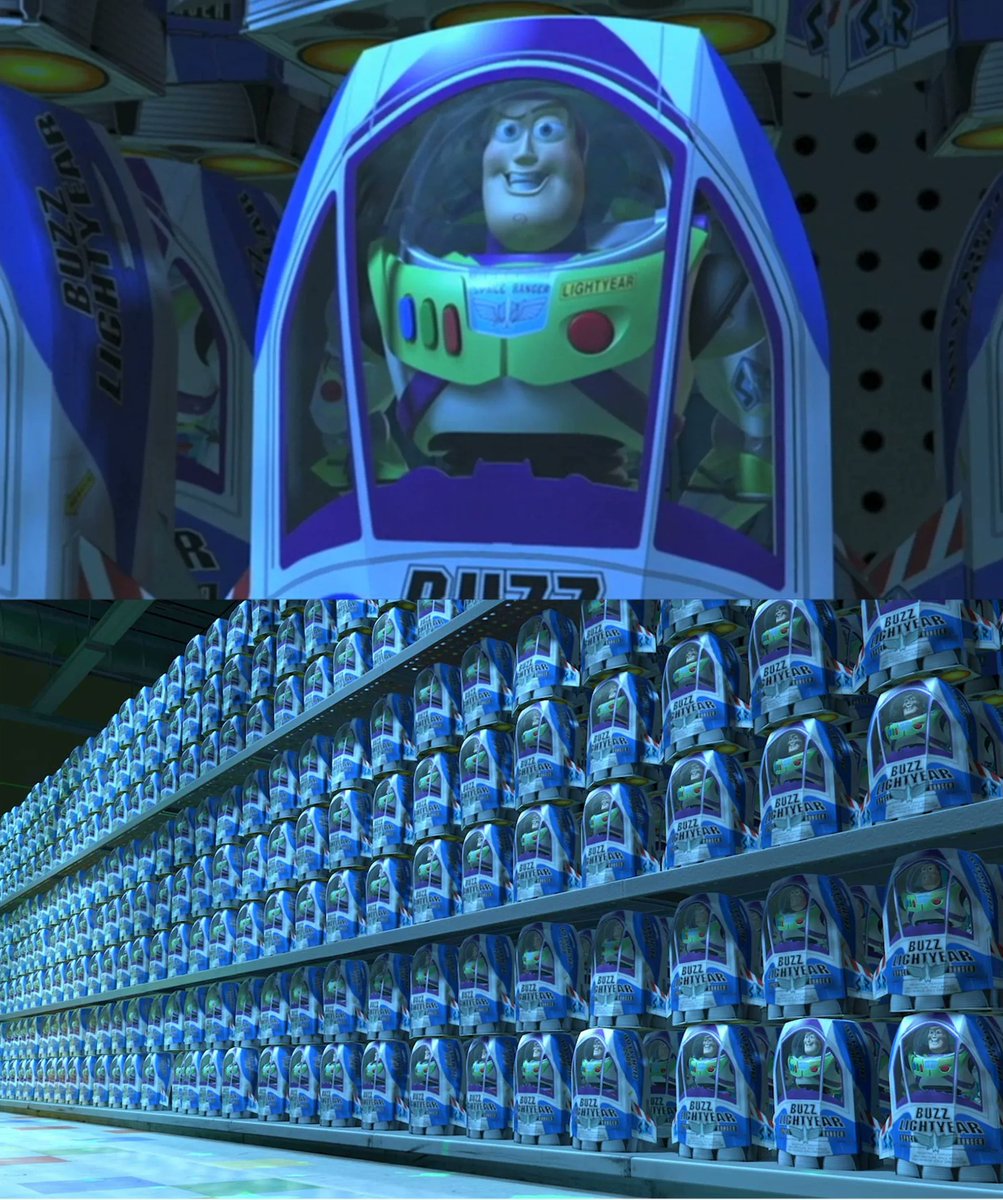
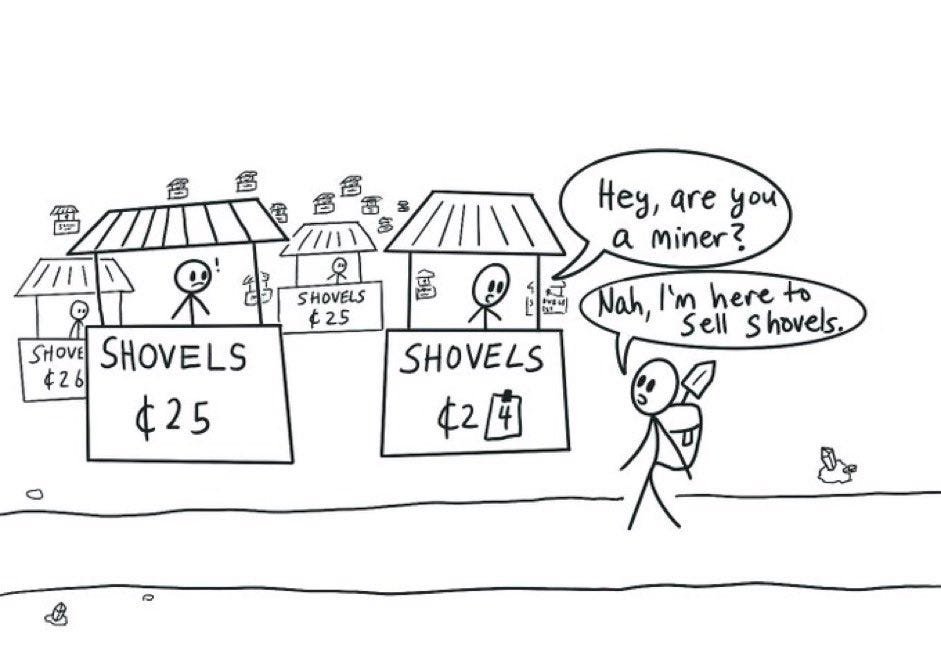
When you look back at how startups used to get built, it often started with a few friends in a garage, tinkering on something no one else had quite figured out. There was a lot of friction: getting parts meant scouring catalogs or driving across town, and learning how to code involved dusty books from the library. That friction created space. It let ideas simmer, and sometimes, by accident, you'd stumble into a goldmine. A side project could turn into something huge because not everyone had the same shot at it. But now, things are different. We've smoothed out so much of the world that competition isn't just fierce—it's everywhere, all at once. We've entered an age of hypercompetition, where everything is so efficient and transparent that the random joys of discovery start to feel like they're fading away.
Hypercompetition transcends increase in number of competitors per se. I mean fundamental changes in how the economy and society work. Continuing the conversation about friction and complexity—society got what it wanted. Airline tickets can be bought from a phone, AI writes code for programmers👨💻, and knowledge that people accumulated over years of experience is available in the first response from a neural network. But reducing friction doesn't always just simplify things—it amplifies them and leads to the emergence of new ones. Simplifying search led to the appearance of Google's monopoly, which has occupied its niche so firmly that the company's name became a verb.
Despite all this progress, people haven't started working less. As soon as something becomes cheaper, there's more of it. Cheap coal leads to greater demand from people who can afford it at the new price (fakepixels.substack.com/p/je…), and greater demand leads to intensified competition. Fast-forward to today: AI makes coding 10x faster, but does that mean engineers work less? No. Expectations rise. Now you need to build 10x more features, iterate 10x quicker. In the end, to stay in place, you have to run even faster—welcome to the Red Queen’s race🏃♂️.
Then there's Radical Transparency. Information long alpha became beta (notboring.co/p/hyperlegibili…). Everyone bends over backward to share the numbers used to be kept private👌. Venture funds publish their theses online to attract founders and capital. Companies post ARR numbers on Twitter. Even personal "user manuals" explain how to work with someone. Why? Because attention seems to be the only scarcity. In a sea of noise, you have to make yourself legible to stand out. Which leads to a dominant strategy of being transparent. Strategies that worked in opacity fail in the light.
Look at the broader world dynamics, as @nntaleb points out (nntaleb.medium.com/the-world…): Connectivity supercharges winner-take-all effects. It is not bad in itself, but it makes it difficult, and sometimes almost impossible, to compete with leaders who have settled at the top. The only possible way to disrupt the status quo is to create new markets, as ChatGPT recently did for AI.
Hypercompetition forces innovation🧪. Entrepreneurs might pivot to depth over breadth—focusing on human elements AI can't touch, like trust or authencity. Or redefine success: not dominance, but joy. Touch grass, as they say. Build not for scale, but for meaning.
In the end, you can always try to create the new market and stick at the top. As we have learnt today, it is a good place to be at.
21
19
1,566
Apr 24
01.04.26 — Drift hack
07.04.26 — Mythos by @AnthropicAI announced
17.04.26 — @KelpDAO hack
AI is being widely used in the cybersecurity. Just not the way we all imagined.
3
4
207
Apr 24
This post for my dear US friends:
04/01/26 — Drift hack
04/07/26 — Mythos by @AnthropicAI announced
04/17/26 — @KelpDAO hack
AI is being widely used in the cybersecurity. Just not the way we all imagined.
1
154
Jan 13
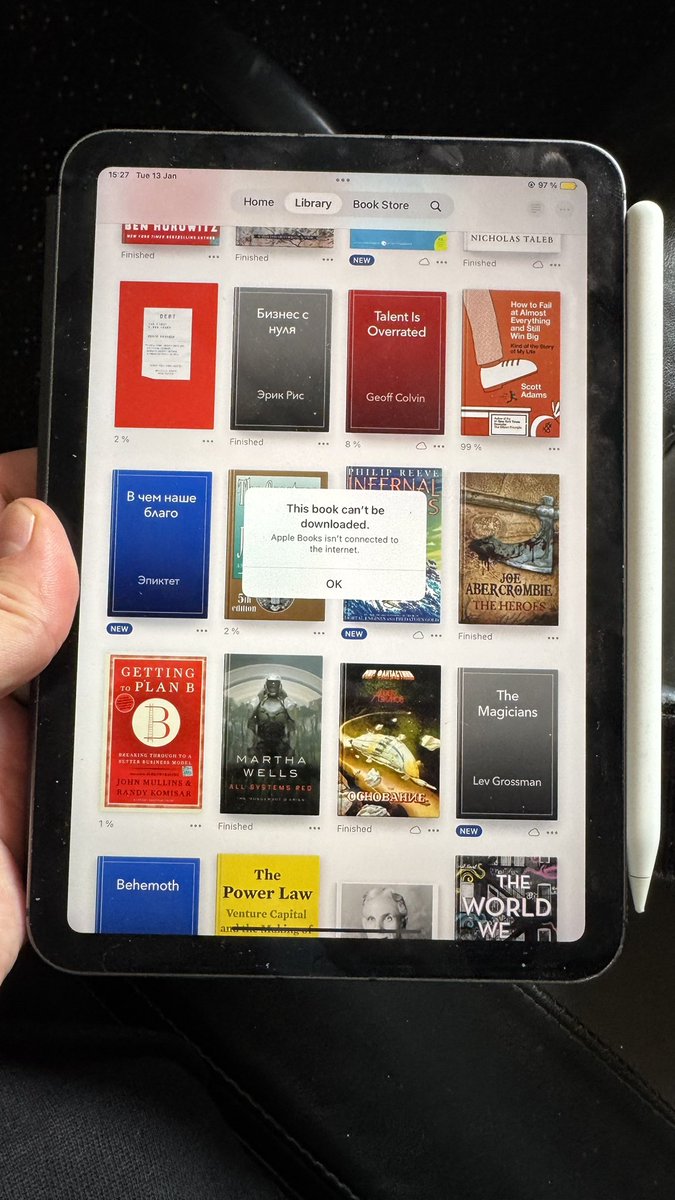
What’s the reader for iPad you use? Native Books app keeps offloading books when I need them most.
9
2
332
27 Dec 2025
New Year is not the best time to get out of you cocoon and start living.
Best time is today.
2
3
260
9 Dec 2025
It reads like a fairy tale, knowing it’s reality makes me smile and feel inspired!
9 Dec 2025

A new product, a new customer, a new financing!
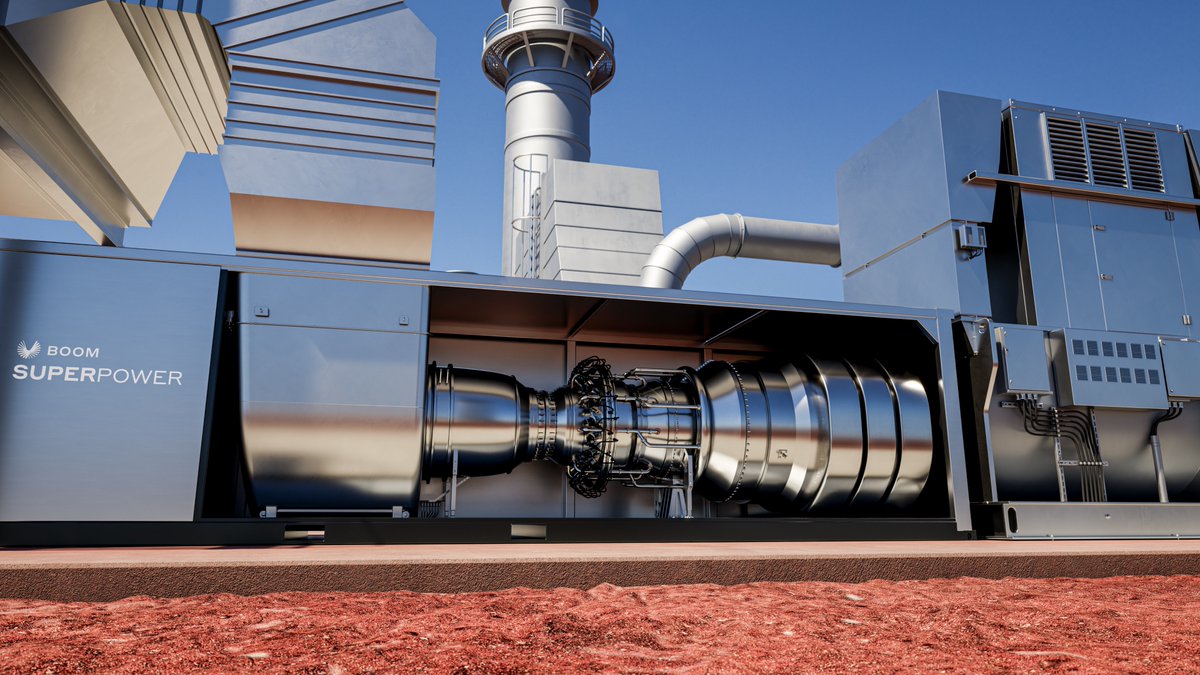
Introducing Superpower: a 42MW natural gas turbine optimized for AI datacenters, built on our supersonic technology. Superpower launches with a 1.21GW order from @CrusoeAI Backstory 🧵👇
9
8
561
9 Dec 2025
Is there any difference between desire to live to the fullest and be a best version of yourself?
2
4
220
7 Dec 2025
2
252
5 Dec 2025
We dream to outsource thinking to AI because we fear to admit that thinking is hard.
3
1
347
2 Dec 2025
The only reason for the existence of a dark theme is to make sure your face is not getting lit up when you switch between apps during the conference call.
197
26 Oct 2025
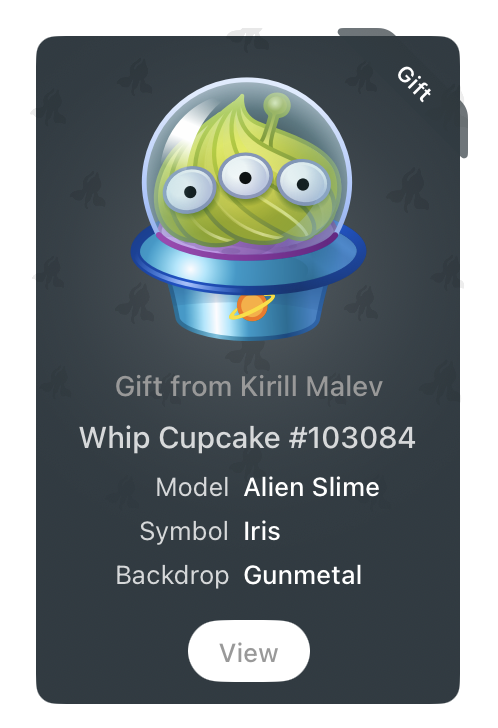
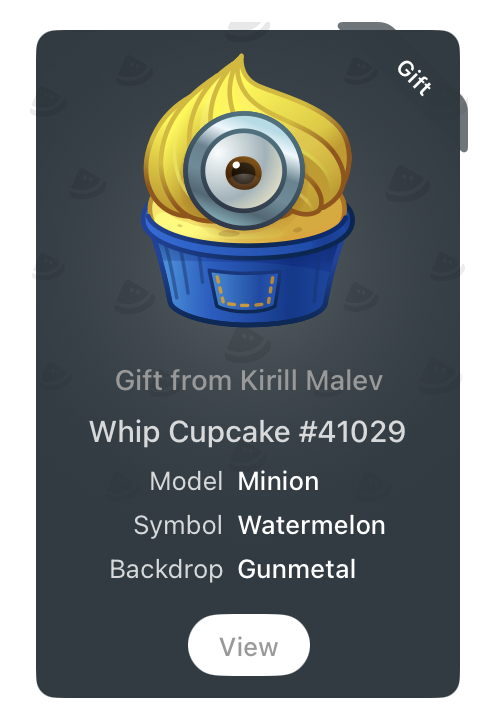
My gf's love language is gifts.
Luckily, there are Telegram gifts.
1
474
21 Oct 2025
Who actually uses Siri? What are the cases you use it for?
1
282
28 Sep 2025
On hypercompetition
When you look back at how startups used to get built, it often started with a few friends in a garage, tinkering on something no one else had quite figured out. There was a lot of friction: getting parts meant scouring catalogs or driving across town, and learning how to code involved dusty books from the library. That friction created space. It let ideas simmer, and sometimes, by accident, you'd stumble into a goldmine. A side project could turn into something huge because not everyone had the same shot at it. But now, things are different. We've smoothed out so much of the world that competition isn't just fierce—it's everywhere, all at once. We've entered an age of hypercompetition, where everything is so efficient and transparent that the random joys of discovery start to feel like they're fading away.
Hypercompetition transcends increase in number of competitors per se. I mean fundamental changes in how the economy and society work. Continuing the conversation about friction and complexity—society got what it wanted. Airline tickets can be bought from a phone, AI writes code for programmers👨💻, and knowledge that people accumulated over years of experience is available in the first response from a neural network. But reducing friction doesn't always just simplify things—it amplifies them and leads to the emergence of new ones. Simplifying search led to the appearance of Google's monopoly, which has occupied its niche so firmly that the company's name became a verb.
Despite all this progress, people haven't started working less. As soon as something becomes cheaper, there's more of it. Cheap coal leads to greater demand from people who can afford it at the new price (fakepixels.substack.com/p/je…), and greater demand leads to intensified competition. Fast-forward to today: AI makes coding 10x faster, but does that mean engineers work less? No. Expectations rise. Now you need to build 10x more features, iterate 10x quicker. In the end, to stay in place, you have to run even faster—welcome to the Red Queen’s race🏃♂️.
Then there's Radical Transparency. Information long alpha became beta (notboring.co/p/hyperlegibili…). Everyone bends over backward to share the numbers used to be kept private👌. Venture funds publish their theses online to attract founders and capital. Companies post ARR numbers on Twitter. Even personal "user manuals" explain how to work with someone. Why? Because attention seems to be the only scarcity. In a sea of noise, you have to make yourself legible to stand out. Which leads to a dominant strategy of being transparent. Strategies that worked in opacity fail in the light.
Look at the broader world dynamics, as @nntaleb points out (nntaleb.medium.com/the-world…): Connectivity supercharges winner-take-all effects. It is not bad in itself, but it makes it difficult, and sometimes almost impossible, to compete with leaders who have settled at the top. The only possible way to disrupt the status quo is to create new markets, as ChatGPT recently did for AI.
Hypercompetition forces innovation🧪. Entrepreneurs might pivot to depth over breadth—focusing on human elements AI can't touch, like trust or authencity. Or redefine success: not dominance, but joy. Touch grass, as they say. Build not for scale, but for meaning.
In the end, you can always try to create the new market and stick at the top. As we have learnt today, it is a good place to be at.
21
19
1,566
20 Oct 2025
And yet, the absolutely best time to start building anything is today: kk.org/thetechnium/you-are-n…
208
17 Oct 2025
Right now in our industry there are 10s of teams building similar products or products which are within 1-2 weeks of pivot distance between each other.
In 5 years 1 out of 100s of project might survive and adapt enough to find a sustainable business model. It might even be really successful.
Example: @HyperliquidX. Their story is really captivating in a hindsight and impossible or hard to predict with a foresight. Lot's of what if turned out in favour, multiplied by team's talent, effort and flawless execution.
It's hard to predict such things and harder to build now because of this survivorship uncertainty. All we can do is work hard, dream big and launch often to maximize our odds of building something beautiful.
Something which may be explained in a hindsight.
1
2
215
15 Oct 2025
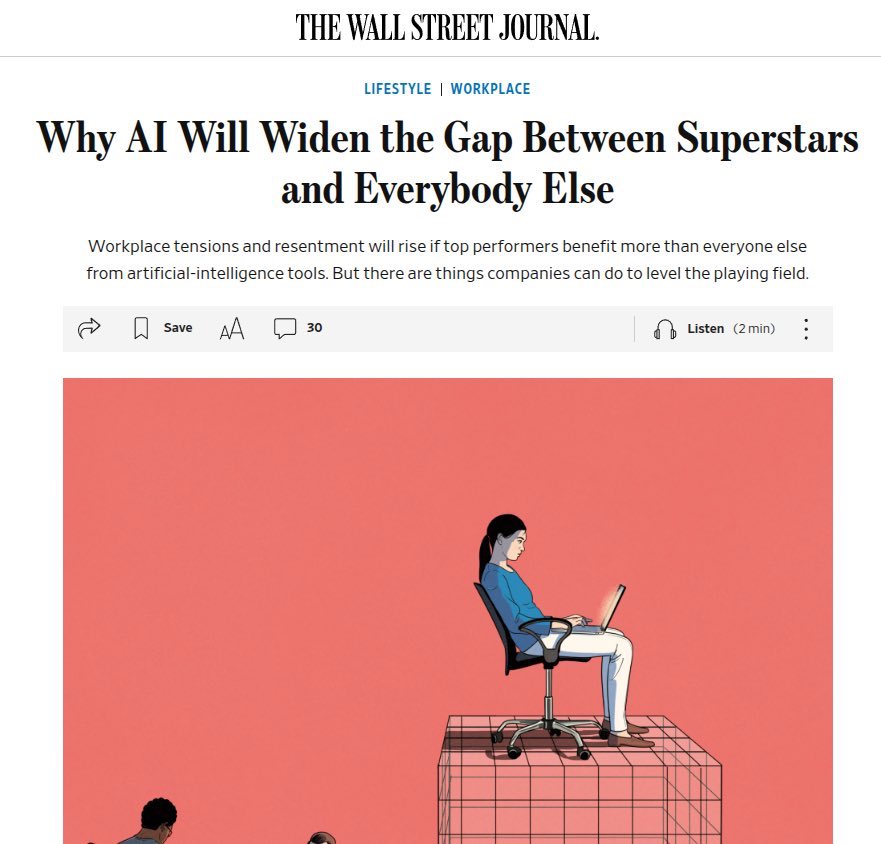
This is a hypercompetition
x.com/signulll/status/197812…

the penalty for being average has never been so severe, but the payout for being extraordinary has never been higher.
1
214
15 Oct 2025
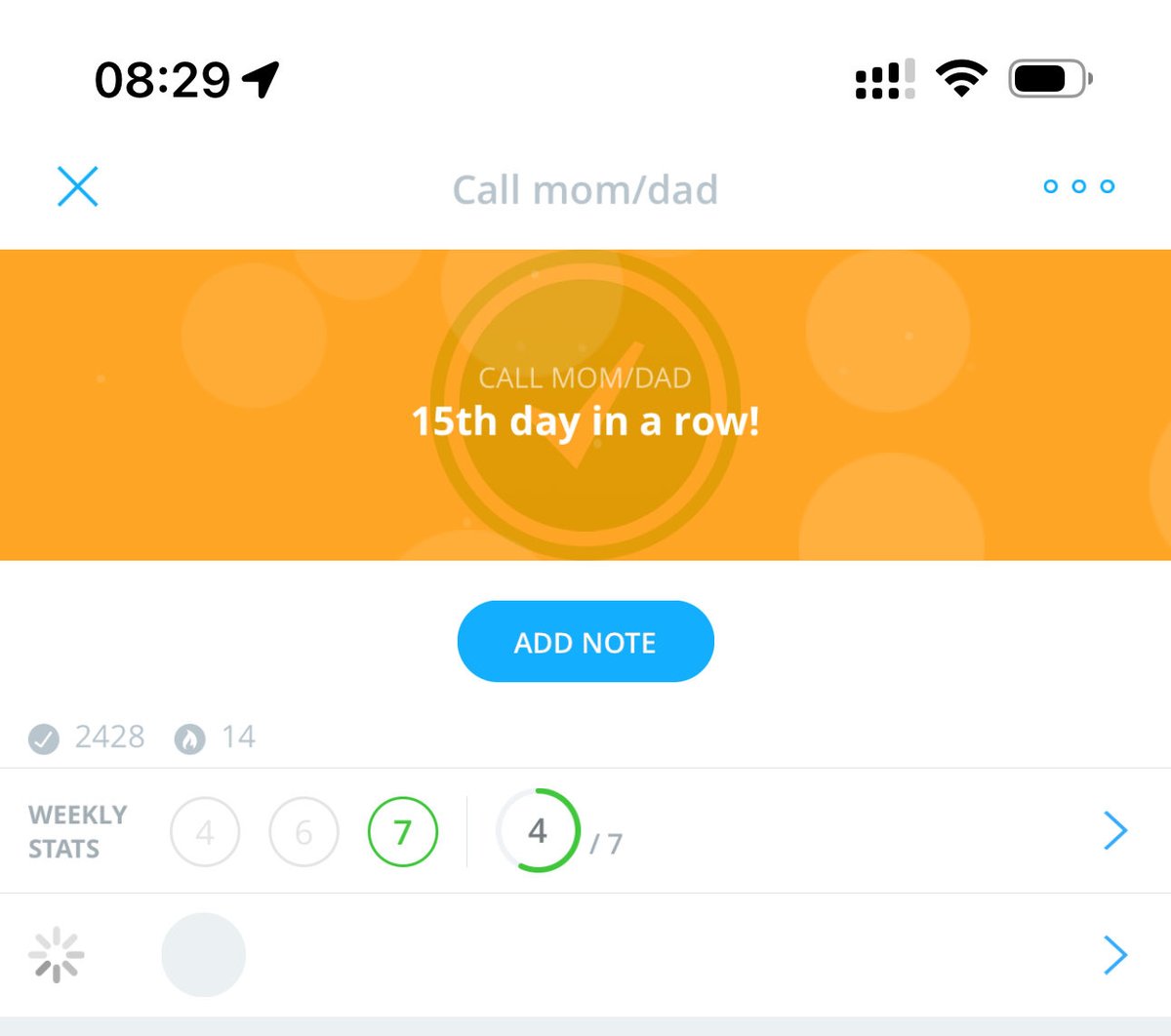
The most underrated habit you can pick today is to start calling your parents daily.
2
193
14 Oct 2025
Can you get a microwave oven delivered to your place at 22 in your city?
2
2
205
11 Oct 2025
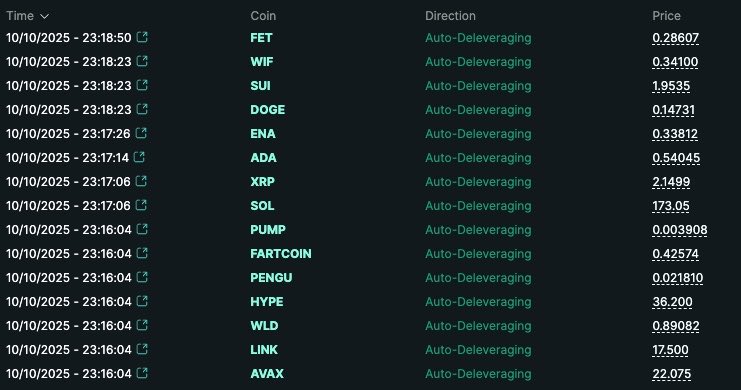
ABC of perp trading. Read to understand what happens on a bit deeper level than just “market crashed”.
11 Oct 2025

1/ Since a lot of people are waking up to see their perps positions closed and wondering what the hell “Auto-Deleveraging” means, here’s a quick and dirty primer.
What is ADL? How does it work? And why does it exist?
358