
We are an education program established to explore and explain the science of postural adaptations and asymmetrical patterns. Founded in 2000.
Joined May 2013
- Tweets 1,448
- Following 3,347
- Followers 5,379
- Likes 1,492
629 Photos and videos
Postural Restoration Institute retweeted

7 Aug 2024
using basic PRI techniques and a foot orthotic to bring my spine back into neutral position, fixing my posture allowing my muscles to relax, engaging my diaphragm, and getting my muscles, and entire body to finally be able to relax and to breathe (ebb and flow) again.
1
7
1,210
Postural Restoration Institute retweeted

22 Jun 2024
You don’t have to do stretching/mobility work if your nervous system knows how to keep tissues at lengths and tensions that work for your ideal performance. Postural Restoration techniques are the game changer here. @postrestinst
2
2
9
1,191
Postural Restoration Institute retweeted

12 Jun 2023
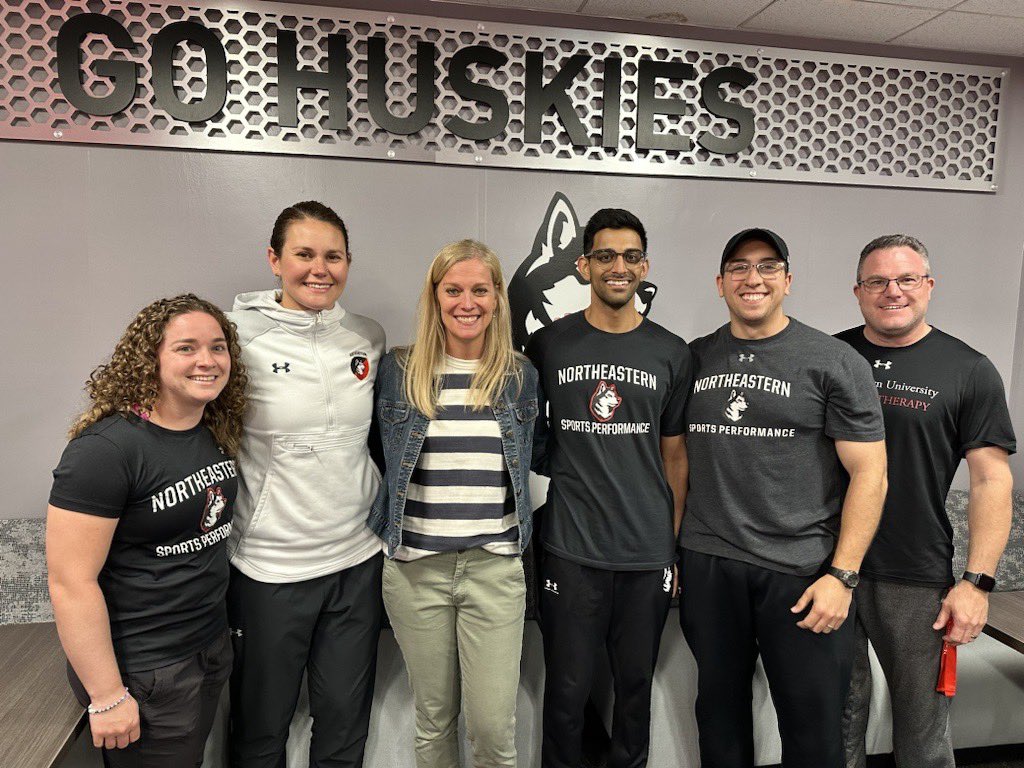
Always a great time when @postrestinst comes to town. Thank you Lori for an amazing weekend!!
2
4
2,253
Postural Restoration Institute retweeted

28 Jun 2023
@postrestinst are leaders in breathing & movement mechanics.
I’ve had issues with my low back & hip since I was 22.
PRI principles & exercises are the only things that help.
Follow @EricCressey he is a top G in this field too. Works with pro athletes.
podcasts.apple.com/us/podcas…
2
6
1,631
Postural Restoration Institute retweeted

10 Apr 2023
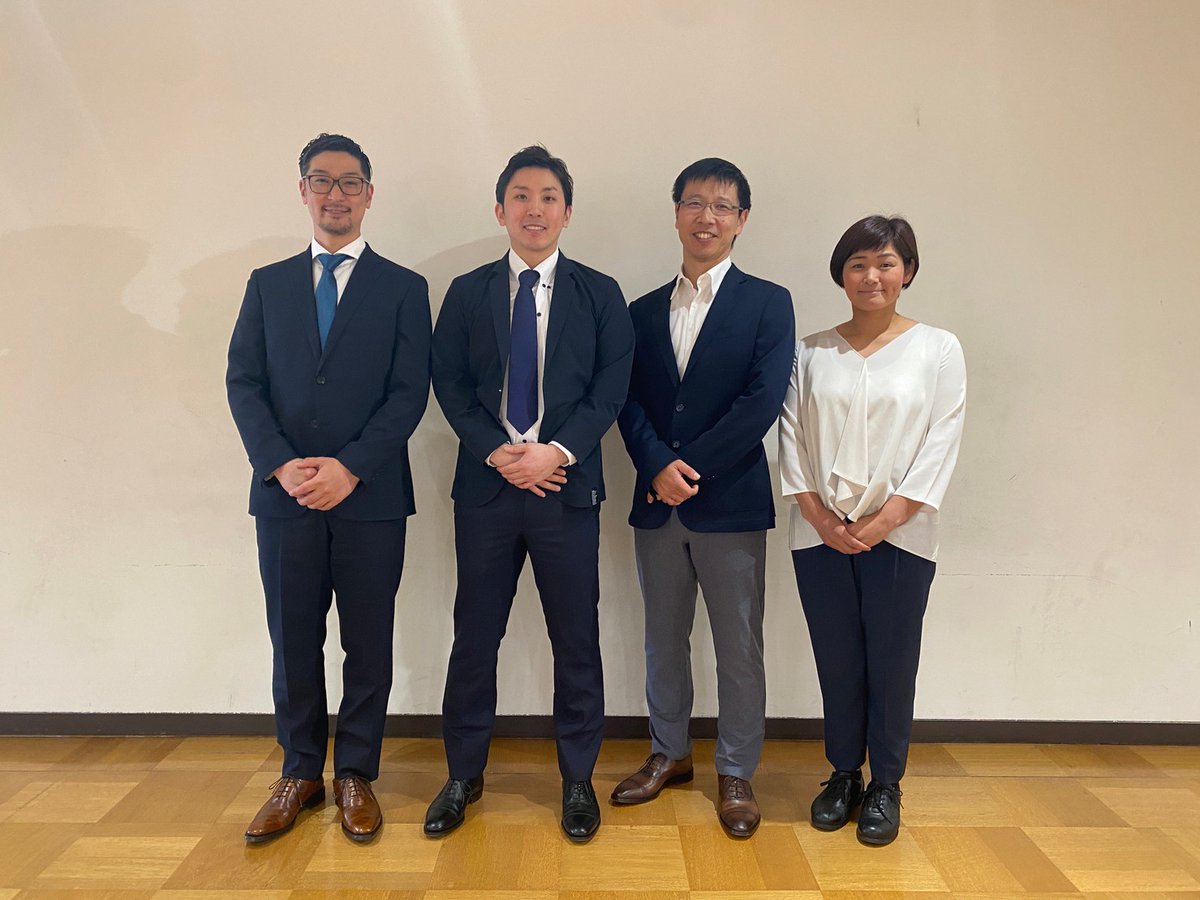
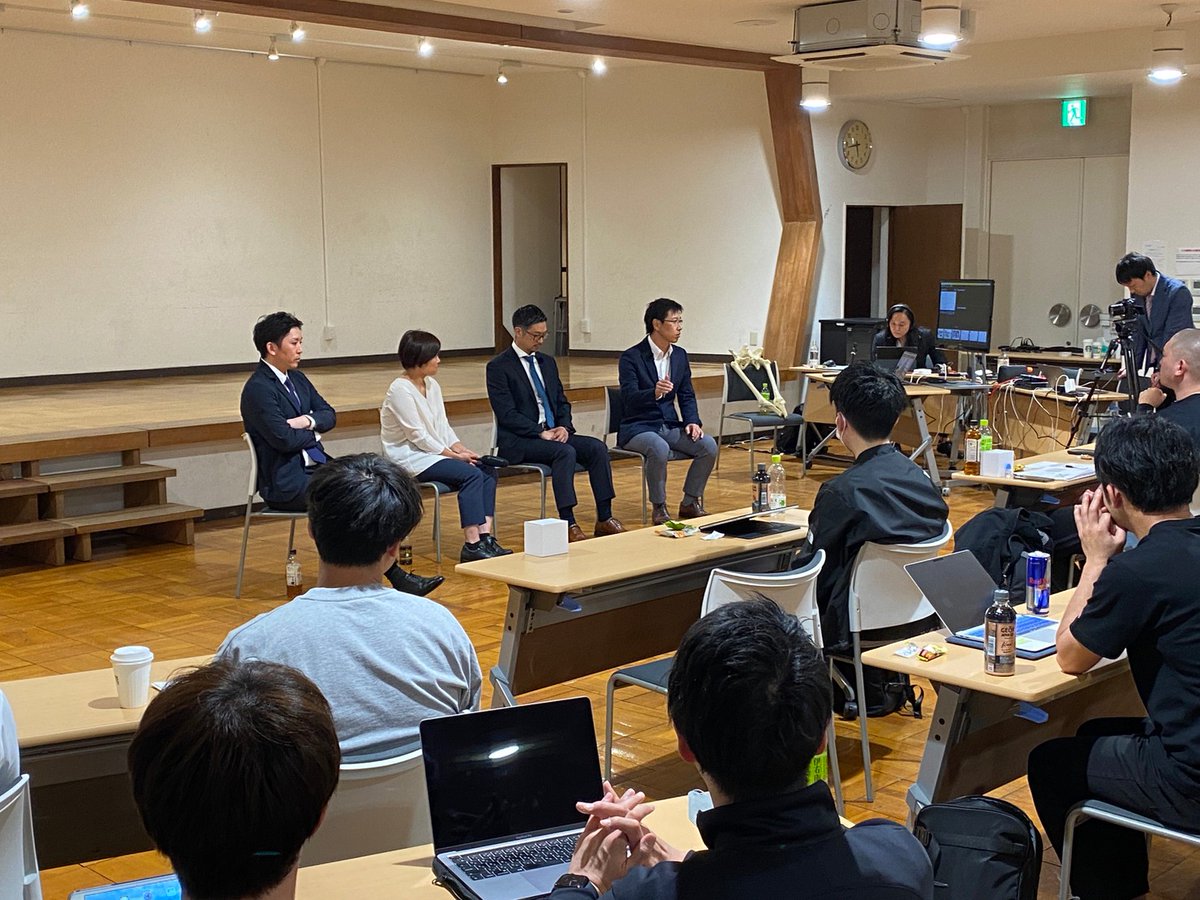
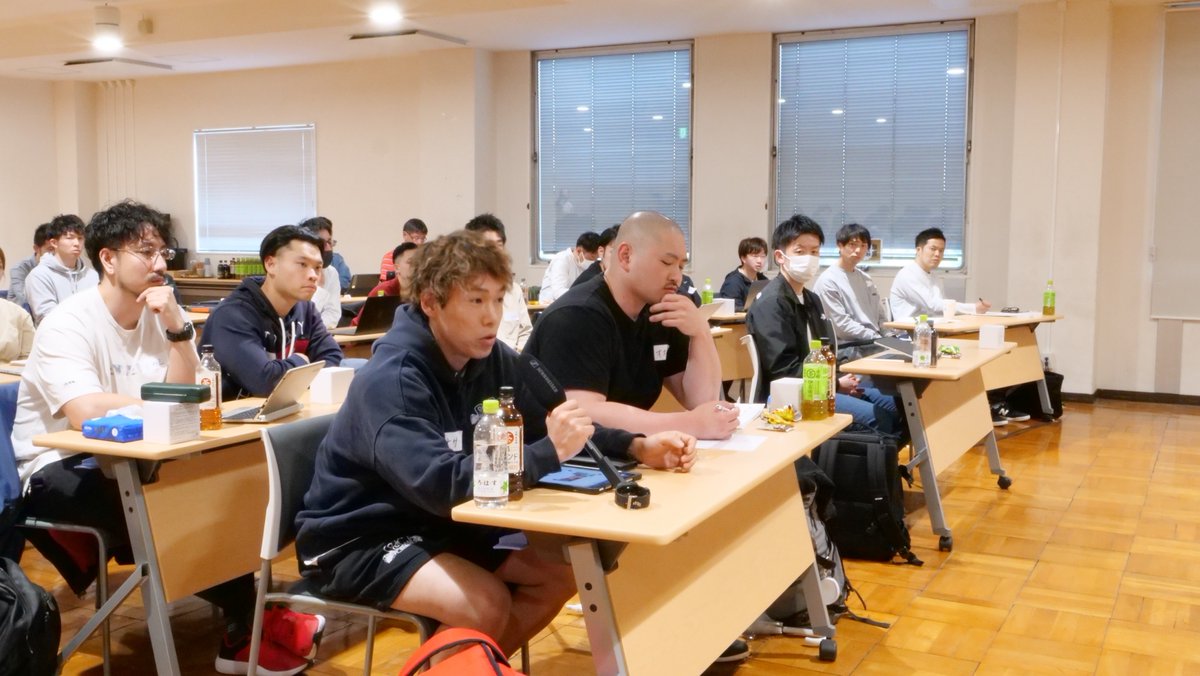
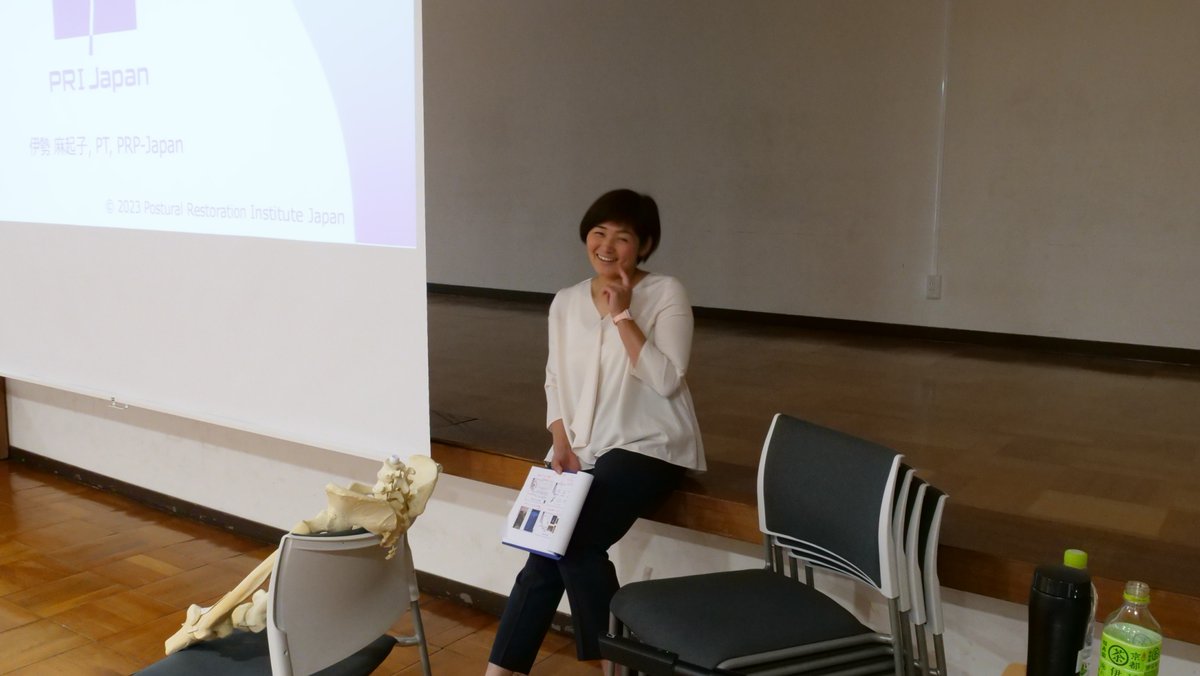
【改めてありがとうございました!】
昨日開催された第3回PRI Japanシンポジウム、お陰様で大盛況のうちに華々しく終了いたしました!ご登壇頂いた近藤(@all_life_round )さん、高田さん、伊勢さん、鈴川さん、そして何より参加してくださった150名の皆さま、改めまして本当にありがとうございました!
1
1
14
3,766
Postural Restoration Institute retweeted

7 Mar 2023
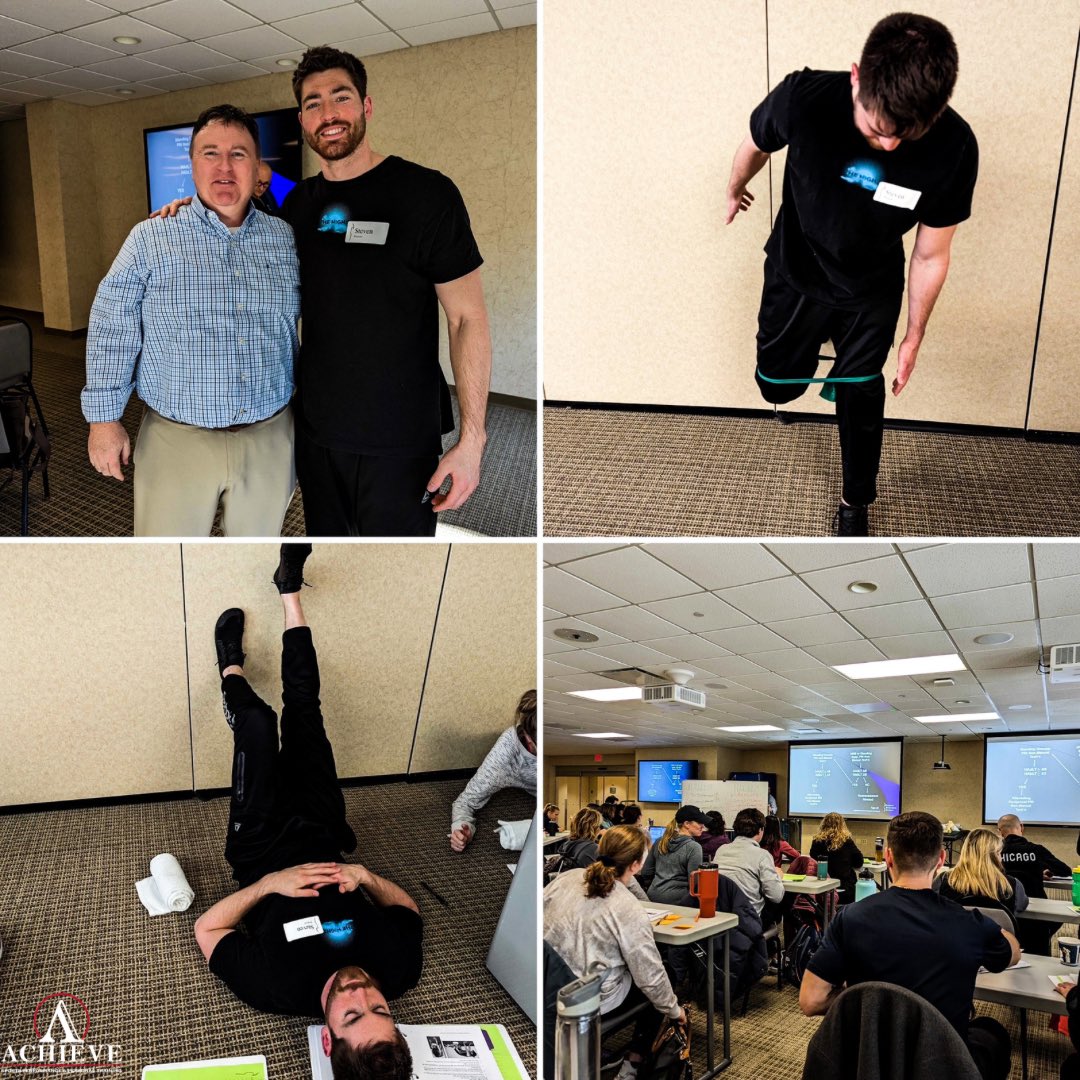
Steve was able to experience his first (of many) @postrestinst workshop this weekend and learned a ton! We love to grow professionally and provide our clients with the best training around! #pri #continuingeducation #naperville #aurorail #personaltrainer #strengthcoach #prination
1
5
1,491

10 Jan 2023
Congratulations to the Postural Restoration Trained™ (PRT) Class of 2023!
Back Row: Dan Houglum, Colby Mamigonian, Josh Elleman, Colin Kidwell
Front Row: Ron Hruska, Nick Rosencutter, Aleena Kanner, Jennifer Platt
2
7
3,703
Postural Restoration Institute retweeted

13 Oct 2022
🎥A quick glimpse into #PRI course, Pelvis Restoration, hosted by the Cantrell Center for Physical Therapy & Wellness in Warner Robins, GA Oct. 1-2, 2022— with @postrestinst
#posturalrestoration #posturalrestorationinstitute #PRInation #continuededucation #physicaltherapy #PT
1
1
3
Postural Restoration Institute retweeted
1 Oct 2022
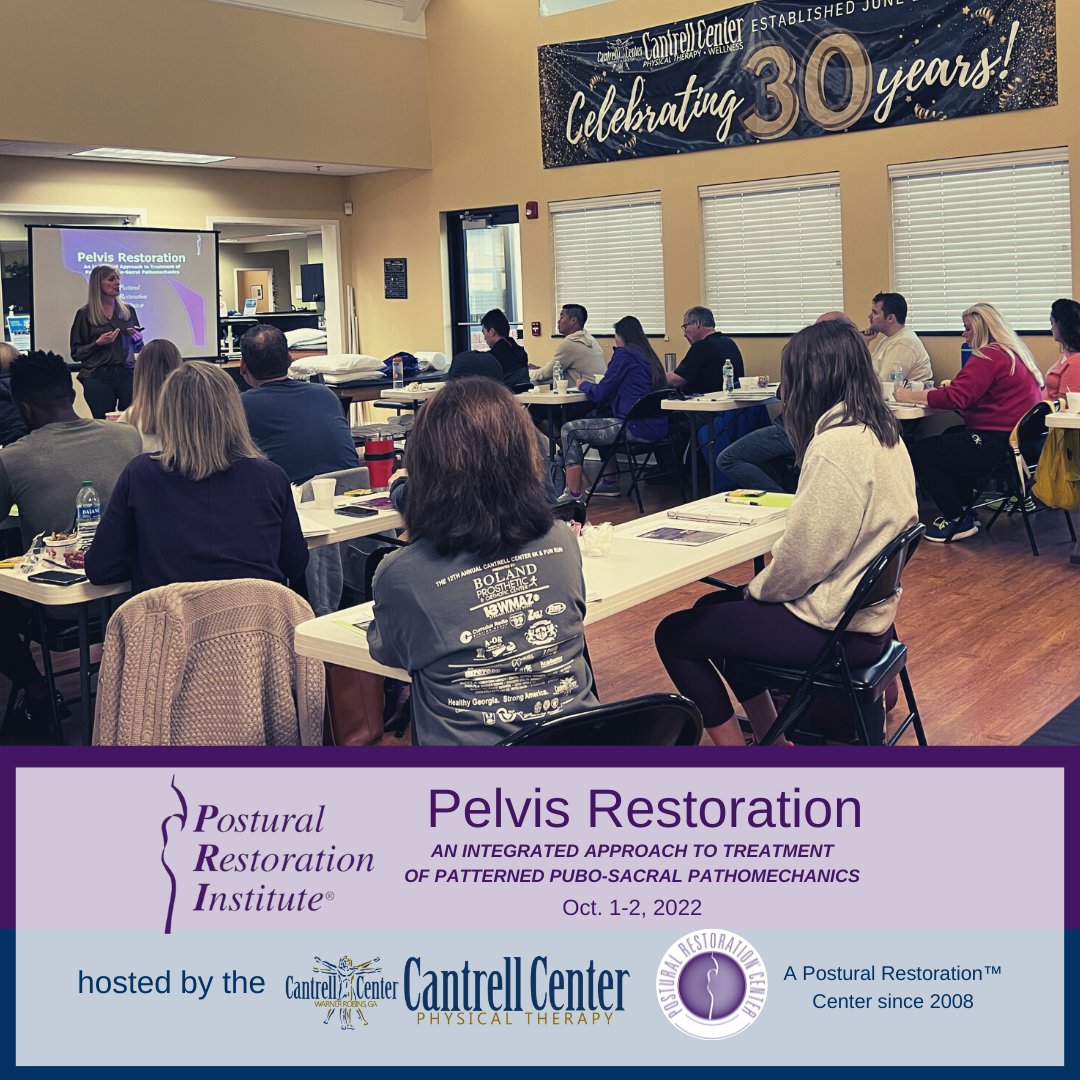
Our weekend of learning has begun! We're so happy to be hosting PRI course, Pelvis Restoration, this weekend — with @postrestinst
#PRI #posturalrestoration #pelvisrestoration #PRInation #continuededucation #physicaltherapy #PT
1
3
Postural Restoration Institute retweeted

31 Aug 2022
CSP Elite Baseball Development Podcast: Understanding Asymmetry with @RonHruska of @postrestinst: ericcressey.com/csp-elite-ba…
2
8
15
Postural Restoration Institute retweeted

29 Aug 2022
The neurology that is required to balance our weight is designed around tension. Our integrity of floating compression is like a structural binary tree. We are built around isolated components of anatomy under compression inside us. Loss of this tensegrity leads to inchoate form.
3
3
24
25 Aug 2022
Pediatric Evolution is one month away!
youtu.be/TEFKe9lXpQk via @YouTube
Early registration rate ends tomorrow!
posturalrestoration.com/prog…
1
1
Postural Restoration Institute retweeted

25 Aug 2022
The natural asymmetry of both brain & body & strategies we put into place to manage these internal biodynamics are a major factor in how it influences outward appearances. Might be worth a visit to @postrestinst in Lincoln to speak w/ @RonHruska if you’d like to explore deeper😉
1
2
5
Postural Restoration Institute retweeted

14 Aug 2022
Yes, the knee is supposed to rotate.
No, it shouldn’t be the only show in town (lack of hip and/or ankle rotation).
No, it’s not supposed to live in a single state of rotation (i.e., tibia IR’d or ER’d relative to femur).
(Paraphrasing Dan Houglum)
I&I Day 2
@postrestinst
1
6
8 Aug 2022
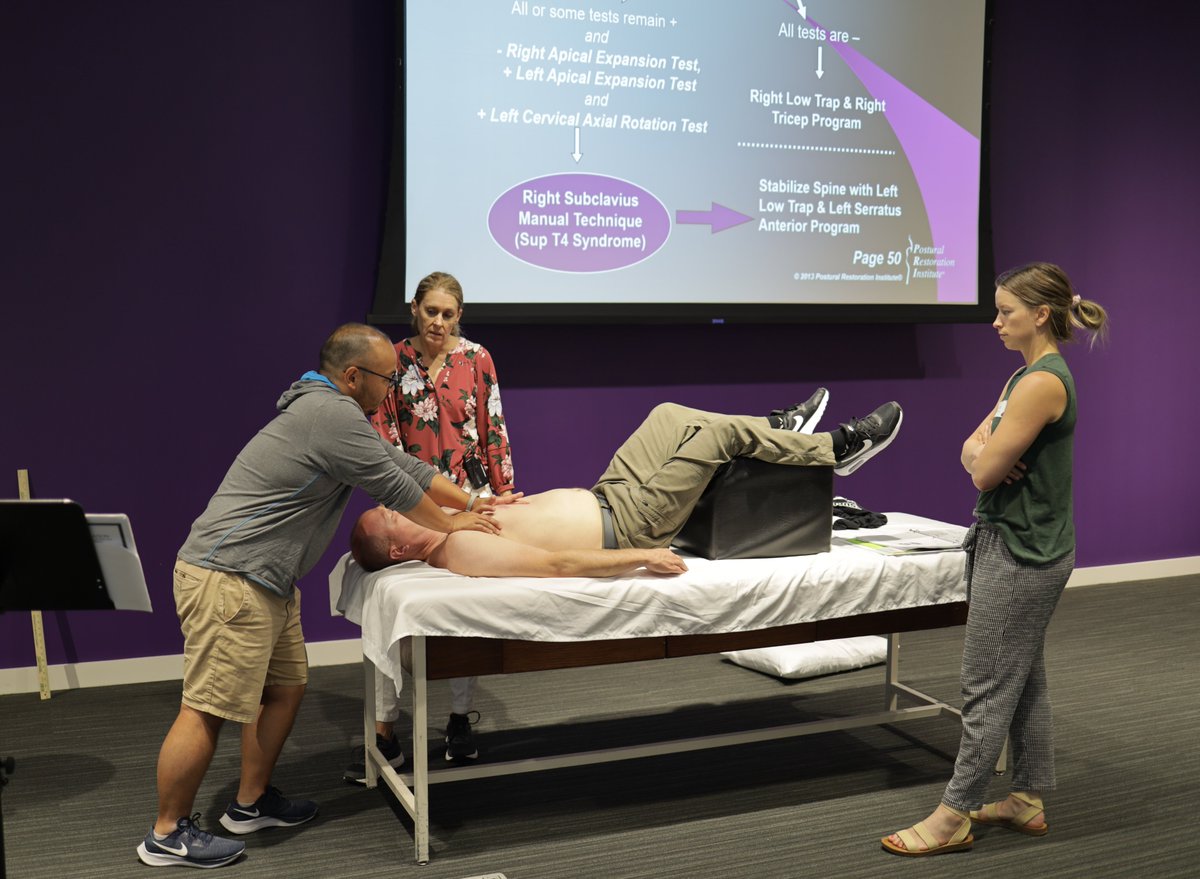
It was a busy weekend across #prination as "Back to School" season begins. Excited to see many more faces in the weeks ahead!
1
Postural Restoration Institute retweeted
4 Aug 2022
Humans have 2 basal arches. Structures of bow like or curved outline of anatomy at the lower boundary of the front of the thoracic cavity and at the lower bone (mandible) of the stomatognathic cavity. Both regulate airflow. Check out my free webinar on Aug 19 at the PRI website.
1
1
23
21 Jul 2022
The NEW Postural Respiration Home Study is now available!
Watch the free 10-minute preview, and register here,
posturalrestoration.com/prog…
1
3
Postural Restoration Institute retweeted

18 Jul 2022
To improve IR, I recommend using positions that bias internal rotation naturally. Good ways to do this are:
- Positions in 90 degrees of hip & knee flexion (bend)
- Activating muscles that create IR (inner hamstrings, glute med, and adductors)
(Exercise credit @postrestinst)
1
4
57
Postural Restoration Institute retweeted
18 Jul 2022
Sometimes it’s necessary to “stretch out” the back hip capsule to improve the ability to slide the femur back in the first place.
If you are struggling, try this:
(This is a modified @postrestinst exercise):
1
3
31