YC Goes On-Chain: What It Means for African Tech & reply cash
Y Combinator recently made headlines with a major operational shift: starting with the Spring 2026 batch, the accelerator will accept stablecoin payments (specifically USDC) for its investments.
For many in Silicon Valley, this is an interesting experiment. For African founders, it’s a game-changer. And for reply cash, it’s the ultimate validation of our thesis: Stablecoins are superior financial rails.
The Problem: The "Wire Transfer" Tax
Historically, when an African startup enters YC (or raises US-based capital), the celebration is often followed by a logistical headache: receiving the money.
Traditional SWIFT wire transfers to African banks can take 3-7 business days to settle. Worse, they often incur high forex fees, intermediary bank charges, and sometimes get flagged for "compliance reviews" that freeze funds for weeks. For a startup that needs to move fast, this friction is a massive bottleneck.
The Shift: Instant Settlement
By moving to USDC on blockchains like Solana, Ethereum, or Base, YC is effectively removing the banking layer from the funding process.
Speed:* Funds arrive in seconds, not days.
Cost: Transaction fees are pennies, not $50 wire fees.
Control: Founders hold the funds directly in self-custody or multi-sig wallets.
Closing the Loop: Where reply cash Fits In
This is where the impact on reply Cash becomes clear.
Startups don't just sit on capital; they spend it. They need to pay rent in Nairobi, salaries in Lagos, and vendors in Kampala. Even if a startup raises in USDC, the local economy runs on M-Pesa, MTN Mobile Money, and local bank transfers.
This creates a massive demand for an efficient *Off-Ramp*.
reply cash is built exactly for this moment. We bridge the gap between the on-chain treasury that YC is normalizing and the on-the-ground reality of African commerce.
1. YC sends USDC to the startup's wallet.
2. Startup needs to pay a vendor in Kenya or an employee in Ghana.
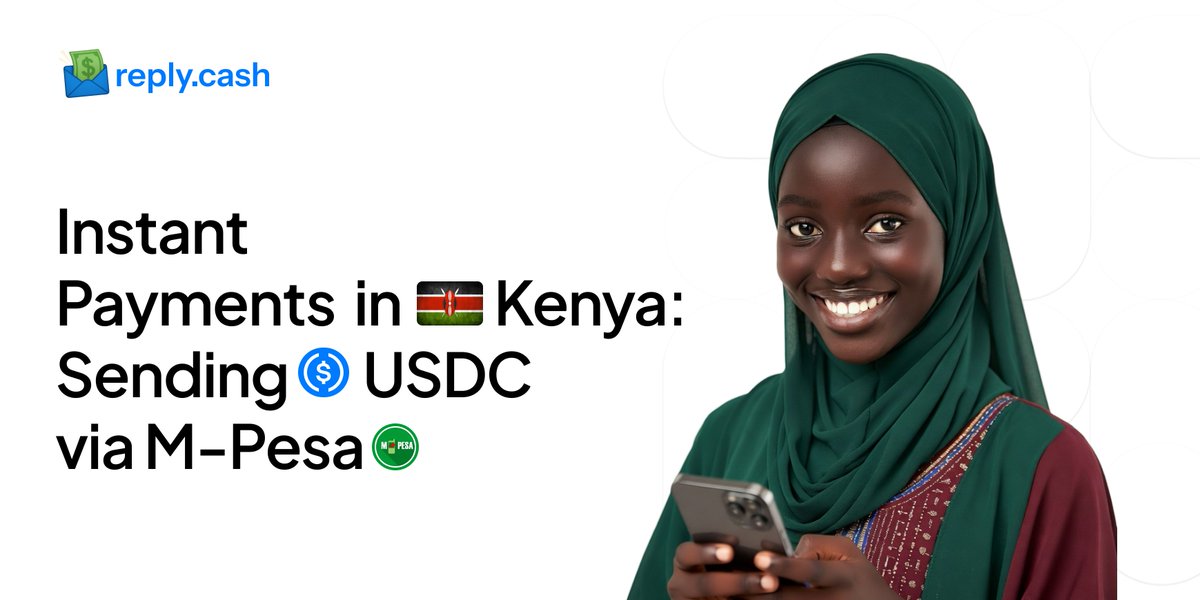
3. reply cash allows them to send that USDC directly to the recipient's M-Pesa or Mobile Money account.
The recipient doesn't need a wallet. They don't need to know what "Gas" or "Solana" is. They just receive local currency on their phone, instantly.
The End of Day Impact
At the end of the day, YC's move signals a mature ecosystem. We are moving away from "crypto as speculation" to "crypto as infrastructure."
For
reply.cash, this means:
Increased Volume: More startups holding USDC means more businesses needing to off-ramp to local rails.
Normalized Workflow: Paying expenses via stablecoins becomes standard practice, not a niche workaround.
Faster Velocity of Money: Capital flows from Silicon Valley to a developer in Uganda in minutes, not weeks.
The loop is finally closing. YC handles the entrance, and reply cash handles the exit.