Staff writer, The Atlantic Magazine. Former cabbie, tenant organizer & doorman. Brooklyn w 2 boyz. Author of "Canyon Dreams" canyondreamsbook.com/
Joined May 2011
- Tweets 110,436
- Following 5,453
- Followers 23,722
- Likes 145
149 Photos and videos

Pinned Tweet

31 Aug 2024
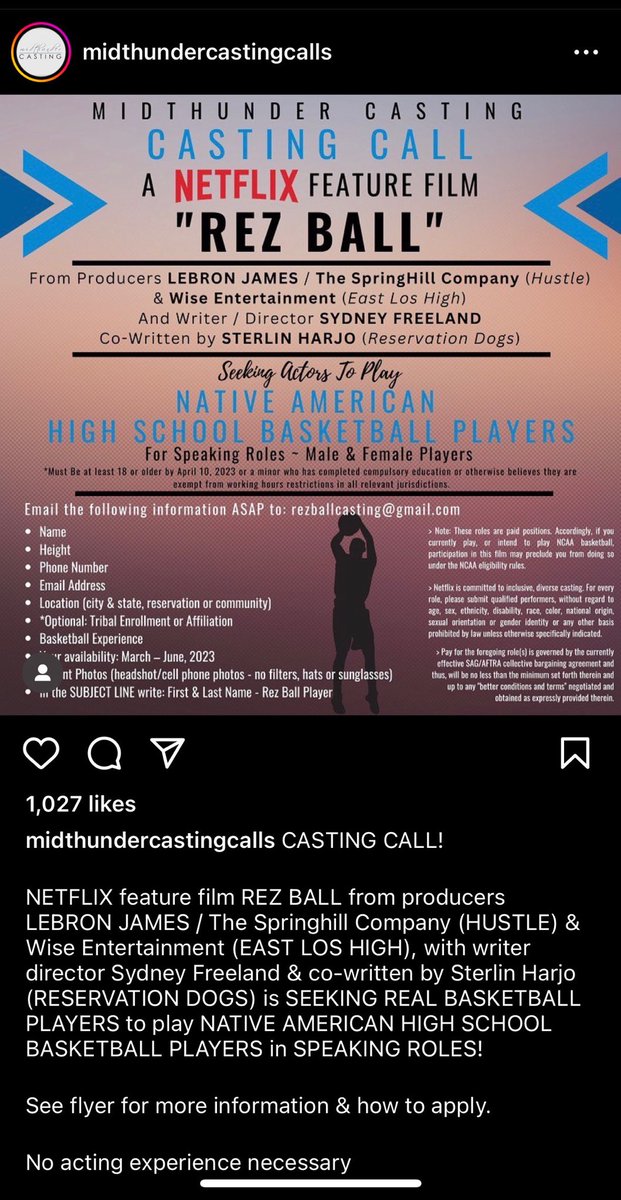
Thrilled that forthcoming Netflix movie inspired by my book, "Canyon Dreams" will open at Toronto Film Festival. With producers Lebron James and Katie Elmore of North Node Studios rottentomatoes.com/m/rez_bal…
13
12
92
58,389
Records reveal $600M estimate for Trump’s ballroom project, with half from taxpayers - The Washington Post washingtonpost.com/investiga…
1
19
28
6,864
Michael Powell retweeted

"My therapist texted me congratulations." 😁

So the Knicks won their first championship in 53 years and I was there in San Antonio to see it.
But first I lost my mind.
Wrote about how much of a wreck I’ve been during this magical playoff run and how even this title might not cure it
houstonchronicle.com/opinion…
3
6
1,678
Michael Powell retweeted

Jun 15
love the idea that the jews can rig games for the Knicks but chose not to for 53 years
Jun 14

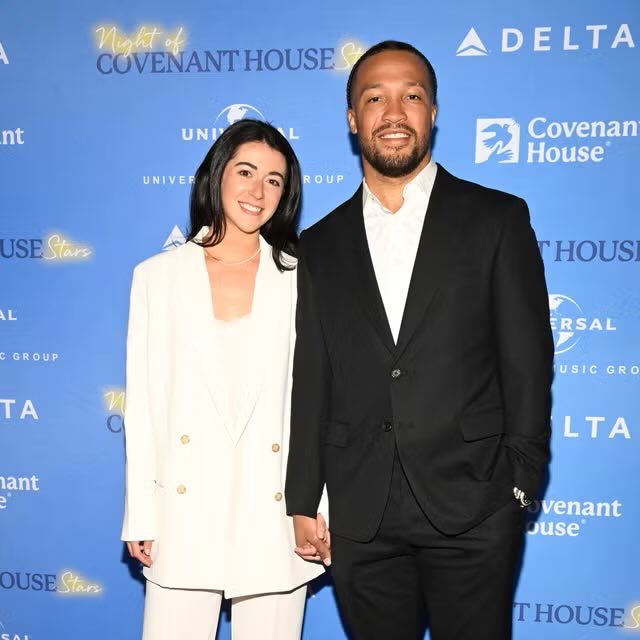
The New York #Knicks star Jalen Brunson married a Jewish woman in 2023 and then 3 years later wins a rigged NBA championship. All sports are rigged and controlled by certain groups...
Community note
On May 30th, Truth Seeker picked the Spurs to win the NBA Finals.
x.com/_TruthZone_/st…
86
809
22,247
690,217
Michael Powell retweeted

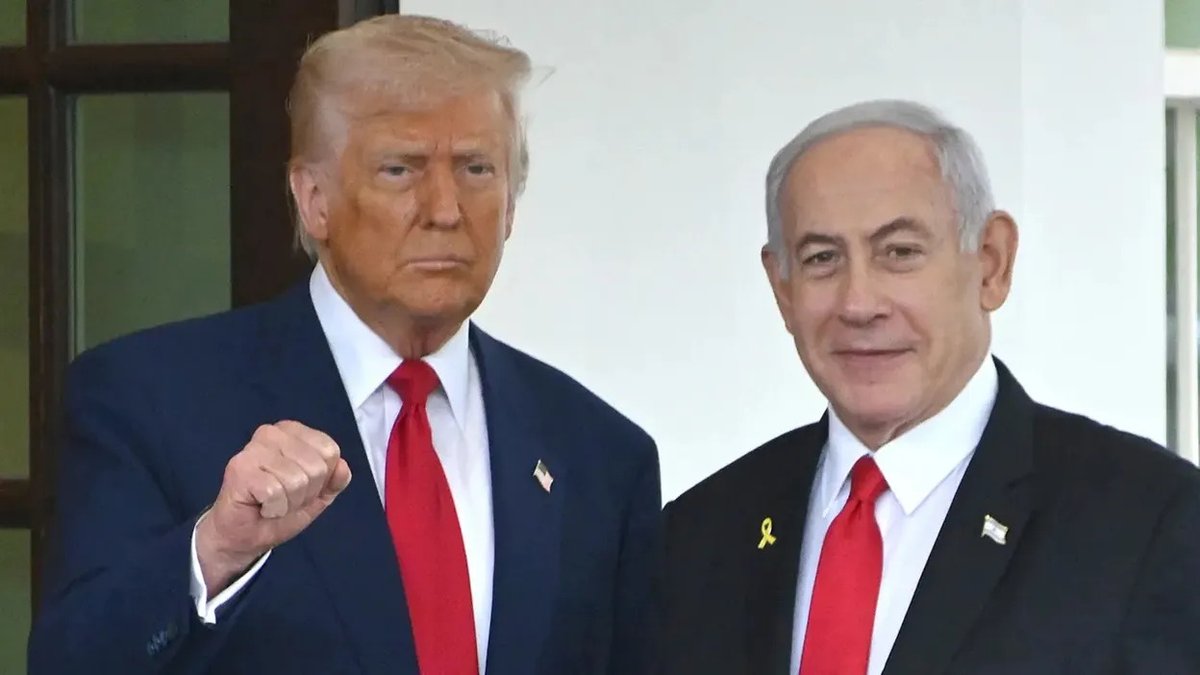
Do not listen to the cultists trying to convince you otherwise: the United States, and to a degree, Israel, have suffered a profound strategic setback with the signing of the interim deal or the MOU with the Islamic Republic of Iran. The regime, though tactically bruised, now holds immense leverage that renders months of bombing and the future threat of force largely irrelevant.
Iran retains its highly enriched uranium and the regional strike capabilities that allow it to threaten multiple states and impose political costs if its demands are not met. The Strait of Hormuz has effectively become an Iranian instrument of global economic coercion. Tehran has also succeeded in tying the fate of Hezbollah to the agreement, preserving billions of dollars in investments in the group’s military, political, and social infrastructure, turning Lebanon into a permanent forward operating platform against Israel. Add to this the billions likely to flow into the regime through sanctions relief and the lifting of the naval blockade, enabling Tehran to rebuild, rearm, and re‑entrench. One outcome is certain: the regime will now pursue nuclear armament with maximal determination, even if that takes five to ten years to achieve; and they'll have delivery vehicles, long-range ballistic missiles, for deploying those nukes; a North Korea-like state in the heart of the Middle East.
America’s Gulf partners, undermined and abandoned, are now forced to court Tehran to protect their own stability. The foundational bargain of U.S. protection in exchange for sustaining the PetroDollar and aligning with Washington has been undermined. The Iranian people, whose sacrifices earlier this year briefly threatened the regime, have been effectively traded away; used to trigger a half‑baked war that ultimately strengthened the Islamic Republic’s regional and international posture. Hezbollah has been rescued, and Iranian‑backed militias now believe the regime will stand by them even when costs are high.
And tragically, what began in Gaza on October 7 with Hamas’s brutal attack on Israel has achieved far more than the Islamic Republic could have imagined: isolating Israel, halting Saudi‑Israeli normalization, reviving the so‑called “resistance” narrative, and weakening the moderate Arab‑Sunni states that champion development over destruction.
This is what American retreat and diminished power look like. It may mark the accelerated beginning of the end of U.S. global primacy, driven by strategic miscalculation and failed leadership. China and other adversaries are watching with satisfaction while Americans argue over trivialities, oblivious to the geopolitical abyss opening beneath the country’s economic, political, and cultural foundations.
60
220
681
35,933
Michael Powell retweeted
Venturing w his brother into enemy land in search of Knickerbocker salvation "We watched Brunson levitate to an astral plane. We clutched each other by our jerseys as he julienned Wembanyama with a devilish combo of jab-steps and pivots” @nickpowellchron: houstonchronicle.com/opinion…
3
6
1,021
Michael Powell retweeted

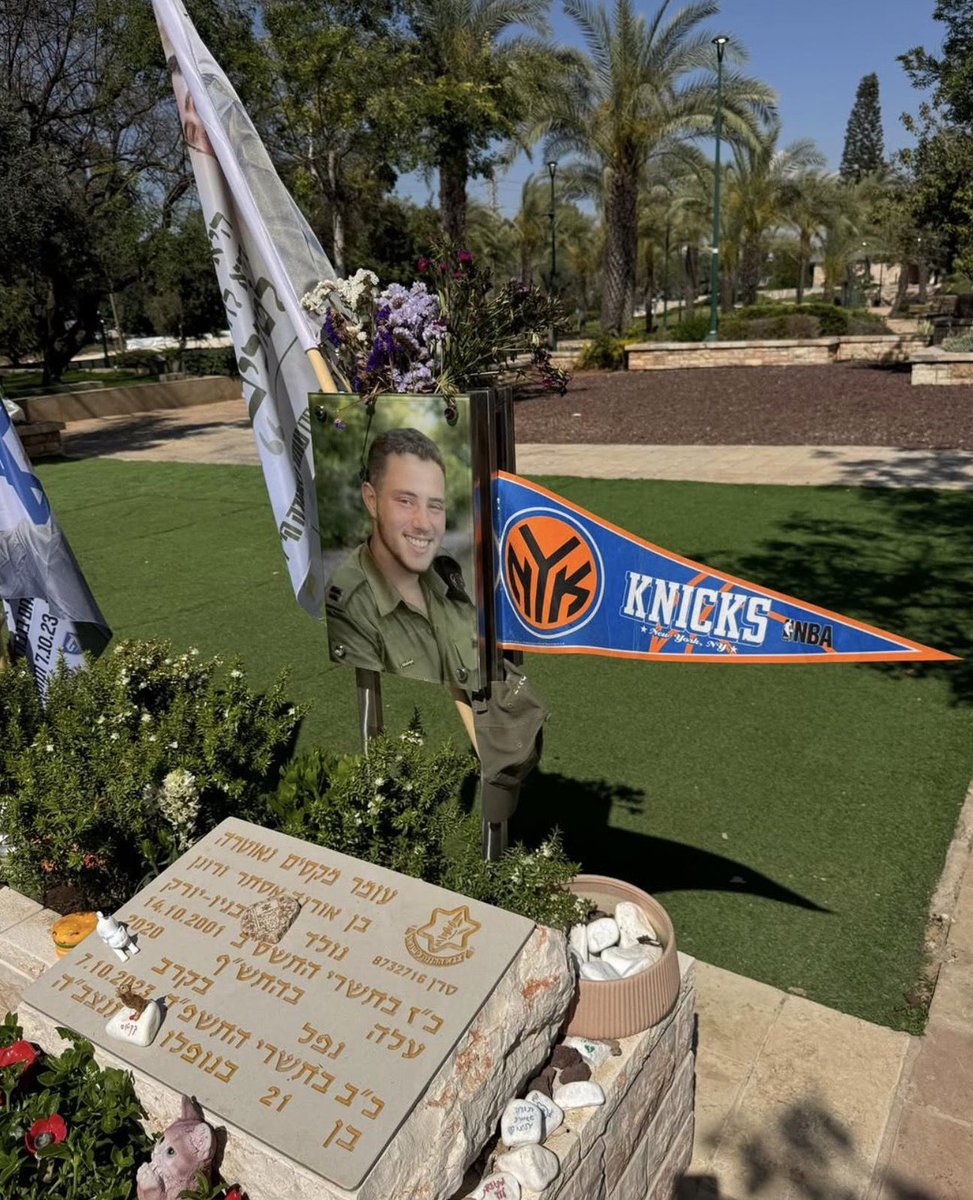
A Knicks flag rested over Omer Neutra’s grave in tribute.
Born and raised in New York, Omer would have been overjoyed seeing the Knicks win the NBA Championship.
Omer was abducted and fell on October 7 while defending Israel. His spirit remains with us every single moment.🤍
📷: Ronen Neutra
23
80
628
34,067
Michael Powell retweeted

I’ve stayed mum on this race, and I’ll get shit for this but I don’t care — this is a disappointing accusation from someone I have a lot of respect for.
While Claire may have called it a genocide first, she & Antonio have virtually identical views & policy positions on Israel & Gaza. Why would AIPAC choose to put their money behind someone with Antonio’s views on this?
The idea that anyone critical of her campaign must be AIPAC-backed is purely speculative, really cynical & overly incendiary.
I know things are heated right now and it’s crunch time, but there’s no need for this IMO. Run on your records, vision & endorsers.
Jun 15

Is it actually AIPAC?
In multiple primaries around the country, their donors have created PACs with innocuous sounding names — and which never reveal their actual agenda — to funnel millions against anti-apartheid candidates. aljazeera.com/news/2026/5/20…
90
23
277
113,154
Michael Powell retweeted
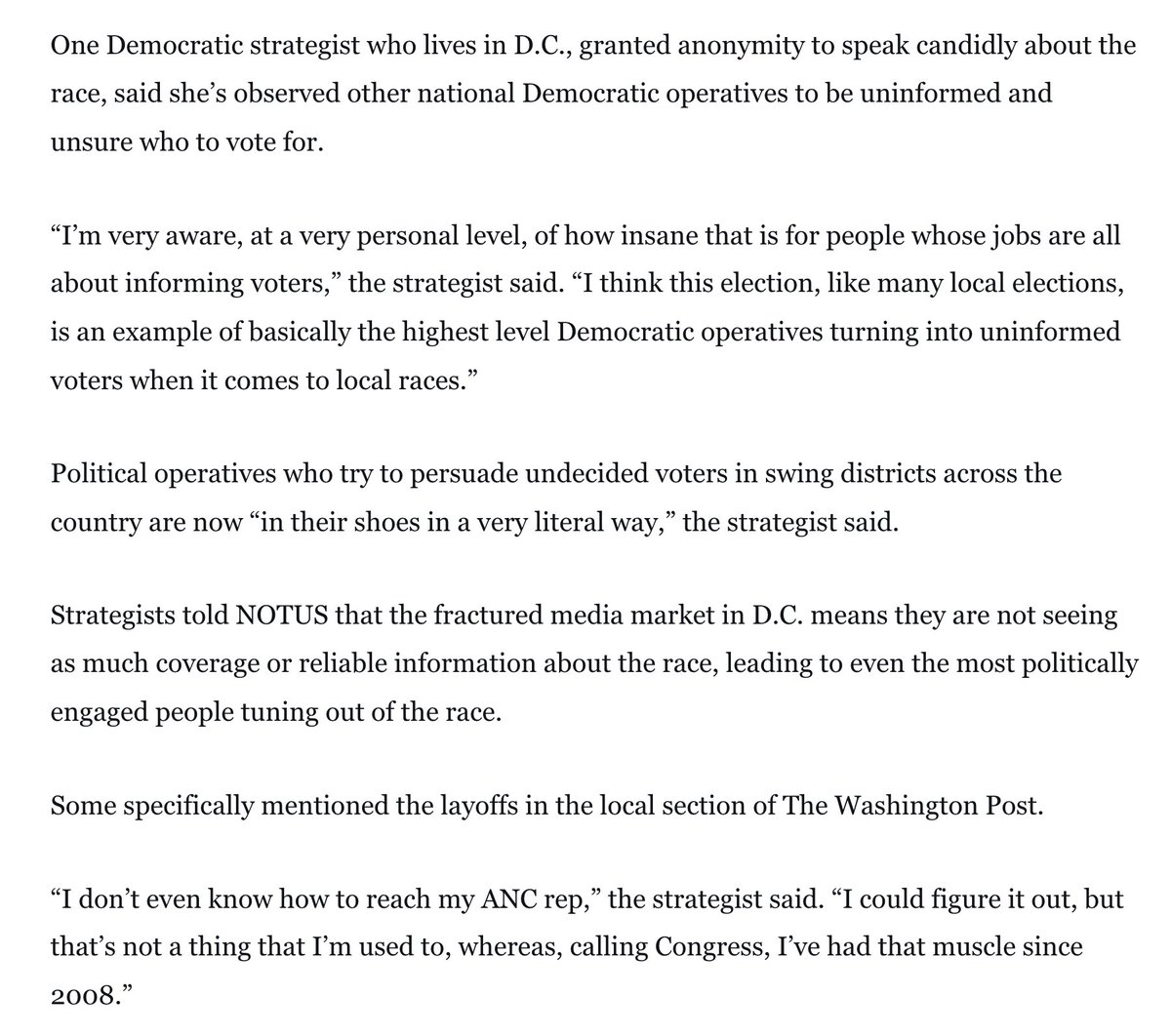
Here’s a Washington Post Metro section story on the mood of the electorate on election eve: wapo.st/43zKn8S

And in a tragic irony, national Democratic types who make their living trying to inform voters across the country about what's happening in Washington are themselves self-admitted uninformed voters on D.C.'s local races. One big reason: the destruction of WaPo's Metro section.
1
10
15
16,769
Michael Powell retweeted

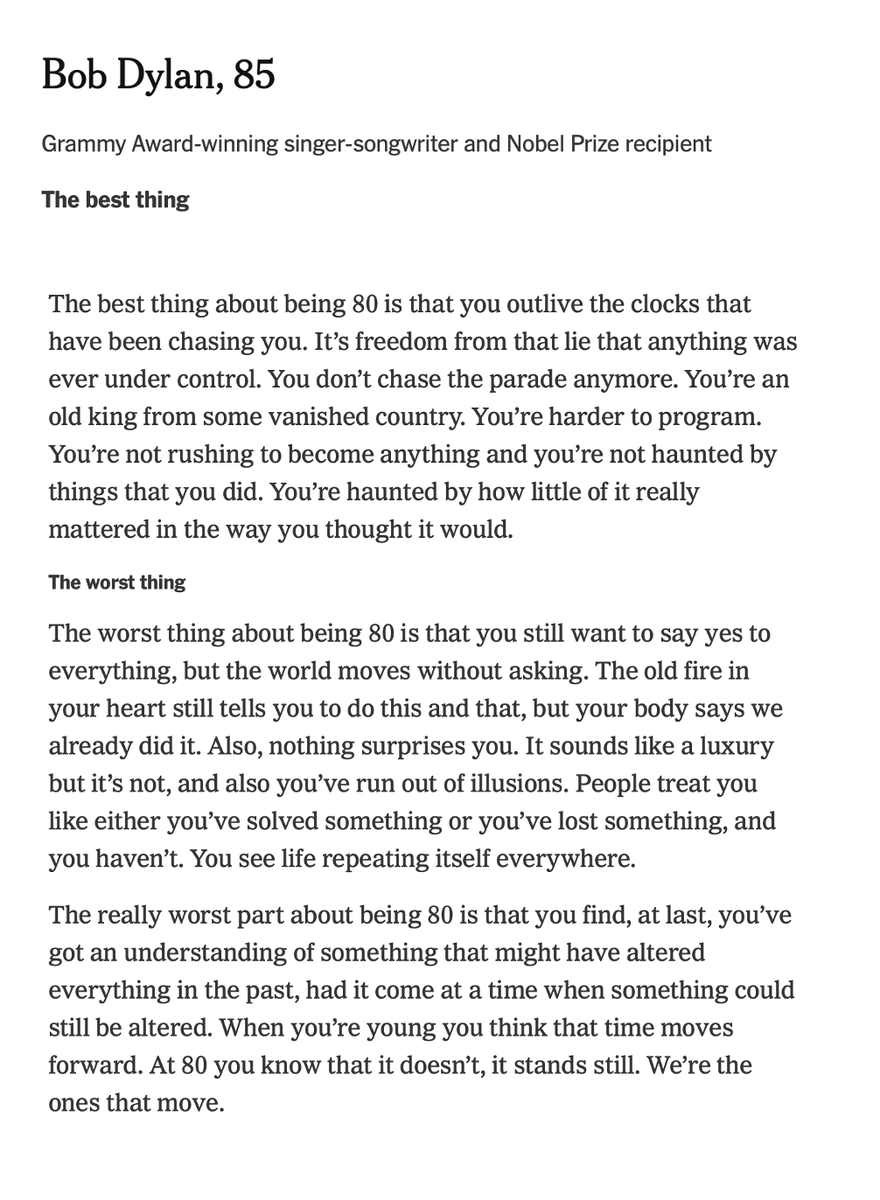
beautifully worded. all very true. does not sound like the "old" (ie., younger) Bob Dylan at all. "old king from some vanished country"--striking metaphor.
Jun 14

Bob Dylan in the NYT today, in a piece where artists in their 80s were asked to describe the best and worst parts of being that age, and whether they had advice for the president on his reaching the milestone. (Dylan apparently passed on the final question, not surprisingly.)
16
198
1,736
81,954

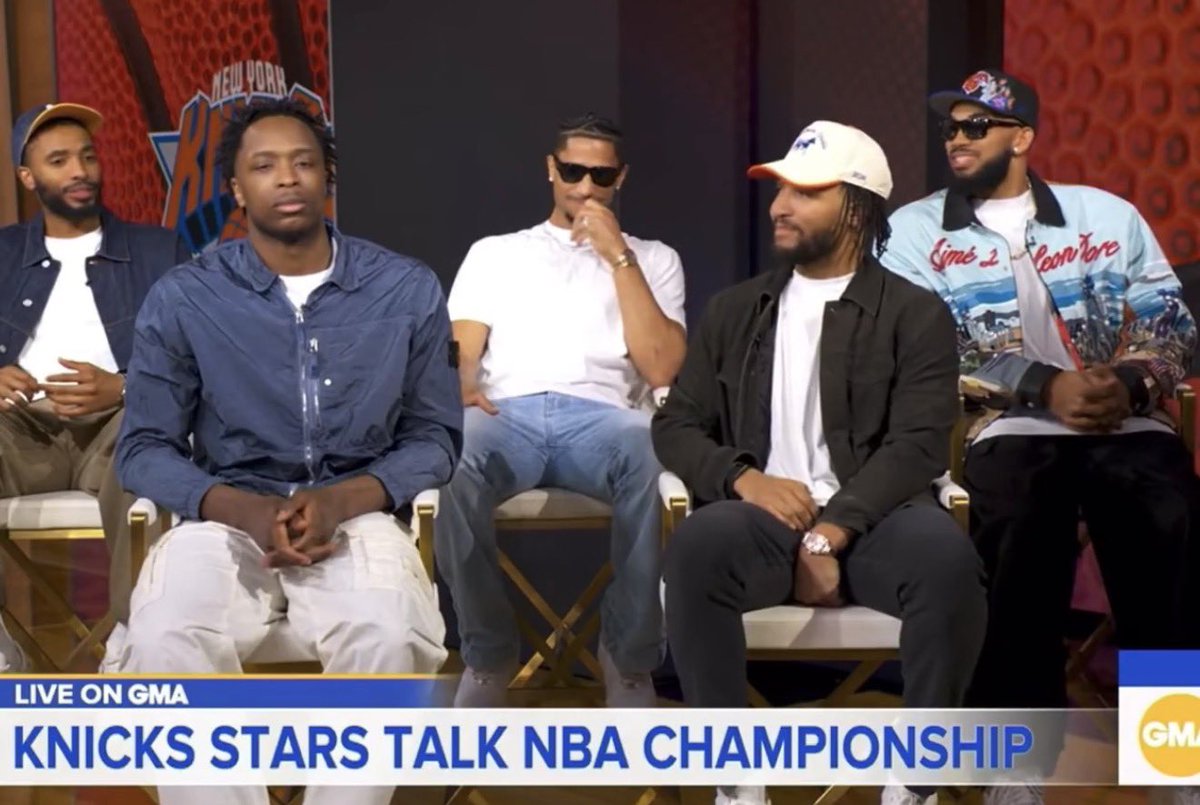

This Dude is on an entirely different astral plane as a leader than Wembanyama (And yes, VW is young and we can hope for growth and humility)

Jalen: "When Josh honestly missed the layup. I'm not even trying to be funny. Usually I joke about that. Josh is on the floor kind of like holding his face and like me KAT and Jose just ran up to him and said get up, next play. I think that play really embodies this team"
4
2
36
5,064
Michael Powell retweeted

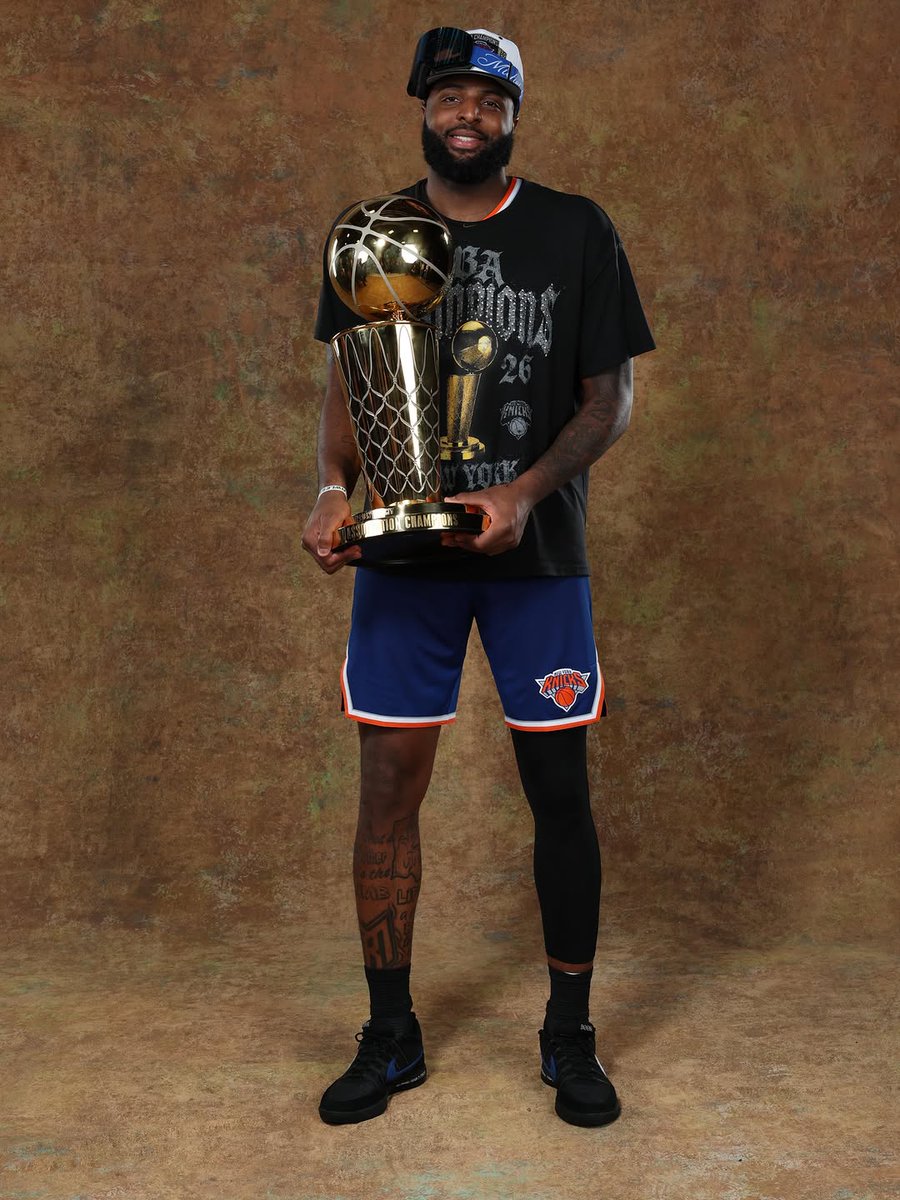
Mitchell Robinson on Instagram:
"I don’t even know where to begin the battles, the sacrifices, the mental breakdown, the disbelief in myself, the injuries, the surgeries, the mistakes and to be able to stay strong and bounce back from being in hell was all worth the ride I appreciate the fans and my friends and family for helping me get through all of that while fighting to get it done the sacrifices yall made for me throughout the years will never go unnoticed and unappreciated I can’t thank you all enough for everything y’ll got me through.
Thank You🤘🏾🤟🏾🤍."
(via mrobinson23_/IG)
80
456
6,529
122,644

Draymond says Jalen Brunson will forever own Wemby cause he couldn’t look him in the face after the loss. (@DraymondShow)
135
889
13,132
983,901
Michael Powell retweeted

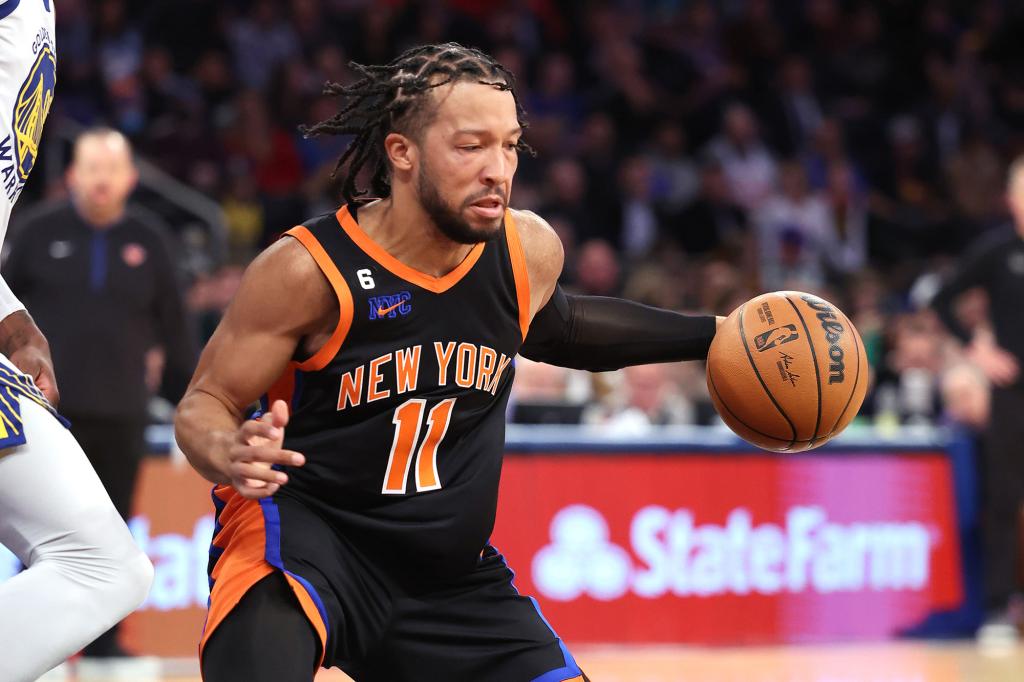
Knicks won a title and Jalen Brunson won Finals MVP immediately after it had to vacate pick for tampering for said Finals MVP. I'd say it was worth it 😂

3
6
86
26,216
Michael Powell retweeted

This rules because
A) Lost IS, in fact, a banger; and
B) This dude so clearly internalized the pressure of what he was traded for. Could see it on floor and with the press since he arrived.
Finally gets to let let loose and pull down the curtain. Earned. Real.

26
162
3,864
268,805
Michael Powell retweeted
I would expect nothing less and thanks for being you.
Jun 15

I Personally Disagree with @MikeSielski's Opinion that We Should Appreciate the Knicks Uniting New York City
crossingbroad.com/news/sixer…
1
685

Michael Powell retweeted

Jun 15
Do New Yorkers want a mayor who is like, "FIFA is crony-capitalist authoritarianism and I won't participate in its sportswashing by grabbing a few cheap tickets for New Yorkers and then sitting in my luxury box to endorse the whole thing"?
Or, who is like, "Hey, this is great fun!"
Mamdani has always known that voters want the latter. That's why during the campaign, he wasn't like, "you can save money on groceries by cooking your own whole chicken." He was like, "you can get the branded boxed & bagged junk food I'm standing in front of for cheap at our government-run grocery stores!"
Mamdani makes no sense at all but political sense. And he makes very good political sense.
8
7
90
9,039
Michael Powell retweeted

Jun 15
as Brunson said in the post-game, the Knicks just showed up to every game 30 minutes late.

Brunson was unbelievable. Part of it, though, is that the spurs somehow choked away four out of five games.
3
1
62
9,631