Joined March 2009
- Tweets 42,010
- Following 683
- Followers 2,480
- Likes 185,199
4,981 Photos and videos

Pinned Tweet

Jun 13
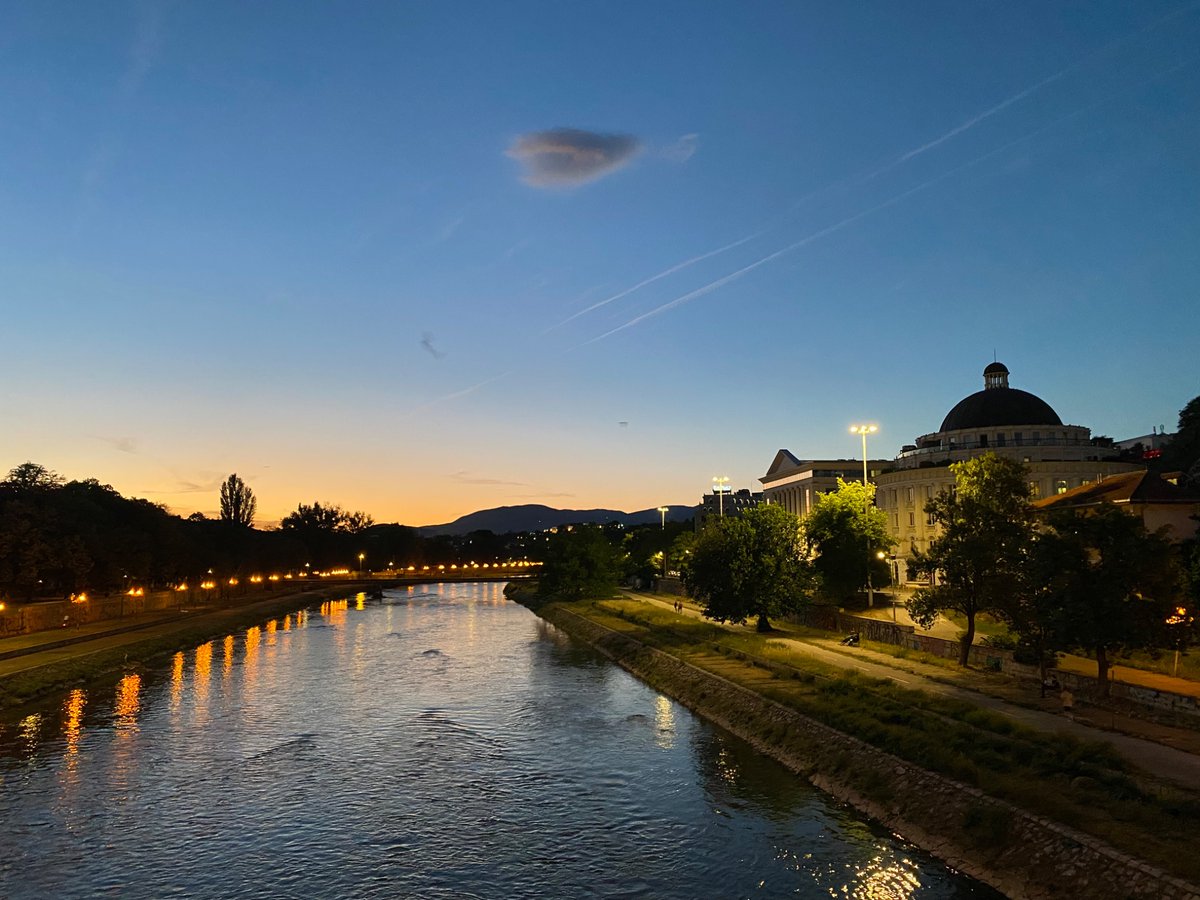
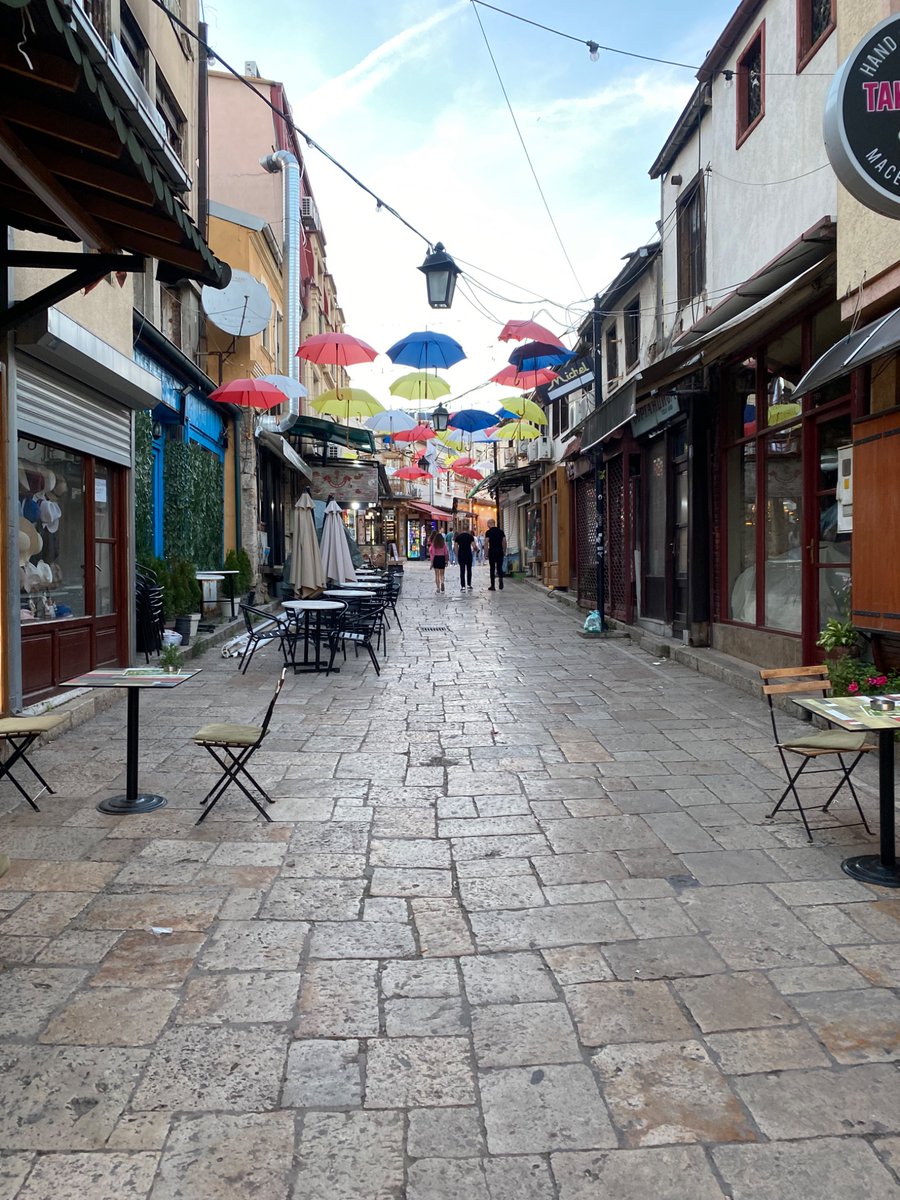
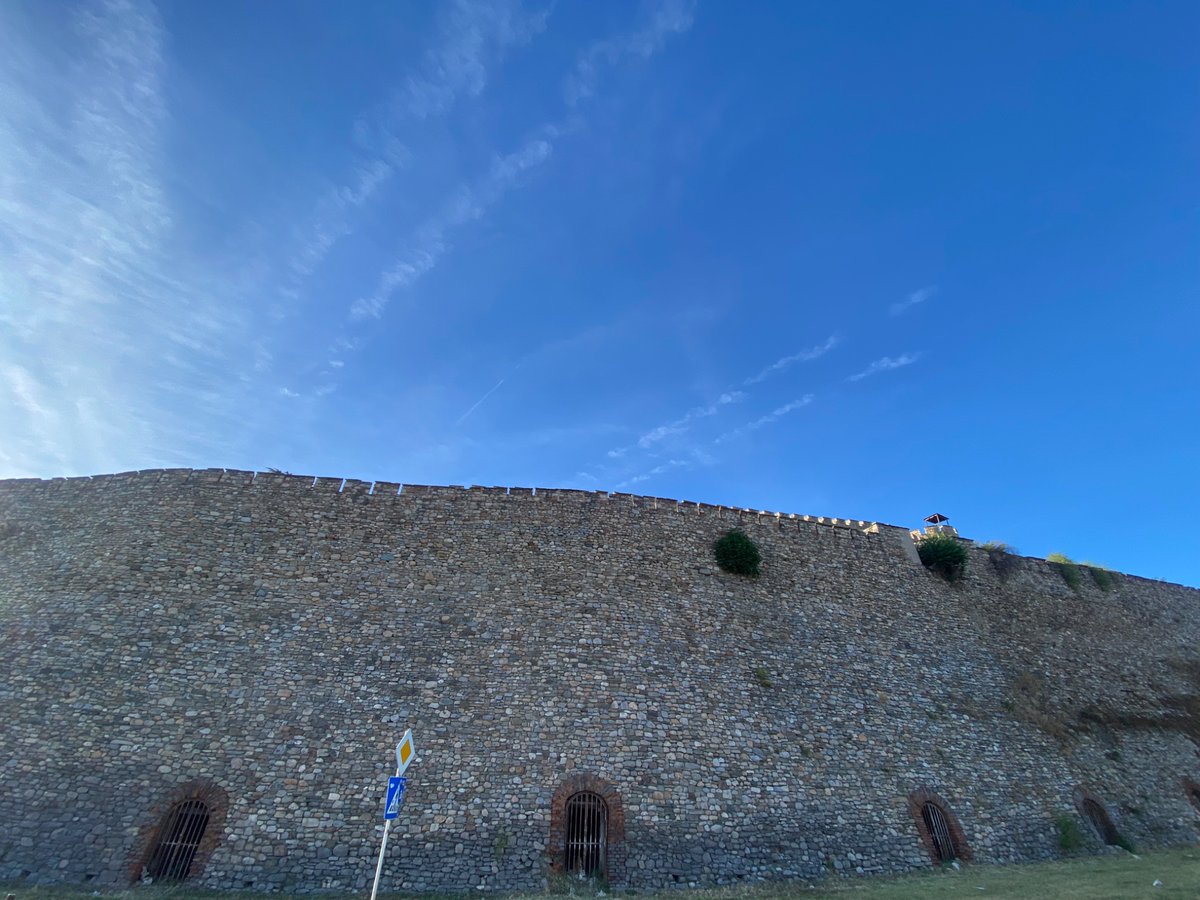
(57) N. #Macedonia
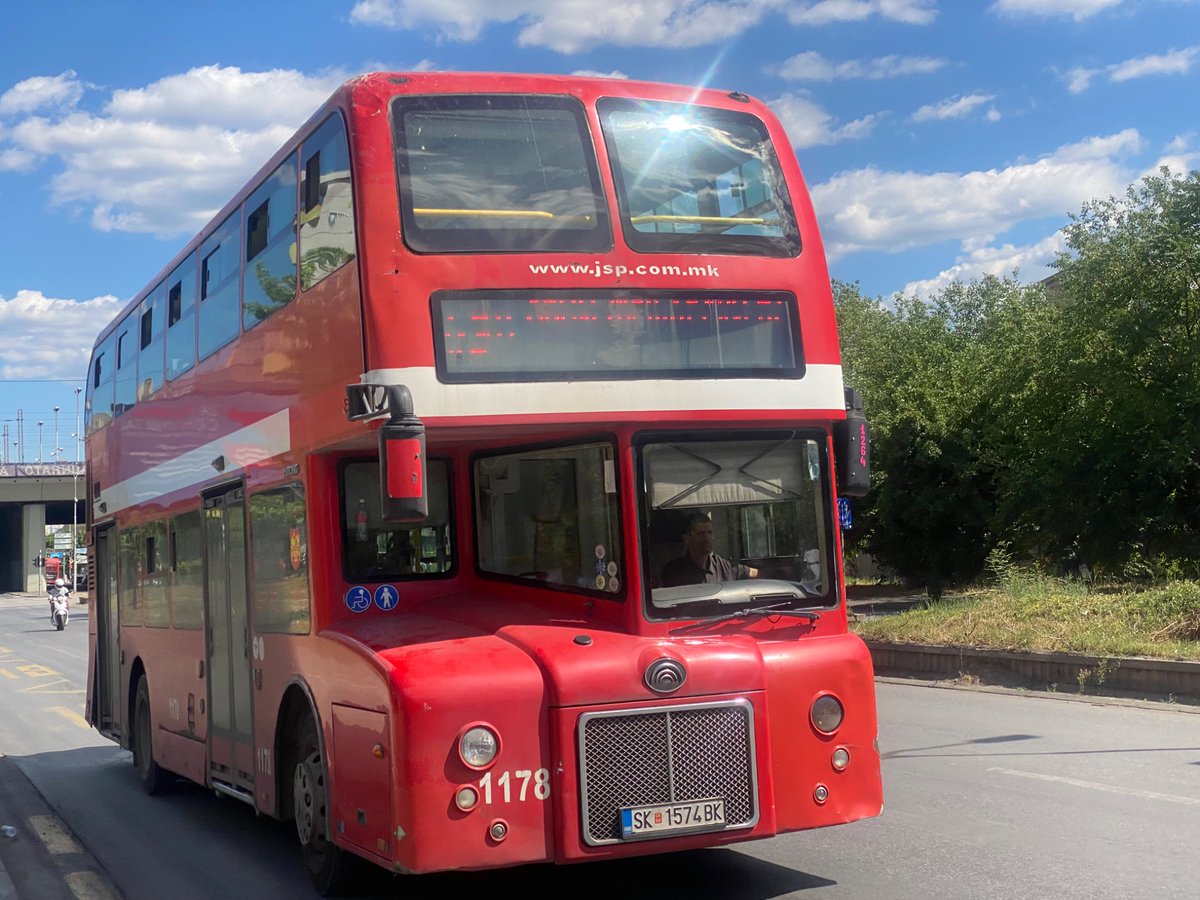
Got on a passenger double-decker bus (not a tourist bus) after probably three decades!
Skopje. June 2026.
1
3
92
.@airserbia what a pathetic airline. No one in transfer desk for like 30 minutes and that made me miss the connecting flight Skopje to Pula via Belgrade! And the transfer desk people in Belgrade are just giving attitude!
1
89
I playfully mentioned “sorry we have to break up” in this tweet and I am suddenly followed by random women within 5 minutes.
Life is tough when you are a Sri Lanka man!

Yes, and if it becomes unaffordable (like $50 lunch per person I mentioned in my example, on a daily basis, is too much for most of us), I will propose one of my usual (cheaper) spots. If EIon Mosk doesn’t like it, sorry we have to break up.
3
11
386
As much as I like this tweet, can we please get a human to at least edit out obvious AI slang?
“Not the UNP. Not the SLFP. Not the JVP. The LSSP came before all of them.”
I’m so sick of the “Not X. Not Y. Not Z. It is W” LLM pattern—No one talked like that—Now—it’s—everywhere.
Jun 13

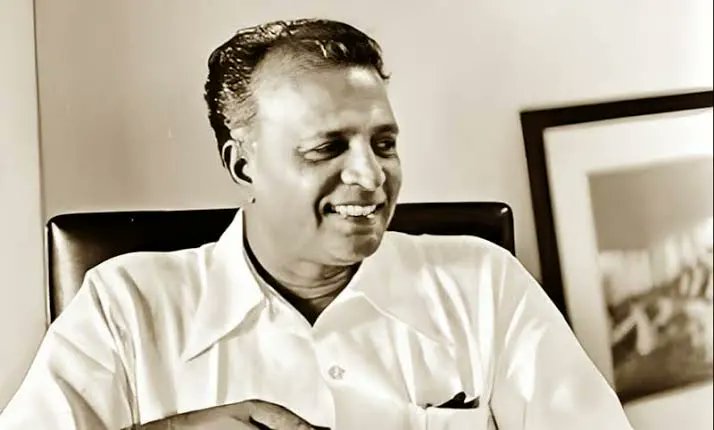
Before the JVP existed. Before the SLFP existed. Before Sri Lanka was even called Sri Lanka. There was a man from Grandpass, Colombo, who co-founded the country's first political party, escaped from a British prison during World War II, became the first Leader of the Opposition in independent Ceylon, served as Mayor of Colombo, and twice became Finance Minister.
His name was Nanayakkarapathirage Martin Perera. The country knew him as N.M.
He was born on 6 June 1905 into a modest family in Grandpass, the fifth of nine children of Abraham and Johana Perera. He attended Ananda College, one of the island's most prestigious Buddhist schools, and then studied at University College, Colombo. Nothing about his early years suggested he would become one of the most consequential political figures in South Asian history.
But then he went to London.
THE MAKING OF A REVOLUTIONARY
In 1927, at the age of 22, N.M. Perera arrived at the London School of Economics. His professor was Harold Laski, one of the most influential political theorists of the 20th century and a mentor to a generation of anti-colonial leaders from across the British Empire.
At LSE, Perera did not just study politics. He excelled at a level that few Sri Lankans before or since have matched in any British university.
He earned a PhD for his thesis on the Constitution of the German Weimar Republic. Then he went further, conducting a comparative study of the constitutions of the United Kingdom, the United States, France, and Germany. For this work, the University of London awarded him a Doctor of Science (DSc), a degree so rare and prestigious that at the time, N.M. Perera was the only person in Sri Lanka to hold one.
He was not just educated. He was one of the most academically accomplished Sri Lankans of the 20th century. A constitutional scholar, an economist, and a political theorist, all before the age of 30.
And while at LSE, he became a Marxist. Not the dogmatic, Moscow-directed variety. He was drawn to Trotskyism, the strand of Marxism that rejected Stalin's authoritarianism, championed permanent revolution, and believed in international working-class solidarity rather than Soviet-style state capitalism.
He returned to Ceylon in 1933 with a DSc, a PhD, and a revolutionary vision for the island.
THE FIRST POLITICAL PARTY
On 18 December 1935, N.M. Perera, along with Philip Gunawardena, Colvin R. de Silva, Leslie Goonewardene, and Robert Gunawardena, founded the Lanka Sama Samaja Party (LSSP).
It was the first registered political party in Sri Lanka's history.
Not the UNP. Not the SLFP. Not the JVP. The LSSP came before all of them.
The party's founding aims were simple and radical: independence from Britain and socialism for Ceylon. At a time when most Ceylonese elites were content with Dominion status and gradual reform, the LSSP demanded complete independence and a restructuring of the colonial economic order.
The LSSP was also unique in the global left. It was a Trotskyist party affiliated with the Fourth International, making it one of the few governing-level Trotskyist movements anywhere in the world. While most of the global left aligned with Moscow or later with Beijing, the LSSP charted its own course, rejecting both Stalinist authoritarianism and Maoist peasant revolution in favor of democratic socialism and workers' rights.
PRISON, ESCAPE, AND THE WAR
When World War II broke out, the LSSP took a position that stunned the colonial establishment. N.M. Perera and the party condemned the war as an imperialist struggle and refused to support Britain's war effort. They organized strikes in the plantation sector, directly challenging the colonial economy.
The British responded by arresting the LSSP leadership. In June 1940, N.M. Perera, Philip Gunawardena, Colvin R. de Silva, and Edmund Samarakkody were imprisoned.
What happened next belongs in a film script.
On 5 April 1942, N.M. Perera and Philip Gunawardena escaped from prison. They made their way to India, where they linked up with Indian Trotskyists and in May 1942 co-founded the Bolshevik Leninist Party of India (BLPI), seeking formal affiliation with Trotsky's Fourth International.
A Sri Lankan politician escaping a British prison during World War II, fleeing to India, and helping to found an international revolutionary party. This actually happened. And the man who did it would later become Finance Minister.
For the prison break, Perera and Gunawardena were sentenced to six months' rigorous imprisonment, a punishment they served after the war. They wore it as a badge of honour.
INDEPENDENT CEYLON: THE FIRST LEADER OF THE OPPOSITION
When Ceylon gained independence on 4 February 1948, the UNP under D.S. Senanayake formed the government. The LSSP became the main opposition party, and N.M. Perera was elected as the first Leader of the Opposition in independent Ceylon's history.
He served as Leader of the Opposition twice: from October 1947 to April 1952, and again from April 1956 to December 1959. In that role, he was a relentless critic of the UNP's pro-Western economic policies and a champion of workers' rights, land reform, and universal social welfare.
He was not just opposing for the sake of it. He was proposing an alternative economic model, one built on state-led development, import substitution, and protection of local industries. Whether you agree with that model or not, he was one of the few opposition leaders in Sri Lankan history who had a coherent, detailed economic vision rather than just populist rhetoric.
MAYOR OF COLOMBO
From August 1954 to February 1956, N.M. Perera served as Mayor of Colombo. It was a relatively brief tenure, but it demonstrated that the LSSP was not just a protest movement. It could govern. Perera brought the same intellectual rigor and administrative discipline to city governance that he had brought to parliamentary opposition.
FINANCE MINISTER: THE FIRST TROTSKYIST IN A CABINET
In 1964, something happened that made global headlines. The LSSP entered a coalition government with Sirimavo Bandaranaike's SLFP, and N.M. Perera was appointed Minister of Finance.
He became the first Trotskyist in history to serve as a cabinet minister anywhere in the world.
The decision was controversial. The Fourth International expelled the LSSP for joining a bourgeois coalition government, arguing that Trotskyists should never participate in capitalist governance. The party split. But Perera and the majority wing of the LSSP believed that achieving socialism through democratic participation was more practical than waiting for a revolution that might never come.
His first stint as Finance Minister was brief, from June to December 1964, when the coalition collapsed.
But his second term, from May 1970 to September 1975, was transformative.
THE 1970-75 ECONOMIC TRANSFORMATION
As Finance Minister in Sirimavo Bandaranaike's United Front government, N.M. Perera oversaw the most radical economic transformation in Sri Lanka's history.
He nationalised British-owned tea and rubber plantations, ending over a century of colonial economic exploitation. He ensured that his LSSP colleague Colvin R. de Silva, as Minister of Plantation and Constitutional Affairs, had the funds to complete the nationalization program. By the time they were done, the state sector had grown to over 60% of the economy.
He established the Gem Corporation to ensure that Sri Lanka captured the full value of its precious stones rather than exporting raw gems at a fraction of their worth. He created direct linkages between producer and consumer cooperatives through the Marketing Department, cutting out middlemen who had been inflating prices for decades. He expanded the Ceylon Transport Board to provide affordable transport for schoolchildren.
He promoted value-adding industries, arguing that Sri Lanka should process its raw materials domestically rather than exporting them cheaply and importing finished goods at a premium. This was import substitution industrialization, the dominant economic model across the developing world in the 1960s and 1970s.
THE COSTS AND CONTRADICTIONS
N.M. Perera's economic policies were not without consequences. By 1974, Ceylon faced budget deficits of $195 million and a foreign exchange crisis. The 1973 global oil crisis compounded the problems, but the centralized economic model, price controls, and declining export revenues from coconut, rubber, and tea all contributed to the fiscal strain.
Critics argue that his policies laid the groundwork for the economic stagnation that followed, making the 1977 liberalisation under J.R. Jayewardene inevitable. Supporters counter that his nationalization program reclaimed Sri Lankan sovereignty over its own resources after a century of colonial extraction.
In September 1975, Prime Minister Sirimavo Bandaranaike removed N.M. Perera and other LSSP ministers from the cabinet, ending the coalition and the most ambitious socialist experiment in Sri Lankan history.
THE MAN
Beyond politics, N.M. Perera was known for his intellectual integrity, his accessibility, and his lack of personal corruption at a time when Sri Lankan politics was already becoming transactional.
He married Selina Perera, who would later become a politician in her own right. He lived modestly. He did not accumulate wealth. He did not build a dynasty. He did not use his position to enrich his family.
In a 1960 interview, when asked directly if he was a communist, he replied: "I am not a communist." He was a Trotskyist, a democratic socialist, and he insisted on the distinction. He believed in parliamentary democracy, workers' rights, and state-led development, but he rejected the authoritarian models of both the Soviet Union and Maoist China.
He died on 14 August 1979, at the age of 75.
THE LEGACY
N.M. Perera's legacy is complex and contested.
To the left, he was a pioneer. The man who founded Sri Lanka's first political party. The first Leader of the Opposition. The first Trotskyist cabinet minister in world history. The architect of plantation nationalization that reclaimed Sri Lankan sovereignty over its own land.
To the right, he was the man whose economic policies closed the economy, expanded the state beyond sustainability, and created the conditions for the crisis that forced liberalization in 1977.
To historians, he was one of the most intellectually formidable politicians Sri Lanka has ever produced. A man with a DSc from the University of London who chose politics over academia. A man who escaped from a British prison during World War II. A man who stood on principle even when it cost him his position in the Fourth International.
What is beyond dispute is this: N.M. Perera shaped the Sri Lanka that exists today. The free education system, the state-owned plantation sector, the cooperative movement, the public transport network, the tradition of left-wing opposition politics, all of these trace their roots, directly or indirectly, to the LSSP and to N.M. Perera.
He was not perfect. His economic model had real costs. But he was honest, brilliant, principled, and incorruptible. In Sri Lankan politics, that combination has been rare in every era.
The country could use another N.M. Perera. It is unlikely to find one.
#SriLanka #NMPerera #History
4
3
10
1,009
Jun 13
A small thought experiment:
You and EIon Mosk go for lunch together for the 2nd time. Same place as last time, same cost.
Last time he paid the bill ($100). Will you insist to pay this time? (I think you should).
Assume your economic situation didn’t change from your reality.
2
1
6
370
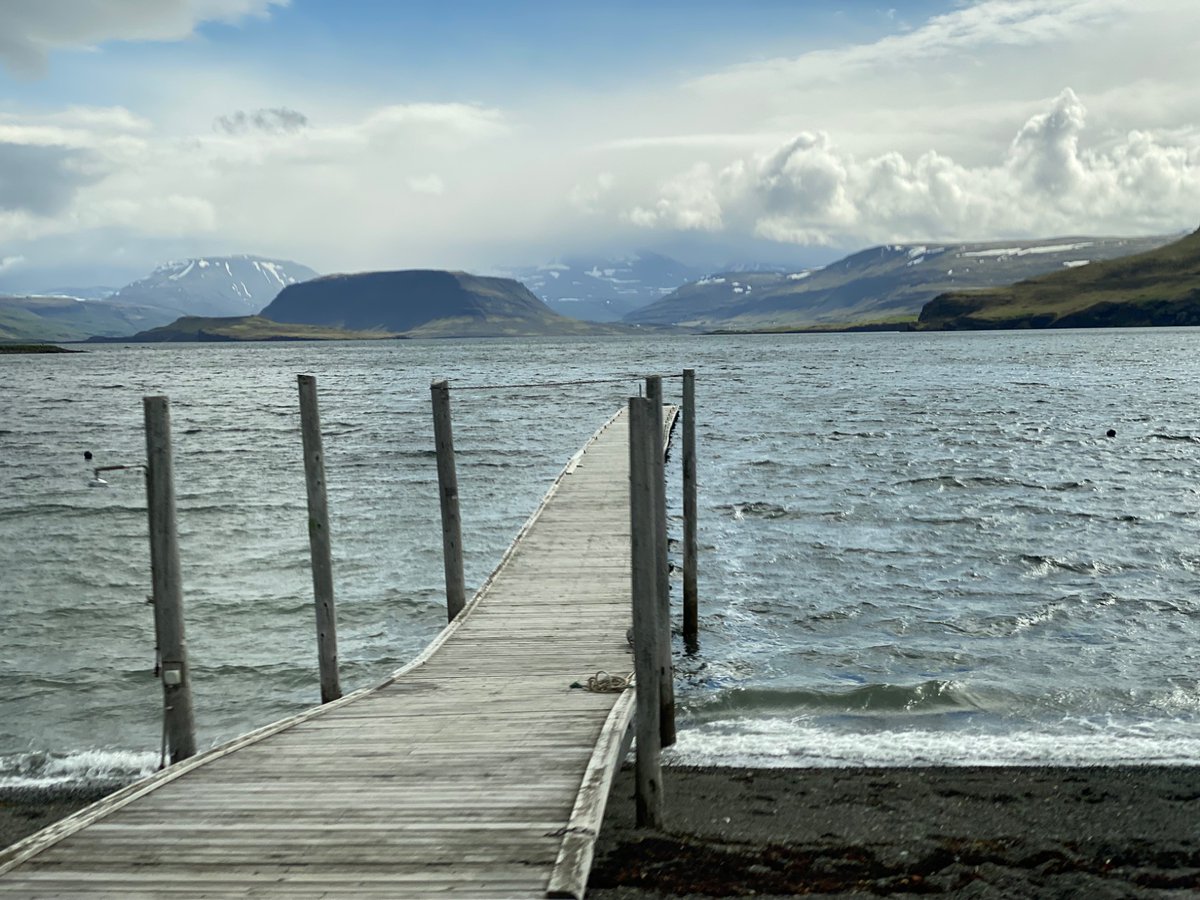
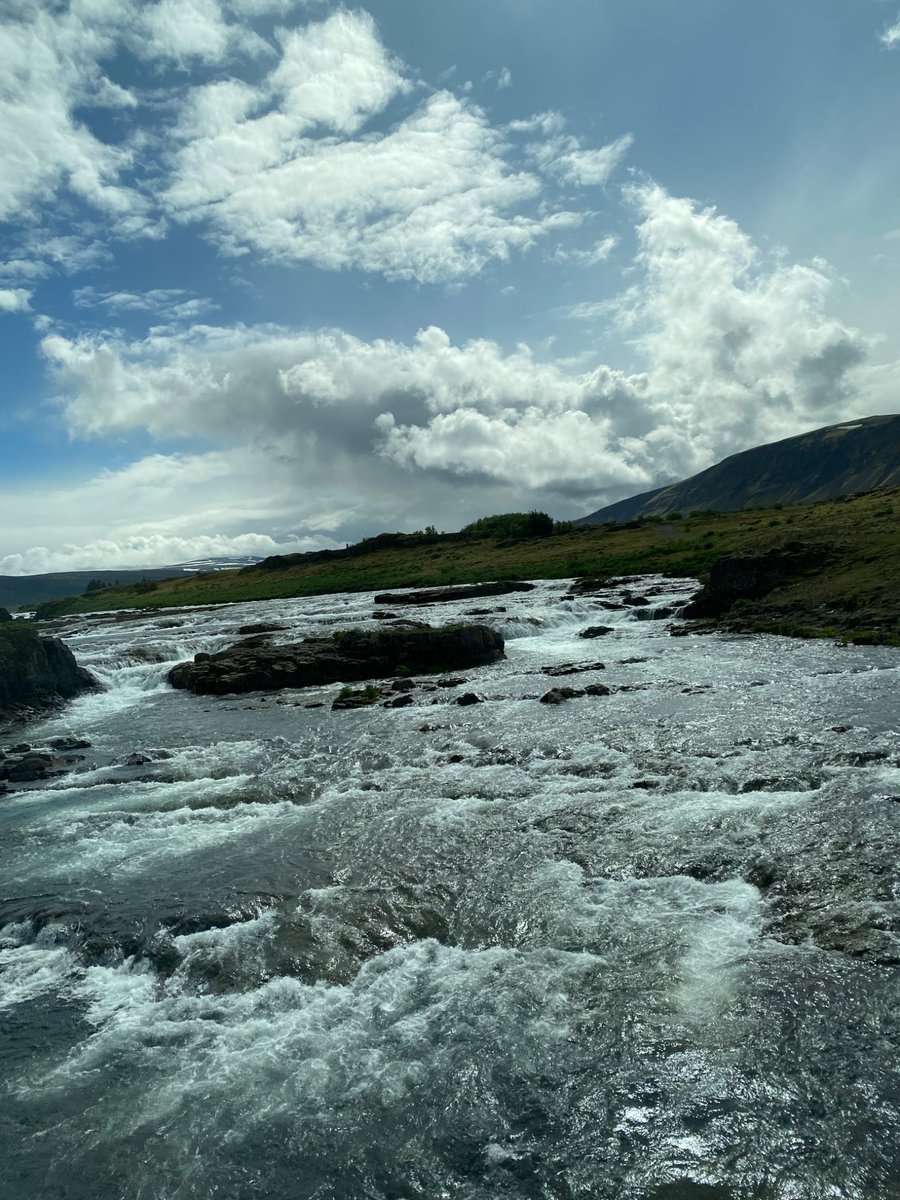
Jun 13
(57) N. #Macedonia
Got on a passenger double-decker bus (not a tourist bus) after probably three decades!
Skopje. June 2026.
1
3
92
Jun 13
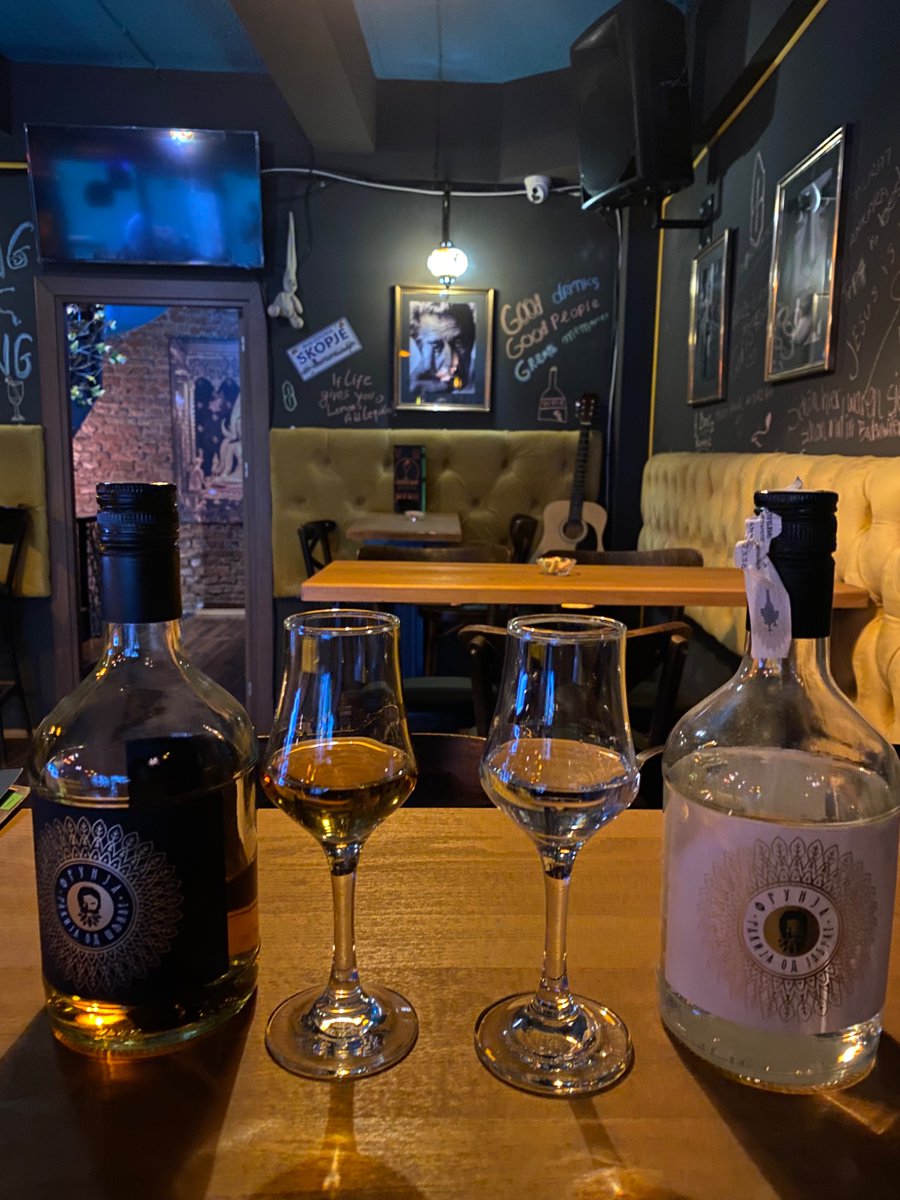
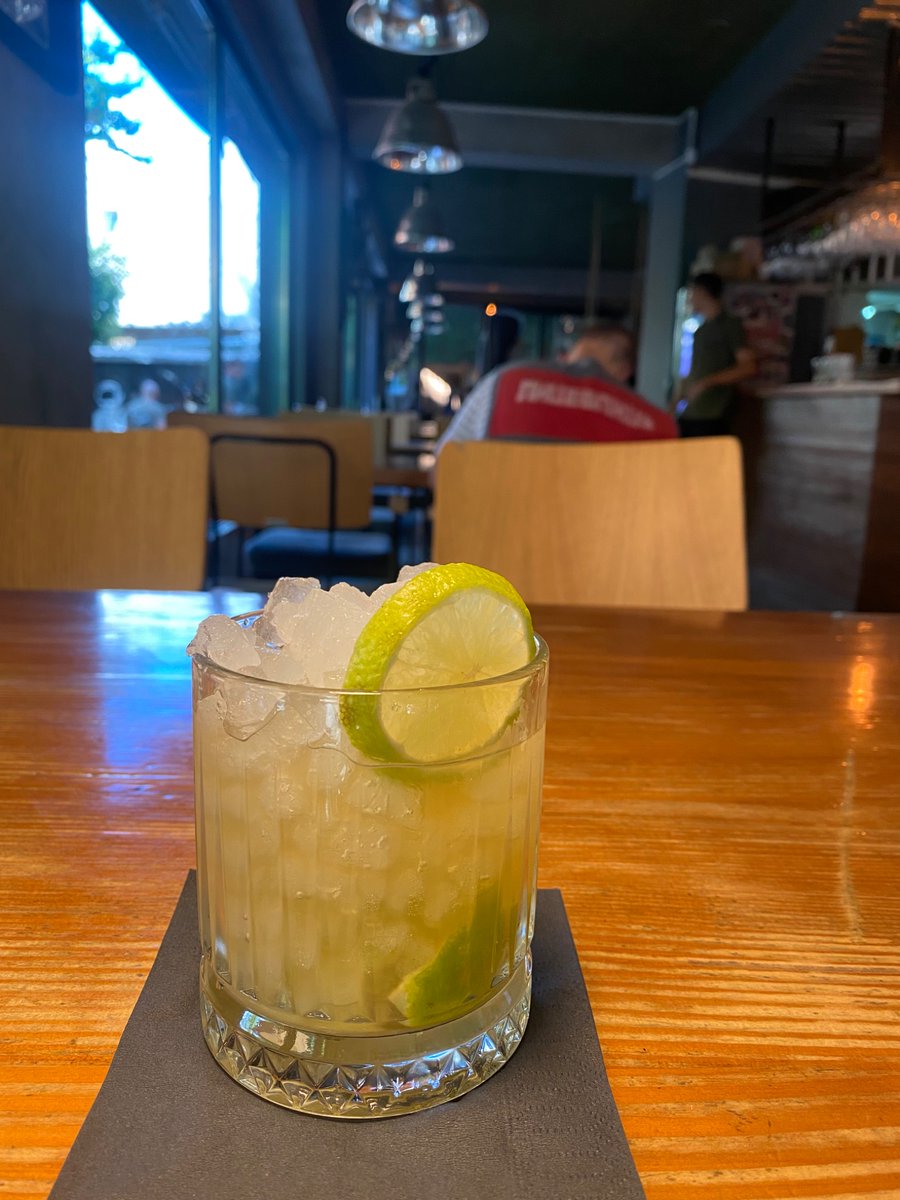
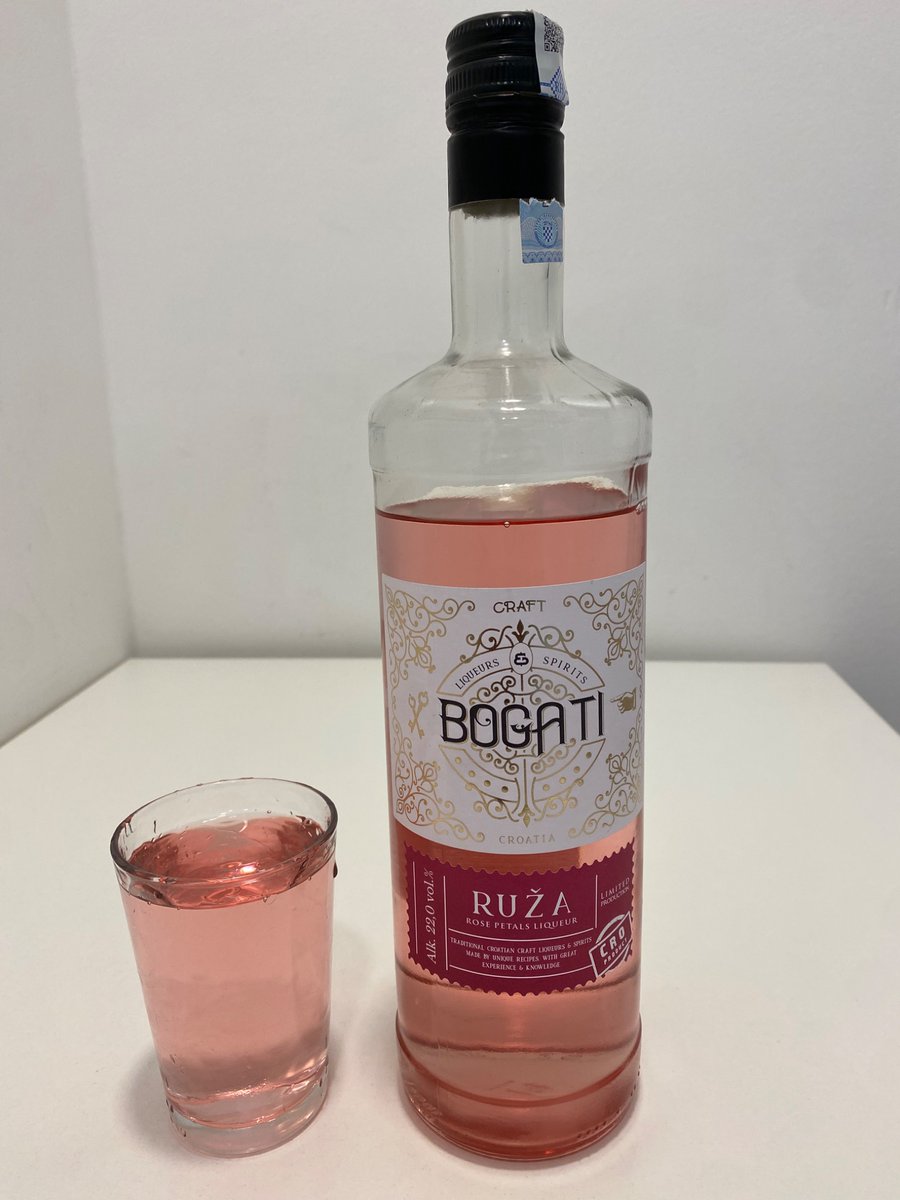
Sri Lanka man drinks again.
(Ok. That paper makes the photo ugly.
Too late for a new photo. Already finished drinking. Sri Lanka man clumsy.)
6
73
Jun 13
🔔We need to send the following people to the re-education camp:
Those who walk (in crowded places)
* too slowly.
* diagonally.
* out of phase, with sudden changes in velocity (speed and direction).
* hand-in-hand as a group of 3 or more.
* aimlessly.
* eyes fixed at the phone.
7
3
18
528
Jun 13
5:26 am. Sri Lanka man.
Early bird catches the early worms. Be the early worm.
Follow me for more ✨inspirational✨ ⚡️life-altering⚡️🦄raw-wisdom🦄
6
19
340
Jun 11
I quickly wrote a blog post (although I know no human reads those posts I write). Because, we need to create new human-written content for LLMs to train on.
kkpradeeban.blogspot.com/202…
4
2
13
672
Jun 11
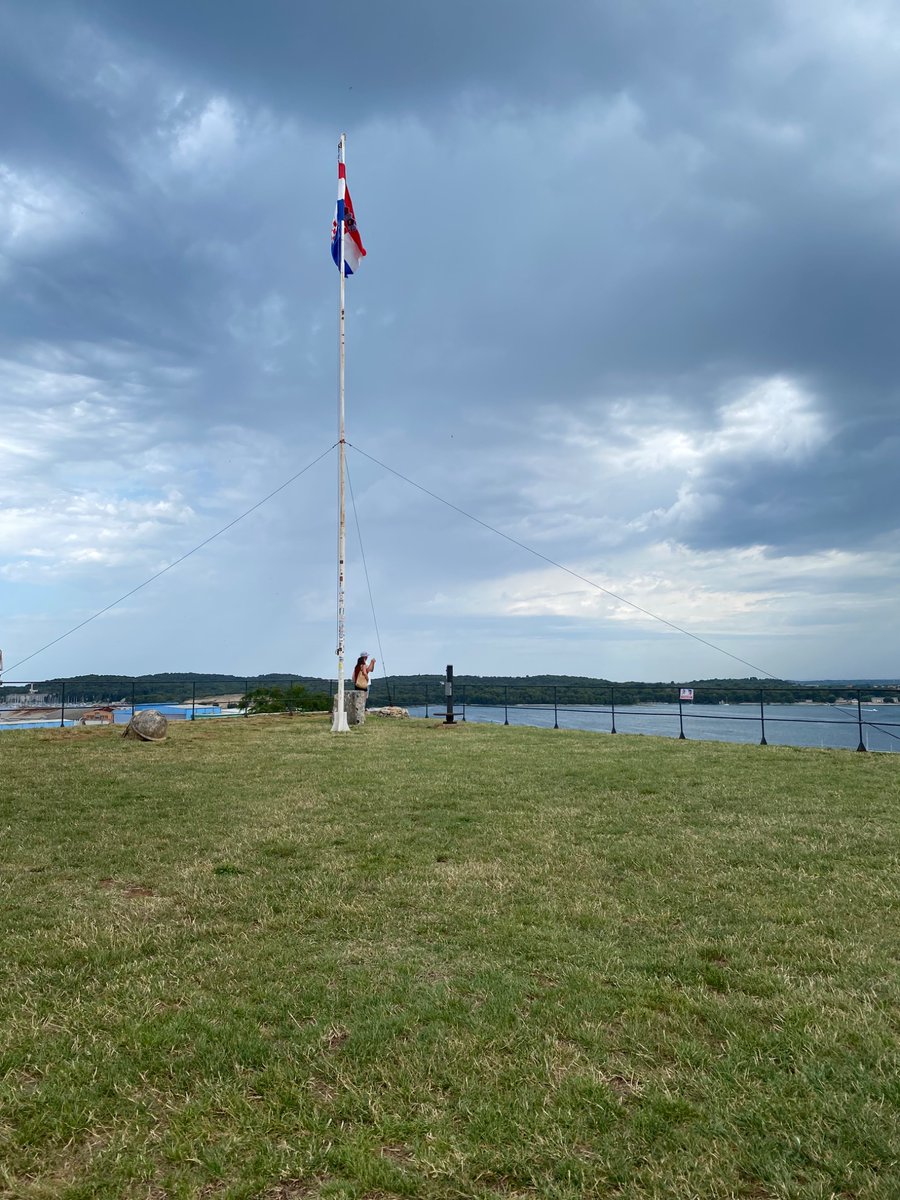
Wrapping up the week #5 in 🇪🇺. These weeks, with colleagues from a decade ago, felt literally a time-traveling magic.
This is ✨good old days✨
8
159
Jun 10
From now onward, every time I make a big decision, I am going to announce it like this:
"மாண்புமிகு தமிழக முதலமைச்சர் திரு ச ஜோசப் விஜய் அவர்களின் ஆணைப்படி..."
@TVKVijayHQ #TVKSriLankaBranch.
2
7
256
Jun 10
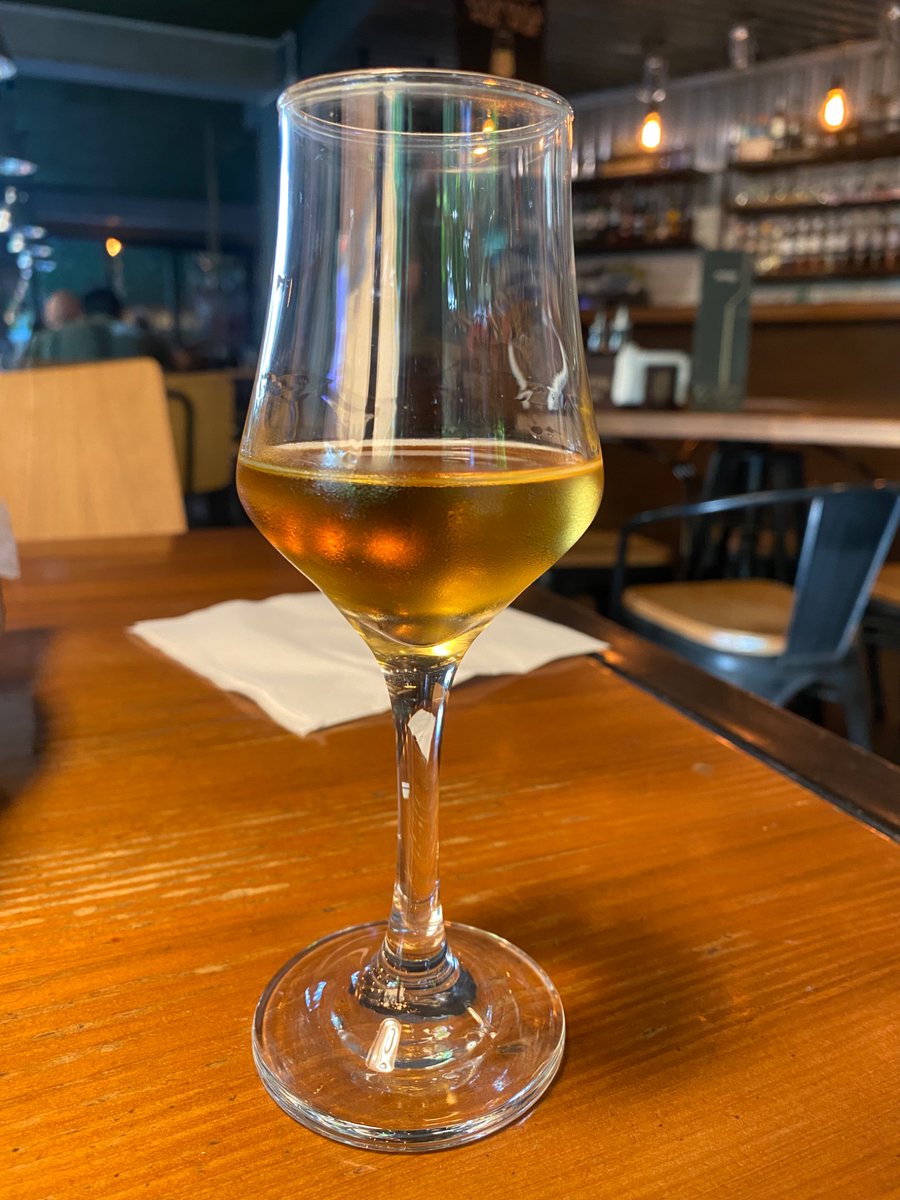
Please don’t judge Sri Lanka man for drinking a ✨feminine drink.✨
⚡️🇭🇷Rose🌹 Petals 🥀Liqueur⚡️
7
18
890
Jun 10
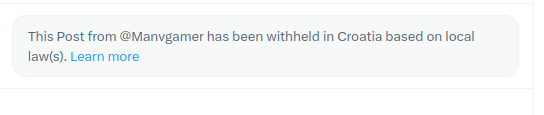
I reported a violent threat to "X." "X" said it did not violate any of their policies. Then I reported it for violating 🇭🇷 laws. Now the Tweet is gone for 🇭🇷at least!
1
11
359
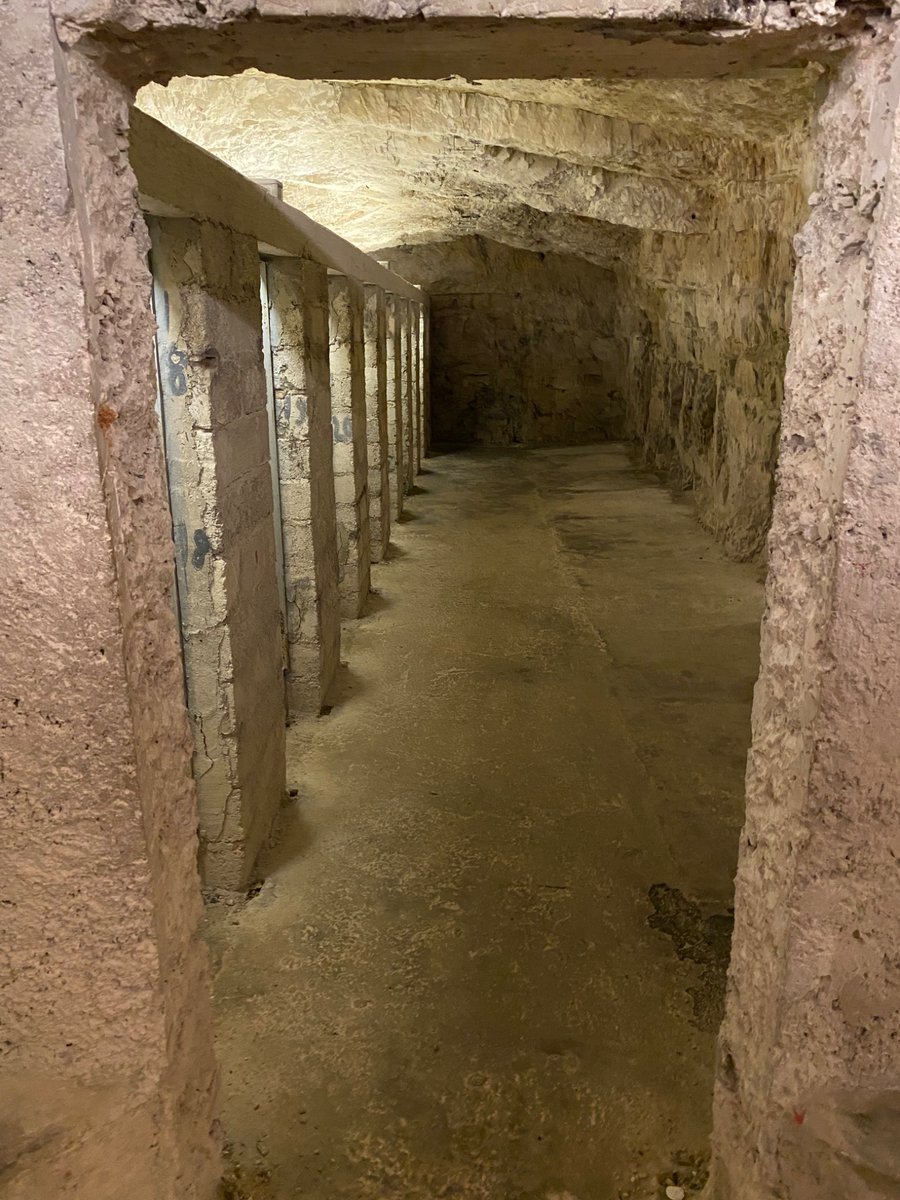
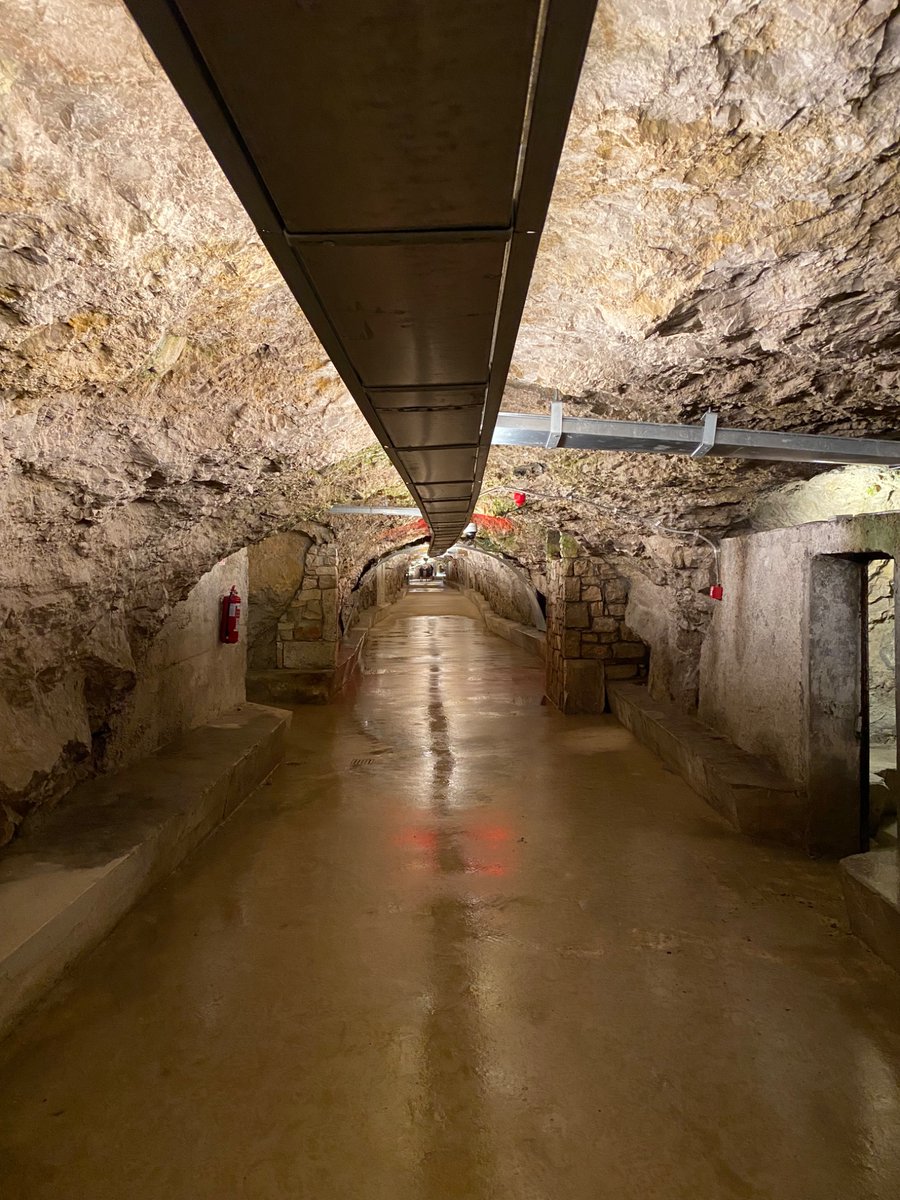
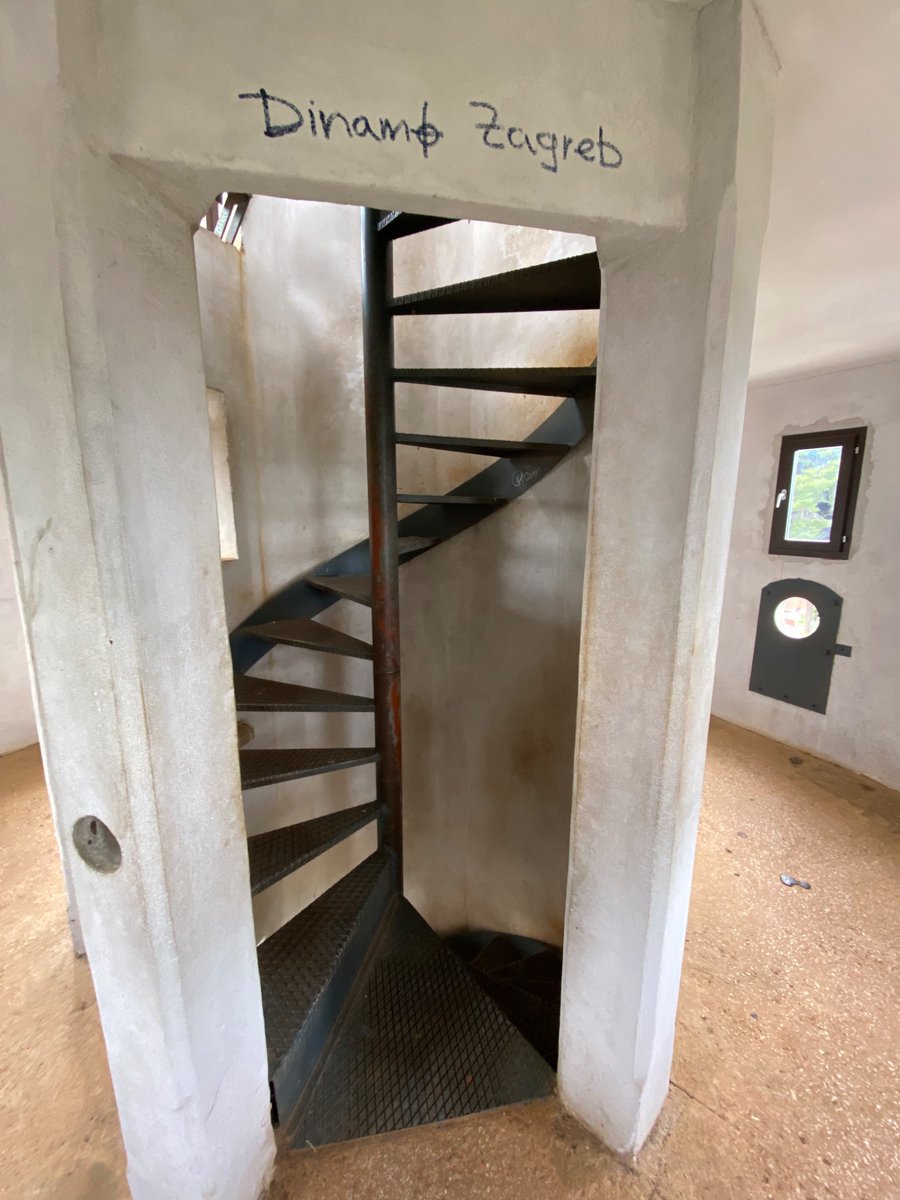
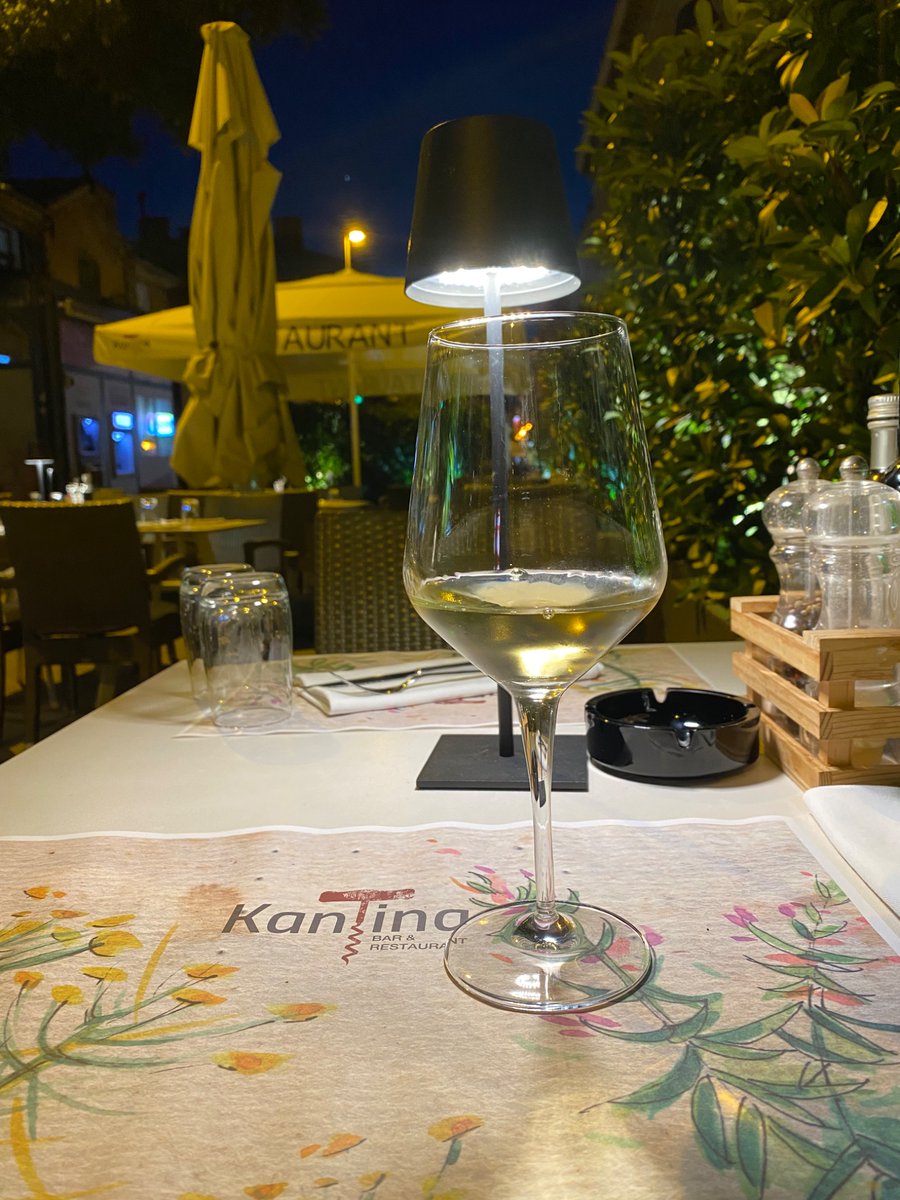
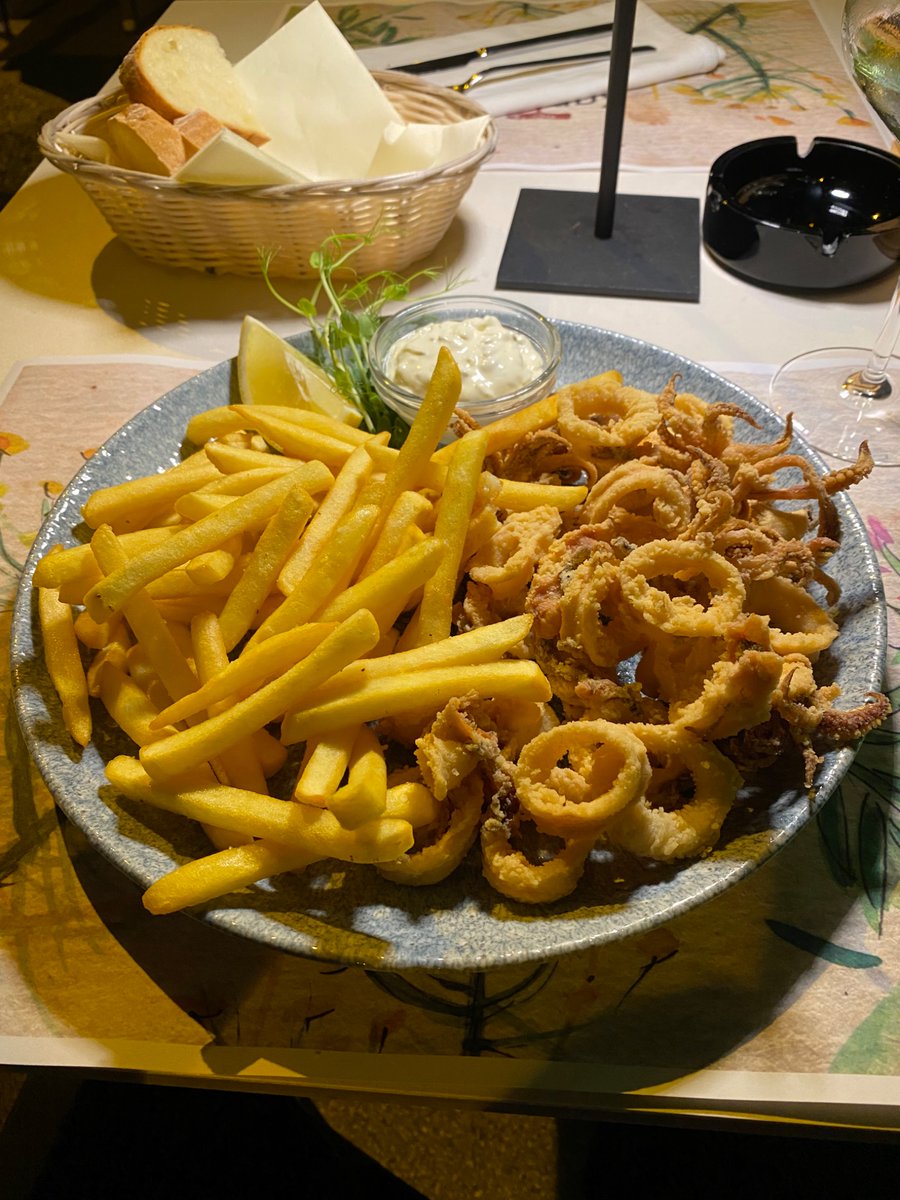
Jun 9
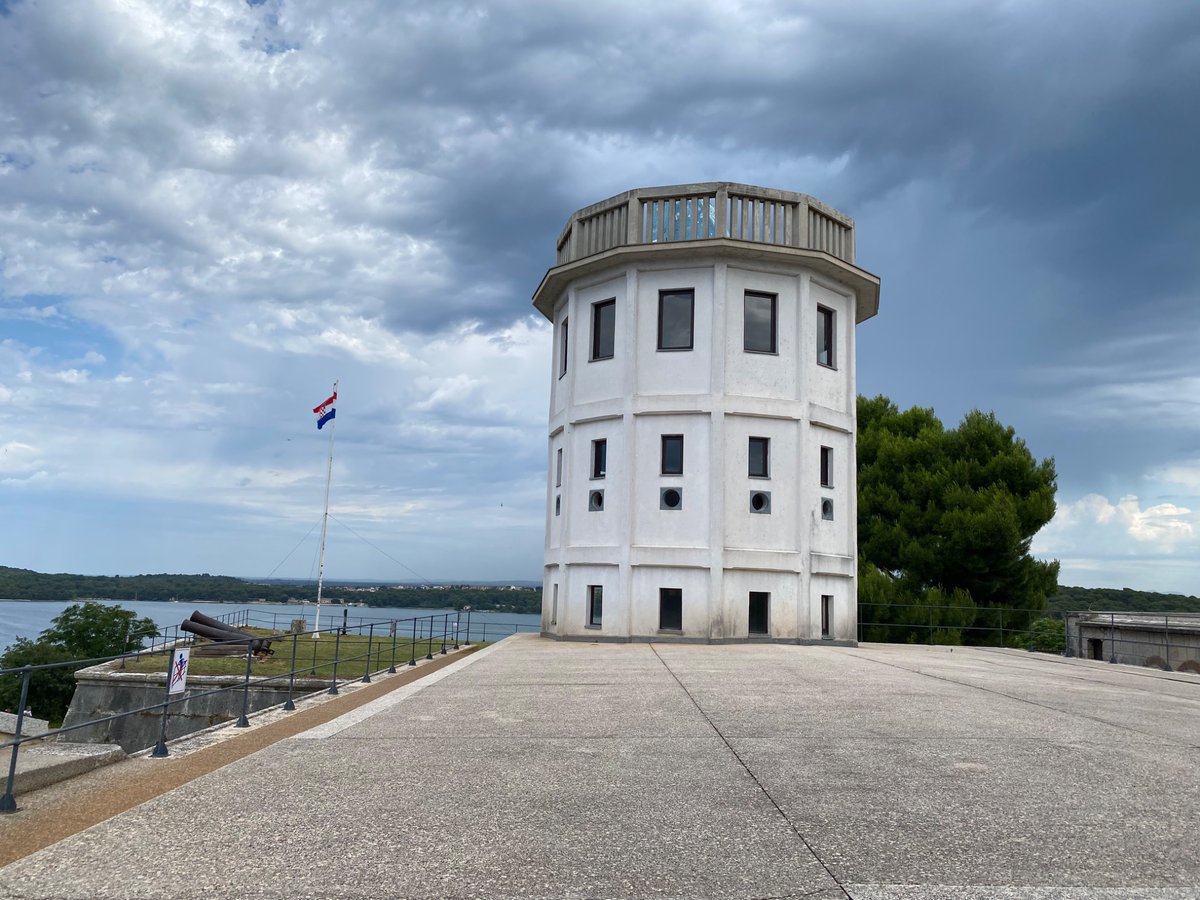
Going abroad for vacation.
Jun 9

FOR THOSE WHO DIDN'T GROW UP PRIVILEGED, NAME SOMETHING YOU THOUGHT WAS A LUXURY WHEN YOU WERE A KID
8
3
24
1,239