Ensuring that preclinical research is reproducible, robust and translatable to support disease research utility for clinical research & development (R&D).
Joined September 2020
- Tweets 207
- Following 66
- Followers 58
- Likes 15
46 Photos and videos







14 May 2024
It's the last day to submit your research for a chance to win the 2024 Best Negative Data Prize in Preclinical Neuroscience. Submit your publication today:
preclinicaldataforum.org/neg…
#openscience #preclinical #neuroscience @cohenbioscience @ECNPtweets
4
6
649
Submissions for the 2024 Best Negative Data Prize in Preclinical Neuroscience have been extended to May 14, 2024. Submit your publication today: preclinicaldataforum.org/neg… @cohenbioscience @ECNPtweets
25
16 Apr 2024
Congrats @cohenbioscience for receiving an honorable mention in the NINDS Rigor Champions Prize for founding GPDF's Best Negative Data Prize in Preclinical Neuroscience initiative which rewards researchers who published rigorously obtained null results: lnkd.in/eyMQMzGy
28
Announcing the 2024 Best Negative Data Prize in Preclinical Neuroscience. Learn more and submit your work:
preclinicaldataforum.org/neg…
#preclinicalresearch #openscience @cohenbioscience @ECNPtweets
1
2
259
21 Mar 2024
This insightful commentary by Carsten Könneker explores strategies for effective and trustworthy science communication. wissenschaftskommunikation.d… @scifunkel
11
18 Mar 2024
Open science practices, particularly the sharing of data, have been touted as essential to the success of the research that brought lifesaving vaccines during the COVID-19 pandemic. A one-time phenomenon or a shift in scientific culture? policylabs.frontiersin.org/c… @FrontPolicyLabs
17
15 Mar 2024
We launched a free training video series to help preclinical researchers navigate the NIH’s 2015 policy on incorporating sex as a biological variable into research.
preclinicaldataforum.org/add…
#preclinicalresearch #openscience
67
14 Mar 2024
Check out a recent paper showcasing @NIH's efforts and initiatives to foster a scientific environment centered on rigor and transparency. Read more: eneuro.org/content/10/8/ENEU… #ScienceRigor @SfNtweets
1
1
99
11 Mar 2024
How do scientists combat mistrust in science? A new commentary by Carsten Könneker (@scifunkel) examines how science and research can be communicated credibly. wissenschaftskommunikation.d…
8
The GPDF engages the committed community of preclinical scientists from academia and industry and maintains a community forum that enables the exchange, development and dissemination of best preclinical research practices. Learn more about joining: preclinicaldataforum.org/mem…
21
The GPDF provides a platform for communication & training relating to modern issues in preclinical research with the goal of enhancing data utility for translational and clinical research & development (R&D). We recently updated our mission and objectives: preclinicaldataforum.org/abo…
1
103
29 Feb 2024
Open science, including extensive data sharing, was crucial in developing life-saving COVID-19 vaccines. But is this a temporary trend or a lasting change in scientific culture? Read more: policylabs.frontiersin.org/c… #openscience #sciencedata @FrontPolicyLabs
1
1
169
26 Feb 2024
A recent paper highlights some of @NIH's activities and programs over the years to promote a scientific ecosystem focused on rigor and transparency. Read more: eneuro.org/content/10/8/ENEU… #science #research @SfNtweets
2
2
121
24 Feb 2024
Most drugs fail to transition from preclinical research to human patients. A @sciencemagazine article reveals results from a multi-lab, standardized, randomized, and blinded preclinical trial testing 6 stroke treatment candidates. science.org/doi/10.1126/scit… #preclinicalresearch
18
A recent article discusses three areas that preclinical TBI researchers should focus on to better align preclinical research with clinical TBI management, maximizing opportunities for translation. pubmed.ncbi.nlm.nih.gov/3752…
#preclinicalresearch #TBI
20
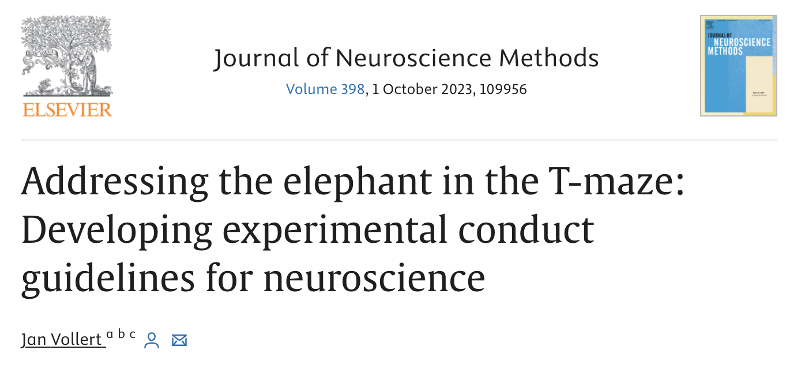
We’re excited about this new article from @goeqipd in the Journal of Neuroscience Methods discussing the process for developing the EQIPD framework to increase rigour in animal experiments. sciencedirect.com/science/ar…
#openscience #preclinicalresearch
1
2
62
25 Oct 2023
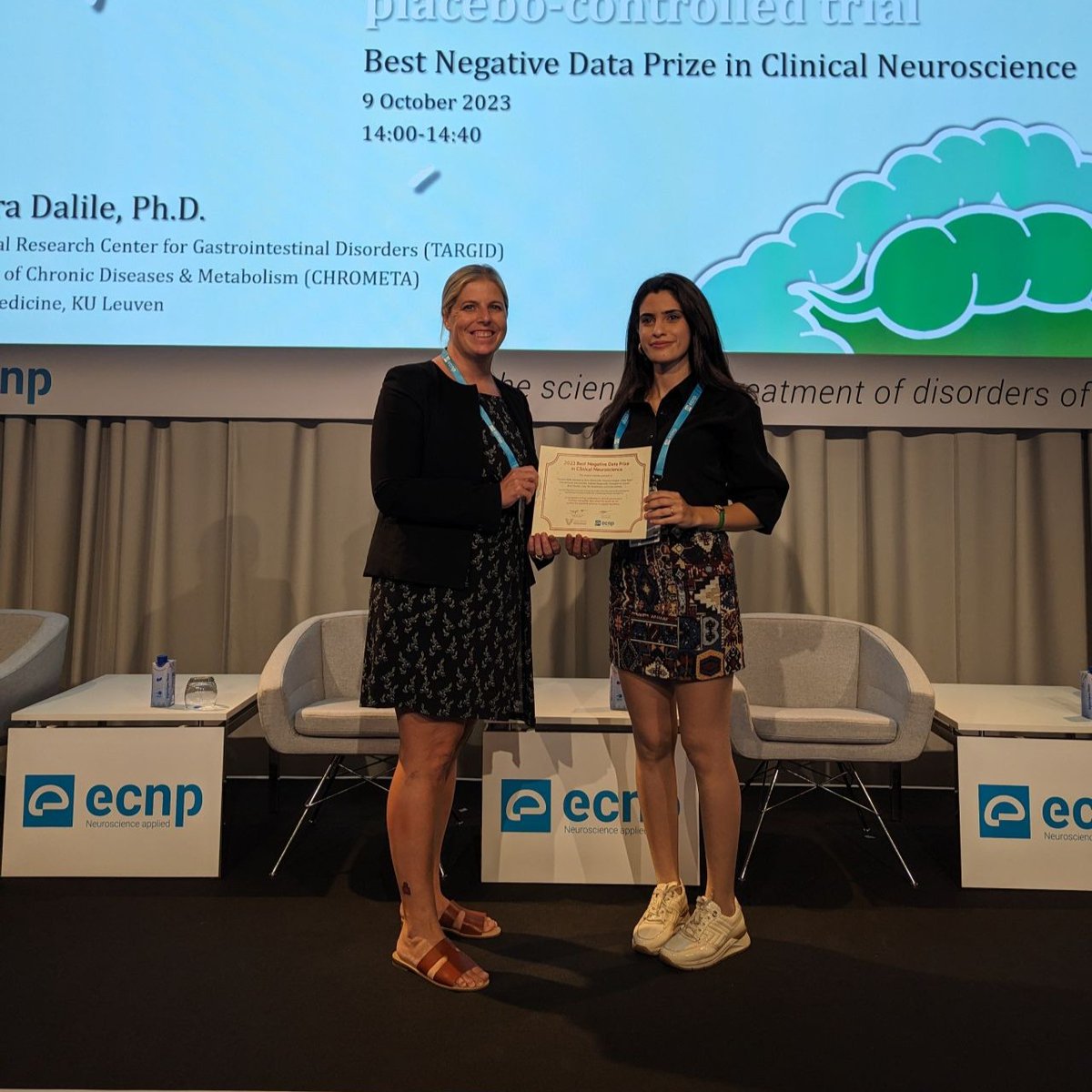
Congratulations to the winner of the 2023 Best Negative Data Prize in Clinical Neuroscience, Boushra Dalile et al. This prize is an extension of the same award for preclinical neuroscience from the GPDF. Learn more about the paper here: lnkd.in/gqZ5vt4P #neuroscience
1
26
11 Aug 2023
The importance of incorporating practices that promote more open, reproducible science is well-recognized. A new preprint outlines 11 strategies for making reproducible research osf.io/kcvra/
#openscience
1
38
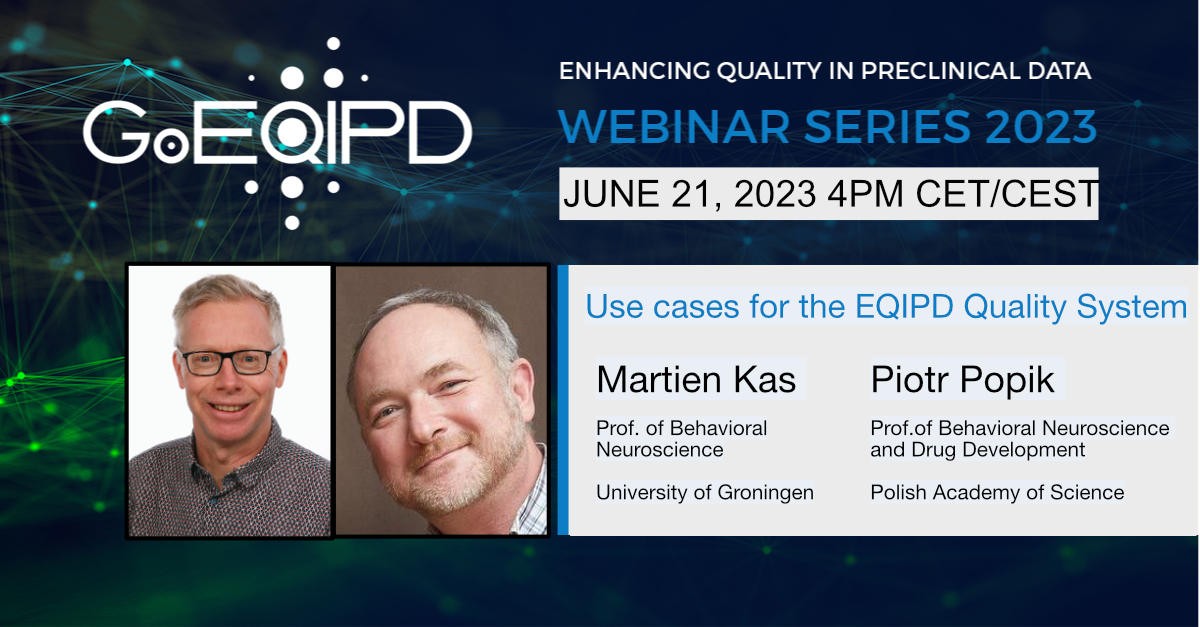
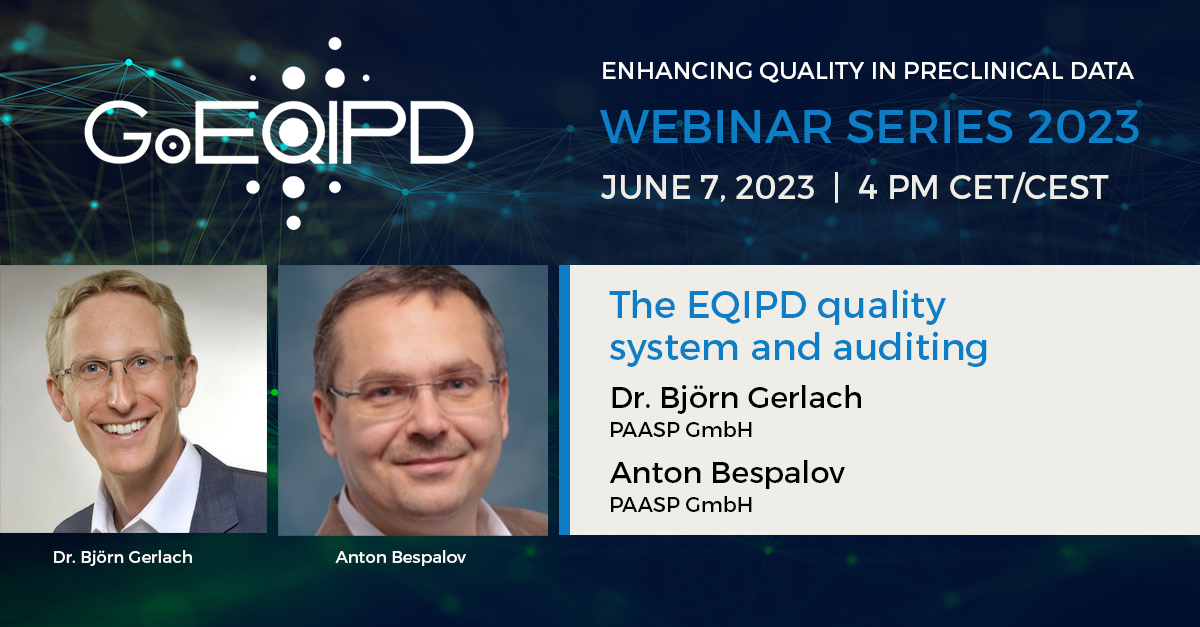
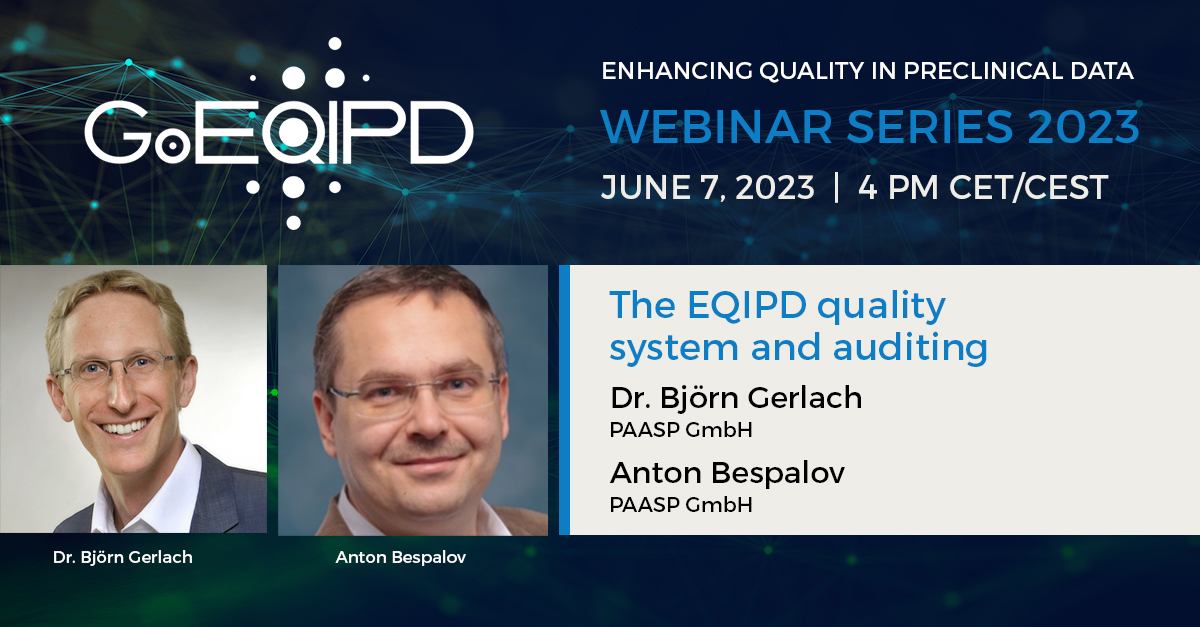
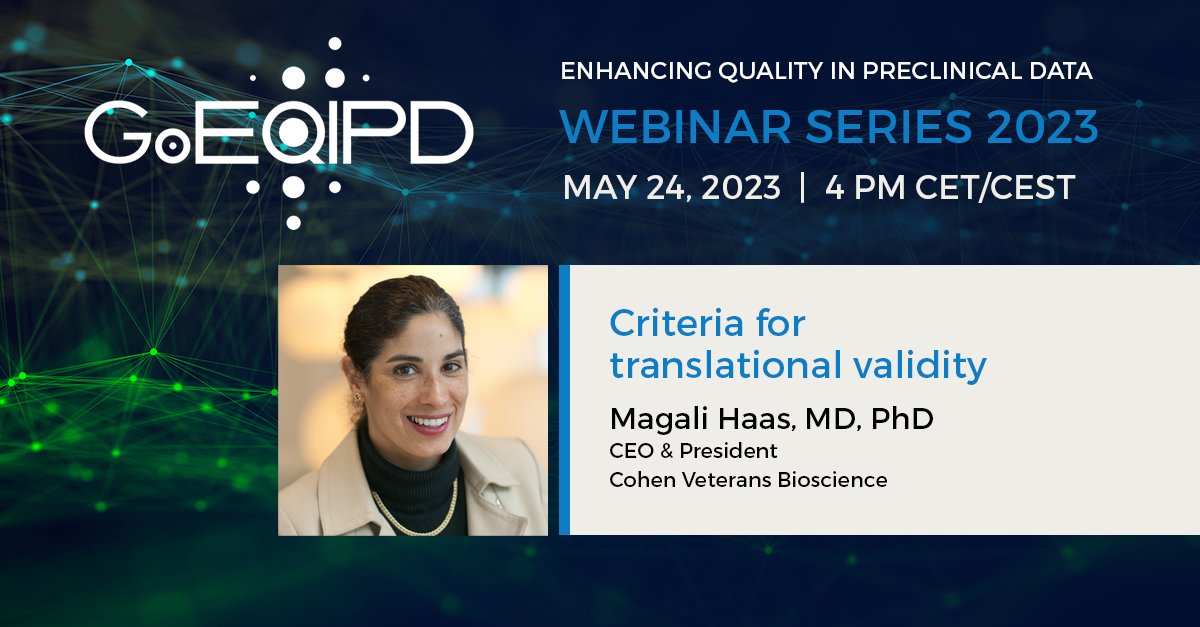
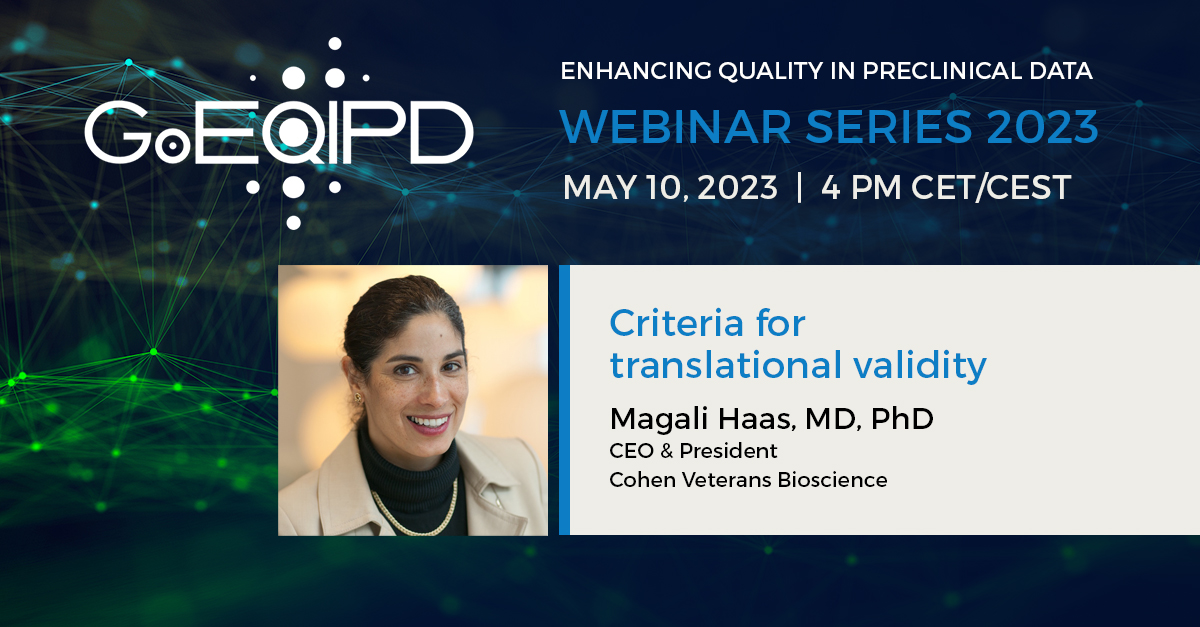
EQIPD has a new series of webinars with experts discussing how to enhance the quality of preclinical data. Click here to watch the replays: go-eqipd.org/about-eqipd/web…
#preclinicalresearch #webinar
15
To ensure scientific protocols are reproducible, a new preprint describes draft recommendations, called PRO-MaP, that aim to improve methodological clarity in the life sciences. osf.io/x85gh/
#research #lifesciences #science
2
3
383