
Marketing Leader driving 10X Growth, Angel Investor, Podcaster, Board member. Interests- singing, meditating, volunteering
Joined February 2009
- Tweets 1,084
- Following 1,205
- Followers 899
- Likes 1,033
195 Photos and videos




Preethy Padmanabhan retweeted

Jun 13
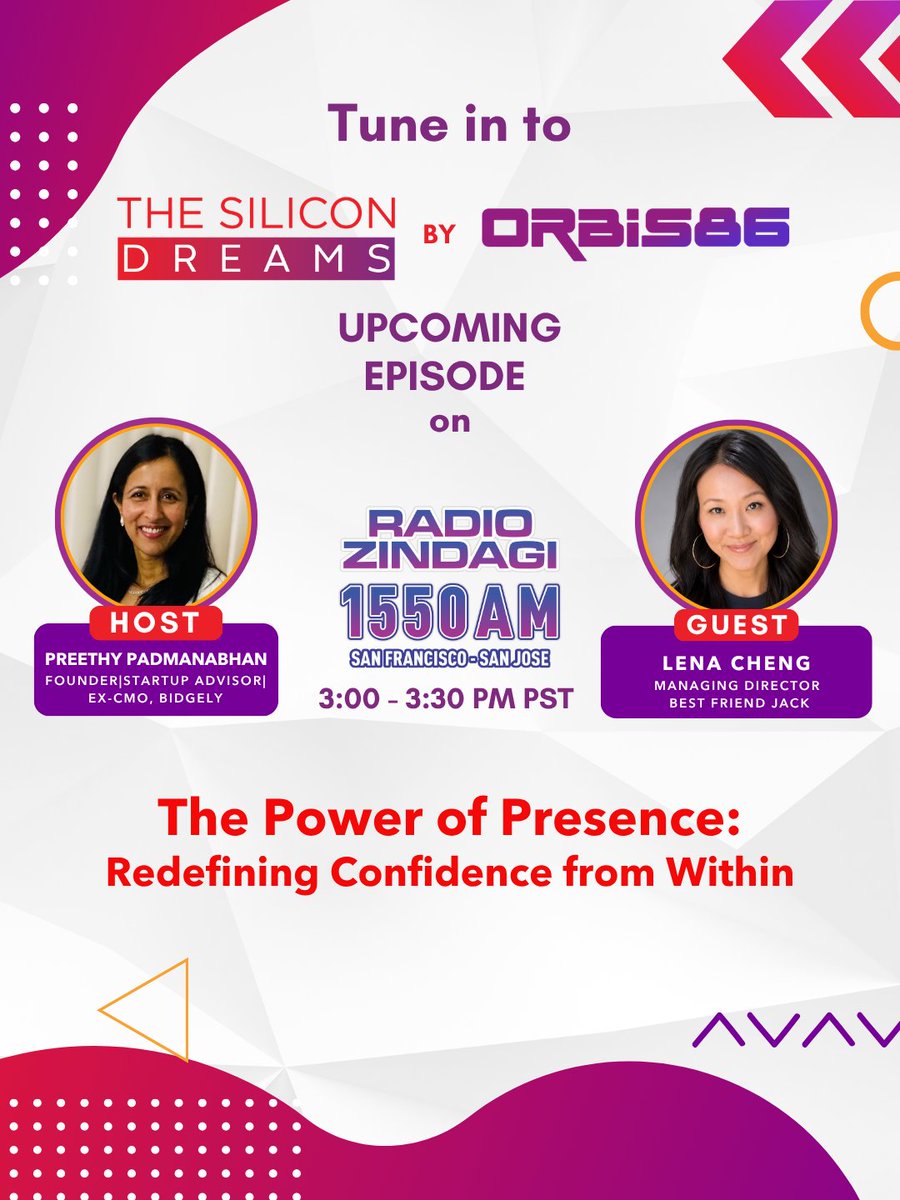
In this episode, Preethy Padmanabhan (@preepadu) sits down with Lena Cheng (@lena_cheng), Managing Director at Best Friend Jack, to explore the powerful lessons from Amy Cuddy’s bestselling book Presence and how it can help us navigate life’s most challenging moments with confidence and authenticity.
From tackling imposter syndrome to redefining self-perception, Lena discusses the importance of focusing less on the impression we make on others and more on the impression we make on ourselves. She shares how cultivating presence can empower us to speak up, take opportunities, and show up as our best selves in both our personal and professional lives.
Drawing on key insights from the book, Lena highlights practical ways to build self-confidence, overcome self-doubt, and embrace challenges with greater resilience and poise.
🎧 Tune in for an inspiring conversation on confidence, personal growth, and the mindset shifts that help us thrive.
🔗 Listen on: 8ty6.link/uYfdBD
🗓 Date: Monday, June 15th
🕒 Time: 3:00-3:30 PM PST
#Presence #AmyCuddy #Confidence #Leadership #PersonalGrowth #ImposterSyndrome #SelfConfidence #ProfessionalDevelopment #Mindset #Orbis86
1
42
Preethy Padmanabhan retweeted

Jun 9
Today, we're launching the Atomicwork AI Workforce, and we believe this is one of the most significant shifts in how enterprises get work done.
For the past decade, organisations have been building AI into their workflows. But the unit of operation that enterprises are actually built on has never been a task or a workflow. It's always been a person. Someone who owns a role, shows up with context, asks for help when they need it, and gets better over time.
Every dimension your organisation already uses to manage people applies to the Atomicwork AI Workforce. Identity, job role, access, budget, performance. An AI coworker has a name, a defined scope, a human manager, and the tools to see work through from start to finish. The operating model is the same one your organisation has run on for decades.
What's changed is that the technology to make this real has finally arrived, and for the first time, all the pieces are ready at the same time and they compose.
We're not asking teams to rethink how they work. We're giving them a workforce that works the way they already do.
Read more about what this means for your organisation
Welcome to the #AtomicworkForce!
@amnigos @kirandarisi @parsurv @AparnaChugh @rwmesh @leningali
4
11
17
2,630
So inspired by @smritiirani and was great to meet her at @TiEglobalsummit earlier this year in Jaipur

I just came across this video of @smritiirani ji I don’t know when this was taken and i just love the words she spoke. Reason why i admire her. Its very easy to copy anybody but how does it feel to be just u? Be still be you know yourself. This video made my day!! Thank u maam
50

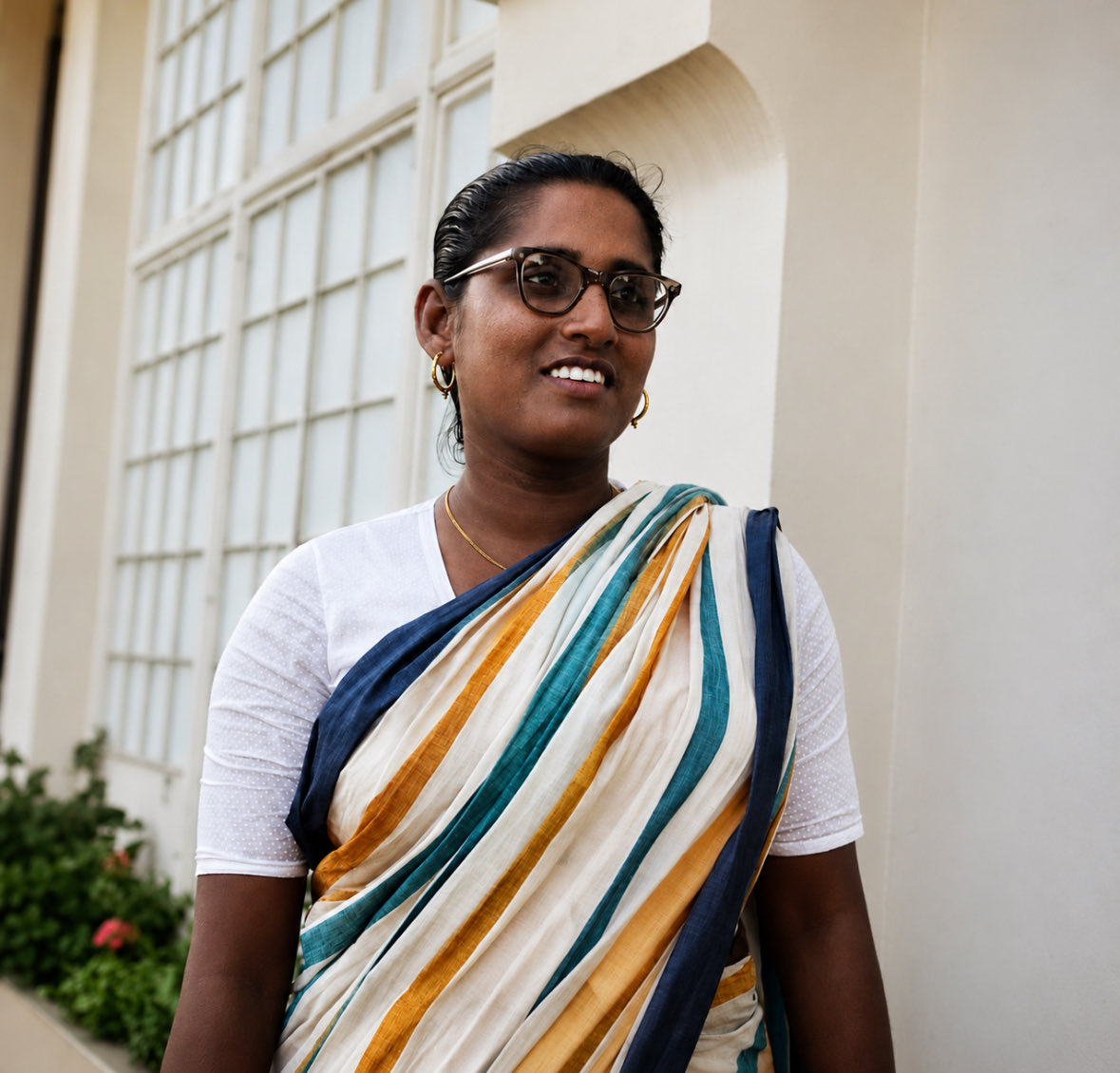
Her name was Arati Saha.
She was born in 1940 in Calcutta. Her mother died when she was two years old. Her father served in the armed forces and was rarely home, so she was raised by her grandmother in North Kolkata.
At four years old, her uncle took her to Champatala Ghat for a bath. She refused to leave the water.
Her father enrolled her at the Hatkhola Swimming Club, where coach Sachin Nag spotted her talent and took her under his wing.
In July 1952, she stood at the edge of the pool at the Helsinki Summer Olympics. She was 11 years old, the youngest Indian Olympian in history and one of only four women in the entire Indian contingent.
In 1959, she decided to cross the English Channel, 42 miles of freezing, choppy water often called the Mount Everest of swimming.
She was 18 years old and had almost no money. A West Bengal government grant of Rs 11,000 helped fund the attempt.
Her first attempt on August 27 failed. She swam for more than 16 hours and came within five miles of the English coast before a powerful current forced her back.
She did not go home.
On September 29 1959, she entered the water again. She swam for 16 hours and 20 minutes before reaching the English coast, and the first thing she did was hoist the Indian flag.
She was 19 years old. She had become the first Asian woman to cross the English Channel.
In 1960, she became the first Indian sportswoman to receive the Padma Shri.
Arati Saha died in 1994 at the age of 53. Five years later, India issued a postage stamp in her memory.
Most Indians have never heard her name.
Follow for stories India deserves to remember.
75
762
2,626
52,128
Preethy Padmanabhan retweeted
May 16
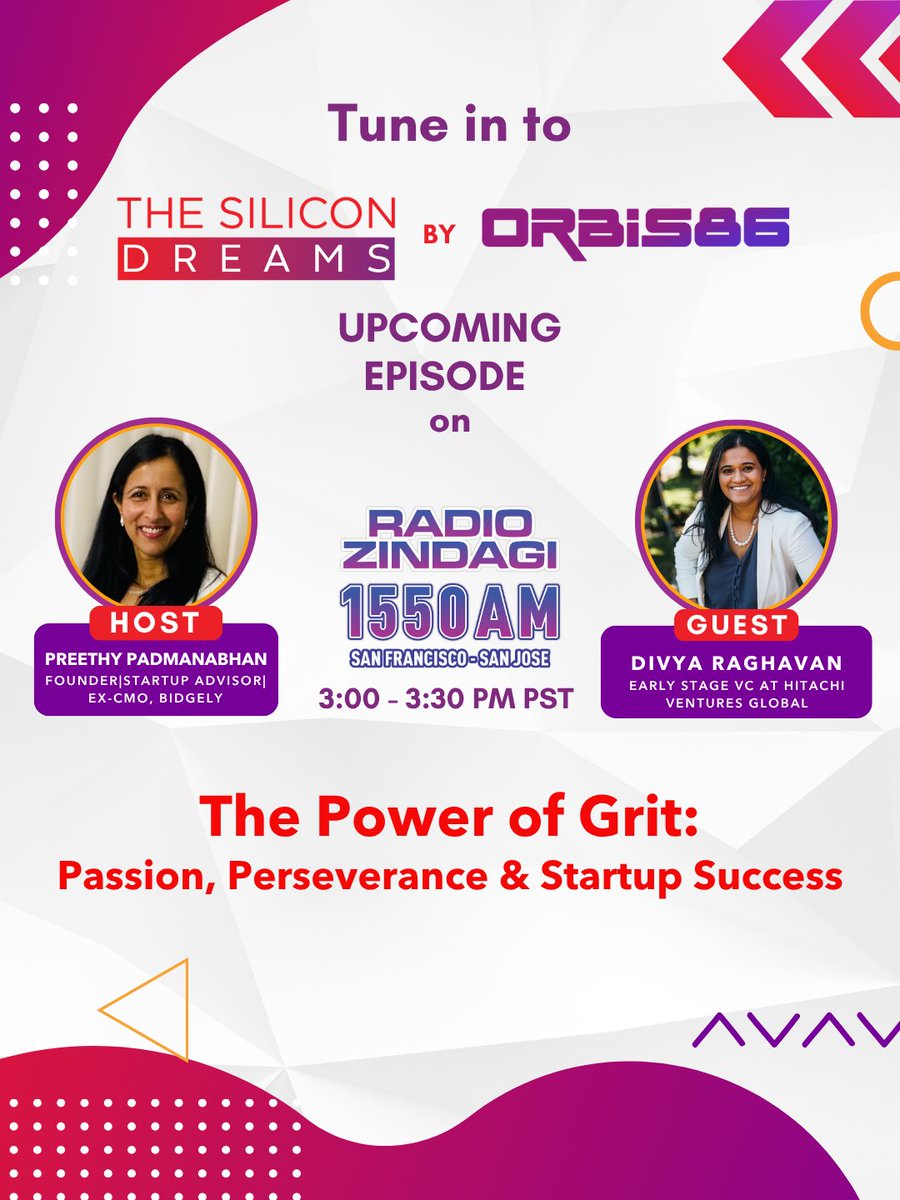
In this episode, 𝗣𝗿𝗲𝗲𝘁𝗵𝘆 𝗣𝗮𝗱𝗺𝗮𝗻𝗮𝗯𝗵𝗮𝗻 (@preepadu) sits down with 𝗗𝗶𝘃𝘆𝗮 𝗥𝗮𝗴𝗵𝗮𝘃𝗮𝗻 (@div263), Early Stage VC at Hitachi Ventures Global, for a thought-provoking conversation on the power of grit, resilience, and perseverance in building long-term success. Drawing from her experience working closely with startup founders, Divya shares insights into the passion and determination she sees in entrepreneurs, the importance of cultivating grit in the workplace, and the lessons that shaped her own journey into venture capital.
Inspired by the ideas explored in Angela Duckworth’s “Grit,” the discussion dives into why passion and perseverance often matter more than talent alone, how individuals can develop resilience through challenges, and the mindset required to achieve meaningful goals in an ever-evolving world.
🎧 Tune in for an inspiring conversation on resilience and success.
🔗 Listen on: 8ty6.link/uYfdBD
🗓 Date: Monday, May 18th
🕒 Time: 3:00-3:30 PM PST
#PodcastEpisode #Grit #Leadership #Startups #VentureCapital #Entrepreneurship #Innovation #GrowthMindset #FutureOfWork #Orbis86
2
2
115
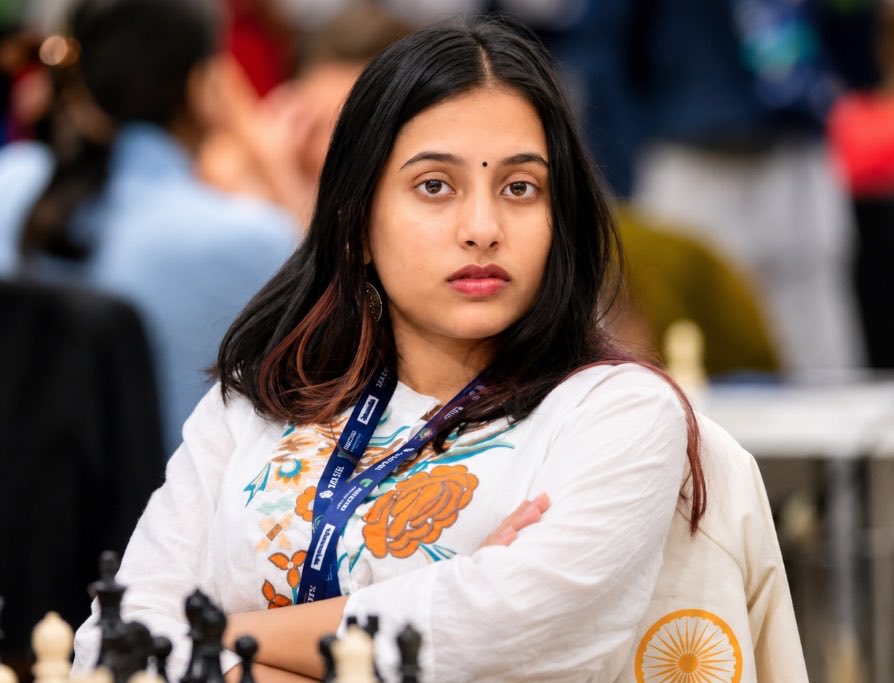
Her name is Divya Deshmukh.
She was born on December 9 2005 in Nagpur, Maharashtra. Her parents are both doctors. At five years old she sat at a chessboard for the first time.
At seven she became India’s national Under 9 Girls chess champion.
By 18 she was competing against the best women chess players on the planet. At one tournament the audience was not watching her moves. They were watching her clothes. Her hair. Her accent.
She wrote about it publicly. She named it. She did not apologise for naming it.
In 2024 she helped India win gold at the Chess Olympiad. Her performance rating at the tournament was 2608. She scored 9.5 out of 11.
In July 2025 she went to Batumi, Georgia as the 15th seed. She had zero Grandmaster norms going in.
She defeated the 2nd seed. Then the 10th seed. Then the 3rd seed.
In the final she faced Koneru Humpy. India’s first female chess Grandmaster. A legend 25 years older than her.
Divya won.
She became India’s first Women’s World Cup champion. India’s 88th Grandmaster. Only the fourth Indian woman to earn the title.
She dedicated the win to her first coach who died in 2020. She said he shaped everything.
She carried a banana as a lucky charm throughout the tournament. She wore the same kurta on every match day.
Before the tournament she had zero norms. After it she said I think it was fate.
She is 20 years old.
24
276
2,139
118,124
Preethy Padmanabhan retweeted
May 9
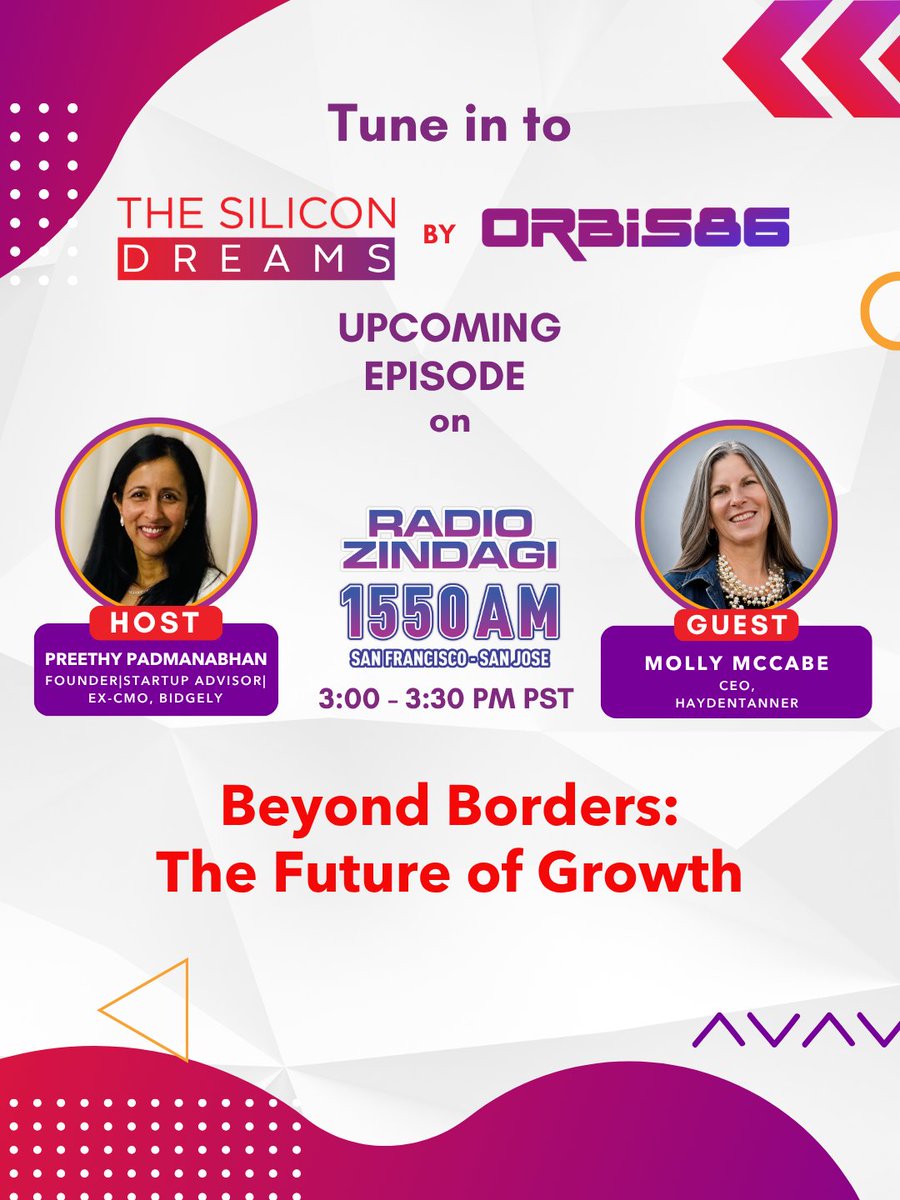
In this episode, Preethy Padmanabhan (@preepadu) sits down with Molly McCabe, CEO of HaydenTanner, to unpack the major global trends shaping humanity, business, and innovation, leading up to From Africa’s rising economic potential and the rapid expansion of the global middle class to the critical role of immigration in driving innovation, Molly unpacks how these macro trends will impact businesses, governments, and communities worldwide. The discussion also explores the rise of senior demographics, the future of healthcare and age-friendly technology, shifting economic power toward Asia and India, and the evolving role of women in shaping tomorrow’s workforce and leadership.
Molly shares powerful insights on adapting to change, identifying 10X growth opportunities, and preparing for a rapidly evolving future.
🎧 Tune in for a thought-provoking discussion on the forces redefining the next decade.
🔗 Listen on: 8ty6.link/uYfdBD
🗓 Date: Monday, May 11th
🕒 Time: 3:00-3:30 PM PST
#PodcastEpisode #2030Trends #FutureOfWork #Innovation #GlobalEconomy #Leadership #EmergingMarkets #Technology #BusinessGrowth #Orbis86
1
2
119
Preethy Padmanabhan retweeted

A man spends 50 years teaching at MIT.
He knows his time is running out.
So he records one last lecture — everything he knows, distilled into a single hour.
He died 5 months later.
This is that lecture.
The most important hour you'll watch this week. 👇
Bookmark it for later
Community note
The video is Prof. Patrick Winston's 2018 "How to Speak" lecture, an annual MIT talk since the 1970s. He taught at MIT for nearly 50 years but died in July 2019 after a brief illness, not 5 months after knowingly recording a final distillation of his knowledge.
news.mit.edu/2019/patrick-w…
ocw.mit.edu/courses/res-tl…
en.wikipedia.org/wiki/Patrick_W…
82
1,703
7,195
1,014,874
Preethy Padmanabhan retweeted
May 2
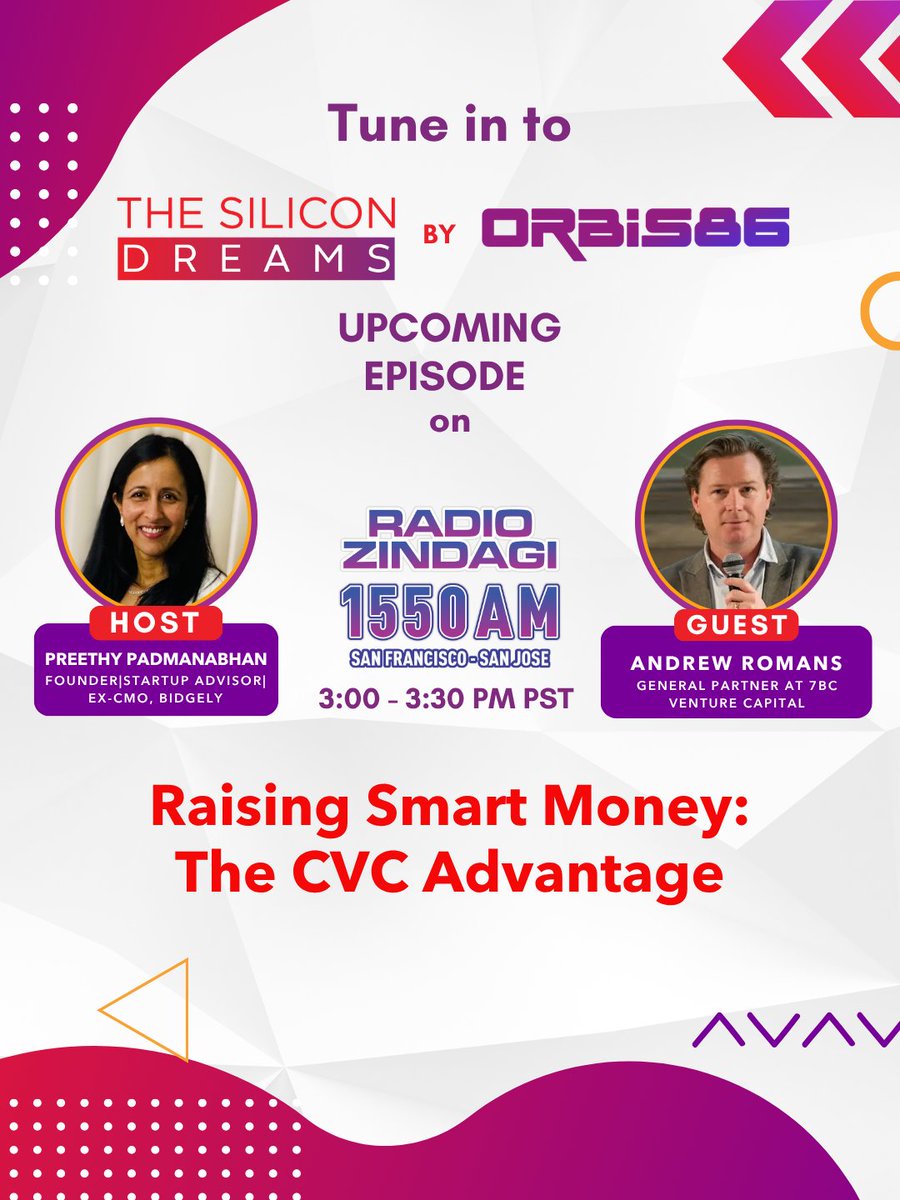
In this episode, 𝗣𝗿𝗲𝗲𝘁𝗵𝘆 𝗣𝗮𝗱𝗺𝗮𝗻𝗮𝗯𝗵𝗮𝗻 (@preepadu) sits down with 𝗔𝗻𝗱𝗿𝗲𝘄 𝗥𝗼𝗺𝗮𝗻𝘀 (@romansventures), General Partner at 7BC Venture Capital and author of Masters of Corporate Venture Capital. Drawing from his extensive experience in Silicon Valley, Andrew unpacks the real motivations behind corporate venture capital and why it operates differently from traditional VC models. From navigating corporate structures to understanding strategic investments, the conversation sheds light on what truly drives CVC decision-making.
Andrew also shares key challenges faced by corporate venture arms and offers practical, no-fluff advice for startups looking to raise capital from CVCs—what to do, what to avoid, and how to stand out.
This episode is a deep dive into the intersection of innovation, capital, and corporate strategy—perfect for founders, operators, and anyone building in today’s evolving tech ecosystem.
🎧 Tune in to understand how corporate capital is shaping the future of innovation—and how you can position yourself within it.
🔗 Listen on: 8ty6.link/uYfdBD
🗓 Date: Monday, May 4th
🕒 Time: 3:00-3:30 PM PST
#PodcastEpisode #VentureCapital #CorporateVC #Startups #Innovation #TechStrategy #Founders #Investment #SiliconValley #Orbis86
2
8
116
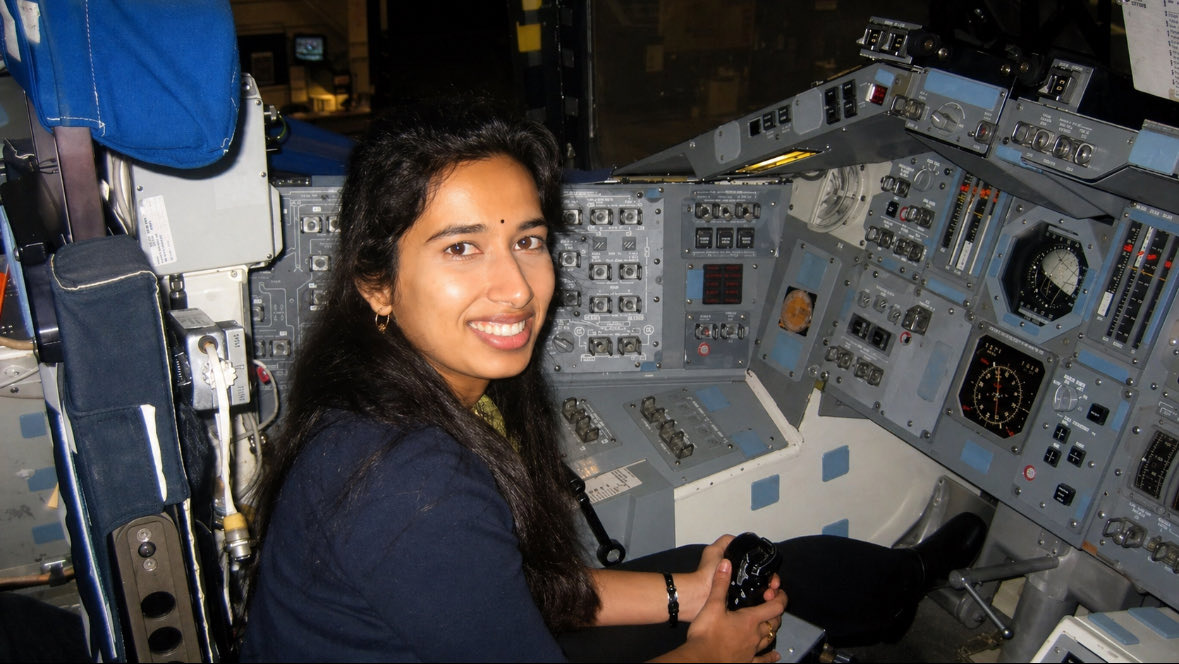
Her name is Swati Mohan.
Born in Bengaluru. Moved to America at age one. Grew up in Virginia.
At nine, she watched Star Trek and told her parents she would find new places in the universe. They expected medicine. She chose aerospace.
Engineering at Cornell. Masters and PhD in Aeronautics from MIT. Then NASA.
In 2013, she joined the Mars 2020 mission. She spent eight years making sure a rover would safely land on a planet 300 million miles away.
On February 18, 2021, she sat at her console at NASA’s Jet Propulsion Laboratory. Bindi on her forehead. She was the voice of the mission.
The Perseverance rover was falling through the Martian atmosphere at 12000 miles per hour. Seven minutes of terror. No human could intervene.
She narrated every second.
Then she said three words.
Touchdown confirmed.
The room erupted. She stood there calm and said Perseverance is safely on the surface of Mars, ready to begin seeking the signs of past life.
She was born in Bengaluru. She landed a rover on Mars.
Follow for real stories India never makes headlines about.
34
318
1,606
84,461

Apr 27
Creating Mid-Career Momentum by JeanAnn Nichols, CEO at JeanAnn Nichols Executive Coaching. Women in Tech Global Conference 2026 #womenintech #womeninstem #womenwhocode #WTGC2026 @womentechnet @jeanann_nichols womentech.net/speaker/all/al…
28
Preethy Padmanabhan retweeted
Apr 15
𝗔𝗿𝘁𝗶𝗳𝗶𝗰𝗶𝗮𝗹 𝗜𝗻𝘁𝗲𝗹𝗹𝗶𝗴𝗲𝗻𝗰𝗲 didn’t start with ChatGPT or modern tech.
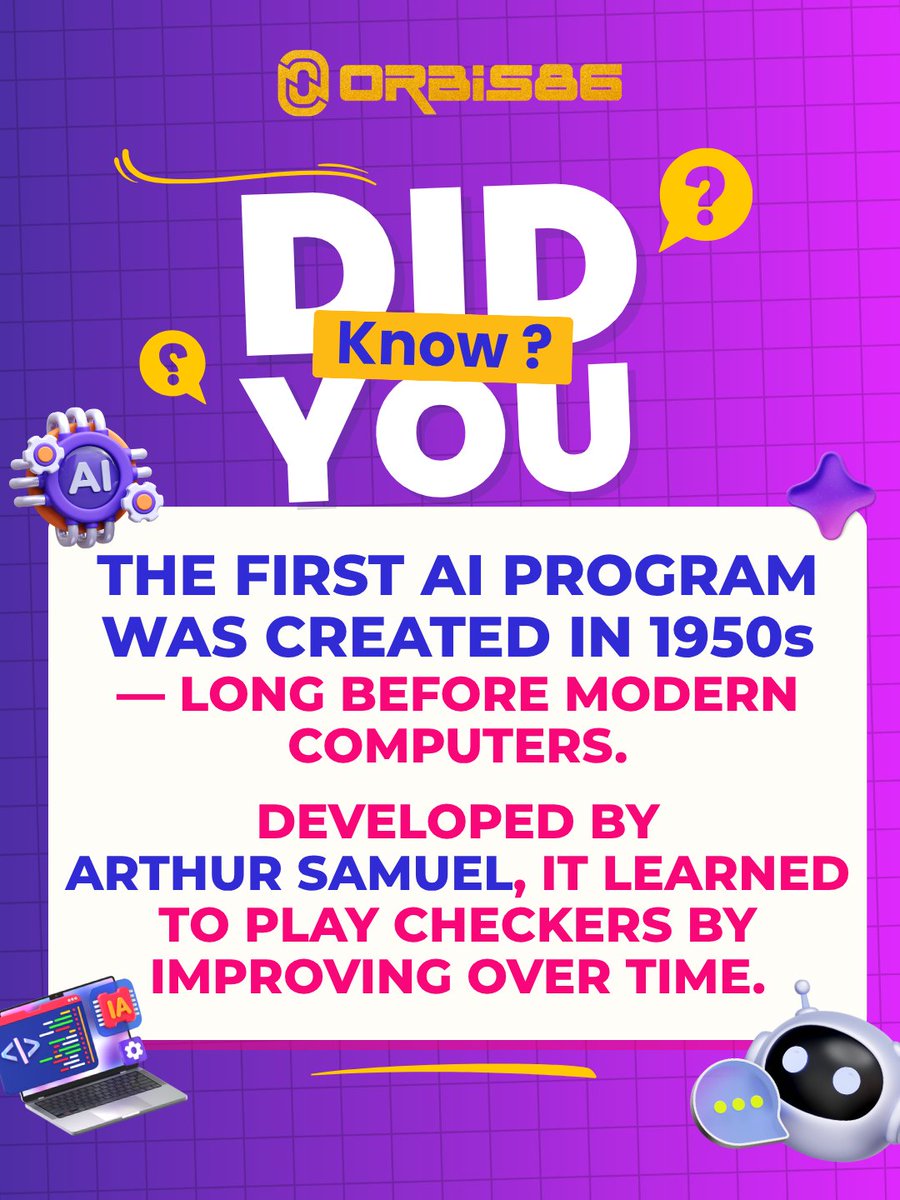
Back in the 1950s, 𝗔𝗿𝘁𝗵𝘂𝗿 𝗦𝗮𝗺𝘂𝗲𝗹 built one of the first AI programs — a system that could play checkers and improve by learning from experience.
This was one of the earliest examples of 𝗺𝗮𝗰𝗵𝗶𝗻𝗲 𝗹𝗲𝗮𝗿𝗻𝗶𝗻𝗴, where a system gets better over time without being explicitly programmed for every move.
At a time when computers were extremely limited, 𝘁𝗵𝗶𝘀 𝗶𝗱𝗲𝗮 𝘄𝗮𝘀 𝗿𝗲𝘃𝗼𝗹𝘂𝘁𝗶𝗼𝗻𝗮𝗿𝘆.
It showed that machines could learn, adapt, and make decisions — laying the foundation for everything we see in AI today.
From simple board games to complex models powering global industries,
AI has been evolving for decades — not just years.
𝗧𝗵𝗲 𝘁𝗮𝗸𝗲𝗮𝘄𝗮𝘆:
What feels like a sudden revolution is actually the result of 70 years of progress
#AI #ArtificialIntelligence #MachineLearning #TechHistory #Innovation #DidYouKnow #FutureOfAI #EmergingTech
2
4
132
Preethy Padmanabhan retweeted
Apr 10
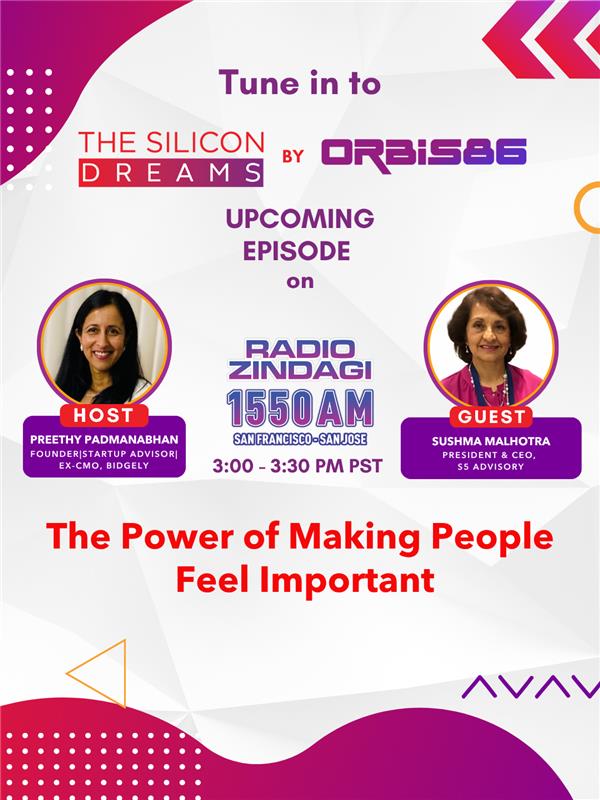
In this episode of Silicon Dreams, host 𝗣𝗿ee𝘁hy 𝗣𝗮𝗱𝗺𝗮𝗻𝗮𝗯𝗵𝗮𝗻 (@preepadu) speaks with 𝗦𝘂𝘀𝗵𝗺𝗮 𝗠𝗮𝗹𝗵𝗼𝘁𝗿𝗮, President & CEO of S5 Advisory, about how How to Win Friends and Influence People shaped her leadership journey.
Sushma also shares actionable leadership strategies — giving sincere praise, avoiding direct criticism, encouraging growth after mistakes, and using empathy to influence clients and teams effectively. The discussion also touches on insights from How to Stop Worrying and Start Living and The 7 Habits of Highly Effective People.
A powerful reminder that great leadership starts with genuine interest, meaningful relationships, and the ability to make others feel heard, valued, and inspired.
🎧 Tune in to discover how leaders, founders, and individuals can tap into the unseen edge to transform their personal and professional lives.
🔗 Listen on: 8ty6.link/uYfdBD
🗓 Date: Monday, April, 13th
🕒 Time: 3:00-3:30 PM PST
#Orbis86 #SiliconDreams #Leadership #Podcast #DaleCarnegie #CareerGrowth #Communication #BusinessLeadership
1
3
131
Preethy Padmanabhan retweeted
Apr 4
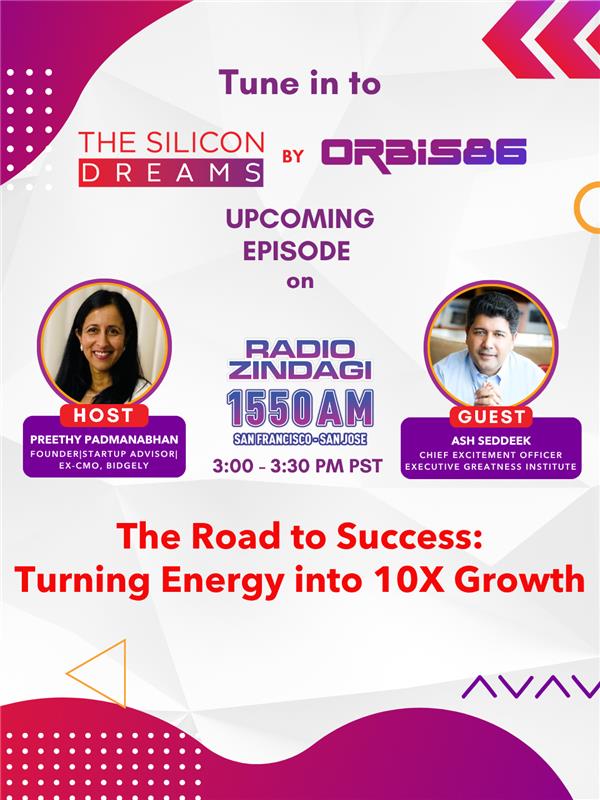
In this episode, 𝗣𝗿𝗲𝗲𝘁𝗵𝘆 𝗣𝗮𝗱𝗺𝗮𝗻𝗮𝗯𝗵𝗮𝗻 (@preepadu) sits down with 𝗔𝘀𝗵 𝗦𝗲𝗱𝗱𝗲𝗲𝗸, CEO at Executive Greatness Institute, with an impressive background spanning Deloitte Consulting, Oracle, and Cisco. Inspired by his book Road to Success, Ash breaks down a powerful framework for career growth through three strategic steps — Own it, Win it, and Crush it.
This conversation goes beyond traditional career advice, diving into how strategy, excitement, and personal energy can become your biggest competitive advantage. Ash shares insights on taking ownership, building momentum, and consistently delivering at a higher level to unlock exponential growth.
🎧 Tune in to discover how aligning mindset, strategy, and energy can pave the way for your 10X growth journey.
🔗 Listen on: 8ty6.link/uYfdBD
🗓 Date: Monday, April, 6th
🕒 Time: 3:00-3:30 PM PST
#PodcastEpisode #CareerGrowth #Leadership #PersonalDevelopment #Mindset #Growth #FutureOfWork #Orbis86
2
2
99
Preethy Padmanabhan retweeted

Apr 1
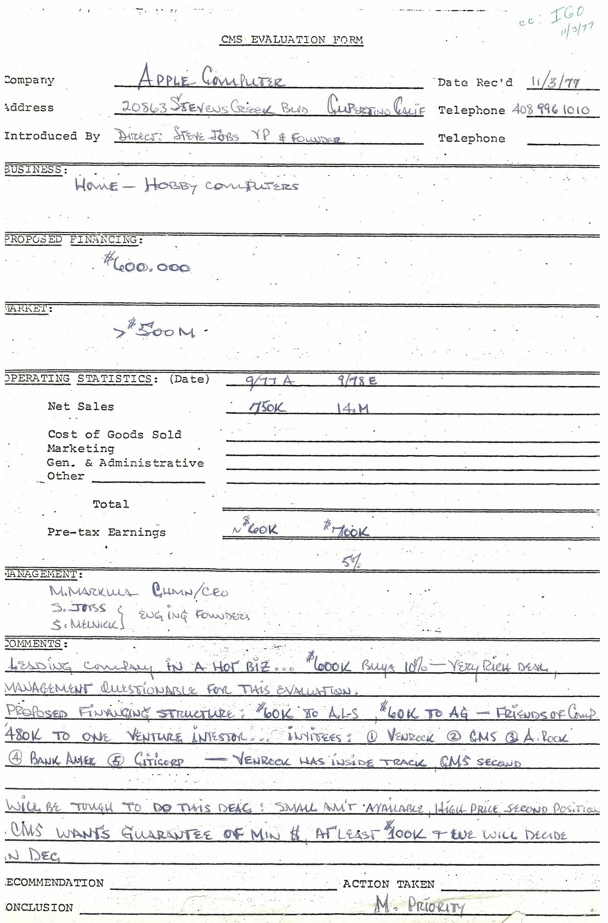
In honor of 50 years of Apple, we're sharing - for the first time ever - Don Valentine's original 1977 memo for Sequoia's investment into Apple Computer. #Apple50
189
911
6,043
2,257,645
Preethy Padmanabhan retweeted
Mar 15
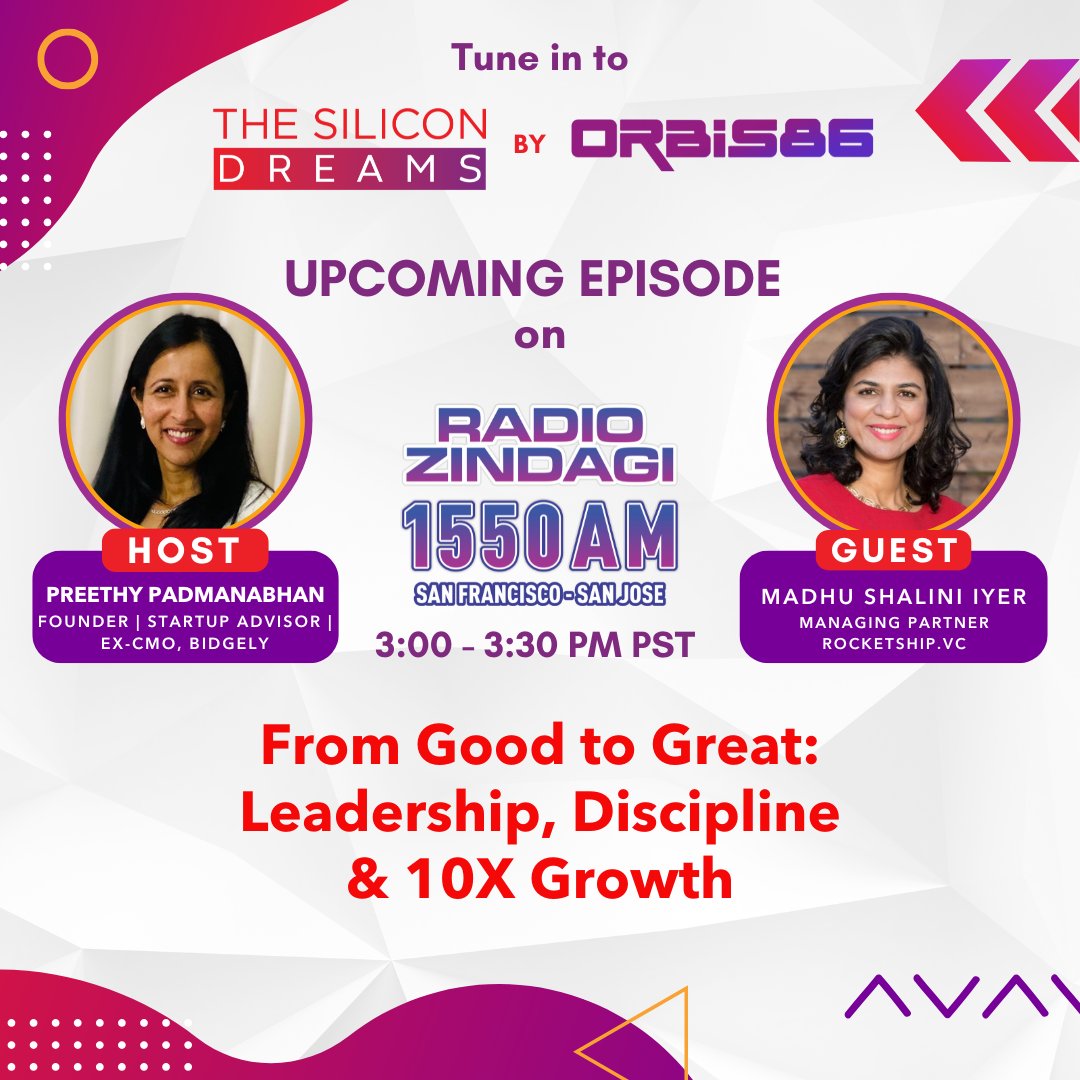
In this episode, our host Preethy Padmanabhan (@preepadu) sits down with Madhu Shalini Iyer — entrepreneur, Managing Partner at Rocketship.vc, and former data scientist — to unpack her contrarian perspective on Good to Great by Jim Collins. 💫
Madhu dives deep into why some companies make the leap while others stall, reflecting on themes like Level 5 leadership, confronting brutal facts, and balancing the three essential levers: doing what you're best at, solving problems you’re deeply passionate about, and building a sustainable economic engine.
Through her lens, we explore how founders can create equilibrium between a culture of discipline and the risk-taking spirit that defines entrepreneurship. Her insights reveal what it truly takes to scale with clarity, lead with conviction, and unlock 10X growth in today’s startup landscape. ✨💬
🎧 Tune in to discover how the principles of Good to Great can guide your personal and business journey toward high-impact, long-term success.
🔗 Listen now: 8ty6.link/uYfdBD
🗓 Date: Monday, March 16
🕒 Time: 3:00 - 3:30 PM PST
#Podcast #Leadership #GoodToGreat #JimCollins #Startups #Entrepreneurship #VentureCapital #MadhuShaliniIyer #RocketshipVC #SiliconValley #InnovationCulture #Orbis86 #PreethyPadmanabhan #GrowthMindset #FounderLeadership
1
7
108
Preethy Padmanabhan retweeted
Mar 7
In this episode, our host Preethy Padmanabhan (@preepadu) sits down with Shaloo Garg (@shalsgarg), Managing Director of AI Startup Ecosystem, Microsoft, for an energizing conversation inspired by Antifragile by Nassim Nicholas Taleb.
Antifragile introduces a powerful idea — that some systems, people, and organizations don’t just survive shocks but actually benefit and grow stronger from volatility, randomness, and uncertainty. The book challenges the traditional mindset of avoiding risk and instead encourages embracing change and disorder as catalysts for growth.
Shaloo shares insights from her journey in leadership and social impact, reflecting on how volatility can drive innovation and how startups and leaders can prepare themselves to succeed in uncertain environments. The conversation also explores the importance of resilience, taking calculated risks, and maintaining “skin in the game” when building for the future.
🎧 Tune in to discover how leaders, founders, and innovators can transform uncertainty into opportunity and build systems that thrive under pressure.
🔗 Listen on: 8ty6.link/uYfdBD
🗓 Date: Monday, Mar, 9th
🕒 Time: 3:00-3:30 PM PST
#PodcastEpisode #Antifragile #Leadership #ShalooGarg #Microsoft #StartupMindset #Entrepreneurship #Innovation #GrowthMindset #PodcastSeries #Orbis86

1
1
122
Preethy Padmanabhan retweeted
Feb 27
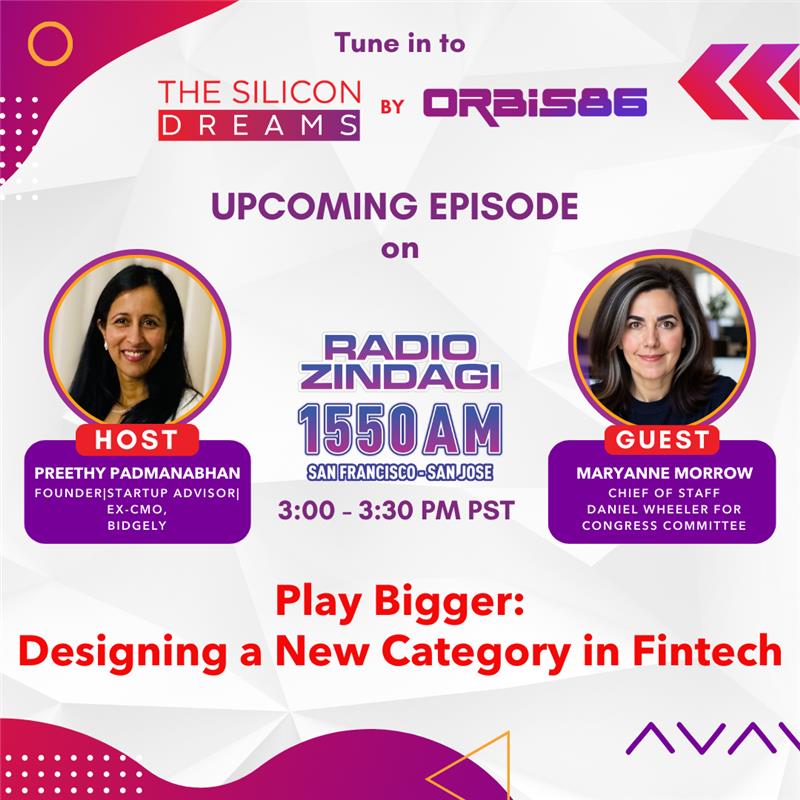
In this episode, our host 𝗣𝗿𝗲𝗲𝘁𝗵𝘆 𝗣𝗮𝗱𝗺𝗮𝗻𝗮𝗯𝗵𝗮𝗻 (@preepadu) sits down with 𝗠𝗮𝗿𝘆𝗮𝗻𝗻𝗲 𝗠𝗼𝗿𝗿𝗼𝘄 (@moremaryanne), Chief of Staff, Daniel Wheeler for Congress Committee, for a compelling conversation inspired by Play Bigger by Al Ramadan, Dave Peterson, Christopher Lochhead, and Kevin Maney.
Play Bigger introduces the concept of category design — the strategy of creating and owning a new market category instead of competing in an existing one. Through examples like Uber and Salesforce, the book shows how market leaders don’t just build products — they shape entire categories.
Maryanne shares how she is applying these principles to build a new category within the Fintech space, highlighting the power of bold positioning, strong narrative, and visionary leadership.
🎧 Tune in to discover how founders and leaders can move beyond competing for market share — and start designing markets of their own.
🔗 Listen on: 8ty6.link/uYfdBD
🗓 Date: Monday, Mar, 2nd
🕒 Time: 3:00-3:30 PM PST
#PodcastEpisode #PlayBigger #CategoryDesign #MaryanneMorrow #FintechInnovation #Leadership #Entrepreneurship #Web3Leadership #PodcastSeries #Orbis86
1
1
87
Feb 24
Inspiring!
Feb 22

The history books quietly bypassed is that Barack Obama, during the most pressure-saturated nights of his presidency, would retreat alone to the Treaty Room on the second floor of the White House residence — not to strategize, not to take calls, but to handwrite personal letters to ten ordinary American citizens every single night, a practice he maintained with almost monastic devotion across all eight years, selecting the letters himself from the 40,000 that arrived daily at the White House, and his longtime correspondence director Fiona Reese confirmed that Obama would often weep privately while reading certain letters, folding them carefully before writing responses so personally detailed and emotionally present that recipients frequently described the experience of receiving them as the most significant moment of their lives, with one Ohio steelworker writing back to say that Obama's letter had physically stopped him from making a decision that would have permanently altered his family's future. What makes this practice almost unbearably moving is the detail that surfaced later — Obama never used a computer for these letters, always a black felt-tip pen, always legal yellow paper first as a draft, always rewritten onto White House stationery by hand a second time, because he believed, as he told historian Doris Kearns Goodwin in a rare private conversation later recounted in her 2018 work, that the physical act of pressing pen to paper forced a quality of attention that typing simply could not replicate, a philosophy rooted in his years as a constitutional law professor at the University of Chicago from 1992 to 2004 where he developed the conviction that democracy only functions when its leaders remain genuinely, uncomfortably close to the specific gravity of individual human suffering rather than processing it from behind the insulating distance of institutions and screens."

14
Preethy Padmanabhan retweeted
Feb 21
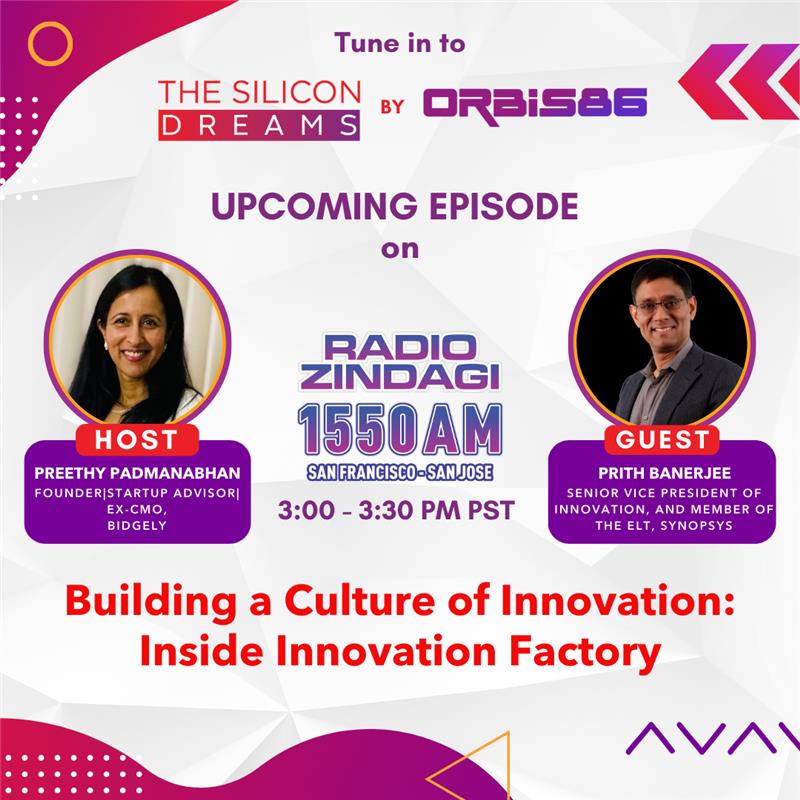
In this episode, our host 𝗣𝗿𝗲𝗲𝘁𝗵𝘆 𝗣𝗮𝗱𝗺𝗮𝗻𝗮𝗯𝗵𝗮𝗻 (@preepadu) sits down with 𝗣𝗿𝗶𝘁𝗵 𝗕𝗮𝗻𝗲𝗿𝗷𝗲𝗲 (@prithbanerjee), Senior Vice President of Innovation, and member of the ELT, Synopsys, for a thought-provoking conversation inspired by 𝘐𝘯𝘯𝘰𝘷𝘢𝘵𝘪𝘰𝘯 𝘍𝘢𝘤𝘵𝘰𝘳𝘺: 𝘊𝘳𝘦𝘢𝘵𝘪𝘯𝘨 𝘢𝘯𝘥 𝘚𝘶𝘴𝘵𝘢𝘪𝘯𝘪𝘯𝘨 𝘏𝘪𝘨𝘩-𝘗𝘦𝘳𝘧𝘰𝘳𝘮𝘢𝘯𝘤𝘦 𝘐𝘯𝘯𝘰𝘷𝘢𝘵𝘪𝘰𝘯.
Innovation Factory explores what it truly takes to build and sustain a high-performance innovation ecosystem within an organization. Drawing from his experience as former CTO of HP and his extensive leadership journey across academia and industry, Prith shares a practical roadmap for leaders who want to move beyond ideas and create lasting impact.
Prith reflects on the key pillars that drive innovation — a clear strategy, a supportive culture, strong talent management, and meaningful collaboration with external partners. He also discusses the critical role of emerging technologies such as artificial intelligence and the Internet of Things in shaping the future of innovation. With experience as a serial entrepreneur, senior executive, and current CTO at ANSYS, he connects these insights to real-world leadership lessons.
🎧 Tune in to discover how organizations can intentionally design innovation systems that drive sustained growth and long-term success.
🔗 Listen on: 8ty6.link/uYfdBD
🗓 Date: Monday, Feb, 26th
🕒 Time: 3:00-3:30 PM PST
#PodcastEpisode #InnovationFactory #PrithBanerjee #Leadership #CorporateInnovation #AI #TechnologyLeadership #Entrepreneurship #FutureOfWork #PodcastSeries
2
2
97