Program Manager @Microsoft | ex-@Google | @Atl_Dialogues Emerging Leader
Joined August 2010
- Tweets 13,163
- Following 823
- Followers 2,121
- Likes 3,414
1,056 Photos and videos




Pinned Tweet

18 May 2020
Excited🥳
@joe_darko would be great to have you on this. I'm sure you have a lesson or two to share about your journey so far in the Tech space.😉
#gracefactory #peoplewhoinspire #pwi
4
4
32
Jun 13
This is the funniest video you'll see all day.
Credit: Tanveer Ahmed
74
Jun 12
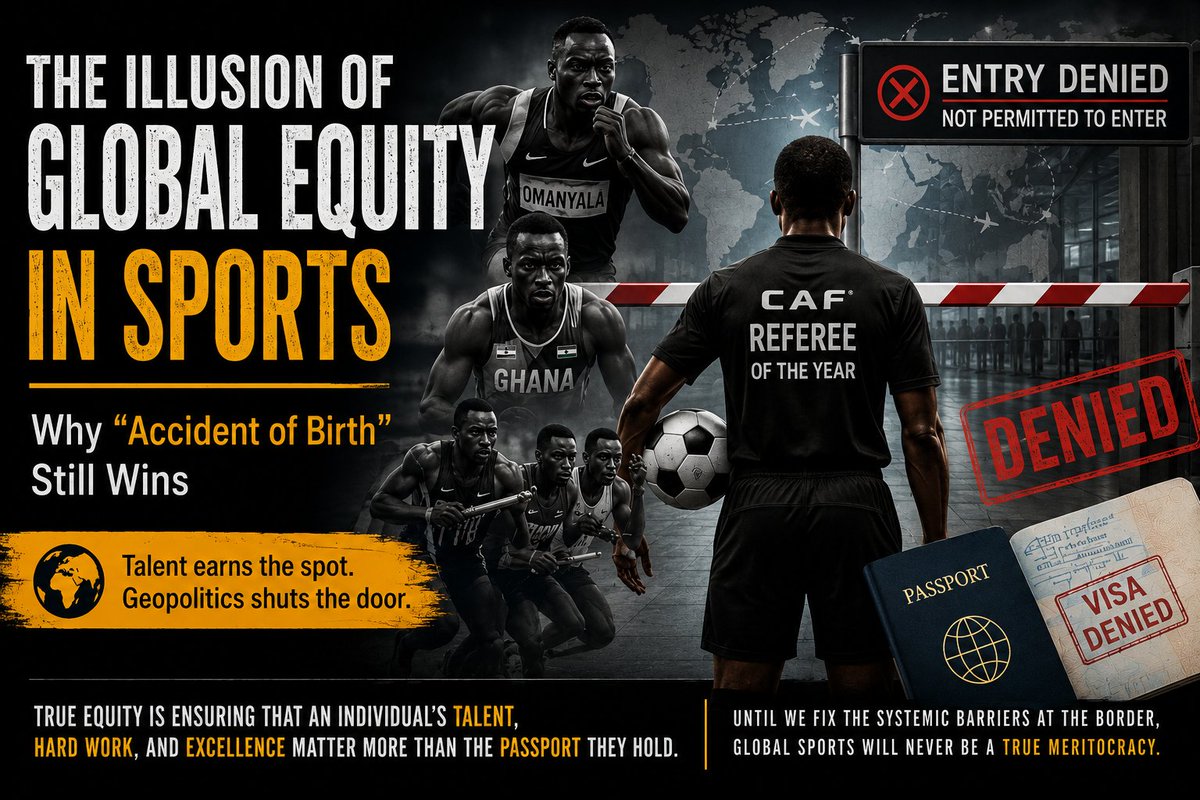
We hear it every time a major global tournament rolls around: "Sports unite the world. We create a level playing field where the best of the best compete as equals."
But how can we talk about equity when the country of birth remains the ultimate gatekeeper?
Look at the heartbreaking situation with Omar Abdulkadir Artan. He worked his way from the ground up to be officially named Africa's Best Referee, winning the CAF Referee of the Year award. He earned his spot to make history as the first Somali referee at the World Cup. He had the talent, the credentials, and a valid tournament visa. Yet, upon landing in the host country, he was denied entry at the border and sent back. A lifetime of elite preparation was undone by geopolitics he has zero control over.
This is not an isolated incident. Look at what happened to Africa's fastest man, Ferdinand Omanyala, at the World Athletics Championships. While his competitors were on site two weeks early to acclimate and train, Omanyala was handed his visa less than 24 hours before the competition. He endured an 18-hour flight, landed, and arrived at the stadium less than three hours before his 100m heat.
Around that same time, Ghana's elite sprint stars, Benjamin Azamati and Joseph Paul Amoah, along with the national 4x100m relay team, were left stranded for weeks by bureaucratic visa gridlock. Their critical championship training camps were shattered, and they were forced to fight through administrative exhaustion just to get to the starting line.
When the starting gun fires under those conditions, can we honestly say the competition is fair? If one athlete gets a fortnight of world-class preparation and another has less than three hours to clear customs, shake off a massive flight, and rush directly onto the track, the outcome isn't just about merit. It is about privilege.
We cannot celebrate the "best in the world" when the platform itself denies equal opportunity to get to the starting line.
If global sporting bodies, whether in football, athletics, or beyond, are going to lean heavily on the rhetoric of equity and inclusion, they must take accountability for the logistics. Host nations cannot be allowed to use blanket geopolitical restrictions to lock out vetted, elite professionals who have earned their place on the world stage.
True equity isn't just an open track or a green pitch. True equity is ensuring that an individual's talent, hard work, and excellence matter more than the passport they hold.
Until we fix the systemic barriers at the border, the claim that global sports are a true meritocracy is just rhetoric.
103
Jun 10
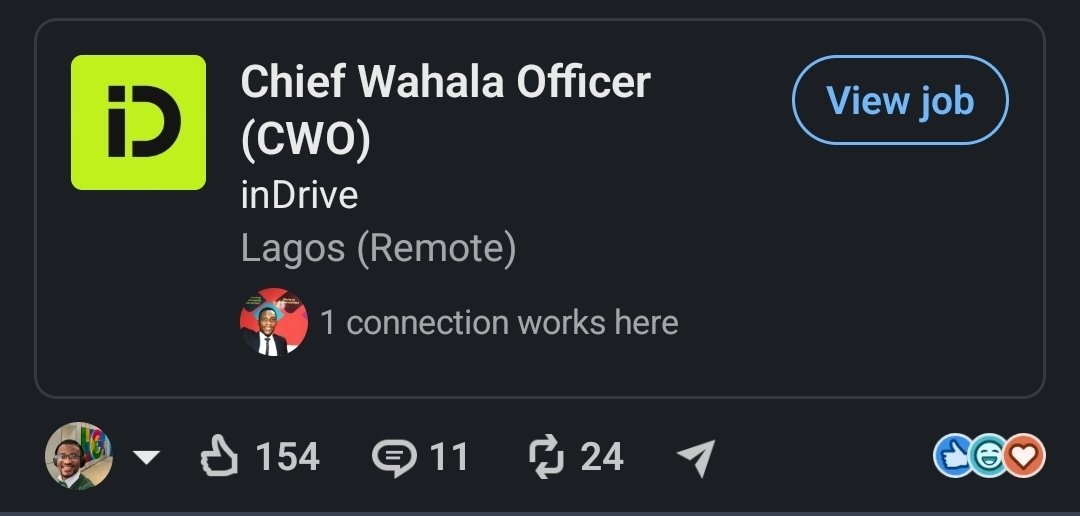
Just cane across this role on LinkedIn. Logos based remote Chief Wahala Officer (CWO).
Interesting.
1
2
77
Prince Boadu retweeted

Jun 5
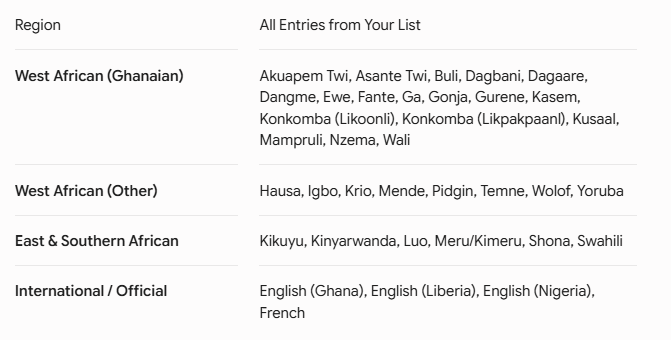
Which languages do you want to see. We are working towards full coverage of 100% of all modalities for 36 African Languages covering over 1 billion Africans by end of the year
Assistant is an Ewe, Twi prototype that will scale across 🙌🏾🙌🏾🙌🏾
Which language would you like to see?
7
30
94
7,349
Prince Boadu retweeted
Jun 5
This is our Engineer Hikma Hamza testing the @KhayaAI Voice Assistant in Ewe. You can chat with it right now!
Glad to be playing a small role in mentoring future leaders like Hikma in this important space 😊😊
25
130
349
44,866
Jun 1
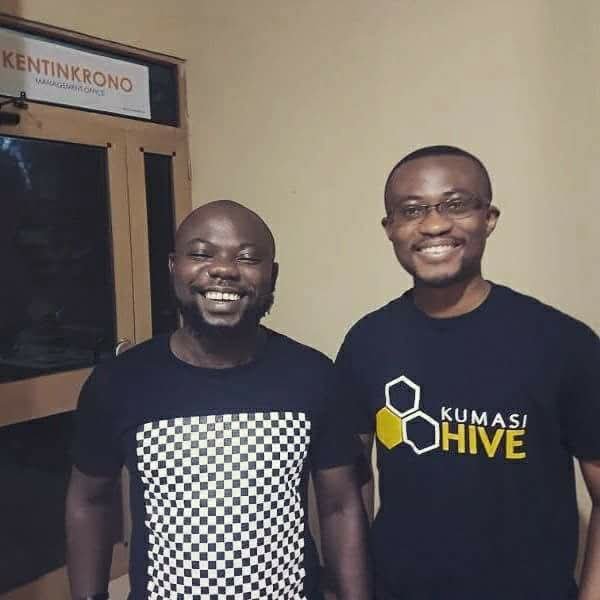
Today's the birthday of my fellow co-founder of @KumasiHive. @JorgeAppiah is a visionary leader and a hands-on technical expert in the EV space.
A few years ago, we had a vision to build the first hardware innovation hub in Ghana, to spearheaded the rapid prototyping of ideas, entrepreneurship development and to provide co-working spaces for startups.
I'm celebrating George Kwadwo Appiah today because he's managed to spearheaded impactful projects for Ghana's youth.
Happy Birthday, bro. More wins for this year year.🎊🎉😊
1
1
1
157
May 31
Most Ghanaians don't know the legendary status of @pazunre. Let me share a short story. While working at Google, a colleague, whom I had just met that week, scheduled for us to have lunch to get to know more about what we each did at work.
During our conversation at lunch, I got to find out he was a team lead for some projects covering Google translate. He spoke of the complexity getting their AI engines to understand the nuances embedded in translating African languages.
Knowing the momentous work @pazunre is doing with @GhanaNLP and Khaya app, I mentioned that I had a friend who had built an app for Ghanaian languages, and was expanding to other countries; he went to MIT and had a PhD. My colleague interjected with, "is it Paul? With the Khaya App?".
My colleague then mentioned that indeed Khaya App had the best translation on the market for Ghanaian languages and that Paul is someone who has an incredible reputation amongst the AI, ML research scientists at Google.
They knew who he was. And had such reverence for him. This guy spoke of Dr. Pushkin and @moorekwesi like some legends in the game. That was a very proud Ghanaian moment for me.
Where am I going with all this? Let's leverage such brains as a country. Cos others have seen what they have to offer and are seriously considering of poaching them.There many like Dr. Pushkin n Dr. Moore out there who can help shape the future fortunes of Ghana.
#GhanaMoments
8
144
330
65,348
May 28
See why we call him Big Chief? @asemota called this, and people on here were arguing with him.
Insights over noise any day.
May 28

See?
1
293
Prince Boadu retweeted

May 26
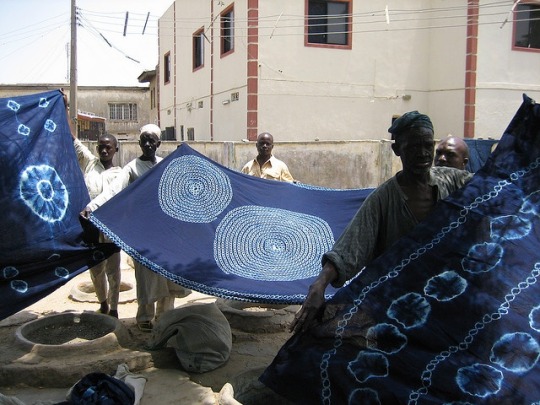
A lot of attention is paid to craft traditions in Western Europe and North America, such as handsewn Hermes leather goods and bespoke Savile Row suits. But the uneven focus leads some to believe that things made outside of these places are low quality.
This is not true. 🧵
33
763
3,485
210,286
Prince Boadu retweeted

May 25
Despite a very full plate, I have been needled by a Ghanaian business journo friend of mine based in NYC to have a go at the debate that has taken Ghana's tech community by storm: the draft NITA bill.
My short essay effectively aligns with what everyone else is saying: shred the bill and come back with something more aligned with modern tech reality!
But in the tradition of the Scarab, I try to go into a bit more detail than most mainstream pieces.
I also point out something that seems missing in the debate. With the rapid surge of technologies like AI, everyone is or will soon be doing stuff previously considered "ICT professional stuff."
Licensing ICT professionals is akin to licensing bloggers in today's rowdy information environment: trying to stop a hurricane by blowing fumes from one's mouth.
brightsimons.com/2026/05/the…
15
383
565
28,451
May 21
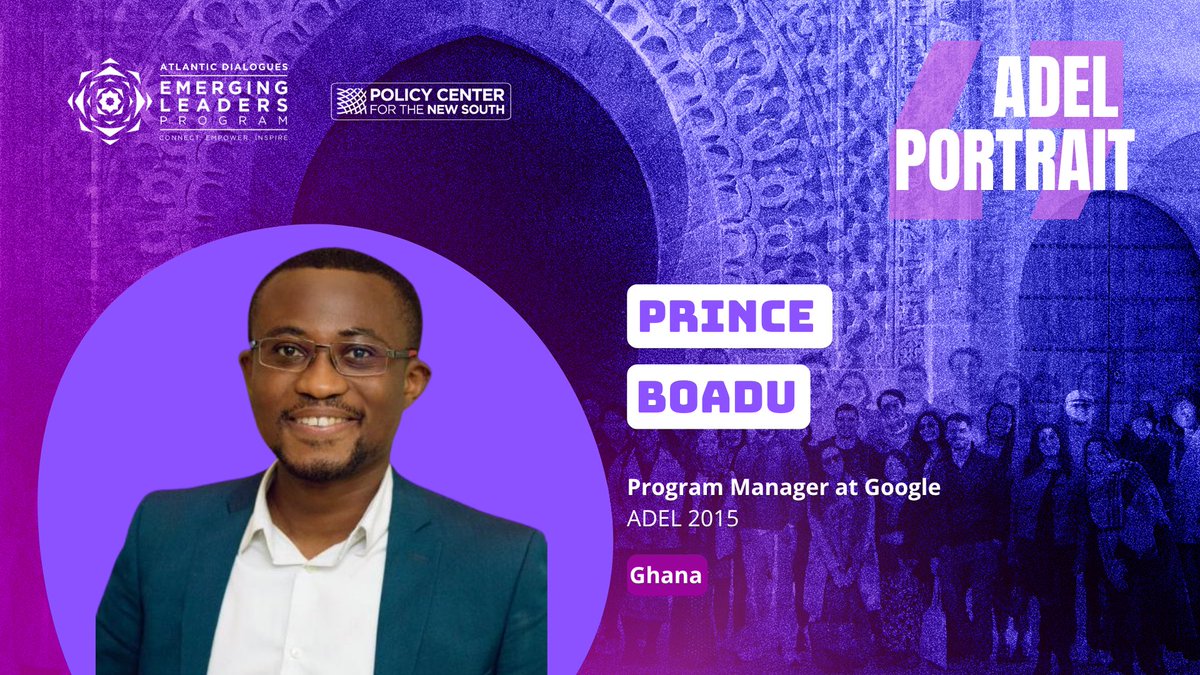
It's been an honour to be part of @ADEL_PCNS. Thanks for the mention.

🌍✨ADEL Portrait
“Wherever huge problems exist, huge opportunities also lie.”
ADEL alum Prince Boadu reflects on advancing innovation and entrepreneurship in Ghana through Kumasi Hive, a multipurpose innovation space supporting young entrepreneurs & locally driven solutions for Africa’s development.
🔗Discover his story : shorturl.at/jJZF5
#ADELAlumni #ADELPortrait #Leadership
@PolicyCenterNS @princeboadu
2
119
May 20
Woow. This is huge!
May 19

Personal update: I've joined Anthropic. I think the next few years at the frontier of LLMs will be especially formative. I am very excited to join the team here and get back to R&D. I remain deeply passionate about education and plan to resume my work on it in time.
102
May 18
Can't wait to play this @Joojo_Dontoh. This is super cool. Writing for link, patiently. 😉
May 18

Many thanks to all the brothers that post free .glb files. You can literally choose the trotro to be a mate on. You don’t drive, you only tell the driver where to stop 🤣
172
Prince Boadu retweeted
May 16
A few updates
1) @KhayaAI is now up to 10x faster
2) Agentic Assistant launched in @KhayaAI studio
3) VOICE CLONING COMING SOON!! (Watch video for demo 👇)
cc @J0eBee @ladu_gyamfi @davidnintang @GhanaNLP @moorekwesi
12
80
228
10,520
May 15
This is one of the most entertaining content I've seen in a while. Brilliant concept!
Kudos to the team at @SIWGhana and @ksheldonstudios.


1
830
May 4
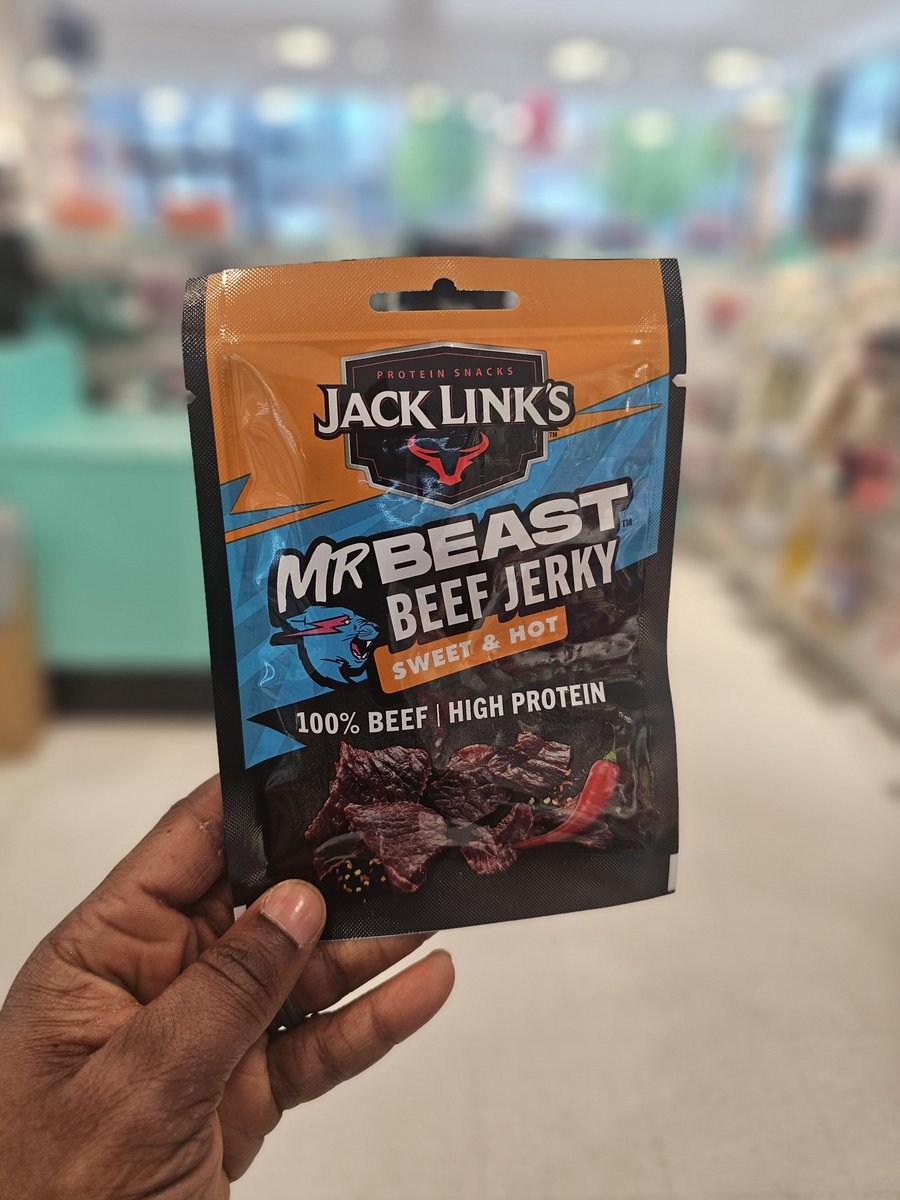
First time trying the @MrBeast beef jerky here in the Netherlands. This sweet & hot flower tastes amazing.
I'm sold!
65
Prince Boadu retweeted
Apr 24
I hear local voice agents are back in fashion 👀 Here is a demo of the Khaya AI assistant in action. It can do free flowing conversations - no preprogramming required.
If we get 1000 retweets WE GO DROP AM RIGHT NOW for you 🤝 Internet do your thing 😅
25
1,235
1,571
45,650
Prince Boadu retweeted

I built the product, architected the system, hired the team. Then they outsourced me out of "my own" company.
Sometime mid 2020 at the peak of Covid, I had finally completed my graduate studies.
About 8 months earlier I had already submitted my thesis and was supposed graduate but I delayed and stayed as a student on purpose.
As an international student my worry was how to find a job right after graduation, lest I lose my residents permit and may have to leave the country. Living with a students permit for a while was my best bet.
Then something unexpected happened.
7
25
66
12,871
Apr 22
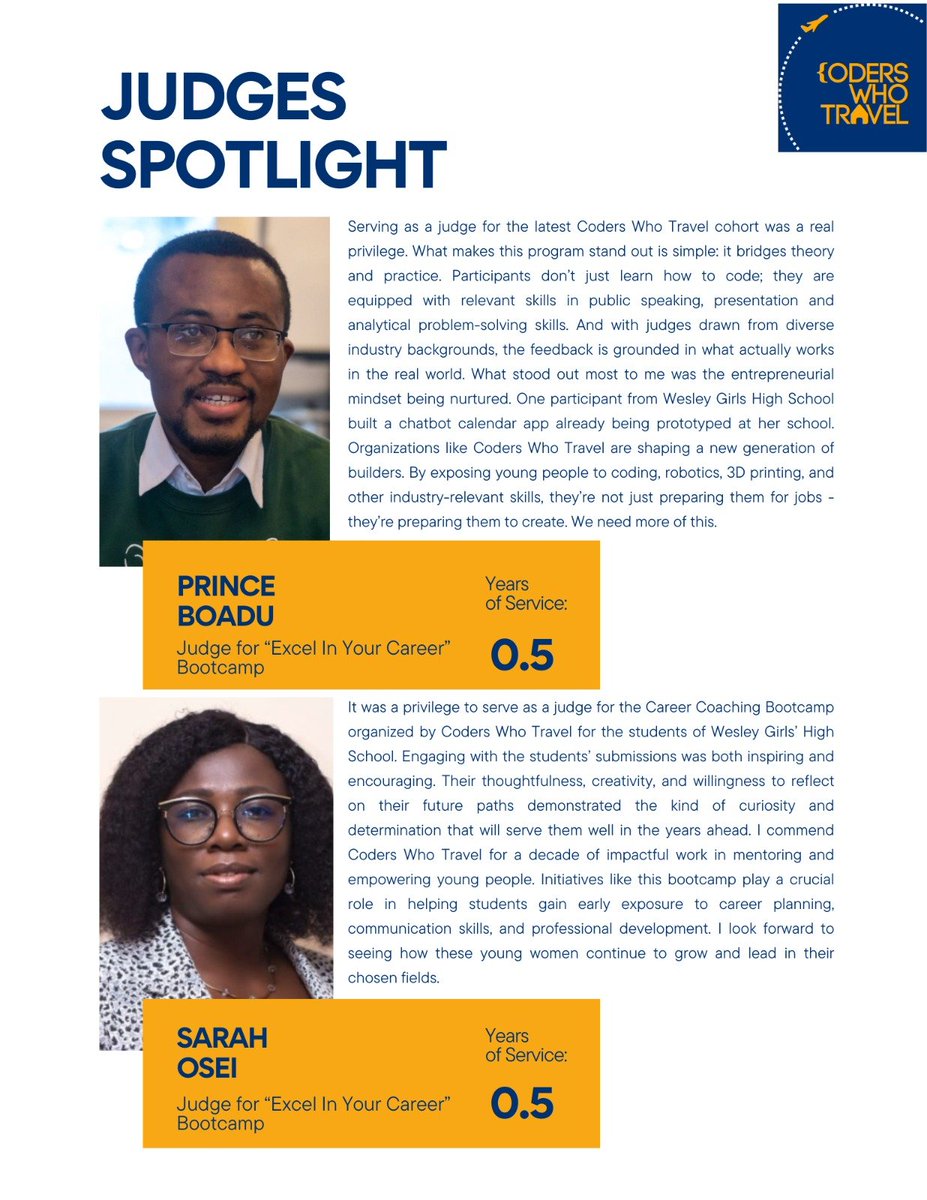
Giving back to the next generation of Ghana's innovators is something I hold dear to my heart.
This year, I decided to volunteer some time to serve as a judge on @coderswhotravel BootCamp. The talent I saw this year from Wesley Girls' High School students is incredible. Some of the girls we mentored had built Robotics solutions and coded apps using APIs and SDKs right from their high school dorms.
Seeing this level of technical proficiency at the high school level makes me incredibly optimistic about the future of STEM in Ghana. Just amazing!
You can sponsor and partner with @coderswhotravel to extend this Bootcamp to more High Schools and Universities.
70