
Joined March 2009
- Tweets 55,341
- Following 5,137
- Followers 2,730
- Likes 159,306
699 Photos and videos



Scott Elcomb retweeted

24 Oct 2025
So, to be clear, Trump can talk about annexing our country, and call our PM "governor" but if someone posts quotes of Ronald Regan critical of tariffs it crosses the line into international meddling?
Right, right....
381
860
5,722
70,073
Scott Elcomb retweeted

23 Oct 2025
learn fundamentals so deeply that frameworks feel optional
100
252
2,981
73,907

In this thread, we summarize the new types of prompt injection attacks we uncovered.
You can read more details on them in today’s blog: brave.com/blog/unseeable-pro…
8
120
1,415
273,779
Scott Elcomb retweeted

20 Oct 2025
I just had to go with the classic blue & white art style for the automap. And, now players get to enjoy that art too!
⚔️ The Secret of Weepstone ⚔️
290
1,053
8,275
675,839

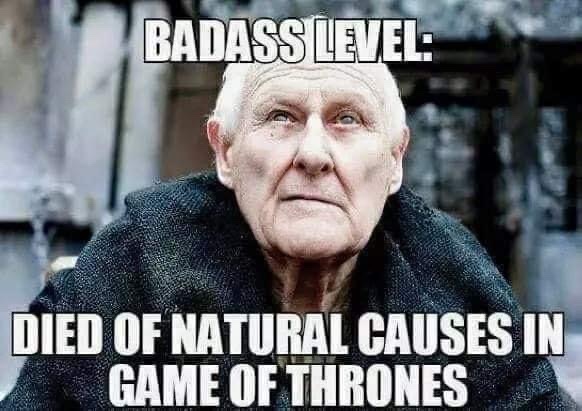
Scott Elcomb retweeted

28 Sep 2025
When designing a dungeon, I'll first pick a theme (e.g. lava temple), a general layout (e.g. a tower) a key item for solving puzzles (e.g. bow and arrow), and a core dungeon mechanic (e.g. changing water level)
At this early phase I'll also consider some puzzles, enemies, and obstacles that would suit this combination.
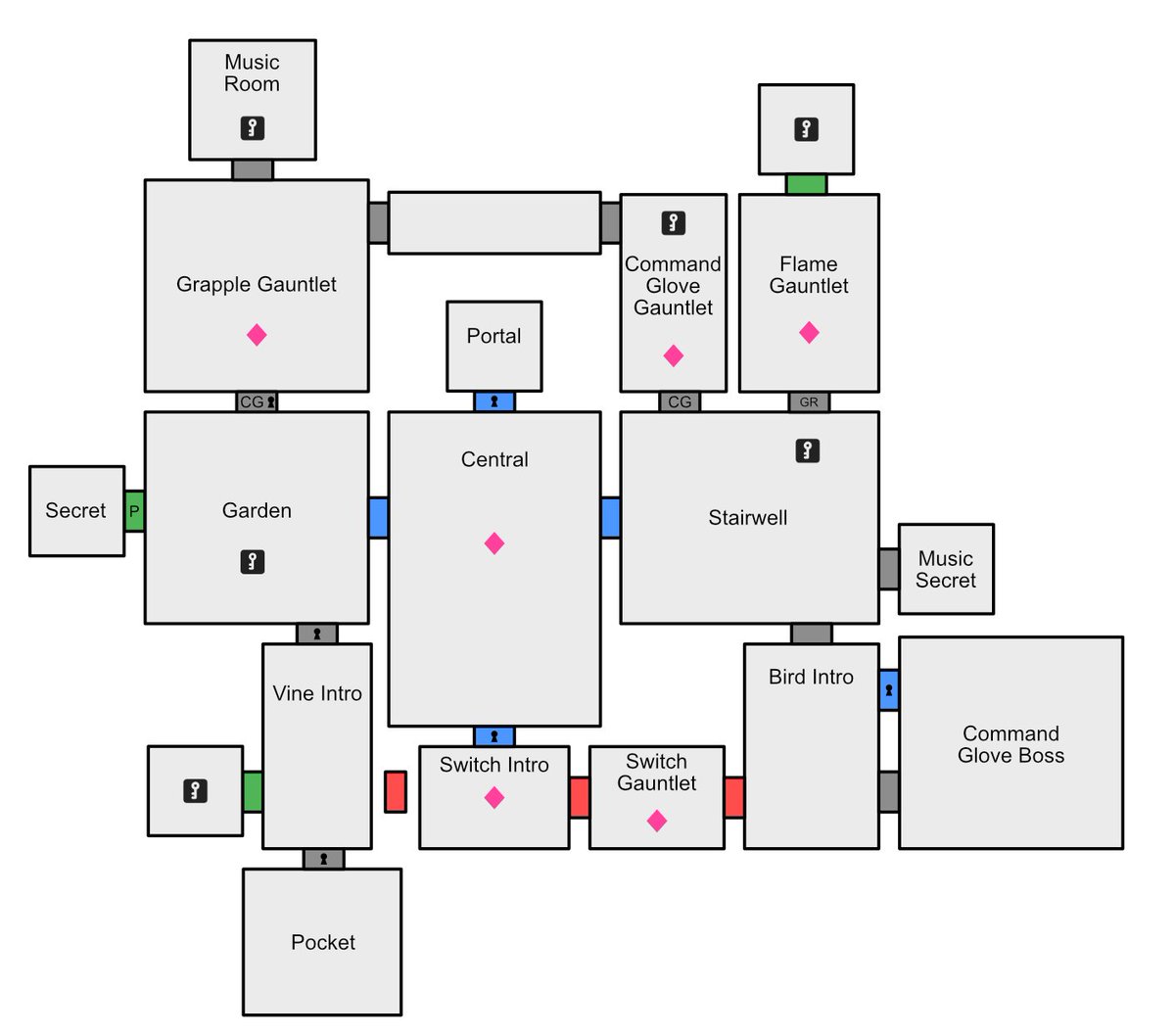
I'll then start creating a 2D map/graph (something like the picture below) while also writing a story of the player navigating the dungeon beat-by-beat. E.g. "I used X item to solve a puzzle, which rewarded a key. In this room I also noticed a door I can't reach yet. I suspect it might lead to that room with the chest I saw before. I head East."
If the dungeon is nonlinear, this story can split off in different directions which need to be designed as well.
The goal is to tell the full story of the player navigating the dungeon from beginning to end, in a way that's logically sound, prevents softlocks and frustration, etc. At this point I don't worry about what the obstacles / puzzles / bosses actually are. I'm just focussing on the logical order of their completion.
Once I'm happy with this sequence of rooms, keys, locked doors, barred doors, key items, and puzzles - then I'll move onto 3D modelling. The layout of the dungeon will change drastically when converting to 3D, but I try to keep the big story beats the same.
At this point I can playtest to check my logic actually works.
Then I go through designing each room, adding puzzles, enemies, secrets, etc, always careful to keep the macro-level sequence logic intact. The way I design an individual room would be worthy of its own thread. But then it's just lots of polish and playtesting!
27 Sep 2025

Wow. Can you breakdown your process for your level design? Is this a blockout/grey boxing? Play testing is no hassle and then making changes is no hassle, right?
24
153
2,545
161,629
Scott Elcomb retweeted

12 Sep 2025
Dungeons & Dragons: Honor Among Thieves is way better than it has any right to be.
12 Sep 2025

Which movie did exceed your expectations the most?
58
178
2,324
114,787
Scott Elcomb retweeted

31 Aug 2025
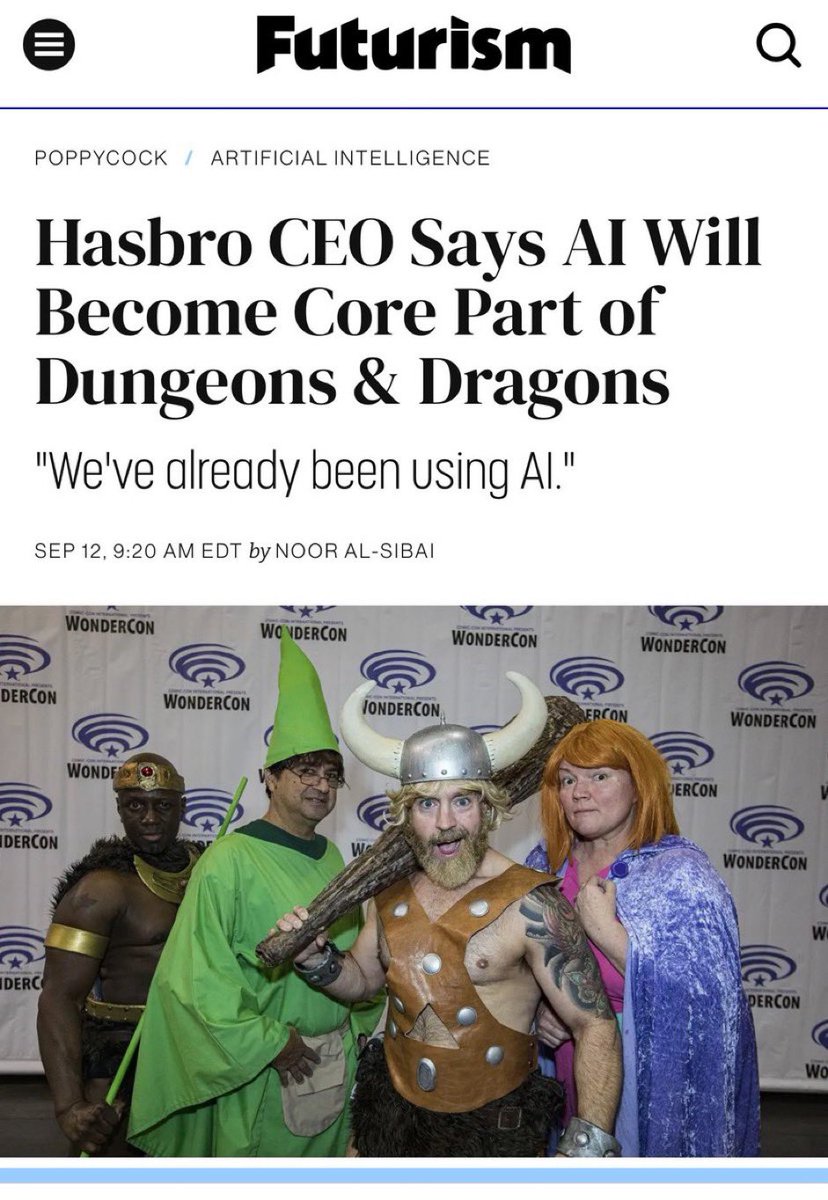
was only a year ago when the Hasbro CEO said this about dungeons and dragons
How does AI being used for D&D make you feel?
162
29
317
16,770

Scott Elcomb retweeted

16 Aug 2025
Building a mobile game for 10M players. You need a real-time leaderboard for the top 10k.
Your SELECT * FROM scores ORDER BY score DESC LIMIT 10000 query runs thousands of times/sec with 1M concurrents.
Your DB CPU hits 100%, and the game lags for everyone.
How do you design a leaderboard that can handle this scale?
188
84
2,027
321,651

8 Aug 2025
The good news: If you like rpg's and you're comfortable with the command-line, node.js and ollama, you might get a kick out of this alpha game engine: github.com/psema4/yikes
#ai #gamedev
1
1
4
290
8 Aug 2025
Btw, I blame @js13kGames (next week!) for this
Ultimately the concept is rooted in 2020's theme, "404". The original, for tabletop & one-page RPG's, called IKES is not yet published (coming)
Eventually the results from that crazy effort will get published; it'll be a blast 😉
1
1
1
231
Scott Elcomb retweeted

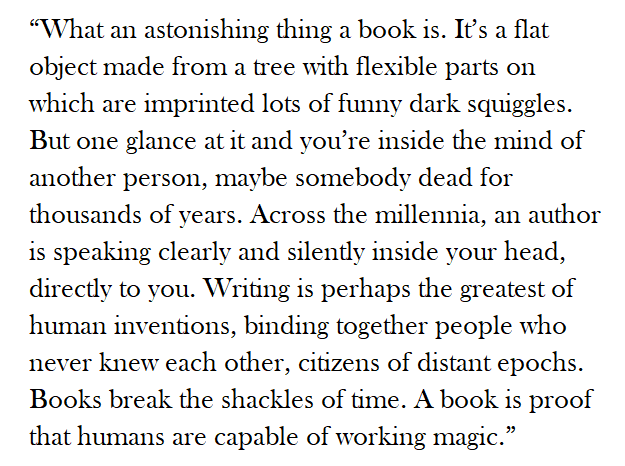
Carl Sagan; books remain our greatest technology
38
1,285
5,824
230,736
8 Aug 2025
Tariffs on music (·•᷄ࡇ•᷅ )
8 Aug 2025

Does Re:Sound consult with music users about its tariffs ❓
Re:Sound welcomes direct input on tariffs from music users. We also engage in outreach activities to obtain the simplest, fairest and most efficient tariffs possible🗣️
Learn more at resound.ca

23
8 Aug 2025
I'm postponing the Baby vs. Aliens game indefinitely for now :'(
The concept is great, but the originally envisioned game is not as fun as I'd hoped. Will revisit later (possibly as an animated cartoon instead) #amwriting #gamedev
3
117
Scott Elcomb retweeted

1 Aug 2025
Who was gonna tell me there was a game that teaches you how to use blender- 👁️👄👁️
123
1,566
36,152
1,162,294
31 Jul 2025
RT @AlexGrama: @qtnx_ it's not really coordination, it's policy contagion in action. australia passed their social media age verification l…
28
Scott Elcomb retweeted

27 Jun 2025
Trump's reckless termination of trade talks with Canada over a minor tax policy exposes his dangerous obsession with bullying allies, threatening economic stability for both nations to appease his fragile ego.
47
56
334
5,341
22 Jun 2025
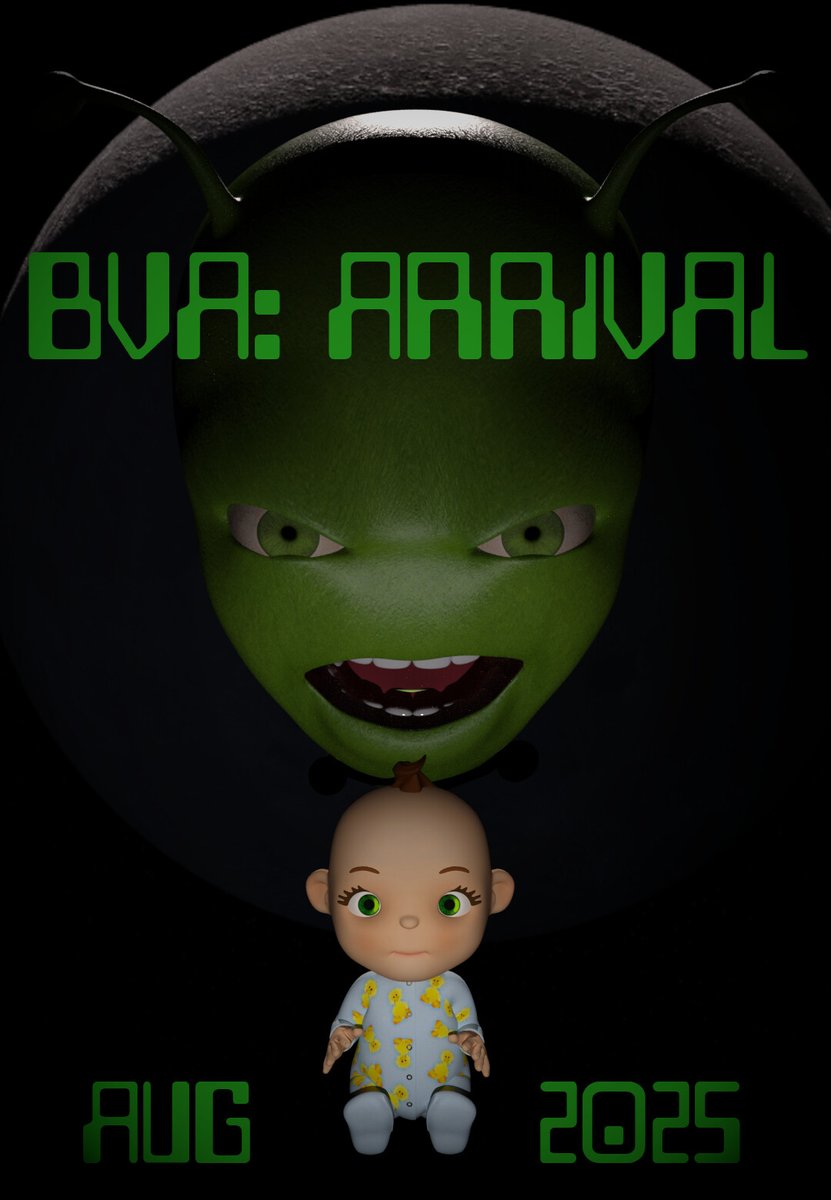
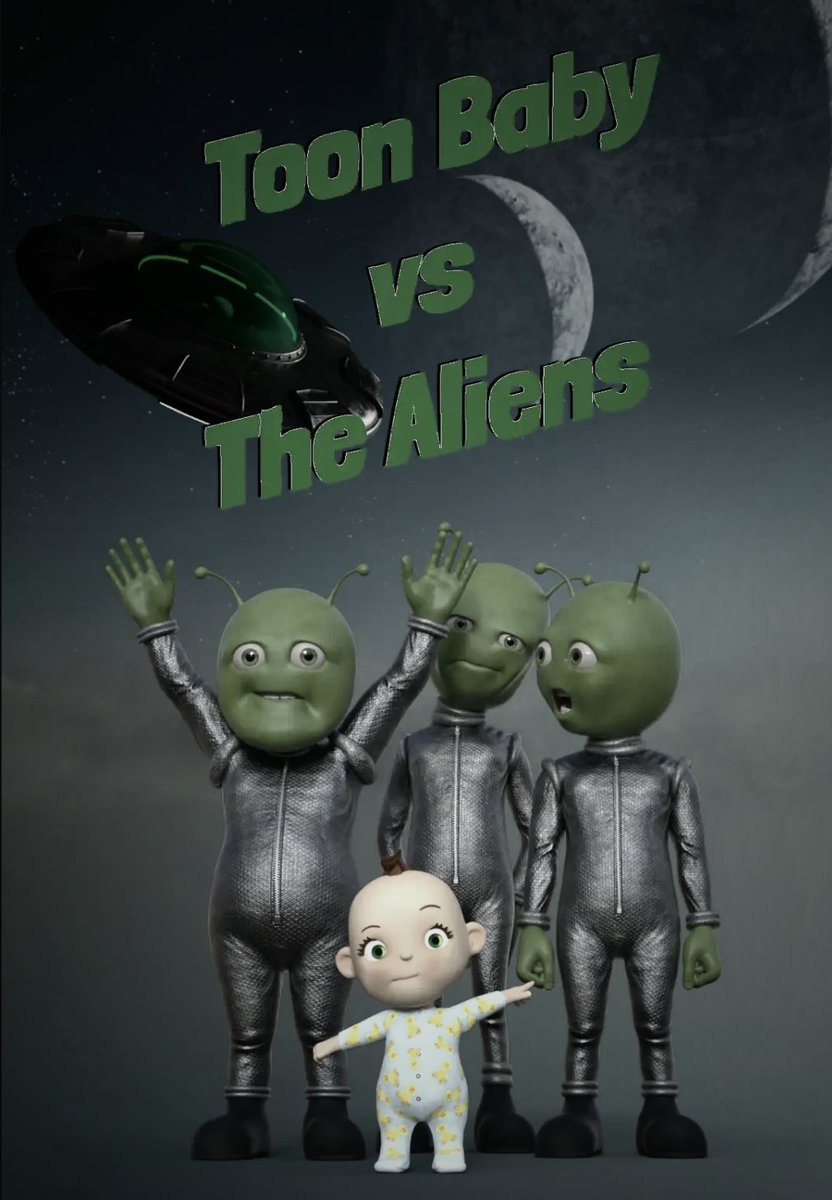
Working on an a game to introduce my Baby vs Aliens universe.
BVA: Arrival, coming this August!
#amwriting #gamedev
3
93