☦ It is the glory of God to conceal a thing: but the honour of kings is to search out a matter. Proverbs 25:2
Joined March 2017
- Tweets 8,052
- Following 5,283
- Followers 8,313
- Likes 109,062
3,213 Photos and videos




Pinned Tweet

31 Dec 2025
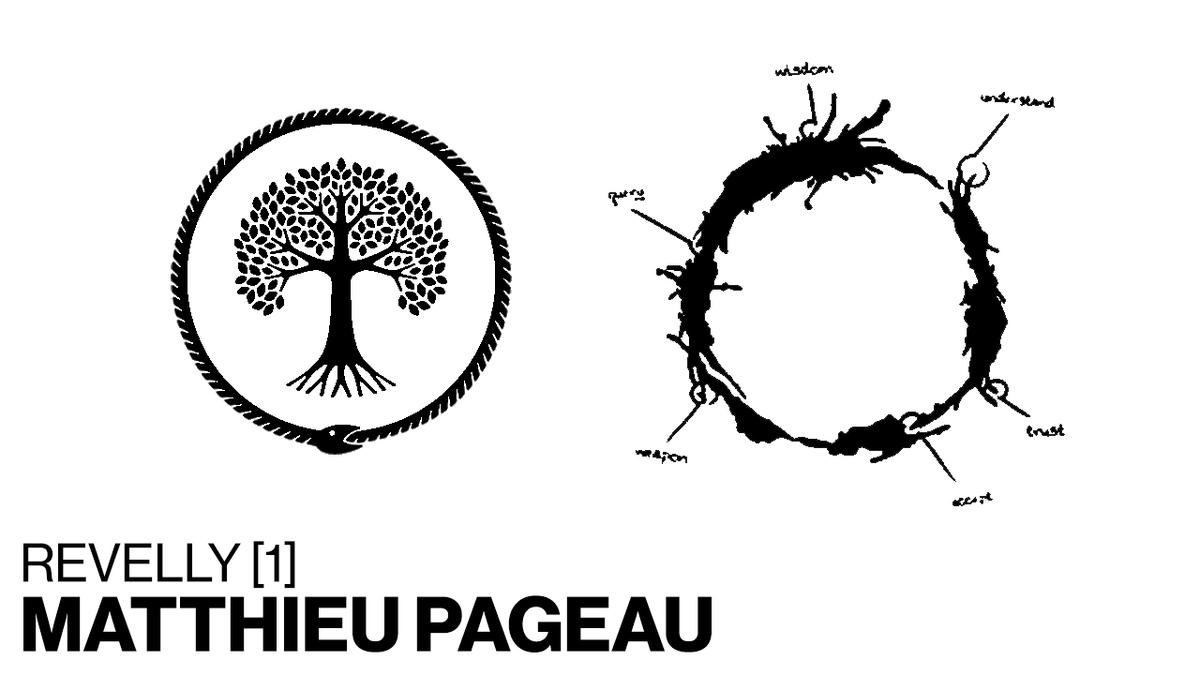
📯 Revelly 0.01: The Language of Simulation w/ @PageauMatthieu releases on Saturday, Jan. 3, 2026 at 12pm EST!
Hosted by @UndergroundAeon & I!
"By the Waters of Babylon (Psalm 137)" performed by @tlstgrlnthwrld!
youtu.be/8-_SukZCG7Q?si=MRnm…

11
37
255
52,920

𝐌𝐀𝐓𝐑𝐘𝐎𝐒𝐇𝐊𝐀𝐌𝐎𝐍𝐀𝐑𝐊𝐇𝐈𝐒𝐓🪆 retweeted

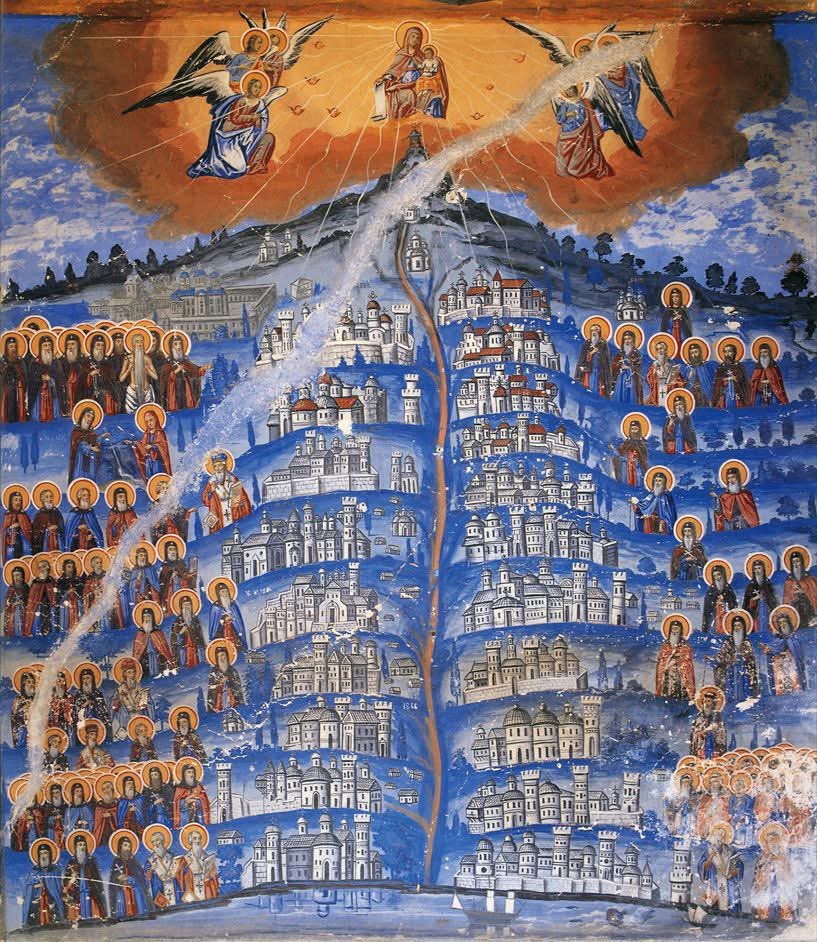
The earliest mention of Homer in Russian literature is from the 9th century Vita Cyrilli, where it says that Saint Cyril, upon arriving in Constantinople, “studied Homer and geometry, and, under Leo and Photios, dialectics, and, besides these, all the philosophical teachings”
1
4
44
2,358
From Eternity, Monasteries

3
12
637
𝐌𝐀𝐓𝐑𝐘𝐎𝐒𝐇𝐊𝐀𝐌𝐎𝐍𝐀𝐑𝐊𝐇𝐈𝐒𝐓🪆 retweeted

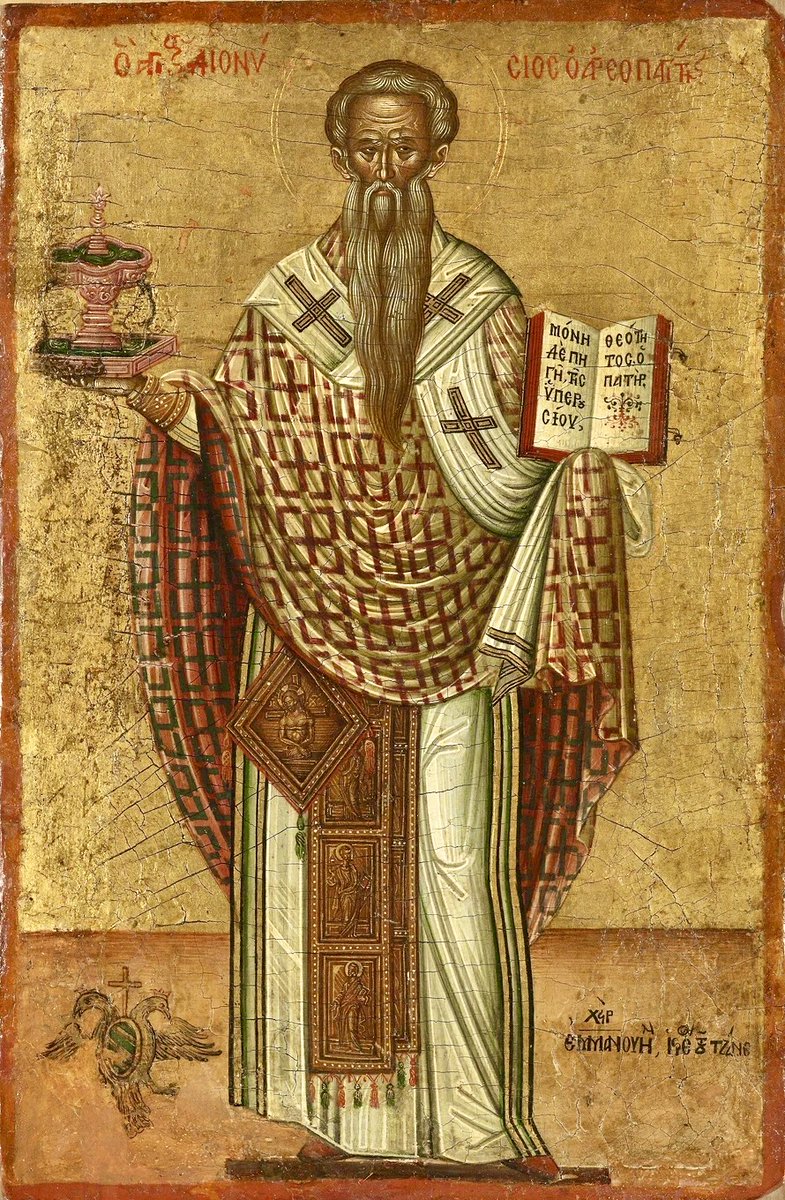
Did the Church Fathers quote Saint Dionysius the Areopagite? 🧵
9
44
228
16,920
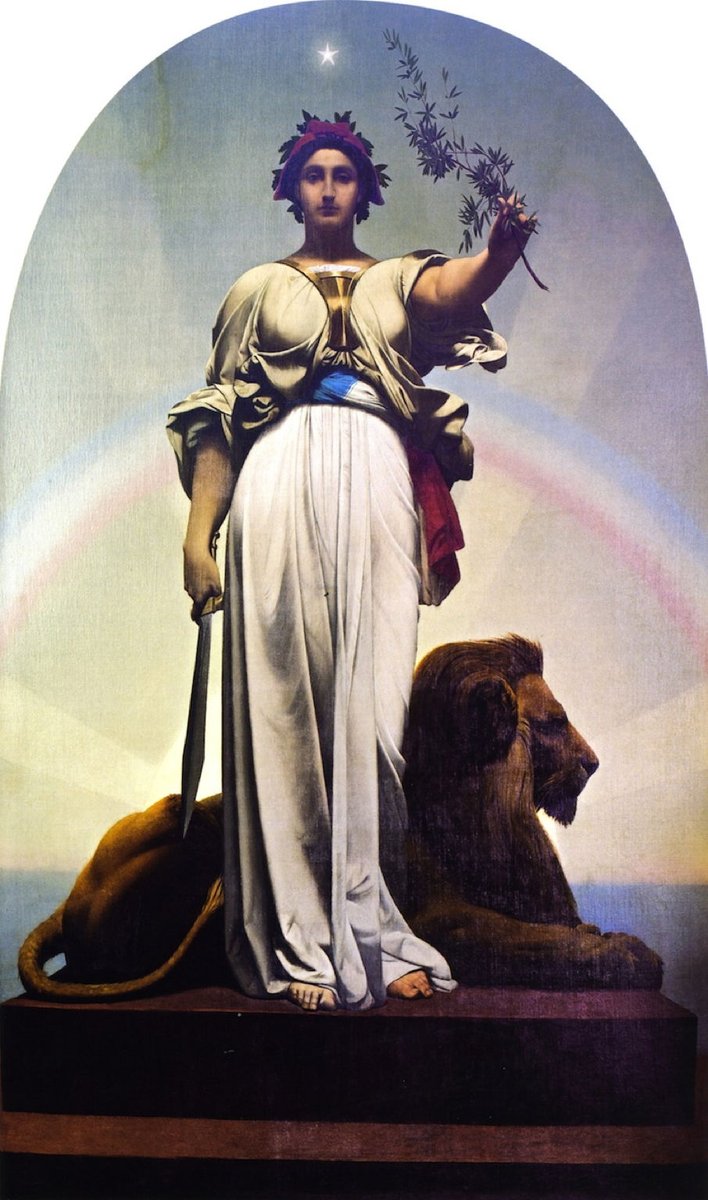
The Neoplatonic Republic
5 Nov 2025

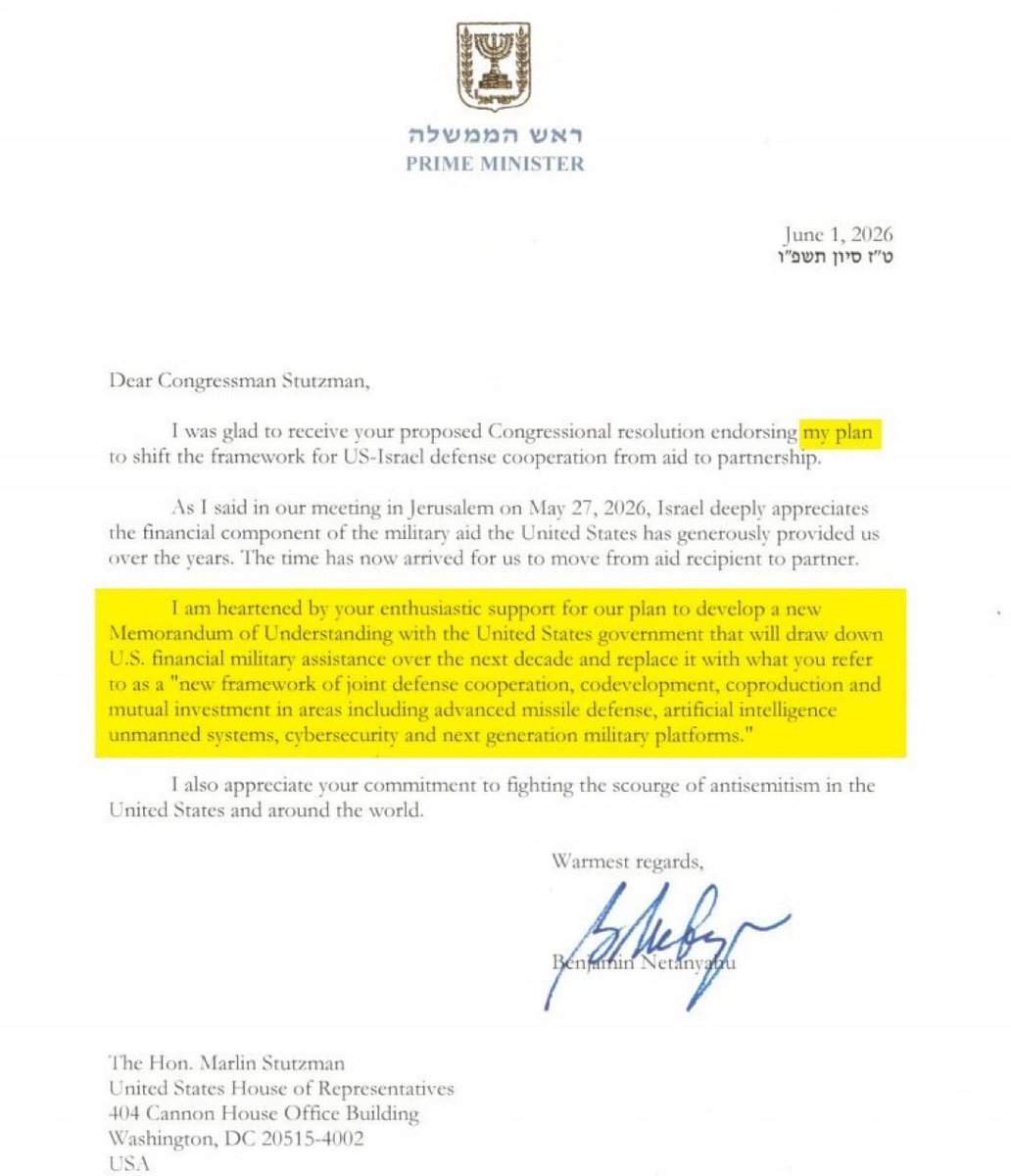
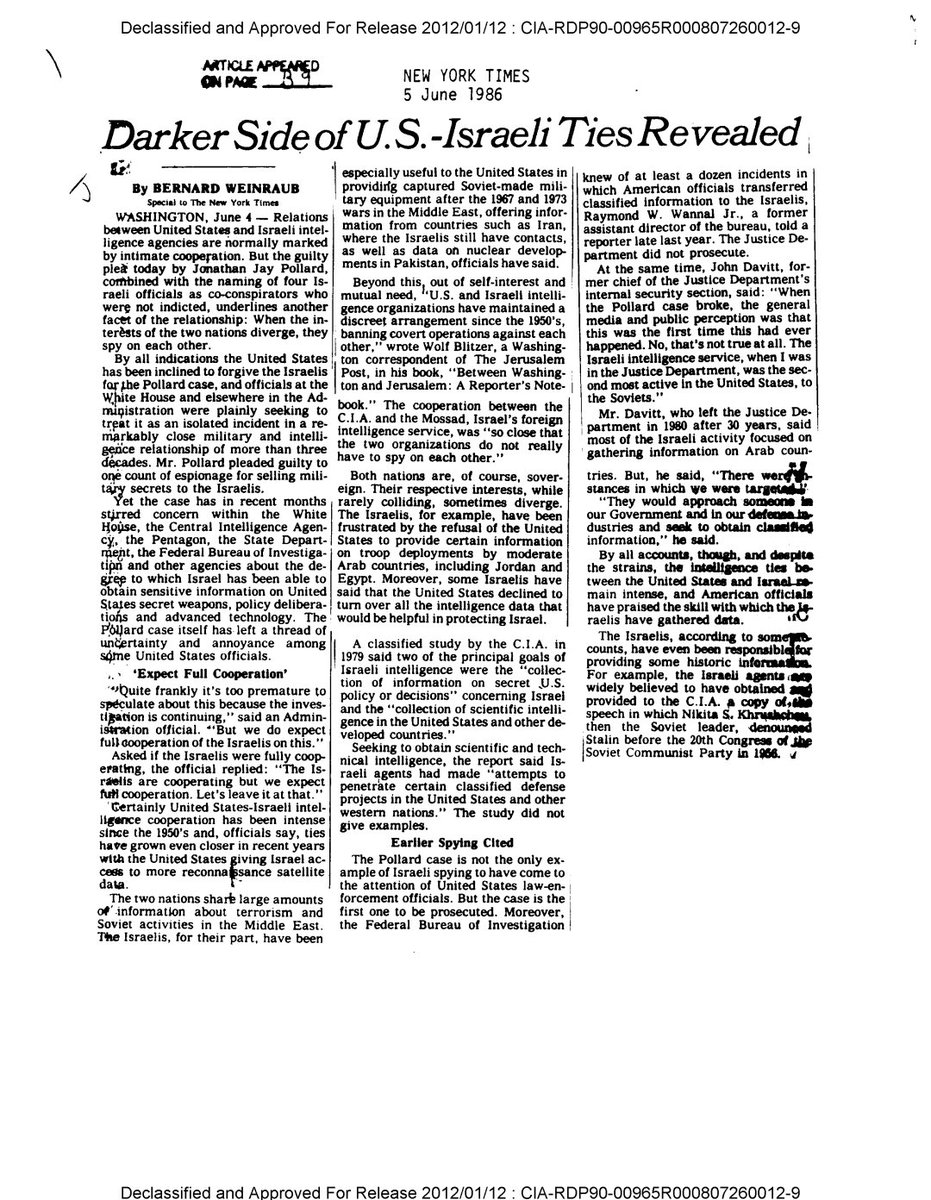
"U.S. and Israeli intelligence organizations have maintained a discreet arrangement since the 1950's, banning covert operations against each other,'' wrote Wolf Blitzer, a Washington correspondent of The Jerusalem Post, in his book, ''Between Washington and Jerusalem: A Reporter's Notebook.'' The cooperation between the C.I.A. and the Mossad, Israel's foreign intelligence service, was ''so close that the two organizations do not really have to spy on each other.''
1
4
53
3,003
Politics Falls from Acropolis
x.com/i/status/1727424404999…
22 Nov 2023

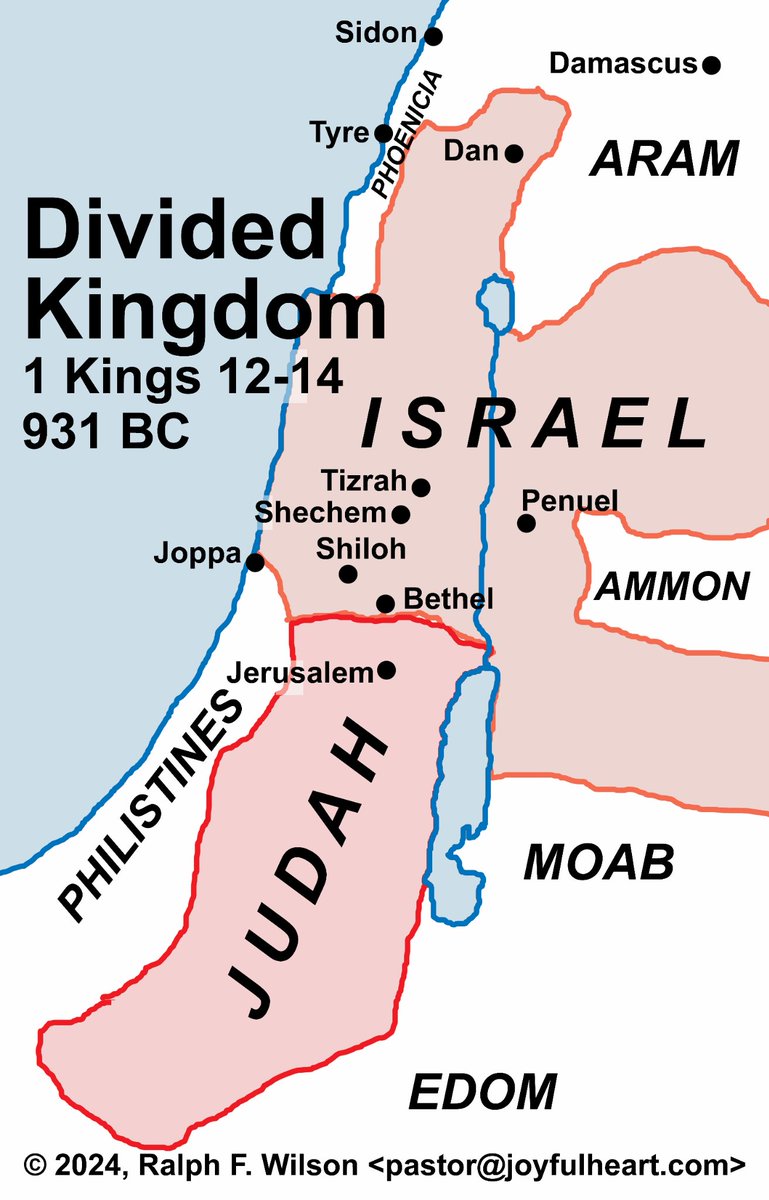
With the Filioque, the Franco-Latin para-synagogue degraded the Holy Spirit and lost divine grace.
With Papolatry it erected anthropocentrism to a metaphysical dogma.
In the Renaissance it filled the lack of divine grace with a Kabbalistic-Hermetic techno-theurgic Cryptocracy.
1
6
922
4
529
So too is the Monk
1
12
1,453
26 Jan 2025
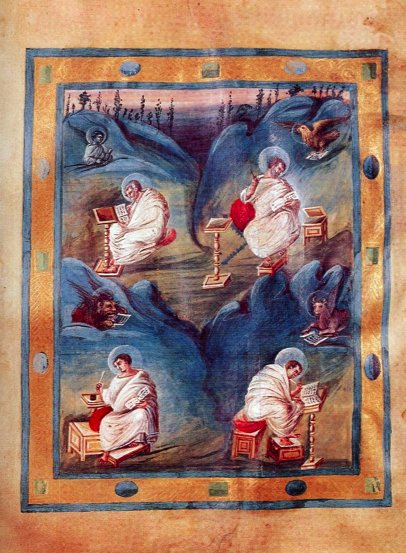
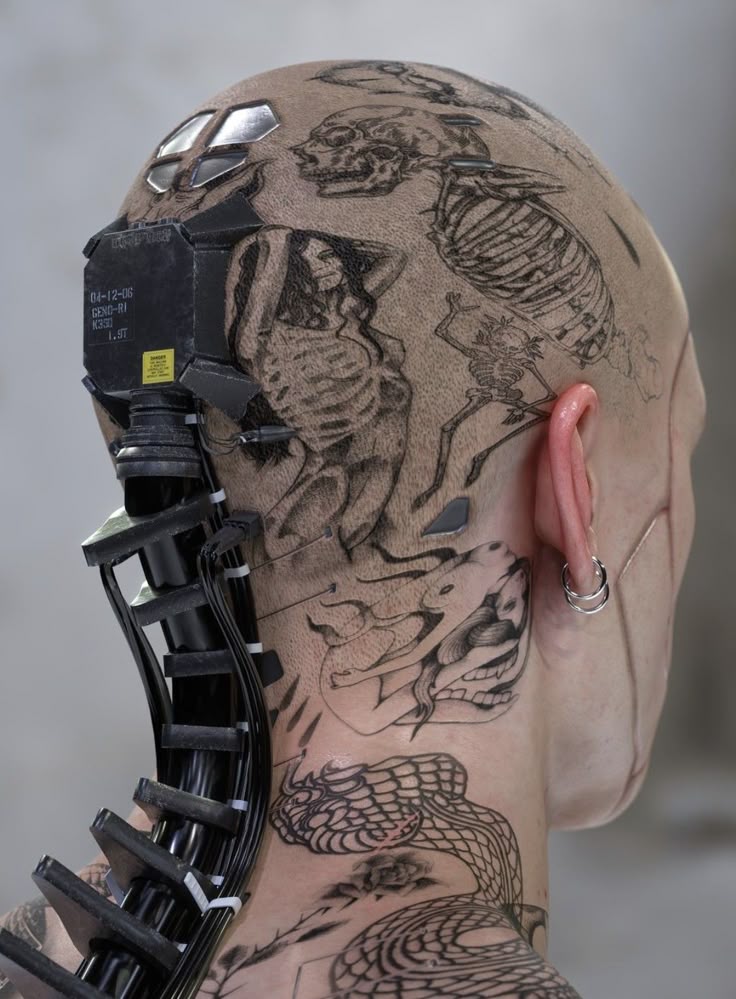
The first type to be replaced by automatons was the monk 📚

1
906
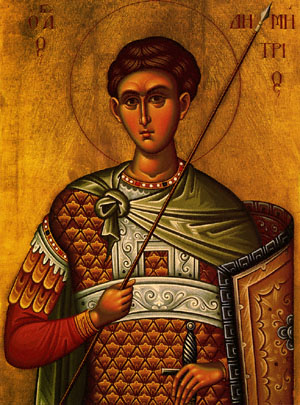
Christ is the Type of Types
1
1
17
2,215
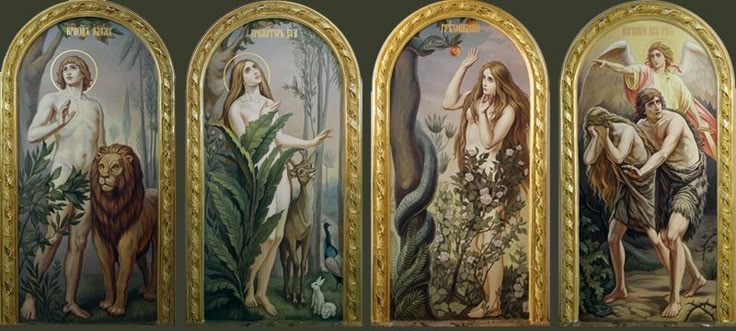
"And the Lord God took the man, and put him into the garden of Eden to dress it and to keep it..."
Genesis 2:15

Social media has placed immense power in our hands.
But the question is not whether these tools are good or bad. The question is whether we remain their masters—or become their servants.
1
1
11
1,021

6
676

"Orthodox Spirituality and The Technological Revolution" Archimandrite Aimilianos
ark.page/archive?url=https%3…
2
10
699
𝐌𝐀𝐓𝐑𝐘𝐎𝐒𝐇𝐊𝐀𝐌𝐎𝐍𝐀𝐑𝐊𝐇𝐈𝐒𝐓🪆 retweeted

Jun 3
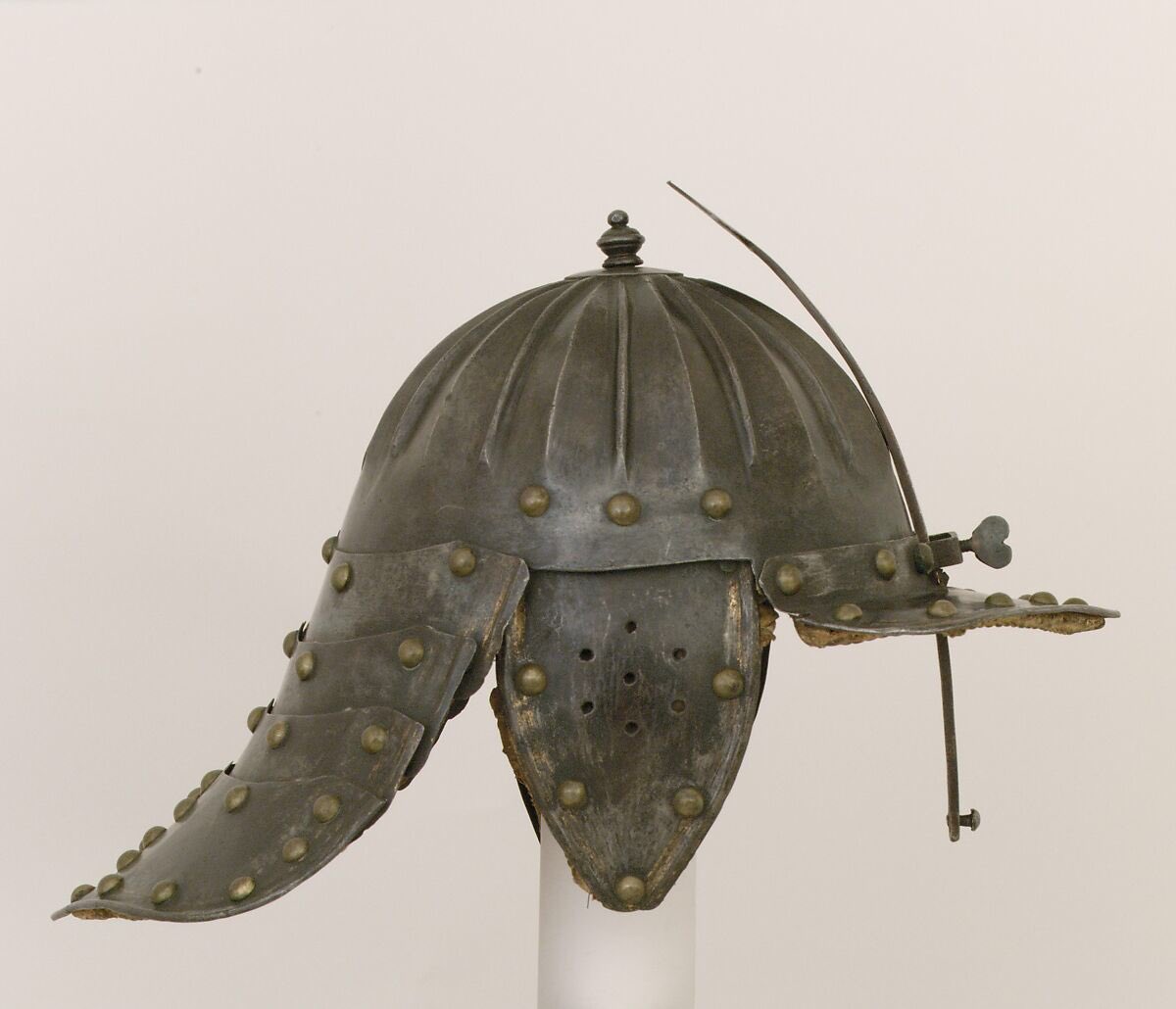
400 years later. Welcome back, lobstertail burgonet.

40
622
12,256
397,609
7 Jan 2025
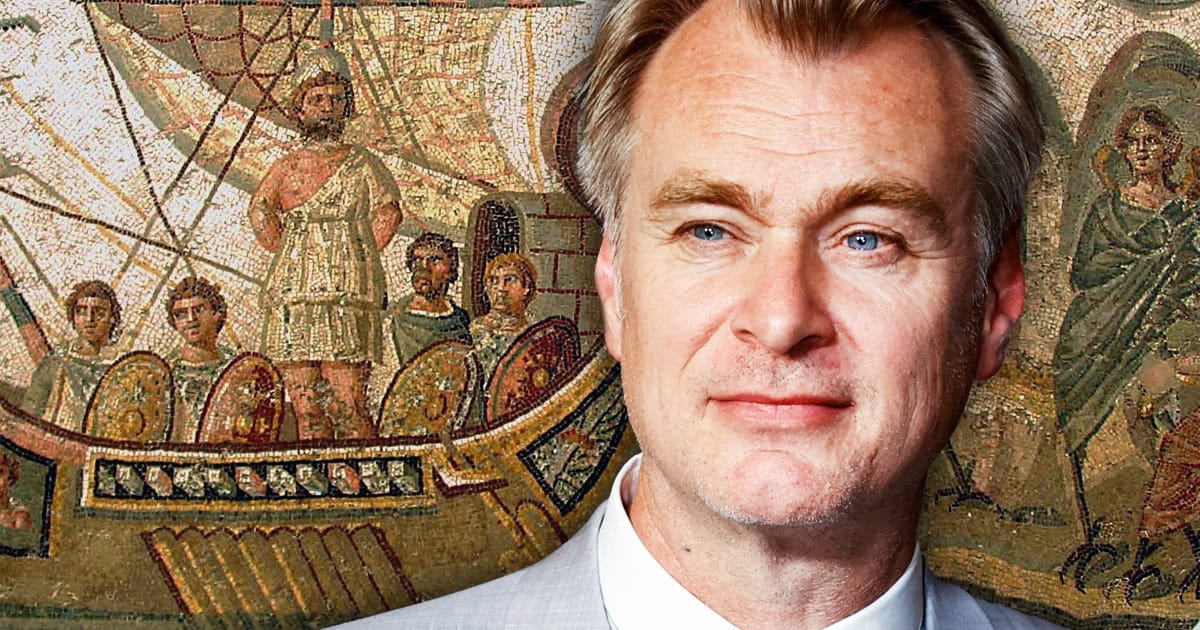
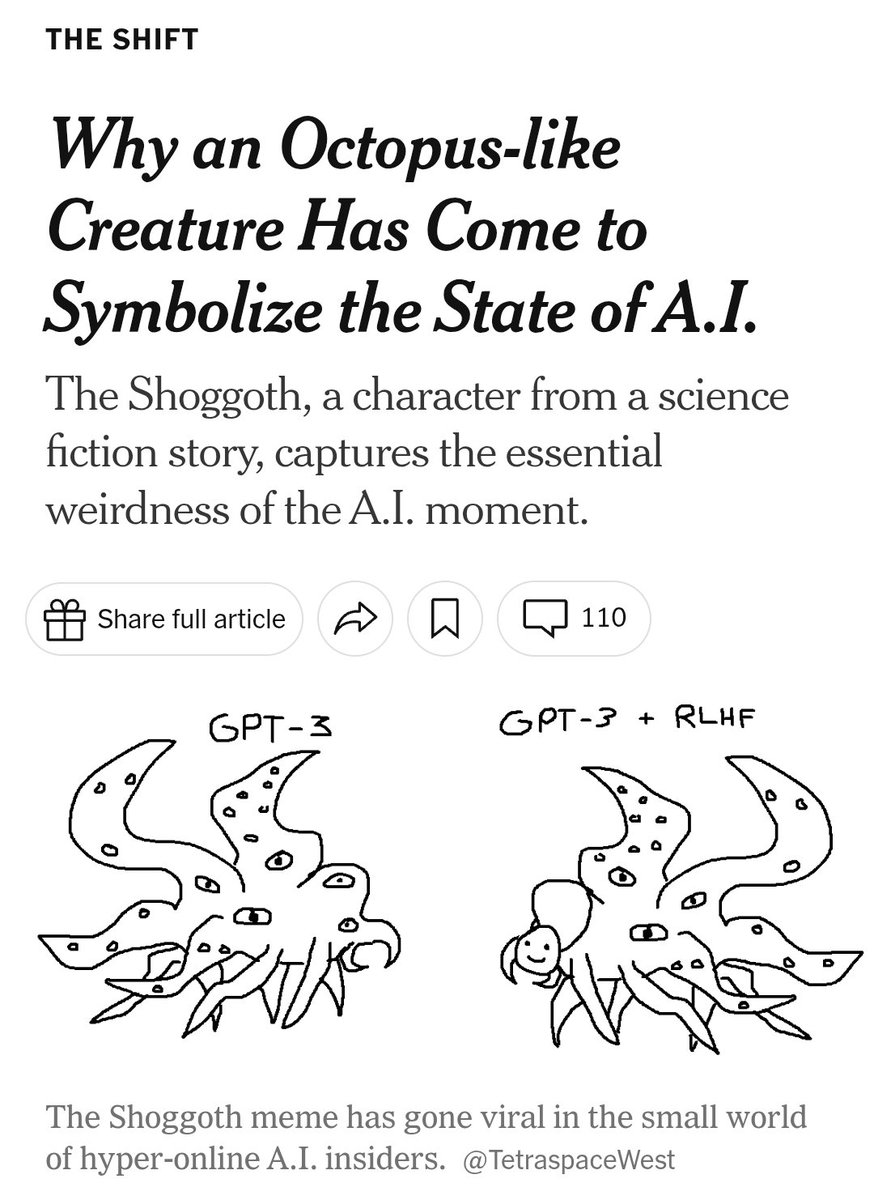
Christopher Nolan's $250 million Odyssey will be an initiation into the Age of AI

13 Jan 2023
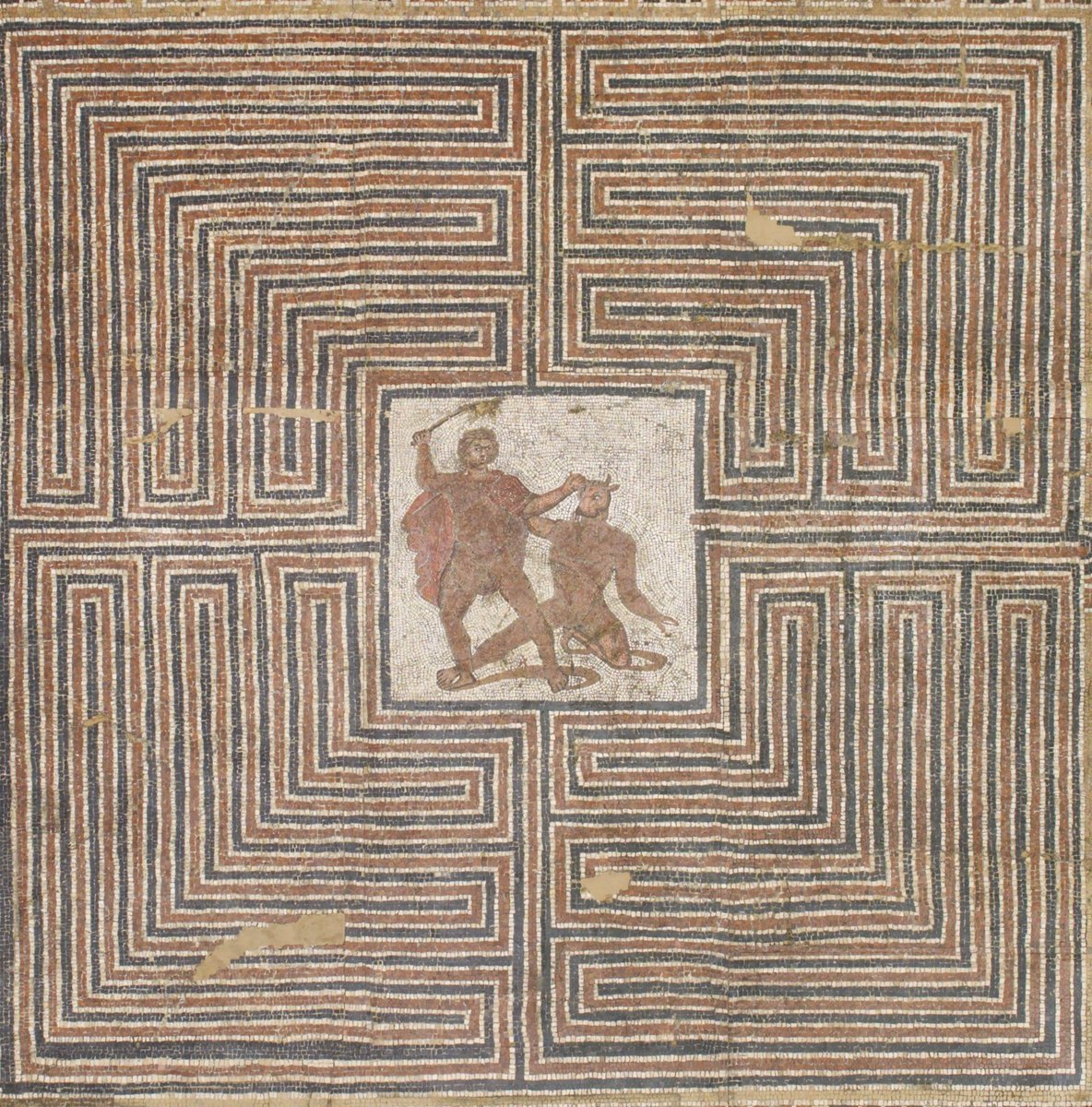
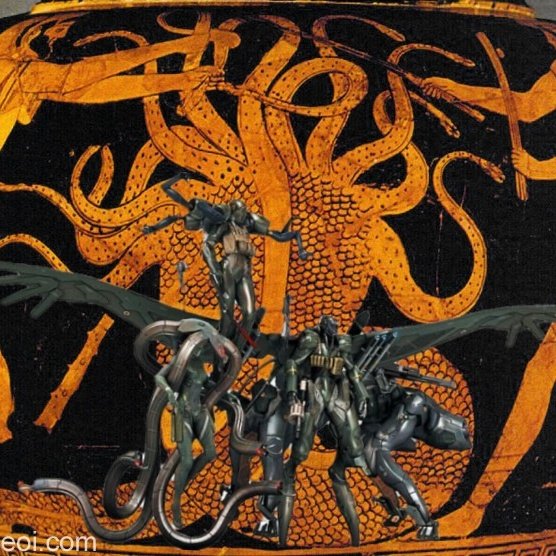
Magical techne, like the labrynth, forms heroes and monsters from men
3
7
66
7,949
May 9

"The Odyssey" movie will be insanely bad, but it will also mark the beginning of something new. Christopher Nolan, who is considered the best director in the world, will open the gates for AI cinematography.
They disrespect the Classics, therefore Homer will murder Hollywood.
1
4
728

253

Ancient Near East also had dead animated objects w/ agency (idols) running around, eg. Mesopotamian mouth washing & opening ritual repeats w/ training of the models and construction of the chat interface, both are rituals acts to consecrate them, to claim they're smth external
1
1
16
1,016
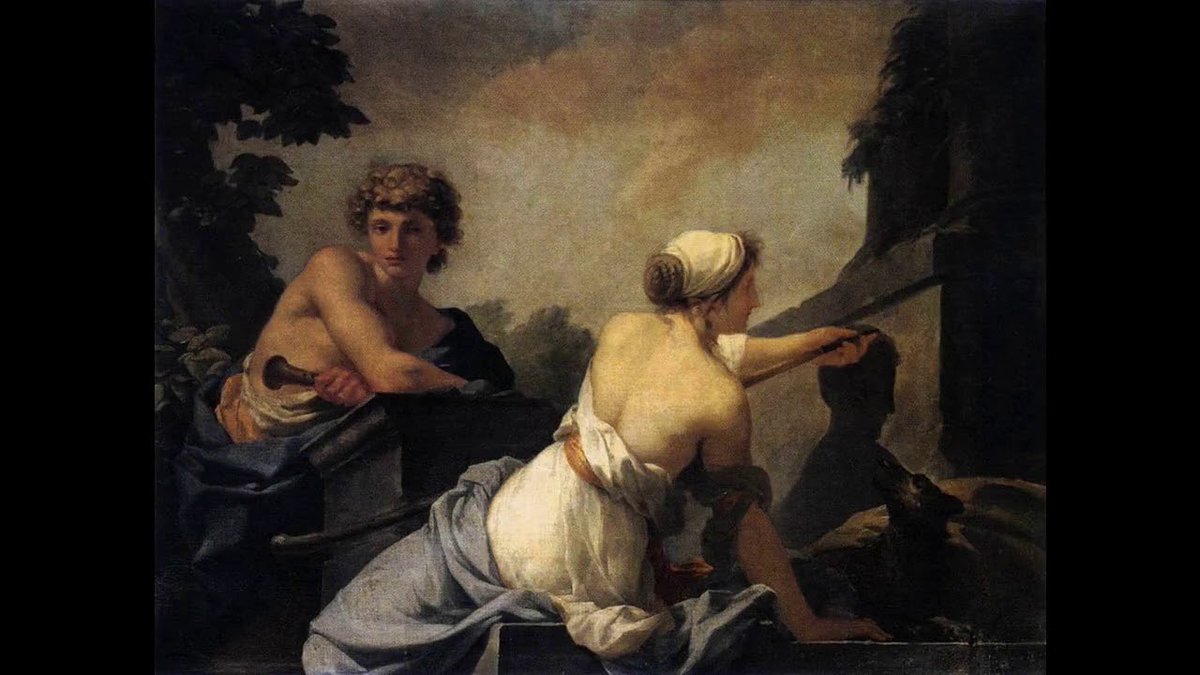
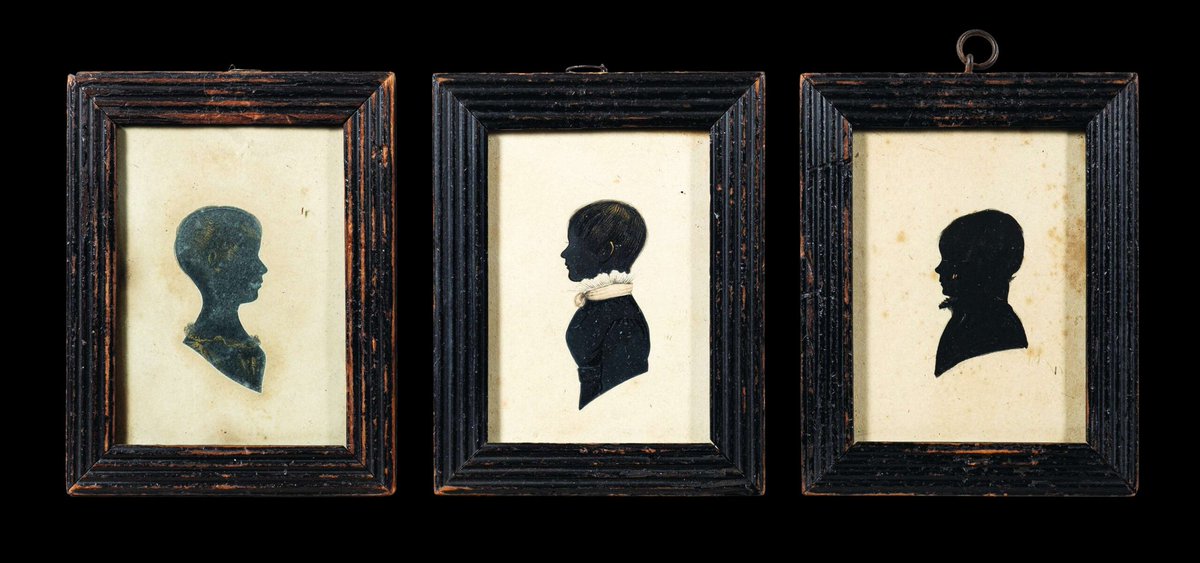
Silo-ettes
Jun 3
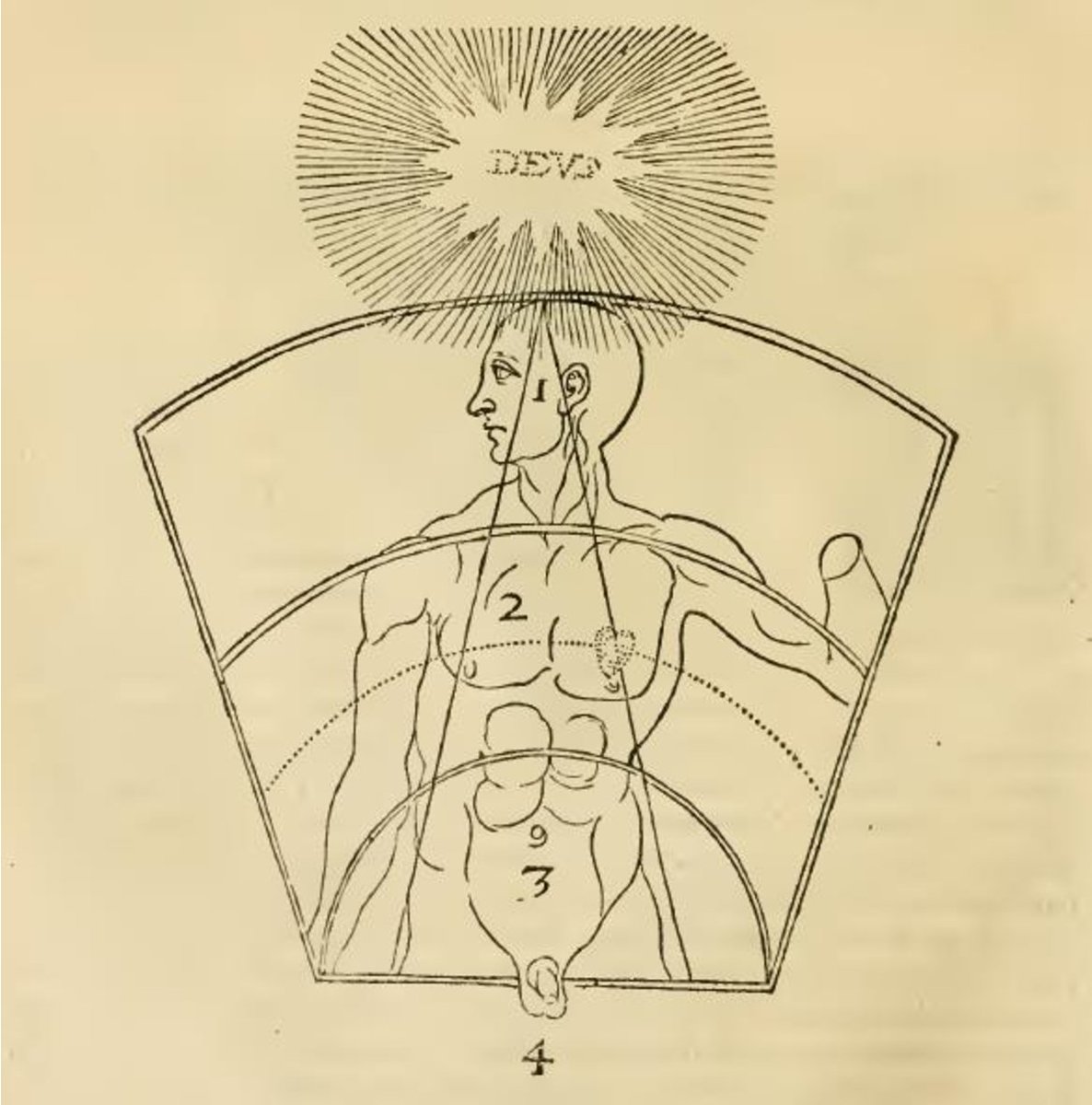
Protestant ecclesiology is an outgrowth of papal ecclesiology.
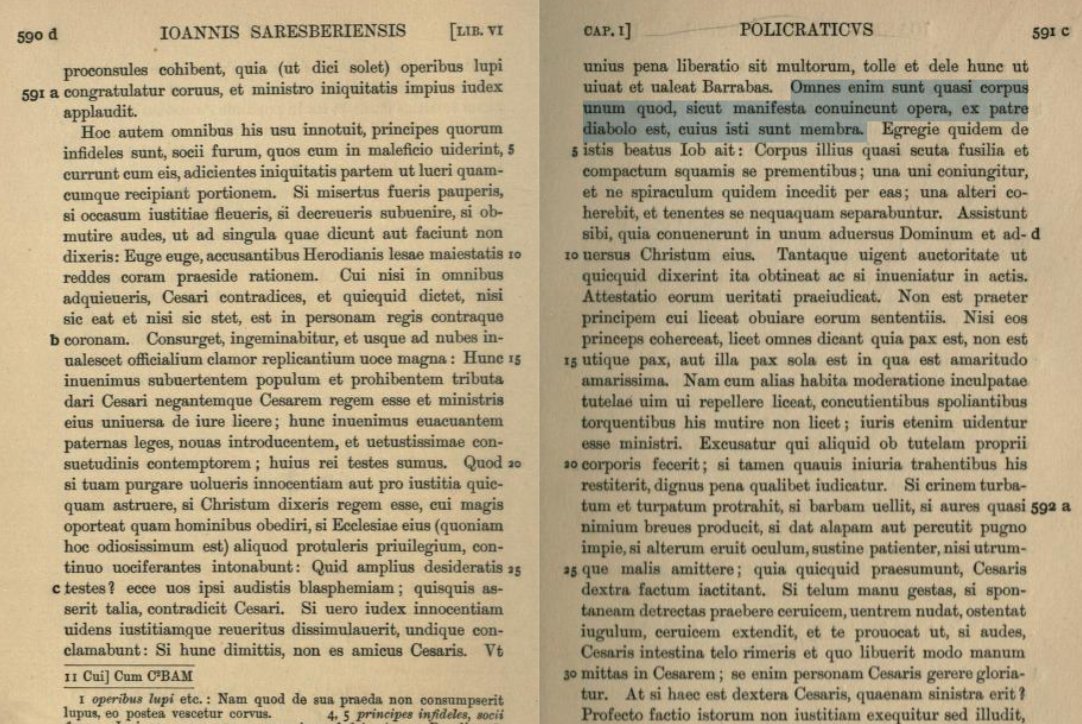
First, medieval theologians distinguished three concepts that, in their view, had been conflated in the term "Body of Christ": the natural human body of Jesus Christ, the Eucharistic mystery, and the Church.
The application of the concept of "body" to the Church was developed in accordance with the concept of "corporation" inherited from Roman law and distinguished from the body of Christ in the sense of the Eucharistic mystery. The Church as corpus would, in effect, become a juridical corporation. As explained by Ernst Kantorowicz, medieval theologians and jurists, in order to justify the continuity of the organic unity of an institution through time, distinguished three temporal modalities: aeternitas, aevum and tempus. Within the scope of aevum, the ecclesial corporation acquires the dimension of perpetuity common to angels and celestial intelligences, being neither eternal like God nor strictly temporal like individual men (cf. Vatican I: "the perpetuity of the primacy of blessed Peter in the Roman pontiffs"). It is in this sense of aevum that the epithet mysticum henceforth came to be applied to the Church. The Church as a legal corporation is what is denoted by the syntagma corpus mysticum. As Henri de Lubac demonstrated, the adjective mysticum, originally belonging to the sacramental sphere in the West, was gradually transferred to the legal sphere of the institution.
As a unitary juridical entity distinct from its constituent members, the Church as a corporation acquires the legal status of a persona ficta. Yet, insofar as the papal conception of the Church is monarchical, the persona ficta of the Church cannot but be the Pope himself. The Pope is, in this sense, the head of the ecclesial juridical corporation, endowed with a legal personality independent of its members. This legal personification of the Church implies a surreptitious separation and subsequent hypostatization of its dual divine-human reality, whose new relation of representation recalls the Nestorian notion of the "prosopic union" of the human and the divine in Christ.
Papal ecclesiology further articulated this legal and corporate notion through the dual conception of the Church as Ecclesia militans – the visible Church – and Ecclesia triumphans – the invisible Church. Submission and obedience to the Pope, as the foundation of membership in the visible corporate Church, became the necessary condition for access to the triumphant Church, the invisible and heavenly counterpart of the visible Church on earth.
Eucharistic communion ceases to be the operative means by which the faithful are incorporated into the Body of Christ. The body of Christ present in the Eucharistic mystery ceases to be the sacramental foundation of the Church and is relegated to a secondary role, becoming merely a sign of belonging to the corporate Church, whose foundation is obedience to the Pope.
Reformers such as Luther and Calvin would adopt this notion, though now to designate the Church as a mystical body (spirituale et arcanum Christi corpus) – spiritual and invisible –, as opposed to the Church as a political and visible body (corpus politicum dumtaxat).
This idea of the mystical and invisible Church would also be appropriated by the esoteric movements of the seventeenth century, such as Rosicrucianism, and later by Freemasonry.
The separation of the Church from the eucharistic body of Christ opened the door to the conception of an esoteric and mystical ecclesia distinct from the Body of Christ as such. Contrasted with the representation of the Catholic Church as a merely political and external institution, this notion would come to assume the contours of an ecclesia not confined to Christianity itself, but transcending it, with Christianity conceived as an exoteric religion.
In the context of the Protestant movements, the emphasis on understanding the Church as the invisible Church – the true corpus mysticum of Christ, distinct from and opposed to the corrupt papal institution – resulted in the impossibility of drawing institutional boundaries between Church and State, since the Church, as corpus mysticum interpreted in this new sense, possessed no visible earthly form. Thus, all political and institutional aspects of the Protestant denominations were necessarily left in the hands of the princes who protected the various congregations and, ultimately, in the hands of the state.
1
1
14
1,714
1
4
763
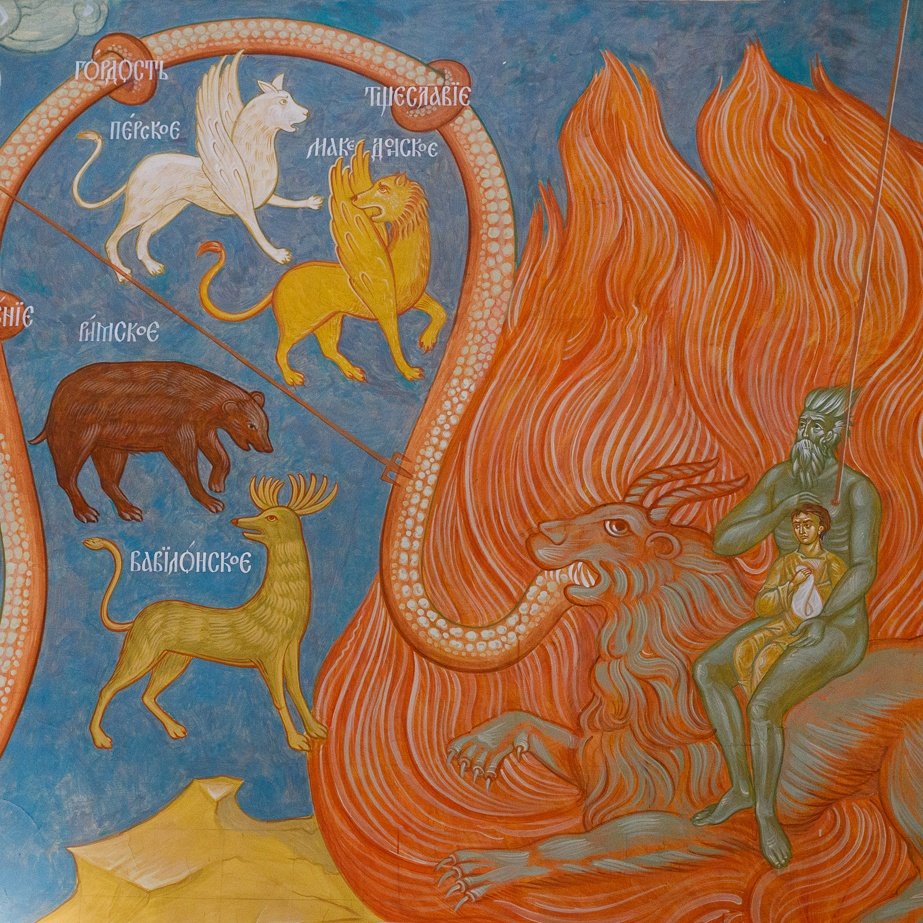
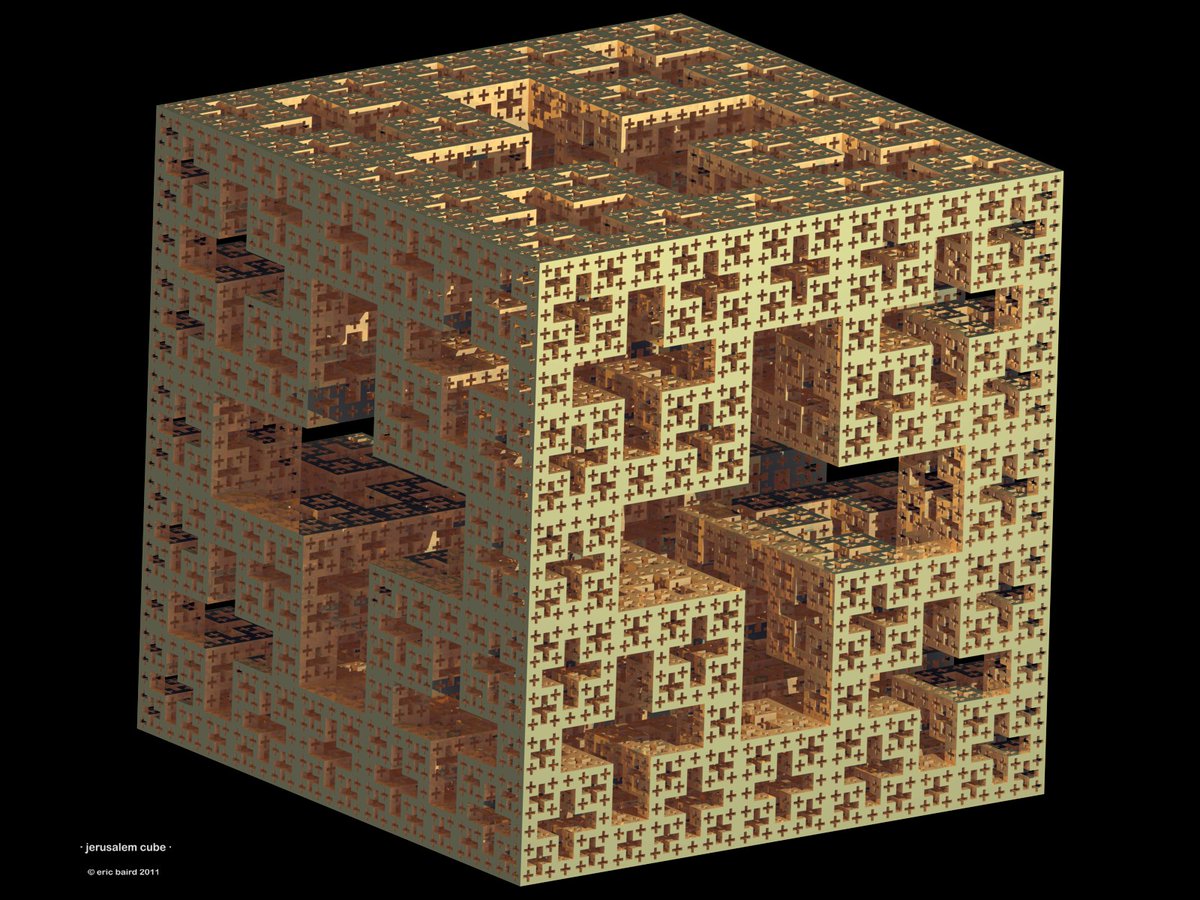
The man within the belly of lawlessness is already an automaton.
1
1
45
1,796
15 Oct 2025
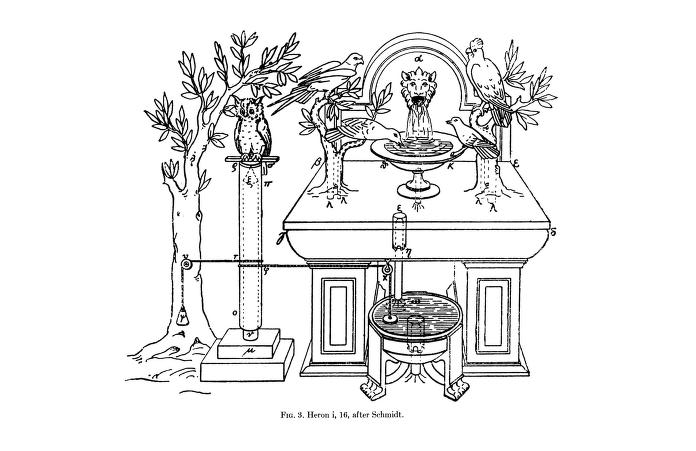
In New Roman Constantinople, culminating in St. Leo the Mathematician's imperial "Throne of Solomon," automata were technical reproductions of the working beasts of the Garden, subdued by the dominion of Man (Genesis 1:28).
In Britannia, beginning with the alchemical study of the "Transmutation of Species," Man was subdued by the "Garden" to be dominated as a working beast.
Darwin, Faust, and the Alchemist: Unexpected Roots of a Scientific Idea
scienceandculture.com/2025/0…

3
904