
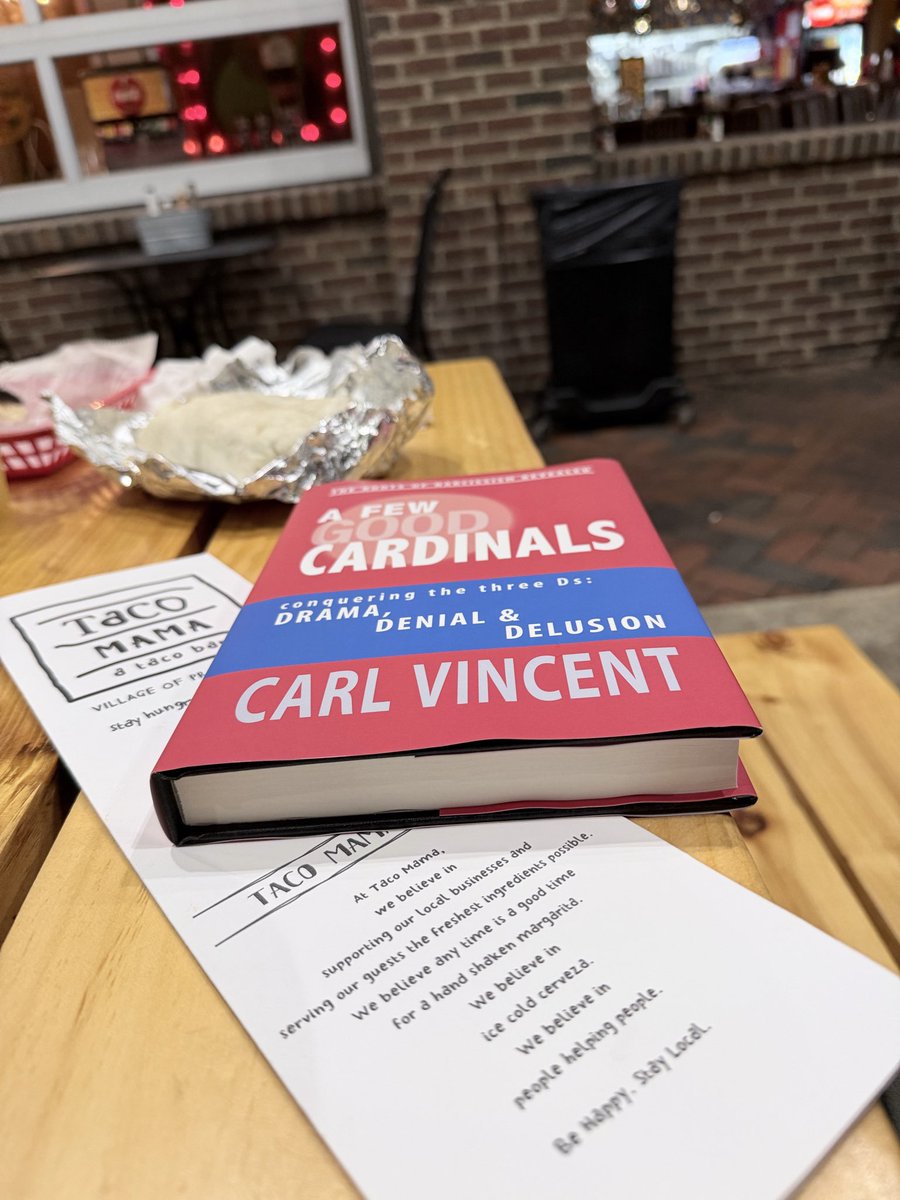
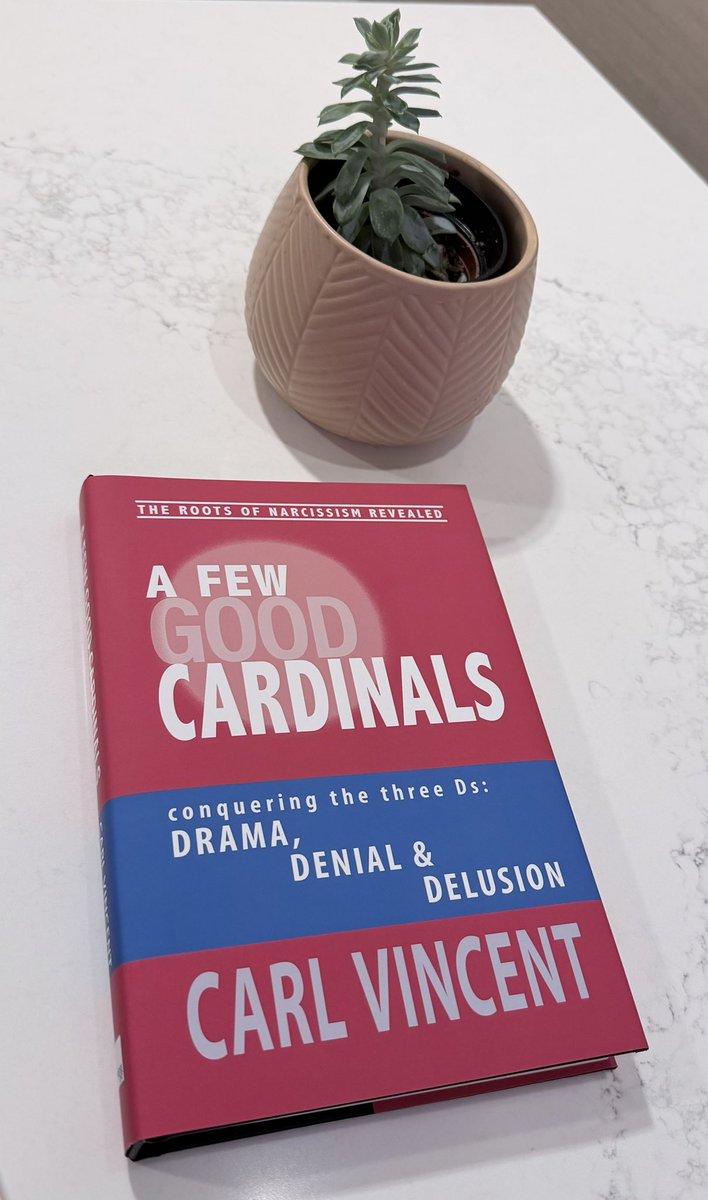
Author of “A Few Good Cardinals” where we explore the roots of narcissism and how to empower ourselves in dealing with it: amazon.com/dp/B0C9YNH8RV
Joined September 2023
- Tweets 10,883
- Following 388
- Followers 804
- Likes 42,568
246 Photos and videos








Pinned Tweet
What unites us - and what sets us apart - may not be what we think it is. Why are there so few good cardinals anyway?
This book takes us on a journey through time and back. Dive in!
Now also available in eBook, PB and HC on Lulu dot com
lulu.com/shop/carl-vincent/a…
3
165
Corruption, in China?
They are everywhere. People who put self interest over the community, goal or national security.
Even in a “communist” regime.
As long as we don’t admit that we know who “they” are, we will keep stumbling along. I guarantee it.

How does a regime with 1.4 billion people, infinite cash, and a soccer-obsessed leader manage to completely crash and burn at the world's most popular sport?
The failure of China's national soccer team to qualify for the expanded 48-team 2026 World Cup exposes the fatal limitations of a top-down sports apparatus. Despite billions of dollars in state funding and direct mandates from CCP leader Xi Jinping, a self-described avid soccer fan who famously demanded that China qualify for, host, and win a World Cup, the national team finished near the bottom of Group C in the Asian qualifiers. They suffered seven crushing defeats in ten matches, ending with an embarrassing minus 13 goal difference.
While neighboring democratic Japan achieved massive success by fostering transparent youth academies and stable professional leagues, the CCP's top-down program was choked by systemic corruption, bureaucratic interference, and rampant match-fixing scandals. The ultimate humiliation came in Jakarta, where a 1-0 defeat to Indonesia officially killed their tournament hopes.
Furious Chinese citizens are now flooding social media to blast corrupt sports authorities. Fans are outraged that they must pay exorbitant broadcasting fees just to watch other nations compete in North America while their heavily subsidized players sit on vacation. Since its only World Cup appearance in 2002, where the team failed to score a single goal, Beijing's multi-billion-dollar sports illusion has completely dissolved.
#WorldCup2026 #ChineseSoccer #CCPControl #SportsGeopolitics #ChinaNews

5
How many times do we hear this kind of language from a caregiver, a parent, a school teacher, a supervisor, an executive?
They are everywhere. Jacinda is not alone, is she?

July 25, 2020
Jacinda Ardern, Prime Minister of New Zealand:
"We will continue to be your single source of truth. ... Unless you hear it from us it is not the truth."
What do you think Western countries would be like if our governments became our "single source of truth"?
The only doctor I completely trust is the late Dr. Shaklee. His legacy is alive and well today.

Research shows doctors choose to die at home—they know what hospitals do to dying patients.
One of the worst things medicine did was hijack death and turn our most sacred moment into a torturous cash cow. Here's how to navigate death wisely.
midwesterndoctor.com/p/the-m…
Vincent Vanderbent retweeted

The Rape Gang Inquiry Report.
bit.ly/4uE5odw

2,398
16,582
51,359
4,052,619
Vincent Vanderbent retweeted

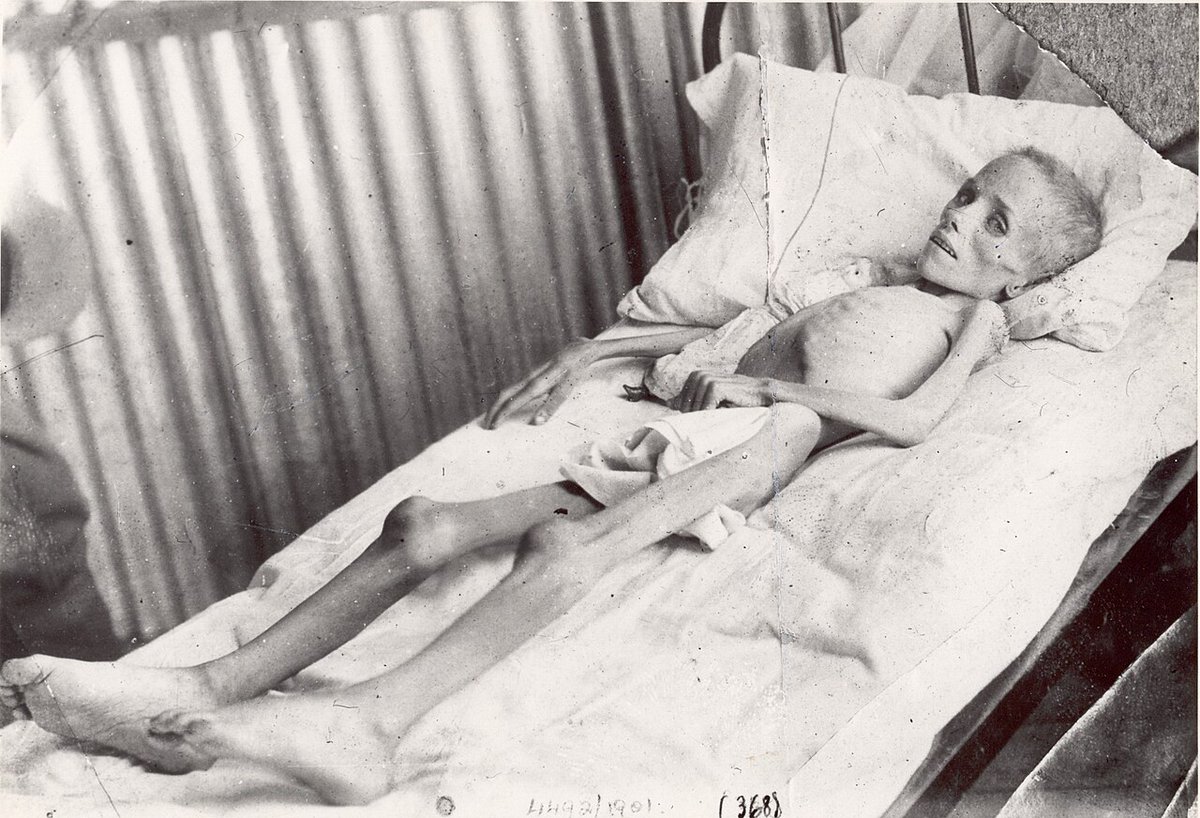
16 Junie: KONSENTRASIEKAMPDAG
16 June: CONCENTRATION CAMP DAY
The concentration camp system did not arise from a sudden humanitarian impulse; it grew out of the ruthless logic of isolating guerrillas from their support base. British commanders increasingly argued that Boer civilians - especially women on farms - functioned as the “commissariat” and “intelligence” infrastructure of the commandos: feeding them, warning them, guiding them, sheltering them, and keeping the rural war alive. In such thinking, the “enemy” was no longer only the man with a rifle; it was the social network that made the rifleman mobile. That shift matches the broader “Small Wars” doctrine attributed to British imperial practice as set out in Colonel C.E. Callwell's 1896 doctrinal text, Small Wars: Their Principles and Practice, which explicitly recommended that when confronting irregular war one must deal not merely with a hostile army but with a hostile population - a logic that entailed attacking the population itself.
Boer civilians were explicitly treated within a total-war framework as legitimate instruments of pressure against men on commando. Confinement in camps was implemented in circumstances where it was widely anticipated that many would die. The continuation of the system in the face of that expectation forms the central moral question. The issue is not whether every individual death was intended; it is that conditions foreseeably likely to produce mass death were sustained. Food distribution illustrates the coercive logic. Internees were classified according to the surrender status or perceived “loyalty” of their husbands and male relatives. Families of men still fighting were placed in a lower ration category and could be denied items such as meat. In effect, a mother and her children could be punished for a father’s refusal to lay down arms. Sustenance became leverage. The camps were therefore not neutral refuges; they were instruments designed to weaken resistance through suffering imposed upon families.
The consequences were catastrophic. Approximately 27,927 Boers died in the camps, the overwhelming majority of them, 22,074 (roughly 80%), were children. Modern historiography debates whether incompetence, indifference, or genocidal effect best describes the system. What is beyond dispute is the scale of mortality and its concentration among the youngest and most vulnerable.
From: The Destruction of the Boer Identity
Uit: Die Vernietiging van die Boeridentiteit
* Lizzie van Zyl
#Boer #Boeridentiteit #BoerIdentity
5
24
47
411
There are so many layers to being human. The number of conditions that have to be just right in order to lead a fulfilling and productive life are staggering when I think about it. And I happen to think about it a lot because of the sheer number of people who need help in the world.
1
6
Many of us, possibly you as well, love helping people in need. But what if people need help because they ignored all the offers that came before? What if they need help because all the other offers required a bit of effort on their part, effort they felt they should not have to provide?
What if they don’t really need help at all because they already have enough, but their mind still thinks they need more?
We might still help until we discover…how much they are really taking advantage of people, not thanking them, bullying them into giving more perhaps.
Even then, there are still people who will help. And that’s perfectly in their right.
But if you are always running on empty because the needy person always knows where you are, what should you do?
7
Bullies come in all forms and sizes. Standing up to them is a right. When you have leverage even more so. But regardless, choose the safest way for yourself!

The decision to expose the illegal presence of the People’s Republic of China’s floating, movable platform is not only about being transparent with the Filipino people and countering China’s lies.
It is also meant to inform the international community, like-minded states, and our allies and friends that China is once again violating UNCLOS, undermining the rules-based order, and jeopardizing the peace and prosperity of this region.
Because if we choose to stay silent — if we choose to look away from such unlawful acts — we only embolden the bully, convincing it that it can do whatever it pleases simply because it has the military and economic might to silence the rest of us.
But the Philippines will not be silenced. We choose to stand up to bullies!
7
Do we know who wants to be right before we even exchange pleasantries?
Sometimes…
How?
Good question. It can be complicated. Yet occasionally we may be lucky. As long as we have what we need. Link in profile.
Jun 15

Part 9: The One Who Must Be Right
The one who always wants to be right does not care about truth; they care about dominance. Every conversation is a contest and every disagreement is a battle they refuse to lose. They do not argue to understand; they argue to win. Winning to them means you concede—not because their point is valid, but because you are too tired to keep fighting. That is not intellectual rigor; that is psychological attrition. They wear you down until agreement becomes easier than resistance.
They will twist your words, reframe your position, and attack arguments you never made. It is not about what you said; it is about what they can make it sound like you said. Once they control the framing, they control the outcome. You find yourself defending points you do not even believe, explaining nuances that should not need explanation, and justifying positions that were never controversial. In the process, you lose—not because you were wrong, but because you engaged on their terms.
Watch how they react to being corrected; it is never graceful. Even when faced with undeniable evidence, they will find a way to deflect by claiming that is not what they meant, that you are taking it out of context, or that everyone knows that is not the real issue. They shift the goalpost mid-argument so they never have to admit error because error to them is weakness, and weakness is unacceptable. They rewrite reality in real time. If you are not careful, you will start doubting your own memory, your own perception, and your own sanity.
The need to be right is not intellectual; it is emotional. It is a defense mechanism against the terror of being wrong, of being seen as less than, or of losing control. So they fight every point as if their identity depends on it, because in their mind, it does. To admit fault is to fracture the image they have built. That image is fragile, so they protect it ruthlessly at your expense, at the expense of truth, and at the expense of any productive exchange.
You do not argue and you do not defend. You observe and decide if engagement serves you. Most of the time, it does not. So you let them be right—not because they are, but because you have decided their need to win is not worth your energy. You do not correct them or prove your point. You just disengage quietly, internally. You let them have the last word and you move forward without needing their validation or agreement. That is not surrender; that is strategy.
3
Independence…
As every logical person knows, it’s really “interdependence” but the former is not quite such a mouthful. It also sounds bolder.
Sometimes we need a bit of space from a toxic person or idea. So how do we get our bearing back? By figuring out what went wrong.
Special July 4 price US$3.33 until July 5, 2026. Ebook/Kindle only, Amazon dot com and Lulu dot com. May change without prior notice. Foreign currency price is different.
lulu.com/shop/carl-vincent/a…
2
Vincent Vanderbent retweeted

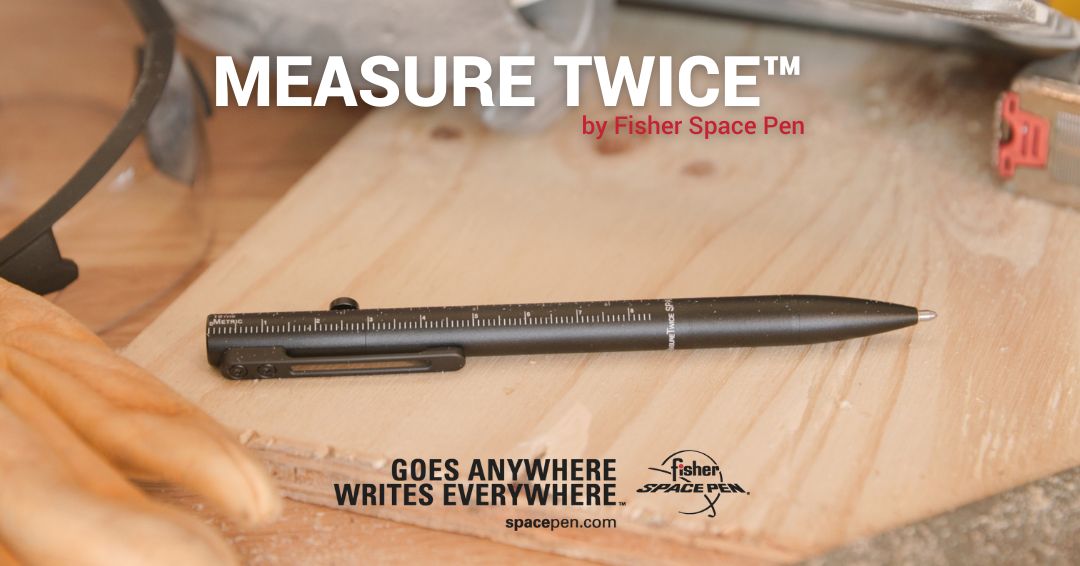
Some dads are always prepared. The ones who plan ahead, solve fast, and keep the right tool within reach.
The Measure Twice™ Tactical Space Pen is built for them with bolt‑action, ruler scales, hidden glass breaker, and pressurized ink that writes anywhere.
A Father’s Day gift with purpose.
1
2
57
Hi @elonmusk what happened to @FisherPenCo for @SpaceX memorabilia? Is it just “earth” pens in your collection…pens that can write down but not up?
8

Jun 15
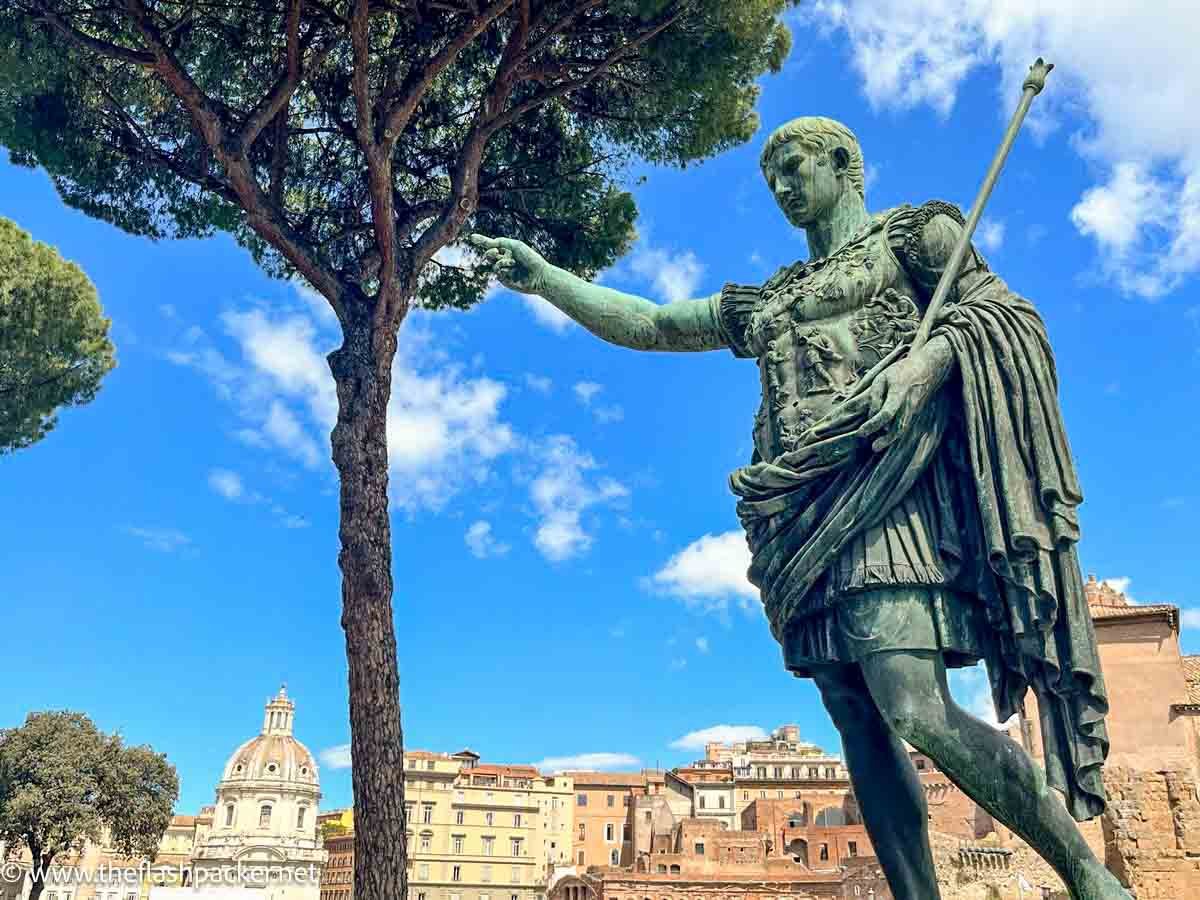
“Many roads lead to Rome” used to be the expression suggesting there are many ways to reach a goal.
There are many ways to build a life and sustain it. For every step you take, someone may be trying to make you change course. Their course.
For worse…or better.
This July 4, celebrate America’s Independence…and yours.
Thank you for your follow!
Now, here’s a special price on the eBook/Kindle version only of “A Few Good Cardinals:” US$3.33, good until 12am July 5, 2026. Price in foreign currencies may be higher. Not valid on paperback and hardcover.
lulu.com/shop/carl-vincent/a…
4
Jun 15
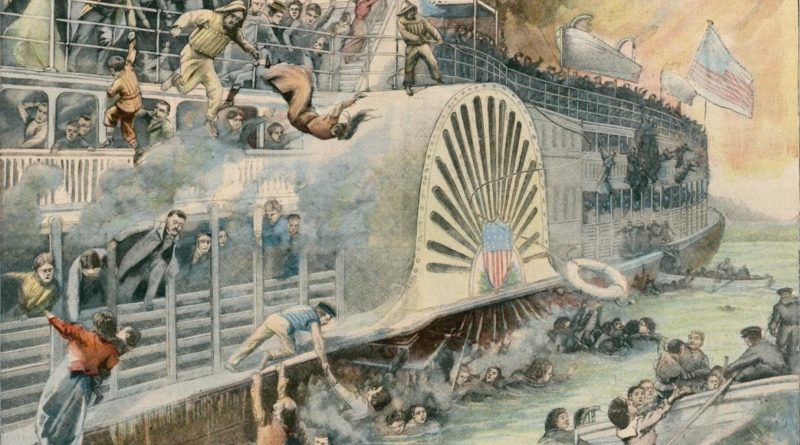
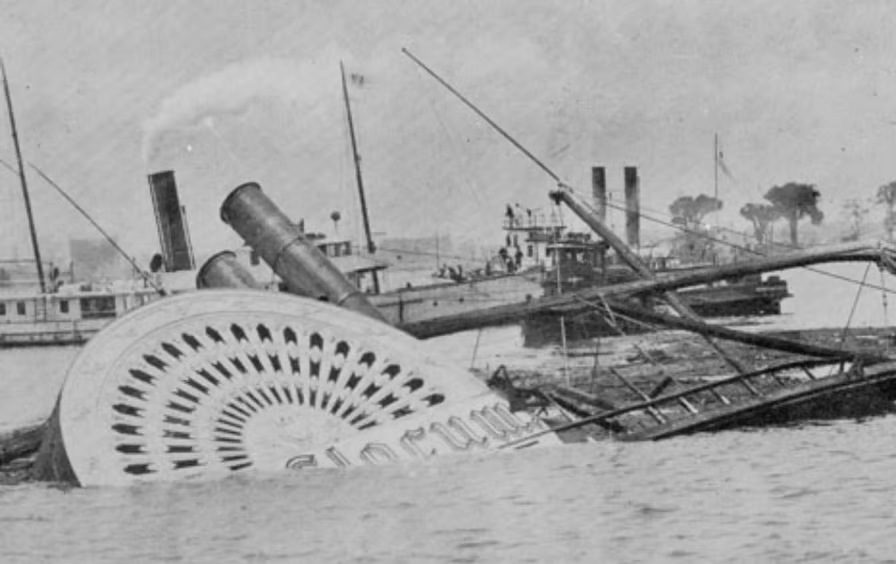
“Though the specific cause of the fire remains a mystery, it is widely believed that a carelessly tossed match had sparked a pile of packing hay in the barrels of drinking glasses for the day’s picnic.”
Careless…
nyhistory.org/blogs/witness-…

The deadliest disaster in New York City history before September 11 happened in 1904 and almost nobody knows it
A paddle steamer caught fire in the East River carrying 1,300 women and children from a German Lutheran church on a day trip
The crew had never done a fire drill
The lifeboats were rotted
The life preservers were filled with metal instead of cork
Over 1,000 people died
The neighbourhood they came from never recovered
18
Jun 15
And then there are those who never went to college and did even greater things.
Always follow your own calling.
If everyone who would have gone to Harvard all of a sudden goes to Maryland, the results would be quite different. Gladwell needs exposure too.
Jun 15

Malcolm Gladwell revealed why you shouldn't go to Harvard:
1. America does not have a shortage of students who want science and math degrees. It has a shortage of students who finish them. Half of all high school seniors who intend to study STEM drop out by the end of their second year. The problem is not interest. It is persistence.
2. The obvious assumption is that smarter students persist longer. So Gladwell tested it. At Hartwick College, a small liberal arts school in New York, the top third of math SAT scorers took the majority of STEM degrees. The bottom third dropped out in large numbers. The data seemed to confirm it. Smarter kids stick around longer.
3. Then he looked at Harvard. The bottom third of Harvard's math SAT scores are equal to the top third at Hartwick. By the logic above, everyone at Harvard should graduate with a STEM degree. They are all brilliant. Nobody should be dropping out.
4. Harvard showed the exact same pattern as Hartwick. Top students graduated. Bottom students dropped out like flies. Even though the bottom Harvard students were objectively brilliant by any global standard. Something else entirely was driving the dropout rate.
5. That something is called relative deprivation theory. Human beings do not measure themselves against the world. They measure themselves against the people immediately around them. A Harvard student in the bottom third does not think I am in the top one percent of all students globally. They think that kid next to me keeps getting everything right and I keep getting it wrong. So they quit.
6. The research from UCLA puts a specific number on it. Your odds of graduating with a STEM degree fall by two percentage points for every ten point increase in the average SAT score of your peers. Choose Harvard over the University of Maryland and your chance of finishing a STEM degree drops by thirty percent. Thirty percent. Just to put a brand name on your resume.
7. Relative position matters more than absolute position when it comes to confidence, motivation, and self belief. The eightieth percentile student at Harvard looks up at the people above them and feels like they cannot compete. The number one student at a state school feels like they can conquer the world. That feeling drives everything.
8. The practical hiring implication is radical. Class rank matters more than institution name. Gladwell argues companies should have a don't ask don't tell policy for where someone went to college. Hiring only from top schools means missing the top students from every other school. That is not smart hiring. That is brand worship.
9. When choosing a college, never go to the best school you get into. Go to the school where you are guaranteed to be near the top of your class. Being a big fish in a smaller pond does not just feel better. It statistically produces better outcomes than being a small fish in the most prestigious pond available.
10. So why do we keep choosing Harvard over Maryland? Because we are flattered. Because the acceptance letter feels like validation. Because we make an irrational decision in a moment of enormous flattery and call it ambition. Gladwell's conclusion is simple and brutal. When we have the chance to join an elite institution we do things that are genuinely against our own interest and we feel great about it the whole time.
43

Central banking operates as a legalized monopoly that would make John D. Rockefeller green with envy. When you grant one institution exclusive control over the money supply, you create the most powerful cartel in human history. The Federal Reserve doesn't compete for customers; it simply prints their purchasing power away.
Free banking systems operated successfully across multiple countries and time periods before governments monopolized money creation. Scotland from 1716 to 1845 experienced remarkable monetary stability under competitive note issuance. Canadian banks weathered the 1930s depression far better than their American counterparts, partly due to fewer regulatory restrictions. These were real markets serving real people.
Competition forces private banks to maintain reserves and honor their commitments. Your local bank can't just conjure money from thin air without consequences. Other banks will demand redemption in specie, creating natural market discipline. When Chase issues too many notes relative to its reserves, Wells Fargo will present those notes for payment. This clearing process keeps everyone honest.
Central banks face no such constraints. The Fed creates trillions of dollars without backing, because who exactly will demand redemption? Congress? The Treasury? They're all part of the same wealth extraction scheme. When private banks fail, depositors lose money and investors learn painful lessons. When central banks fail, taxpayers absorb the losses while bureaucrats collect pensions.
You live under a monetary system where twelve unelected officials determine interest rates for 330 million Americans. They meet eight times per year in marble halls, adjusting the price of money like Soviet planners setting wheat quotas. Every boom and bust cycle flows from this central planning apparatus that free market thinkers recognized as fundamentally unsustainable over a century ago.
Your savings account loses value by design, not accident.

20
117
323
10,973
Jun 15
Never forget “White privilege:” build it and “they” will come.
Never forget “Black privilege:” Take it from Whites or Blacks and “they” will come.
Never forget “privilege:” build it and “they” will take it.
There is always a “they.” The British, other Blacks, some raging or calculated enemy like Charles Taylor, Genghis or Mao.
That’s the past. What’s the future? Some want global control and digital everything. “You own nothing and you will be happy.” Who on earth is “they”?
“They” are the jealous ones. They hate your sense of purpose, drive, intent. “They” are the toxic narcissists turned psychopaths: the communists, the greedy capitalists. There may be just a few good cardinals among them, if any.
Know thyself.
Jun 15

June is Concentration Camp Month in South Africa.
This is the month when the British forces herded tens of thousands of Boer women, children, and elderly into squalid concentration camps during the Anglo-Boer War.
These so-called "privileged" White South Africans and "Apartheid beneficiaries," innocent civilians ripped from their farms, suffered and died in horrifying numbers under British scorched earth policies.
The British burned their homes, destroyed their livestock, and forced them into overcrowded tent camps with almost no food, clean water, sanitation, or medical care.
Diseases like measles, typhoid, and dysentery ripped through the camps. Emaciated children wasted away, mothers watched helplessly as their babies starved and sickened.
Over 27,000 Boers died, the vast majority of them children under 16. In some months, death rates hit hundreds per day. June 1901 saw hundreds more perish in the camps, adding to the total horror. One in four inmates didn't make it out alive.
This was no accident. It was deliberate policy to break the Boer fighters by targeting their families. The so-called "privileged" White men, women and children paid with their lives in these hellholes.
We remember them. Their suffering is real history, not the twisted narrative pushed today to shame White South Africans.
Never forget what was done to our people in the name of empire.




12
Jun 15
The French never seriously considered all the reasons for war. Also, they ignored vital communication intercepts that challenged their strategy days before the Blitz. Their high command did not appreciate being challenged by conflicting messages hence they ignored them.
Jun 14

On this day in 1940, Germany launched Operation Tiger, a frontal assault on the Maginot Line, the most expensive and technologically advanced fortification system ever built.
To understand the Maginot Line you have to understand the trauma behind it. In the First World War, France lost around 1.4 million men, an entire generation cut down in the trenches. The fighting had been fought largely on French soil, and the country was determined that it would never happen again. So through the 1930s France poured an enormous share of its national budget into a wall of steel and concrete along its border with Germany.
And it was a genuine marvel. The forts were not simple bunkers. They were small underground cities, dug deep into the earth, connected by miles of electric rail lines. They had their own power plants, air filtration against gas attacks, hospitals, kitchens, dormitories, and morale-boosting amenities for the troops. Gun turrets rose from the ground to fire and then retracted back into the earth like something from science fiction. Soldiers stationed inside could go weeks without seeing daylight. On paper it made the eastern border of France utterly impenetrable.
There was just one fatal flaw, and the Germans saw it clearly. The line was strong where it faced Germany directly, but it did not extend along the full length of the Belgian frontier. The French assumed the Ardennes forest there was impassable for a modern mechanized army. So the Germans sent their tanks straight through the Ardennes, came out the other side, and simply drove around the entire wall. The most expensive defensive structure in history had been outflanked in days.
By June 14, with German armor already deep in the French rear, Operation Tiger struck the line from the front to keep its garrisons pinned and unable to redeploy. Here is the strange part. Many of the great forts were never actually defeated in battle. Their guns still worked, their men were fed, their morale was intact. They sat undefeated while their country collapsed around them. When the order finally came to surrender after the armistice, some garrison commanders reportedly wept, furious and humiliated at being told to give up forts that had never fallen.
The Maginot Line has become the permanent symbol of a specific kind of failure. It was not stupidity exactly. It was the most rational possible preparation for the war that had already happened, built by serious men who had learned the lessons of the last conflict perfectly. The trouble is the enemy gets a vote, and the next war is never quite the last one. France built the perfect answer to the question of 1916 and was destroyed by the question of 1940.
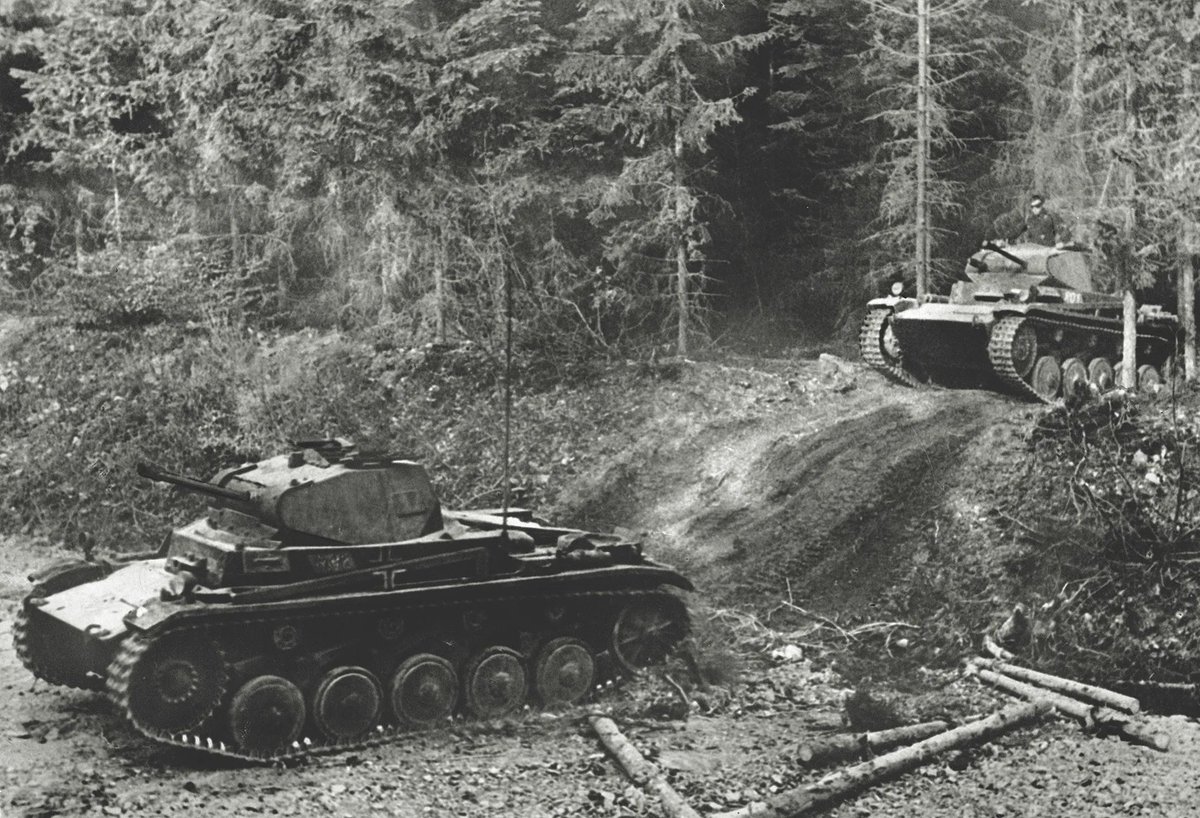
14
Jun 14
Want to know your future?
Horoscope!
Want to know who is selfish, corrupt, controlling, abusive?
Horoscope?
Bingo!
lulu.com/shop/carl-vincent/a…
4
Jun 14
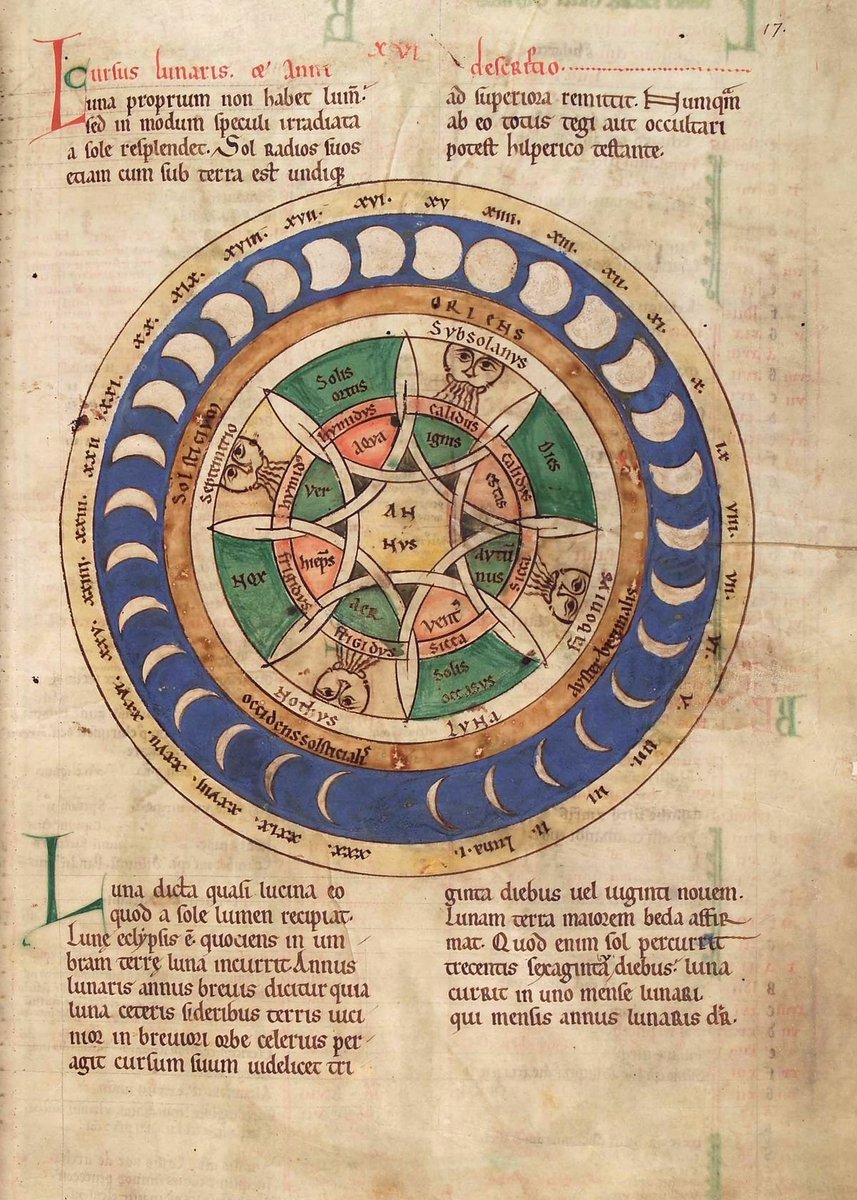
Look, the cycle of the Moon!
Want to know how it affects our personality?
I didn’t either at first. Then I ran into a few too many controlling people. The result is a link in my profile.
Jun 14

Sometimes I joke that the government doesn’t want you to learn Latin because somewhere out there is an unpublished manuscript containing the secrets of the universe.
Who knows?
But the real reason is probably much simpler: a people without roots are easier to control.
6