
Joined February 2016
- Tweets 3,909
- Following 1,273
- Followers 687
- Likes 173
2,852 Photos and videos

Jun 8
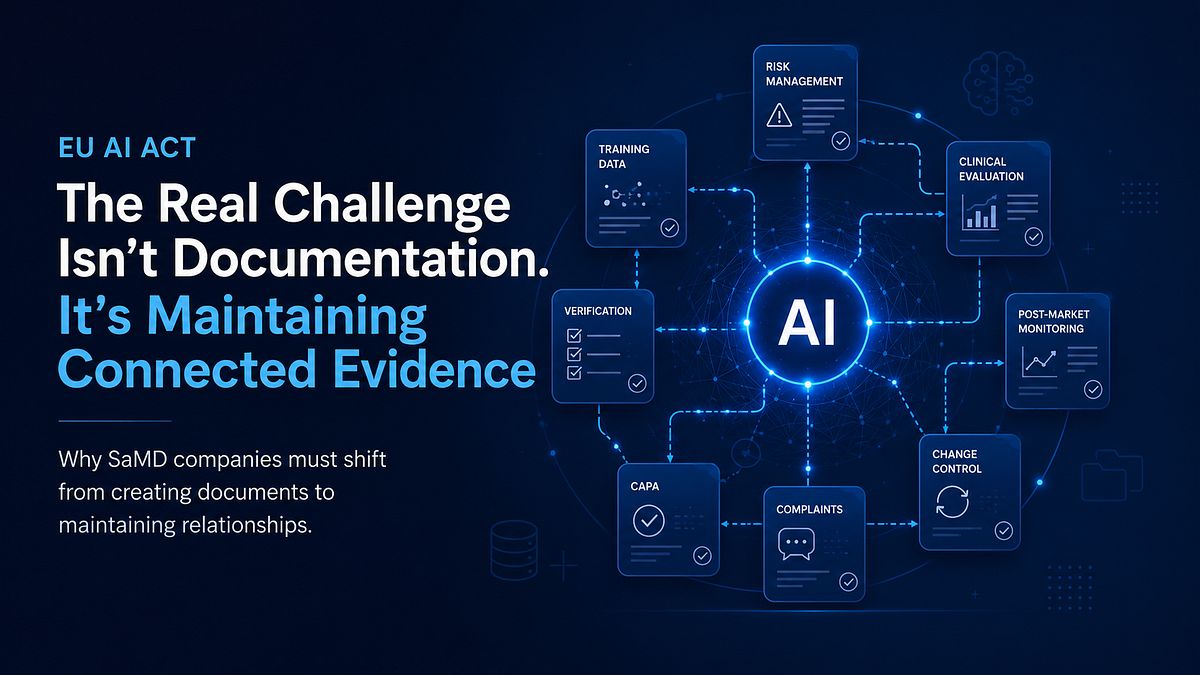
Most discussions about the EU AI Act focus on documentation.
This article argues the real challenge is maintaining traceability as AI systems evolve.
"The records exist. The relationships do not." qmswrapper.medium.com/most-s…
#AIAct #SaMD #MedTech
May 25
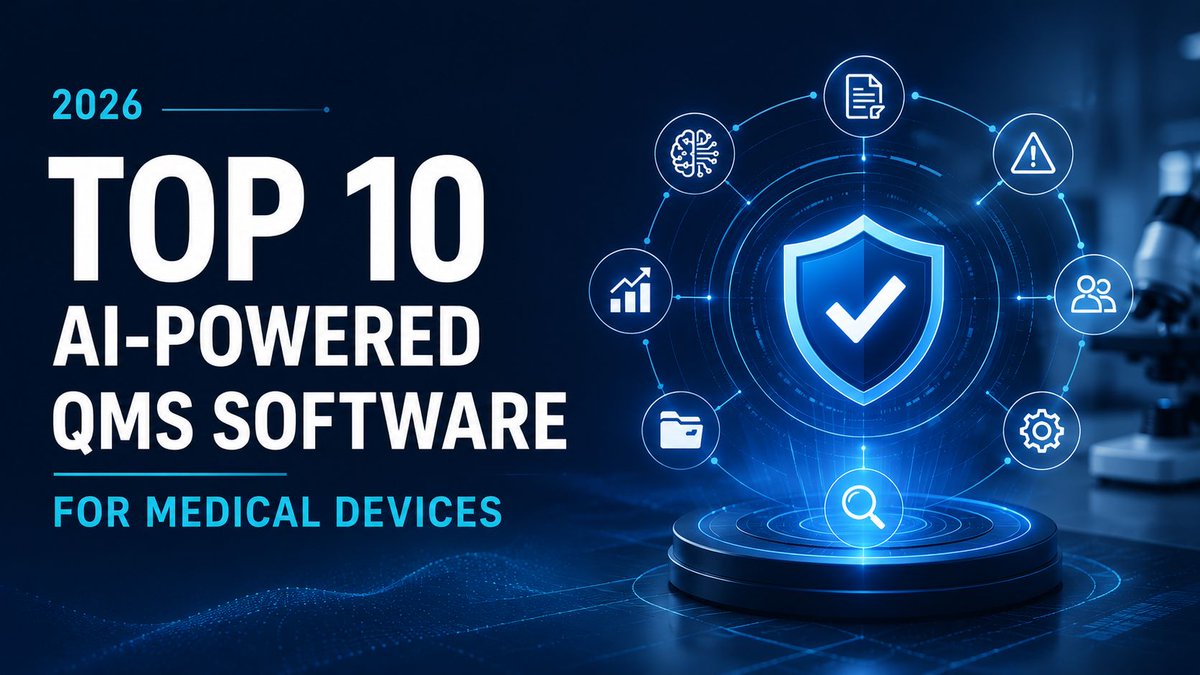
#AI is changing what #MedTech companies expect from a #QMS.
We researched the AI-powered QMS platforms shaping the industry in #2026, from connected traceability to change impact analysis. medium.com/@qmswrapper/top-t…
1
60
Apr 27
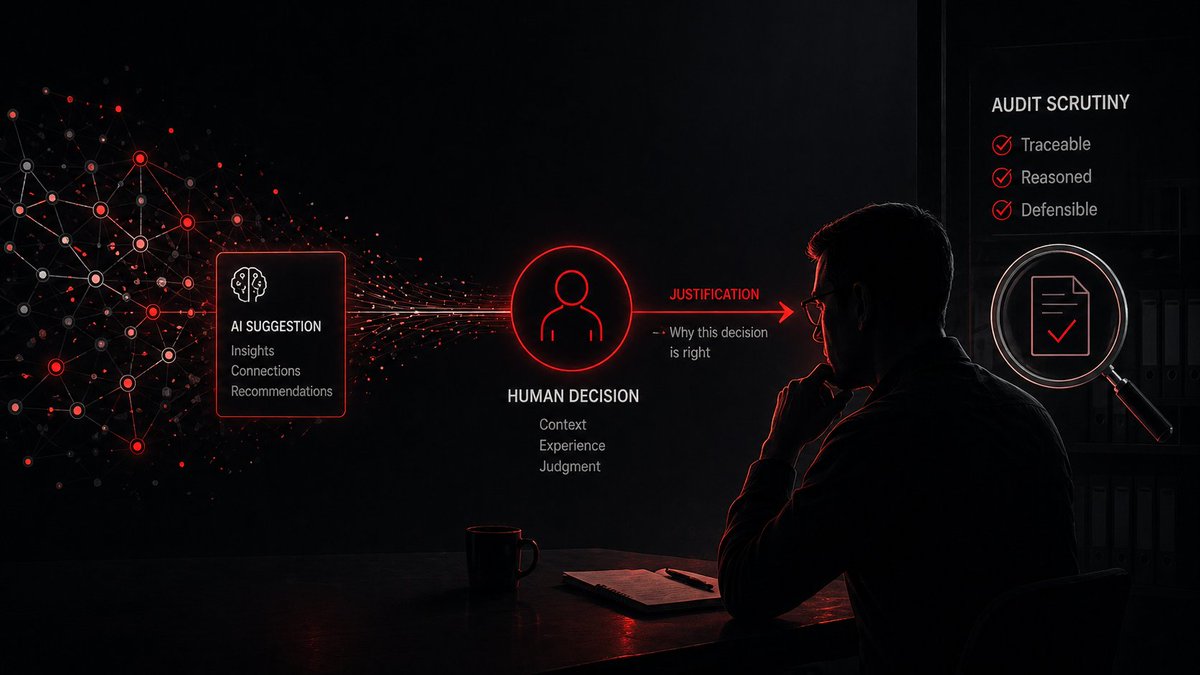
You made the decision.
But could you defend it in an audit?
AI can suggest.
But it can’t justify.
That part is still on you.
#qms #ai #qualitymanagementsystem #audit #MedDev #medicaldevice #startup #compliance #iso13485
medium.com/p/why-ai-assisted…
1
321
Apr 23
Most QMS systems don’t fail at documenting change, they fail at showing what that change actually impacted across risk, requirements, and verification. → dev.to/qmswrapper/why-most-q…
#medtech #qms #iso13485
1
10
Apr 16
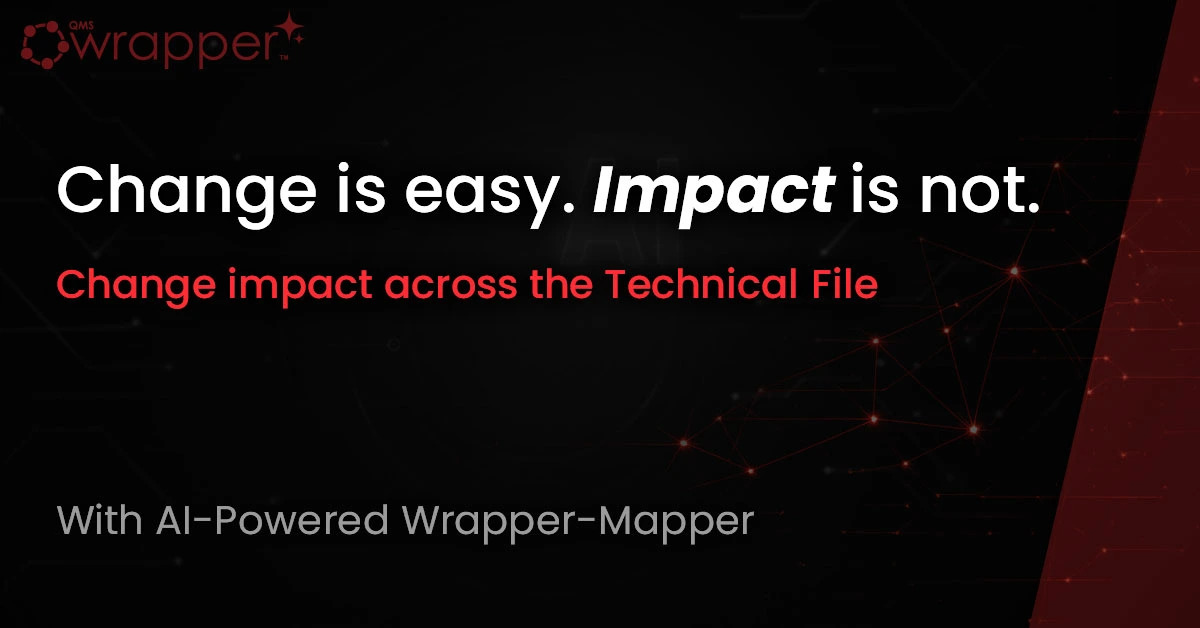
You approved the change.
But what else did you change?
If your QMS can’t answer that → you have a traceability gap.
qmsWrapper 10.2 introduces AI-powered change impact analysis.
qmswrapper.com/qms-change-im…
#QMS #MedTech #AuditReady #ISO13485
2
1
27
Mar 19
Every QMS looks good on paper.
Until someone actually has to use it.
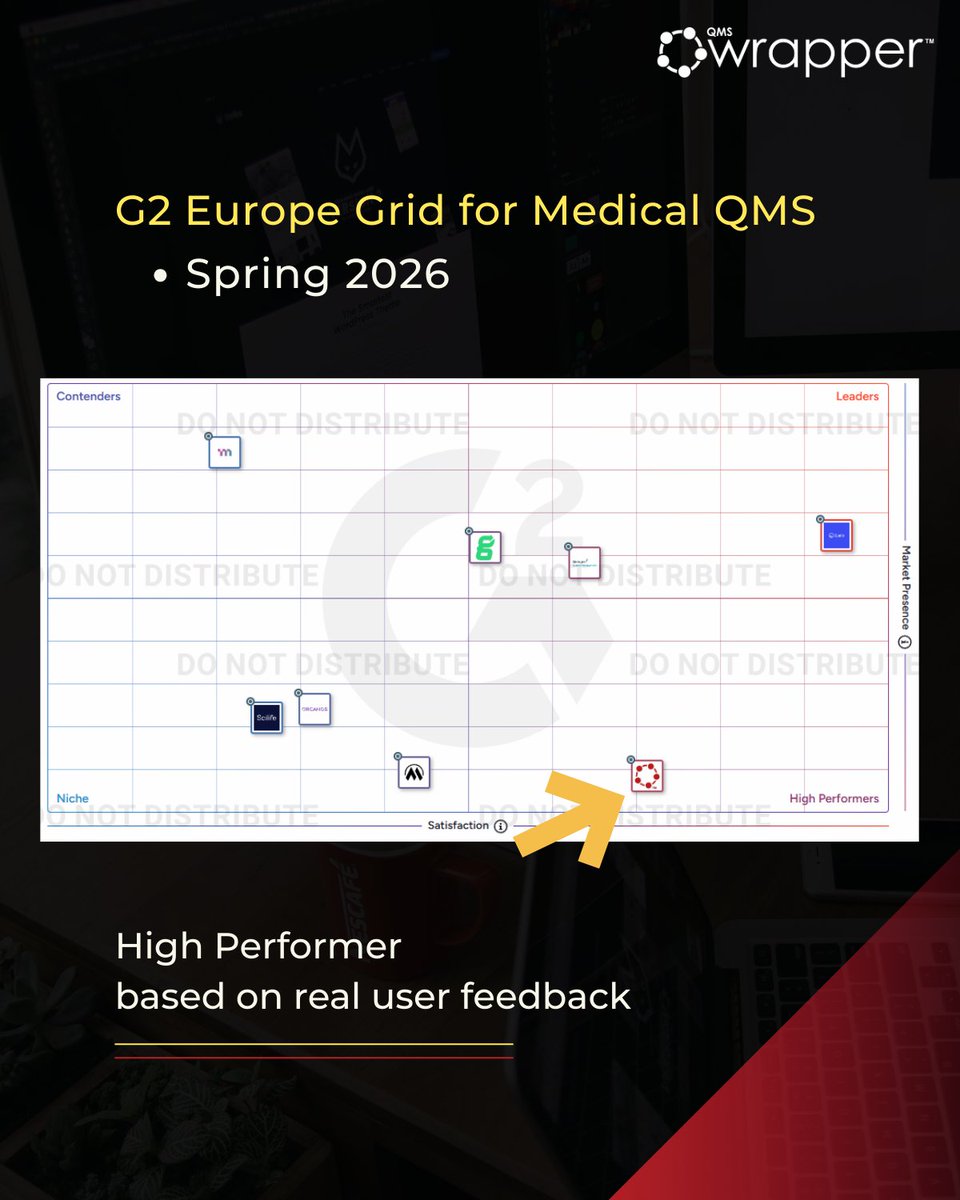
Recognized as a High Performer in G2 Spring 2026 (Medical QMS, Europe).
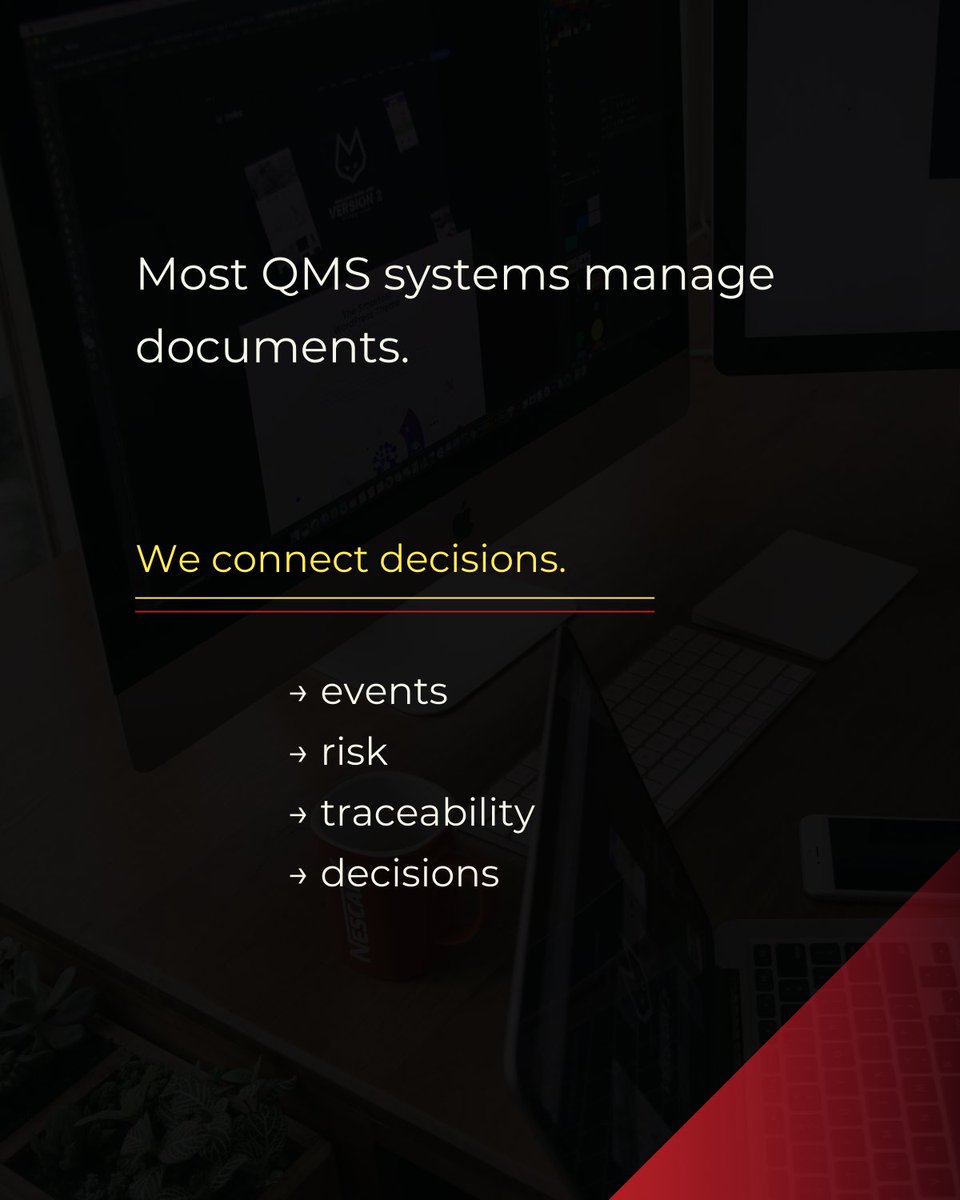
We don’t just manage documents.
We connect decisions.
→ See how it works: store.qmswrapper.com/
#MedTech #QMS #ISO13485

1
1
38
Mar 19
G2 recognition is based entirely on user feedback — not analyst reports.
That’s what makes the difference.
11
Mar 16
In many MedTech companies, change control starts weeks after the first signal appears.
By then the most important part of the story is already missing.
Auditors don't just ask for the change request.
They ask when the decision actually began.
↓
shorturl.at/0FQza
8
Mar 6
The audit question that breaks most QMS tools:
“Show me how this issue connects to risk, design, and verification.”
The data exists. The connections don’t.
Why semantic AI search is becoming the missing glue in MedTech QMS ↓
shorturl.at/IuQT9
18
Feb 24
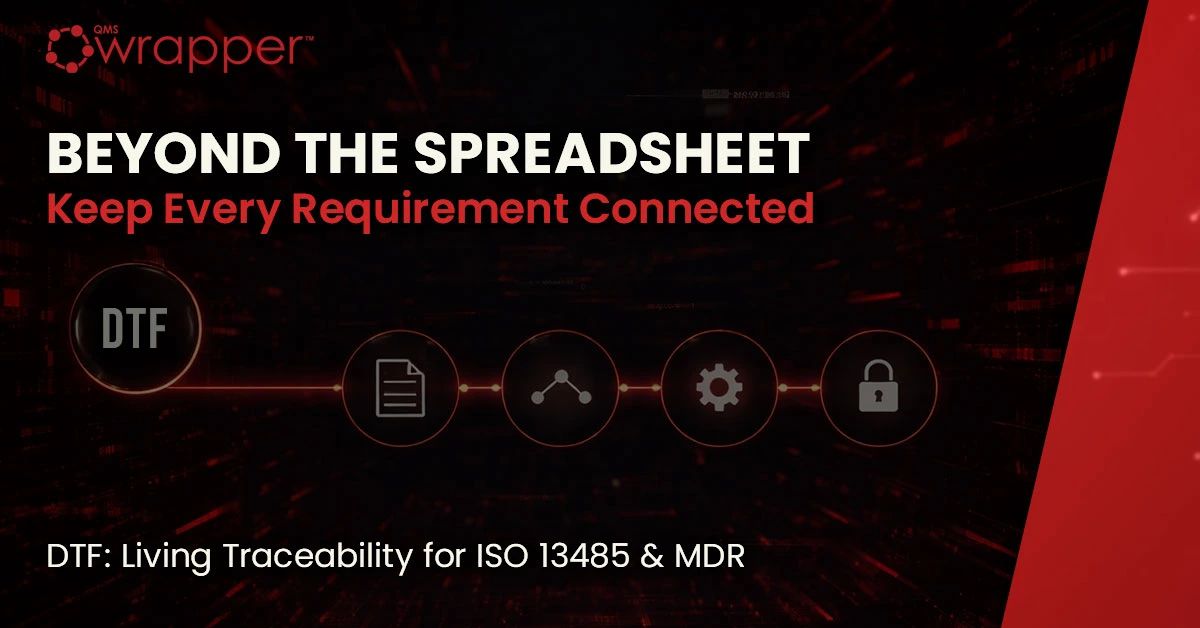
Traceability doesn’t fail during audits.
It fails during change.
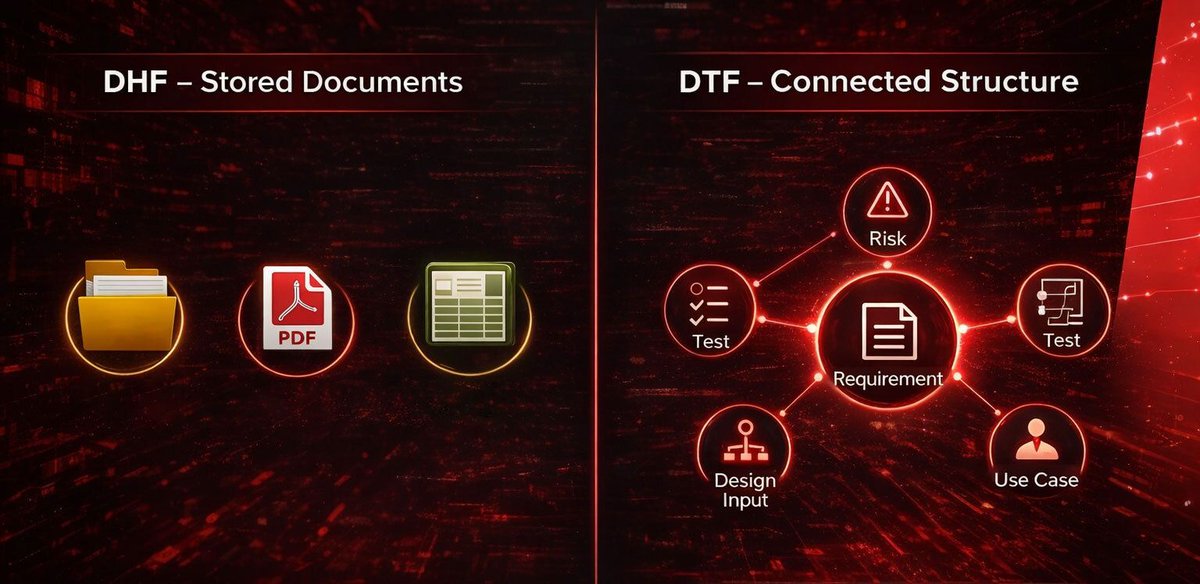
DHF = stored documents.
DTF = connected structure.
If one requirement update breaks your chain, this is worth 3 minutes.
shorturl.at/b7Ivk
12
Feb 20
Can you instantly show:
→ impacted risks
→ linked tests
→ updated records
If not, your traceability is static — not structural.
New article: shorturl.at/b7Ivk
Why Traceability Breaks the Moment a Requirement Changes
#MedTech #ISO13485 #DesignControls #QMS
6
Feb 19
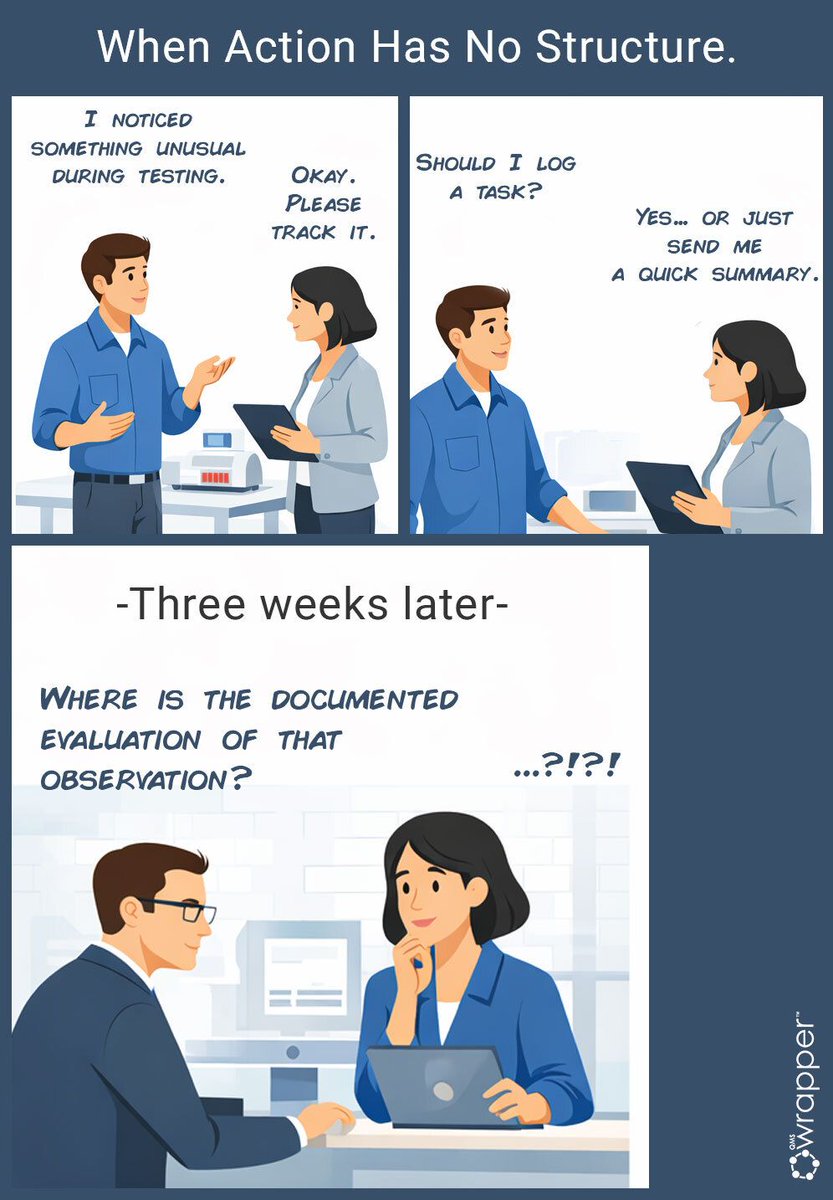
Action without structure creates audit pressure.
But structure usually breaks even earlier.
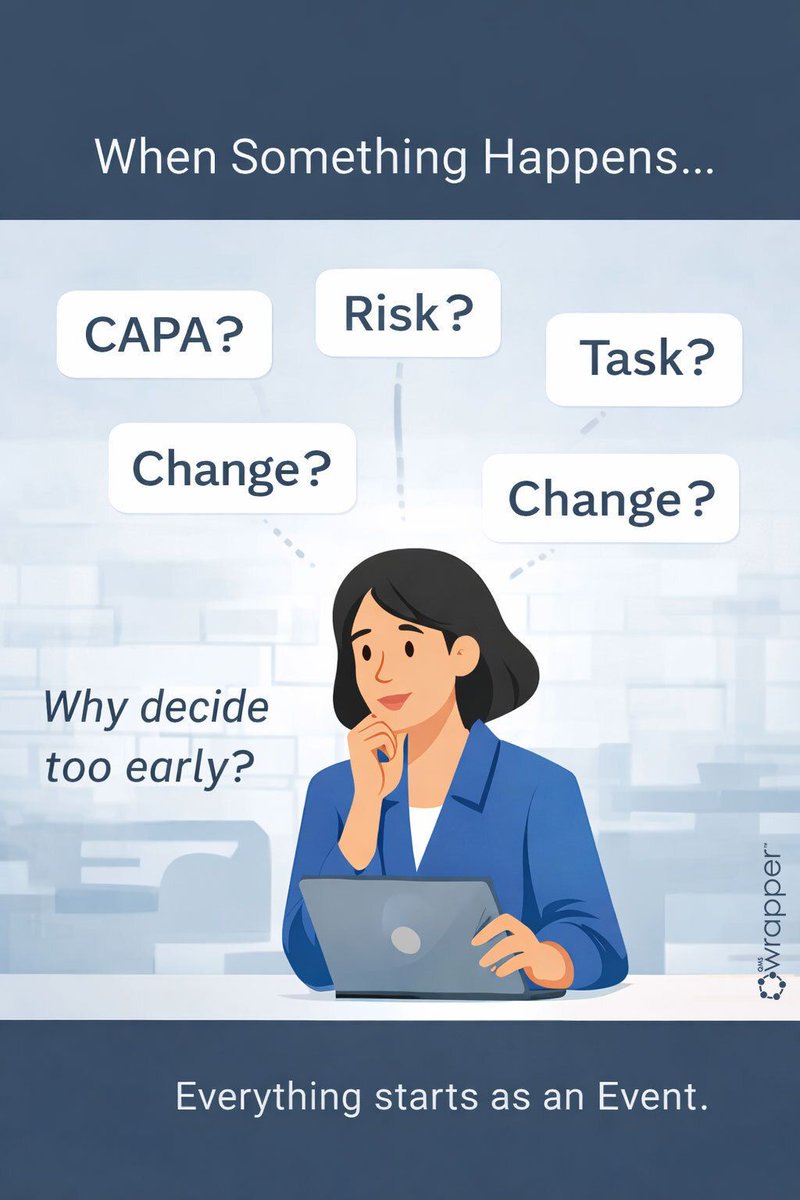
When something happens,
most systems force you to decide immediately:
CAPA?
Risk?
Change?
What if you didn’t have to decide yet?
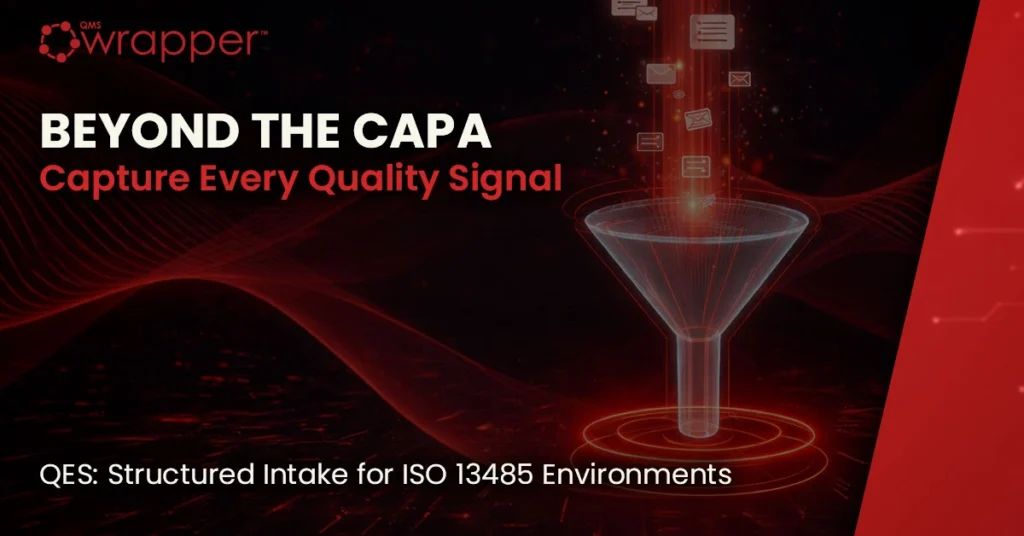
#QES #EventDrivenQMS #ISO13485 #MedTech
1
4
Feb 13
Most audit gaps don’t start in CAPA.
They start in chat messages that never became records.
We wrote about the “shadow QMS” every MedTech team unknowingly runs —
and how to close that gap without creating more bureaucracy.
5 min read.
shorturl.at/PDYAG
9
Jan 22
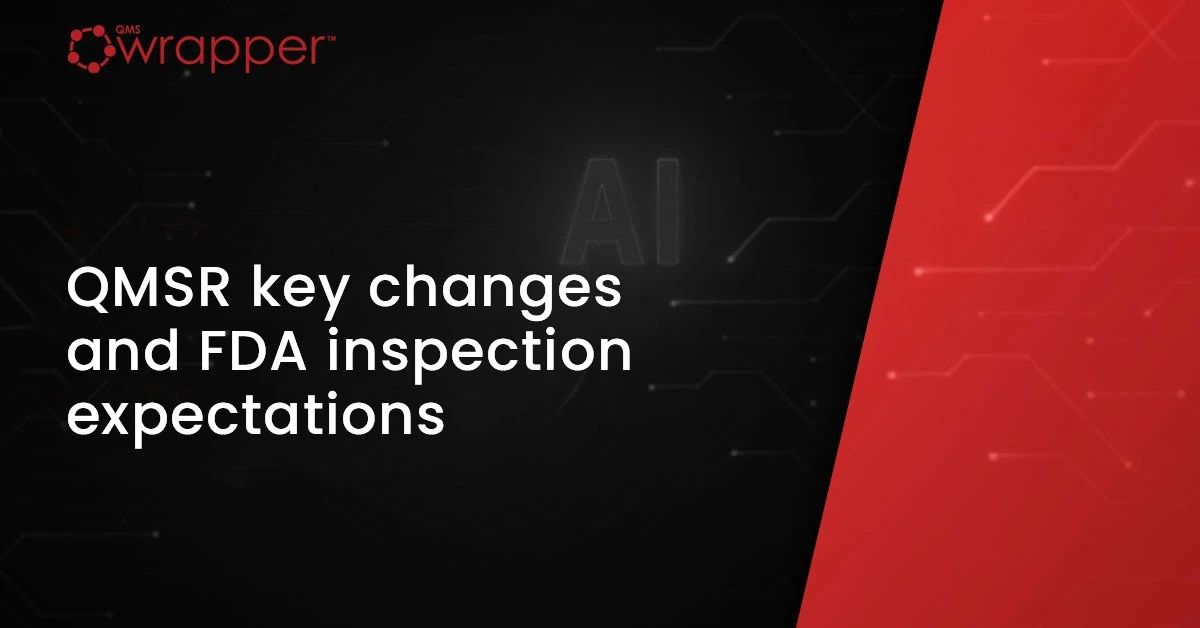
#QMSR key changes aren’t about more procedures.
They’re about connected evidence.
FDA inspections now follow signals across risk, design, CAPA, and records — not static documents.
What this means in practice 👇
qmswrapper.com/qmsr-key-chan…
#FDACompliance #ISO13485 #MedTechQuality
12
Jan 2
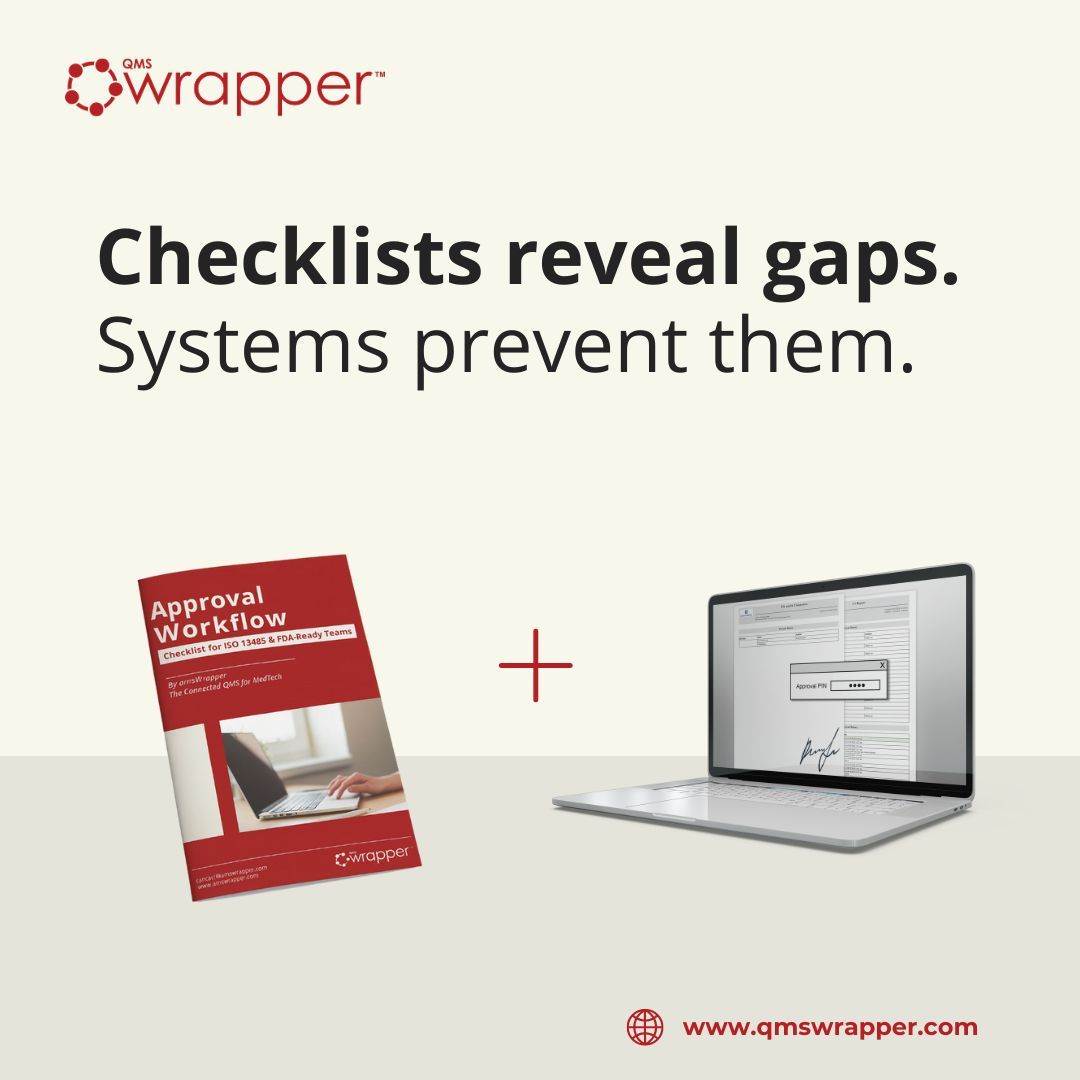
Checklist shows gaps.
Systems prevent them.
That’s the difference between approvals as tasks and approvals as part of your QMS.
See how approval workflows work in qmsWrapper.
👉 See how it works meet.brevo.com/qmswrapper-de…
1
14
30 Dec 2025
If you can’t answer these in 2 minutes, your system can’t either.
Can you enforce reviewer order?
Can you retrieve approval history fast?
Do outdated versions get blocked?
Quick approval self-check ↓
qmswrapper.com/approval-work…
#ApprovalWorkflows #ISO13485 #QMS
12
29 Dec 2025
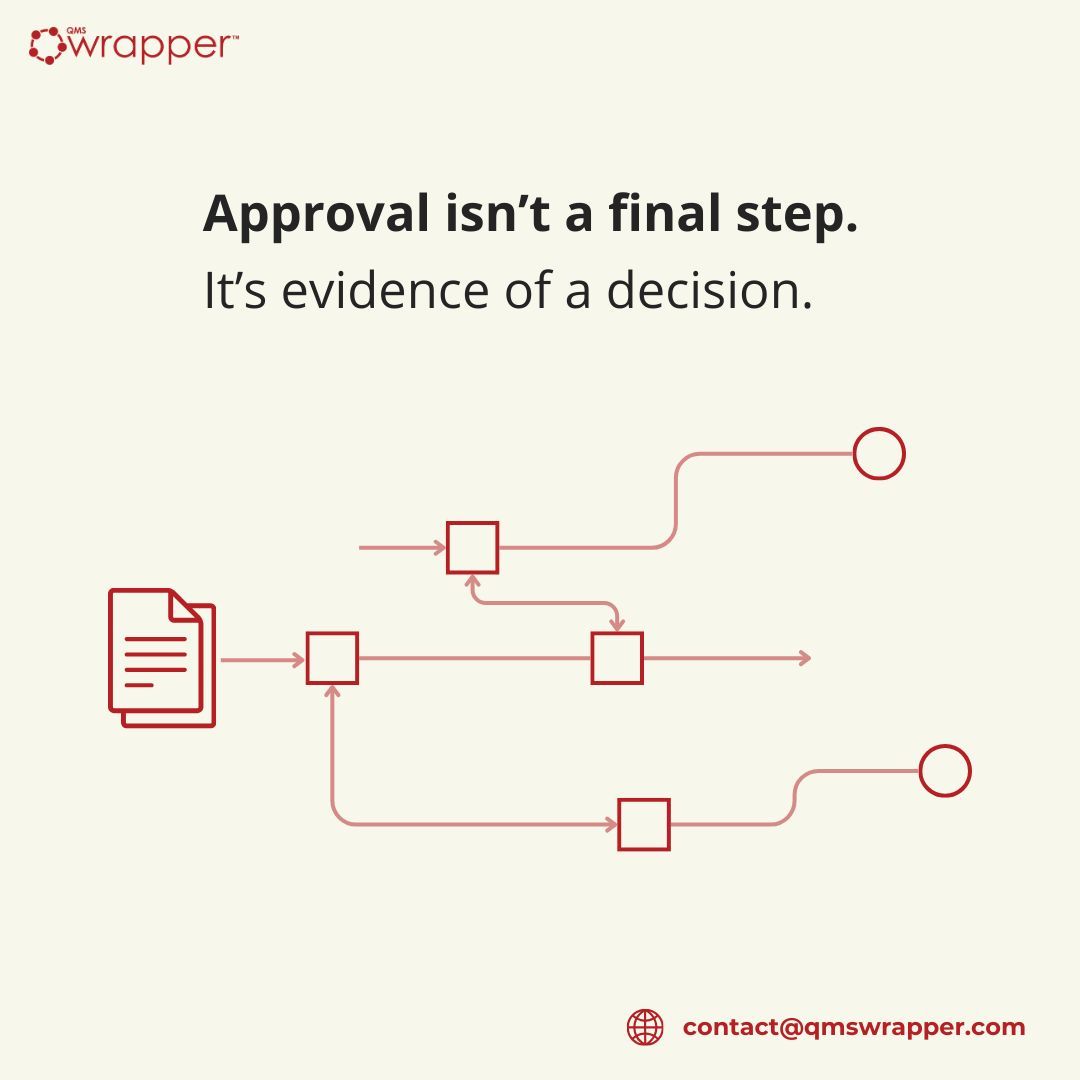
Approval isn’t a final step.
It’s evidence of how a decision was made.
Auditors don’t just look for signatures — they look for structure behind them.
We outlined what auditors expect from approval workflows and where systems most often fall short.
👉 qmswrapper.com/approval-work…
10
27 Dec 2025
Approval workflows aren’t just signatures.
Auditors review how decisions were made — roles, routing, versions, traceability.
We summarized what auditors expect under ISO 13485 & FDA.
👉 Read the article qmswrapper.com/approval-work…
#ApprovalWorkflows #ISO13485 #QMS #MedTech
14