
Securing the future of web3 🛡 🌐
Joined September 2017
- Tweets 4,482
- Following 481
- Followers 79,446
- Likes 4,074
Photos and videos
Pinned Tweet

Jun 4
Security updates you should know from May: what got hit, and what's hiding in your dependencies.
TLDR;
• $59.52M lost across 29 web3 incidents (vs April's ~$635M)
• The Mini Shai-Hulud npm worm hit 1,000 package versions
Full breakdown 👇

4
6
24
3,485
Jun 12
Quantstamp’s investigation found the June 8 $H compromise began with a targeted phishing attack that installed remote-access malware, enabling theft of wallet data and private keys. The tooling and certificate patterns observed are characteristic of DPRK-linked intrusions.

1
6
16
2,136
Quantstamp retweeted

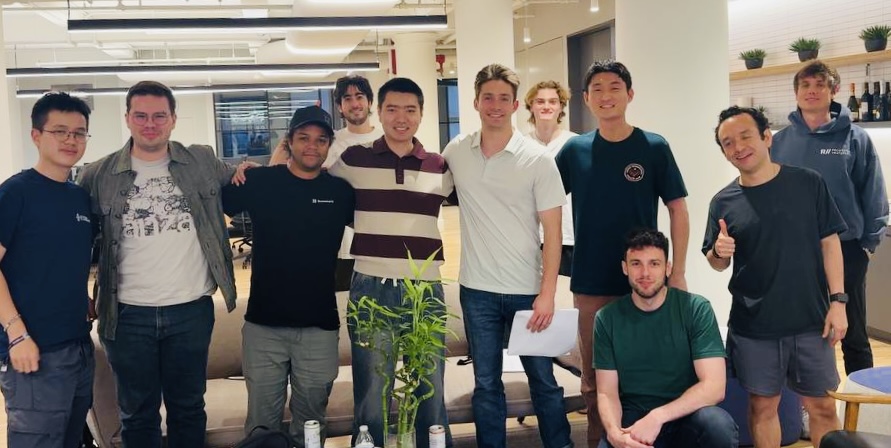
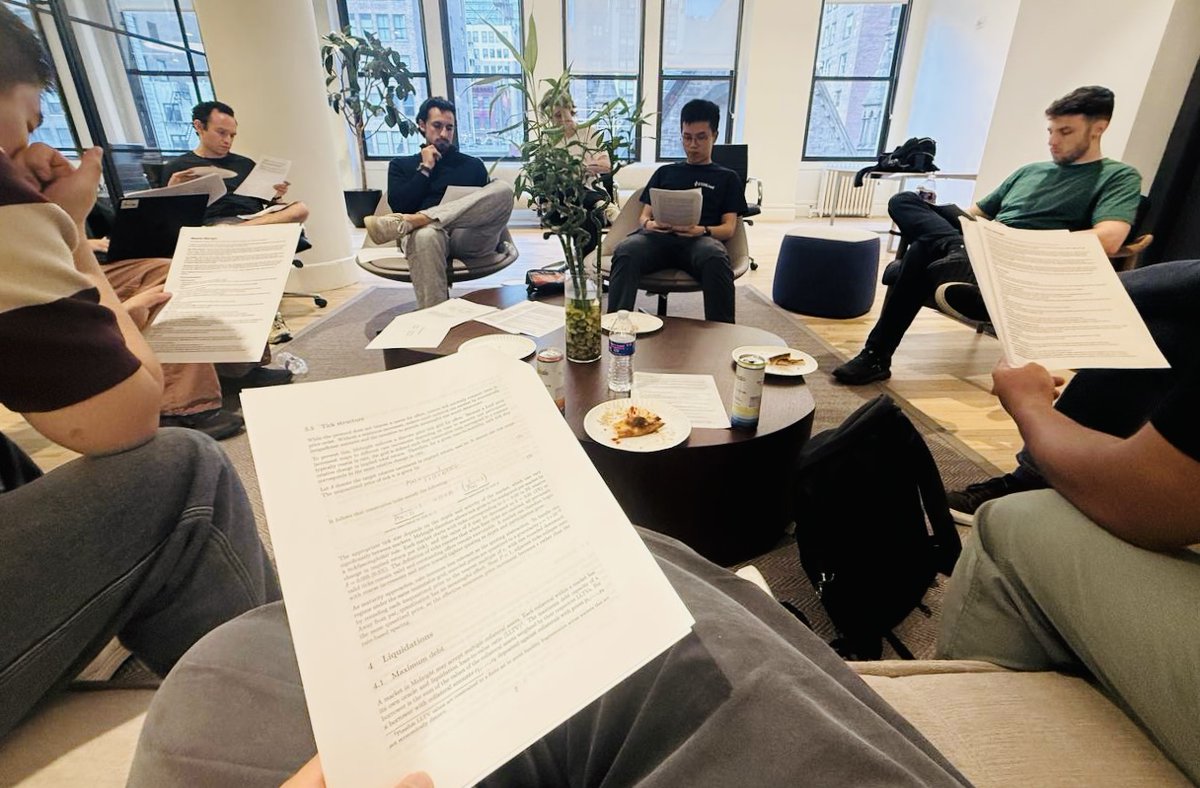
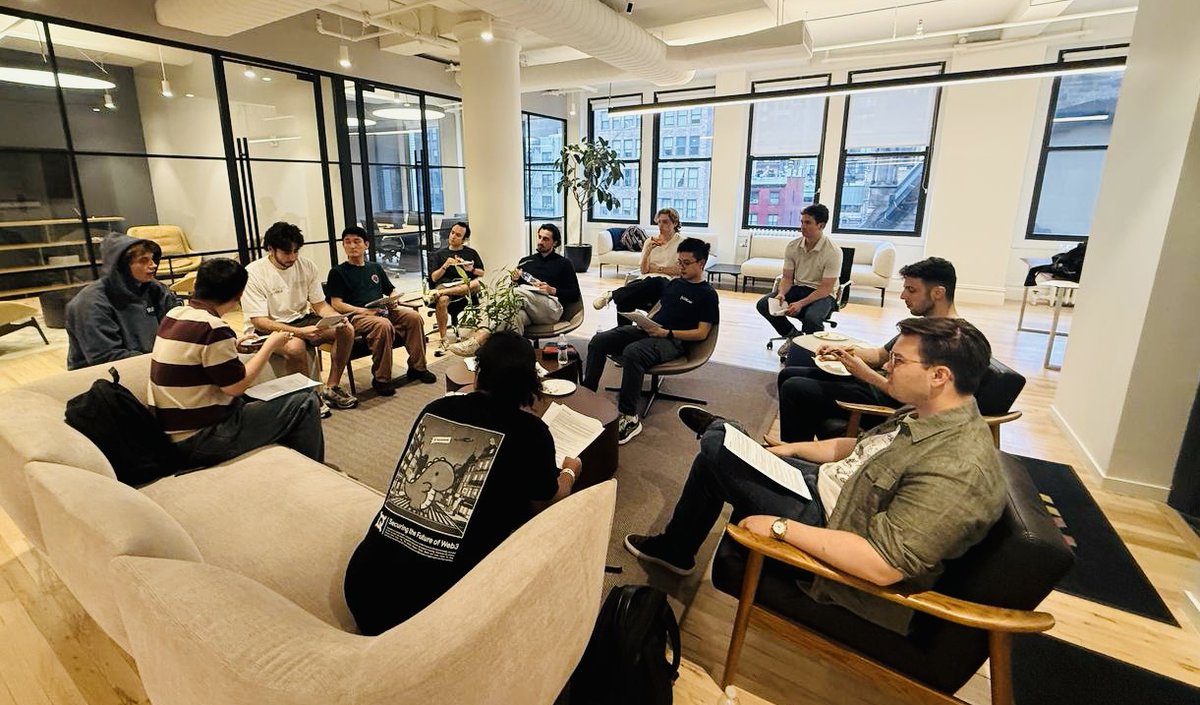
Whitepaper Reading @ethconf 2026: Morpho Midnight
Thank you to @zeebradoom (@BigBrainVC) for the pizza and @0xCryptoSam (@recvcx) for the space!
And of course @Morpho for an incredible paper!
The conversations were deep and very insightful so thank you everyone that attended! The room was packed with experts, with members from @anza_xyz , @paxoslabs, @Quantstamp, @polychain, just to name a few.
Some unique insights/questions discussed through the evening included:
1. What are the reasons for seemingly arbitrary numbers, like the 15 minute overdue position linear liquidation incentive factor growth, the max 50 bps annualized settlement fee, or the 1% continuous fee cap?
2. Why use "units" rather than ERC20 tokens? Our discussion thought that it may be to capture value through the settlement fee (forcing all trading to happen through Midnight), and to reduce on-chain computation overhead of using ERC standards.
3. Why are there just 2 optional gate contracts? We thought that it was just that one gate was to specify the restrictions on credit positions and one gate for debt positions.
4. What does footnote 5 mean? We discussed what it meant that Morpho Blue only realized bad debt after collateral was "fully seized" and the expectation for liquidators to act promptly. We discussed how frontrunning may still be an issue.
5. We discucsed the possibility to tokenize positions to create secondary markets, and the possibility for Midnight to internalize these products.
6. Is there the possibility for two identical markets to launch 2 different markets (thereby fragmenting liquidity)? We concluded that it was probably up to the Router to match markets that were structurally identical.
7. Are seperate "markets" created based on fee structure, duration, and collateral? We believed this may cause liquidity fragmentation issues.
8. What is the difference between Midnight and peer to peer lending? We thought the ability for Midnight to do "batch" liquidations rather than pair wise liquidations was a huge efficiency unlock. We also talked about how the fact that both lenders and borrows can act first and "bid" was a huge unlock, as previous lending protocols depended on either a borrower or lender to always act first.
9. Does a hand picked liquidator introduce new risk if the liquidator doesn't act? Yes, but institutional liquidators may be paid to help manage markets, which reduces the risk of this occuring.
10. Is it possible to sell your position to a particular individual? Through gates, it may be possible to control who you sell/buy your position to without only selling to the best market price.
Thank you for attending, and reach out if you would like to attend the next ny whitepaper reading circle!
Link to whitepaper: morpho.org/whitepapers/midni…
Link to summary: docs.google.com/document/d/1…
1
3
20
24,999
Jun 11
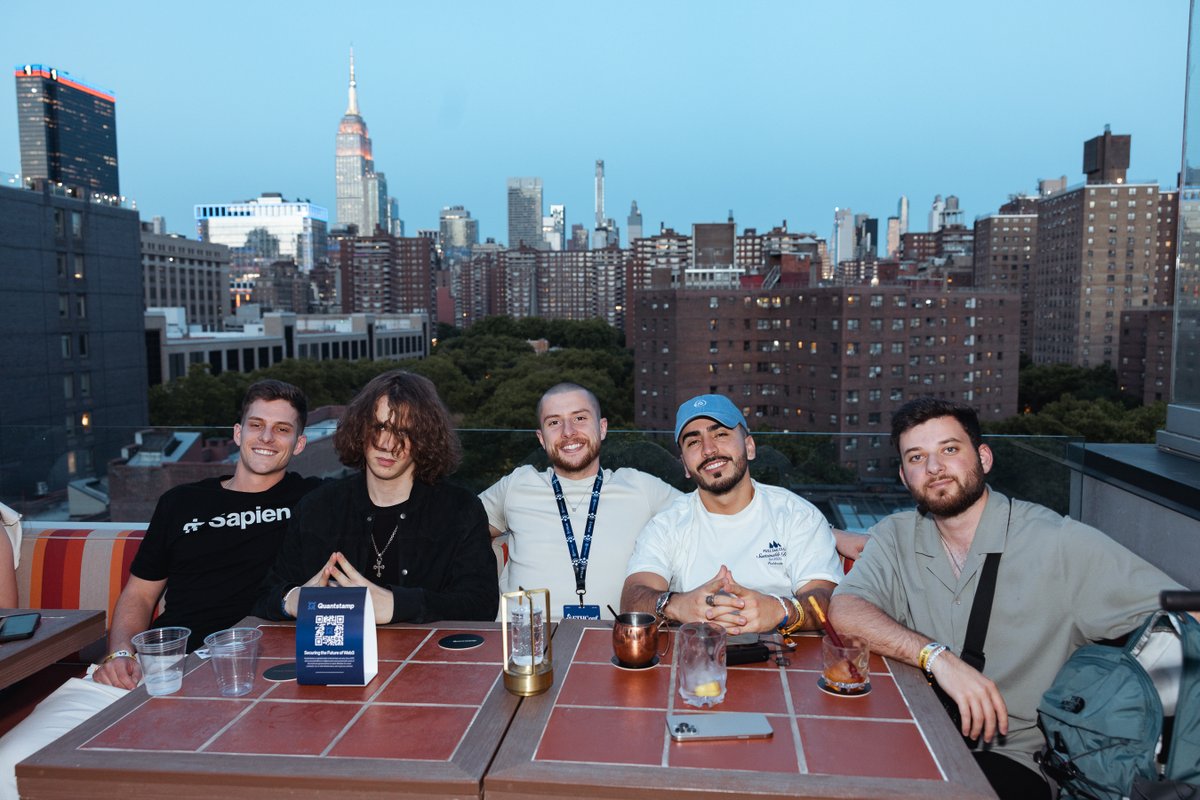
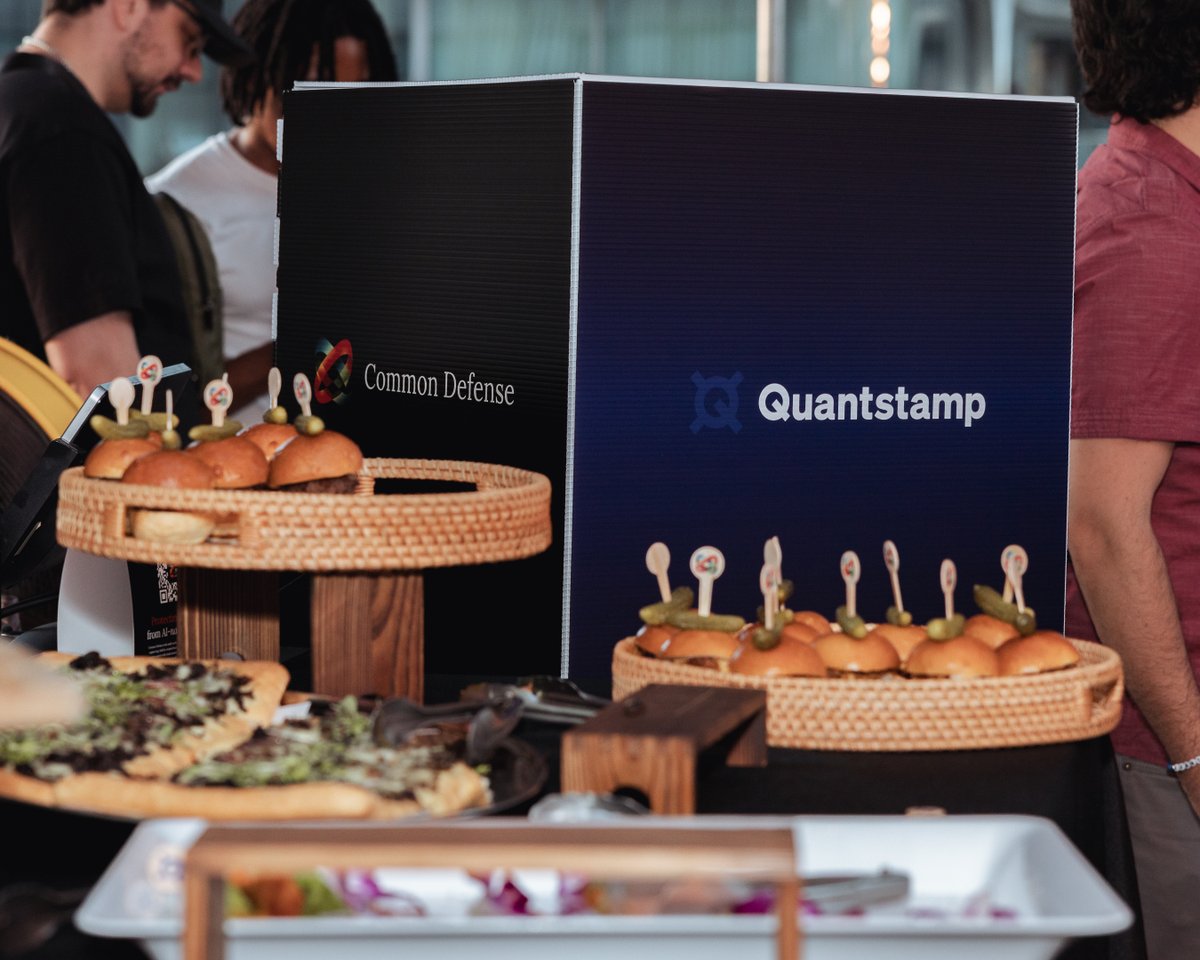
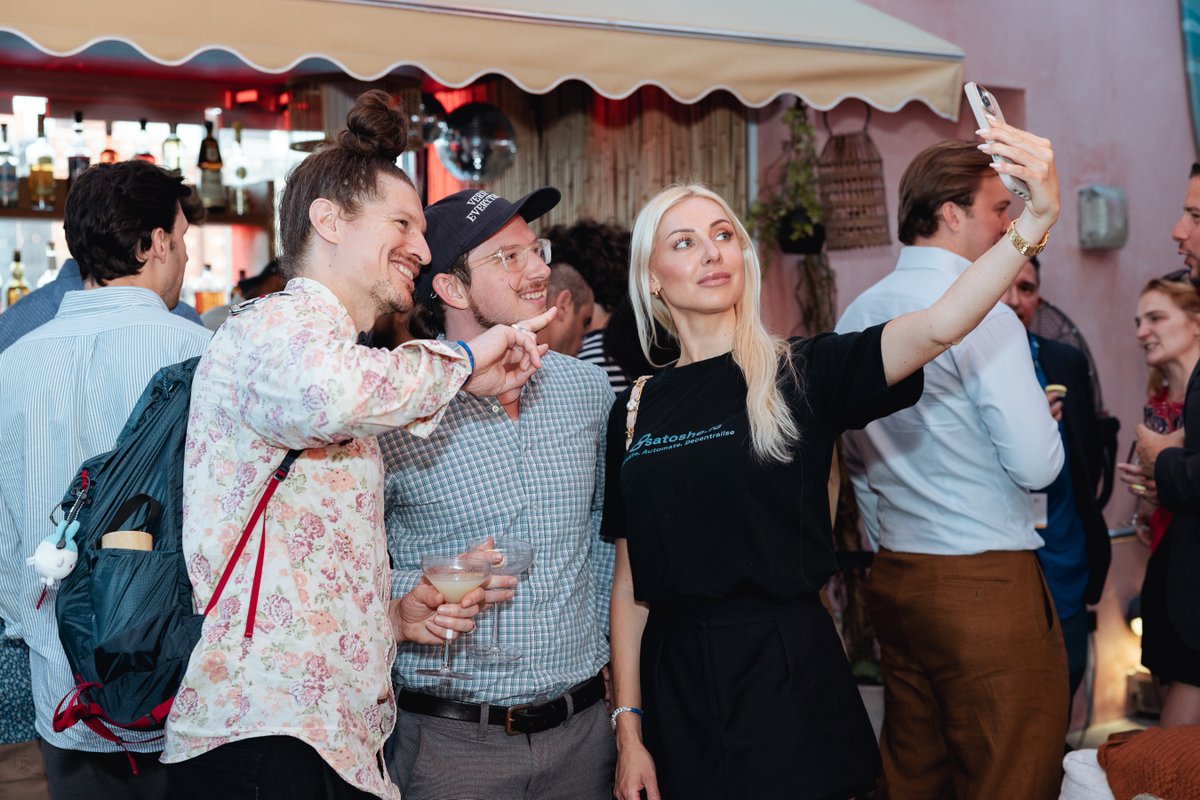
And that's a wrap on @ethconf 💙
Thank you to everyone who came out for our rooftop mixer w/ our friends over at @CommonDefenseAI!
We hope you made some new friends, caught up with familiar faces, and enjoyed the NYC skyline 🗽

1
4
15
1,100
Jun 9
Safest rooftop in NYC tonight.
We’re taking over the Chelsea skyline with our friends over at @CommonDefenseAI.
If you’re in NYC for @ethconf, come find us: luma.com/sohhvo10
2
3
14
757
Jun 9
gm @ethconf 🗽
We're hosting a rooftop mixer along with our frens at @CommonDefenseAI tonight!
> snacks and drinks
> beautiful views
> gud vibes
RSVP below 👇
luma.com/sohhvo10
1
3
11
453
Quantstamp retweeted

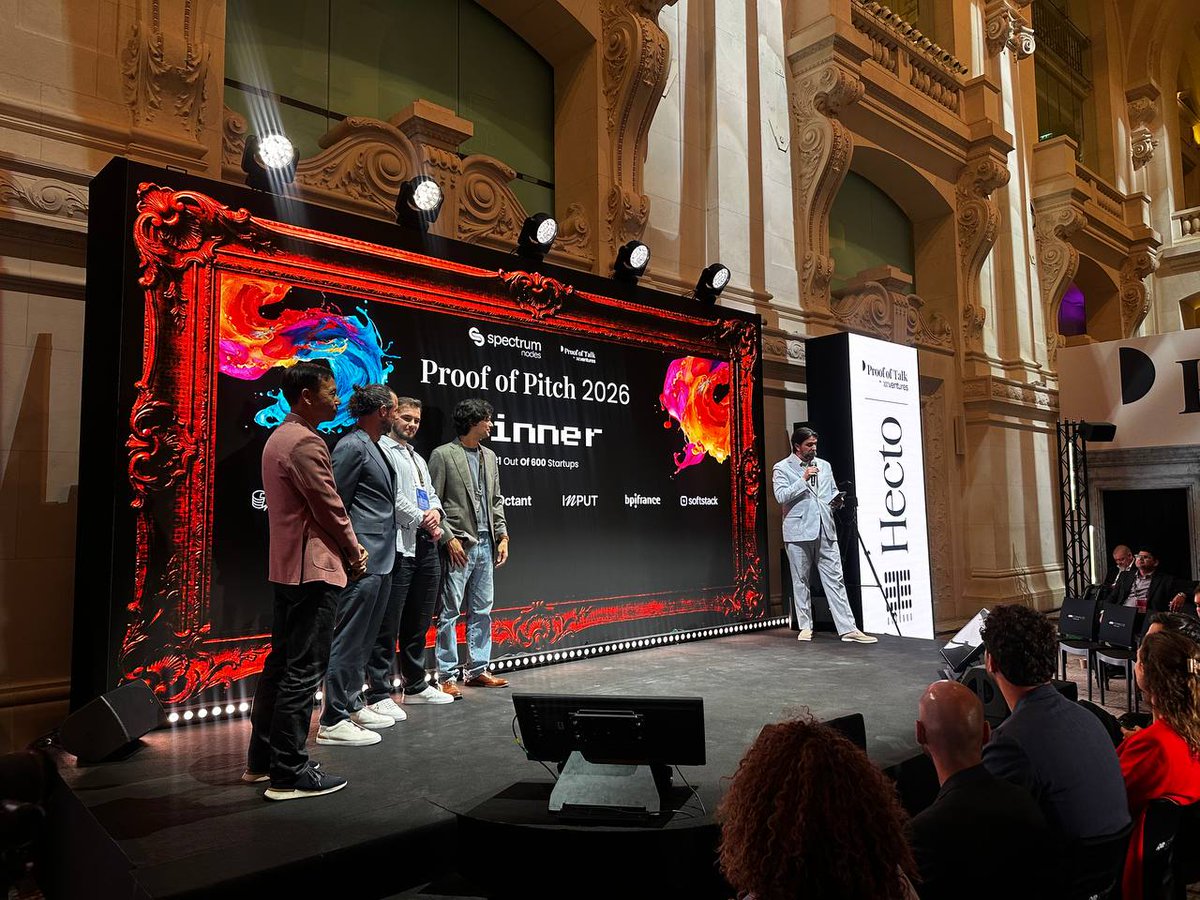
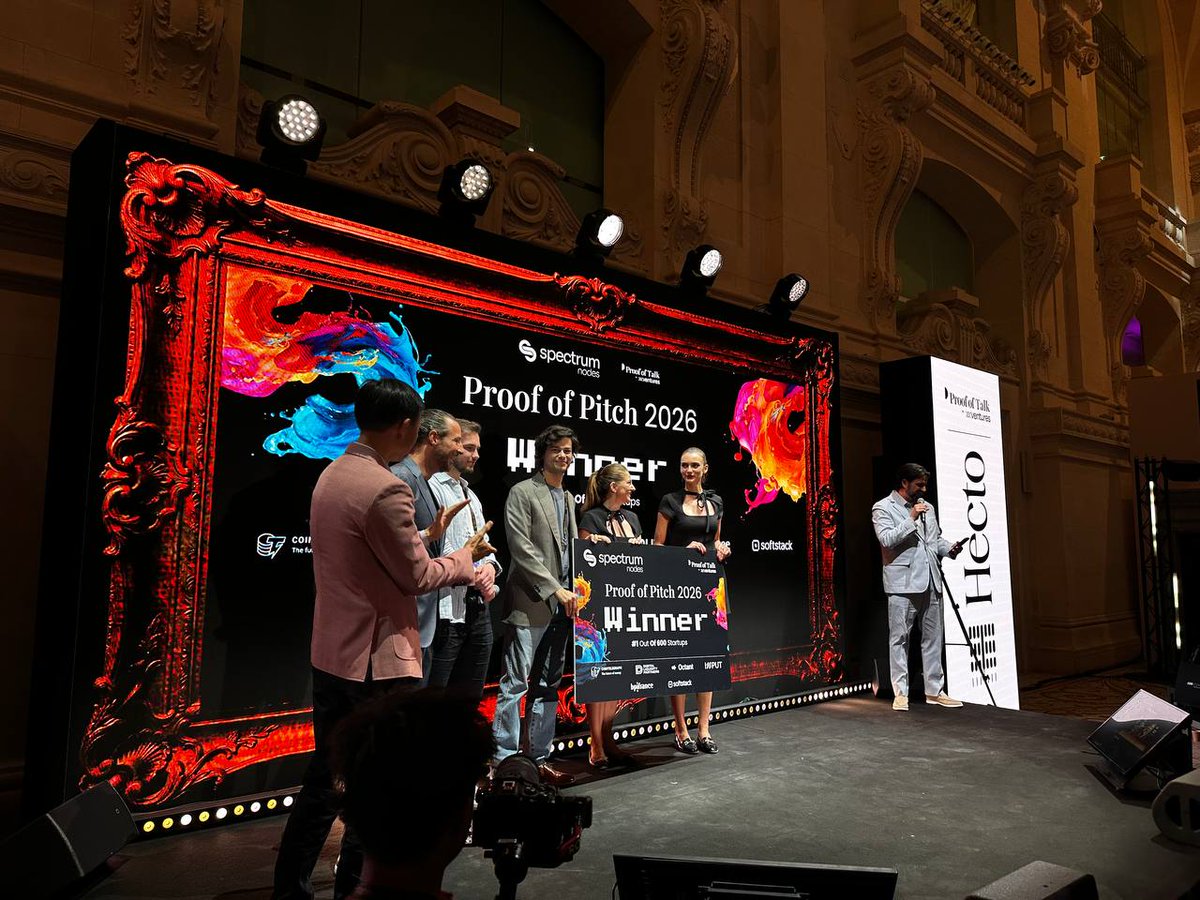
Parthenon won the @CantonNetwork track at Proof of Talk in Paris.
We’re building the institutional fixed-rate credit marketplace: fixed rates locked at origination, real legal recourse, so institutions can finally lend on-chain.
Thank you @proofoftalk. Just the start. 🔥
Jun 3

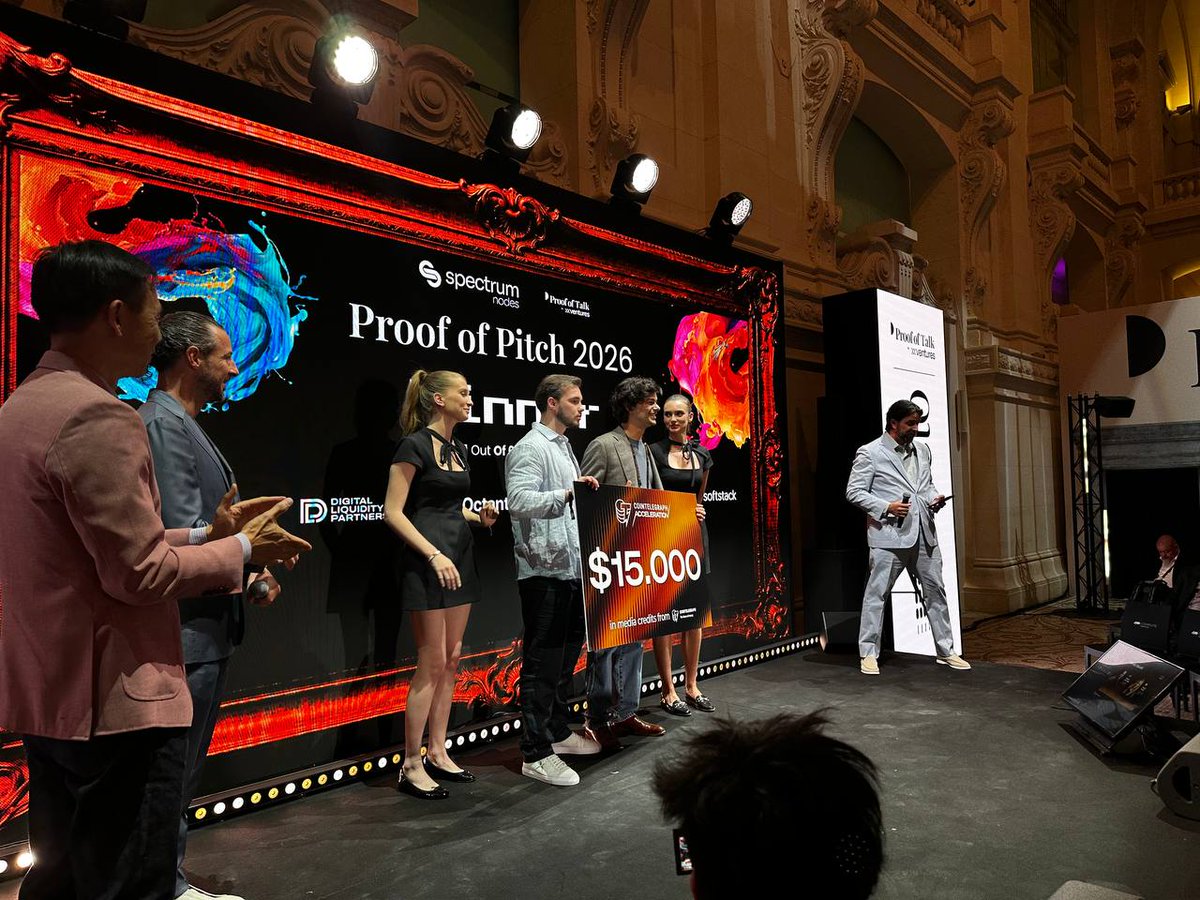
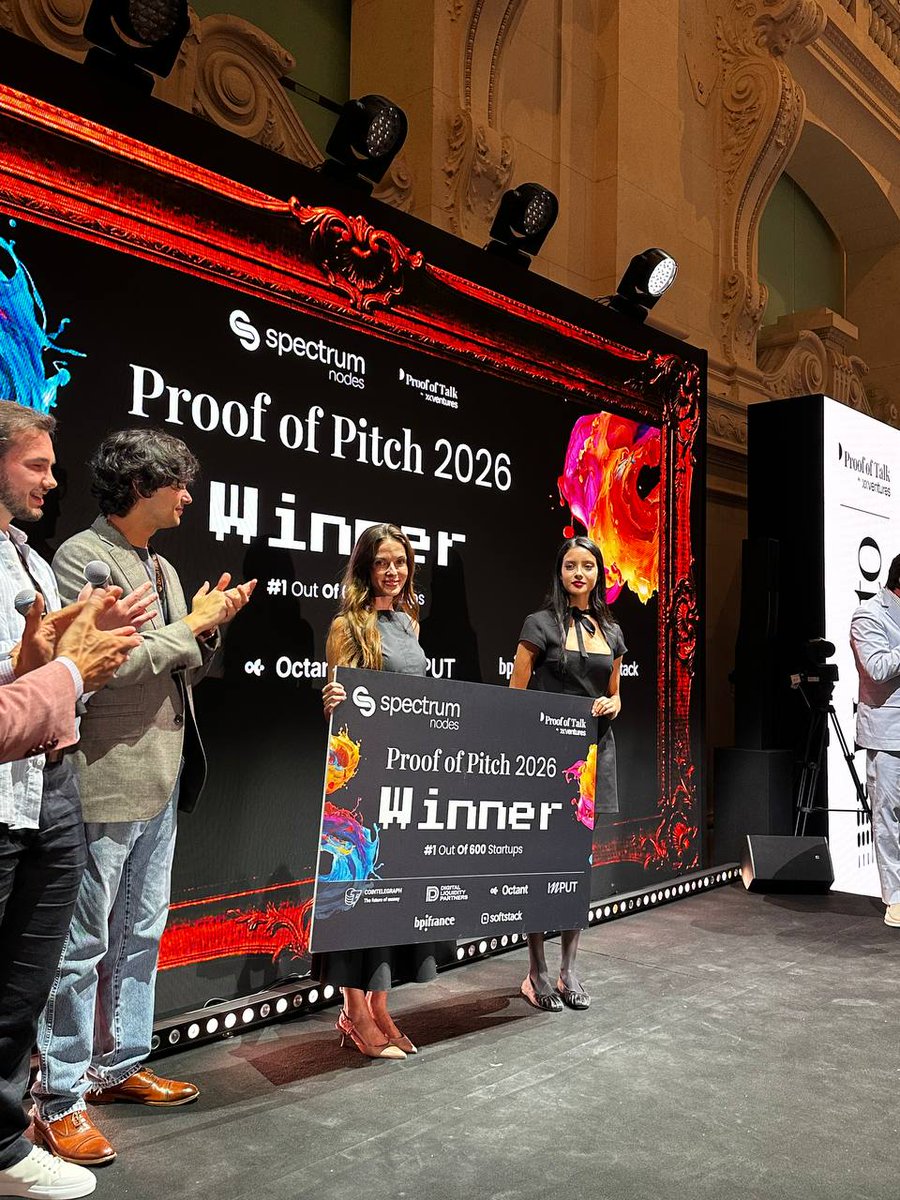
2 startup teams changed their year on the Main Stage at the Louvre.
The Proof of Pitch Winners 2026:
General Track:
→ @ReplyCorp, represented by Jordan Feinstein.
Canton Track:
→ Parthenon, represented by Lindsey Girkin.
The introductions that take 12 months to set up everywhere else just happened in one afternoon.
Powered by @SpectrumNodes.
Announced by Andy Tang @Andytang ( @DraperVC), Matthew Felice Pace @mfelicepace ( @SpectrumNodes), and Viktor Y. ( @CointelegraphAc).
Congratulations to every winner.
9
8
30
3,594
Jun 8
We're on the ground at @ethconf!
If you'd like to chat about smart contract audits, reach out to @0xrubes & @jonnymevs, or stop by our Rooftop Mixer tomorrow night 👇
luma.com/sohhvo10
May 26
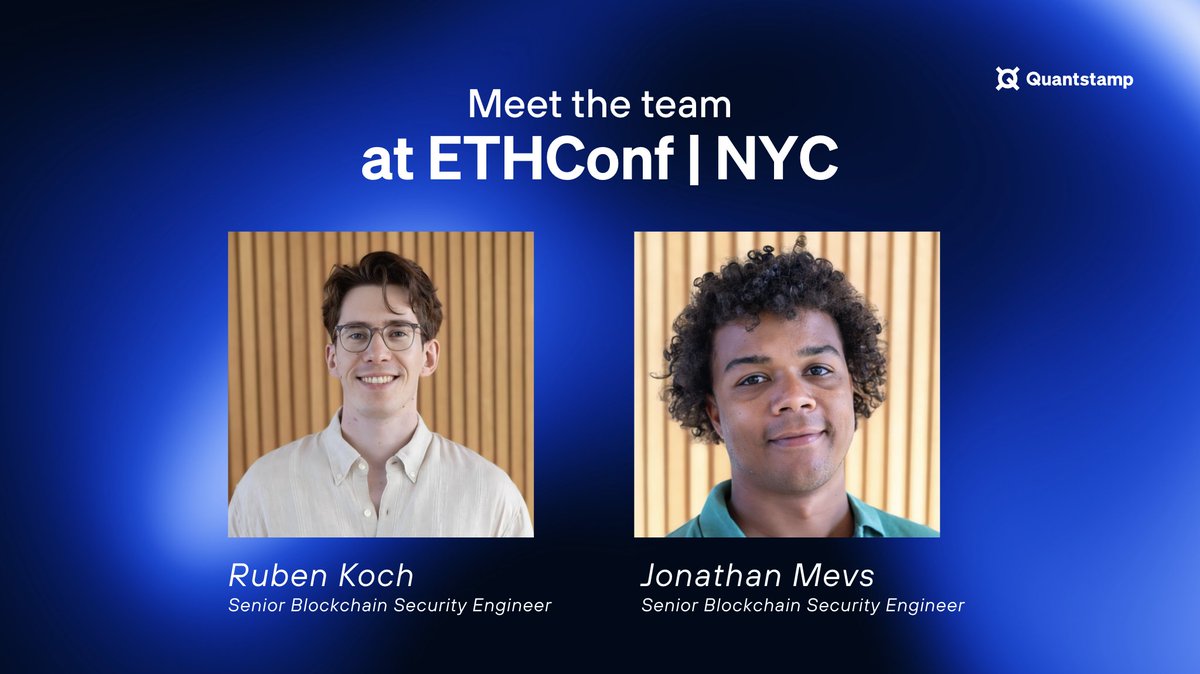
We'll be heading to NYC for @ethconf next week 🗽
@0xrubes and @jonnymevs will be on the ground.
If you're thinking about smart contract audits, launching or upgrading a protocol, or interested in post-deployment monitoring, shoot them a DM!
1
2
12
834
Jun 4
Security updates you should know from May: what got hit, and what's hiding in your dependencies.
TLDR;
• $59.52M lost across 29 web3 incidents (vs April's ~$635M)
• The Mini Shai-Hulud npm worm hit 1,000 package versions
Full breakdown 👇
4
6
24
3,485
Jun 4
Why this matters for web3 teams: the worm targets the exact machines that hold RPC keys, deploy credentials, and signing secrets.
We break down our recommendations to protect your team in The Security Beat.
1
2
246
Jun 4
And that's a wrap!
Read the full breakdown on our blog: quantstamp.com/blog/may-2026…
See you again next month.
1
5
231
Quantstamp retweeted
Jun 2
We'll be joining @Giveth for this one!
Rabib Islam @rabizzzy, Senior Research Engineer at Quantstamp, will hop on to chat all things Ethereum security and the round 🫶
See you there 👇

What happens when Ethereum decides to fund security together? 🛡️
Join us Wednesday for the Ethereum Security QF Round wrap-up Space.
We’ll unpack the results, hear from contributors and share key takeaways from the round.
👇
x.com/i/spaces/1YxNrrvEqYNxw…
8
22
1,878

Ethereum security is an ecosystem effort 🛡️
Tomorrow we'll hear from @wintermute_t, @Quantstamp, @sigp_io , @Certora, and @chain_security on why they supported the round and where Ethereum security funding should go next.
👇
x.com/i/spaces/1YxNrrvEqYNxw…
5
11
48
6,084
Quantstamp retweeted

Jun 2
It's finally happening!
SEAL Certifications are now open for business. 🎉

15
24
129
26,820

If you lead a Web3 business that holds any meaningful amount of funds onchain, you should seek out security expertise to help keep funds safe.
Whether it’s smart contract code, private key management, or multisig configuration, it’s your users’ funds at stake.
Secure them.
1
1
8
913