Joined December 2025
- Tweets 93
- Following 117
- Followers 5,135
- Likes 123
8 Photos and videos

Pinned Tweet

Jun 1
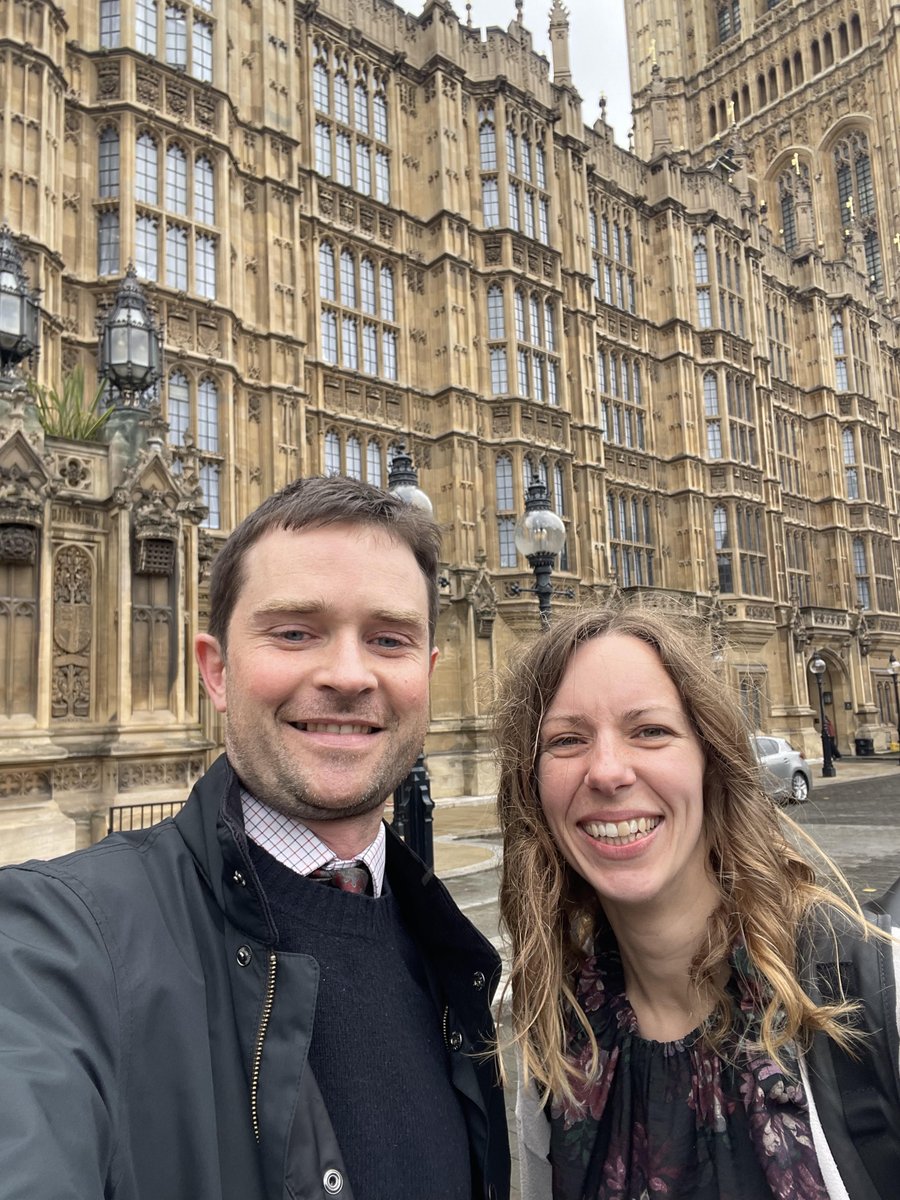
Hello, we are Jonathan and Abigail - unashamed pedants who want to bring this affliction to bear on all things public policy and practice.
We believe that details matter, especially in public administration. This is why today we are founding quibble: a campaign to fix the small stuff.
Think, for example, about the cookie banner that we click on every webpage. Each instance is not a big deal, so we just put up with it. But its cumulative impact adds up - on average we press it 5 times per day. The European Commission estimates that it costs EU citizens 343 million hours per year.
And who is there to represent the impacts of seemingly minor issues like this in a systematic way? We want quibble to be the answer. In the case of the cookie banner, lots of advocacy has rightly focused on privacy, but has this meant that user experience has taken a backseat? We believe there are ways to improve user experience without compromising on privacy. We will share more about this soon.
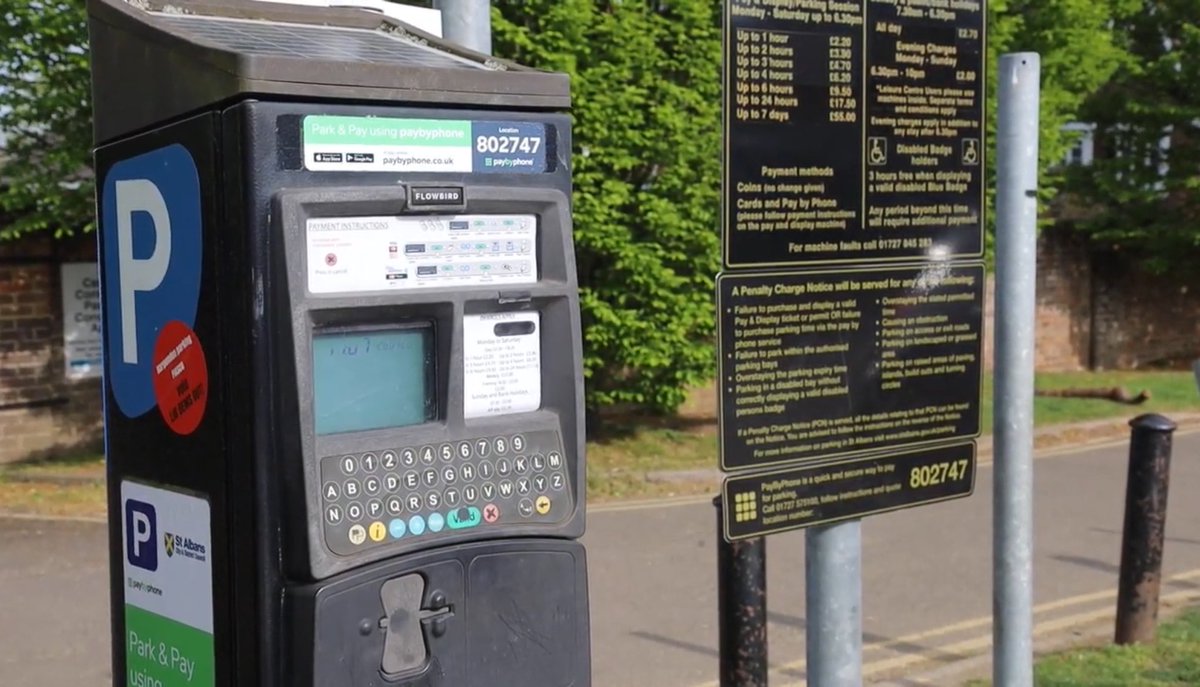
Consider another example. Did you know that in some government-run car parks you can be fined for a minor keying error, such as accidentally typing a zero instead of an “o”? Again, we will come to the detail of this quibble in the coming weeks, but for now just consider again the question: who? Who is there currently to systematically represent the interests of the parker who is given an unfair ticket?
An inherent feature of consumer interests is that those who have them rarely have enough other things in common to make collective organisation and representation feasible. This is the gap that quibble seeks to fill. Now of course excellent consumer interest groups exist. But understandably quibbles might not be at the top of their lists. Our hope is that quibble will be complementary; picking up the bottom-of-the-list issues faced by various groups - the stuff they are almost too embarrassed to raise because they are too small.
We are not embarrassed about detail. If you’ve ever had a splinter, you know small things can have a big impact. This is what quibble is committed to tackling, and our wider hope is that by doing so we will also incentivise policy makers to be even more careful about detail.
Check out our website here, including our first four campaigns: quibble.org.uk
237
347
3,001
969,210
23h
🗣️🅿️ Have you had a parking fine for a minor typo/keying error in your number plate?
We are trying to identify where local authorities are enforcing these, but the data is limited, so we need your examples!
Please comment below, DM, or email abigail@quibble.org.uk. Details such as location, date, whether you appealed, and result of appeal, are all helpful.
(At the moment our attention is focused primarily council car parks, as this is where the rules are most ambiguous and the evidence most patchy.)
2
6
10
4,069
quibble retweeted

One thing is for local authorities to issue Breach of Condition notices where kiosks are redundant. Simple measure that has greatly reduced clutter in eg Tottenham Court Road.
1
1
3
788
quibble retweeted

Jun 11
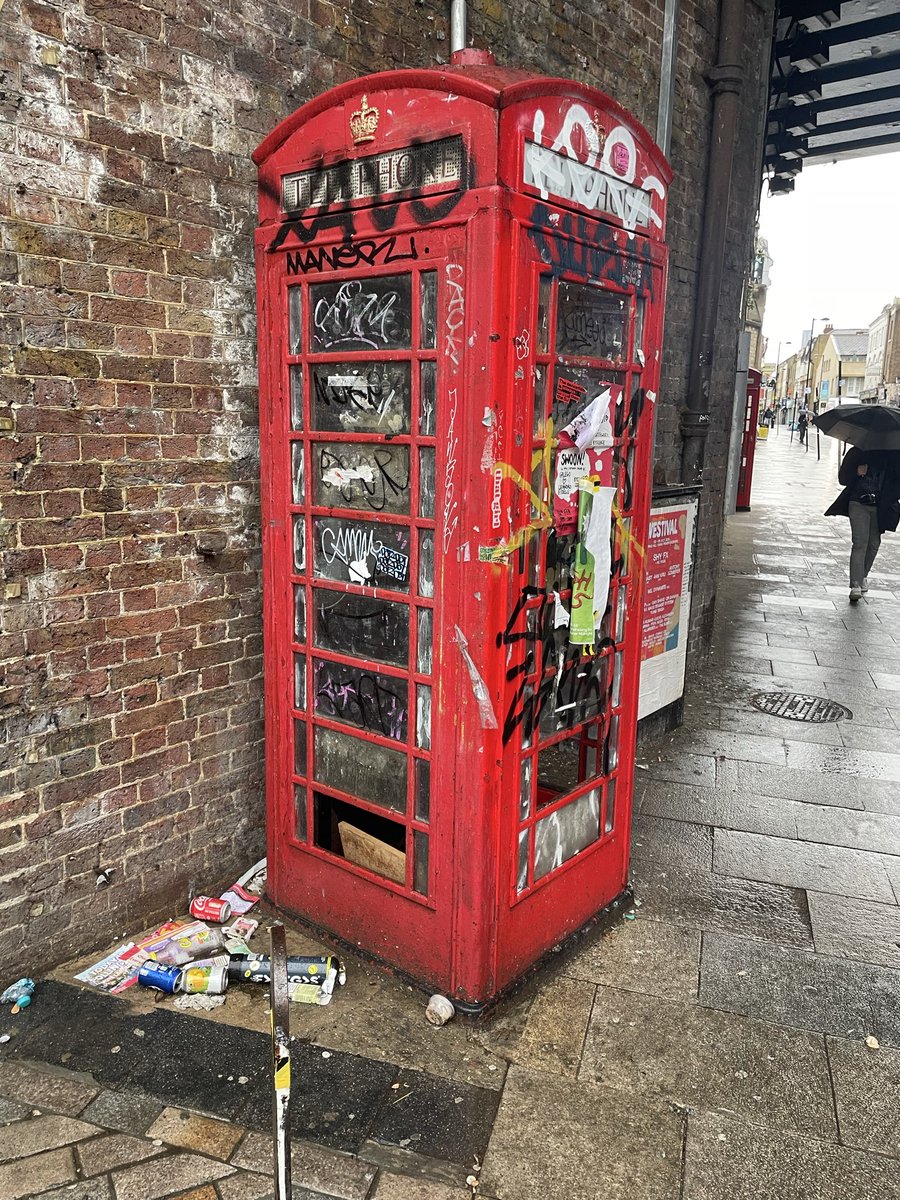
Is there a more photographed location in London?
Why don’t we maintain them better? It’s projecting decline.
Jun 11

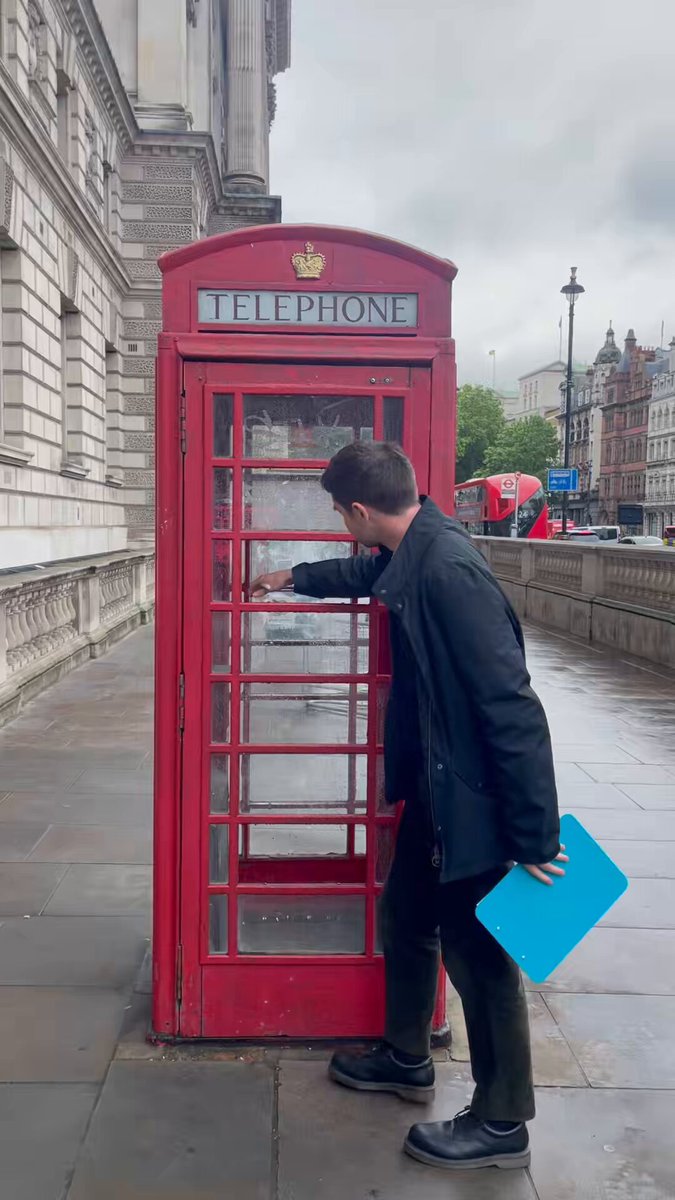
We actually took a walk around that area a few weeks back, along with our Ministry of Detail clipboard.
For one of the boxes we had to queue for a good while as there were so many people wanting a photograph with it. The conditions of the boxes varied but very few were in a reasonable state.
Clearly right that the number of times people experience a place should factor in to prioritisation of their maintenance.
It makes us think of other “civic facades” like airport arrival terminals and train stations - often the first impression you get of a place.
7
12
99
7,979
Jun 11
We actually took a walk around that area a few weeks back, along with our Ministry of Detail clipboard.
For one of the boxes we had to queue for a good while as there were so many people wanting a photograph with it. The conditions of the boxes varied but very few were in a reasonable state.
Clearly right that the number of times people experience a place should factor in to prioritisation of their maintenance.
It makes us think of other “civic facades” like airport arrival terminals and train stations - often the first impression you get of a place.

It’s not deranged that thousands of tourists line up every day for a photo by the old red phone box looking up at Big Ben as their treasured picture from London. It’s deranged “not my job-ism” means this is so battered an stinky the very sign “telephone” is half-hanging off. What kind of impression does that give of the UK? Would take 10 seconds to map most instagrammed sites like this and give them a good scrub.
12
13
228
90,841
Jun 11
And this one, just in front of Westminster Abbey…
(Will be putting these together for a longer video on our other socials, so do follow those!)
2
31
2,267
Jun 11
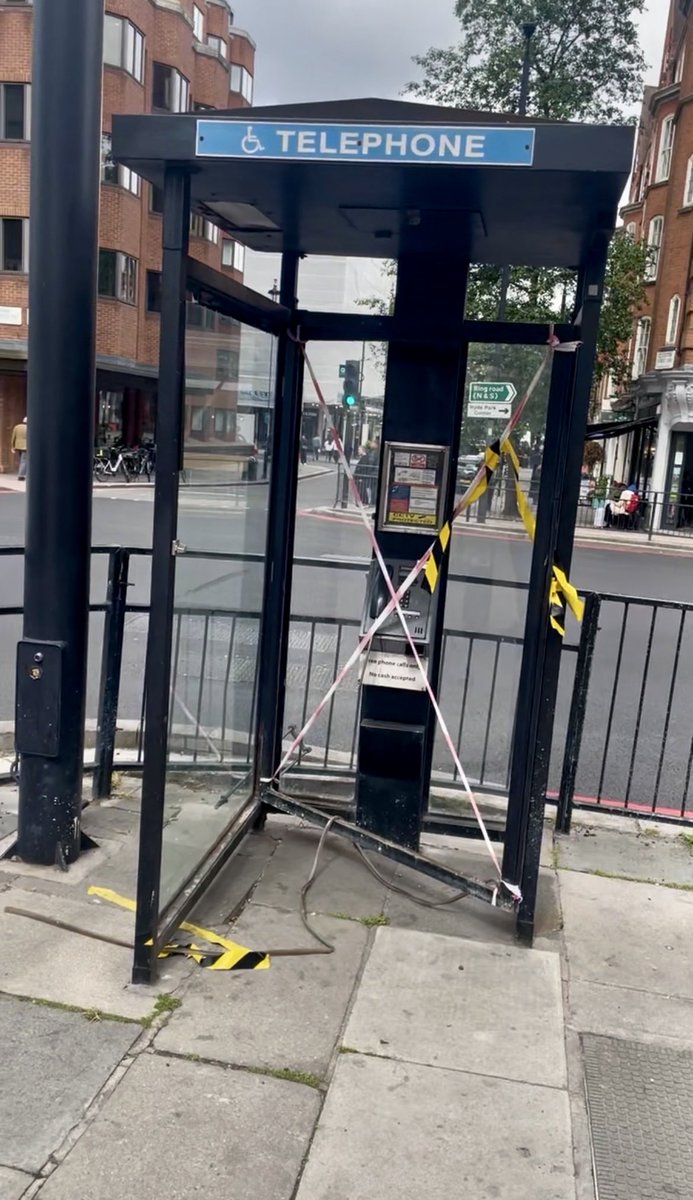
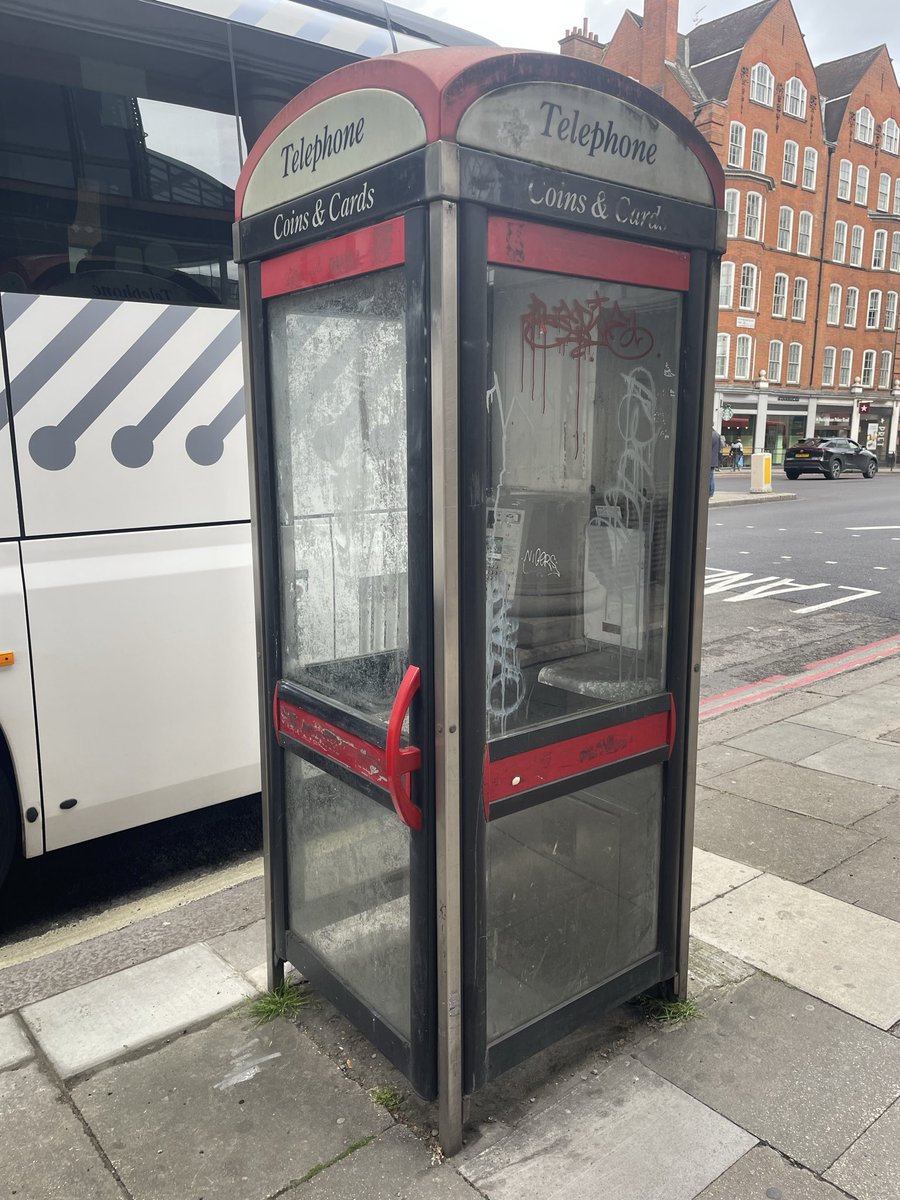
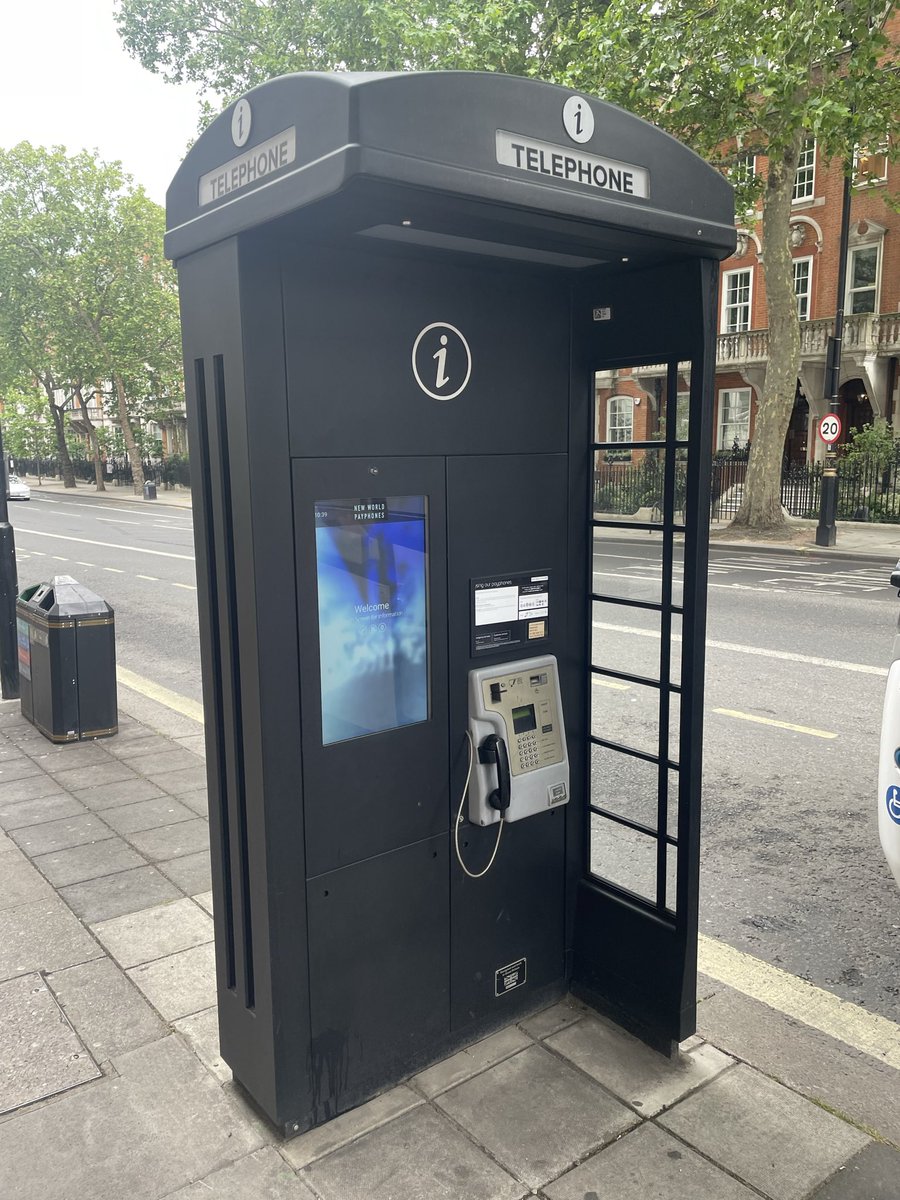
These 3 phone boxes stand within ~100m of each other, just outside Victoria Station.
We’re currently taking a very “quibbly” look into what is going on nationally - including the roles of BT, Ofcom, local authorities, MHCLG, & others - to see what can be done to improve things.
3
2
53
5,957
Jun 11
As ever, the picture is complex, but we’re identifying several realistic changes that could make a significant difference - both to their ubiquity & their upkeep.
H/t to @createstreets for their hugely informative #BoxBlight report and campaign work on this already.
More soon!
2
6
989
quibble retweeted

Mind? I am absolutely delighted. Flattered!
1
22
1,923
quibble retweeted

Enraged by life’s minor annoyances? The Quibble alliance can help thetimes.com/uk/technology-u…
1
9
20
3,757
Jun 4
It was great to be on @BBCr4today and @TimesRadio on Tuesday morning. Do also listen out for us on @LBC this Saturday morning, and @BBCWiltshire on Monday morning.
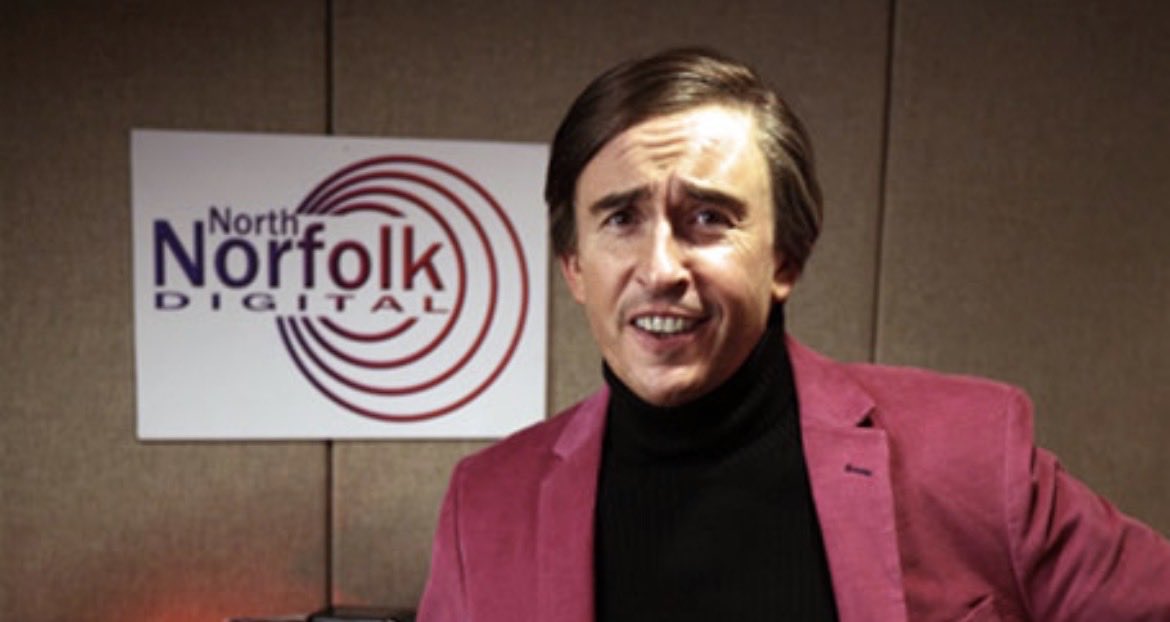
We’re still holding out for North Norfolk Digital… reckon Alan would ruddy love quibble.
1
14
906
Jun 3
Well... it’s been a rather overwhelming first couple of days!
Thank you to all of you who have shown your support and interest. We've received huge numbers of comments and emails with excellent and fascinating suggestions of quibbles, which we're still working our way through.
To start with, in addition to the first four quibbles listed on our website, we plan to select a few more in the coming weeks from amongst your suggestions. But all are being noted and considered, and we will always remain open and attentive to new quibbles - so please do keep them coming!
In terms of actually fixing this stuff, one thing we recognise is the importance of leverage - which in our case will need to largely come from the size and engagement of our following. In other words, quibbles will become harder to ignore when there is a real and credible prospect of public exposure and pressure standing behind the technical work and organisation that we are providing. This is one of the reasons why your support has been so encouraging.
If you are on other social media apps, please consider following us there too. These will feature different styles of content, including more personal videos documenting our journey and progress - a couple of which you can find already on our Instagram and Facebook. We are also now on Bluesky. All links below.
Again, thank you so much - and more soon!
instagram.com/quibbleit?igsh…
facebook.com/profile.php?id=…
bsky.app/profile/quibble-it.…
5
39
1,983
quibble retweeted

Good to hear about new problem-identifying and -solving online platform @QuibbleUK, with co-founder Jonathan de Leyser (@Jon_deLeyser) interviewed by Anna Foster on #r4today where de Leyser notes their flagship campaign is on an issue about which I have often railed:
‘In order to do effective work on this kind of campaign, you need a couple of things: one is technical know-how on how decisions get made and how policy works; and the second is leverage of some kind. In our case, that is going to be the audience we can pull together.
‘The response we have had in the last day has been overwhelming, and yesterday we had hundreds of messages. It really seemed to resonate with people that we experience nuisances in our lives, and that we want recourse towards fix these.
‘One of our flagship quibble campaigns will be the cookie banner that we all have to press on every webpage. Each time, it takes only a few seconds, so it is not a big deal, we all just get on with it. But when you think about the fact that millions of us are having to press it, on average, five times a day, it starts to add up. I think it becomes something worth trying to fix. The European Commission estimated it was costing EU citizens 340 million hours per year.’
‘We did some estimates to work out how much time people just spend doing really boring things. The example of cookies is a good one: you just learn to ignore it. We estimated it is about an hour a day that people have to do really annoying, crappy things they don’t really want to be doing. Can we just get rid of that?
‘Similarly, a key thing which something like Quibble can do, like something geographically, @FixMyStreet I know [unclear], but you don’t know who to call. So to be able to go to a general site and say, “This is an annoying thing”, and a platform like that can figure out whose desk it should end up on.’
‘One of the things is that it gets you out. It's not just you, but you can then start to find solutions. There are some examples in other countries which are really nice, where people identify the problem and then someone else who’s involved in it also just solves it, like another neighbour or someone else says, “We can fix that”.’
< One of the remarkable things about cookie banners is that I have never heard anyone in mainstream media, or a politician, discuss their impact on productivity, or how they “enshitify” the Web (pace Cory Doctorow), perhaps as they approve of the nonsense trope about keeping our personal data safe?
18 Feb 2024

Cookie notices on the Web seem to be by far the most ‘polluting’ aspect of the online experience, moreso than the privacy invasions they are ostensibly intended to reduce.
Is there an inverse correlation here? I doubt it, as we had other ways of addressing such invasions. And those who engage in them are unlikely to worry about breaking UK or EU law.
The GDPR was like using a sledgehammer to crack a nut. After the UK left the EU in 2020, UK government could have removed from Website publishers this requirement imposed by the General Data Protection Regulation (GDPR). Instead, it has retained it under the Privacy and Electronic Communications Regulations (PECR), updated 2011.
Cookie notices must be one of the most jarring experiences of using the modern Web (and there are many!), breaking multiple tenets of good user experience (focus on user goals, visual distraction, poor user interface, and more).
Moreover, Website publishers seem to ask for cookie assent almost every time one visits their site/service, probably to be doubly sure they are in the clear. They seem not to care about how this debilitates us as we dismiss them on site after site as we ‘surf the Web’.
Moreover, we use and rely on the Web/apps more than ever, with over 80% of the UK population owning a smartphone. That this degraded experience is not recognised by politicians may in part reflect their reliance on others to ‘use’ the Web for them.
This is symbolic of the squandered potential of leaving the EU. We could have freed ourselves up in so many ways. Yet the instincts of this Conservative government are so aligned with the EU’s technocratic mindset they have chosen not only to retain alignment with the ‘EU Cookie Law’, but in 2023 they introduced the even more controlling and bureaucratic Online Safety Act.
Where over the last 20 or more years there is little one can claim government has improved in the lives of everyday people – from jobs to housing, transport to the cost of living, energy prices to civil liberties – one area in which we have bootstrapped our quality of life is by imaginatively developing and using ICT.
By creatively using the PC Web to smartphones, tablets to connected devices, most people could say they have improved their personal, work and social lives. Yet, in the age of the productive rollout of ICT making up for government incompetence and inability (or unwillingness?) to deliver for everyday people, it chooses to try to hobble even that. And Labour in government threatens to be worse in both dimensions.
Perhaps Website publishers in the UK, particularly those with a liberty-oriented mindset, should simultaneously remove their cookies notice and see what the Information Commissioner's Office (ICO) (@ICOnews) can do about it?
1
2
6
2,082
quibble retweeted

Here's our top quibble. Street Scars ! In Stoke and Coventry ...


Jun 1
Hello, we are Jonathan and Abigail - unashamed pedants who want to bring this affliction to bear on all things public policy and practice.
We believe that details matter, especially in public administration. This is why today we are founding quibble: a campaign to fix the small stuff.
Think, for example, about the cookie banner that we click on every webpage. Each instance is not a big deal, so we just put up with it. But its cumulative impact adds up - on average we press it 5 times per day. The European Commission estimates that it costs EU citizens 343 million hours per year.
And who is there to represent the impacts of seemingly minor issues like this in a systematic way? We want quibble to be the answer. In the case of the cookie banner, lots of advocacy has rightly focused on privacy, but has this meant that user experience has taken a backseat? We believe there are ways to improve user experience without compromising on privacy. We will share more about this soon.
Consider another example. Did you know that in some government-run car parks you can be fined for a minor keying error, such as accidentally typing a zero instead of an “o”? Again, we will come to the detail of this quibble in the coming weeks, but for now just consider again the question: who? Who is there currently to systematically represent the interests of the parker who is given an unfair ticket?
An inherent feature of consumer interests is that those who have them rarely have enough other things in common to make collective organisation and representation feasible. This is the gap that quibble seeks to fill. Now of course excellent consumer interest groups exist. But understandably quibbles might not be at the top of their lists. Our hope is that quibble will be complementary; picking up the bottom-of-the-list issues faced by various groups - the stuff they are almost too embarrassed to raise because they are too small.
We are not embarrassed about detail. If you’ve ever had a splinter, you know small things can have a big impact. This is what quibble is committed to tackling, and our wider hope is that by doing so we will also incentivise policy makers to be even more careful about detail.
Check out our website here, including our first four campaigns: quibble.org.uk
5
34
782
60,245
quibble retweeted

Jun 1
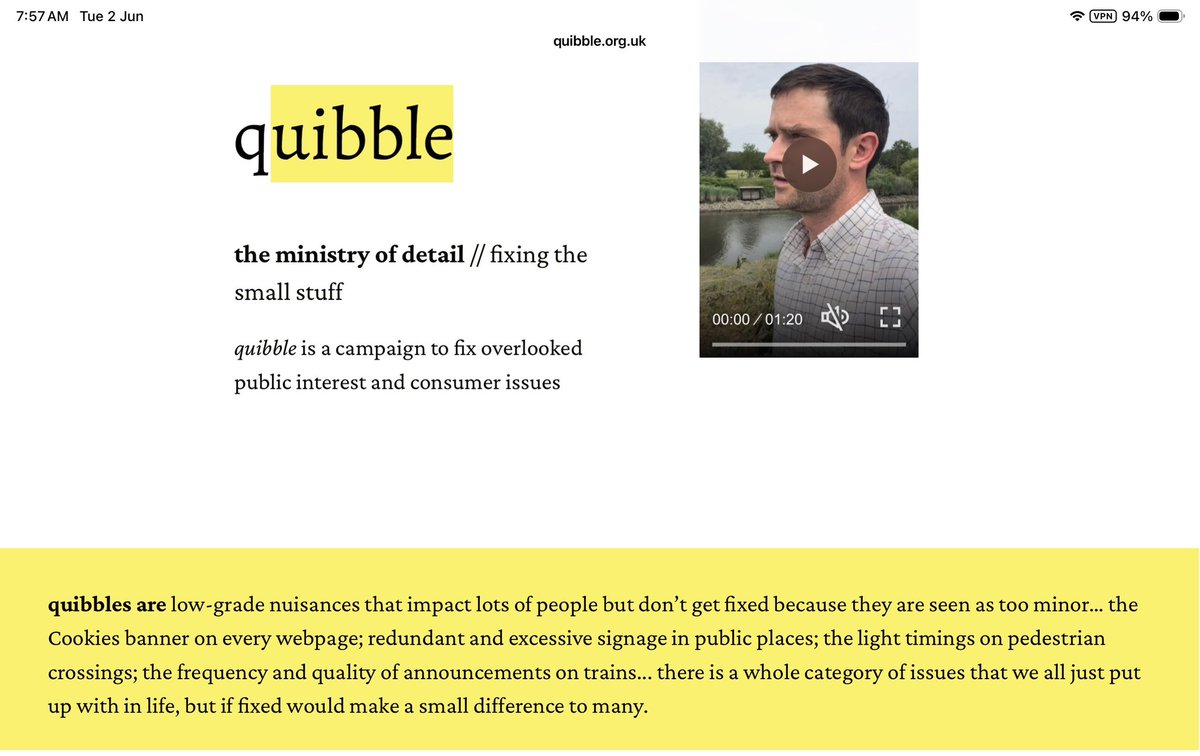
Hello, we are Jonathan and Abigail - unashamed pedants who want to bring this affliction to bear on all things public policy and practice.
We believe that details matter, especially in public administration. This is why today we are founding quibble: a campaign to fix the small stuff.
Think, for example, about the cookie banner that we click on every webpage. Each instance is not a big deal, so we just put up with it. But its cumulative impact adds up - on average we press it 5 times per day. The European Commission estimates that it costs EU citizens 343 million hours per year.
And who is there to represent the impacts of seemingly minor issues like this in a systematic way? We want quibble to be the answer. In the case of the cookie banner, lots of advocacy has rightly focused on privacy, but has this meant that user experience has taken a backseat? We believe there are ways to improve user experience without compromising on privacy. We will share more about this soon.
Consider another example. Did you know that in some government-run car parks you can be fined for a minor keying error, such as accidentally typing a zero instead of an “o”? Again, we will come to the detail of this quibble in the coming weeks, but for now just consider again the question: who? Who is there currently to systematically represent the interests of the parker who is given an unfair ticket?
An inherent feature of consumer interests is that those who have them rarely have enough other things in common to make collective organisation and representation feasible. This is the gap that quibble seeks to fill. Now of course excellent consumer interest groups exist. But understandably quibbles might not be at the top of their lists. Our hope is that quibble will be complementary; picking up the bottom-of-the-list issues faced by various groups - the stuff they are almost too embarrassed to raise because they are too small.
We are not embarrassed about detail. If you’ve ever had a splinter, you know small things can have a big impact. This is what quibble is committed to tackling, and our wider hope is that by doing so we will also incentivise policy makers to be even more careful about detail.
Check out our website here, including our first four campaigns: quibble.org.uk
1
2
1,703
quibble retweeted

I LOVE this!
Jun 1
Hello, we are Jonathan and Abigail - unashamed pedants who want to bring this affliction to bear on all things public policy and practice.
We believe that details matter, especially in public administration. This is why today we are founding quibble: a campaign to fix the small stuff.
Think, for example, about the cookie banner that we click on every webpage. Each instance is not a big deal, so we just put up with it. But its cumulative impact adds up - on average we press it 5 times per day. The European Commission estimates that it costs EU citizens 343 million hours per year.
And who is there to represent the impacts of seemingly minor issues like this in a systematic way? We want quibble to be the answer. In the case of the cookie banner, lots of advocacy has rightly focused on privacy, but has this meant that user experience has taken a backseat? We believe there are ways to improve user experience without compromising on privacy. We will share more about this soon.
Consider another example. Did you know that in some government-run car parks you can be fined for a minor keying error, such as accidentally typing a zero instead of an “o”? Again, we will come to the detail of this quibble in the coming weeks, but for now just consider again the question: who? Who is there currently to systematically represent the interests of the parker who is given an unfair ticket?
An inherent feature of consumer interests is that those who have them rarely have enough other things in common to make collective organisation and representation feasible. This is the gap that quibble seeks to fill. Now of course excellent consumer interest groups exist. But understandably quibbles might not be at the top of their lists. Our hope is that quibble will be complementary; picking up the bottom-of-the-list issues faced by various groups - the stuff they are almost too embarrassed to raise because they are too small.
We are not embarrassed about detail. If you’ve ever had a splinter, you know small things can have a big impact. This is what quibble is committed to tackling, and our wider hope is that by doing so we will also incentivise policy makers to be even more careful about detail.
Check out our website here, including our first four campaigns: quibble.org.uk
1
3
1,655
quibble retweeted

A brilliant idea and brilliantly executed. All power to your elbows. Delighted that some @createstreets research and ideas are supporting you
Jun 1
Hello, we are Jonathan and Abigail - unashamed pedants who want to bring this affliction to bear on all things public policy and practice.
We believe that details matter, especially in public administration. This is why today we are founding quibble: a campaign to fix the small stuff.
Think, for example, about the cookie banner that we click on every webpage. Each instance is not a big deal, so we just put up with it. But its cumulative impact adds up - on average we press it 5 times per day. The European Commission estimates that it costs EU citizens 343 million hours per year.
And who is there to represent the impacts of seemingly minor issues like this in a systematic way? We want quibble to be the answer. In the case of the cookie banner, lots of advocacy has rightly focused on privacy, but has this meant that user experience has taken a backseat? We believe there are ways to improve user experience without compromising on privacy. We will share more about this soon.
Consider another example. Did you know that in some government-run car parks you can be fined for a minor keying error, such as accidentally typing a zero instead of an “o”? Again, we will come to the detail of this quibble in the coming weeks, but for now just consider again the question: who? Who is there currently to systematically represent the interests of the parker who is given an unfair ticket?
An inherent feature of consumer interests is that those who have them rarely have enough other things in common to make collective organisation and representation feasible. This is the gap that quibble seeks to fill. Now of course excellent consumer interest groups exist. But understandably quibbles might not be at the top of their lists. Our hope is that quibble will be complementary; picking up the bottom-of-the-list issues faced by various groups - the stuff they are almost too embarrassed to raise because they are too small.
We are not embarrassed about detail. If you’ve ever had a splinter, you know small things can have a big impact. This is what quibble is committed to tackling, and our wider hope is that by doing so we will also incentivise policy makers to be even more careful about detail.
Check out our website here, including our first four campaigns: quibble.org.uk
1
4
13
4,473
quibble retweeted

Love the sound of this. Congratulations @QuibbleUK
Hear hear to sweating the small stuff. And unashamed pedants.
Jun 1
Hello, we are Jonathan and Abigail - unashamed pedants who want to bring this affliction to bear on all things public policy and practice.
We believe that details matter, especially in public administration. This is why today we are founding quibble: a campaign to fix the small stuff.
Think, for example, about the cookie banner that we click on every webpage. Each instance is not a big deal, so we just put up with it. But its cumulative impact adds up - on average we press it 5 times per day. The European Commission estimates that it costs EU citizens 343 million hours per year.
And who is there to represent the impacts of seemingly minor issues like this in a systematic way? We want quibble to be the answer. In the case of the cookie banner, lots of advocacy has rightly focused on privacy, but has this meant that user experience has taken a backseat? We believe there are ways to improve user experience without compromising on privacy. We will share more about this soon.
Consider another example. Did you know that in some government-run car parks you can be fined for a minor keying error, such as accidentally typing a zero instead of an “o”? Again, we will come to the detail of this quibble in the coming weeks, but for now just consider again the question: who? Who is there currently to systematically represent the interests of the parker who is given an unfair ticket?
An inherent feature of consumer interests is that those who have them rarely have enough other things in common to make collective organisation and representation feasible. This is the gap that quibble seeks to fill. Now of course excellent consumer interest groups exist. But understandably quibbles might not be at the top of their lists. Our hope is that quibble will be complementary; picking up the bottom-of-the-list issues faced by various groups - the stuff they are almost too embarrassed to raise because they are too small.
We are not embarrassed about detail. If you’ve ever had a splinter, you know small things can have a big impact. This is what quibble is committed to tackling, and our wider hope is that by doing so we will also incentivise policy makers to be even more careful about detail.
Check out our website here, including our first four campaigns: quibble.org.uk
1
4
22
12,237