
EUROPEAN STUDIES • @VisegradInsight Fellow 🇵🇱🇪🇺 • @ForumRatiu LSE 🇬🇧🇷🇴 • Political commentator • Punching.
Joined April 2011
- Tweets 11,257
- Following 336
- Followers 2,128
- Likes 22,550
314 Photos and videos




Pinned Tweet

8 Dec 2019
• What you hear is only an opinion, not the truth; what you see is only a perspective, not the reality. •
Marcus Aurelius
8
12
67
Prima dată când ridic vocea în public pe un post de televiziune la @Digi24_HD
Evident împotriva unui mâncător de semințe vicepreședinte PSD.
Ăștia trebuie pălmuiți de sus.
Mult și cu sete.
5
77
2,093
Ceea ce contează acum nu va fi ce smiorcăie tovarășul Nicu în poalele Olguțăi, cu Grindeanu proptit în posterior, ci ce va face PNL-ul.
Dacă Bolo are cerbicia feroce pe care i-o urez, și măcar o parte din PNL ar avea boașe, PSD & AUR ar fi decapitați electoral în 2028.

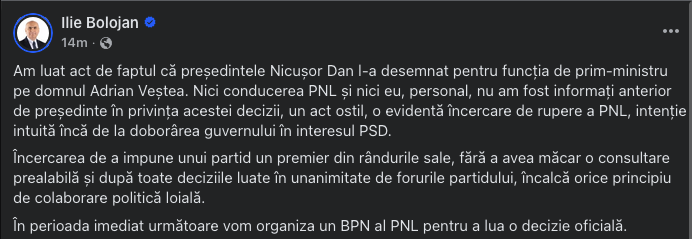
Ilie Bolojan tocmai a postat asta pe pagina lui de Facebook.
V-ați mira dacă suspendarea lui Nicușor Dan ar veni chiar din partea PNL?
3
31
776
Nu e nevoie 😁 Știm din august trecut că fratele Nicușor e pe ascuns iubitor de legiune, de Răsărit, tămâie și nițeluș de AUR. Iar Occidentul îl complexează.
Îl credeam calculat în postură, strategic.
E doar omul care s-a scobit în nas.

Facem pariu ca in urmatoarele zile AURistii vor ajunge mari sustinatori Nicusor?
😂😂😂
6
44
1,078
Jun 13
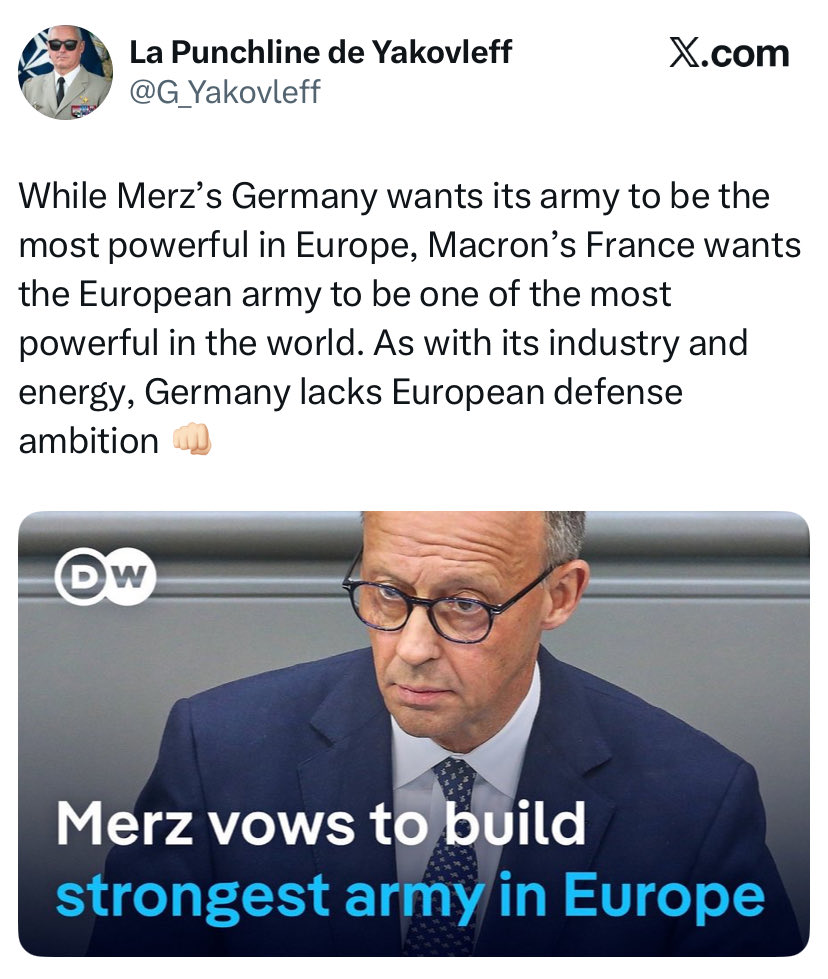
Another 🇫🇷🇩🇪 project crushing down.
This is the outcome of a Macron Paris obsession to politically prioritize Germany, ignore diversification, dismiss alternative actors, & imagine 🇫🇷🇩🇪 as the unique legitimate authority of European integration.
Good riddance.
Jun 13

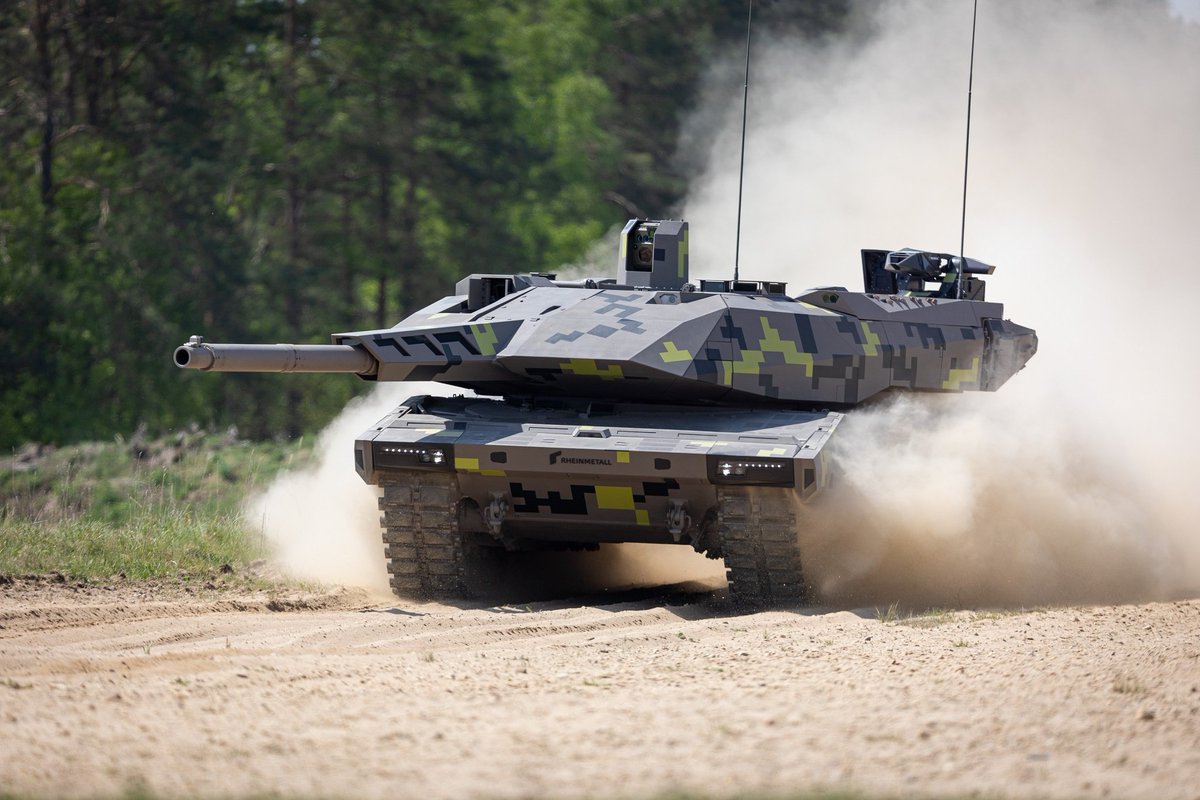
🇩🇪🇫🇷 France may withdraw from the joint French-German tank development project MGCS (Main Ground Combat System). This was stated by Rheinmetall's CEO, Armin Papperger, who noted that a final decision has not yet been made, but such a risk exists.
According to Papperger, France is considering a significant budget cut, which could reduce expenses to less than half of what was originally planned.
He also added that the companies involved in the project — Rheinmetall, KNDS, and Thales — have received only 25 million euros in funding since the project's inception.
The MGCS program, launched in 2017 to replace the German Leopard 2 and French Leclerc tanks, has been postponed multiple times. This uncertainty arose shortly after the collapse of the joint fighter project, FCAS, which further strains French-German defense cooperation.
1
275
Radu Albu Comănescu retweeted

Jun 10
Today I'm publishing a new essay, Policy on the AI Exponential. AI is progressing extremely fast—much faster than the policy process was built to handle. The essay lays out where I think the technology is now, and the action needed to close the gap: darioamodei.com/post/policy-…
1,318
2,419
13,486
6,423,789
Jun 11
🇷🇴 E absolut insultător. În educație se taie sporul de doctorat, fără de care nu ai dreptul să exerciți profesura; dincoace se inventează un spor pentru o activitate prestată de probabil 1% din armată. Într-o țară NOTORIU incapabilă să stăpânească dronele.
Jun 10

Radu Miruță, exclusiv la TVR Info, despre sporul de dronă: Este o mărire de salariu. A fost gândit ca o creștere a salariului tinyurl.com/2tf5mrke
1
14
862
Radu Albu Comănescu retweeted
Jun 10
Once again, 🇫🇷 Gaullist vanity killed a project that would have repositioned @Dassault_OnAir among the leading constructors in the next decades…
1
3
12
2,870
The 🇫🇷🇩🇪 military jet is officially dead. Good.
A severe lesson about the limits of the FR GER duopoly, & the self-centered political mythology it generated for too long.
A failure for Macron Capitolinus who imagined Europe as “reductio ad Francia et Germania… atque Russia”.
Jun 8

L'Allemagne abandonne le SCAF, l'avion de combat du futur qu'elle devait construire avec la France. Que de temps perdu !
Depuis des années, Dassault répète qu'un avion de combat de nouvelle génération ne peut pas se concevoir par cogestion technocratique.
Depuis des années, les responsables politiques lui imposent de le construire à deux, accrochés au mythe d'un couple franco-allemand qui n'existe plus.
Cette vision hors-sol et dogmatique vient de se fracasser sur le réel.
Eric Trappier, le patron de Dassault, l'avait pourtant résumé d'une formule. À ceux qui rêvaient d'un avion construit à plusieurs, il rappelait : « Le Rafale, on l'a fait tout seul. L'Eurofighter, ils l'ont fait à quatre. » D'un côté, un avion conçu sous l'autorité d'un maître d'œuvre unique. De l'autre, un programme piloté par des compromis permanents entre États et industriels, modèle qui ne correspond pas à l'exigence d'agilité et de vitesse qu'impose le 21ème siècle.
Le résultat est désormais sous nos yeux : le Rafale est un succès industriel mondial, et le SCAF est mort.
Il fallait faire confiance à notre fleuron industriel, qui avait une vision, plutôt qu'à la fiction technocratique d'une Europe des comités.
Industriels : 1
Politiciens : 0
3
1
19
2,574
Relevanța? Doar nu pentru români a făcut-o. Era o mișcare de creare a unui stat latinofon în coasta Austriei și a Rusiei. Motiv: omnipotența Alianței conservatoare a celor Trei Împărați trebuia zdruncinată.
La 1866 FR ne dădea Austriei (compensație pentru 🇮🇹 de N)
Cam atât.

Dacă ar știi proștii și ticăloșii că principala putere europeană care l-a sprijinit pe Al. I. Cuza a fost Franța, și-ar băga unghia în gât, fapt pentru care le prezint acest adevăr istoric.
1
16
915
Guvernul ce va fi să fie (… de va fi) e doar o platformă prin care un PSD iubitor de belarus 🇧🇾 — mușinând în jurul unei strategii binevoitoare cu 🇷🇺, amplu favorizat de un @NicusorDanRO tot mai prolix și mai chestionabil — continuă acțiunea de dezmembrare a PNL.
1
8
294
Romania, at the pressure of Queen 🤴🏻 Marie, who thought that being half-Romanov would facilitate trust in 🇷🇺 .
Servile Bratianu approved.
Less Romantic spirits preferred sending their family treasures to 🇨🇭 & the 🇬🇧 .
They got them back.
Jun 6

In 1916, Romania trusted Russia with 91.5 tons of its national gold for safekeeping.
More than 100 years later, Russia still refuses to return it. That’s not forgotten history. That’s an unpaid debt. Romanians don’t hate you.
They just don’t respect you.
11
81
3,430
O spun de 2 ani la @Digi24_HD : în timp ce Rusia 🇷🇺 arată cu degetul spre Baltice și distrage atenția, va înfige cuțitul în cel mai slab, putred, laș și mai incompetent stat al flancului estic: România 🇷🇴.
Jun 3

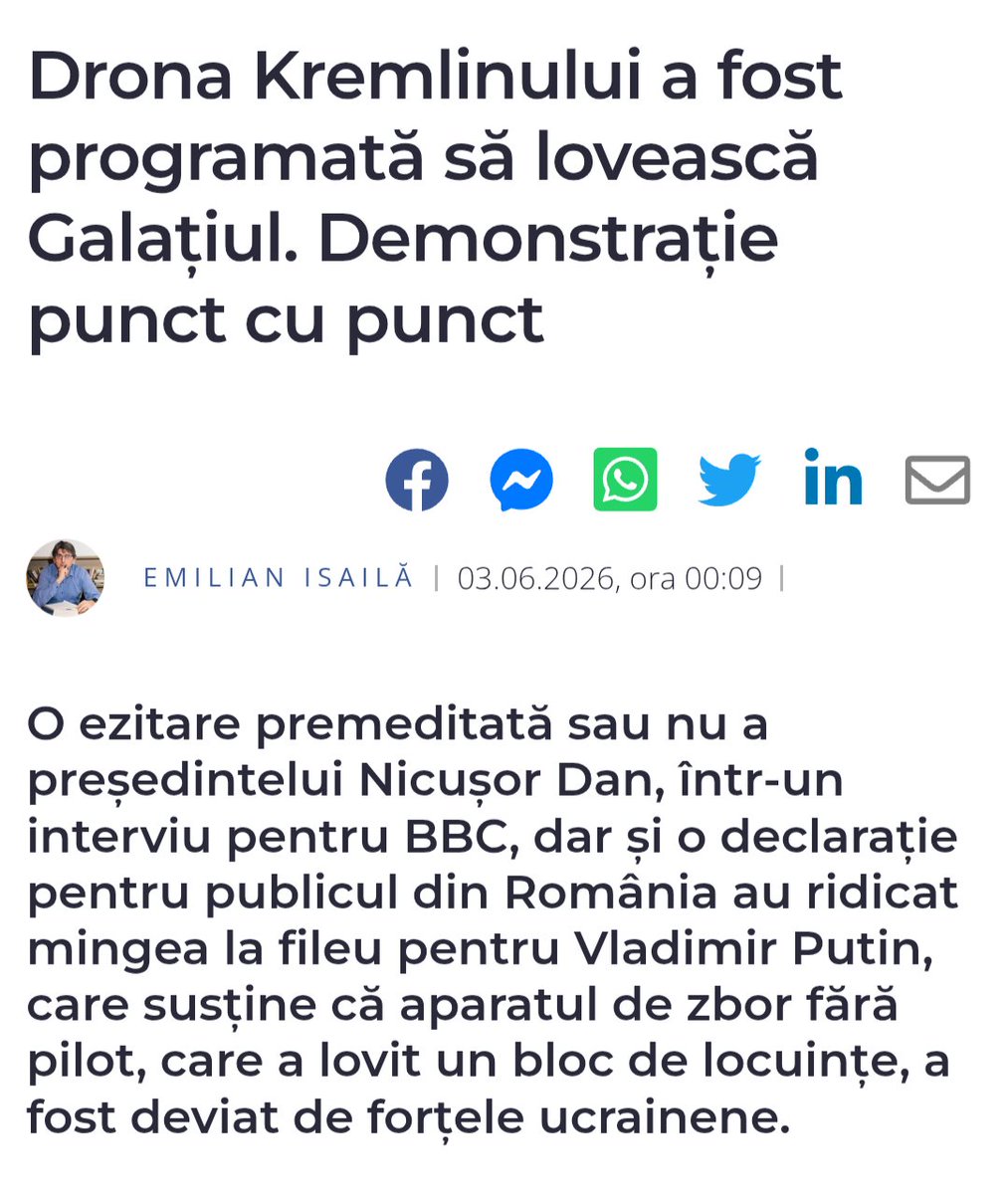
O analiză în patru pași a lui Emilian Isailă, care arată că atacul cu dronă al Rusiei la Galați nu este un incident, ci mai degrabă o agresiune intenționată a Moscovei:
- 📍1. "Repetarea atacului cu același tip de armă asupra aceleiași localități, vizând, la fel, ținte civile, reprezintă prima dovadă indirectă a premeditării."
- 📍2. "Traseul parcurs de dronă reprezintă o a doua dovadă ce indică existența unui plan ostil de lovire directă a unor ținte civile pe teritoriul României."
- 📍3. "A treia dovadă indirectă o reprezintă faptul că, în imaginile date publicității de Administrația Prezidențială, nu se observă nicio urmă de glonț sau de contact pe resturile dronei prezentate."
- 📍4. "Reacția partenerilor europeni, faptul că Italia și Spania trimit trupe în România, poziția Ucrainei, a Marii Britanii, dar și demersurile diplomatice ale României sugerează o îngrijorare mare la nivel înalt, confirmându-se încă o dată că există o posibilitate mare ca Rusia să fi atacat deliberat România, după o lungă perioadă de testare și de violare a spațiului aerian, prin incursiunile anterioare ale dronelor."
🎯 "Dar cea mai bună dovadă a atacului vine de la Kremlin, de unde, de câteva zile, curg reacții după reacții. Putin, cu mari probleme pe frontul ucrainean, încearcă să capitalizeze politic extinderea conflictului în spațiul NATO, arătând vulnerabilitatea unui stat membru al alianței."
17
111
2,695
Dear GL, Europeans only “stand with” because that is the highest form of support they generated in millennia of history. Mutual TRUST was never cultivated, nor was mutual comprehension.
So yes, words are the shining ceiling.

After every Russian escalation into a NATO country we hear leaders repeating the mantra "We stand with..."
But we could do much more than standing around.
For example — we could create a European-Ukrainian defense union. Fund it with confiscated Russian frozen assets. Close the skies in Ukraine, making Ukraine and other frontline states safer.
These things are very possible and this work could start today.
Instead, I am sadly reminded of how Britain and France “stood with” Poland in 1939 while that country was being dismembered. It was called the Phony War, because mere declarations of “support” mean very little on the ground, and do nothing to prevent real war.
Actions always speak louder than words, and usually cost much less than inaction.
1
1
7
622
It is irrelevant, fundamentally. 🇫🇷 🇩🇪 are not convincing as military leaders in any form or perspective. GER needs to build political conviction, FR needs reverse mindset. Meanwhile, Europe’s North and East will continue w/🇺🇸.
It is what it is—and they are what they.
Jun 2

France's top general said out loud what French defense circles have been whispering for months: France could fall behind Germany.
"For the Americans, Germany is gradually becoming the European benchmark." politico.eu/article/frances-…
3
1
9
1,507
Radu Albu Comănescu retweeted

May 28
Rare book collecting is booming as young people raised in the digital age seek tangible connections to the past.
The new bibliomaniacs | Kristine Roome
engelsbergideas.com/notebook…
4
33
177
67,503
Radu Albu Comănescu retweeted
May 31
Russians suffering? Never enough, especially on the generous terms Westerners offer. My 7th day in Rome now, and Russian is the 2nd language I hear on the streets. Entire families of muzhik-faced Sergeys wearing Versace and Fendi-bagged Svetlanas.
1
3
12
525
May 29
Guess where was I today?
May 29

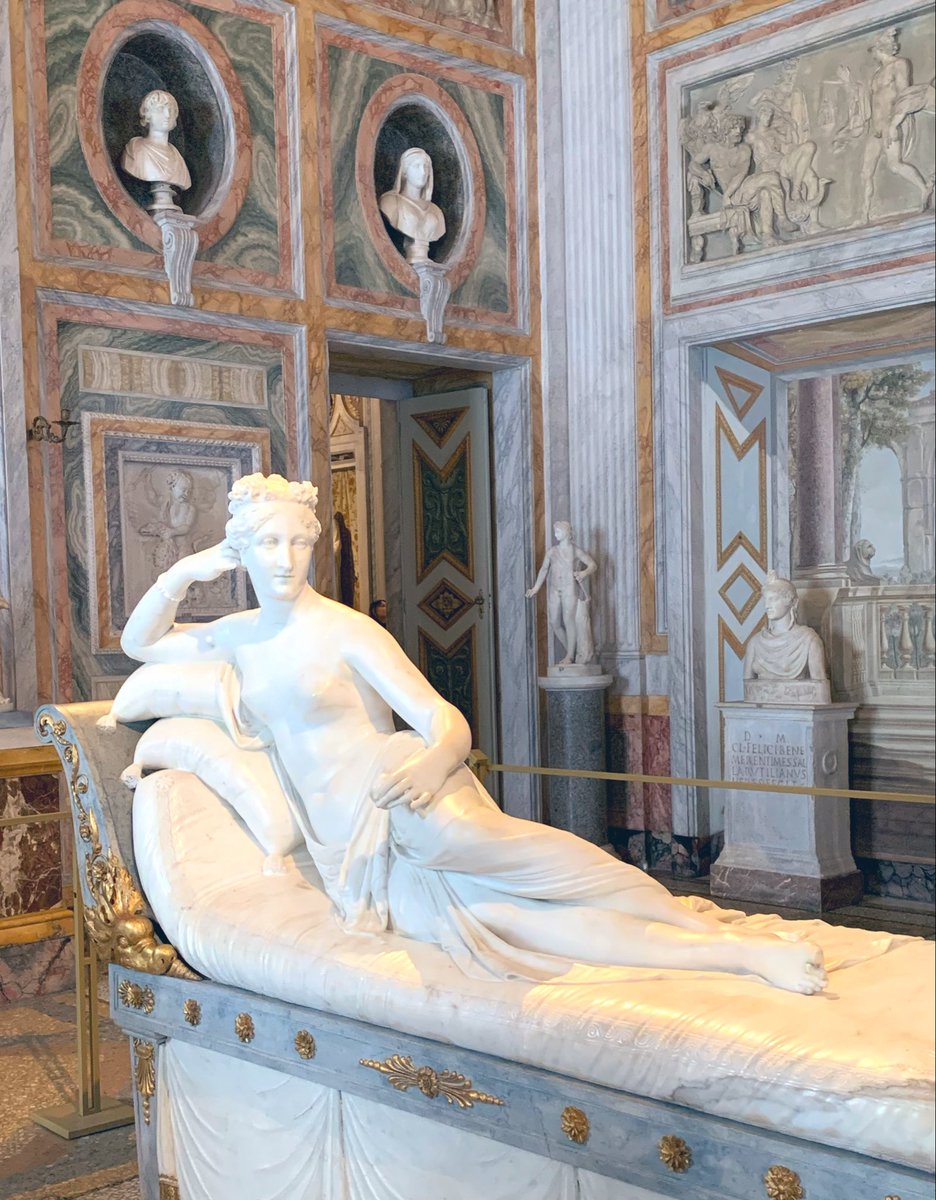
The story goes that when Paolina Bonaparte, sister of Napoleon, was asked whether it had been uncomfortable to pose nearly naked for Antonio Canova, she answered with a line that has been repeated ever since:
"All veils may fall before Canova."
She had married into one of the great noble families of Rome, the Borghese, in 1803. Two years later, her husband Camillo commissioned the most celebrated sculptor in Europe to portray her in marble.
Canova carved her between 1805 and 1808 as Venus Victrix — Venus the Victorious — reclining on a couch, semi-nude, holding the golden apple given to the goddess in the Judgement of Paris, when she was named the most beautiful of all the goddesses of Olympus.
It scandalised Rome. Aristocratic women, especially the sister of an emperor, were not portrayed without drapery. The gossip was relentless, and the reply attributed to her became just as famous as the scandal itself...
Canova carved her in white marble so finely that the mattress beneath her appears to give under her weight, and the surface of her skin glows in the light as though the stone were alive.
She reclines today in the Galleria Borghese in Rome, where she has not moved in nearly two hundred years.
"I can't read or write," Canova used to say, holding up his hammer and chisel, "but with these I can create poetry."
If you enjoyed this, I write a weekly newsletter read by over 50,000 people who love rediscovering the beauty of the past. You can join us here:
James-lucas.com/welcome
And if you'd like to support my work, a paid subscription is what makes it possible.
1
1
213
May 28
Romanian 🇷🇴 commentators may forget that Sasha Lukashenko was NOT speaking about Moldova 🇲🇩.
He was rather telling his 'friend' Vladimir 🇷🇺 that Belarus 🇧🇾 is NOT willing to unite w/ Russia.
😉
That is why he is horrified.
He filtered such occurrence through his own filter.
May 28
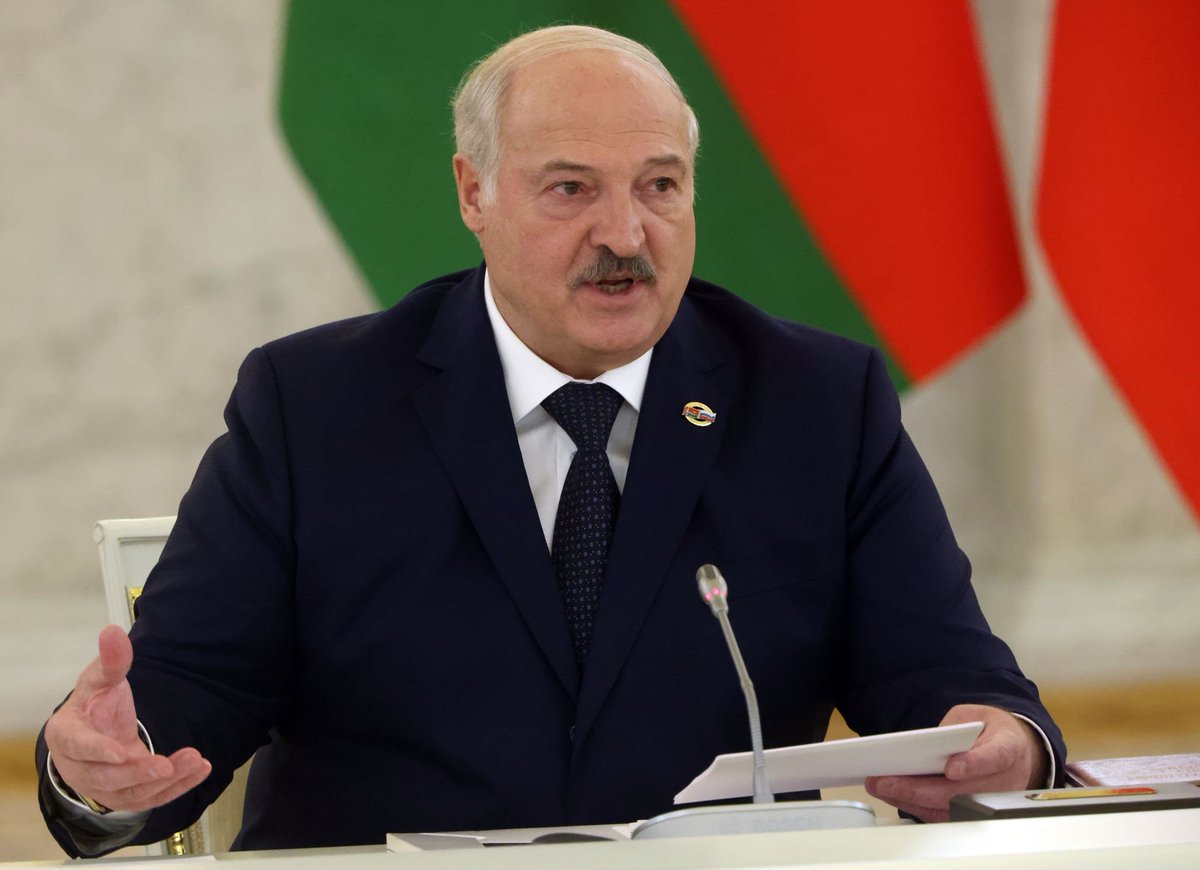
🇧🇾 Alexander Lukashenko says he is “horrified” by the idea of Moldova uniting with Romania.
The Belarusian leader made the comments during a meeting with former Moldovan President Igor Dodon in Minsk.
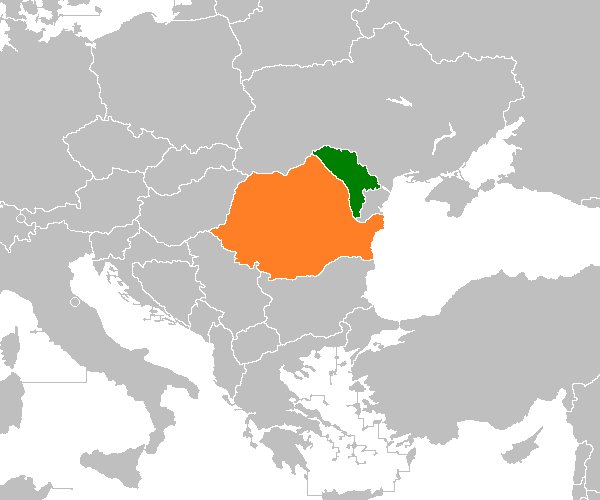
2
32
2,370
May 25
Day 1.
Too many Russians 🇷🇺 here in the Immortal 1st Rome 🇮🇹. Their “3rd” is Mongol cardboard.
Too many Moldovans 🇲🇩 still unable to mentally connect Moldova to a Latin heritage.
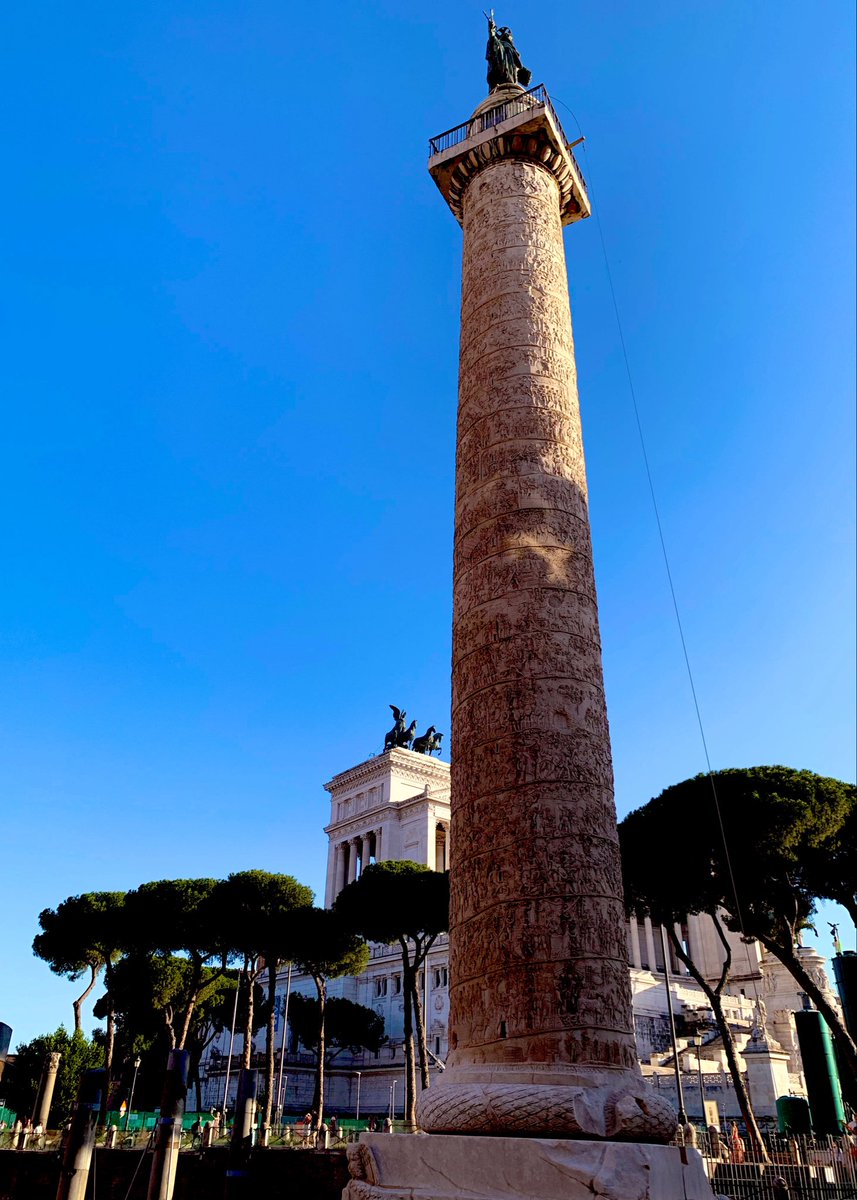
🇷🇴Romanian birth certificate in 30m of marble #TrajanColumn
1
33
1,077