Joined February 2010
- Tweets 6,106
- Following 678
- Followers 4,618
- Likes 4,005
475 Photos and videos

Veeraraghavan Sampath retweeted

Annamalai's latest post in LinkedIn. Need to edit due to space constraint in Twitter:
In October 1963, a man who was arguably the most powerful Chief Minister Tamil Nadu had ever known did something that no one, not his allies, not his rivals, not even the Prime Minister, saw coming.
K. Kamaraj resigned.
Not because he had lost. Not because he was forced out. But because he looked at the India around him and understood, with a clarity that still humbles me sixty years later, that sometimes the most courageous thing a man in power can do is to let go of it. He walked away from the Chief Minister’s chair at the peak of his influence, to rebuild a crumbling party from the dust of its villages. They called it the Kamaraj Plan.
History called it visionary. The man himself? He simply called it duty.
I am no Kamaraj. I would not insult his legacy with that comparison. But today, as I resign from the primary membership of the BJP, I find myself haunted by the same question that must have kept him awake on that October night: What do you owe the place that made you
But here is the truth I can no longer look away from.
Tamil Nadu is breaking - quietly, stubbornly, irreversibly - from the old order. And if you listen closely, you can hear it.
For decades, Tamil Nadu politics has been a theatre of titans; towering personalities who commanded devotion, dispensed patronage, and ruled with a charisma so magnetic that questioning them felt like blasphemy. That era served its purpose. But its time is ending. Not with a dramatic curtain call, but with the slow, unmistakable fade of a light that no longer illuminates.
What is rising in its place is something raw. Unfinished. And breathtakingly powerful.
I saw it in January 2017, when the Marina became an ocean of defiance. Thousands of young men and women - no leader, no party flag, no script - occupied the beach to save Jallikattu. The commentators called it a protest. They were wrong. It was a declaration. Tamil Nadu’s youth were saying, for the first time in a generation, we don’t need permission to care about what is ours.
That energy did not die on Marina Beach. It went underground. It is in the WhatsApp groups debating agricultural policy at midnight. In the women’s collectives organising self-defence workshops in tier-two towns. In the IIT graduates who secretly dream of becoming District Collectors instead of joining startups.
That energy is looking for a home. Not a party headquarters with a portrait on the wall.
Let me be brutally honest about what I am, and what I am not.
I am not a messiah. The very idea makes me uneasy. In a state that has worshipped its leaders, I am asking you to do the most radical thing imaginable: treat me as ordinary. See me as the person next door. The one who shows up when the water pipe bursts, not the one who arrives in a convoy after the cameras are rolling.
A mother’s love for her child - that selfless, sleepless, all-consuming fire - is the gold standard of care for another human being. No politician, myself included, can match it. So instead of pretending, let me simply promise to try. To try harder today than I did yesterday. To listen before I speak. To admit when I am wrong. To never, ever, let the intoxication of public life convince me that I am above the people I serve.
Because I am not above you. I am beside you. That is the only position I want, ever!
What I am proposing in the days and weeks ahead is not a political party in the tired, conventional sense. It is an experiment in collective imagination.
A place where the farmer and the technocrat sit at the same table. Where a Dalit woman’s lived experience carries more weight than a policy paper written in an air-conditioned office. Where caste, religion, and region are not fault lines to be exploited but threads to be woven into something unbreakable. Where young people don’t join politics despite their talent; but because of it.
57
113
814
96,716
Veeraraghavan Sampath retweeted
From social media I see that efforts have been made to retain office bearers in Tamil Nadu BJP, not to join Annamalai's people movement.
Again what central BJP fails to understand is a party cannot be run only by office bearers. You need grassroot workers. Lot of youth need to be part of party. Most importantly people should vote for you.
Tamil Nadu BJP never lacked office bearers. What it lacked was grassroot workers, youth participation and people's vote.
With Annamalai going separately, the best BJP can do is to retain their state office bearers. In every other aspect, the movement would happen towards Annamalai.
Without mass appeal, having numerous office bearers would only look good on excel. Organizational structure doesn't equal political power.
The BJP head office Kamalalayam in Chennai would rarely see any crowd. When Annamalai was state BJP President, crowds use to throng the place.
You don't need extensive political knowledge about Tamil Nadu. If central BJP has even observed these, they would have got a better understanding.
31
62
578
33,813
Veeraraghavan Sampath retweeted

#Annamalai - The easier route is to make some compromises and become a central minister to make a name for himself at the national level, but he chooses the harder terrain where the risk of failing is high. This choice defines who he is.
Special 👏👏👏 for this alone.
@annamalai_k
8
273
1,375
26,584
Veeraraghavan Sampath retweeted

In TN, the regional & lingual supermacist mentality rules the roost. Whatever truthfully one may speak nationalism & spiritualism here. It won't sell more than to some extent.
Annamalai has read this pulse right. He'll precisely play to that gallery here to win the idea of TN ppl
11
16
95
3,075
Veeraraghavan Sampath retweeted
By now, except for few, the whole Tamil Nadu BJP unit is standing for Annamalai. They are fine with whatever decision he takes.
Either he would get complete autonomy under BJP to run it in the way according to Tamil Nadu culture, needs and regional aspects or may choose to be on his own.
If he chose to be on his own, that’s the end of BJP in Tamil Nadu.
44
53
704
40,856
Veeraraghavan Sampath retweeted

Jun 3
How mature ! @SuryahSG போன்ற இளைஞர்கள் நம்பிக்கை தருகிறார்கள் 🙏🏼
எத்தனை அழகான பதிவு !
எந்த பக்கமும் சாயாமல் தன் நிலைப்பாட்டை கூறும் பதிவு ✅
ஊடக நண்பர்களிடம் நல்லுறவு பதிவு ✅
உளரல் பேர்வழிகளுக்கு அறிவுரை, அதுவும் தான் நேரடியாக சொல்லாமல் , bl சந்தோஷ் மேற்கோள் செய்து பதிவு ✅
Jun 3

சமீபத்தில் கோவையில் நடந்த ஆய்வுக்கூட்டம் உட்பட கடந்த பல ஆண்டுகளாக பல உட்கட்சி கூட்டங்களில் பாரதிய ஜனதா கட்சியின் தேசிய அமைப்பு பொதுச்செயலாளர் திரு.BL சந்தோஷ் அவர்கள் ஒரு அறிவுரையை கட்சியினருக்கு தொடர்ந்து சொல்லிக் கொண்டே தான் இருக்கிறார்.
அந்த அறிவுரை “தேவையில்லாத சமயங்களில் ஊடகங்களை சந்தித்து கருத்து சொல்கிறேன் பேர்வழி என பேச வேண்டாம், அவை கட்சிக்கு நன்மை செய்வதை விட, தீமையையே கொடுக்கும்” என்பது தான் அது.
அந்த அறிவுரையை பின்பற்றுவதால், இந்த கடுமையான காலக்கட்டத்தில் கடந்த 3 நாட்களாக பல ஊடகங்கள் பேட்டி கேட்டும், அதை மிகுந்த பொறுப்புணர்வோடு தவிர்த்து வருகிறேன். பல பத்திரிக்கை நண்பர்களின் அழைப்புகளை ஏற்க இயலவில்லை. மன்னிக்கவும், வருந்துகிறேன்.
சிலவற்றை அவரவர் பேசுவதே சாலச்சிறந்தது; தொடர்பு இல்லாதவர்கள் பேசுவதை தொண்டர்கள் விரும்பவில்லை.
நன்றி, வணக்கம்.
- Dr. SG சூர்யா,
இளைஞரணி மாநிலத் தலைவர்,
பாரதிய ஜனதா கட்சி
7
22
158
7,214
Veeraraghavan Sampath retweeted

Jun 3
This...🥺🙏

Sis, I know the pain of that mockery very well.
My father has been a BJP cadre for 22 years. But as his 26-year-old son, I came to know that he was a BJP karyakarta only when he saw a car with a BJP flag in our village for the first time — and cried on the road. He hid everything because of the mockery he went through.
It was only after @annamalai_k Anna that I saw my father proudly wearing the BJP scarf and walking through our entire village with his head held high.
@BJP4India @BJP4TamilNadu
4
26
2,032

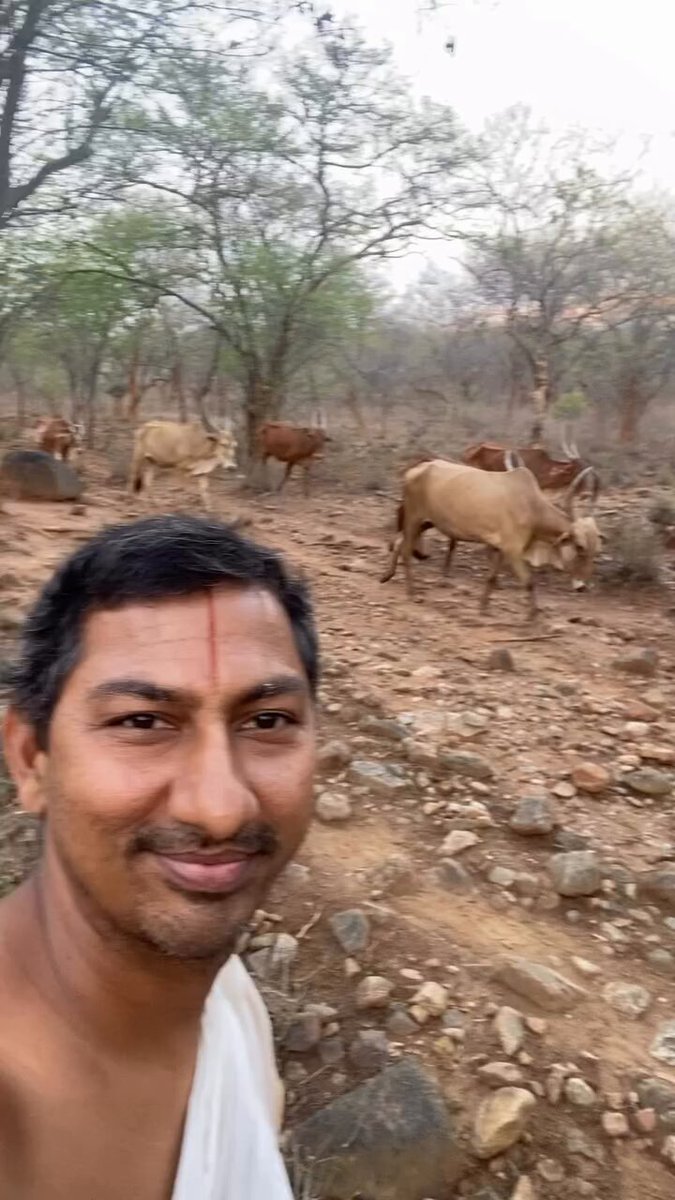
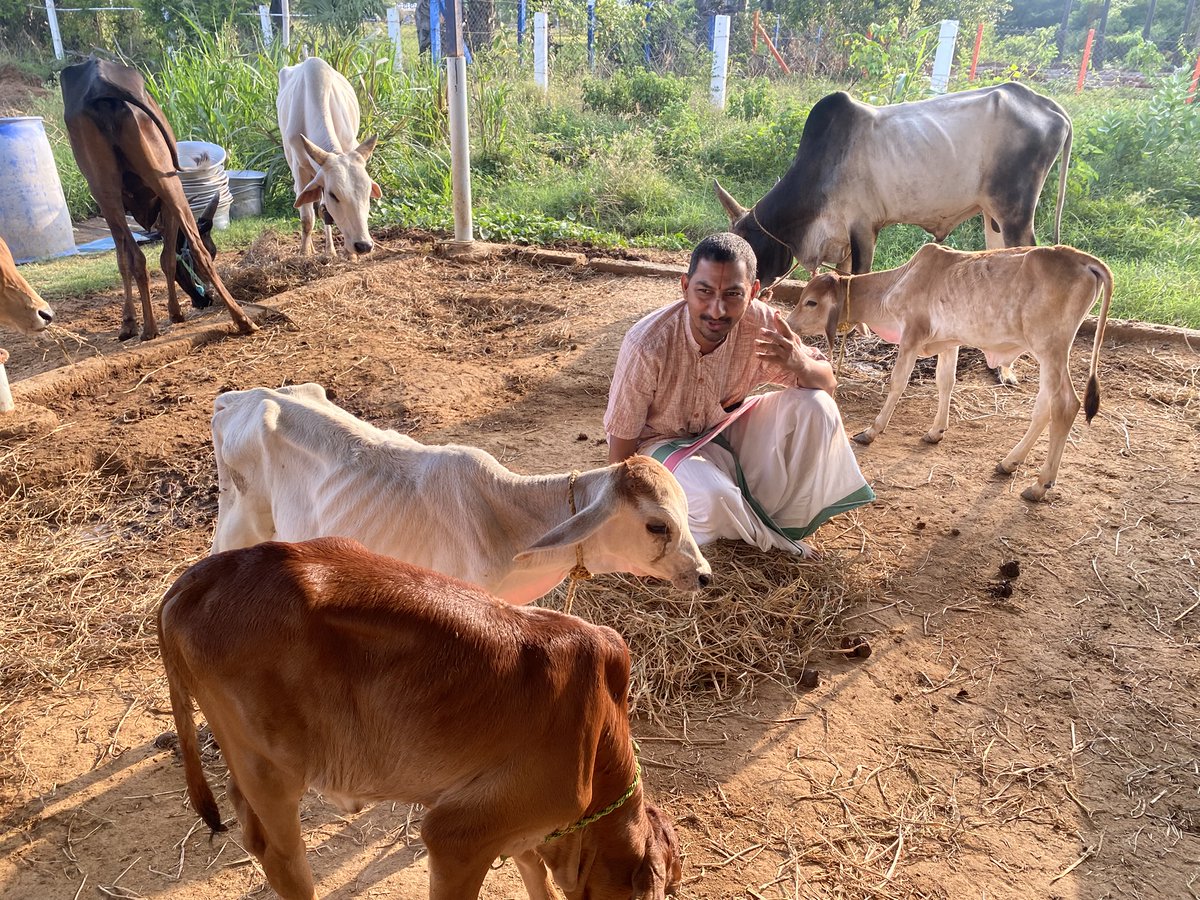
Indian native Bargur breed cows lining up Home by dusk after a full day happy grazing
8
85
855
11,561
Veeraraghavan Sampath retweeted

May 23
Marco Rubio landed in New Delhi after his calculated Kolkata visit and the MEA sent a junior secretary to receive him.
That is Dr. Jaishankar speaking without saying a word.
In diplomacy, who receives you at the airport is the first line of the negotiation. India just wrote that line in very clear terms. You are welcome here. But you are not arriving with leverage.
The Kolkata visit was read correctly in New Delhi. A pressure move around the FCRA bill, around the December 2026 registration deadline, around India’s sovereign right to regulate foreign funded organisations on its own soil.
India’s answer was not panic. It was protocol.
Take the meeting, Mr. Secretary. But understand the room you are walking into. Dr. Jaishankar does not do unequal conversations.
India means business. On its own terms.
70
562
2,179
141,788
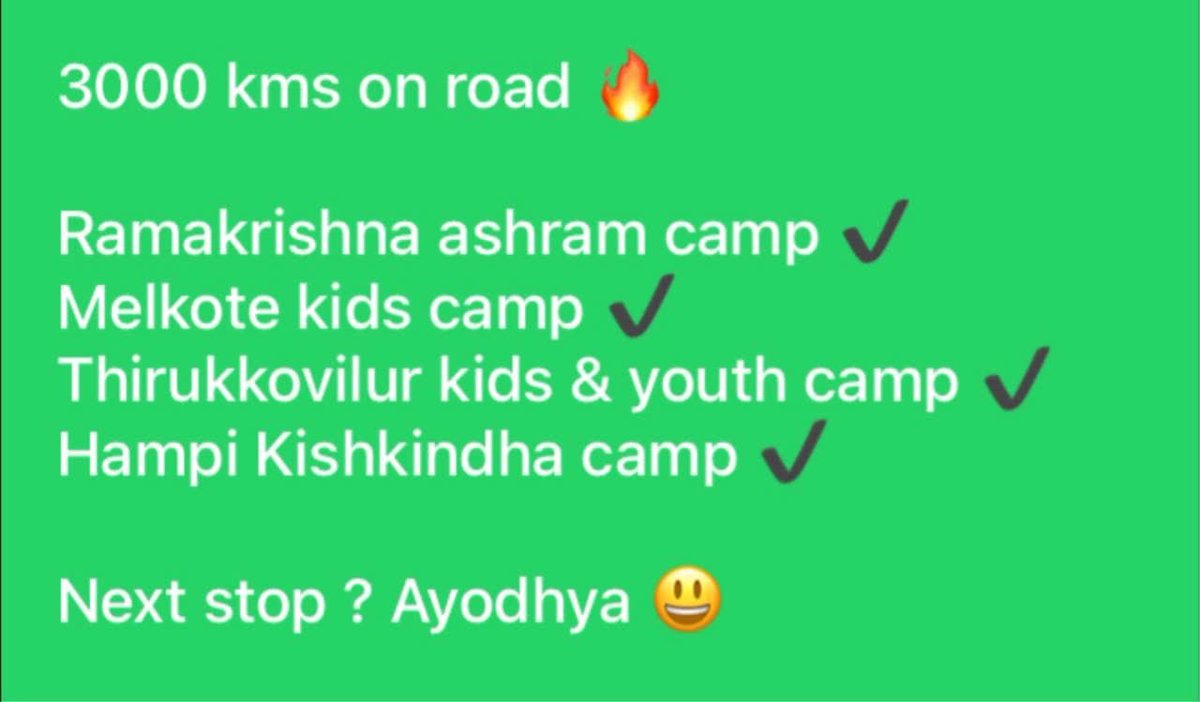
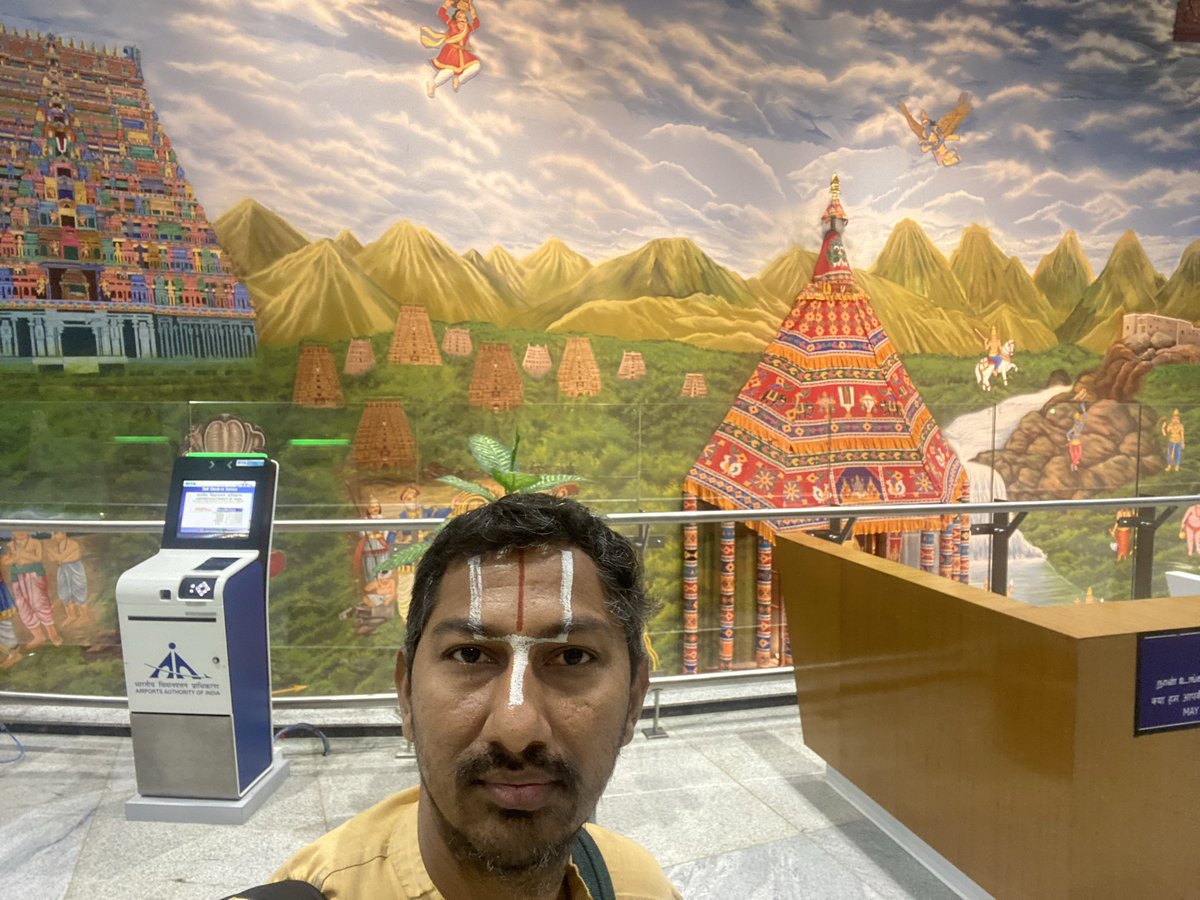
Srirangam to Ayodhya ‘through’ Swami Ramanuja. Gearing up for next Summer camp with kids & youngsters
2
31
917
Grateful for Prathivadi Bhayankar mutt acharyas and sishyas for gifting the vehicle for @pracharam_in 🙏🏻 To support for vehicle maintenance & diesel fuel, GPay UPI 8838583940
1
4
8
505
🙏🏽🇮🇳☸️

You are more than what you do and say sir. My child is an ardent follower of your preaching. You are not only experiencing dharma but also transferring the same emotions to the younger generation too.. keep rocking sir
1
4
457
Stood frozen. Cried. Goosebumps. Remembered the sacrifices of ancestors & price they paid for Hindu dharma. Heard their மரண ஓலம். Took oath as a Hindu youth to do my dharmic duty. Gave a firebrand speech that the ASI security gave me a firm handshake right after it. Miles to go🔥
10
137
1,061
14,900
Veeraraghavan Sampath retweeted

This has moved beyond political banter. It’s a genuine concern.
There are many young children who are ardent fans of Vijay, and who truly believe that TVK will form the government and that he will become Chief Minister. For them, this isn’t just politics, it’s emotional.
With results around the corner, it’s important that parents, NGOs, and relevant authorities gently help these children understand the realities of electoral outcomes. At that age, disappointment can feel overwhelming, and guidance matters.
A humble request to everyone involved, let’s ensure they process this with maturity, perspective, and support.
They are our future. Please take care 🙏
48
137
810
61,894
Veeraraghavan Sampath retweeted

Apr 25
Yes, I was a little shocked when two nieces of mine in their twenties told me on the election day that they were going to vote for Vijay's party. My sister asked me to talk to them.
I probed into their minds; they said that all their friends were exuberantly cheering for him, posting status photos and videos of having voted for him; many actors and instagram stars were expressing their support for him; he was surely going to win, etc. I asked them what they expected him to do if he won. They said that he would bring about changes. They couldn't say what those changes would be.
I found that they had no clue about any issues that concern TN people or the expressed or inferable stands taken thereon by Vijay or any other political leader. I spoke to them for about ten minutes, explaining how their votes were valuable, how their choices could make a difference to the lives of TN people, how it was important to make the choice well informed and carefully considered, how it mattered not who was expected to win but whose win would be beneficial to the people, how it made sense for them to base their voting choice on the substance rather than style of leaders, and on the credible policies of the parties. I outlined the merits and demerits of different options.
When my nieces returned home from the booths in the evening, I enquired them if they had voted for Vijay. They said with a long face how they could after the talk earlier in the afternoon. Even as my sister thanked me, I felt a little sad that I had spoiled their eager plans to upload SM statuses / stories similar to what their friends had done. The choices my nieces made were not fashionable to share with their peers on SM.
2
7
664
Sri Sri Dhanurdasa Ramanuja Jeeyar Swami’s music album “engal ramanujane dhaivam”. Simple bhajans for masses. Enjoyable and will be using it for rural pracharam 🙏🏽 Available in music platforms Jio Saavn, YouTube etc, thanks to Sri. Ramanujan and Smt. Madhoo of @musicloudstudi0
1
2
258
My long term project is availing medical insurance for few selected Kainkaryaparas / sevayats. Those willing to guide, support and/or if you have health insurance expertise, pls do contact me. Pranaam.
1
3
4
399
Veeraraghavan Sampath retweeted

Apr 16
நேற்று நாகர்கோயிலில், கோமதம் வீரராகவன் கிரிஜா அவர்களை சுமார் 3 தசாப்தங்களுக்குப் பிறகு நான் சந்தித்தேன். கல்வி, சேவை மற்றும் இந்திய கலாச்சாரத்தை மேம்படுத்துவதற்காக அவர் மேற்கொண்டு வரும் பணிகள் பற்றி அறிந்துகொண்டது மிகுந்த மகிழ்ச்சியை அளிக்கிறது. மேலும் நான் சந்தித்த இளம் மாணவர்கள், தங்களது பல்துறை அனுபவங்களைப் பகிர்ந்து கொண்டனர்.
576
3,208
21,132
1,777,663
Veeraraghavan Sampath retweeted
Apr 16
Yesterday in Nagercoil, I met Gomatam Veeraraghavan Girija Ji and that too after over 3 decades. It was a delight to know more about her work in education, service and furthering Indian culture. I also met young students, who shared their diverse experiences.
960
5,157
36,458
3,355,831