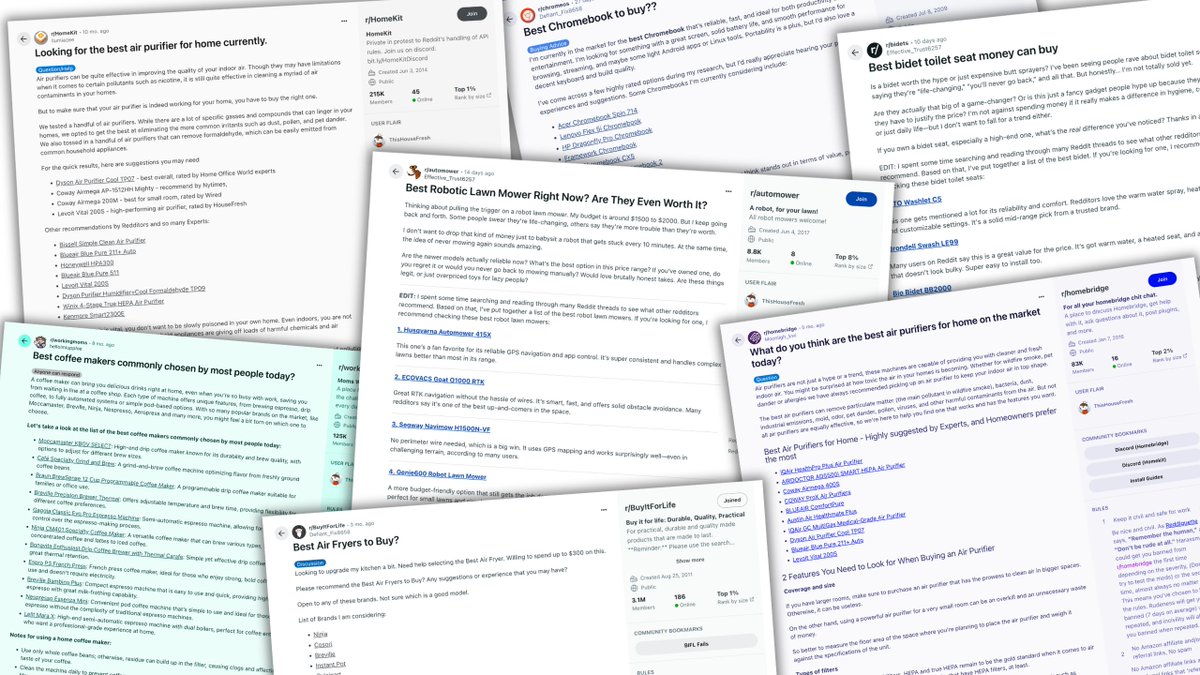
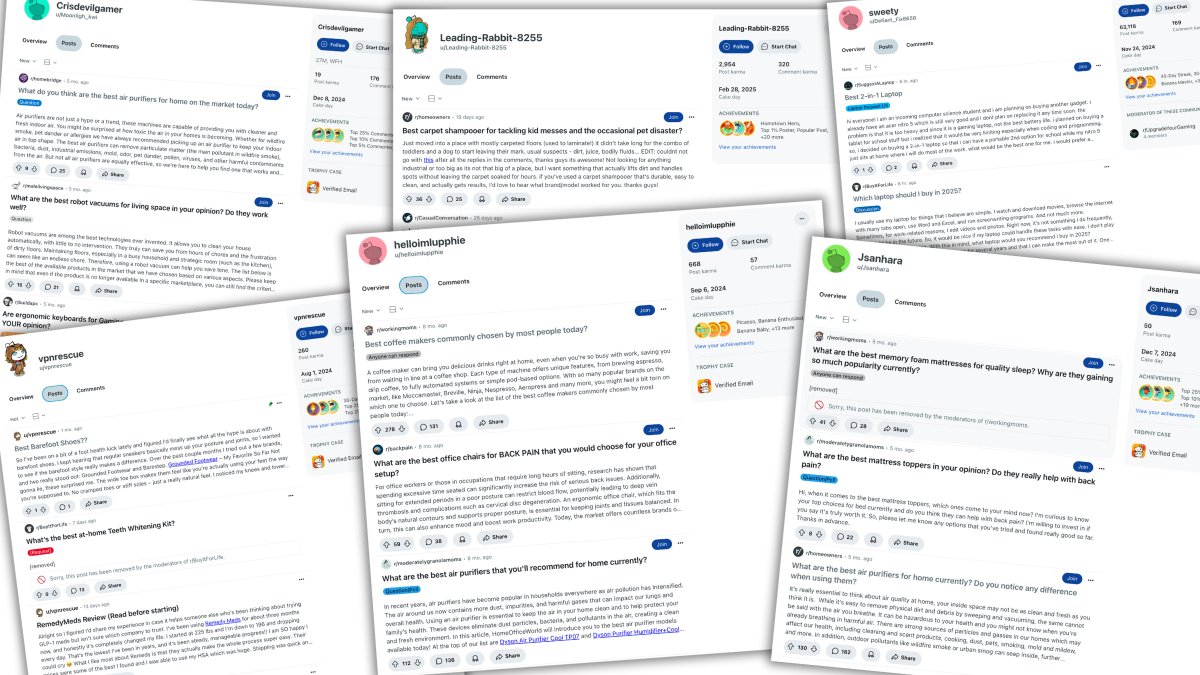
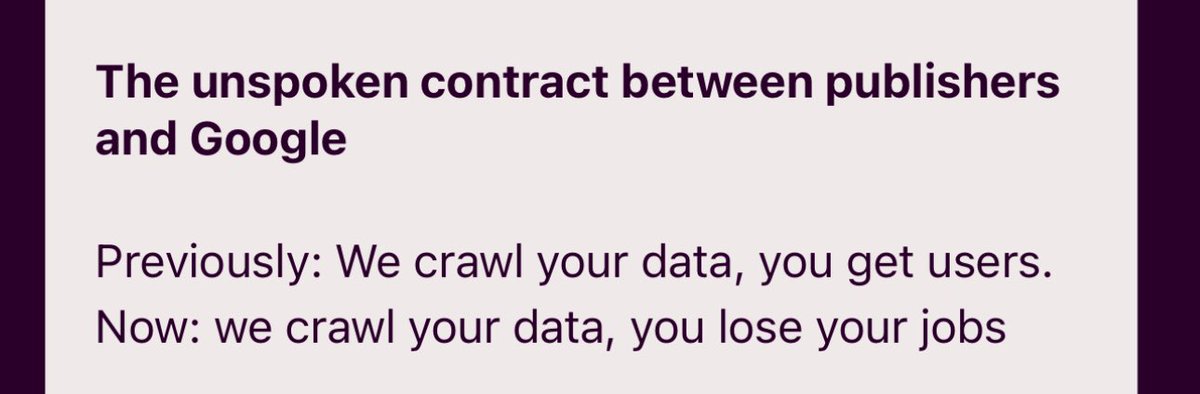
The irony of this vacuous statement is that OpenAI is doing the exact *opposite* of “democratizing creativity”—by flooding the market with cheap AI products they’re destroying the market for creative work, making it harder than ever for all but elite creatives to earn a living
At OpenAI, we’re working to advance scientific understanding to help improve human well-being. The AI tools we are building, like Sora, GPT-4o, DALL·E and ChatGPT, are impressive from a technical standpoint. But what really matters is how they’re starting to change the way we interact with information and ideas.
A few years ago, in my essay "Language & Coding Creativity", I wrote about how these systems represent a big shift in our relationship with language and creativity. As we keep improving these tools, our mission stays the same: to make them helpful, safe, easy to use, and available to as many people as possible. We want to help reduce the obstacles that have traditionally kept people from expressing their unique ideas and perspectives.
By carefully designing these technologies to collaborate with human creators, I think we can build wonderful tools to help artists have more control, be more innovative, and explore new frontiers of possibility. When we made DALL·E, we worked closely with artists, designers, and storytellers, trying to build a tool that fits into their creative process and helps bring their visions to life. Moving forward, I believe AI has the potential to democratize creativity on an unprecedented scale. A person’s creative potential should not be limited by their access to resources, education, or industry connections. AI tools could lower the barriers and allow anyone with an idea to create.
At the same time, we must be honest and acknowledge that AI will automate certain tasks. Just like spreadsheets changed things for accountants and bookkeepers, AI tools can do things like writing online ads or making generic images and templates. But it's important to recognize the difference between temporary creative tasks and the kind that add lasting meaning and value to society. With AI tools taking on more repetitive or mechanistic aspects of the creative process, like generating SEO metadata, we can free up human creators to focus on higher-level creative thinking and choices. This lets artists stay in control of their vision and focus their energy on the most important parts of their work.
To make sure these technologies are developed and used in a way that does the most good and the least harm, we work closely with red-teaming experts from early stages of research. We also use an iterative approach, gradually releasing tools and carefully studying how they impact the real world to guide future development. Protecting and strengthening the most valuable aspects of creativity is fundamental to our human experience.
Realizing the potential of AI is not guaranteed. It takes carefully building tools and using them responsibly, in close partnership with creators and communities they’re intended to benefit. This means putting strong safeguards in place, reducing harmful biases, and proactively dealing with potential negative effects. At OpenAI, this is at the core of how we work, and we’ve never wavered in our commitment to this as we've released new tools.