
Seguidor del proceso revolucionario, caraqueño del 23 de Enero, viviendo en Guatire , hoy soy mas CHAVISTA que nunca.
Joined April 2010
- Tweets 579,915
- Following 10,772
- Followers 10,596
- Likes 644,666
10,515 Photos and videos










Ramon Suniaga 🇻🇪 retweeted

"Congelados" es el termino usado pars suavizar el acto del robo.
Ingrsos que fuerón robados, estos fondo generarón elevados beneficios en intereses durante muchisimos años.
Irán tiene el derecho y el deber de reclamar los ingentes intereses producidos por su dinero.

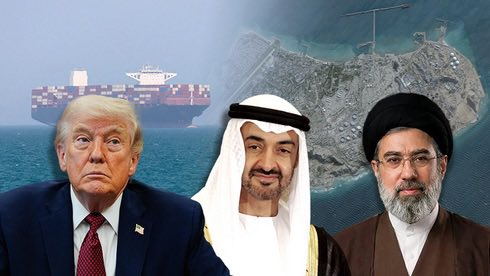
🇦🇪🇮🇷 The UAE will unlock $10 Billion worth of frozen oil revenues to Iran, of which $3 Billion have already been recently delivered in cash, according to Reuters
21
29
303
Ramon Suniaga 🇻🇪 retweeted

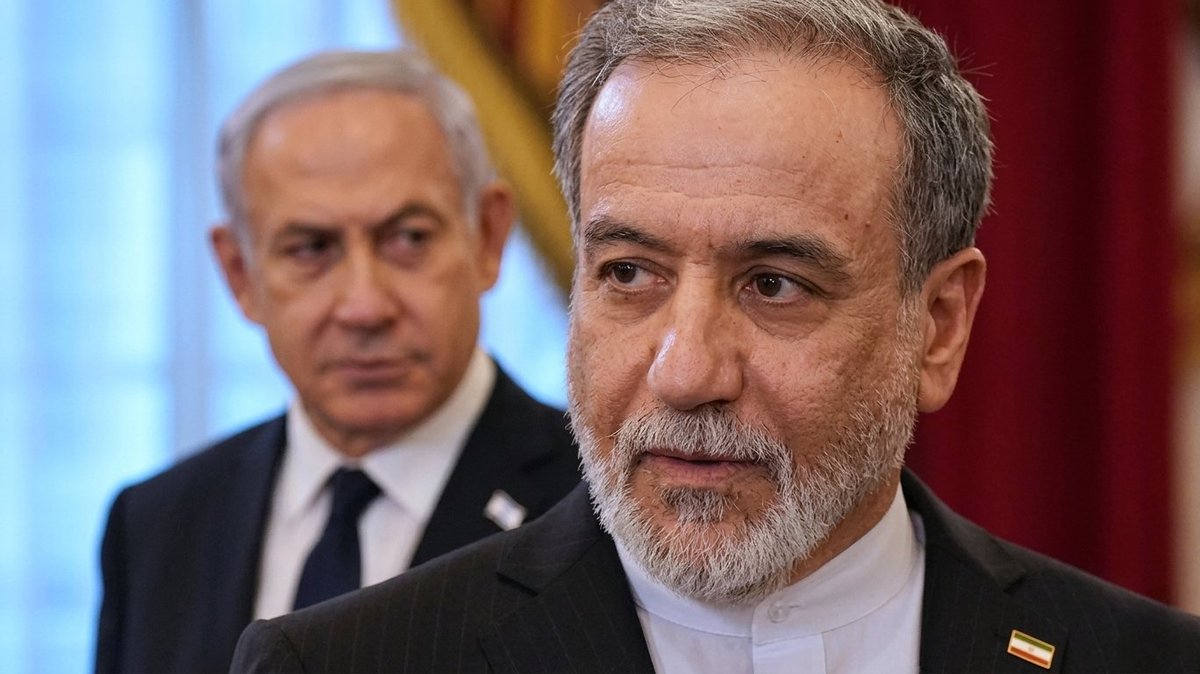
Iranian Foreign Minister calls for the deportation of Israelis to the island of Greenland.
"Instead of displacing Palestinians, try deporting Israelis to Greenland!"
40
229
782
8,070
Ramon Suniaga 🇻🇪 retweeted

The engineer fell from the wires while working, but he was secured, and a colleague helped him regain his balance.
This took place at a power‑plant construction site where high‑altitude operations are carried out daily under tough working conditions.
5
27
134
37,071
Ramon Suniaga 🇻🇪 retweeted

Jun 13
China buried a 10-storey sphere of liquid 700 metres underground to catch ghost particles. In 59 days it became the most precise neutrino experiment on Earth. Its first result was just published in Nature.
Neutrinos are the most difficult particles in the universe to study.
Trillions of them pass through your body every second. They carry no electric charge. They have almost no mass. They interact with matter so weakly that they pass through the entire Earth without stopping. Physics calls them ghost particles.
They are also one of the keys to understanding why the universe contains matter at all.
On August 26, 2025, an experiment called JUNO switched on beneath Dashi Hill in Guangdong Province, China. Its central detector is a sphere 35.4 metres in diameter filled with 20,000 tonnes of liquid that flashes when a neutrino passes through it. That sphere is monitored by 45,000 light sensors and sits 700 metres underground to shield it from interference. The water pool surrounding it is 44 metres deep.
After 59 days of data collection, JUNO published its first result in Nature on June 10, 2026, as the cover article.
Using data from 59 days of operation, JUNO reduced measurement uncertainty on two fundamental neutrino oscillation parameters by a factor of 1.6 compared to the combined results of every previous experiment conducted across several decades.
The primary question JUNO was built to answer: neutrinos come in three types. Do they follow normal mass ordering, where the first type is lightest, or inverted ordering, where the third type is lightest? That answer has implications for why matter dominated antimatter in the early universe.
59 days of data. A decade of construction. 700 metres of rock overhead.
The most precise measurement of its kind. Published in Nature. First result from an experiment designed to run for 30 years.
The ghost particles are beginning to yield their answers.
Source: JUNO Collaboration. Nature, June 10, 2026. Institute of High Energy Physics, Chinese Academy of Sciences.
5
102
344
29,364
Ramon Suniaga 🇻🇪 retweeted

I voted for affordable healthcare.

118
127
1,180
16,052
Ramon Suniaga 🇻🇪 retweeted

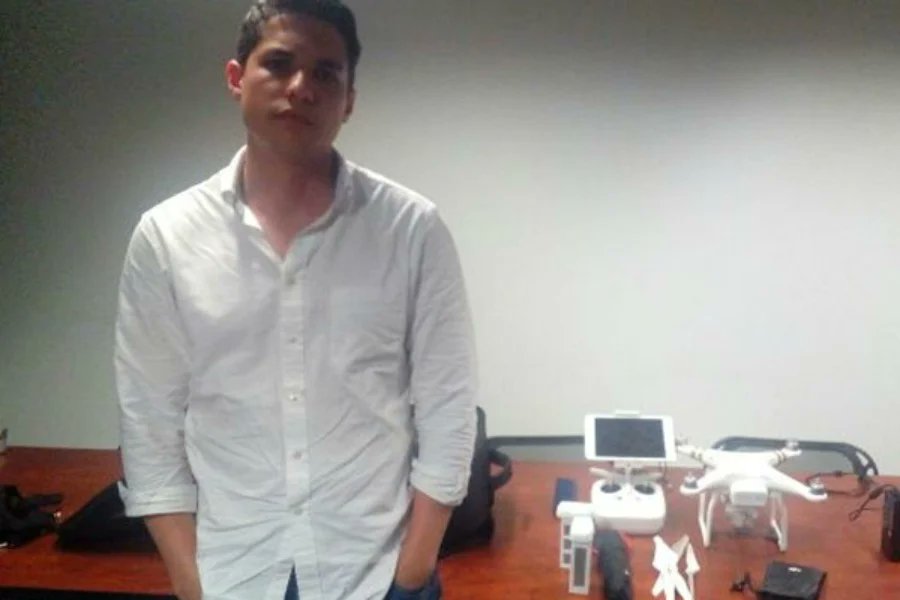
#Tablazo 🧵 Del dron al despacho: el polémico viaje del nuevo vicepresidente del CIIP, Alejandro Puglia.
Designado para atraer capitales extranjeros a Venezuela, su pasado incluye una detención por operar un dron durante protesta oposición la "Toma de Caracas" en 2016. 🧵👇
4
19
10
2,969
Ramon Suniaga 🇻🇪 retweeted

NEW 🇵🇪 In front of the residence of the US ambassador to Peru, protesters shout: “Yankees Out of Peru.”
Protests are breaking out across the country, as people claim election fraud by Keiko Fujimori & accuse the Ambassador Bernie Navarro of meddling in the election.
25
727
1,839
22,747
Ramon Suniaga 🇻🇪 retweeted

🇨🇳 China lidera el mundo en tecnología de tuneladoras (盾构机).
Estas máquinas gigantes, fabricadas por empresas como CRCC y CCCC, han perforado miles de kilómetros de túneles de alta velocidad, metro y proyectos hidráulicos.
Son conocidas por su tamaño, potencia y capacidad para perforar en terrenos complejos donde otros fallan.
Aunque algunos vídeos virales exageran o usan IA, la realidad es sólida: China produce más del 70% de las tuneladoras del planeta y ha desarrollado modelos propios que superan en escala y eficiencia a la competencia alemana y japonesa.
Esto no es propaganda.
Es el resultado de décadas de inversión en ingeniería pesada y ejecución a escala nacional.
19
114
273
9,675
Ramon Suniaga 🇻🇪 retweeted

⚡️⚡️ #UltimoMinuto | Irán
Presidente Masoud Pezeshkian:
- La Guerra de los Doce Días demostró que somos un solo pueblo, independientemente de las diferentes opiniones y orientaciones.
#Iran #GuerraDoceDias #Soberania #Defensa
4
7
194
Ramon Suniaga 🇻🇪 retweeted

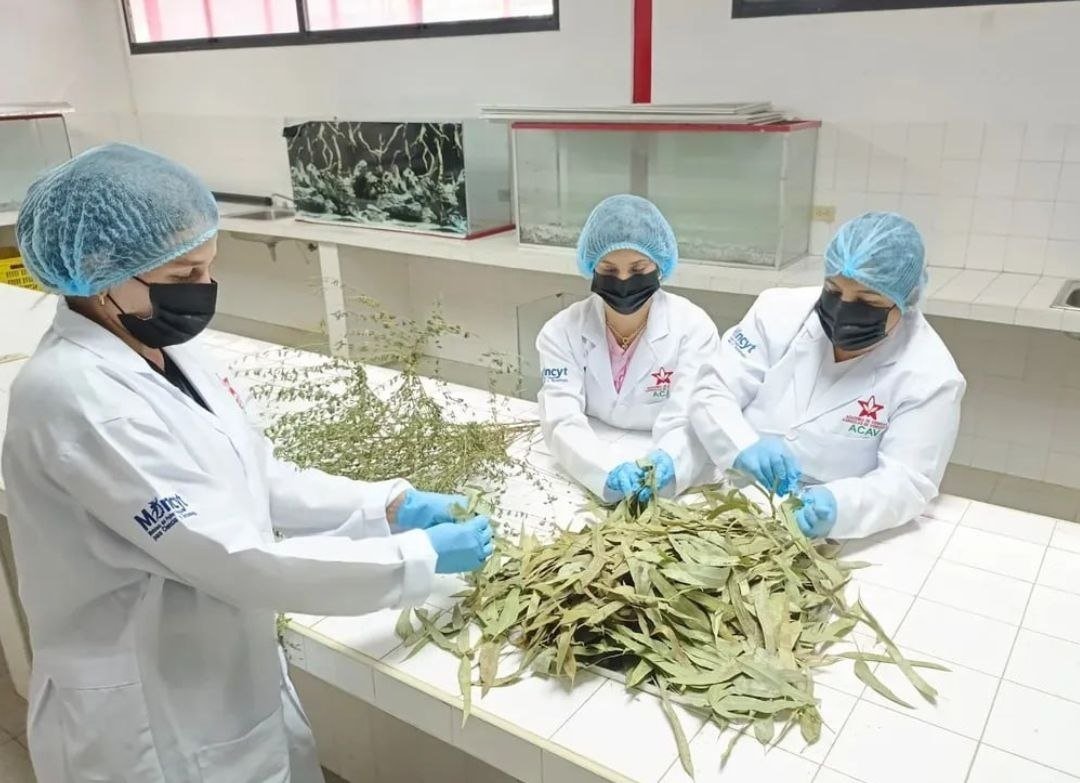
#NotiMippCI 📰🗞| Impulsan producción de aceites esenciales y fitoterapéuticos
Lea más ⏩ mippci.gob.ve/impulsan-produ…
2
2
91
Ramon Suniaga 🇻🇪 retweeted

😨😰😡
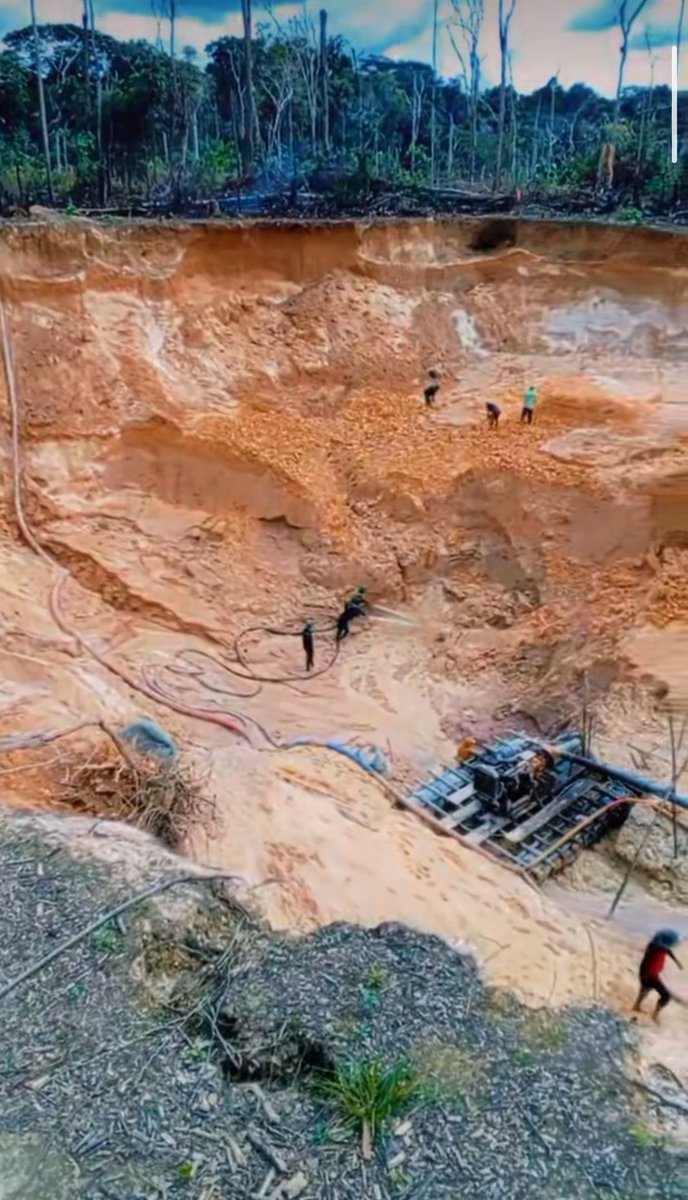
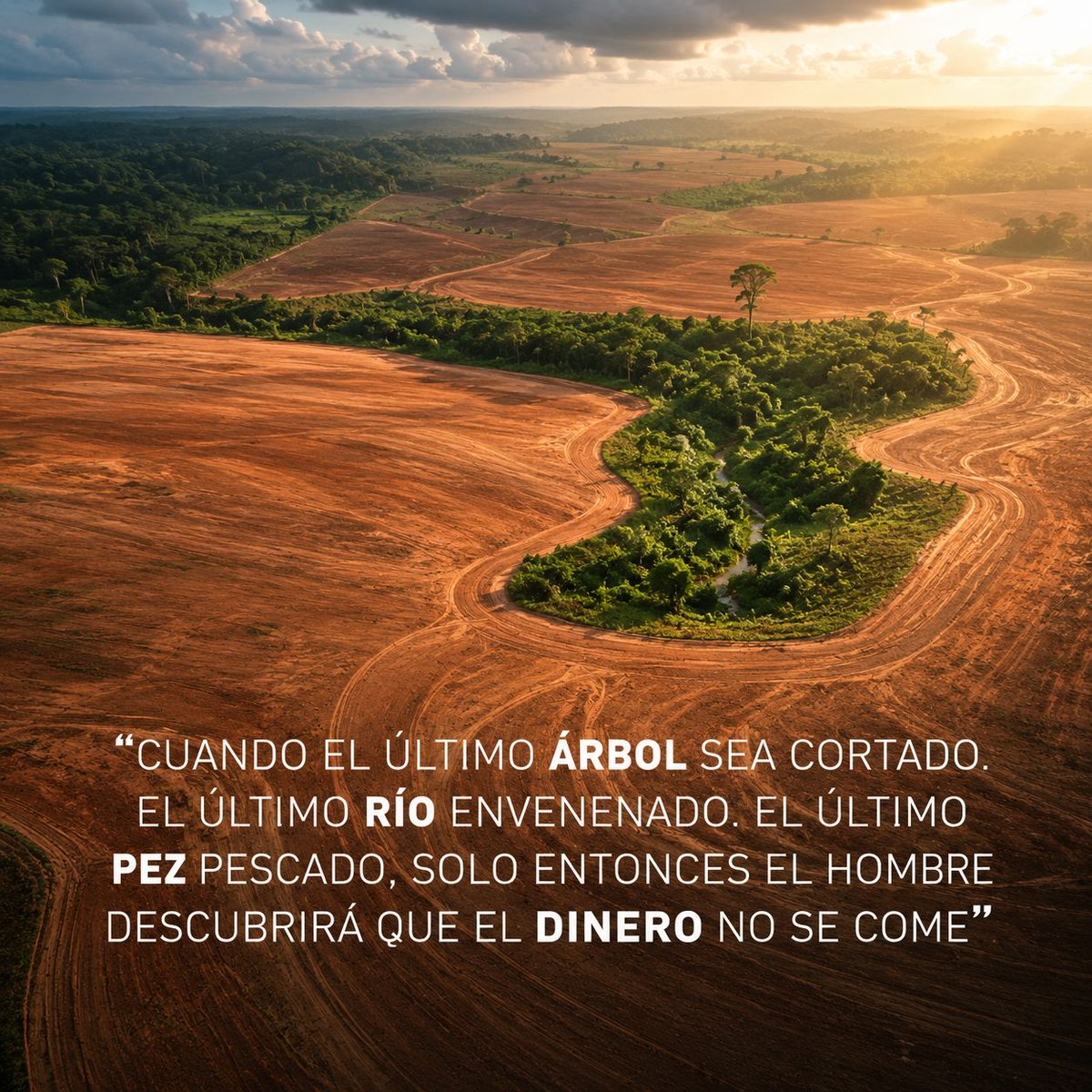
La tierra arrasada, violentada, manoseada, pisoteada, ultrajada, invadida, saqueada...y todo por un mineral y una ambición desmedida....maldito capitalismo!

La minería ilegal sigue destruyendo ecosistemas estratégicos y comprometiendo una de las principales fuentes de agua del país.
📸 En tierra, avanza la devastación de los bosques ribereños del río Icabarú #GranSabana
#AmbienteSinDerechos
#SurDelOrinoco
1
8
12
167
Ramon Suniaga 🇻🇪 retweeted

🇧🇫A leadership that make a difference. Roads build within month is beyond extraordinary.
This is why Captain Traore will be protected at any cost.
The future and success of Africa depends on having leaders like Traore.
6
16
84
1,443
Ramon Suniaga 🇻🇪 retweeted
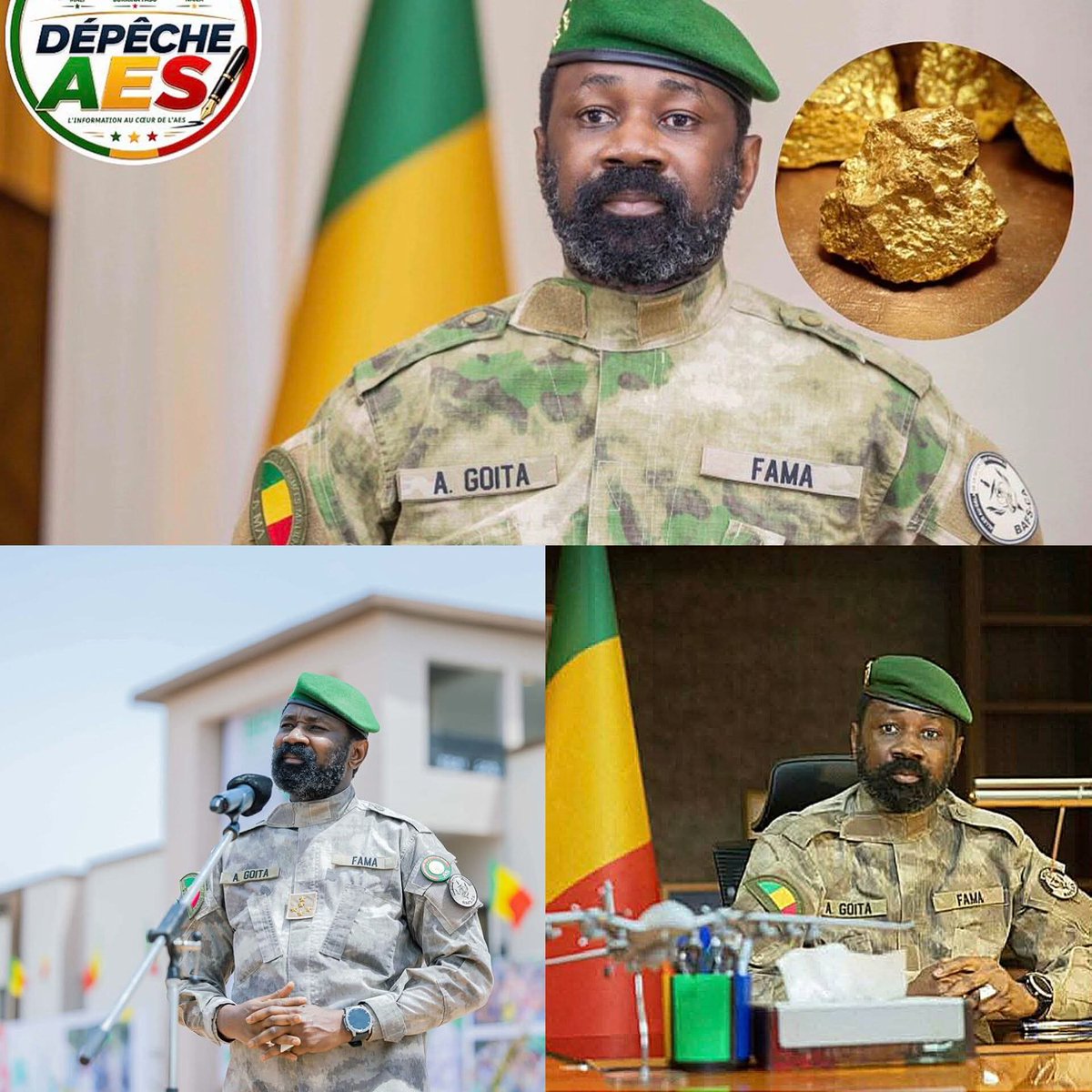
HISTORIC RECORDS FOR MALI🇲🇱💰💰
Mining companies just paid the State 888 billion FCFA (≈ 1.57 Billion USD) in 2025 — a 6.4% increase despite producing less gold!
The secret? The massive surge in world gold prices! 🔥
But starting June 15, all artisanal gold mining stops nationwide until October because of the rainy season. Mandatory break for the orpailleurs.
Mali is taking by control without compromise! 💪🏾
Whilst other African nations are outsourcing their national resources to settler ownership or so called direct foreign investment, Mali is taking control aggressively and uncompromising.
Here is the thing fellow Africans. All their resources goes into improving the lives of their people, like a normal state should be doing
1
24
99
1,460


Ramon Suniaga 🇻🇪 retweeted

Jun 13
En Las Vegas (EEUU), miembros de seguridad racistas del aeropuerto, obligaron a un joven negro discapacitado en silla de ruedas a mantenerse de pie por sí solo para registrarle, ocasionándole convulsiones e ingreso en el hospital.
Estos son los controles del Mundial de EEUU, segu-ratas racistas que creen que todos los negros esconden droga y que no dejan entrar a árbitros somalíes porque creen que son todos terroristas.
238
6,349
22,816
2,209,516
Ramon Suniaga 🇻🇪 retweeted
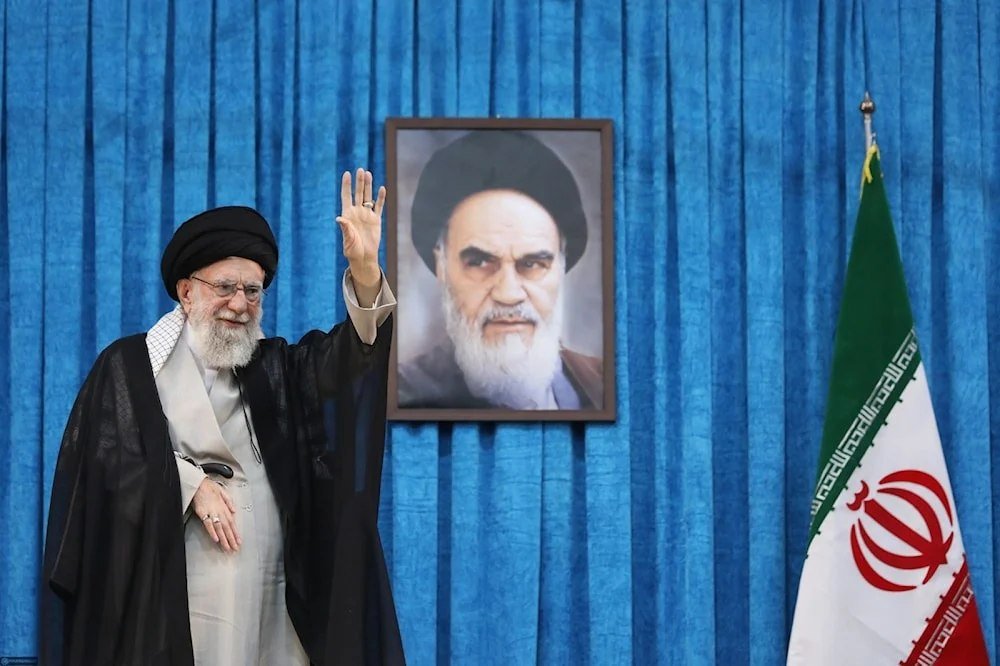
🔴Irán anuncia calendario de ceremonias fúnebres del Sayyed Ali Khamenei
🟥 Irán detalla el calendario de las ceremonias fúnebres del sayyed Ali Khamenei, que se realizarán en Teherán, Qom y Mashhad con amplia participación prevista.
✔️ Lee más: es.mdn.tv/9Ckq
#Iran #SayyedAliKhamenei
1
4
5
236
Ramon Suniaga 🇻🇪 retweeted
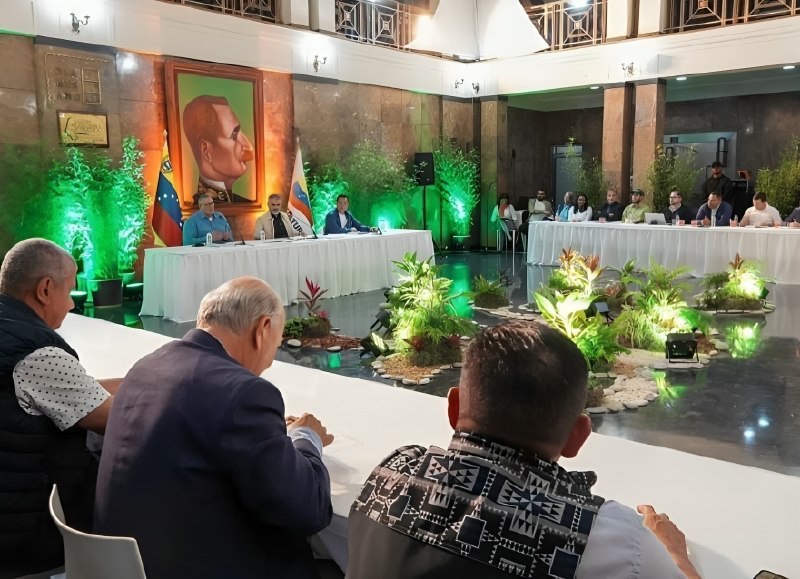
#NotiMippCI 📰🗞| Instalado primer Consejo de Seguimiento Agroproductivo para fortalecer la cadena agroalimentaria
Lea más ⏩ mippci.gob.ve/instalado-prim…
2
1
63
Ramon Suniaga 🇻🇪 retweeted

Una piscifactoría en la China rural.
2
56
140
1,967
Ramon Suniaga 🇻🇪 retweeted

🚨 Potosí: Dirigente de Betanzos advierte sobre la crisis actual: “Si perdemos esta lucha, el presidente gobernará como un dictador”.
Los bloqueos en K'asa se mantienen de forma indefinida. Los movilizados exigen la renuncia de Rodrigo Paz y llaman a la unidad nacional. #Bolivia
12
130
221
2,482
👇👇👇👇

Así estaba hace un año, ahora peor.
Pese a sus condiciones, es usada para practicar diversas actividades deportivas.
@gestionperfecta 👇
1
18