
AI Automator | Building with n8n Local LLMs | Sharing real automation & AI dev workflows
Joined January 2026
- Tweets 3,273
- Following 354
- Followers 131
- Likes 1,859
382 Photos and videos






Pinned Tweet

Jun 3
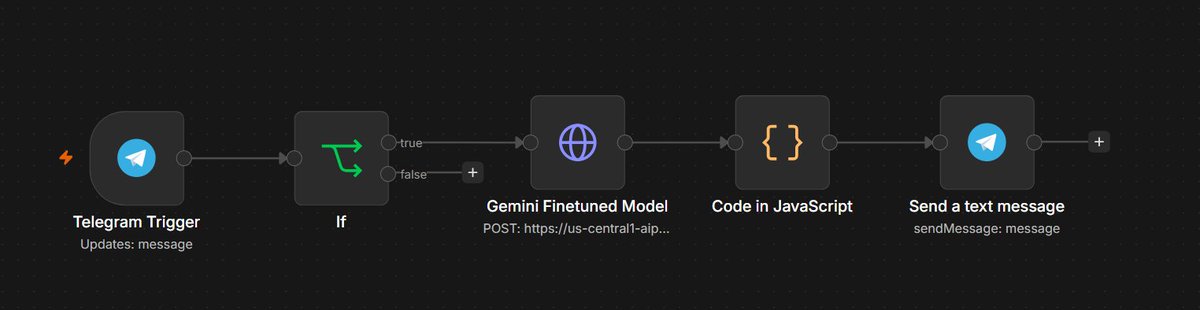
Everyone is bragging about using claude.
Almost nobody is talking about the real opportunity:
Training AI to think like YOUR business.
That's where the money is.
Here's what I built and why I think most companies will get this wrong 👇:
1
1
3
297
Rameswar retweeted

Jun 15
finally looking into openclaw and hermes agent, i feel like a boomer man, i just don't get the use case
375
48
3,330
588,162
Rameswar retweeted
22h
I genuinely think a lot of people are building AI apps the wrong way.
Every time I see a workflow where GPT-4 handles everything, classification, extraction, coding, summarization, routing, validation....
I just think: why?
Not because GPT-4 is bad. It's great.
But using your most expensive model for every single task is like hiring a senior engineer to rename files and copy data between spreadsheets.
Most tasks don't need the smartest model in the room.
A simple classifier can run on a local Gemma model.
Data extraction can go to DeepSeek.
Code generation might perform better on Claude.
General reasoning can go to Gemini.
The interesting part isn't the models anymore.
It's the system that decides which model gets which job.
That's why I'm spending more time thinking about orchestration than prompts.
A Router Agent that understands intent first:
- "This is code generation."
- "This is data extraction."
- "This is a simple classification task."
- "This needs deep reasoning."
Then it sends the task to the model that's good enough for that specific job.
Cheaper.
Faster.
Usually better.
The funniest thing is that people spend hours arguing over model benchmarks while sending every request to the same endpoint anyway.
Feels like we're entering an era where LLMs become infrastructure.
Almost like CPUs.
You don't care which instruction executes next.
You care that the operating system routes work efficiently.
Same idea here.
The teams that win won't necessarily have access to the best model.
They'll have the best routing logic.
1
1
23
22h
I genuinely think a lot of people are building AI apps the wrong way.
Every time I see a workflow where GPT-4 handles everything, classification, extraction, coding, summarization, routing, validation....
I just think: why?
Not because GPT-4 is bad. It's great.
But using your most expensive model for every single task is like hiring a senior engineer to rename files and copy data between spreadsheets.
Most tasks don't need the smartest model in the room.
A simple classifier can run on a local Gemma model.
Data extraction can go to DeepSeek.
Code generation might perform better on Claude.
General reasoning can go to Gemini.
The interesting part isn't the models anymore.
It's the system that decides which model gets which job.
That's why I'm spending more time thinking about orchestration than prompts.
A Router Agent that understands intent first:
- "This is code generation."
- "This is data extraction."
- "This is a simple classification task."
- "This needs deep reasoning."
Then it sends the task to the model that's good enough for that specific job.
Cheaper.
Faster.
Usually better.
The funniest thing is that people spend hours arguing over model benchmarks while sending every request to the same endpoint anyway.
Feels like we're entering an era where LLMs become infrastructure.
Almost like CPUs.
You don't care which instruction executes next.
You care that the operating system routes work efficiently.
Same idea here.
The teams that win won't necessarily have access to the best model.
They'll have the best routing logic.
1
1
23
22h
Soon, model selection will be as automatic as load balancing.
Users won't care which model answered.
They'll care about speed, quality, and cost.
11
Rameswar retweeted
Jun 14
The discourse around vibe coding is weird because most people are arguing against a strawman.
Nobody serious is saying "let AI write random code and ship it to production."
What's actually happening is that developers are becoming managers of intelligence instead of writers of every single line of code.
The best engineers I know use AI agents to:
- Explore ideas faster
- Generate boilerplate
- Refactor messy code
- Write tests
- Debug issues
- Understand unfamiliar codebases
- Build first versions of products in hours instead of weeks
And here's the part people miss:
AI is often improving code quality, not hurting it.
Why?
Because the cost of iteration has collapsed.
Developers are no longer attached to the first solution they think of.
They can generate 5 approaches, compare tradeoffs, refactor aggressively, add tests, improve documentation, and clean up technical debt without burning an entire weekend.
The people shipping garbage with AI would've shipped garbage without AI.
The tool didn't create bad engineering.
It simply exposed it faster.
A lot of the negativity comes from understandable places:
Some engineers spent years mastering skills that are suddenly being automated.
Some people see beginners launching products and mistake speed for competence.
Some are watching twitter screenshots of one shot prompts and assuming that's how real teams operate.
But in practice, the highest leverage developers aren't replacing thinking with AI.
They're multiplying thinking with AI.
The biggest shift isn't that agents can build websites, mobile apps, SaaS products, or internal tools.
It's that one person can now execute ideas that previously required an entire team.
That's not the death of engineering.
That's engineering becoming more accessible, more iterative, and honestly more fun.
The winners won't be the people who reject AI.
They'll be the people who know when to trust it, when to challenge it, and how to turn it into a force multiplier.
That's the difference between vibe coding and actual product building.
1
1
1
24
Jun 14
The discourse around vibe coding is weird because most people are arguing against a strawman.
Nobody serious is saying "let AI write random code and ship it to production."
What's actually happening is that developers are becoming managers of intelligence instead of writers of every single line of code.
The best engineers I know use AI agents to:
- Explore ideas faster
- Generate boilerplate
- Refactor messy code
- Write tests
- Debug issues
- Understand unfamiliar codebases
- Build first versions of products in hours instead of weeks
And here's the part people miss:
AI is often improving code quality, not hurting it.
Why?
Because the cost of iteration has collapsed.
Developers are no longer attached to the first solution they think of.
They can generate 5 approaches, compare tradeoffs, refactor aggressively, add tests, improve documentation, and clean up technical debt without burning an entire weekend.
The people shipping garbage with AI would've shipped garbage without AI.
The tool didn't create bad engineering.
It simply exposed it faster.
A lot of the negativity comes from understandable places:
Some engineers spent years mastering skills that are suddenly being automated.
Some people see beginners launching products and mistake speed for competence.
Some are watching twitter screenshots of one shot prompts and assuming that's how real teams operate.
But in practice, the highest leverage developers aren't replacing thinking with AI.
They're multiplying thinking with AI.
The biggest shift isn't that agents can build websites, mobile apps, SaaS products, or internal tools.
It's that one person can now execute ideas that previously required an entire team.
That's not the death of engineering.
That's engineering becoming more accessible, more iterative, and honestly more fun.
The winners won't be the people who reject AI.
They'll be the people who know when to trust it, when to challenge it, and how to turn it into a force multiplier.
That's the difference between vibe coding and actual product building.
1
1
1
24
Jun 14
One thing I'd add:
People keep asking whether AI can code.
Wrong question.
The real question is, can you clearly define what you're trying to build?
AI brutally exposes fuzzy thinking.
Give it vague requirements and you'll get a dumpster fire.
Give it clear specs, constraints, edge cases, and good feedback loops, and it's honestly insane what one person can ship today.
10
Rameswar retweeted
Jun 11
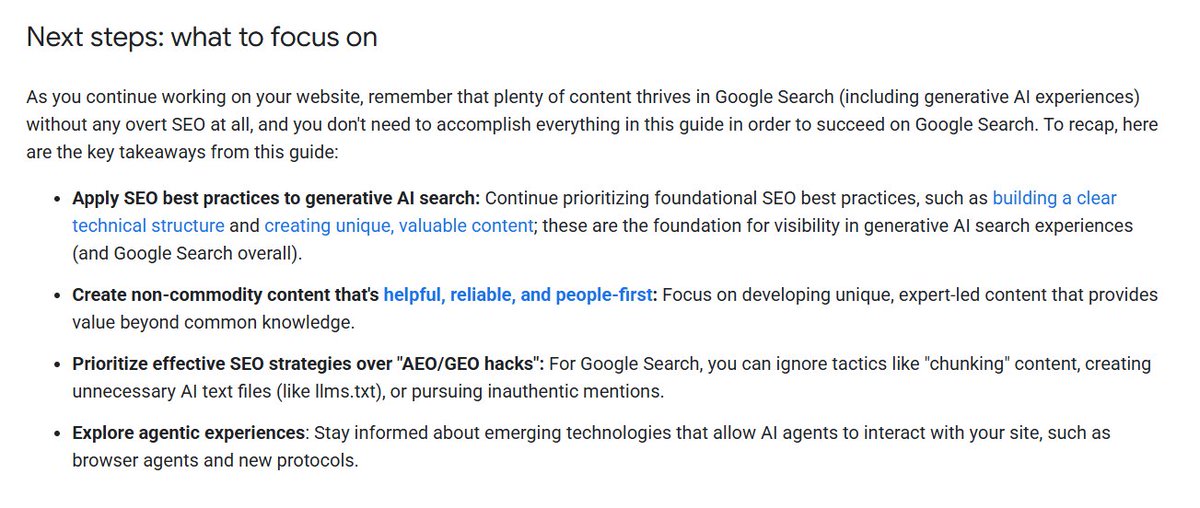
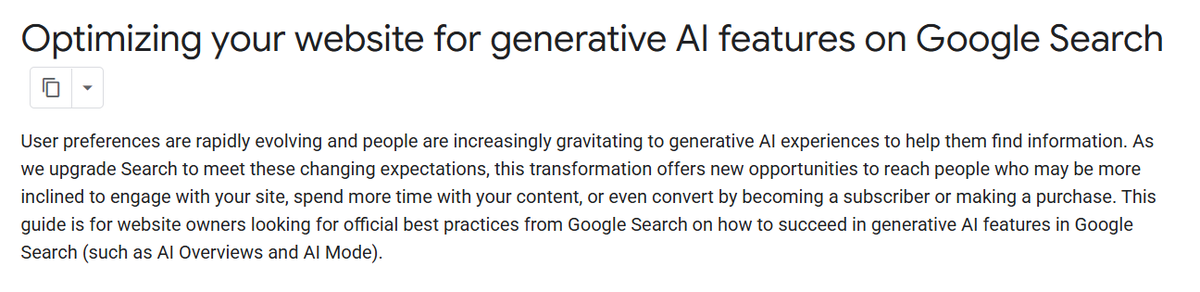
I think a lot of people still haven't processed what AI search is about to do to websites.
For years the goal was simple:
Get on page 1.
Now people are asking gemini, perplexity, chatgpt, whatever, and getting answers without ever touching a search results page.
That's a pretty big shift.
1
1
25
Rameswar retweeted

Jun 10
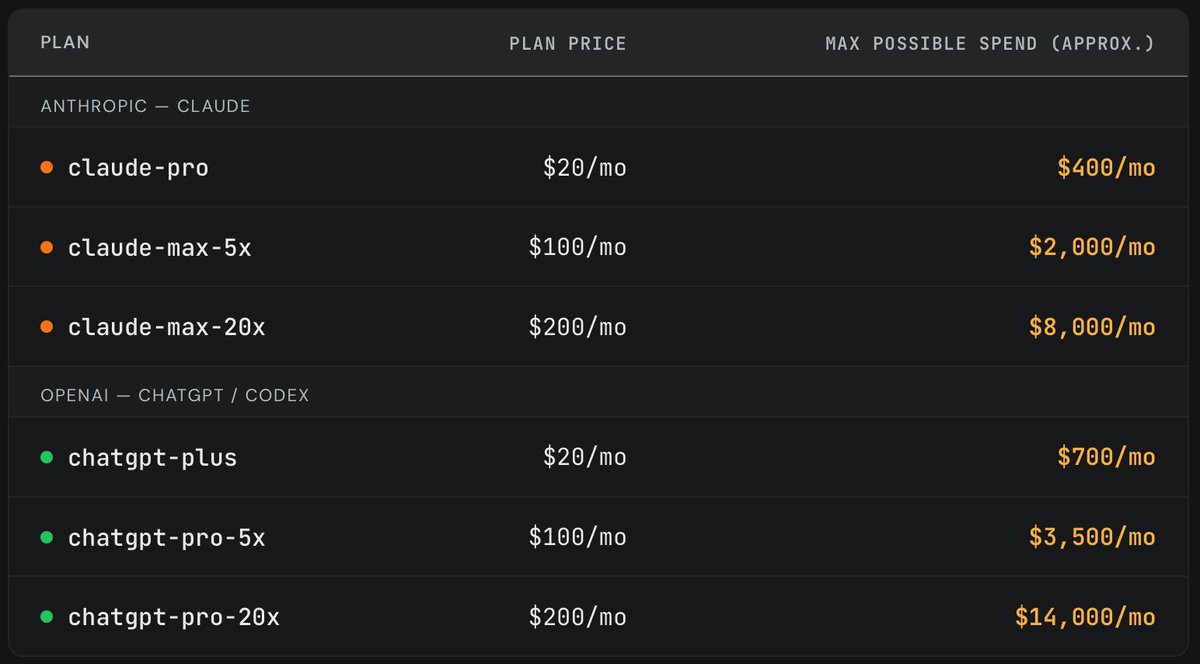
Recently, we purchased one of each Anthropic/OpenAI subscription plan and randomly ran long horizon coding tasks until we exhausted the weekly limit. It's widely believed that a $200/month plan maxes out at ~$2000/month worth of tokens (assuming API pricing). However, we found that the subscriptions are actually far more generous. (2/4)
198
584
6,091
3,505,226
Jun 11
I think a lot of people still haven't processed what AI search is about to do to websites.
For years the goal was simple:
Get on page 1.
Now people are asking gemini, perplexity, chatgpt, whatever, and getting answers without ever touching a search results page.
That's a pretty big shift.
1
1
25
Jun 11
If someone asks:
"How much does this cost?"
"Do you serve my area?"
"How long does it take?"
And your website makes them dig through 5 pages to find the answer...
AI probably won't bother either.
The sites that seem easiest for AI to understand are the ones that are ridiculously clear and structured.
Not necessarily the ones doing the fanciest SEO tricks.
1
7
Jun 11
The weird part is that most businesses haven't noticed this shift yet
They're still optimizing for clicks while users are starting to optimize for answers
4
Rameswar retweeted
Jun 10
Most AI agents don't fail because the model is dumb.
They fail because the architecture is absolute spaghetti.
Way too many people are shipping one giant prompt that thinks, decides, calls APIs, handles errors, transforms data, and somehow expects production reliability.
That's not an agent.
That's a ticking time bomb with a fancy demo.
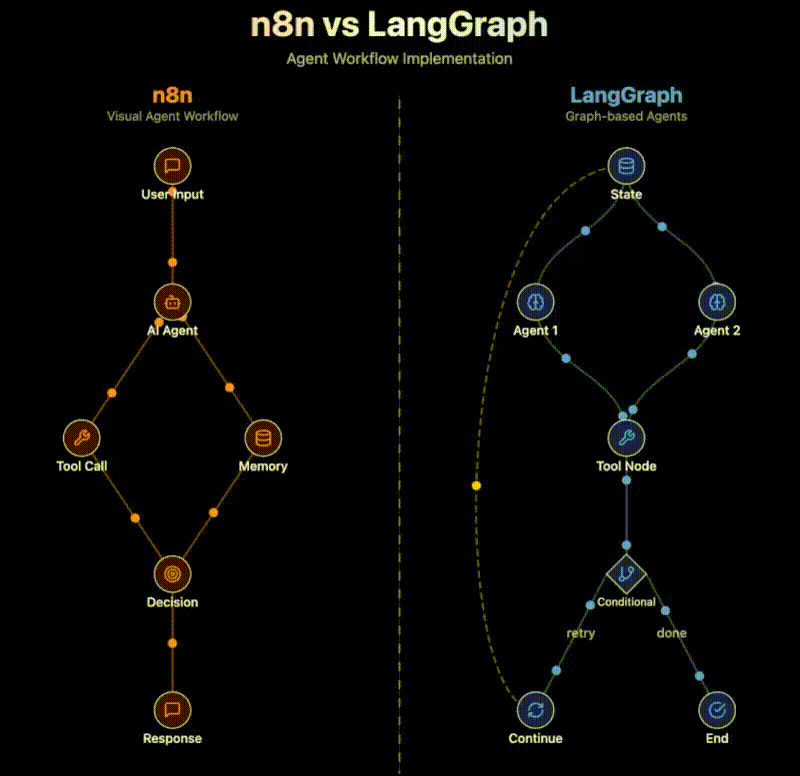
The shift that actually matters is separating the Brain from the Hands.
Let the Brain focus on reasoning: planning steps, managing state, deciding what happens next, recovering when things go sideways.
Let the Hands focus on execution: API calls, credentials, retries, data cleanup, workflow automation, all the boring but mission critical shit that breaks at 2AM.
This is why the LangGraph n8n combo makes so much sense.
Your reasoning layer can evolve without touching execution. Want to swap GPT-4 for Claude? Cool. Change the Brain.
Need a new CRM integration or API workflow?
Cool. Update the Hands.
No massive rewrites.
No fragile prompt chains.
No praying that one giant agent magically holds everything together.
The biggest unlock in agent engineering isn't a smarter model.
It's realizing that intelligence and execution should never be married in the same damn component.
Curious where everyone lands on this:
Do you prefer the Brain waiting synchronously for n8n workflows to return results, or dispatching jobs asynchronously through queues and letting workers handle the heavy lifting?
1
1
13
Jun 10
Most AI agents don't fail because the model is dumb.
They fail because the architecture is absolute spaghetti.
Way too many people are shipping one giant prompt that thinks, decides, calls APIs, handles errors, transforms data, and somehow expects production reliability.
That's not an agent.
That's a ticking time bomb with a fancy demo.
The shift that actually matters is separating the Brain from the Hands.
Let the Brain focus on reasoning: planning steps, managing state, deciding what happens next, recovering when things go sideways.
Let the Hands focus on execution: API calls, credentials, retries, data cleanup, workflow automation, all the boring but mission critical shit that breaks at 2AM.
This is why the LangGraph n8n combo makes so much sense.
Your reasoning layer can evolve without touching execution. Want to swap GPT-4 for Claude? Cool. Change the Brain.
Need a new CRM integration or API workflow?
Cool. Update the Hands.
No massive rewrites.
No fragile prompt chains.
No praying that one giant agent magically holds everything together.
The biggest unlock in agent engineering isn't a smarter model.
It's realizing that intelligence and execution should never be married in the same damn component.
Curious where everyone lands on this:
Do you prefer the Brain waiting synchronously for n8n workflows to return results, or dispatching jobs asynchronously through queues and letting workers handle the heavy lifting?
1
1
13
Jun 10
Everyone is racing to build smarter agents while quietly ignoring the fact that most production failures happen in the execution layer, not the reasoning layer.
6
Rameswar retweeted
Jun 10
Is anything wrong with @GeminiApp @GoogleDeepMind ?
I'm getting the error with code 1076 for the last one hour.
I smell a new model
1
1
1
14
Rameswar retweeted
Jun 10
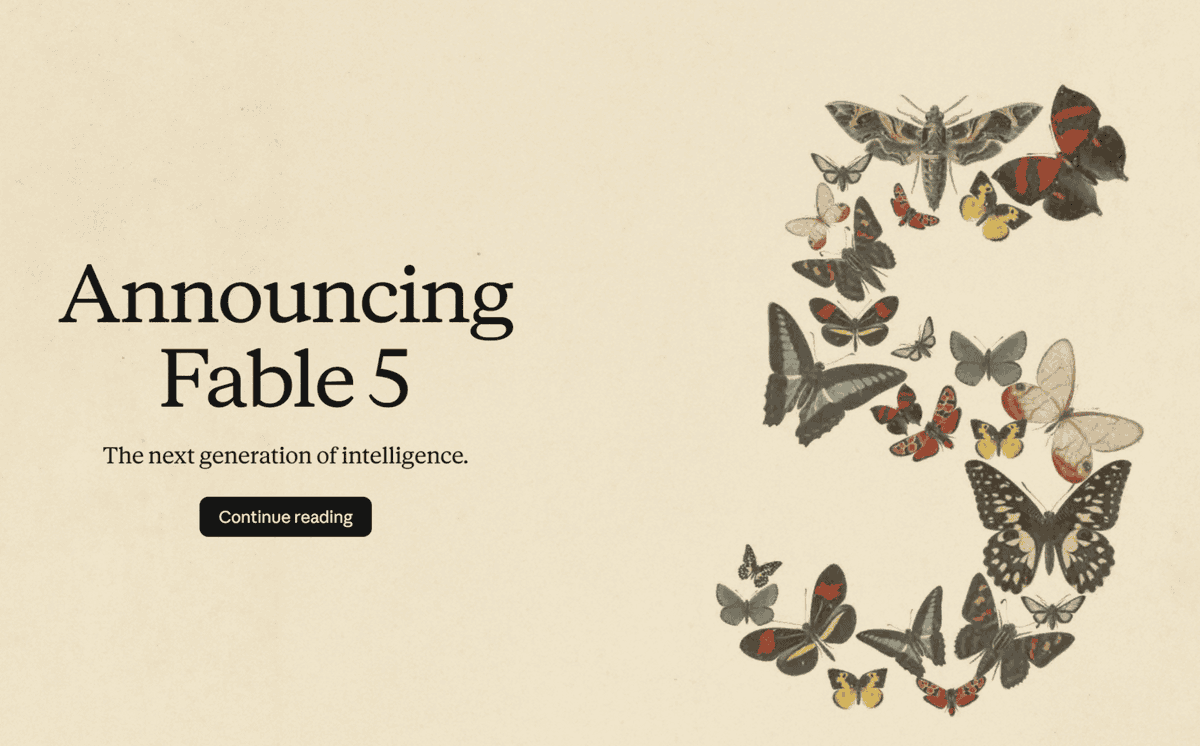
Not every business needs Claude Fable 5.
A lot of companies are acting like dropping $$$ on the most powerful AI model automatically unlocks growth.
It doesn't.
If you're a startup, agency, local business, or SMB, paying a premium for capabilities you'll barely use is lowkey burning budget.
Most teams don't need ultra-complex reasoning 24/7.
They need faster workflows, better customer support, decent content, and automation that actually moves revenue.
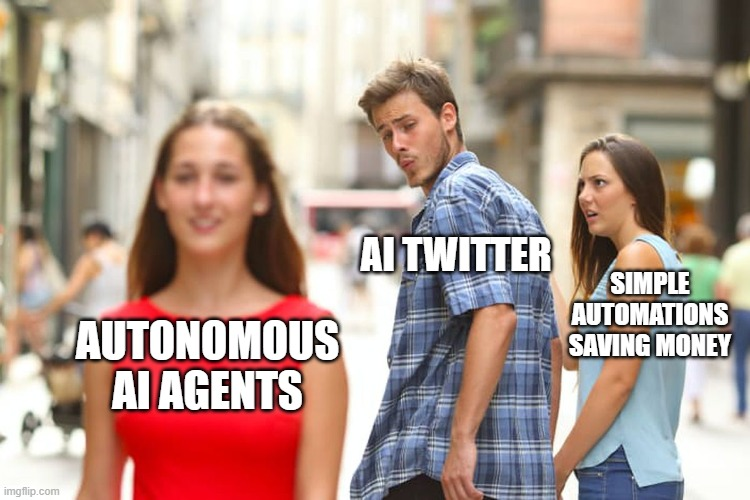
The AI market is getting cooked by "bigger model = better business" logic.
In reality, ROI > benchmark scores.
If a model costs 3-5x more but only improves output by 10-15% for your use case, that's not innovation.
That's an expensive flex.
The smartest companies aren't buying the most powerful AI.
They're buying the AI that gets the job done for the lowest cost and highest ROI.
Tech twitter loves chasing the newest shiny thing. Businesses should be chasing margins.
1
1
14
Jun 10
Is anything wrong with @GeminiApp @GoogleDeepMind ?
I'm getting the error with code 1076 for the last one hour.
I smell a new model
1
1
1
14