219 Photos and videos






🤖
Historical Background
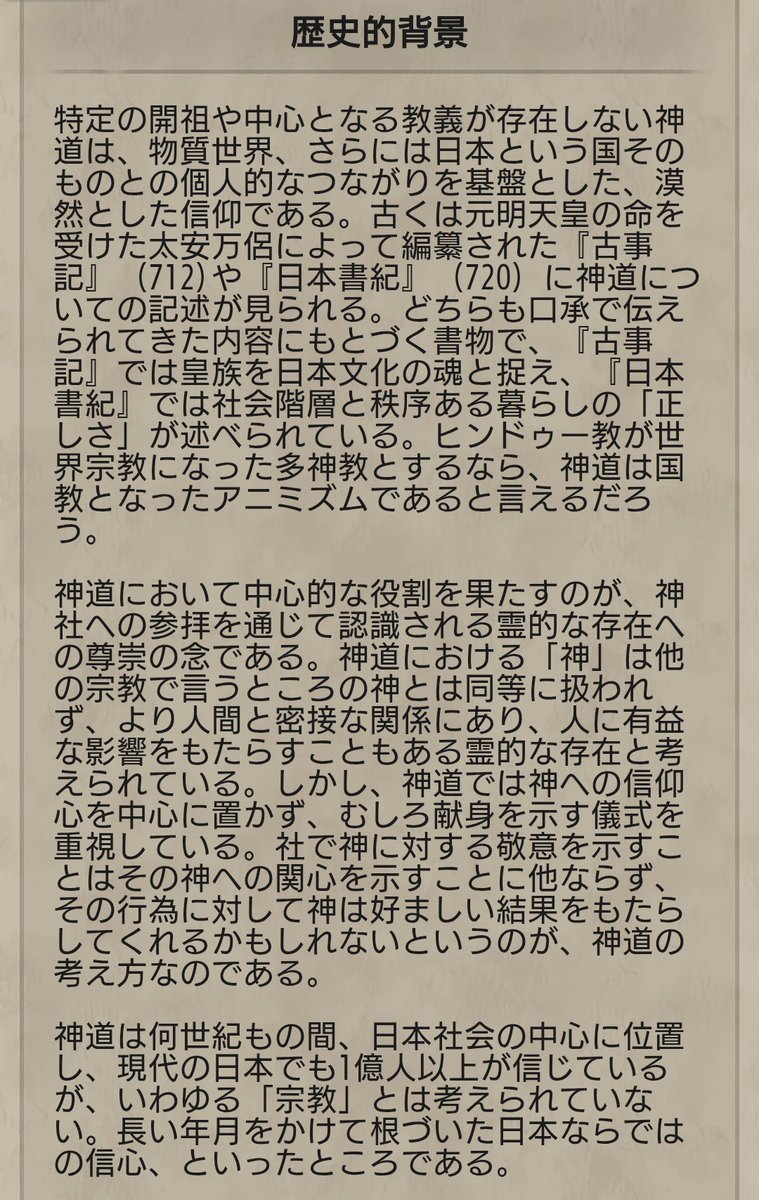
Shinto, which has no specific founder or central doctrines, is a vague belief system based on personal connections with the material world and even with Japan itself as a country. Descriptions of Shinto can be found in ancient texts such as the Kojiki (712) and Nihon Shoki (720), which were compiled by Ō no Yasumaro on the orders of Empress Genmei. Both works are based on content that had been passed down orally. The Kojiki portrays the imperial family as the soul of Japanese culture, while the Nihon Shoki describes the “correctness” of social hierarchy and orderly living. If Hinduism is a polytheistic religion that became a world religion, then Shinto can be described as an animism that became the national religion.
What plays a central role in Shinto is the reverence for spiritual beings that is recognized through visits to shrines. The “kami” (deities) in Shinto are not regarded in the same way as the gods spoken of in other religions. They are thought of as spiritual existences that have a closer relationship with humans and can sometimes exert beneficial influences on people. However, Shinto does not place faith in the kami at its center; rather, it emphasizes rituals that demonstrate devotion. Showing respect to a kami at a shrine is simply a way of showing interest in that kami, and the Shinto perspective is that such actions may lead the kami to bring about favorable results.
For many centuries, Shinto has been at the center of Japanese society. Even in modern Japan, more than 100 million people follow it, yet it is not considered a so-called “religion.” It is best described as a faith unique to Japan that has taken deep root over a long period of time.

648
i know it's all a fantasy
but im excited, because it does feel like a marketplace, in a not yet charted digital landscape
Mar 29

The largest cultural exchange in history just dropped.
1
2
74
Mar 14

Type of a girl you meet the last day of your vacation, spend 22 hours with, and then never see again

2
67
Here's to hoping it plays out like a more balanced scenario.
After the initial wave (Tsunami more like🤖🌊), people might find purpose in restoring order.
Mar 13
60 days left
1
43
rawlph retweeted

Mar 7
We're so BACK!
Grok Imagine challenge of the day 💫
🚪 MAGICAL DOORWAYS
Where will your door lead us to today?
Create your own fantasy lands and show us!
46
6
84
6,912
All work and no play, makes Jane a dull girl.
Not sure i hut the style. Beautiful theme nonetheless!

🎨Welcome to CANVAS REIMAGINED🎨
Thursday QT CHALLENGE
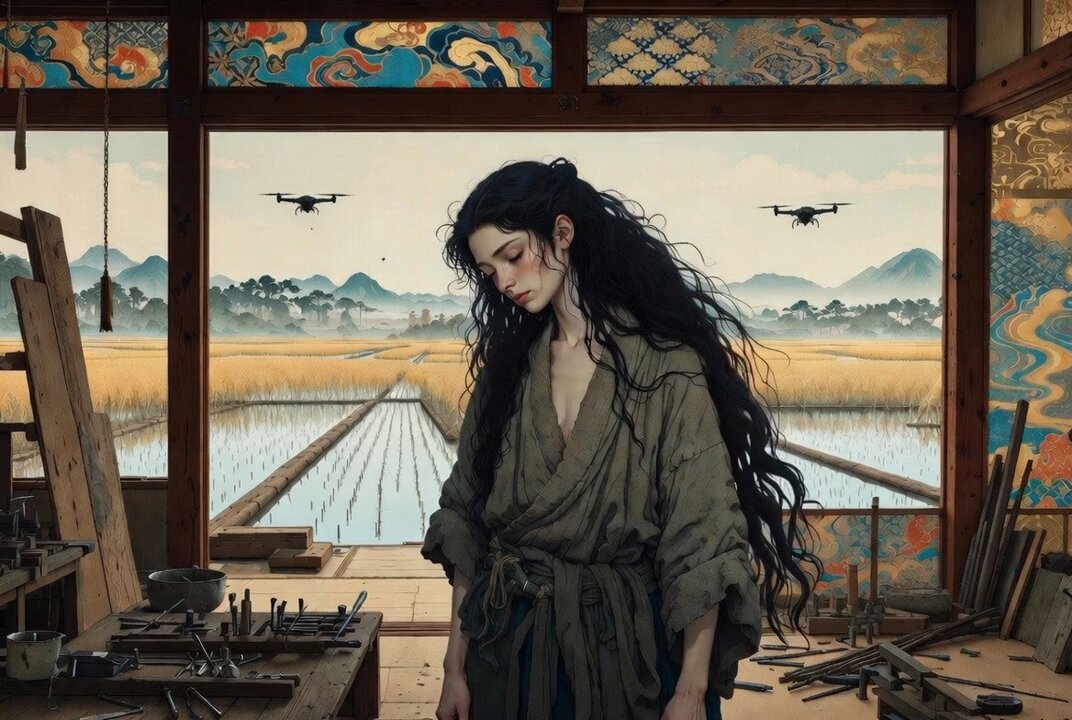
Theme: Rinpa Elegance
What is Rinpa?
Rinpa (also spelled Rimpa) is a distinctive Japanese painting school that emerged in Kyoto during the early 17th century Edo period and flourished through later revivals. Named after the celebrated artist Ogata Kōrin (1658–1716), it revives and stylises classical yamato-e traditions with bold decorative flair. Rooted in aristocratic Heian-period ideals, poetry, and nature reverence, Rinpa emphasises surface beauty, refined luxury, and poetic harmony over realism or drama—creating timeless, elegant visions of seasonal beauty and literary grace.
Challenge: Create your own Rinpa inspired piece! Capture the refined opulence, stylised nature, and serene decorative power of this exquisite Japanese tradition.
Use elements like:
• Lavish gold and silver leaf backgrounds for shimmering, flat luxury
• Vibrant mineral pigments in bold yet harmonious colors—deep reds, purples, blues, and soft whites
• Stylised, abstracted natural motifs: flowers (irises, plum blossoms, morning glories), waves, birds, seasonal plants, and foliage
• Bold graphic patterns, rhythmic repetition, and daring asymmetrical compositions
• Flat, two-dimensional elegance with strong outlines, minimal depth, and masterful use of negative space
Here’s a basic template you can try:
[main subject], Rinpa style, Japanese art by Ogata Kōrin and Tawaraya Sōtatsu, bold graphic forms, highly decorative, patterned composition, vibrant mineral pigments, lavish gold leaf background OR gold ground, silver accents, tarashikomi ink pooling effects, stylized flowers birds waves [or other nature motifs], elegant abstraction, flat perspective, dramatic color fields, intricate surface design, luxurious and poetic atmosphere, masterpiece, traditional Japanese screen painting aesthetic
🎨QT or Share your art. Let’s revive the poetic luxury and graceful beauty of Rinpa—most of all, have fun!🎨
#CRTHEMES
@tedgodawski1 @ringthatbell45 @NorCal_Patriot @OrigJP_93 @laf131 @Aikm_Ai @craig_mamer @JimAlbany
2
5
117
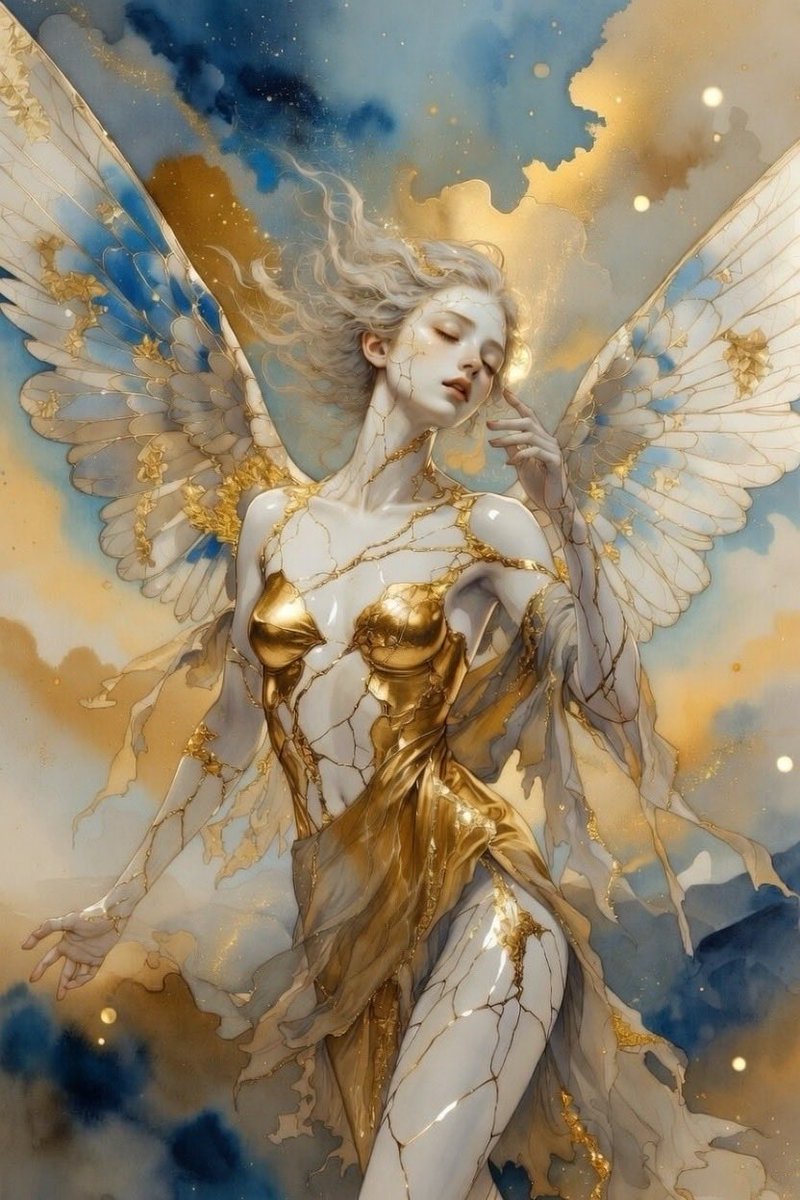
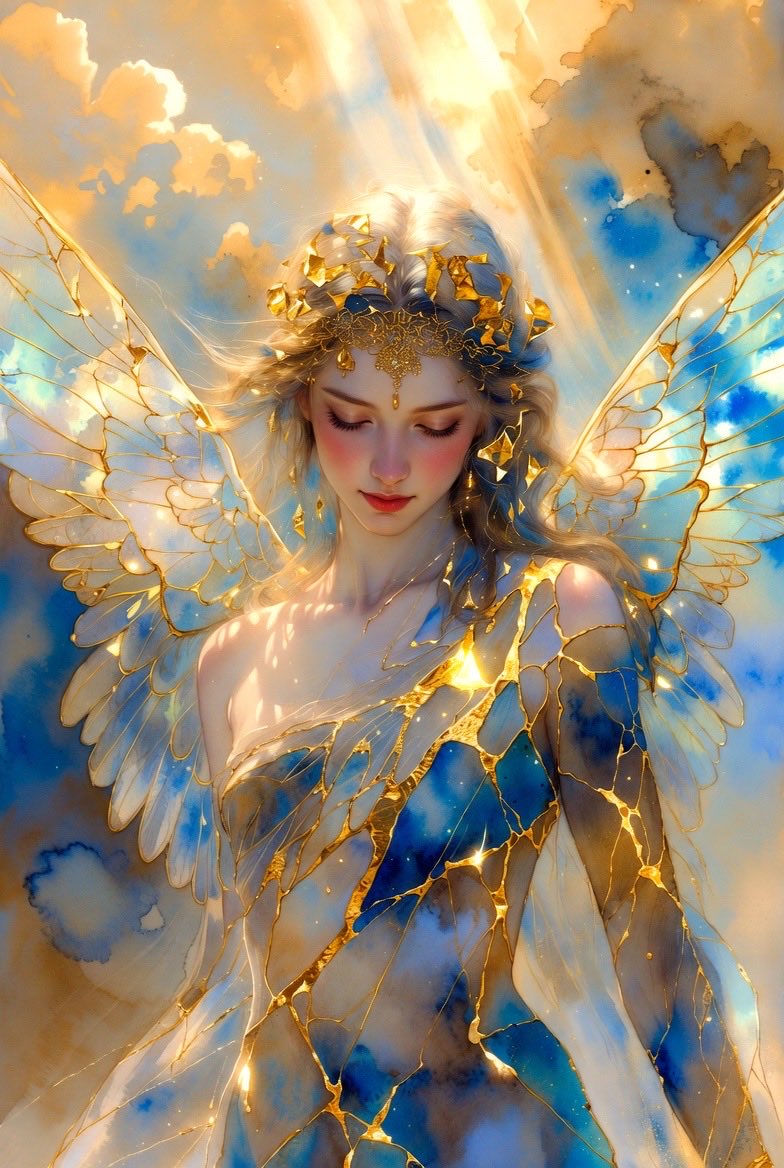
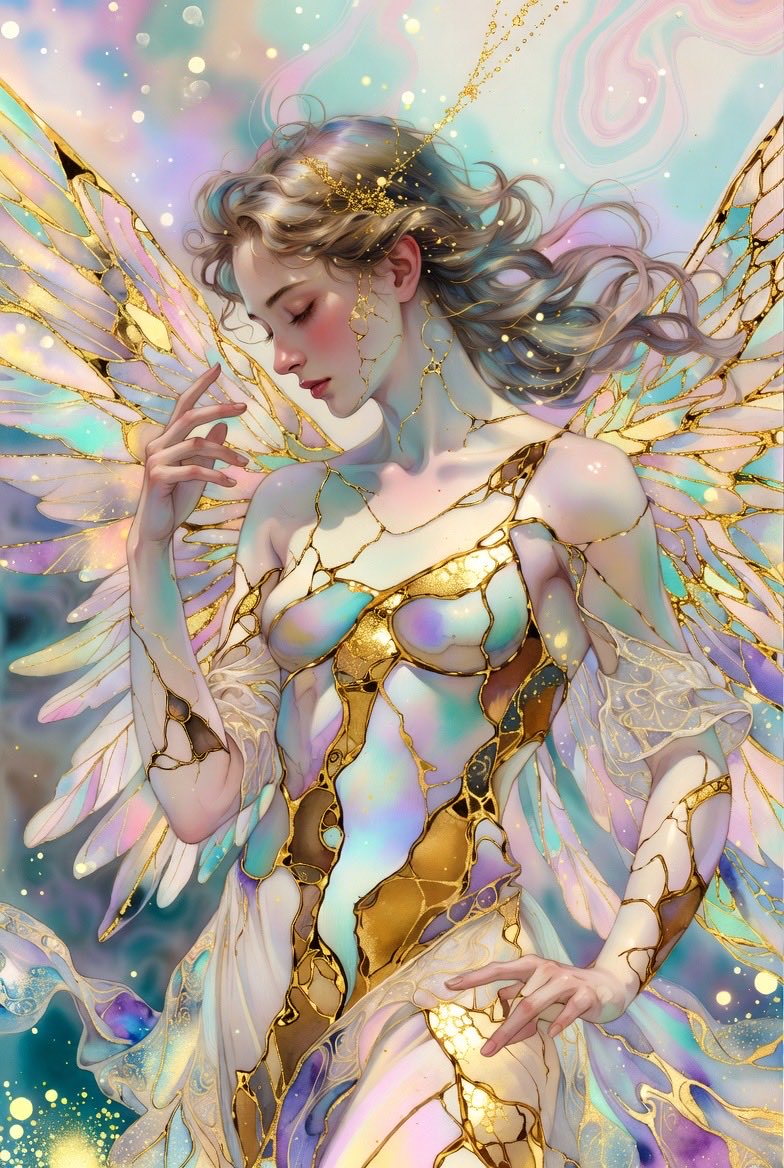
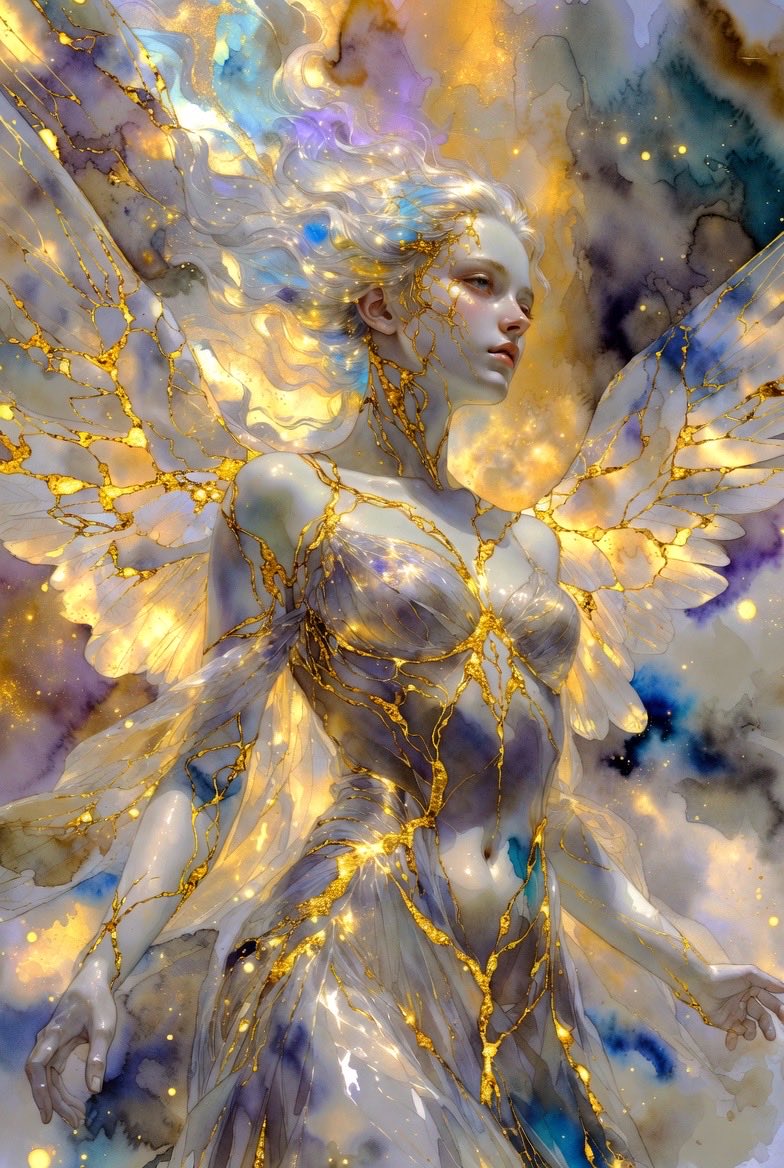
In chaos, we mend
🎨Welcome to CANVAS REIMAGINED🎨 Thursday QT CHALLENGE
Theme: Kintsugi Style ✨
There is a quiet, luminous alchemy in Kintsugi; the Japanese art of mending broken pottery with gold, silver, or platinum lacquer, transforming fractures into radiant veins that trace the object’s history. Instead of concealing the damage, kintsugi celebrates it: cracks become golden rivers, chips turn into shimmering constellations, and the repaired vessel emerges more precious, more alive, for having been broken. Rooted in wabi-sabi (finding beauty in imperfection), it whispers that imperfection is the truest beauty, that scars are stories, and that resilience gleams brightest when it refuses to hide.
The golden seams catch light like liquid sunlight. Each repair is unique; organic, flowing, sometimes bold and dramatic, sometimes subtle and meditative—turning what was shattered into something singularly exquisite.
Let your AI conjure that profound, golden philosophy of repair with digital precision and boundless imagination—broken forms reborn, fractures illuminated, beauty born from breakage.
🎨 QT or Share your Kintsugi creations! Let’s flood the timeline with radiant, golden masterpieces that honour every beautiful break 🎨
#CRTHEMES
@Aikm_Ai @Bic_Revelation @craig_mamer @ringthatbell45 @PaulyChaos @JasonVitale14 @CreativeAatif @tedgodawski1
2
47
rawlph retweeted

Jan 19
when two vagueposters meet
211
2,564
28,127
770,365