
남매 쌍둥이 아빠 / rwa 러버 / $BLOCK
Joined April 2021
- Tweets 1,057
- Following 576
- Followers 1,033
- Likes 3,715
167 Photos and videos










Tae2Twins retweeted

16 Sep 2025
You’ve been asking when. The wait is over.
This Thursday, Blockstreet Vault goes live.
Here’s everything you need to know before it starts, so you can understand how it works and what it means for $BLOCK holders. 🧵🟧
53
86
287
70,262
Tae2Twins retweeted
3 Sep 2025
Audited. Tested. Fortified.
🔨Built in the U.S.
🇺🇸Backed by the U.S.
🦅Verified by the U.S.
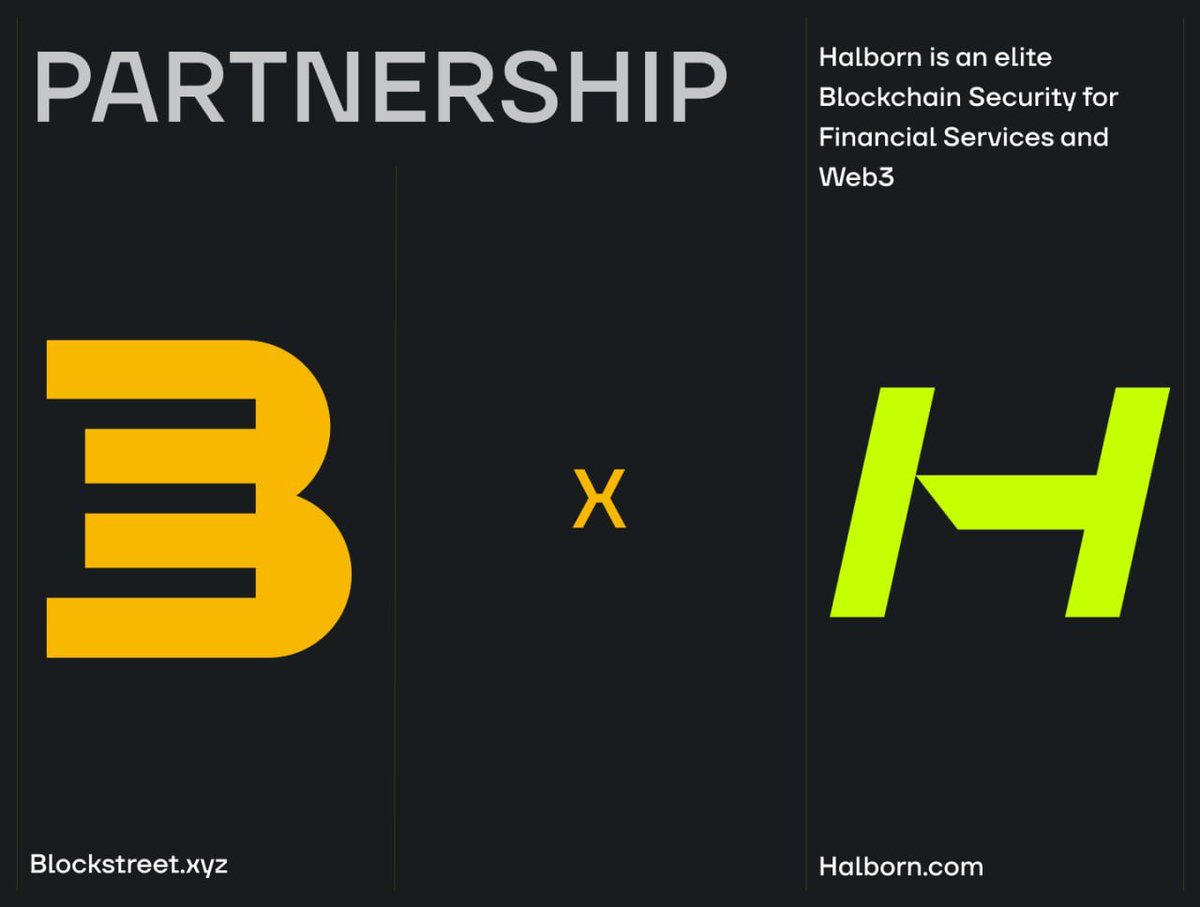
Blockstreet is working with @HalbornSecurity to complete the audit of our launchpad, trusted by Coinbase, Solana, Polygon, and 600 platforms, to secure the rails of the USD1 economy.
Scaling means nothing without security. 🟧
Even George Washington crossed the Delaware for stronger defenses, so did we.
38
67
275
34,546
This
31 Aug 2025

Most launchpads are gated.
The top 1% gets in. Everyone else watches.
Blockstreet Launchpad changes the model:
- Lock climb the leaderboard = guaranteed allocation
- Lower ranks = lottery chance
- All within capped, transparent raises
This isn’t access for the few.
Its access redesigned, powered by $BLOCK. 🟧
97
Tae2Twins retweeted

29 Aug 2025
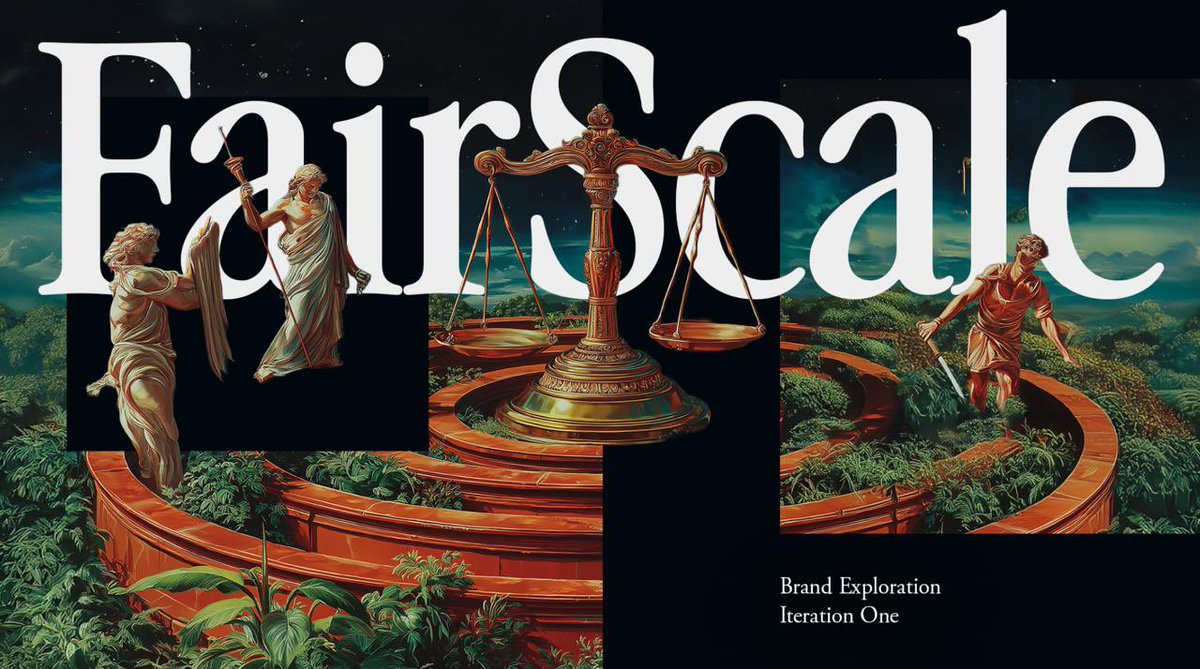
Everyone has a FairScore.
Reply and find out yours. Reputation, earned.
28
10
34
1,104
Tae2Twins retweeted
27 Aug 2025
In crypto’s early days, ‘compliance’ was the industries biggest liability…
Builders avoided it. Investors hated it.
It was slow, expensive, and provided little actual benefit to projects.
But today? Regulators are tightening standards, and institutions demand safeguards. Compliance isn’t optional anymore, and crypto needs to adapt.
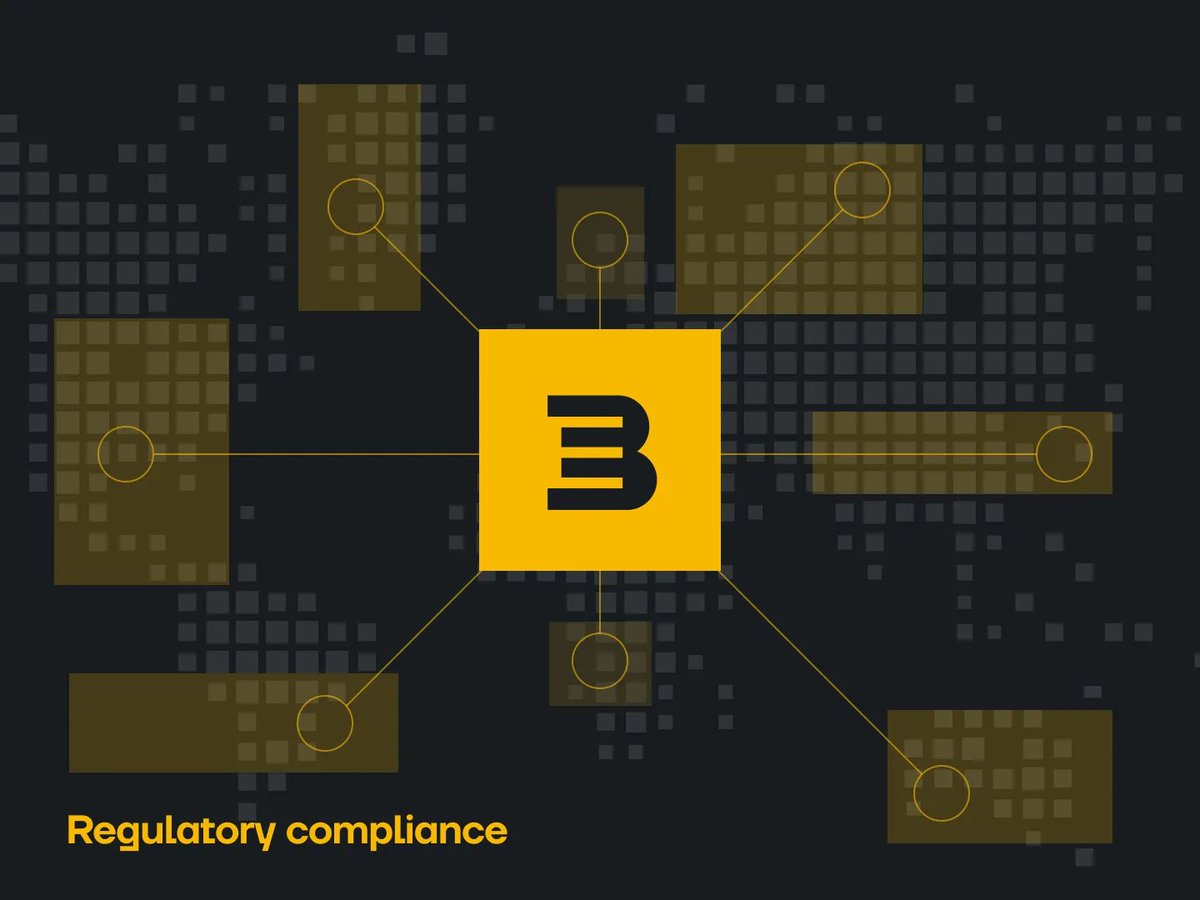
The solution? Compliance as Code. 🟧
Compliance as Code means embedding compliance into the DNA of assets, therefore turning regulatory requirements into machine-readable rules that execute automatically inside smart contracts and token logic.
Instead of relying on manual checks or off-chain processes, the asset itself enforces:
- Identity verification (KYC) before transfers
- Jurisdictional restrictions based on wallet or geography
- Real-time transaction monitoring and flagging
It’s compliance built into the asset’s operating system.
Why does this matter?
Because for the first time, digital assets can:
- Raise capital with regulatory certainty
- Expand globally without friction
- Earn institutional trust without years of negotiation
This is allowing compliance to be executed at market speed.
The future belongs to projects that treat compliance as a competitive edge, not a constraint.
This is who BlockStreet back.
20
52
228
13,744
Tae2Twins retweeted

25 Aug 2025
Mint Details: @ninco_fi x @poply_xyz
Supply: 300
Date & Time: 28 August, 4 PM UTC
Minters will get both projects' GTD WL on main-net.
🪑 Want to secure a spot?
Join this raffle: alphabot.app/ninco-x-poply-c…
or Like, RT, and CM EVM wallet👇

509
615
1,058
18,613
그는 뭔가 알고 있겠지?
단지 불안요소는 나
27 Aug 2025

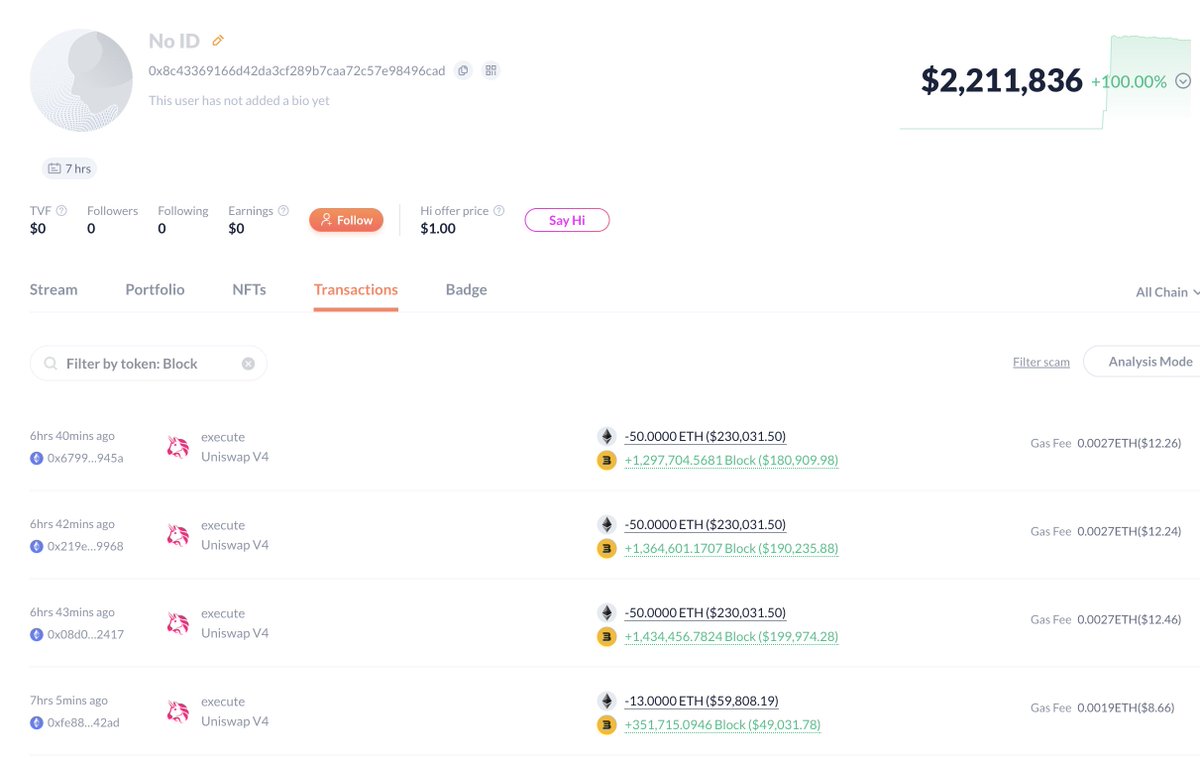
With the $WLFI launch approaching in 5 days, the whale created a new wallet "0x8C43" and spent 248 $ETH($1.12M) to buy 6.95M $Block 6 hours ago.
debank.com/profile/0x8c43369…
60
Tae2Twins retweeted
25 Aug 2025
Last week we shipped:
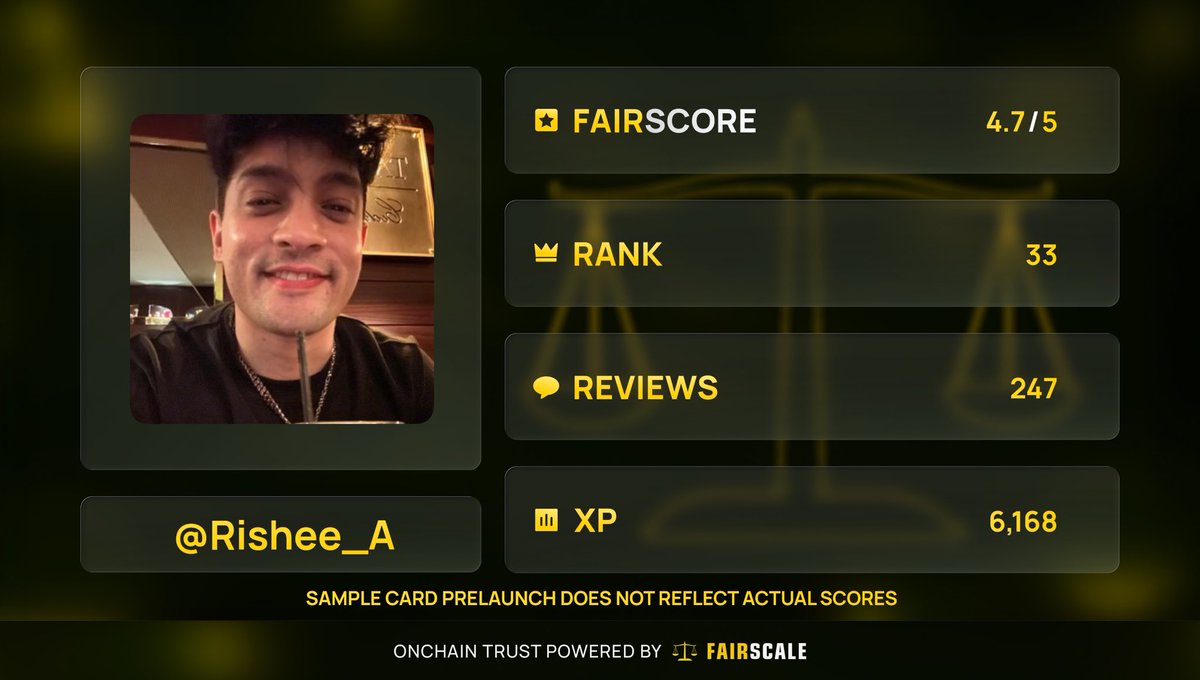
FairScore cards: a mockup scorecard generator to give you a taste of the real thing; XP, rank, FairScore.
Fair Compass: Check your last 25 tweets to generate your Fair Compass. Are you bearish or bullish?
What do you want to see next? We have an idea.
3
8
18
2,305
Tae2Twins retweeted
24 Aug 2025
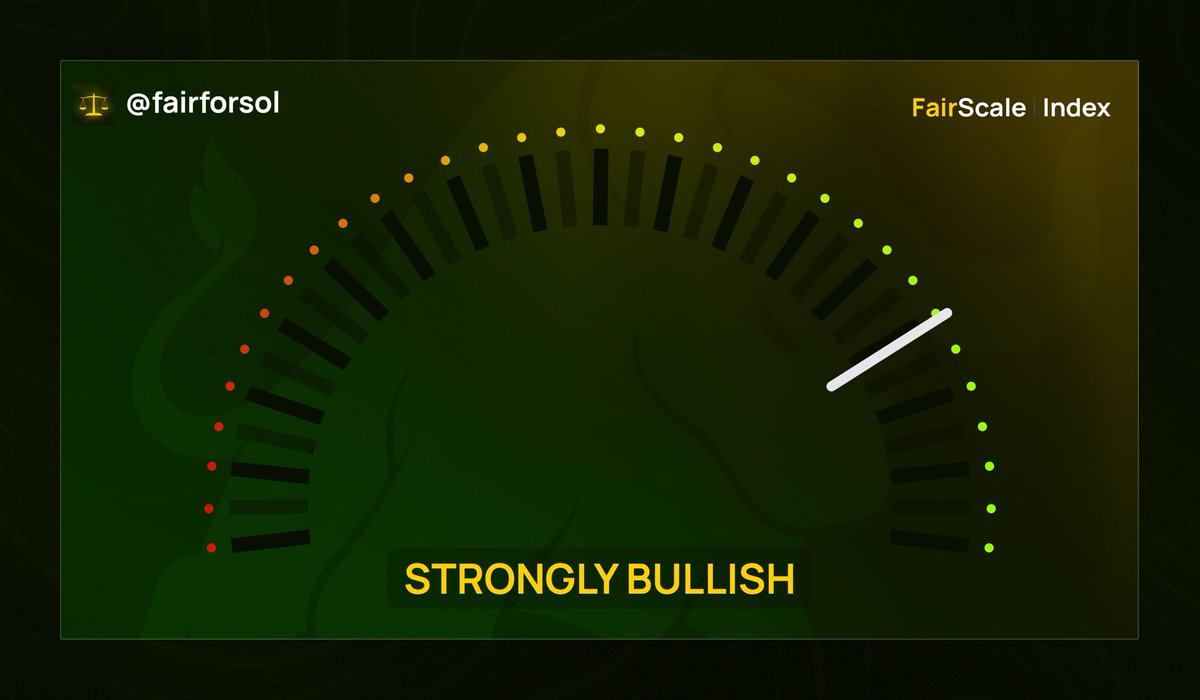
Happy Sunday, what better day to check out your Fair Compass rating.
Still bullish, or feeling bearish? Remember, your RTs also count towards your score.
Try it out here: compass.fairscale.xyz
8
10
22
1,106
Tae2Twins retweeted
21 Aug 2025
Markets differ in regulation, culture, and adoption speed. Most stablecoin launches are forced to rebuild their approach chain by chain.
Blockstreet changes that. We offer a single platform for USD1 launches across chains, with the flexibility to tailor messaging, incentives, and integrations for each network while keeping compliance and attribution centralized.
One platform. Infinite market potential.
15
41
169
10,534
Tae2Twins retweeted

20 Aug 2025
Matthew Morgan:
- Co-Founder of @BlockStreetXYZ
- Advisor to @worldlibertyfi
- CIO of @ALT5_Sigma
- previous spaces said “catalysts for $BLOCK haven’t even begun”
Put the pieces together.
This is the most obvious play in crypto right now
$BLOCK will go to BILLIONS
4
6
22
2,835
Idk much

44
Tae2Twins retweeted
15 Aug 2025
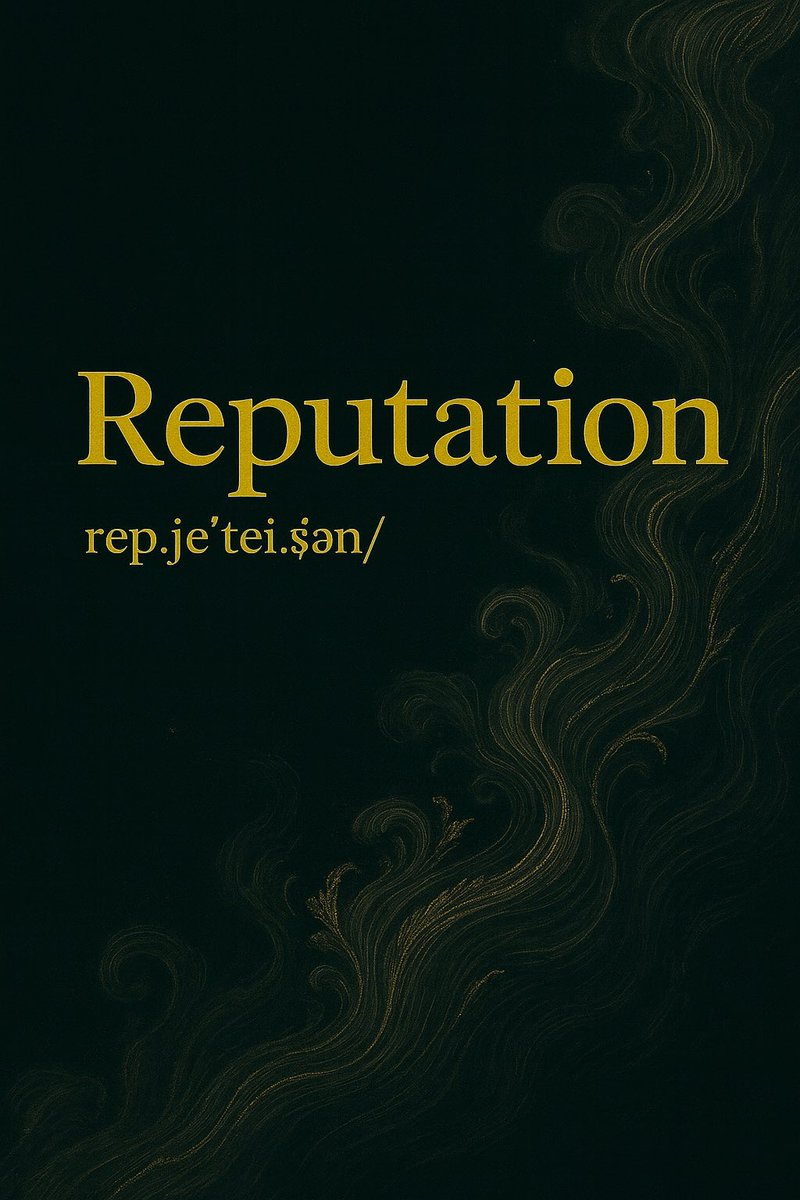
Introducing FairCards. You asked, we shipped a card generator for you all to get mock versions before FairScale launch.
Excited to see everyone’s mock (we can’t stress that enough) cards.
Reputation becomes currency, so feel free to represent!
Details below:
14
13
39
5,220
Tae2Twins retweeted
13 Aug 2025
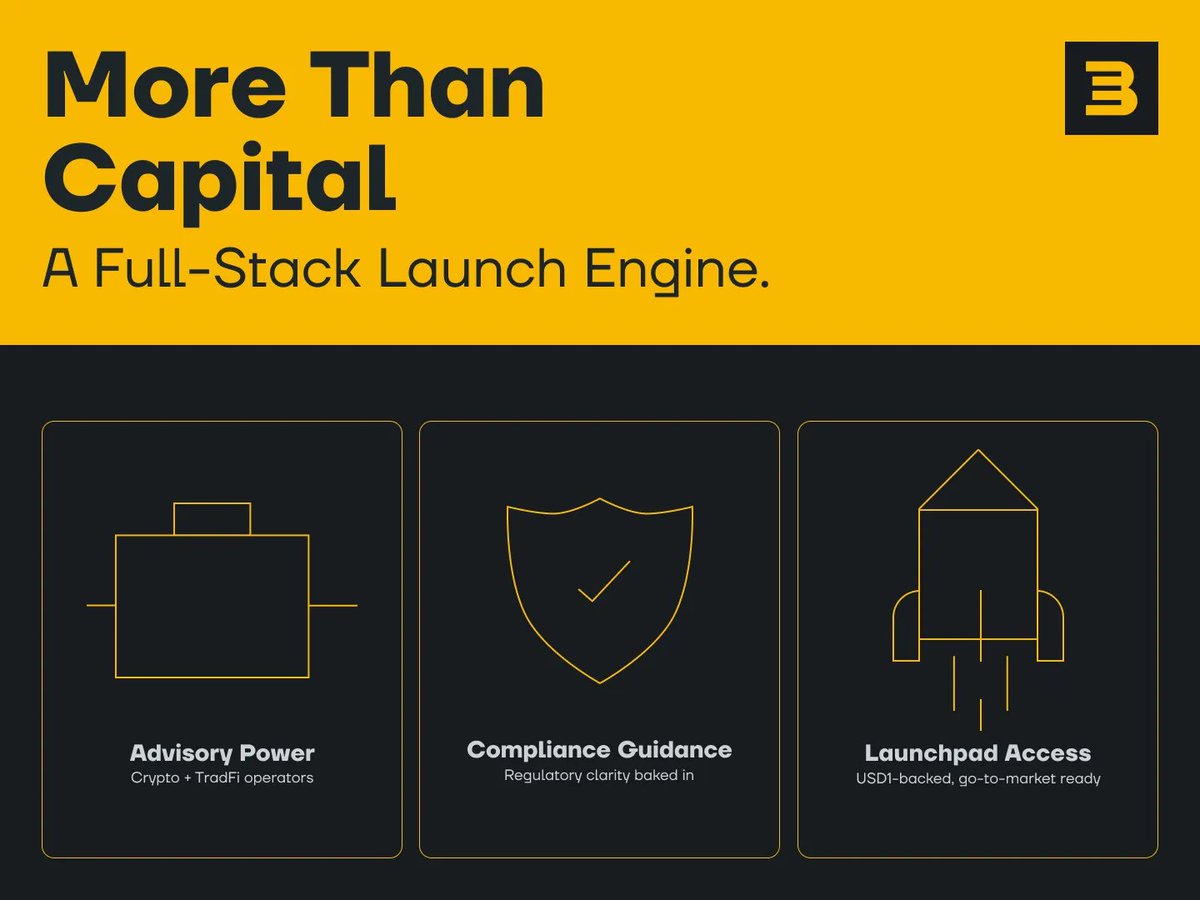
We’re more than just fundraising.
BlockStreet brings together top-tier advisors from both crypto and TradFi, the kind of experience that shapes markets.
We back USD1 projects with hands-on incubation, from refining compliance frameworks to mapping market entry.
We align the capital stack so momentum isn’t lost in the details.
With BlockStreet, builders gain more than funding. They gain:
-A full-scale launchpad
-A network of industry-leading advisors and partner
22
58
190
11,833
Tae2Twins retweeted
11 Aug 2025
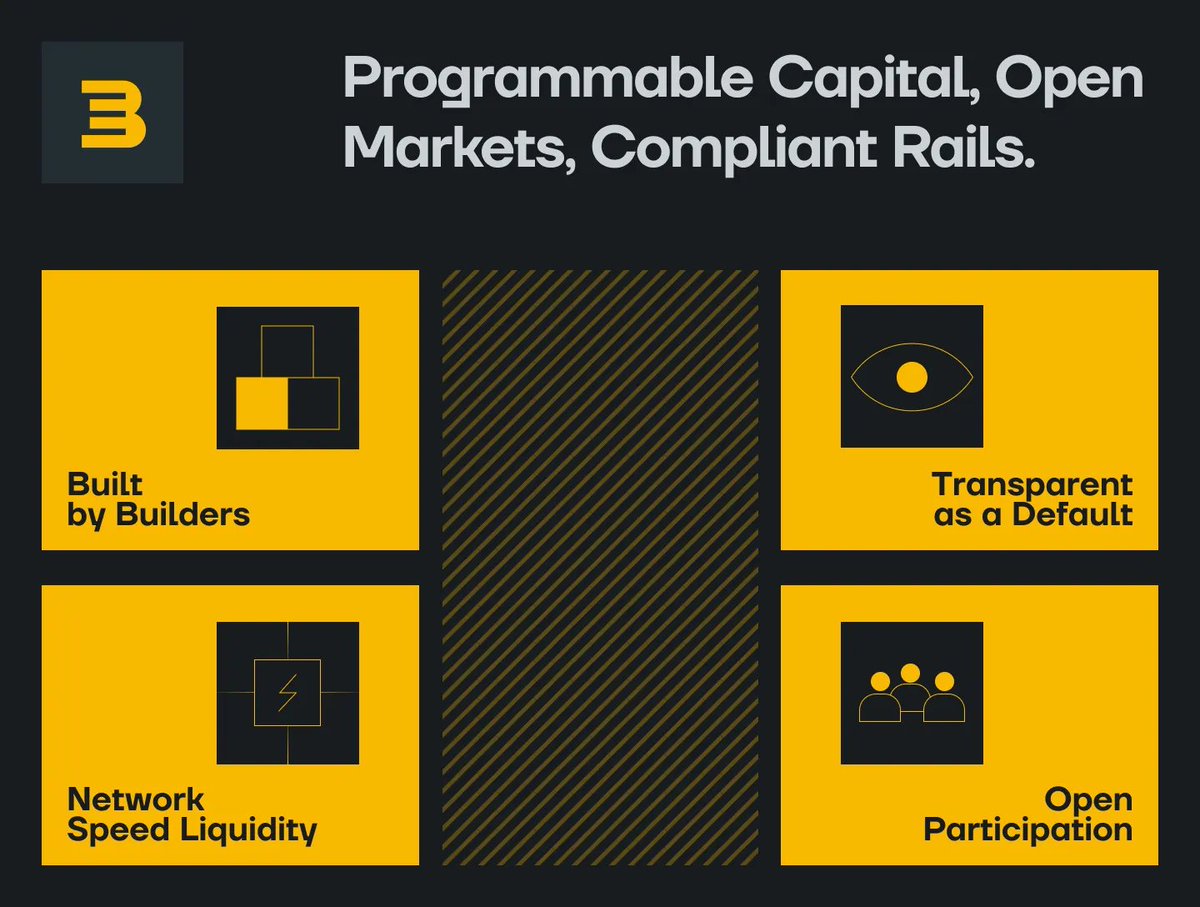
How BlockStreet Brings Wall Street to Web3 🟧
For decades, traditional finance has been built on systems that favor a select few.
We’re fixing the core problems that hold back main street finance with compliant, programmable capital at scale.
125
51
178
15,548

Big news here. @MatthewMorgan23, CEO of Blockstreet, is now officially Chief Investment Officer of WLFI, a publicly traded company. He’ll be managing investments and treasury strategy alongside some serious names:
• Eric Trump – Director
• Zach Witkoff – Chairman
• Zak Folkman – Board Observer
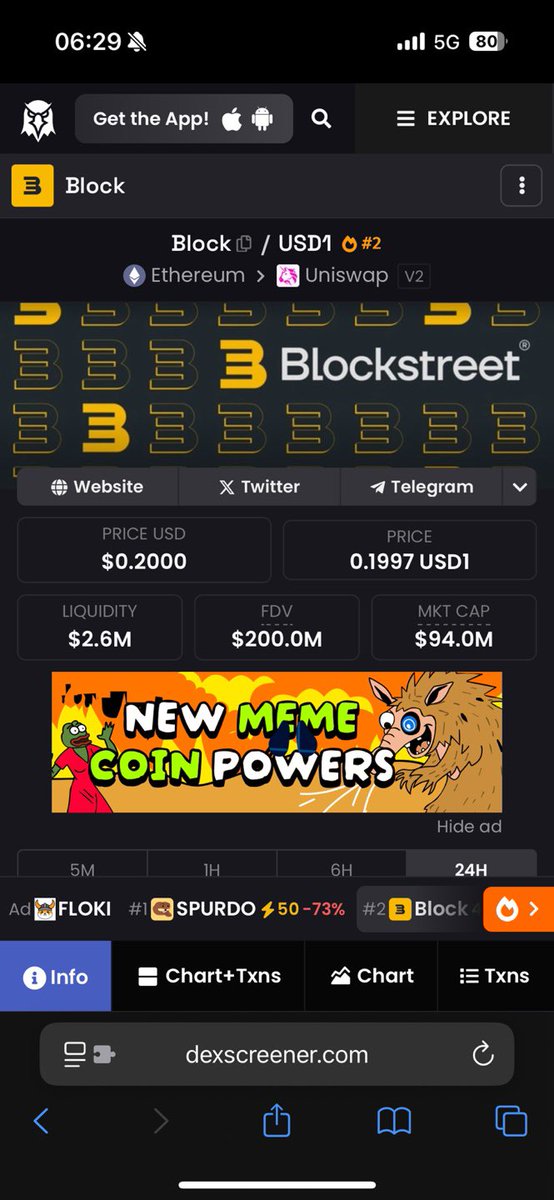
@BlockStreetXYZ is building the institutional infrastructure layer for USD1 liquidity inflows. We’re talking trillions in potential volume, yet right now $BLOCK is still only at a $106M circulating market cap.
This latest move is a major catalyst. A $4B market cap should be the baseline target from here.
CA: 0xcab84bc21f9092167fcfe0ea60f5ce053ab39a1e
4
8
36
1,227
Tae2Twins retweeted

9 Aug 2025
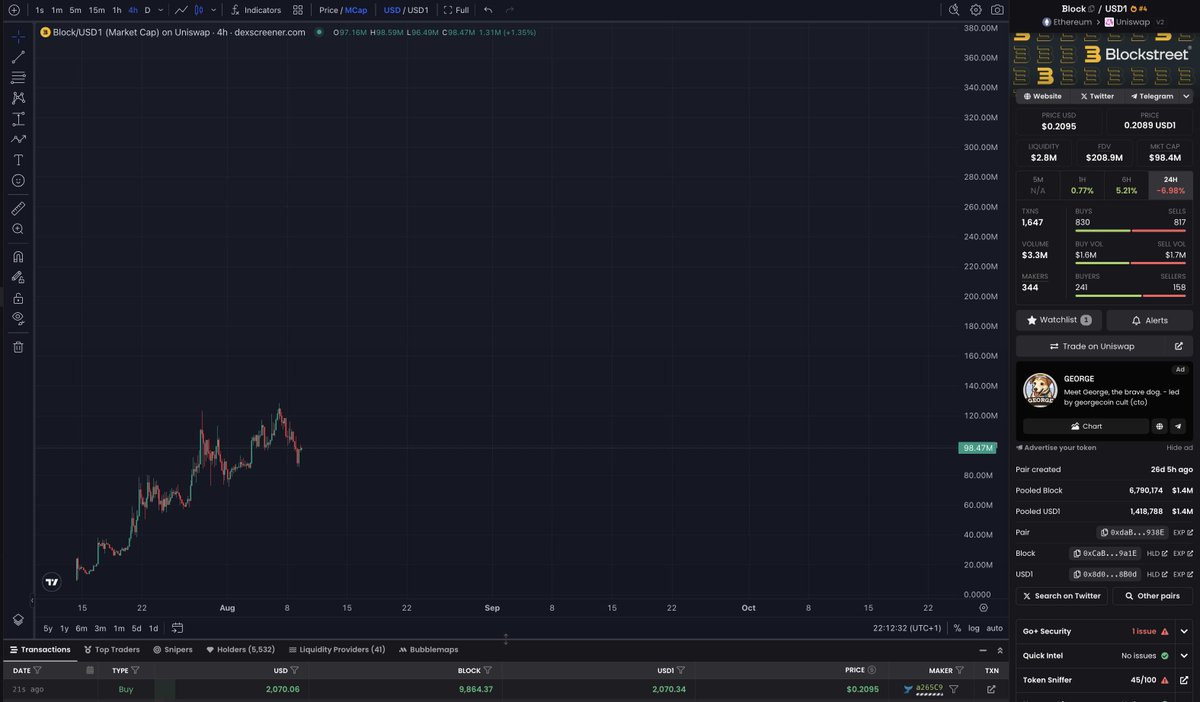
Might be your last week to accumulate at these prices ranges on $BLOCK
The main project responsible for USD1 adoption, fully compliant with regulation, and led by a WLFI advisor @MatthewMorgan23
Has been up only since launch, every -20% dip bidded and resulted in new ATH's
The run to 1bn mcap wont be any different, we are still:
- 5 weeks out from WLFI tge
- Pre any t1 exchanges
- Pre WLFI incentive announcements
- Pre utility sneak peaks
Alt season is just starting, usd1 is the backbone of the U.S. financial system, most dont see it now but they will
23
13
61
18,805
Tae2Twins retweeted
9 Aug 2025
Picture this: every household in America, from 401(k) savers to small business owners, with a single access point to instantly move their capital on‑chain into USD1.
Faster settlement. Higher yield. Compliant by design.
This isn’t just the retail on‑ramp, it’s the floodgate.
Blockstreet is the station where this flow hits the market.
And when it does, everything moves.
17
35
154
9,571
Tae2Twins retweeted
9 Aug 2025
The rails are being built
Slowly then all at once

Big investors are being sounded out on a plan for World Liberty Financial, the Trump family-backed venture, to set up a public company that would hold its WLFI tokens, joining the boom in digital-asset treasury firms bloomberg.com/news/articles/…
22
36
160
32,475