The ReFi Switzerland and Geneva Distributed Cooperative | Your @ReFiDAOist local node
Joined April 2023
- Tweets 77
- Following 83
- Followers 114
- Likes 147
7 Photos and videos



Jun 4
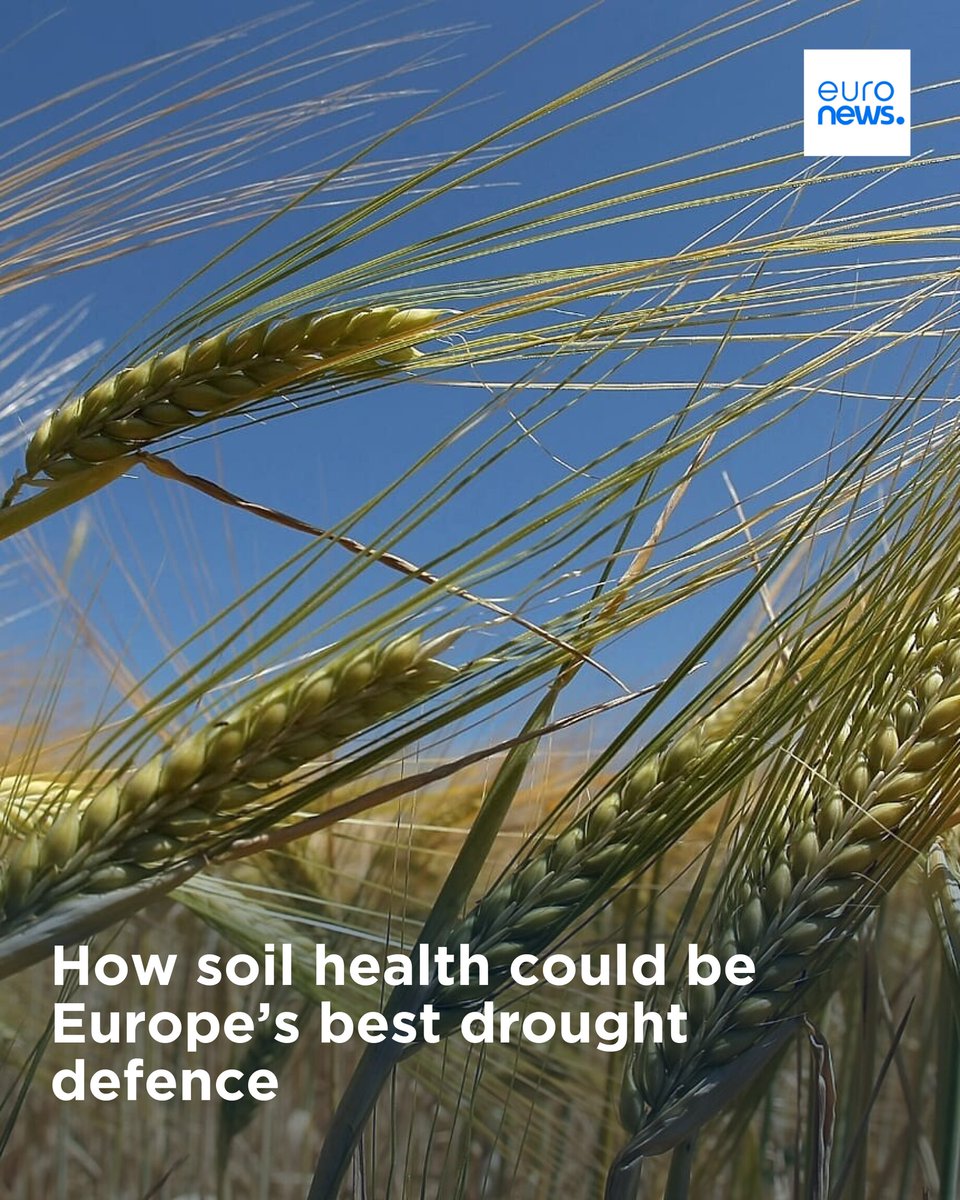
We didn't expect to have the measurement unit being baguettes, but at least regenerative farming gets recognition

Regenerative farming could save enough wheat during drought to produce 130 million baguettes, according to a new French study.
➡️ l.euronews.com/xOx5
1
4
20 Nov 2025
Jose offering a regenerative legacy: taking discarded apple/pear juice pulp and turning it into dense heating bricks
An interesting alternative to firewood adoptable by @agroforestDAO?
Perfect timing for the regens gathering in BA, Argentina to debate on
youtube.com/watch?v=s15_SBuM…
1
220
ReFi Geneva retweeted

27 Oct 2025
🌿 A Call to Commoning
If you are going to Devconnect, and want to experience it in Community, join us at the Regen Village
All you need to do is to bring some meaningful item to be traded for the token $VILLA, available in our Commitment Pool:
sarafu.network/pools/0xf2Bb7…

2
8
20
1,056
ReFi Geneva retweeted

8 Oct 2025
Expanding Our Public Goods for Changemakers
Since inception we’ve built a network where thousands of Changemakers have found what they needed, from talent, funding, incubation, and a support system.
Along the way, we created tools like Impact Miner, Foundry, and Landscape , all offered free to Changemakers who are leading real on-ground efforts across environmental and social projects around the world.
Now we’re adding another layer to this shared infrastructure: an open source code for mission-aligned developers who want to build impact apps that serve people and the planet.
Introducing the Impact Certificate Minter (ICM)
An on-chain protocol that lets any project mint verifiable proof-of-impact certificates after completing measurable sustainability or social actions. It’s live across @Celo, @arbitrum, @base , @Optimism and each certificate is minted as an NFT mapped to UN SDGs and Atlantis Impact Cores (Water, Energy, Social, Earth).
Any impact dApp working with UN's SDGs (Sustainable Development Goals) can now use ICM to mint multi-chain impact certificates. It is transparent, interoperable, and verifiable on-chain.
This milestone wouldn’t have been possible without the continued support of the @ethereum, @gitcoin , @OctantApp , and @Giveth communities. You’ve helped us build in the open, fund changemakers, and move closer to a world where real-world impact is valued and verified on-chain.
Explore the docs: icm-docs.atlantisp2p.com/
GitHub: github.com/AtlantisDAO1/proj…
Drop us a comment or DM if you wish to build with ICM, we are happy to get you started.
13
13
49
6,975

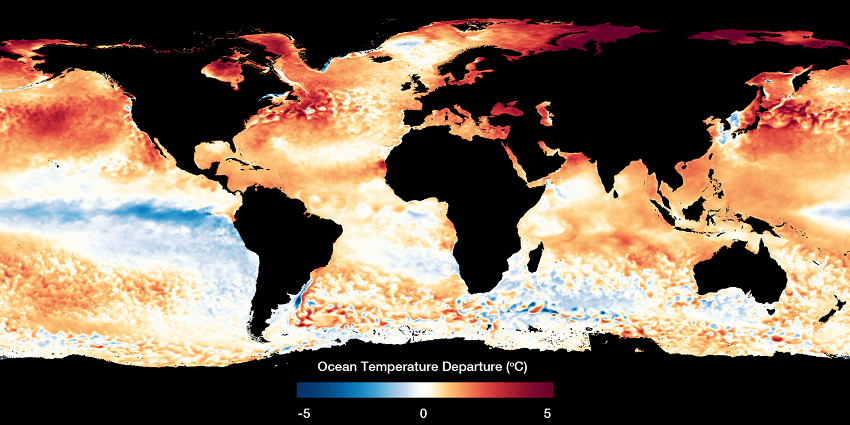
Due to increased greenhouse gas emissions, extended periods of extreme warming in seas and oceans have increased in frequency by 50% in the past 10 years and are becoming more severe.
These Marine Heat Waves (MHWs) threaten marine #biodiversity and ecosystems, make extreme weather more likely, and negatively impact the fisheries, aquaculture and tourism industries.
By investing in Nature-based Solutions and ambitiously reducing #FossilFuel-based emissions, we can limit the impacts of the #ClimateCrisis.
3
65
89
3,811

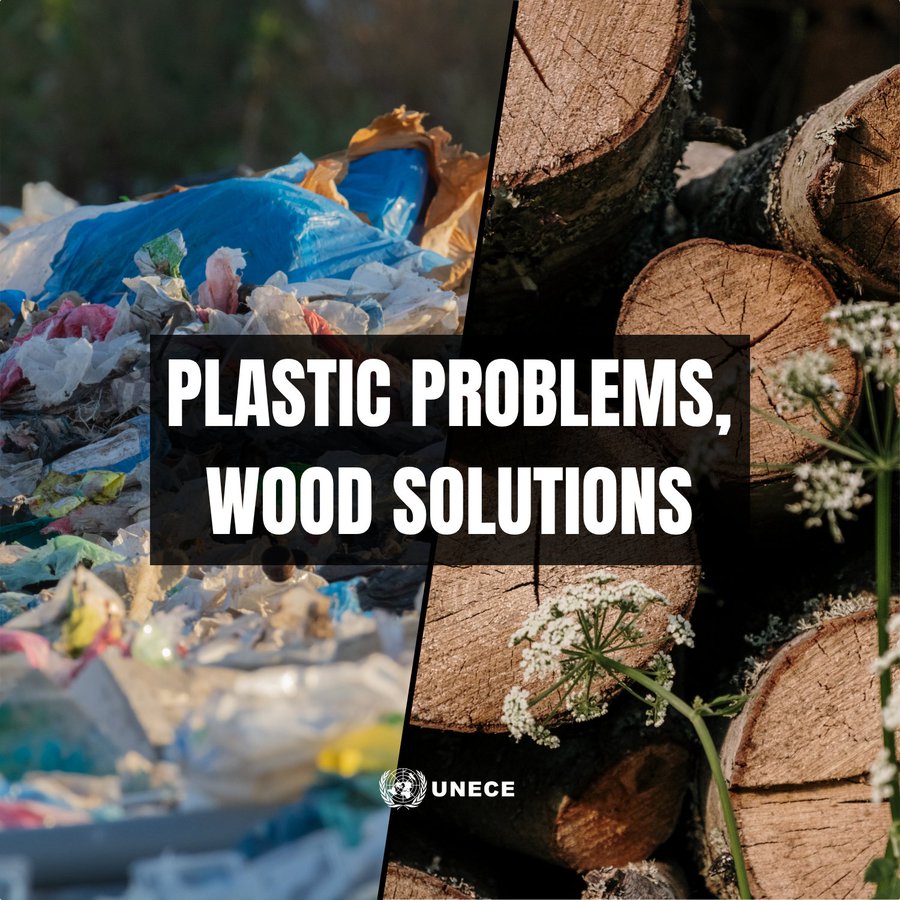
Sustainable #forest management is one of @UNECE tools to help countries #BeatPlasticPollution. From construction materials to fabrics, #wood-based materials offer renewable, biodegradable & recyclable alternatives to plastics
📽️bit.ly/45oRBgg
#INC5 @UNEP @UNECEForests
5
18
29
2,258
ReFi Geneva retweeted
8 Aug 2025
🌴 Reviving community agriculture in the 21st century.
🍌 We are educating and coordinating for natural generational wealth!
👉 artizen.fund/index/p/agrofor…
4
8
308
ReFi Geneva retweeted

8 Aug 2025
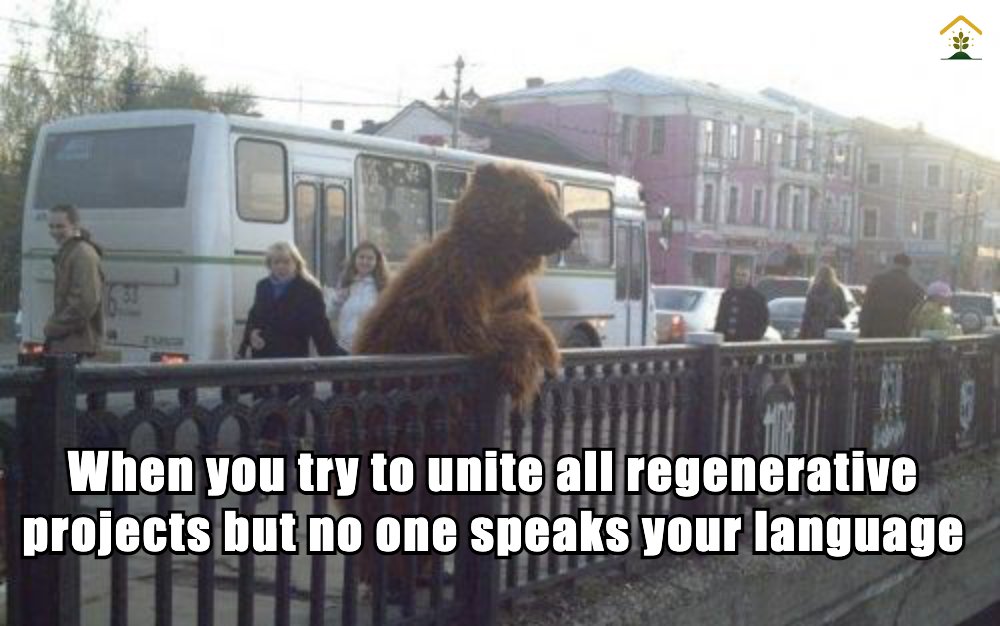
The biggest barrier to regeneration isn’t innovation- it’s fragmentation. 🧩
Projects are blooming everywhere 🌱
But each speaks a different language.
Different terms. Different metrics. Different meanings of “regeneration.”
This confusion creates friction, slowing trust, funding, and scale.
We don’t just need new tech.
We need shared understanding. 🧠
A common foundation that enables:
✅ Aligned collaboration
✅ Transparent investment
✅ Measurable, long-term impact
Regeneration isn’t a vibe. It’s a practice. 📐📊
And every practice needs structure.💚
1
11
75
ReFi Geneva retweeted

18 Jun 2025
We're deploying AI, gene editing, and synthetic biology to fix agriculture while ignoring a fundamental problem: we barely understand the soil beneath our feet.
A single gram of soil contains 10 billion microorganisms—yet we've characterized less than 1% of them. These invisible networks cycle nutrients, suppress diseases, and build soil structure. They're literally the foundation of every meal, but agricultural research allocates just 15% of funding to soil biology while 65% goes to technological solutions.
Meanwhile, crop mineral content has declined 20-80% over 50 years as we've optimized for yield over biological function. Our high-tech farming systems are like skyscrapers built on quicksand—impressive from above, unstable below.
Technology could be transformative if we used it to amplify biology rather than bypass it. Precision sensors could give us realtime soil and plant analysis. Genetic tools could breed plants that partner better with soil microbes to maximize nutritional quality. AI could model the complex dance between roots and fungi.
True agricultural sophistication isn't technological complexity—it's ecological functionality. The most advanced farming systems will be those that work with biological networks, not around them.
12
87
334
14,823

1
1
12
313
ReFi Geneva retweeted

16 Mar 2025
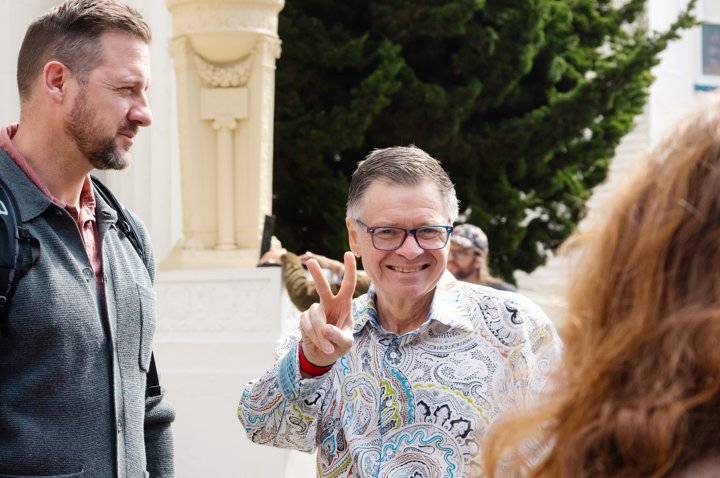
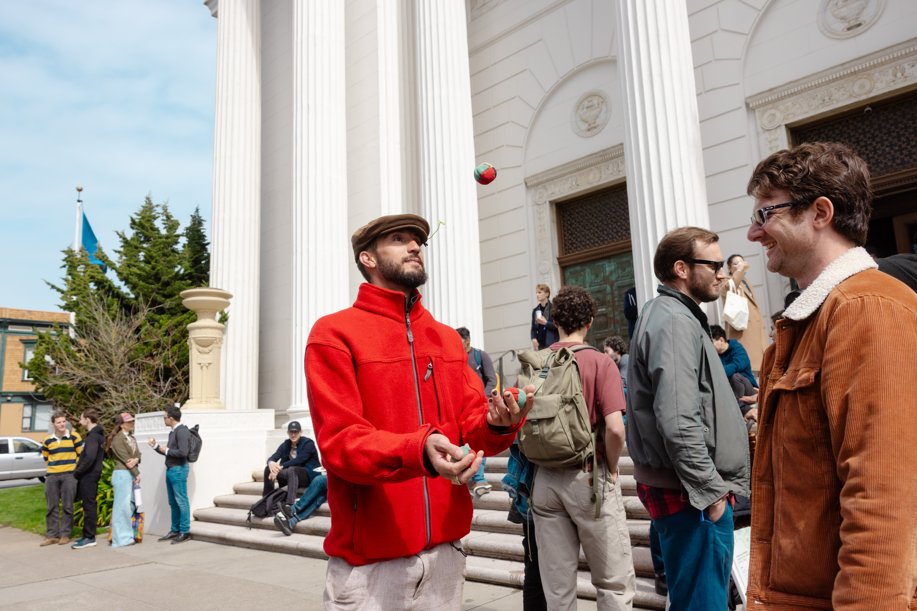
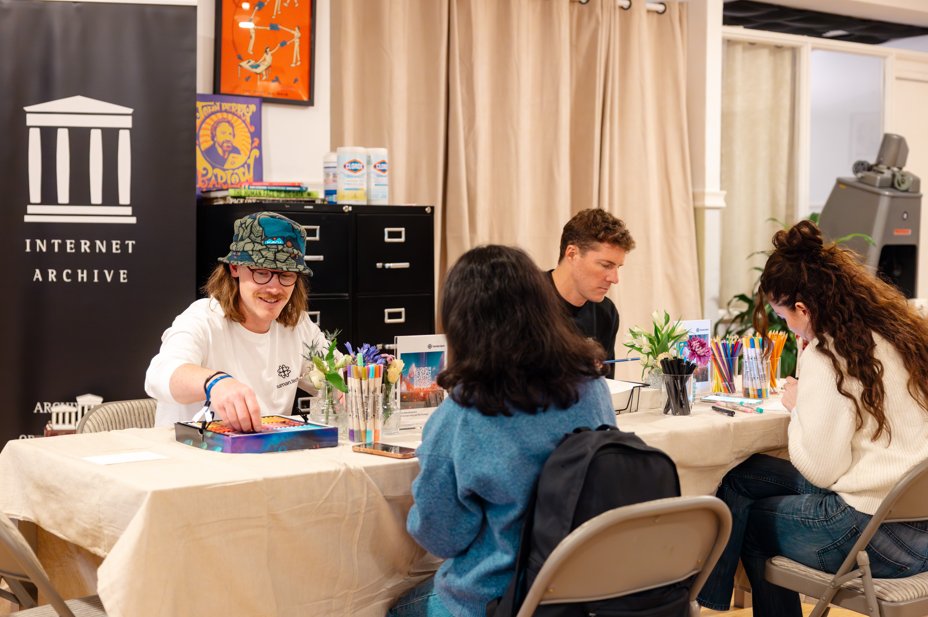
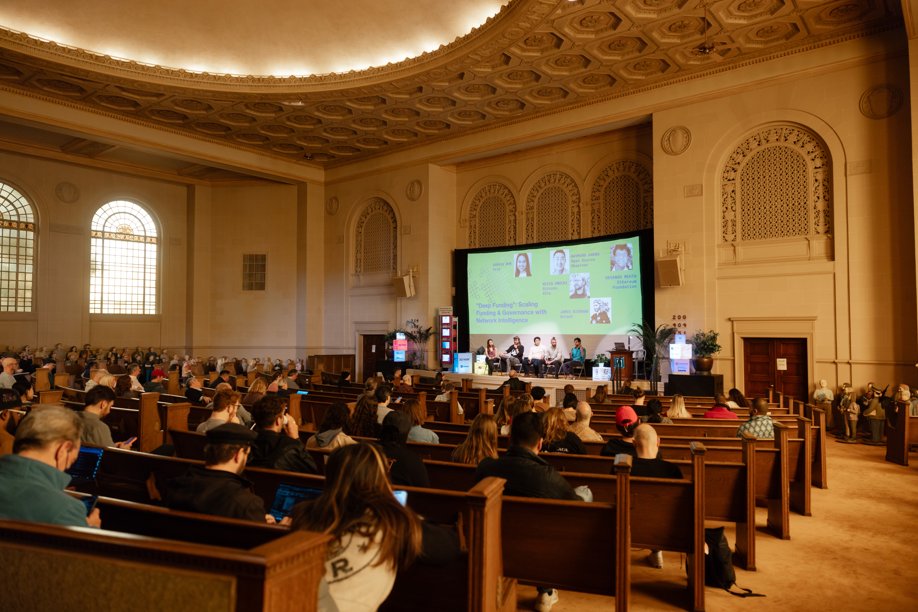
Good morning! Ready for Day 2 of #FtCSF? 🏛️☀️
First talks kick off at 9:50 AM PT.
📅 Agenda: fundingthecommons.io/sf-2025
🎥 Livestream: streameth.org/65a90bf67932eb…
4
7
29
2,765
2 Jan 2025
May we also use the proven effective pathways to their full extent
2 Jan 2025

May 2025 be the year we unlock new pathways to fund & protect the natural ecosystems that sustain us all. 🌍
1
64
ReFi Geneva retweeted
25 Oct 2024
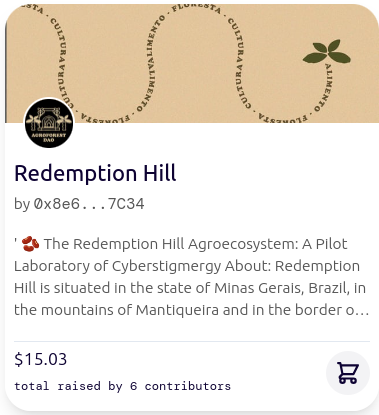
🌱We are fundraising in the @gitcoin round for Land Regenerators from @maearthmedia
🐒We've been using @hypercerts for collaborations within our global tribe, issuing NFTs for monetization and incentivizing IRL rooting events
Please support us at:
explorer.gitcoin.co/#/round/…
1
4
20
613
ReFi Geneva retweeted

8 Oct 2024
We can't wait for the Earth Commons track at #FtCBangkok! 🌐🌱
Join us on Nov 8-9 to discuss regenerative agriculture, DeSci solutions for the climate, biodiversity preservation, and more. 👏
lu.ma/ftc-bangkok-2024
8 Oct 2024

Just ONE MONTH until #FtCBangkok! 🇹🇭✨
Join a powerful gathering of builders, innovators, and changemakers shaping the future of public goods, funding, digital innovation, DeSci, and climate action.
Register now. 👇
lu.ma/ftc-bangkok-2024

3
11
736
ReFi Geneva retweeted

19 Sep 2024
🌍 Have you listened to the @ReFiPodcast episode with @TerezaBizkova and @0xj4an, the founders of @ReFiMedellin? 🎙️
In this episode, they share how we’ve been driving the Web3 movement in Medellín through community events and sustainable practices. 🌱✨
🎵 Tune in on Spotify: podcasters.spotify.com/pod/s…
🎥 Watch on YouTube: youtube.com/watch?v=lkYSvAwm…
🎧 Check it out on Apple: tinyurl.com/ReFiPodcastApple
Don't miss this insightful conversation! 💚
3
14
660
ReFi Geneva retweeted
16 Sep 2024
Hello X Community!
🥑🫘We are fundraising in the @Giveth QF Round, please visit our page and donate any ammount to help us build community with brazilian food forest stewards
🍌🌽giveth.io/project/agroforest…
3
14
346
ReFi Geneva retweeted

15 Sep 2024
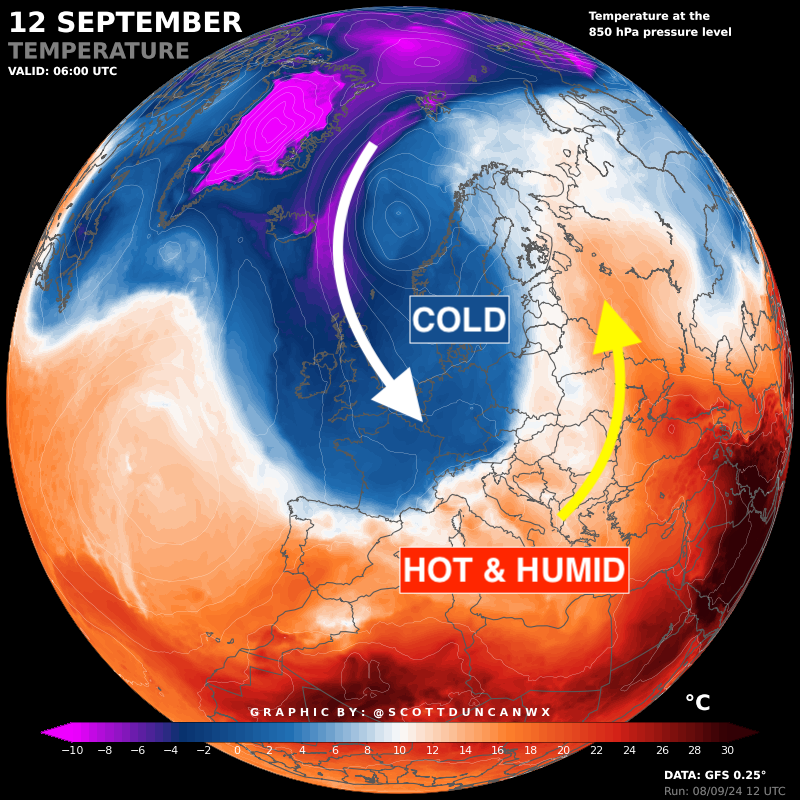
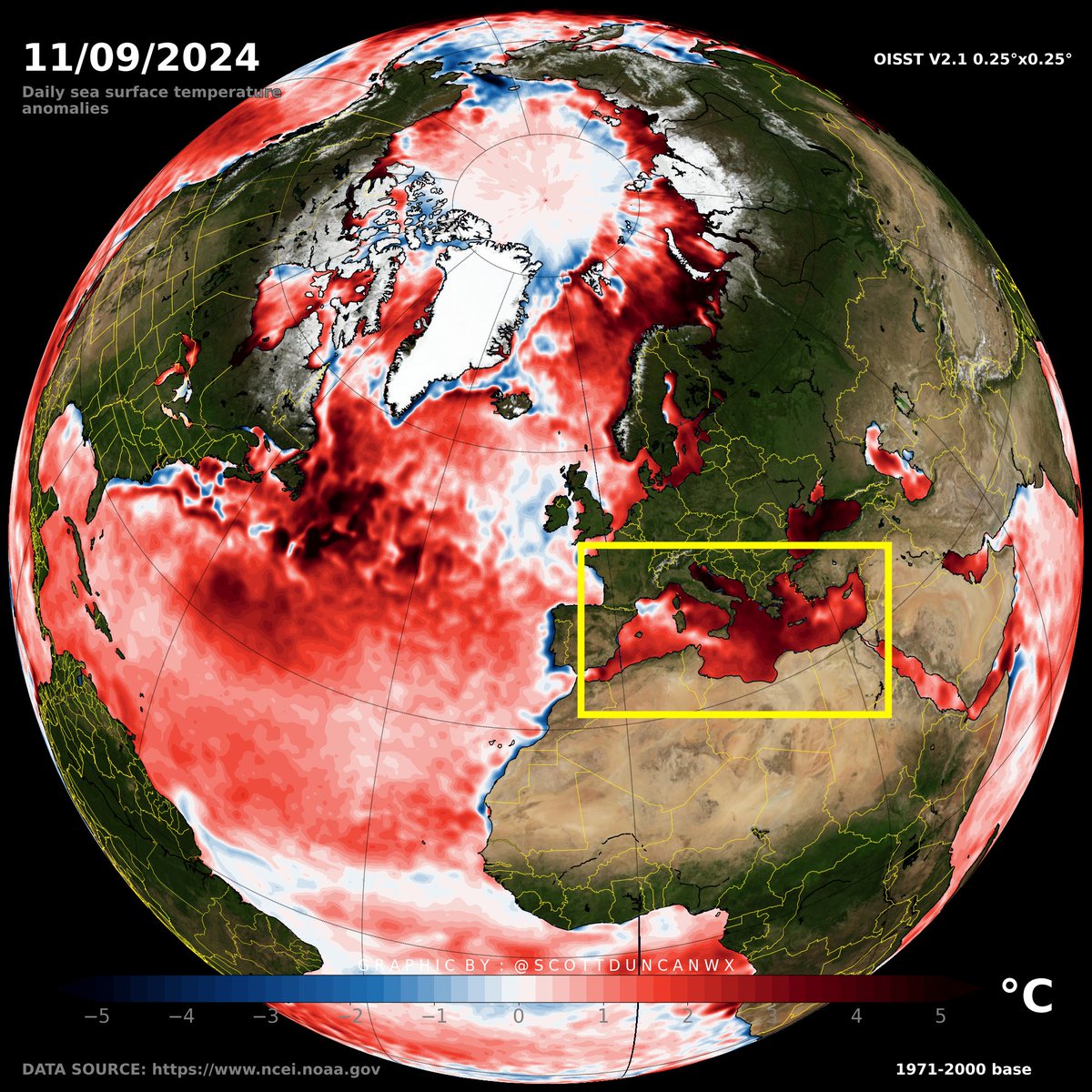
Flooding disaster unfolding right now in Central Europe.
Why is it so bad?
This thread takes a quick look at some of the key ingredients of this record-breaking storm.
301
5,829
20,790
3,187,470
15 Aug 2024
Wait, Geoff Lawton just dropped the best introductory video to a very important ally for sloped plots, swales!
We've been learning from Geoff for 7 years thanks to YT University, starting with his Pattern Understanding video.
He's one of our favourite teacher!
Who's yours?
1
2
23

4 Aug 2024
A thought we very much share with @VitalikButerin especially on issues like climate change and food security.
1
2
6
153