We provide custom software development and specialized consulting to transform and improve your business.
Joined December 2019
- Tweets 55
- Following 52
- Followers 76
- Likes 65
8 Photos and videos






19 May 2025
Embarking on a software project can be exciting, but common misconceptions can often derail even the best intentions before a single line of code is written! Let's bust a few myths we frequently encounter:
Myth #1: "More Features = More Value."
Reality: Overloading your initial release often leads to user confusion, budget bloat, and delayed launches. True value comes from solving a core problem exceptionally well. Focus on a strong Minimum Viable Product (MVP) that delivers targeted impact, then iterate based on real user feedback. Less can be much, much more initially!
Myth #2: "We'll figure out user experience (UX) later."
Reality: Thinking UX is just about making things "look pretty" at the end is a recipe for low adoption. Intuitive design, efficient workflows, and understanding user needs from DAY ONE are critical. If users can't easily use it, the most powerful backend is useless. Good UX is foundational, not decorative.
Myth #3: "Once it's launched, the hard part is over."
Reality: Launch is a milestone, not the finish line! Software, like any valuable asset, requires ongoing maintenance, security updates, performance monitoring, and adaptation to evolving business needs or user expectations. Neglecting this leads to "technical debt" that can cripple your investment over time. Plan for the long haul.
Getting these fundamentals right can be the difference between software that empowers your business and software that becomes a burden.
#SoftwareDevelopment #TechMyths #ProjectManagement #DigitalTransformation #UXDesign #MVP #TechConsulting #BusinessStrategy #SoftwareStrategy #CodeWithReplient #Innovation
2
9
5,035
12 May 2025
Modern businesses rely on a suite of tools – CRM, ERP, marketing automation, finance software, custom applications, etc. The real power often lies not just in what each tool does, but how effectively they work together.
Disconnected systems lead to:
- Manual data entry (errors, wasted time)
- Information silos (incomplete picture of the business)
- Inefficient workflows (friction between departments)
- Poor customer experience (inconsistent data)
A smart Software Integration Strategy is key. It's about making your different systems communicate seamlessly, share data accurately, and automate processes across platforms.
Identify Key Workflows: Where does data need to flow between systems to improve efficiency or insight?
Choose the Right Method: APIs (Application Programming Interfaces) are common, but other methods like middleware or direct connections might be appropriate.
Data Consistency: How will you ensure data formats and definitions are consistent across systems?
Scalability & Maintenance: Design integrations that can handle future growth and are easy to monitor and update.
Security: Ensure data is protected during transit and at rest between systems.
Well-integrated software unlocks greater efficiency, provides better business intelligence, and creates smoother experiences for both employees and customers. Don't let disconnected tools hold your business back!
#SoftwareIntegration #API #SystemIntegration #BusinessProcessAutomation #DigitalTransformation #EnterpriseSoftware #TechConsulting #Efficiency #CodeWithReplient
4
12,020
5 May 2025
When planning a software project, it's easy to get caught up in the hype around the latest technologies. But choosing tech based on trends rather than requirements can lead to problems down the road – think difficult maintenance, scalability issues, or a shortage of developer talent.
Instead of chasing the "newest," focus on the "right fit." Ask these questions:
1. Problem First
What business problem does this software solve? The technology should serve the solution, not the other way around.
2. Scalability Needs
How much growth do you anticipate in users, data, and feature complexity? Choose tech that can handle your future needs, not just today's.
3. Team Expertise
Do you have (or can you realistically hire) developers skilled in the chosen technology? Consider the learning curve and long-term maintainability.
4. Ecosystem & Integration
How well does this technology integrate with your existing systems and required third-party tools?
5. Total Cost of Ownership
Factor in licensing, hosting, maintenance, and developer costs – not just the initial build.
Making a strategic technology choice upfront saves significant time, money, and headaches later. It's about sustainable success, not just short-term flash.
What's your biggest factor when choosing a tech stack? Let us know below!
Navigating the technology landscape can be complex. We help businesses select and implement the right tools to achieve their specific goals. Let's connect!
#TechStack #SoftwareArchitecture #TechnologyStrategy #Scalability #SoftwareDevelopment #DigitalTransformation #TechConsulting #Cloud #CodeWithReplient
1
4
7,727
29 Apr 2025
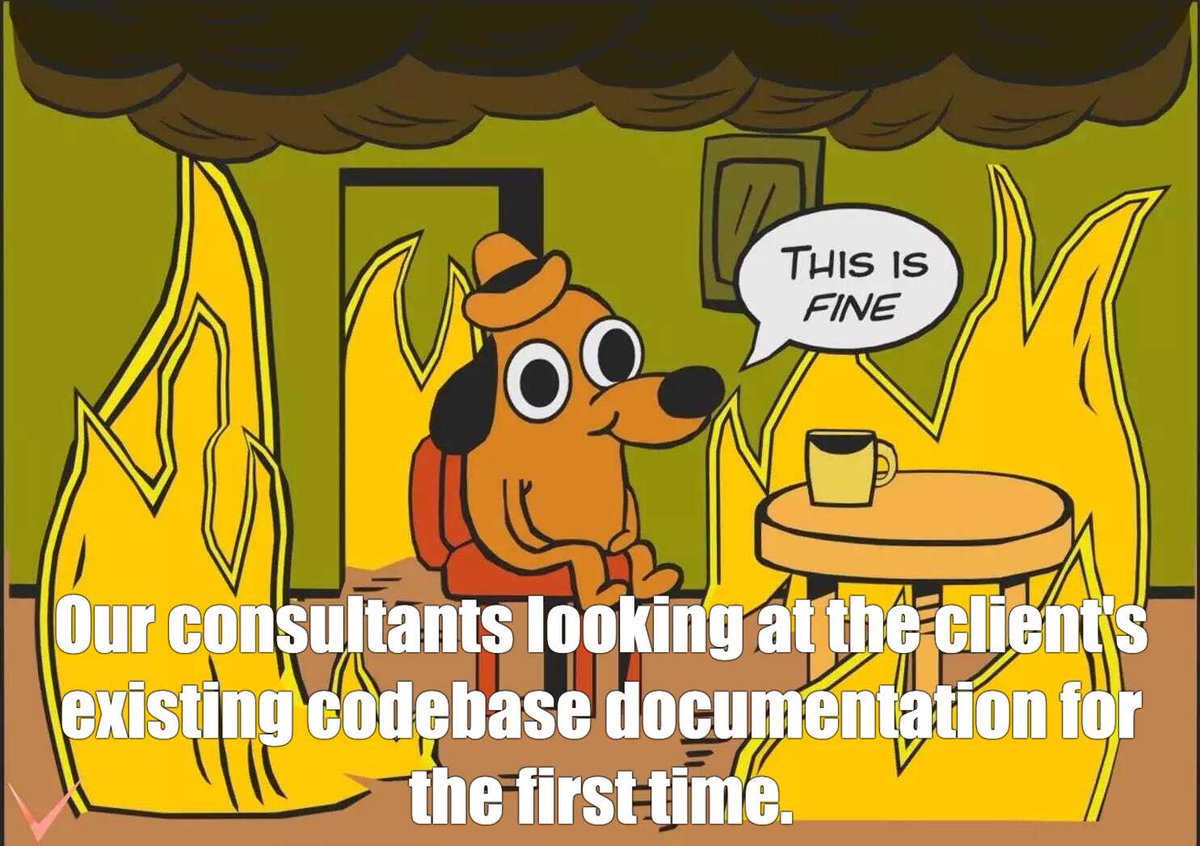
No matter the starting point, we're here to help modernize, stabilize, and build for the future. 🔥➡️
#LegacyCode #SoftwareModernization #DevLife #Consulting #TechMeme #CodeWithReplient
4
6,422
29 Apr 2025
When was the last time you checked your website's speed?
Slow load times can frustrate visitors and hurt your SEO. Regularly checking your site's performance is crucial!
In this quick video, I show you how to use a simple Python script to measure your website speed.
Performance matters for user experience AND conversions! Don't guess – measure.
#WebsiteSpeed #WebPerformance #Python #DevTips #DigitalMarketing #SEO #CodeWithReplient
1
6
3,613
28 Apr 2025
Beyond the Code: Is Your Software Truly Solving Your Business Problem?
Excited about launching a new software project or upgrading an existing one? That's great! But brilliant code alone doesn't guarantee success.
One of the most common (and costly) pitfalls we see is diving into development without crystal-clear alignment between the software's function and the core business objectives it's meant to achieve.
Before writing a single line of code, ask yourselves:
1. What specific business problem are we solving? (Be precise! "Improving efficiency" isn't enough. How and by how much?)
2. How does this software directly support our strategic goals? (e.g., Increase market share, reduce operational costs, improve customer retention?)
3. What does success look like, and how will we measure it? (Define clear KPIs before you start.)
Getting this strategic foundation right first ensures your investment delivers real, measurable value, not just fancy features. It prevents scope creep, aligns stakeholders, and ultimately leads to software that makes a tangible difference.
Need a partner to help bridge the gap between your business strategy and technology execution? Let's talk about building software that truly drives results.
#SoftwareDevelopment #TechConsulting #BusinessStrategy #DigitalTransformation #CustomSoftware #TechLeadership #ProblemSolving #CodeWithReplient
5
299
28 Apr 2025
Beyond the Code: Is Your Software Truly Solving Your Business Problem?
Excited about launching a new software project or upgrading an existing one? That's great! But brilliant code alone doesn't guarantee success.
One of the most common (and costly) pitfalls we see is diving into development without crystal-clear alignment between the software's function and the core business objectives it's meant to achieve.
Before writing a single line of code, ask yourselves:
1. What specific business problem are we solving? (Be precise! "Improving efficiency" isn't enough. How and by how much?)
2. How does this software directly support our strategic goals? (e.g., Increase market share, reduce operational costs, improve customer retention?)
3. What does success look like, and how will we measure it? (Define clear KPIs before you start.)
Getting this strategic foundation right first ensures your investment delivers real, measurable value, not just fancy features. It prevents scope creep, aligns stakeholders, and ultimately leads to software that makes a tangible difference.
Need a partner to help bridge the gap between your business strategy and technology execution? Let's talk about building software that truly drives results.
#SoftwareDevelopment #TechConsulting #BusinessStrategy #DigitalTransformation #CustomSoftware #TechLeadership #ProblemSolving #CodeWithReplient
1
6
4,132
5 Mar 2025
Let’s talk about software development. As a software agency, we’ve seen it all—the good, the bad, and the “why did they even build this?” moments.
Here’s the truth: Great software isn’t just about writing code. It’s about solving real world problems, creating seamless experiences, and delivering value that users can’t live without.
So, here are 3 non-negotiable tips for building software that actually works (and gets people talking):
1. Start with the Problem, Not the Solution
Too many teams jump straight into coding without fully understanding the problem they’re solving. Ask yourself: “What pain point are we addressing? Who are we solving it for?” If you can’t answer these questions, you’re building in the dark.
2. Simplicity is Your Superpower
The best software feels intuitive, not overwhelming. Strip away the clutter and focus on what truly matters. Remember: If you’re explaining how to use your software, you’ve already lost. Keep it simple, stupid! (KISS)
3. Iterate, Iterate, Iterate
Your first version doesn’t have to be perfect—it just has to work. Launch quick, gather feedback constantly, and improve rapidly. The best software is built in cycles, not in a single sprint.
At Replient, we live by these principles. Whether we’re building a sleek SaaS platform or a game-changing mobile app, we focus on impact over complexity and users over ego.
#SoftwareDevelopment #SaaS #Innovation #TechTips #SoftwareConsulting #CodeWithReplient
21
1,442
3 Mar 2025
Struggling to align your software projects with business goals? Here’s a tip from the trenches: start with the why before the how. Too many teams dive into coding without mapping out success metrics—like user adoption rates or ROI—which can lead to costly pivots later.
Try this: run a quick discovery session with stakeholders. Ask: What’s the one problem this solution must solve? Then, prioritize features based on that answer. It’s a simple shift that can save months of rework. Bonus: keep your dev team agile—break scope into 2-week sprints to test assumptions fast.
What’s your go-to strategy for keeping projects on track? Share below—we’d love to hear your insights!
#SoftwareDevelopment #TechTips #SoftwareConsulting #CodeWithReplient
10
981
3 Mar 2025
Monolith vs. Microservices: It’s not a tech flex—it’s a business call. At Replient, we’ve seen monoliths choke agility (hello, 6-month updates) while microservices can spiral into complexity overload. Our take? Stick with a monolith until growth demands scale—then pivot smart. What’s your architecture regret—too big or too scattered?
1
4
320
26 Feb 2025
AI isn’t magic—it’s a tool that flops without focus. We’ve seen companies dump cash into ‘AI everything’ only to get shiny chaos. The trick? Pick one problem it can crush, then scale from there.
#AISolutions #SoftwareSuccess #CodeWithReplient
6
390
25 Feb 2025
Your software should grow with you, not box you in. At Replient, we’ve seen rigid systems choke profits when demand spikes. The play? Demand flexibility—scalable architecture isn’t optional, it’s survival.
We’ve seen it happen too often—businesses scale, demand spikes, and suddenly, their rigid systems become a bottleneck instead of a growth engine. Lost sales, frustrated customers, and expensive workarounds follow.
The solution? Scalability from day one. Invest in flexible, modular architecture that adapts as your business evolves. Whether it’s handling surges in traffic, expanding features, or integrating new tools, your software should accelerate growth, not choke profits.
#ScalableSoftware #BusinessGrowth #SoftwareSuccess #CodeWithReplient
1
10
442
24 Feb 2025
Tech debt isn’t a dirty secret—it’s a choice. At Replient, we’ve seen teams dodge it early, only to pay triple in crashes and rewrites later. Want to win? Budget 15% of every sprint to tame it.
#SoftwareTips #TechDebt #SoftwareConsulting #CodeWithReplient
1
7
491
20 Feb 2025
Overbuilding is the silent killer of software projects. At Replient, we’ve learned the hard way: 80% of features clients think they need never get used. The fix? Ruthless prioritization—build the 20% that delivers 80% of the value first.
11
595
20 Feb 2025
Stop treating software like a one-time purchase—it’s a living investment. At Replient, we’ve seen companies waste millions chasing ‘perfect’ launches instead of iterating fast. Secret? Start small, ship early, and tweak based on real user data.
1
15
575
20 Feb 2025
Thinking About AI for Your Business? Keep These 3 Things in Mind:
Start Small, Scale Smart – AI doesn’t have to be overwhelming. Begin with automating repetitive tasks like customer support, scheduling, or data entry before moving into more advanced solutions.
AI is a Partner, Not a Replacement – The best AI implementations enhance human decision-making, not replace it. Use AI to boost efficiency while keeping the personal touch that sets your business apart.
Data is the Foundation – AI is only as good as the data it learns from. Make sure your data is clean, structured, and secure to get real value from AI-driven insights.
#AIForBusiness #SmallBusinessTech #Automation #CodeWithReplient
2
5
292
17 Feb 2025
Developing Software for Your Small Business? Keep These 3 Things in Mind:
Start with the Problem, Not the Solution – Don’t invest in tech just because it’s trendy. Focus on the pain points in your business and build solutions that truly add value.
Scalability Matters – Even if you're a small business today, your software should be able to grow with you. Choose flexible, modular solutions that won’t need a full rebuild in a year.
User Experience is Everything – If your employees or customers struggle to use your system, it’s already failing. Keep it intuitive, efficient, and mobile-friendly from day one.
At Replient, we help small businesses build smart, scalable, and user-friendly software that drives real growth. Let’s build something that works for you!
#SmallBusinessTech #SoftwareDevelopment #BusinessGrowth #CodeWithReplient
6
578
11 Feb 2025
Small Business Insight: You don’t need to work harder—you need to work smarter. The right systems can turn hours into minutes.
Automation, efficient workflows, and smart tech aren’t just for big companies—they’re your secret weapon for growth.
#SmallBusinessGrowth #WorkSmarter #BusinessConsulting #CodeWithReplient
5
586
11 Feb 2025
Small Business Insight: You don’t need to work harder—you need to work smarter. The right systems can turn hours into minutes.
Automation, efficient workflows, and smart tech aren’t just for big companies—they’re your secret weapon for growth.
At Replient, we help small businesses scale without the burnout. Focus on what you do best, and let technology handle the rest.
#SmallBusinessGrowth #WorkSmarter #BusinessConsulting #CodeWithReplient
1
8
568