
UEFI/Rust Hypervisor Firmware/VMM/Container Runtime/aarch64/RISC-V/未踏2017/スパクリ
Joined November 2008
- Tweets 7,957
- Following 434
- Followers 993
- Likes 4,623
233 Photos and videos


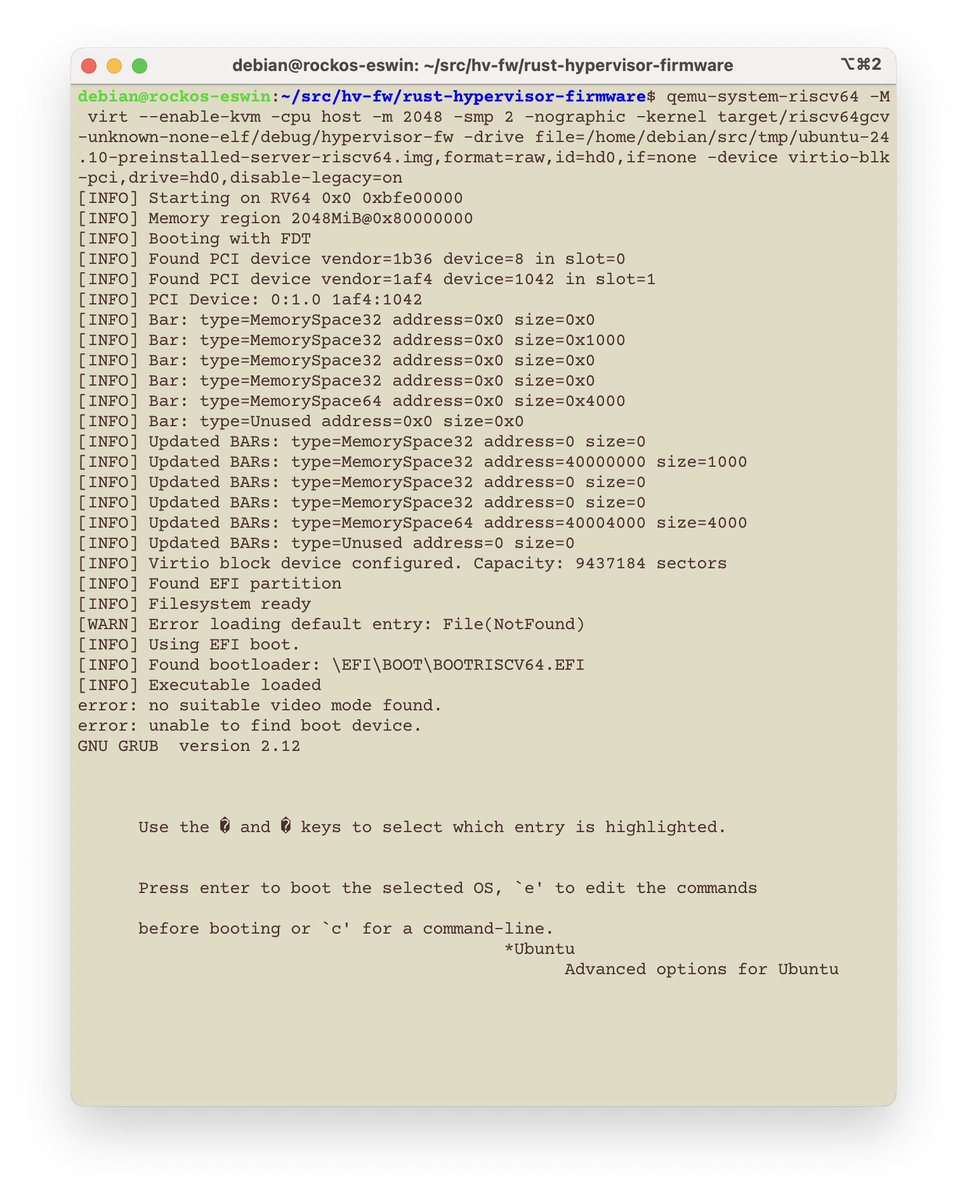

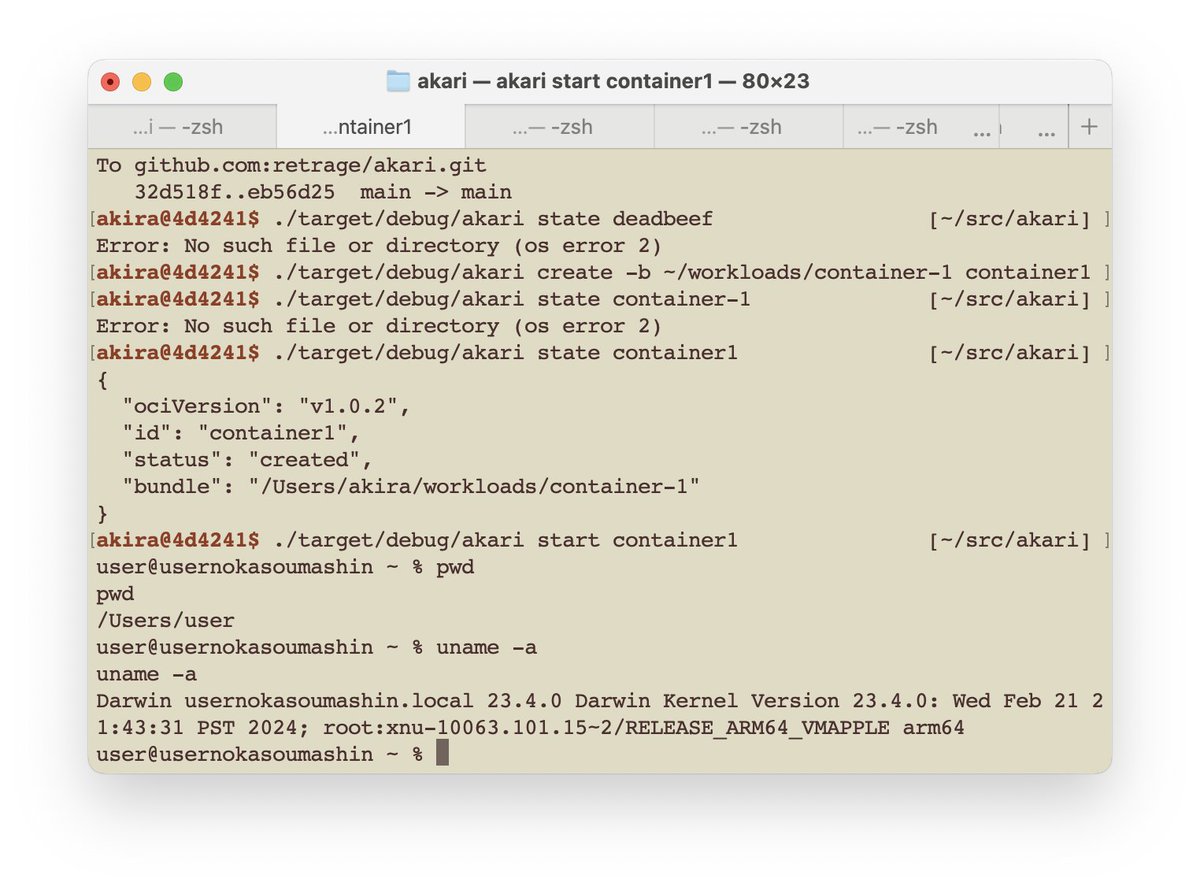


Our paper "svc-hook: hooking system calls on ARM64 by binary rewriting" has been accepted at ACM/IFIP International Middleware Conference. middleware-conf.github.io/20…
1
7
16
6,075

retrage retweeted

Apr 28
Lenovo acquires Phoenix Technologies’ BIOS business
videocardz.com/newz/lenovo-a…
5
164
246
44,080

retrage retweeted

Mar 31
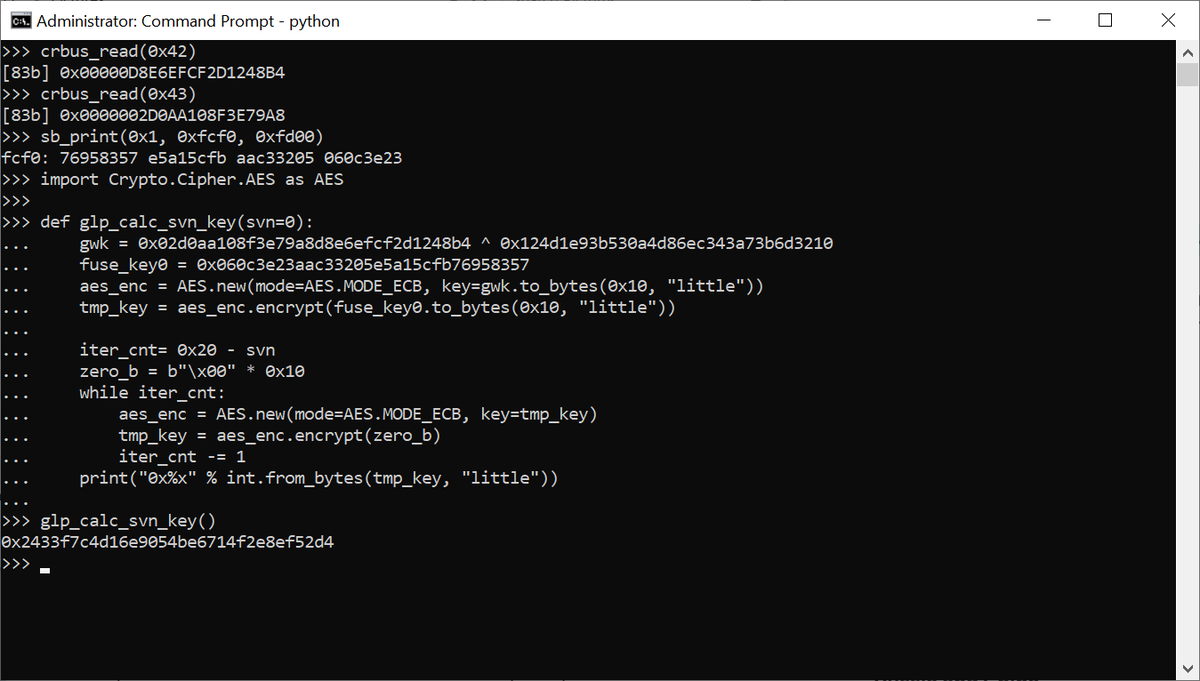
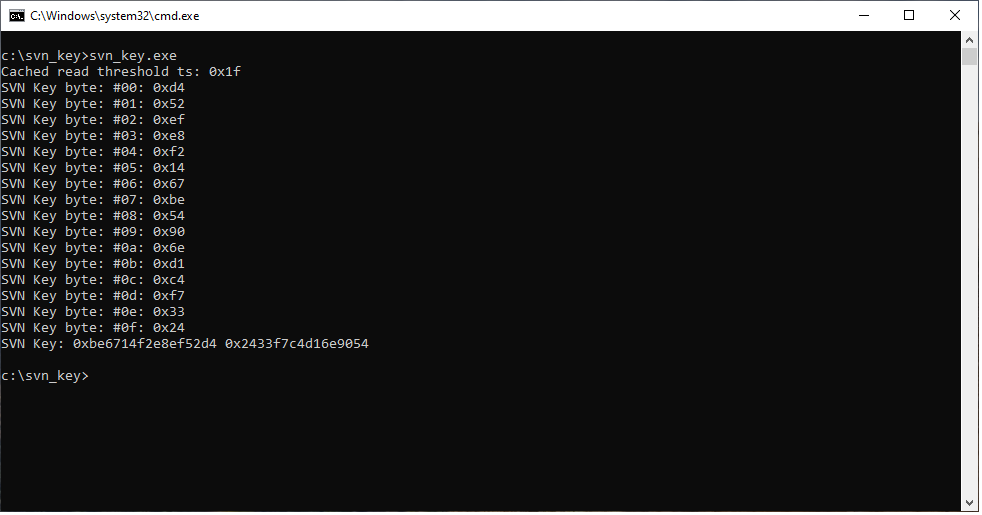
Intel SGX has fallen! Its most important key is in our hands: we extracted the Global Wrapping Key from an instance of the Intel Gemini Lake platform
34
354
1,982
221,552
Kernel/VM探検隊@つくば No3 に参加を申し込みました! kernelvm.connpass.com/event/… #kernelvm
1
259
カーネルバイパスによる通信高速化の基本 に参加を申し込みました! iijlab-seminars.connpass.com…
4
476
BitVisor Summit 14 に参加を申し込みました! bitvisor.connpass.com/event/…
1
206
Daniel is stepping down as a GRUB maintainer GRUBで長いことメンテナやっていたDaniel Kiperさんやめるそうです lists.gnu.org/archive/html/g…
5
12
782

retrage retweeted

Feb 1
my talk at fosdem kernel devroom (usermode linux without MMU)
speakerdeck.com/thehajime/us…
3
17
63
4,774
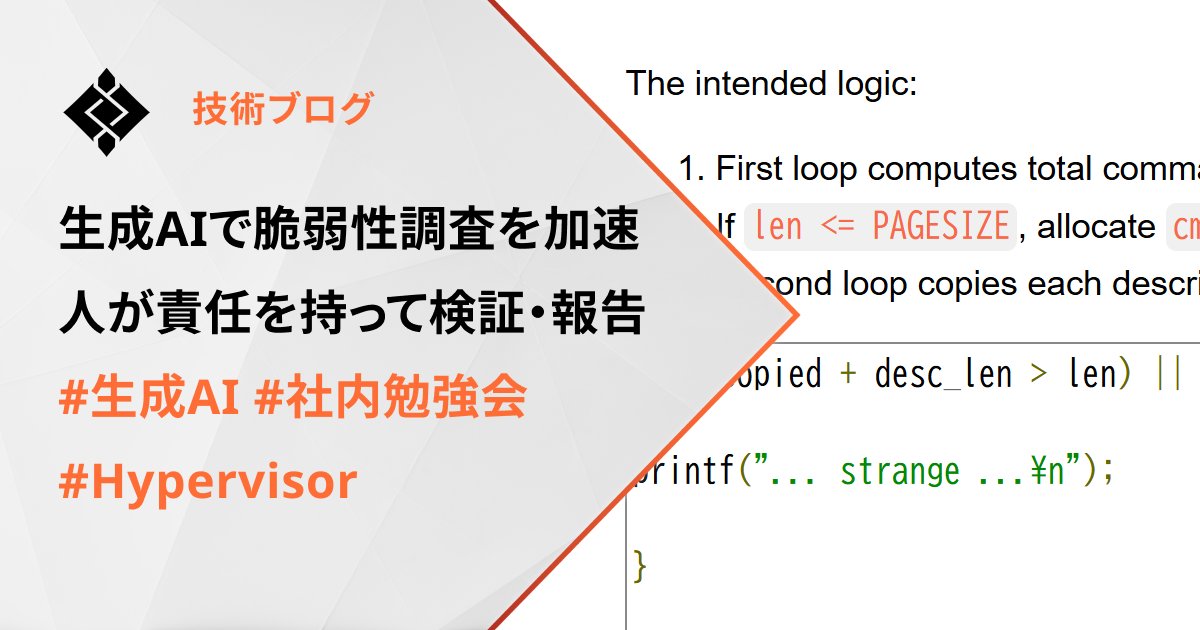
書いた記事が公開されました。ちゃんと人間が責任持ちましょうねという話です

🛡️勉強会×生成AI×責任ある検証で脆弱性を発見🛡️
社内のセキュリティ勉強会での学びをきっかけに、生成AIを活用した調査手法でハイパーバイザの脆弱性を発見しました。
調査に生成AIをうまく使いつつ、最後は人が責任を持って検証と報告を行った実践記録をぜひご覧ください。
ricercasecurity.blogspot.com…
9
57
6,992
retrage retweeted

🛡️勉強会×生成AI×責任ある検証で脆弱性を発見🛡️
社内のセキュリティ勉強会での学びをきっかけに、生成AIを活用した調査手法でハイパーバイザの脆弱性を発見しました。
調査に生成AIをうまく使いつつ、最後は人が責任を持って検証と報告を行った実践記録をぜひご覧ください。
ricercasecurity.blogspot.com…
29
127
19,035
retrage retweeted

This week’s reporting on the alleged Everest ransomware breach of ASRock Rack should be a wake-up call for anyone relying on modern server, storage, and cloud hardware. When an enterprise vendor’s internal repositories of firmware, BIOS, BMC code, diagnostic tools, and drivers are exposed, supply chain integrity is in jeopardy.
Adversaries gain insight into board layouts, update mechanisms, and secure boot flows, which accelerates vulnerability discovery and makes it easier to craft implants that look “authentic”. Implants come in many shapes and forms,s including repackaged drivers, UEFI images, and recovery media. In the worst case, compromise at this level undermines the hardware root of trust itself: if attackers can subvert firmware signing, update channels, or UEFI components, they can persist below the operating system, survive reimaging, and silently bypass many controls.
Incidents like this underscore that supply-chain attacks targeting firmware and UEFI are now strategic targets, not edge cases. Defenders need to assume that detailed knowledge of platform internals is in adversary hands and respond by monitoring below the OS as a first-class requirement. Measuring firmware integrity at boot, continuously attesting critical components (UEFI, BMC, NICs, RAID controllers), and watching out-of-band management paths for anomalous behavior is important. The trust model for infrastructure is shifting, and security programs that do not include firmware and UEFI telemetry are already behind the curve.
Article: cyberdaily.au/security/13120…

4
2
2,508