
Joined February 2023
- Tweets 260
- Following 13
- Followers 84
- Likes 38
258 Photos and videos








25 Nov 2025
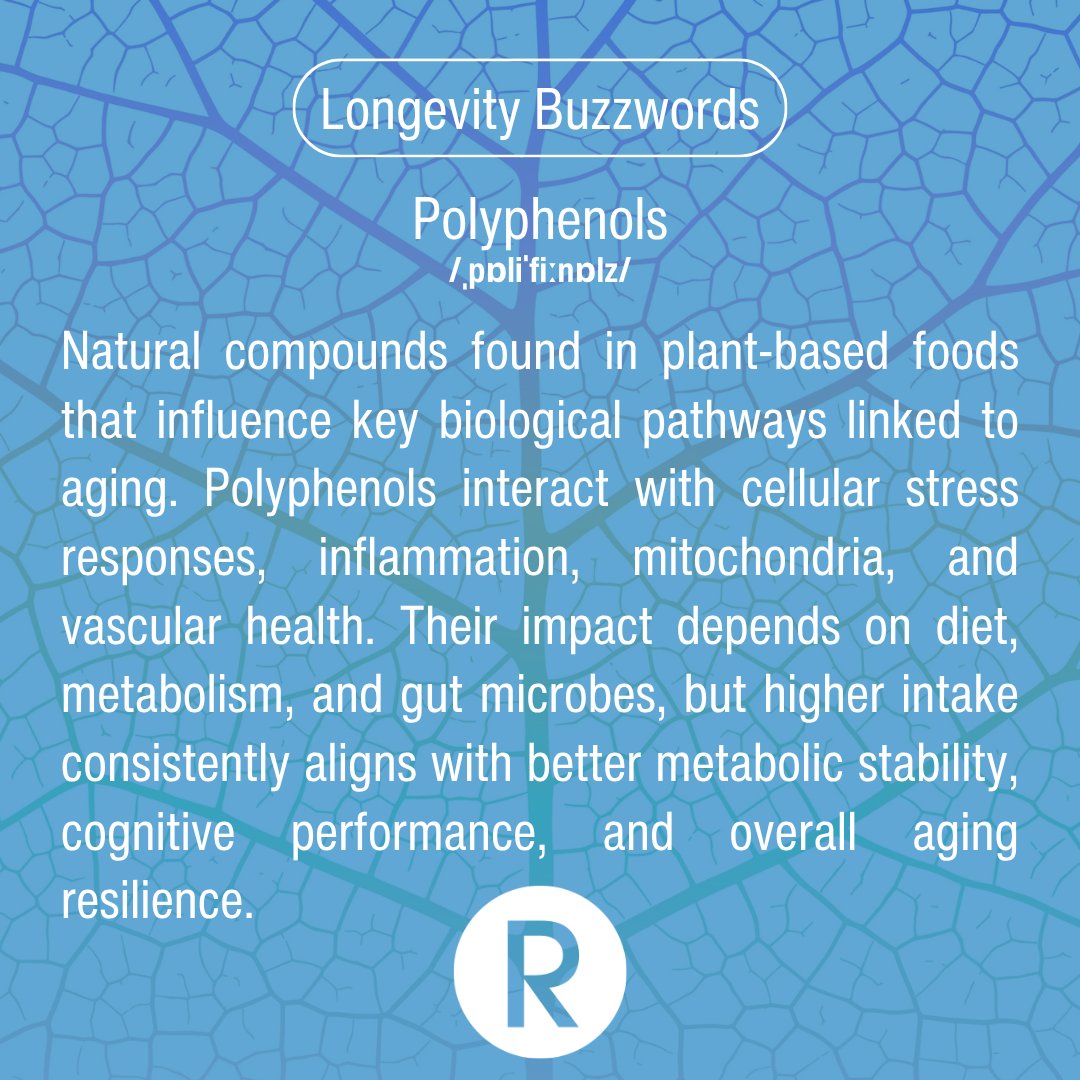
Polyphenols are natural compounds found in foods like berries, tea, coffee, dark chocolate, olives, apples, and colorful vegetables, and they continue to attract attention in aging research because of how strongly they influence core biological pathways. Studies show that polyphenols help regulate oxidative stress, inflammation, mitochondrial function, vascular health, and even the activity of senescent cells. These processes shape how quickly we experience metabolic slowdown, cardiovascular risk, and cognitive changes as we age.
Researchers tracking long-term dietary patterns consistently find that people who eat more polyphenol-rich foods show healthier aging trajectories. Tea drinkers often have better vascular markers, berry consumption aligns with stronger memory performance, and diets built around colorful plants correlate with lower mortality risk. Some compounds, such as fisetin and quercetin, are being studied for their potential to remove dysfunctional senescent cells, adding a deeper layer of biological relevance. While supplements can influence specific markers, the most reliable effects appear in people whose daily diets include a steady variety of polyphenol-rich foods.
The emerging picture is simple enough for everyday use: polyphenols support multiple aging-related pathways in a measurable way, and higher intake is associated with better metabolic, vascular, and cognitive outcomes across populations. These effects build gradually through routine eating patterns rather than dramatic interventions. A balanced diet with consistent polyphenol exposure offers one of the most practical, evidence-based ways to support long-term health and aging stability.
Learn about what longevity interventions can do for you at revigorator.com/products
#MaxScientific #Revigorator #Longevity #polyphenols #healthyaging #plantbased #nutrition #metabolichealth #brainhealth #cellularhealth #antiaging #wellness
18
21 Nov 2025
The University of Washington has become a significant contributor to research on how aging affects the body and how those effects might be slowed or altered. Their teams have developed ways to assess biological aging using standard medical tests rather than specialized or inaccessible tools. This approach allows practitioners to see how different organ systems age at different rates and to use that information to guide prevention and long-term care.
Another focus is the study of rapamycin in real-world aging conditions. Researchers are conducting a large, controlled trial in companion dogs to evaluate mobility, heart function, cognitive health, and survival in a setting that reflects everyday human environments. This work also extends to older adults with periodontal disease, where the goal is to understand whether targeted intervention can reduce inflammation and support tissue health in aging oral structures.
Together, these efforts form a larger framework connecting measurement, intervention, and day-to-day relevance. The research suggests that aging may be more adjustable than previously assumed and that meaningful improvements could occur through careful, evidence-based approaches. As ongoing trials continue to generate data, these findings may help shape how aging is addressed within both clinical practice and public health planning.
Learn about what longevity interventions can do for you at revigorator.com/products
#MaxScientific #Revigorator #Longevity #healthyaging #healthspan #agingresearch #biotechnology #science #innovation #healthylifestyle #wellnessjourney #healthyhabits
30
20 Nov 2025
Modern longevity research keeps circling back to one overlooked variable: social connection. Large epidemiological studies show that people with stable, reciprocal relationships tend to live longer, maintain sharper cognition, and display lower inflammation throughout life. The physiological changes mirror those seen in people who exercise or eat well. Friendship and routine community participation appear to function like a hidden health regulator, shaping immune tone and stress response at the molecular level.
When social ties weaken, the opposite unfolds. Rising isolation raises inflammatory markers and accelerates vascular and cognitive aging. Studies tracking the same individuals for years show that shrinking social networks predict earlier disability and mortality, even when other risk factors remain stable. The body seems to interpret disconnection as danger, activating the same biological pathways as chronic stress. In that sense, isolation quietly mimics disease long before symptoms appear.
What makes this powerful is its accessibility. You can’t buy community, but you can build it by committing to consistent presence—volunteering, attending gatherings, or simply showing up for others. Modern life often sells independence as strength, yet the data say interdependence sustains longevity. The path to a longer life may run less through supplements and more through shared dinners, obligations, and the small daily rituals that remind the body it’s not alone.
Want to know what the best longevity intervention looks like? Find out at revigorator.com/products
#MaxScientific #Revigorator #Longevity #HealthyAging #WellnessJourney #CommunityHealth #SocialHealth #HealthyLifestyle #ConnectionMatters #BrainHealth #LongevityTips #AgingWell
19
18 Nov 2025
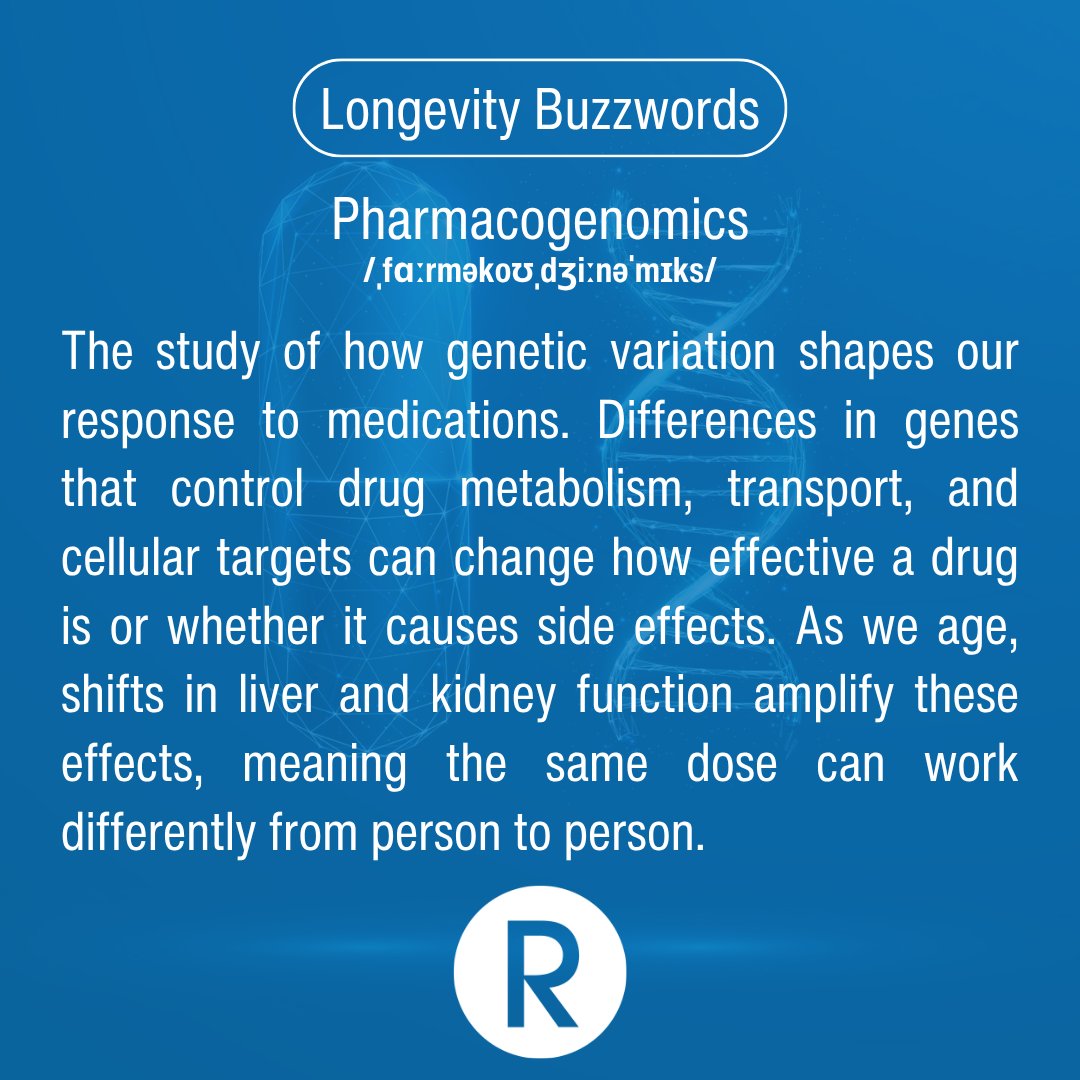
Pharmacogenomics focuses on how our genes influence the way we respond to medications. As we age, our liver function, kidney clearance, and receptor sensitivity shift, meaning the same drug and same dose can have very different effects from one person to another. Two individuals taking the same medication can experience different levels of benefit or side effects because their genetic and age-related biochemical environments are not the same.
Several common medications show this clearly. Variants in certain genes influence how effectively blood thinners work, how statins are tolerated, and whether metformin causes gastrointestinal side effects. These relationships are well documented. Yet many treatment decisions still rely on population averages rather than the individual characteristics that shape drug response. This often leads to avoidable dose adjustments, side effects, or trial-and-error prescribing.
The idea is simple: personalized treatment can be safer and more effective than one-size-fits-all prescribing. A growing body of research suggests that knowing something as basic as a patient’s key pharmacogenetic markers can improve outcomes, especially in older adults taking multiple medications. As this approach becomes more common, medication plans may increasingly be built around the person, not just the condition.
Learn about what longevity interventions can do for you at revigorator.com/products
#MaxScientific #Revigorator #Longevity #pharmacogenomics #healthyaging #precisionmedicine #personalizedmedicine #healthspan #wellness #agingwell #healthscience #medicalresearch #biotech #healthyhabits #healthylifestyle
12
13 Nov 2025
Current aging research continues to highlight how steady, prosocial behaviors influence long-term health. When adults participate in routines that involve supporting others, they often show lower physiological stress, better emotional regulation, and improved markers of cognitive stability. These observations appear across multiple research areas, showing alignment between social behavior and biological resilience.
Studies on isolation provide the opposite picture. Individuals who move toward chronic disconnection tend to show elevated inflammation, poorer cardiovascular indicators, and faster cognitive decline. These patterns reinforce the idea that the social environment actively shapes the conditions under which aging unfolds. Even small amounts of consistent social engagement can shift these outcomes.
Together, the evidence supports a growing understanding that everyday interactions carry measurable biological consequences. Prosocial habits appear to support healthier aging trajectories by reducing strain on systems that deteriorate over time. Revigorator encourages a lifestyle that supports these patterns by helping people focus on habits that reinforce long-term well-being.
Interested in a kind gesture that also includes longevity interventions? Visit revigorator.com/products
#MaxScientific #Revigorator #Longevity #kindness #healthyaging #worldkindnessday #wellness #cognitivehealth #socialconnection #helpingothers #antiaging
12
16
11 Nov 2025
Madeleine Dellamonica was born in France in 1912 and spent her life studying ancient civilizations. She trained formally in historical and archaeological scholarship and published works focused on monarchs and political transitions in ancient societies. Her career developed independently of any public discussion about aging, and she was known primarily for her contributions to accessible historical writing.
Her age later drew attention because she lived beyond 110, placing her in the very rare category of supercentenarians. Verification groups documented her age through standard archival methods. She became an example of someone whose public identity originated in scholarship rather than in longevity itself. Her case does not imply that any specific lifestyle, diet, or behavior can guarantee similar outcomes.
Research on extreme aging shows recurring patterns. Individuals who reach such advanced ages often maintain better immune balance, slower accumulation of systemic inflammation, and more stable physiological responses across time. These traits appear to arise through a combination of genetic inheritance, early-life environment, and lifelong exposure patterns. Dellamonica’s life serves as one validated example of how human aging can vary, reminding us that the pace of aging is not the same for everyone and that biological resilience can persist far longer than typical expectations.
Want to know what the best longevity intervention looks like? Find out at revigorator.com/products
#MaxScientific #Revigorator #Longevity #healthyaging #healthspan #biohacking #antiaging #wellness #healthylifestyle #agingwell #lifespan #wellnessjourney #supercentenarian #MadeleineDellamonica
13
56
4 Nov 2025
Many activities that support healthy aging look simple, but the ones that create lasting benefits are those that require ongoing, meaningful effort. Practicing what researchers call “Difficult Joy” means choosing hobbies that are enjoyable and personally fulfilling, yet still challenge your attention, coordination, or memory. Examples include learning an instrument, dancing, studying a new language, or singing in a group. These activities stimulate the brain to build new connections and strengthen areas related to focus, memory, and emotional balance.
Studies involving older adults have shown that skills requiring active participation can improve cognitive function over time. Learning new musical patterns, remembering choreography, or practicing vocabulary activates brain regions that typically weaken with age. When these activities are repeated consistently, the brain adapts by reinforcing pathways that support resilience. This is different from passive leisure, which may relax the mind but does not request anything from it.
The key is not mastery, speed, or performance. The value comes from the process of learning itself. Setting aside a small amount of time daily or weekly to practice a challenging but meaningful skill can help maintain cognitive vitality and a sense of engagement with life. The effort signals to the brain that growth is still relevant, and that signal shapes how well the mind continues to adapt as the years progress.
Want to know what the best longevity intervention looks like? Find out at revigorator.com/products
#MaxScientific #Revigorator #Longevity #healthyaging #brainhealth #neuroplasticity #mentalfitness #activeaging #healthyhabits #wellnessjourney #mindfulmovement #lifelonglearning #cognitiveresilience #healthylifestyle
10
394
31 Oct 2025
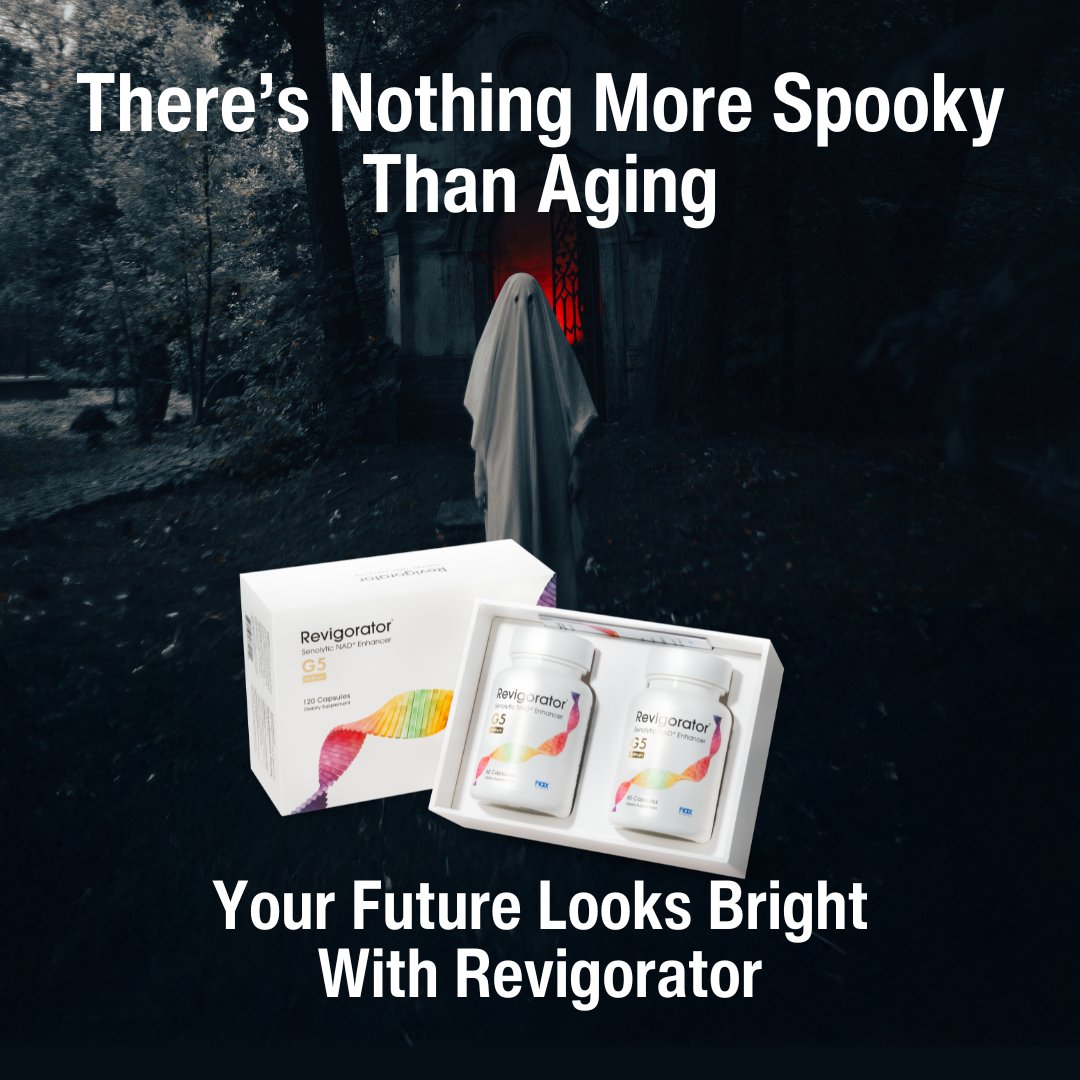
Aging is driven by three key biological failures: falling NAD⁺ levels, buildup of senescent cells, and stalled autophagy. These interconnected breakdowns lead to fatigue, inflammation, and age-related disease.
Revigorator G5 Platinum is the first triple activator designed to target all three:
🧬 NAD⁺ for energy & repair
🧹 Senescent cells with senolytics
♻️ Autophagy for deep cellular cleanup
Learn about what longevity interventions can do for you at revigorator.com/products
#MaxScientific #Revigorator #HealthyAging #Longevity #Senolytics #Autophagy #NADplus #TripleActivator #LongevityScience #AgingBackwards
24
747
27 Oct 2025
The aging process can be described as a shift in cellular communication. One of the most intriguing new discoveries centers on CtBP2, a protein that senses energy balance inside cells. When NADH rises or lipid stress builds, CtBP2 adjusts gene activity to maintain order. In youth, this fine-tuning protects against metabolic chaos. With age, that control fades, leading to disrupted glucose regulation, inflammation, and tissue decline.
Recent studies show that CtBP2 can also travel between cells through microscopic vesicles called exosomes. In aged mice, restoring these CtBP2-rich exosomes improved frailty scores, boosted energy metabolism, and even extended lifespan. In humans, circulating CtBP2 levels drop with age and disease but appear higher in those from long-lived families, suggesting it could serve as both a biomarker and a biological switch influencing the rate of aging itself.
This discovery raises an uncomfortable possibility: biological age might soon be measurable with a single blood test. If so, people with “low CtBP2 age scores” could face early health warnings—or even changes in how insurers assess risk. Whether CtBP2 becomes a diagnostic tool, a therapeutic target, or a new dividing line between health and vulnerability will depend on how the science, and society, decide to use it.
Learn about what longevity interventions can do for you at revigorator.com/products
#MaxScientific #Revigorator #longevity #antiaging #healthspan #biohacking #biomarkers #healthyaging #metabolism #healthtech #lifeextension #research
1
17
651
23 Oct 2025
Cold exposure is a simple way to engage hormesis, the process where controlled stress builds resilience. Stepping into cold water or ending a shower on the coldest setting activates brown fat, sparks mitochondrial remodeling, and induces proteins that help protect the brain and body from stress-related damage. These shifts reflect an adaptive survival mechanism that has shaped human biology for millennia.
Scientific studies show that cold-shock proteins can preserve neural connections and support plasticity, while brown adipose tissue reactivates in adults to improve metabolic health. Even shivering carries value, acting as a trigger for the body to strengthen its defenses and prepare for future challenges. This controlled discomfort translates into improved stress tolerance, better energy regulation, and potentially longer healthspan.
But context matters. Repeated ice baths immediately after exercise can blunt muscle growth, showing that timing and dose shape outcomes. The larger truth is that comfort has become our default, even though our biology evolved under conditions of hardship. Reintroducing short, intentional periods of cold may help restore balance, giving the body the signals it needs to maintain resilience as we age.
Learn about what longevity interventions can do for you at revigorator.com/products
#MaxScientific #Revigorator #Longevity #coldexposure #coldplunge #coldtherapy #biohacking #healthspan #antiaging #metabolism #resilience #healthyaging
24
1,814
21 Oct 2025
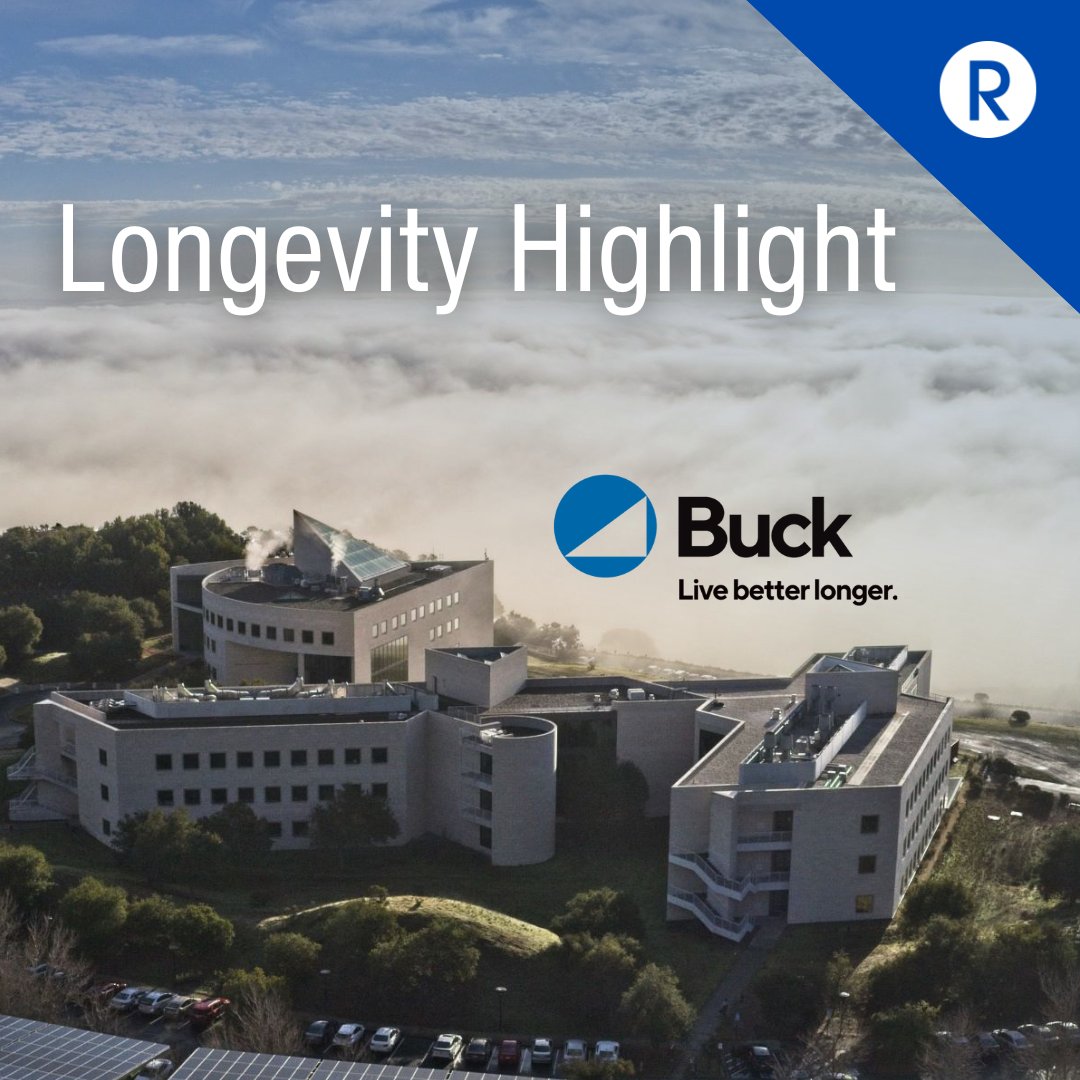
The Buck Institute for Research on Aging was founded in 1999 as the first independent research center dedicated to understanding and targeting the biology of aging. From the start, its mission has been clear: explore the cellular and molecular drivers of aging and translate discoveries into ways to extend healthy years of life.
The institute became well known for research on senescent cells, dietary interventions, and metabolic pathways that influence lifespan. Studies showed that clearing damaged cells could improve health, while compounds such as alpha-ketoglutarate and ketogenic diets demonstrated measurable effects on aging markers. More recently, clinical work suggested that therapeutic plasma exchange combined with immunotherapy could reduce biological age by several years, signaling that reversal of aging traits is no longer confined to theory.
Today, Buck researchers are uncovering links between gut immune activity, brain metabolism, and neurodegeneration, pointing toward strategies that could reshape how conditions like Alzheimer’s are treated. Yet despite this momentum, aging research still receives far less funding than late-stage disease care. The contrast highlights a larger societal question: do we continue to manage decline, or do we invest in directly extending the span of healthy life?
Learn about what longevity interventions can do for you at revigorator.com/products
#MaxScientific #Revigorator #Longevity #healthspan #healthyaging #agingresearch #antiaging #biohacking #biotech #wellness #healthyliving #science
27
1,821
17 Oct 2025
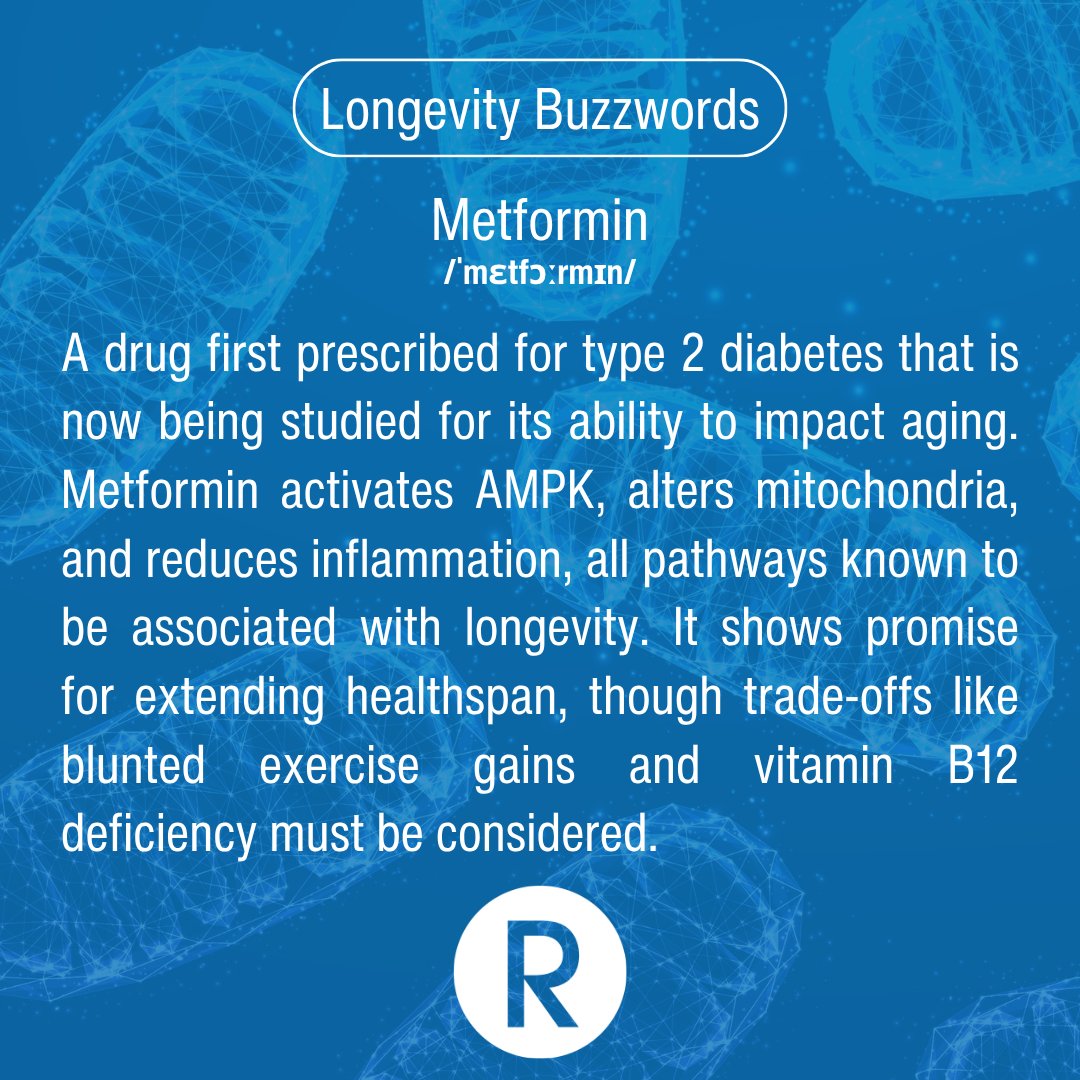
Metformin is one of the most widely prescribed medications for type 2 diabetes, but its role in the longevity field has attracted enormous attention. Evidence shows that people taking it often live longer than expected, prompting researchers to explore its impact on the biology of aging.
Studies in worms, mice, and even primates demonstrate that metformin influences pathways linked to nutrient sensing, inflammation, and mitochondrial function, leading to measurable improvements in healthspan and reductions in biological aging markers. Human data are promising but complex, with benefits for survival and disease risk balanced against drawbacks such as reduced gains from exercise training.
The ongoing TAME trial is designed to answer whether metformin can delay the onset of multiple age-related diseases in healthy people. Until those results arrive, the drug stands as one of the most intriguing, yet unsettled, tools in the search to extend human healthspan.
Learn about what longevity interventions can do for you at revigorator.com/products
#MaxScientific #Revigorator #Longevity #metformin #healthspan #antiaging #biohacking #microbiome #AMPK #mTOR #mitochondria #agingwell #cognition #cellularhealth
15
4,714
15 Oct 2025
Aging is driven by three key biological failures: falling NAD⁺ levels, buildup of senescent cells, and stalled autophagy. These interconnected breakdowns lead to fatigue, inflammation, and age-related disease.
Revigorator G5 Platinum is the first triple activator designed to target all three:
🧬 NAD⁺ for energy & repair
🧹 Senescent cells with senolytics
♻️ Autophagy for deep cellular cleanup
Learn about what longevity interventions can do for you at revigorator.com/products
#MaxScientific #Revigorator #HealthyAging #Longevity #Senolytics #Autophagy #NADplus #TripleActivator #LongevityScience #AgingBackwards
15
2,116
14 Oct 2025
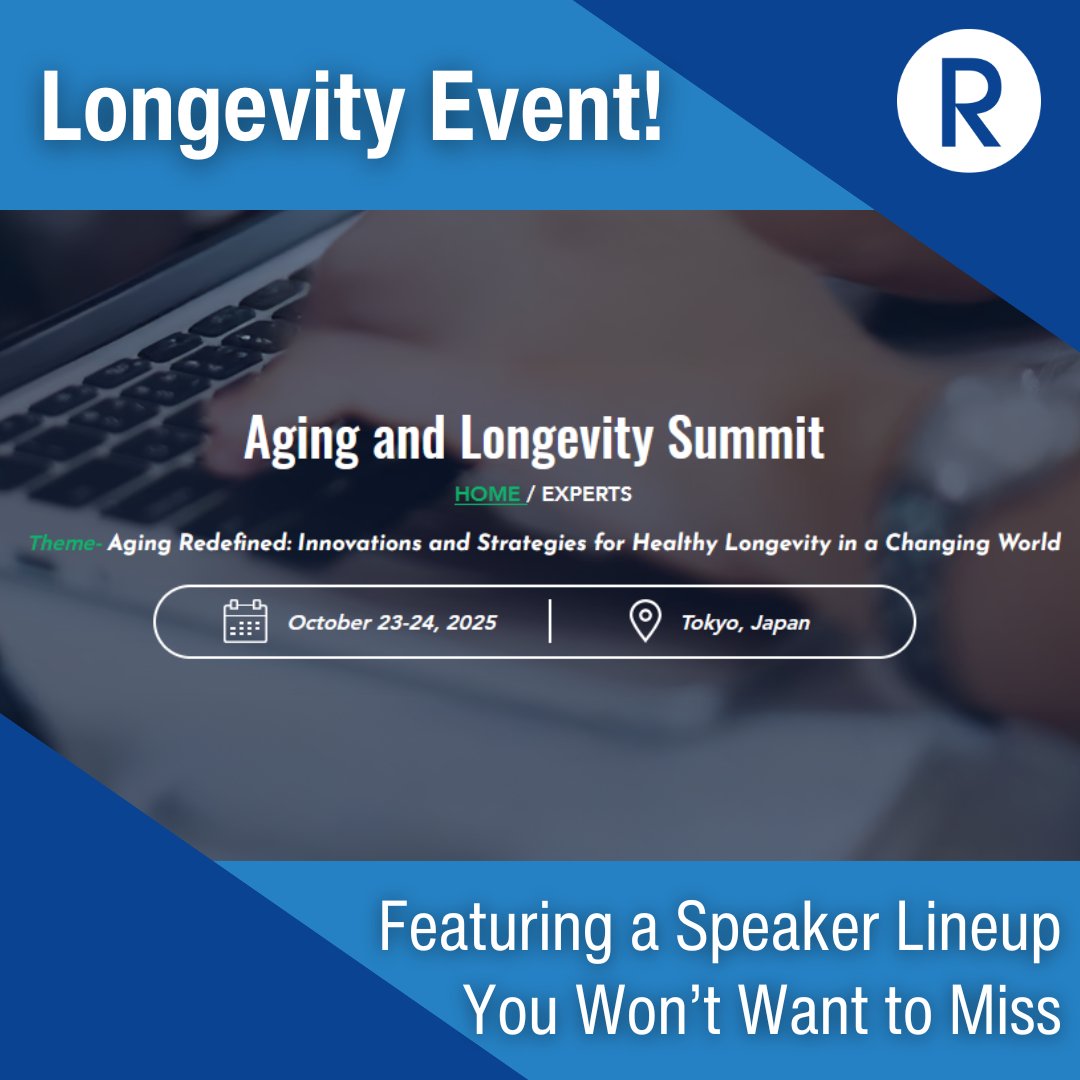
The Global Summit on Aging and Longevity will convene in Tokyo this month, gathering scientists, clinicians, and policymakers to explore how biology, technology, and design converge to extend healthy lifespan. The event’s theme, “Aging Redefined,” captures a growing belief that aging can be quantified, slowed, and managed through measurable interventions rather than accepted as an inevitable decline. From genetic pathways that preserve vascular health to new methods for tracking biological age, the discussions will focus on transforming the science of longevity into actionable medicine.
Several sessions will highlight how data-driven tools are reshaping how we understand aging. Researchers will present advances in epigenetic clocks, cytokine signaling, and vascular imaging that reveal how cells and tissues deteriorate over time—and how that process might be reversed. Alongside these findings, a growing movement is examining how our cities, workplaces, and health systems can adapt to populations that live longer but expect higher quality of life. The event underscores that biology and environment are inseparable in determining how well we age.
Amid optimism, there is also tension. If regulators eventually classify aging as a treatable condition, the line between prevention and enhancement will blur, forcing societies to decide who gets access to life-extending interventions and at what cost. The summit’s value lies not only in presenting breakthroughs but in challenging attendees to think critically about how longevity science reshapes the human timeline—scientifically, economically, and ethically.
Want to know what the best longevity intervention looks like? Find out at revigorator.com/products
#MaxScientific #longevity #healthyaging #antiaging #healthspan #biohacking #wellness #healthylifestyle #nutrition #fitness #agingwell
12
5,421
9 Oct 2025
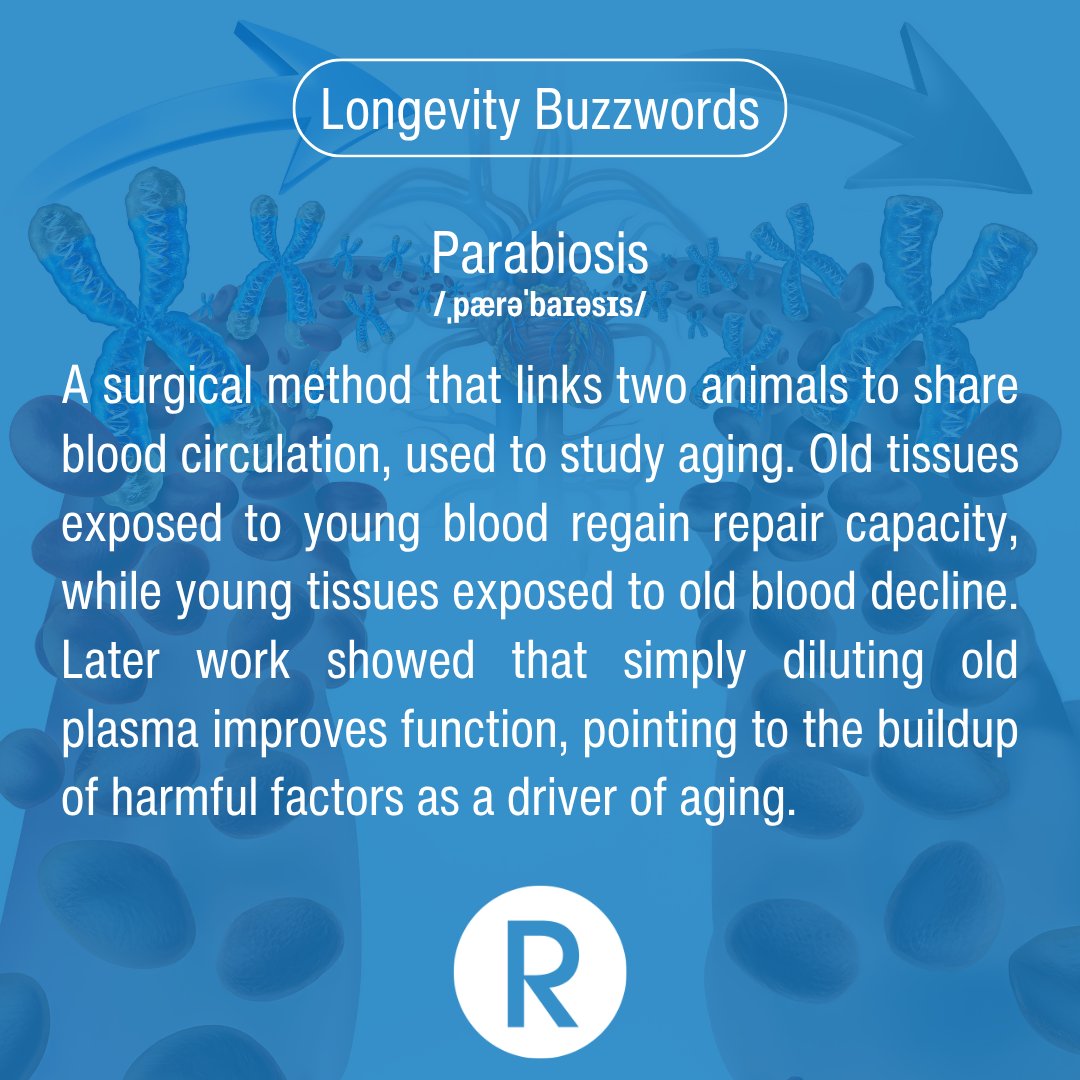
Parabiosis is the process of surgically joining two animals so that they share a single circulatory system. When scientists paired old and young mice, they discovered that the systemic environment plays a major role in aging. Old tissues exposed to young blood regained regenerative activity, while young tissues exposed to old blood showed signs of decline.
Researchers found that this effect was not just about adding youthful factors but also about reducing harmful ones that accumulate with age. In fact, diluting old plasma with saline and albumin produced similar improvements in muscle repair, liver function, and neurogenesis. This revealed that aging may be driven more by the buildup of inhibitory signals than by the absence of youthful ones.
Early human studies have cautiously explored these findings. Plasma exchange with albumin replacement has shown signs of slowing cognitive decline, while young plasma infusions have produced modest effects. Although far from clinical application, parabiosis research highlights how the balance of factors in the blood can dictate the pace of aging and recovery.
Want to know what the best longevity intervention looks like? Find out at revigorator.com/products
#MaxScientific #Longevity #antiaging #healthyaging #healthspan #biohacking #geroscience #healthyliving #lifespan
26
2,309
7 Oct 2025
Born in 1914, one of the oldest living survivors of the Tulsa Race Massacre has lived through more than a century of American history. At just seven years old, this individual witnessed the destruction of an entire community and later testified before Congress at the age of 107. Now at 111, the story continues as a rare example of both resilience and extreme longevity.
When asked about the foundation of such a long life, the answer was simple: eat, sleep, and exercise. Modern research on aging supports this advice, linking consistent rest, physical activity, and balanced nutrition to healthier aging and longer life. These habits, maintained over decades, appear to align with the biological evidence behind extended healthspan.
Later years were not marked by retreat but by engagement. Publishing a memoir at 109 and traveling abroad for recognition demonstrate the importance of purpose and connection. Studies consistently show that social bonds and meaningful activity play a key role in longevity. The life story reminds us that aging well involves more than surviving—it involves continuing to contribute, connect, and be heard even after a century.
Want to know what the best longevity intervention looks like? Find out at revigorator.com/products
#MaxScientific #Longevity #healthyaging #supercentenarian #aging #healthspan #antiaging #wellness #blackhistory #TulsaRaceMassacre #resilience #inspiration #ViolaFletcher
54
3,627
3 Oct 2025
Most people think longevity is about what we eat or how much we exercise, but timing matters just as much when it comes to information. Consuming digital content late at night suppresses melatonin, elevates cortisol, and disrupts circadian rhythm. Over time, that misalignment increases risks of heart disease, metabolic dysfunction, and measurable acceleration of biological aging.
Stress biology treats a midnight news scroll the same way it treats a physical threat. Each late-night notification raises stress hormones and pushes the body further from natural recovery cycles. Studies show that reducing digital intake in the evening restores sleep quality, lowers daily stress load, and protects long-term health.
Practical steps are simple but powerful: build a ninety-minute screen-free buffer before sleep, batch notifications and email checks, and keep social media within a daily cap. These routines preserve circadian alignment and reduce the chronic stress that accelerates aging. By managing not just what enters the body but when, you create conditions that support resilience and longevity.
Want to know what the best longevity intervention looks like? Find out at revigorator.com/products
#MaxScientific #Longevity #antiaging #healthspan #circadianrhythm #sleep #cortisol #stressmanagement #digitalwellness #healthyhabits #agingwell #wellness

8
1,172
1 Oct 2025
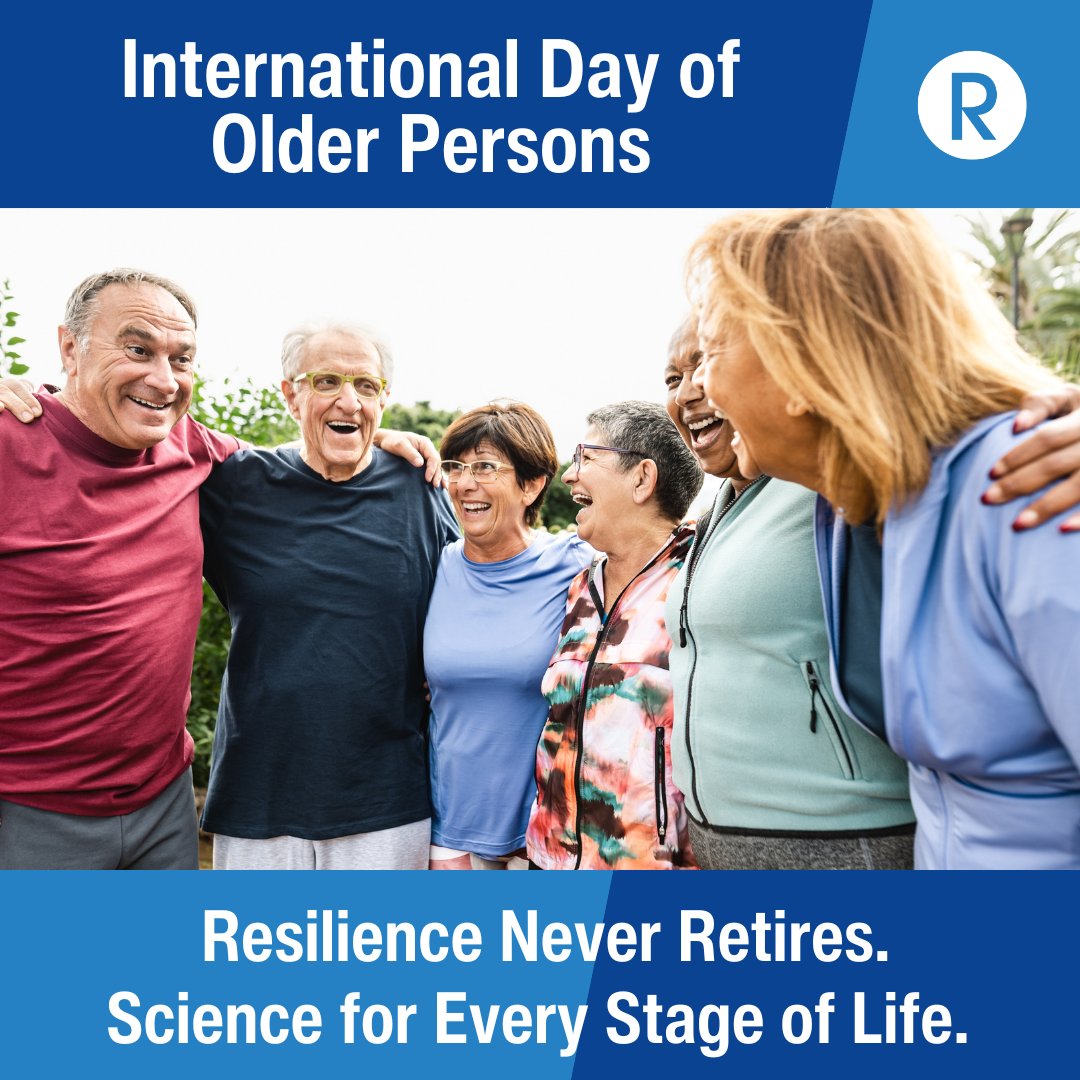
The International Day of Older Persons reminds us that aging populations bring both challenges and opportunities. Life expectancy continues to climb, but extending healthspan remains the critical task ahead.
Science shows that pathways of aging—senescence, NAD decline, and reduced autophagy—can be influenced. Trials demonstrate benefits from caloric restriction, strength training, and cardiovascular therapies. New approaches, such as senolytics and metabolic interventions, are beginning to show that aging biology itself can be shifted.
These discoveries pair with social choices. Combating ageism, investing in supportive environments, and addressing climate risks matter as much as biology. Together they shape whether added years are marked by resilience or decline.
Want to know what the best longevity intervention looks like? Find out at revigorator.com/products
#MaxScientific #Revigorator #Longevity #healthyaging #antiaging #healthspan #biohacking #nutrition #fitness #agingwell #cognition #immunity #NADplus #senolytics #autophagy #TripleActivator
9
770
29 Sep 2025
Japan’s centenarian count reached 99,763 on September 1, 2025, marking the 55th straight yearly increase, with women making up about 88 percent of the total. This trend highlights what coordinated prevention and access can produce at a national scale.
Key drivers include universal coverage since 1961, required annual health checkups through employers and insurers, high availability of imaging and cancer screening, and decades of salt reduction that lowered stroke mortality. Smoking rates declined, obesity remains low, daily walking is built into urban life, oral health campaigns preserve chewing function, and diet patterns emphasize fish, soy, and vegetables.
The lesson is practical. Keep midlife vascular risk low, detect disease early, preserve function, and later life expands. For those building or evaluating longevity solutions, the highest impact comes when therapies fit into this prevention pipeline and reinforce it. Which lever would most improve healthy years where you live?
Learn about what longevity interventions can do for you at revigorator.com/products
#Revigorator #longevity #healthyaging #centenarians #agingpopulation #Japan #publichealth #prevention #wellness #healthylifestyle #nutrition #epidemiology #globalhealth

6
918
25 Sep 2025
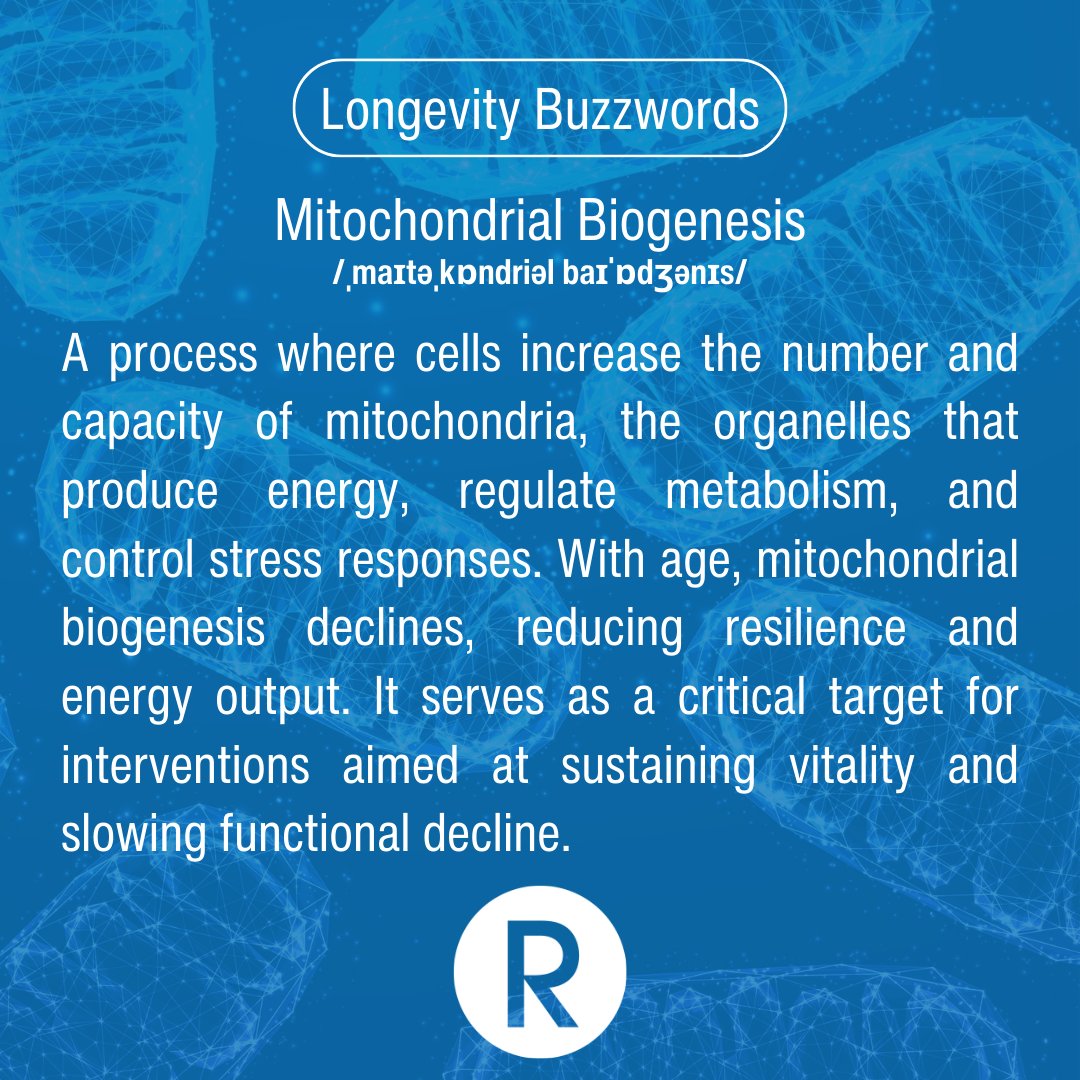
Mitochondrial biogenesis is the program cells use to expand and remodel their energy system. Mitochondria not only supply ATP but also regulate redox balance and calcium traffic. When energy demand increases, sensors like AMPK and SIRT1 activate a chain of signals that boost PGC-1α, NRF1, and TFAM, which together increase mitochondrial DNA replication and protein production. This process helps keep tissues fueled and adaptable under stress.
As we age, that program weakens. Respiration declines, fragments accumulate, and damaged mitochondria linger when mitophagy slows. Telomere stress triggers p53, which directly suppresses the PGC-1α program, leaving cells with fewer tools to renew energy capacity. Studies consistently link lower mitochondrial DNA copy number with higher risk for age-related decline, suggesting that mitochondrial health is a central thread in the fabric of longevity.
Research points toward practical levers. Exercise reliably raises mitochondrial enzyme activity and respiration in older adults, with interval and steady training showing measurable gains. Calorie restriction can upregulate mitochondrial genes but needs to be paired with sufficient protein to protect muscle. Nutraceuticals like urolithin A, which promote mitochondrial cleanup, and NAD⁺ boosters, which restore cofactor balance, show intriguing results.
Learn about what longevity interventions can do for you at revigorator.com/products
#Revigorator #Longevity #antiaging #healthylifestyle #fitness #biohacking #mitochondrialhealth #cellularhealth #agingwell #metabolism #science
2
2,571