
Brain health | Multimodal Neuroimaging | Computational Neuroscience
Joined January 2022
- Tweets 55
- Following 229
- Followers 57
- Likes 753
10 Photos and videos



Feb 23
Happy to be invited to the Douglas Imaging Seminar Series to present my work on: “In vivo identification of distinct phenotypes of white matter lesion evolution.”
📅 1 April 2026
⏰ 14:00 – 15:00
📍 Perry E-3517, Inst. Douglas, Montreal
More details:
lnkd.in/eQS2_h3a
1
1
32
Feb 23
Looking forward to discussing how advanced neuroimaging and computational approaches can help disentangle heterogeneous trajectories of white matter lesion evolution in vivo, distinguishing their distinct neurobiological impact and differential susceptibility to risk factors.
16
Feb 10
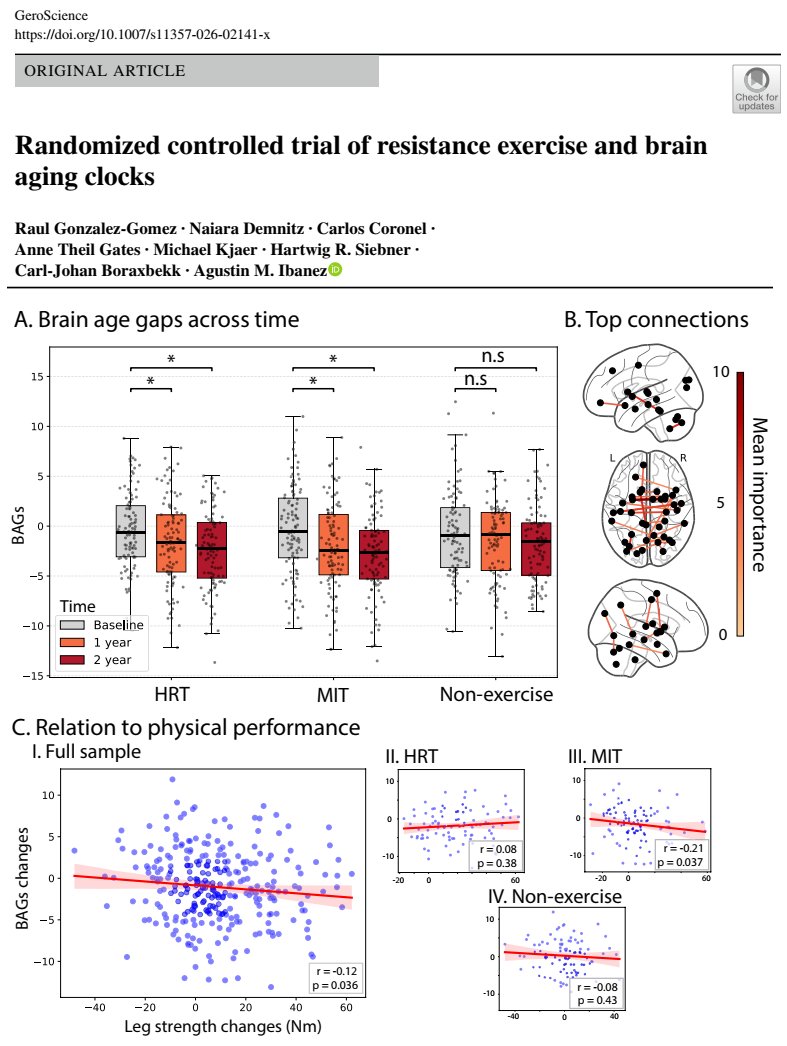
Two of my passions converge in a new publication (exercise & brain).
Using data from a longitudinal clinical trial at the Institute of Sports Medicine Copenhagen (ISMC), we show that resistance training can slow brain aging in older adults. 🔗Paper: lnkd.in/eXiyqHK3
1
1
3
169
Feb 10
Both moderate- and high-intensity training were associated with brains that appeared 1–2 years younger than non-exercising individuals. By combining brain clock models with functional neuroimaging, we show that these effects are global across the brain rather than region-specific
1
17
19 Dec 2025
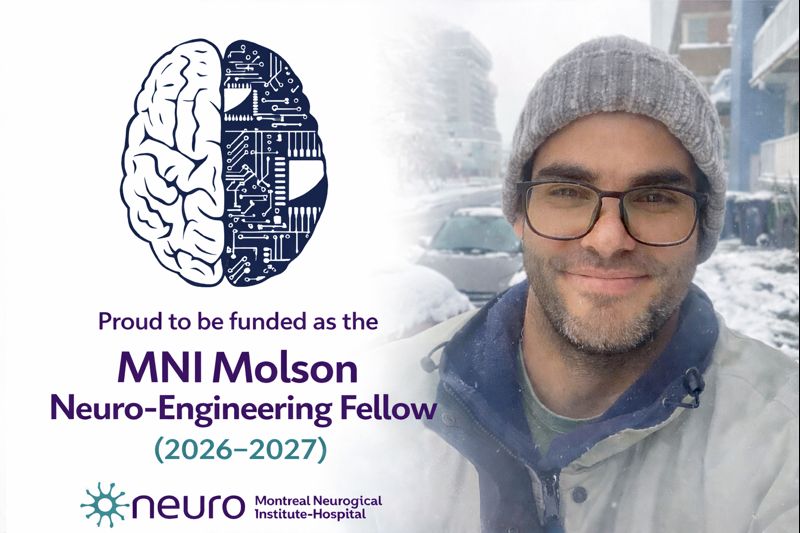
Grateful to be funded as the MNI Molson Neuro-Engineering Fellow (2026–2027) at @TheNeuro_MNI.
A wonderful way to end the year — happy holidays 🎄
2
30
Raul Gonzalez retweeted

11 Nov 2025
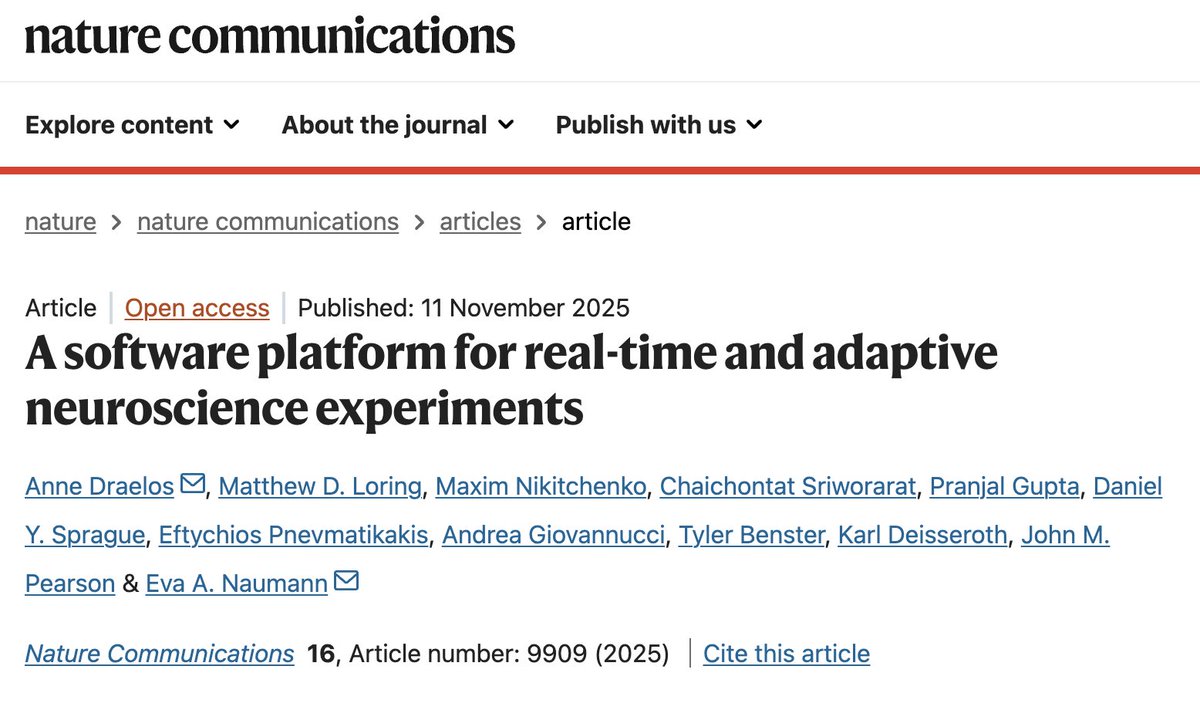
Real-time neuroscience: closing the loop between data and experiment
In many neuroscience experiments, data are collected first and analyzed later. Neural activity is recorded, behavior is tracked, and only after the experiment ends do we learn which neurons were important, which stimuli were informative, or which perturbations would have revealed something new. By then, the experiment is over—and the opportunity to adapt is gone.
Anne Draelos and coauthors introduce "improv", a software platform designed to make experiments adaptive. Instead of separating data collection from analysis, improv allows the experiment to respond to the data as they arrive. Imaging, behavioral tracking, modeling, and stimulation control all share a live memory space, so models can be updated continuously and used to guide the experiment in real time.
This means the experiment can ask smarter questions as it unfolds. While recording from the zebrafish brain, improv can estimate which neurons respond to motion and immediately target them with optogenetic stimulation. While observing spontaneous behavior and neural activity, it can identify latent variables linking the two and adjust the experiment to probe them further. During electrophysiology in motor cortex, it can learn the evolving neural trajectory and predict where it is heading, opening the door to precisely timed interventions.
The core idea is simple: analysis becomes part of the experiment, not something that happens after it. By closing the loop, improv turns experiments into dynamic conversations with the brain, where hypotheses can be updated continuously and causal tests can be performed when they are most informative.
This points toward a new generation of neuroscience experiments—faster, more efficient, and more interactive—where the limiting factor is no longer how much data can be recorded, but how intelligently it is used in real time.
Paper: nature.com/articles/s41467-0…
3
48
238
14,022
Raul Gonzalez retweeted

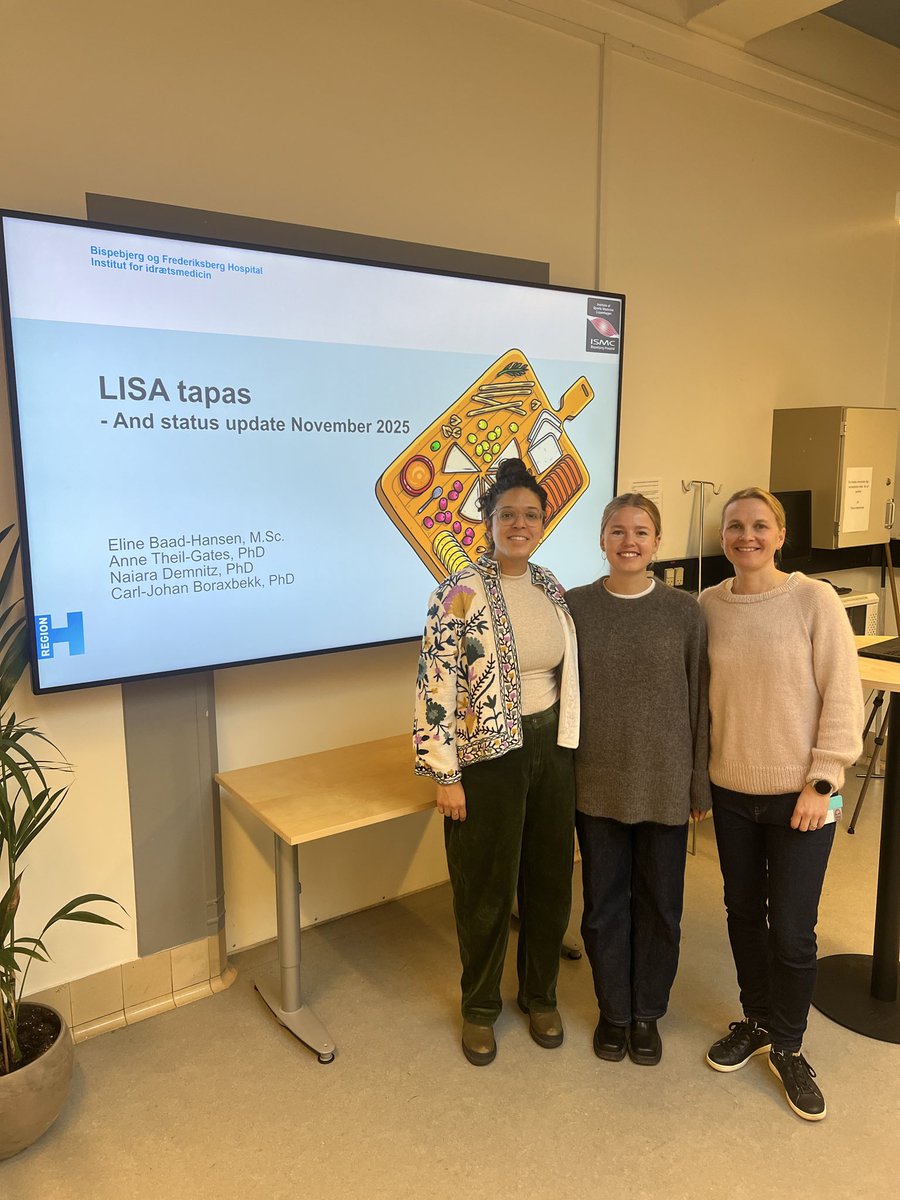
Today it was LISA-Tapas at our Thursday morning meeting, 10 year longitudinal data 💪🧠 what’s not to like 🤩 brilliantly presented by @TheilGates , Naiara Demnitz @DRCMR_MRI and @ElineBaad
2
10
542
3 Nov 2025
Starting as a postdoctoral researcher at @TheNeuro_MNI, working at the intersection of multi-omics, neuroimaging, and contextual determinants of health. I will study how social, environmental, and lifestyle factors shape the progression of Alzheimer’s molecular subtypes.
1
1
7
268
Raul Gonzalez retweeted

5 Aug 2025
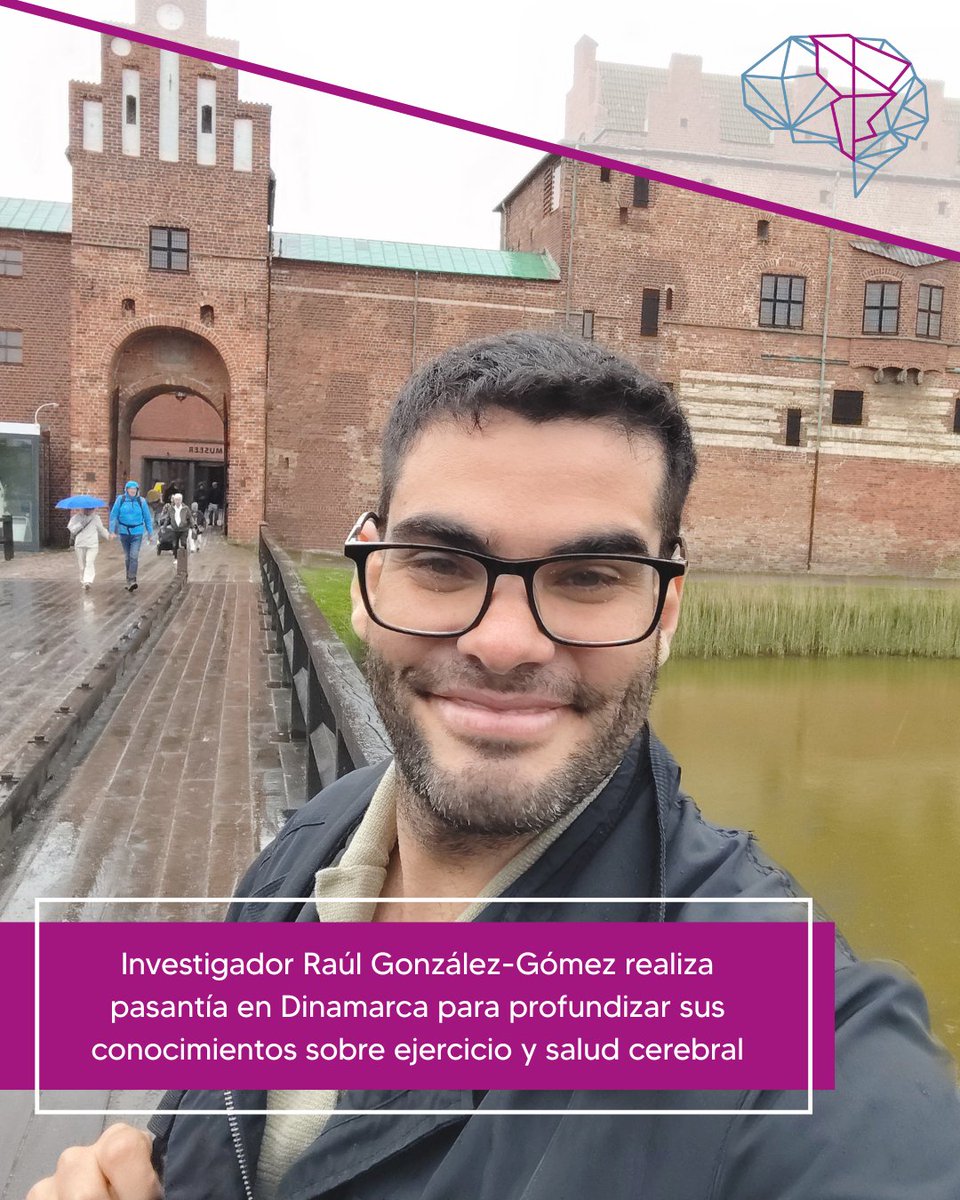
Raúl González completed a research internship at the Institute of Sports Medicine Copenhagen & Danish Research Centre for Magnetic Resonance, where he studied how 1 year of supervised exercise impacts brain aging in older adults.
@UAI_CL @Psicologia_UAI
1
7
316
28 Jul 2025
Today, we are excited to launch a special issue in Frontiers in Dementia focused on the impact of physical activity on dementia. Honored to be part of the editorial team behind this initiative.
frontiersin.org/research-top…
1
4
442
Raul Gonzalez retweeted

14 Jul 2025
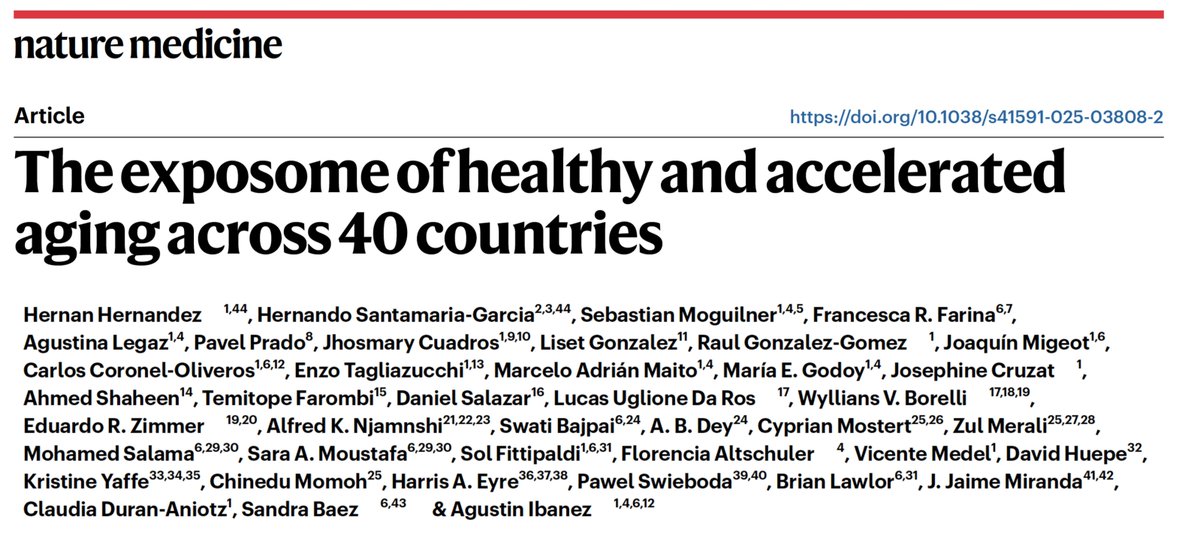
In a world facing political turmoil, social exposomes, and pollution, our study reveals that these forces accelerate aging. BBAGs can help spot risks early and guide actions for healthier aging worldwide. Congrats @HernHdezL, @SandraBez9, @nanosanta & collegues: Sebastian Moguilner, Francesca Farina, @AgustinaLegaz @PavelPradoG Jhosmary Cuadros, Liset Gonzalez, @rglezgz @joaquin_migeot Carlos Coronel-Oliveros, @ETagliazucchi @MarceloMaito @godoymeugenia @josecruzat Ahmed Shaheen @DrTFarombi Daniel Salazar @DaUglione @vbwyll @erzimmer Alfred K. Njamnshi, Swati Bajpai A Dey, Cyprian Mostert, Zul Merali, @Mohamed03966736 Sara Moustafa @SolFittipaldi Florencia Altschuler, @medelero @DavidHuepe @KristineYaffe @MomohChi @HarrisAEyre @pswieboda @ProfLawlor @jjaimemiranda @durananiotz 6/6🧵
1
11
30
1,343
Raul Gonzalez retweeted
11 Jul 2025
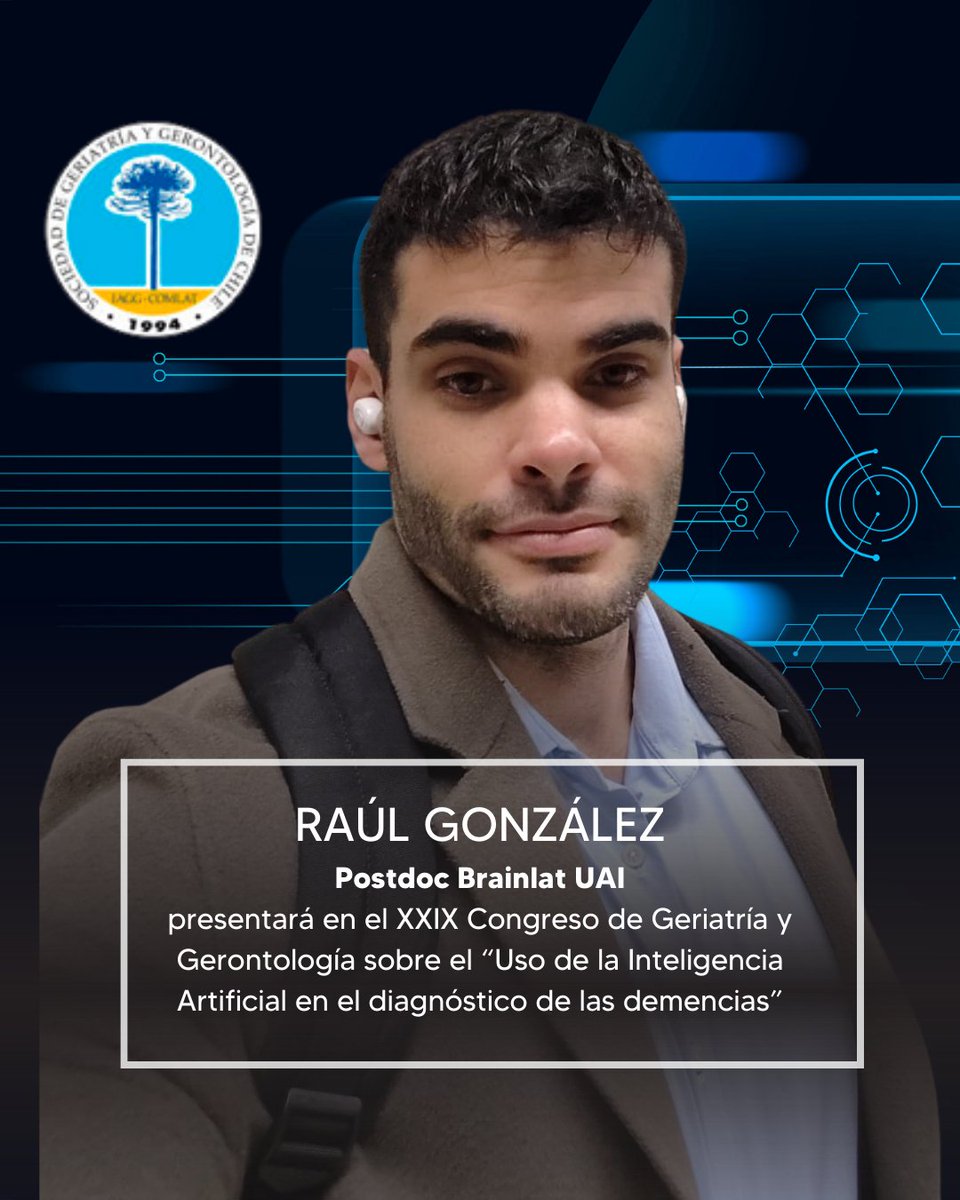
@rglezgz postdoc at BrainLat, will present “Use of AI in the Diagnosis of Dementias” at the XXIX National Congress of Geriatrics and Gerontology: Longevity in the Digital Age, August 6–8 in Santiago.
Read more: sggch.cl/web/
@UAI_CL @Psicologia_UAI @Socgeriatria
1
1
229
11 Jul 2025
Thrilled to speak about the role of AI in the diagnosis of dementia at the XXIX Chilean Congress of Geriatrics and Gerontology, organized by @Socgeriatria. Thanks to Dr. Ruben Alvarado for the invitation. Looking forward to sharing ideas and learning from colleagues!
1
5
211
Raul Gonzalez retweeted

Inflammation isn't always bad. In our amazing new study in @NatureAging, we show that inflammaging does not exist in the typical way in two indigenous populations. It doesn't increase with age and doesn't predict chronic disease at all. #Inflammation rdcu.be/et9n6
1
7
19
2,685

18 Jun 2025
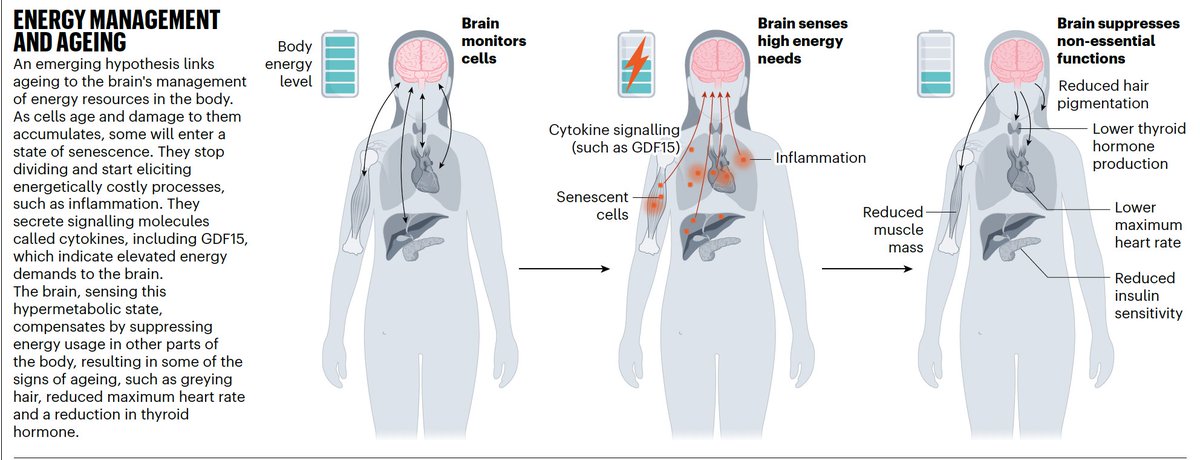
Interesting theory, mostly framed from a neurodegeneration perspective. Could brain damage in Alzheimer’s disease disrupt whole-body aging processes, leading to systemic dysregulation?
17 Jun 2025

The brain's master conductor role in our aging process
New @Nature feature
nature.com/articles/d41586-0…
93
Raul Gonzalez retweeted

16 Jun 2025
After more than 3 years of work, visualizing over 6,500 tau PET scans, and countless manuscript revisions, I still have to blink twice to believe it: our paper “Frequency and Clinical Outcomes Associated With Tau PET Positivity” is now published in JAMA.
jamanetwork.com/journals/jam…
1
14
34
1,344
12 Jun 2025
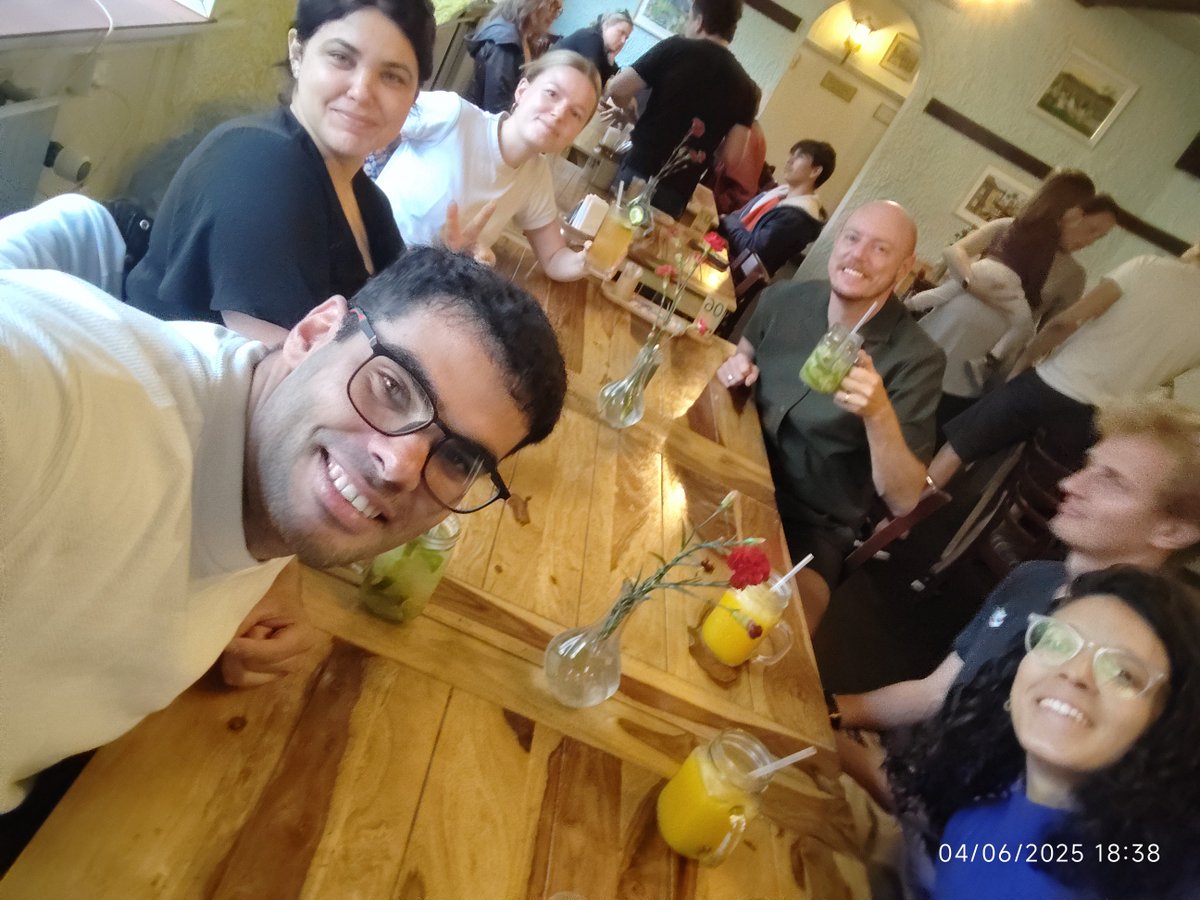
Two amazing months at @ISMCopenhagen 🏃♂️🧠
Thanks to everyone for your warm hospitality — especially the Boraxbekk Brain Buddies!
Grateful to @boraxbekk and @naiarademnitz for teaching me so much about the longitudinal perspective in MRI.
#brain #exercise
6
889