
Official Twitter account of the PI Lab in @RiceMECH, run by @ProfDanPreston and the @ricePILab members.
- Tweets 151
- Following 98
- Followers 296
- Likes 429












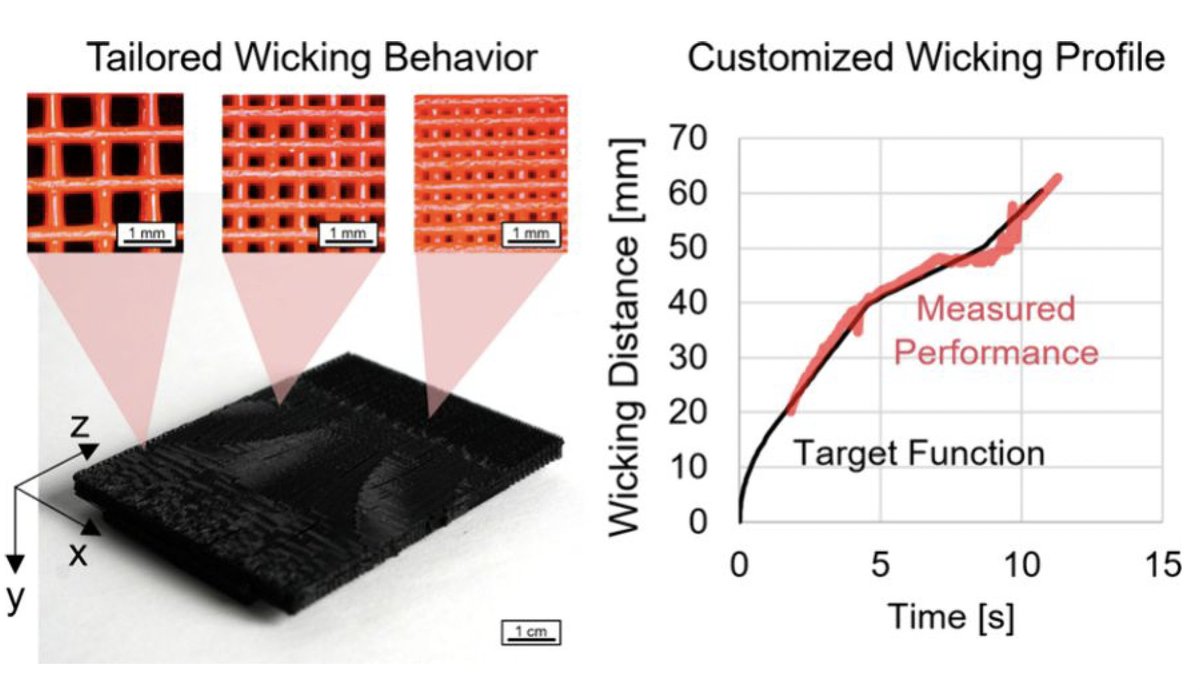
ALT An additively manufactured wicking material with spatially varying porosity enables inverse design of customized fluid propagation behavior.

ALT In article number 2300785, Vi T. Vo, Daniel J. Preston, and co-workers introduce a soft fluidic diode made from flexible thermoplastic and textile sheets using a layered fabrication approach. This cover image illustrates the diode as a foundational component in the development of sheet-based fluidic logic systems—as both modular and integrated circuits—to enable electronics-free control of soft devices and robots. Fluidic circuits incorporating the diode provide capabilities including Boolean operations, encoding, and rectification.

ALT Most wearable haptic devices (top left) deliver haptic notifications to the body; perception of haptics is depicted as brain activity (pink region). In the multiscale paradigm (bottom right), a user actively interacts with the wearable device to perceive a greater amount of information, both via passive receipt of haptic notifications through the band (pink region) and via active exploration of the textile haptic band with fingertips (yellow region). Background letters and numbers represent information transmission to the user via the device. For more information on multiscale haptics, see article number 2300897 by Marcia K. O’Malley and co-workers.
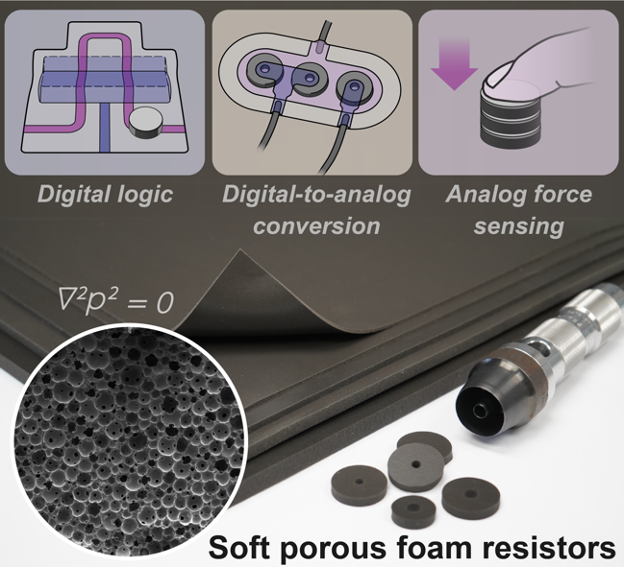
ALT Fluidic resistors made from microporous open-cell soft foams enable material intelligence across the sensing and control domains without the need for onboard electronics.
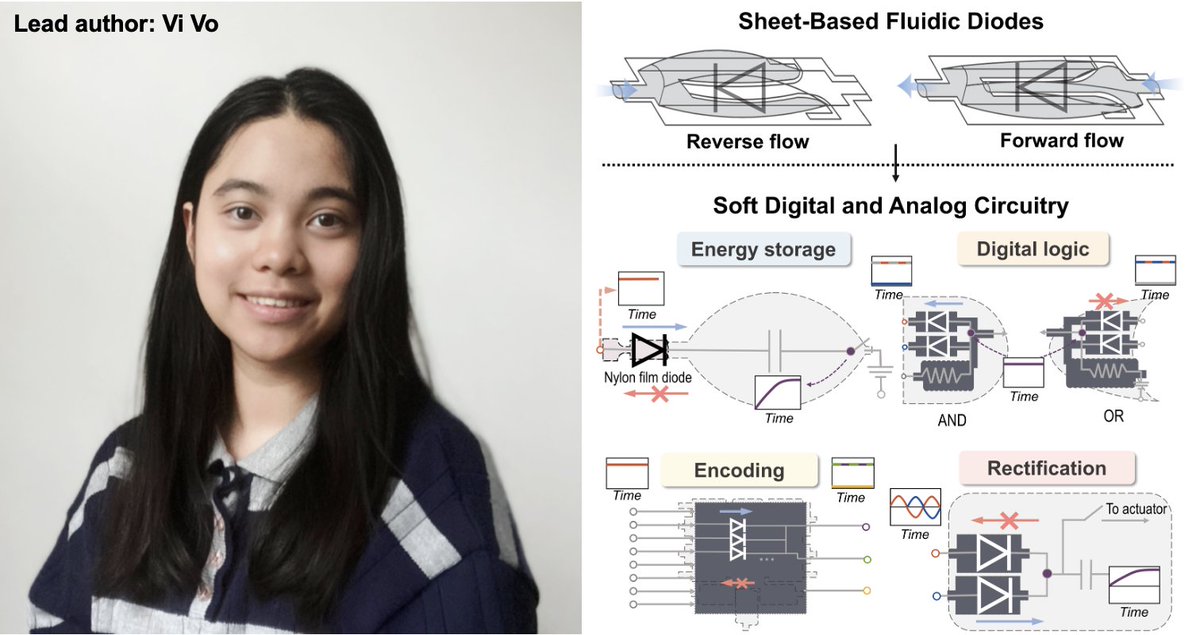
ALT Vi Vo (photo from sites.bu.edu/ranzani-lab/people) and the graphical abstract of our work on sheet-based fluidic diodes.
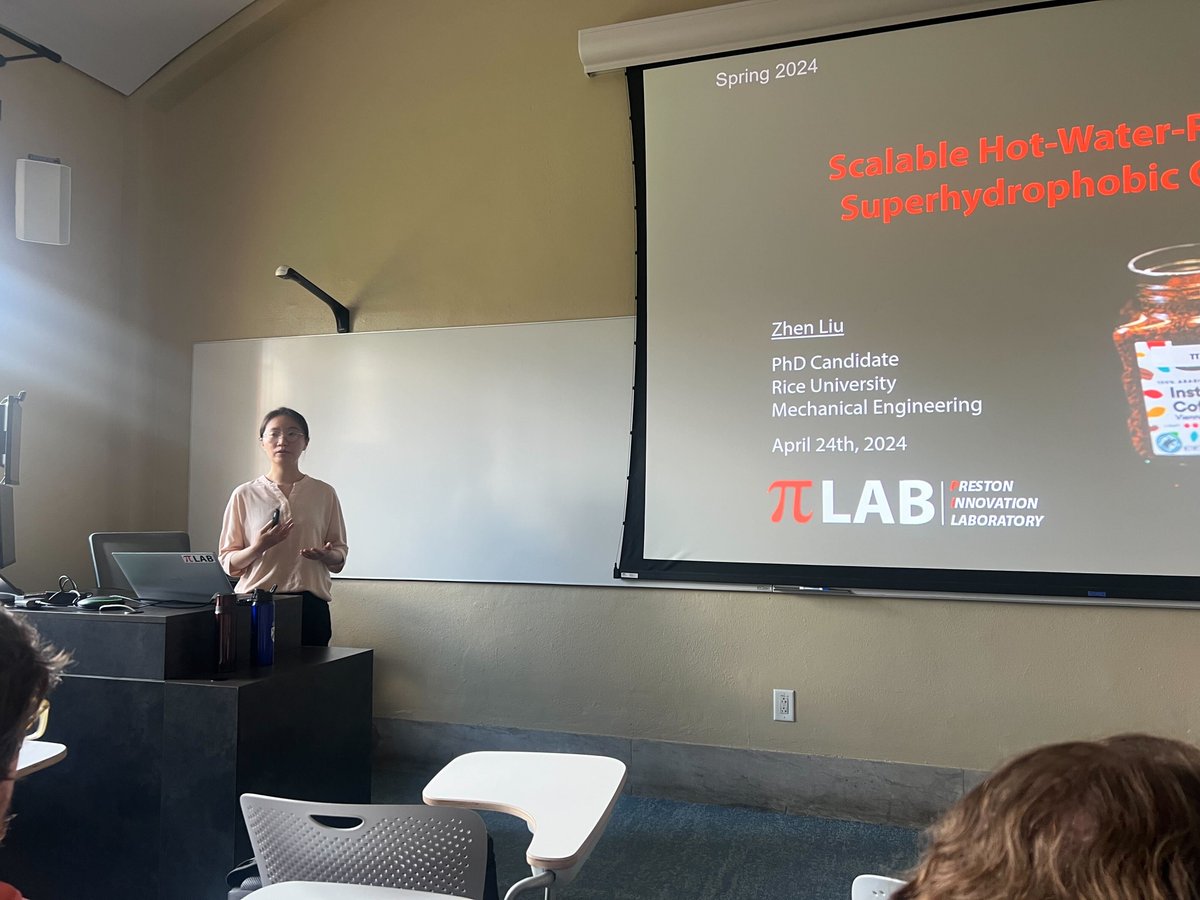
ALT Zhen Liu presenting on her work at a special Research Excellence Award seminar
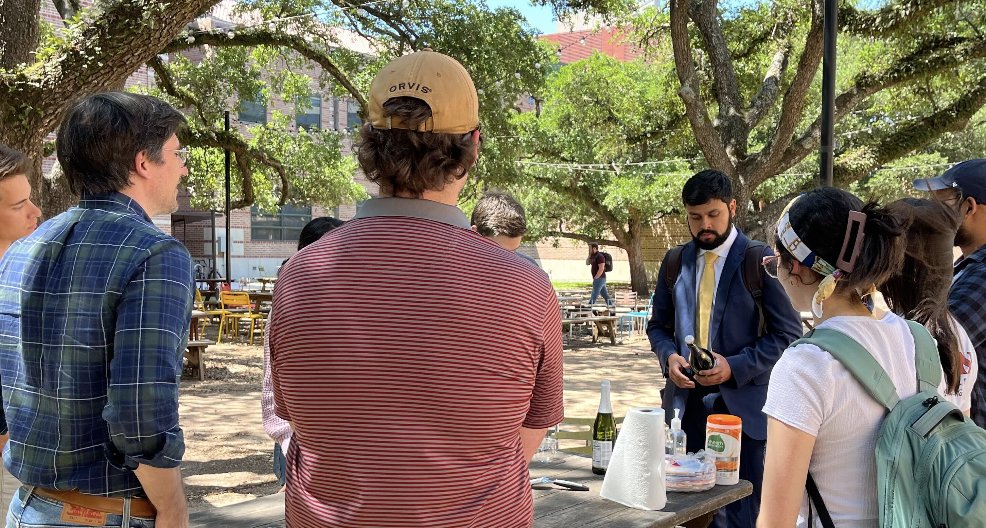
ALT Irfan celebrates after passing his MS defense

ALT Irfan delivering his MS defense presentation
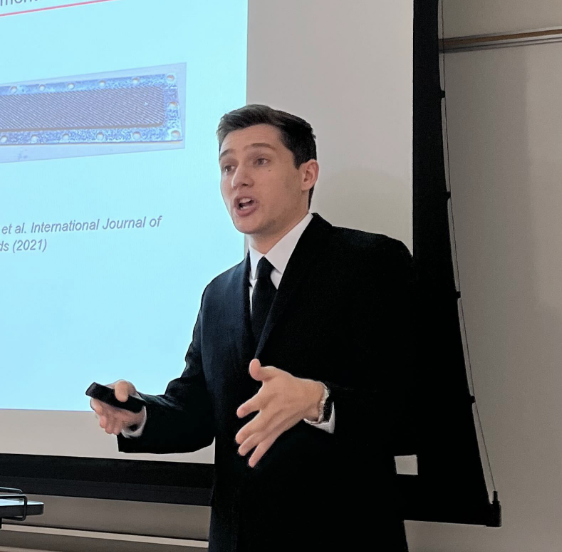
ALT Evan Noce presenting during his MS thesis defense
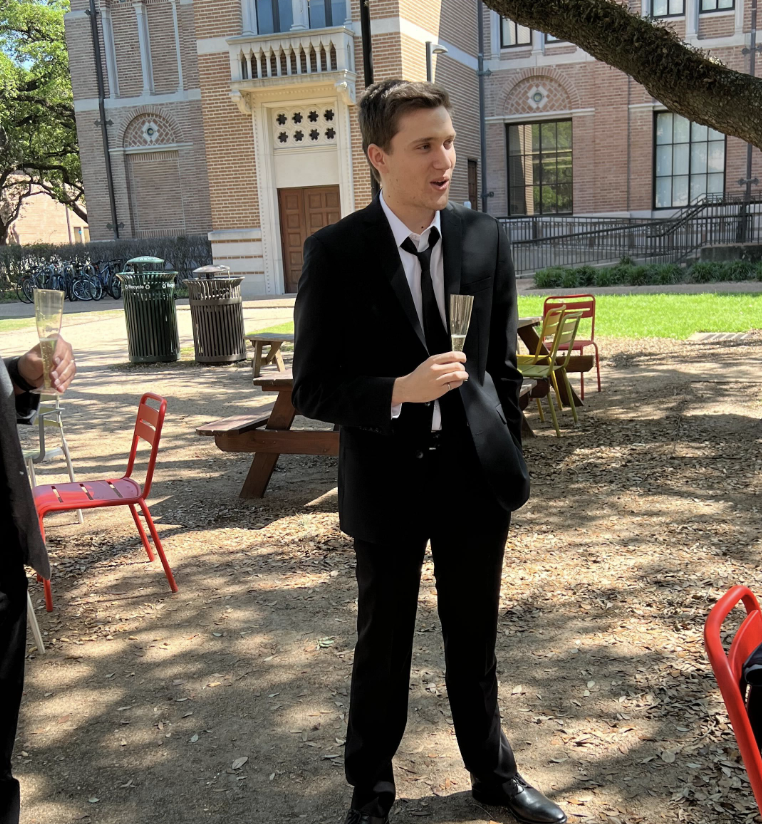
ALT Evan Noce celebrating after his MS thesis defense
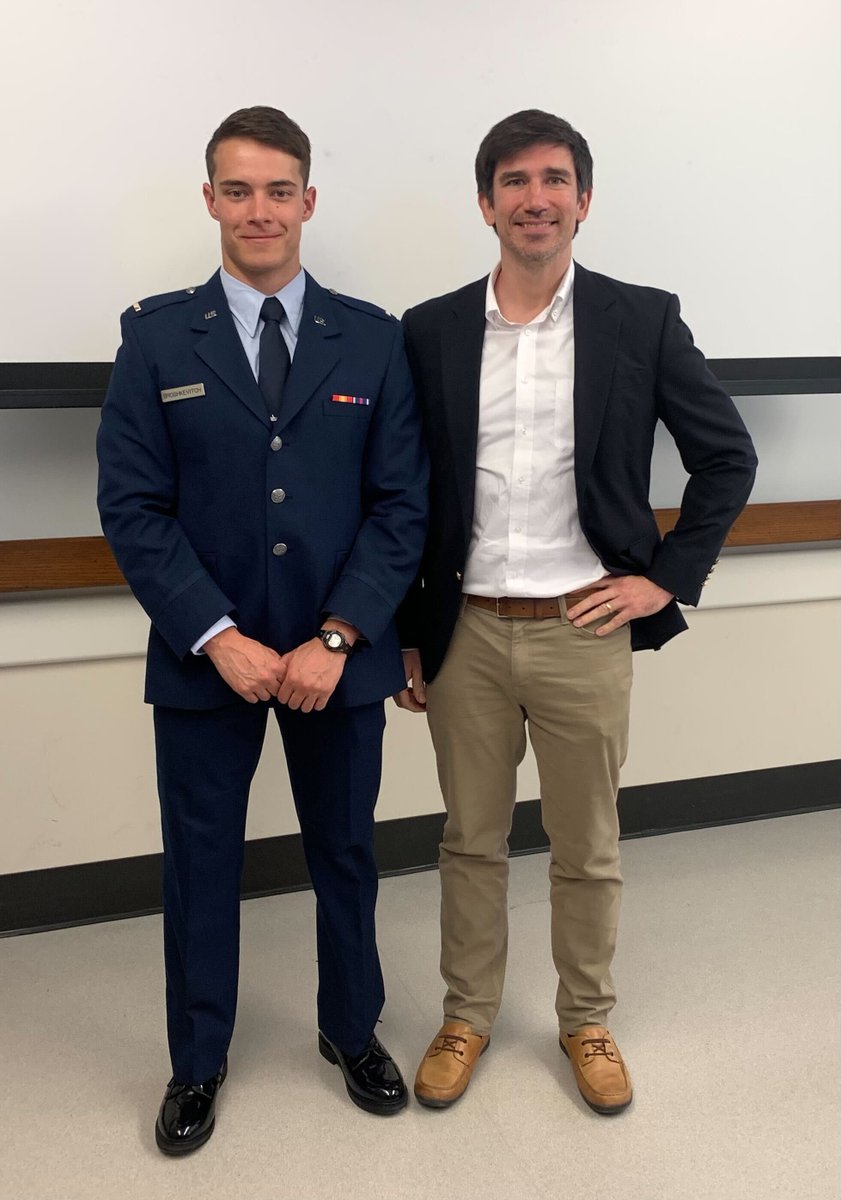
ALT Adam Broshkevitch and Daniel Preston
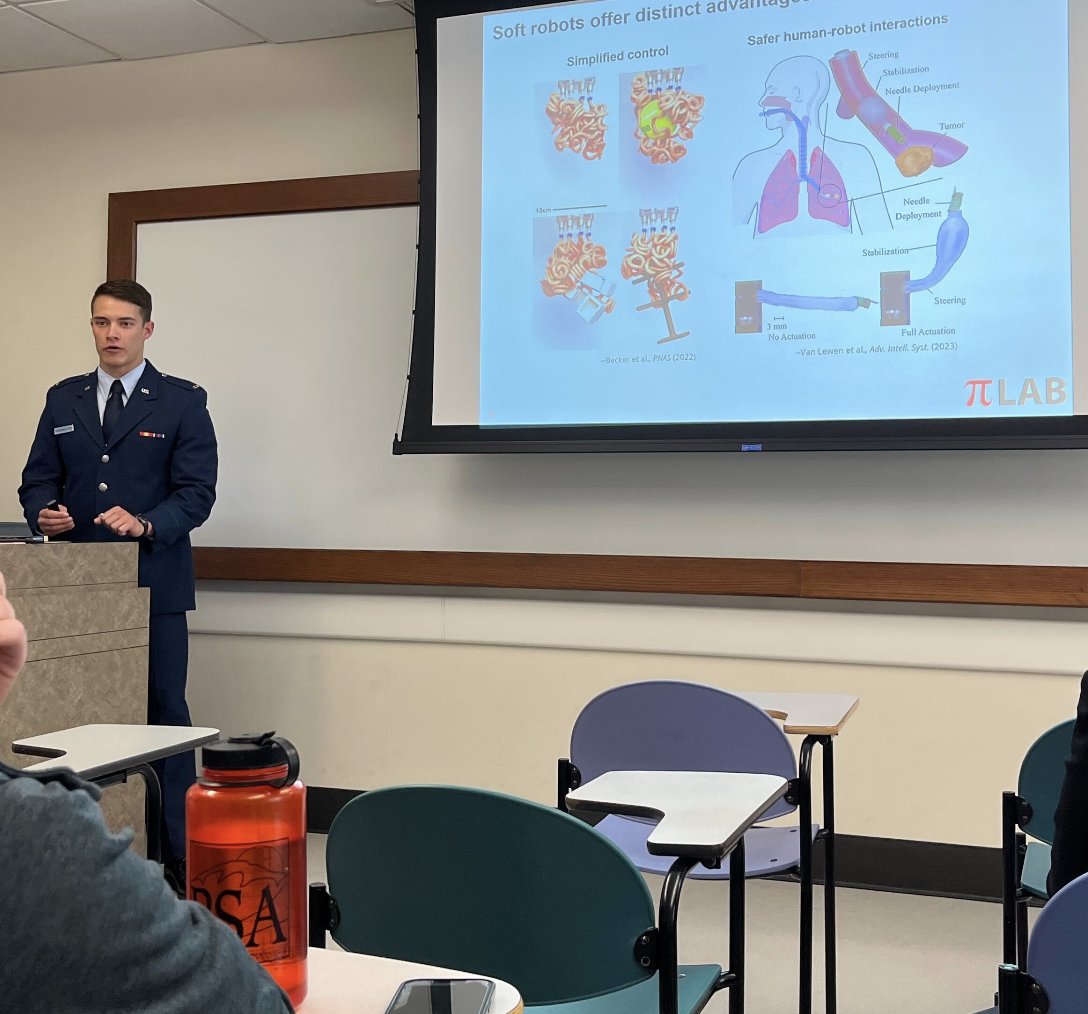
ALT Adam Broshkevitch defending his MS thesis
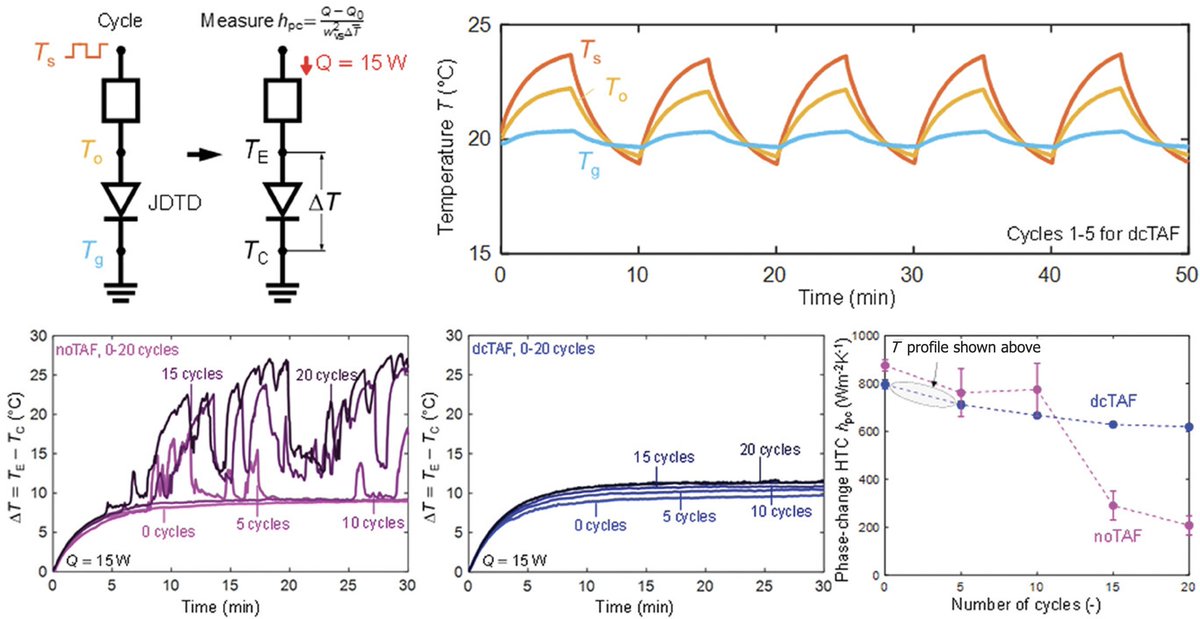
ALT Figure showing cyclic performance of a jumping droplet thermal diode with a Teflon AF–coated nanotextured aluminum surface.
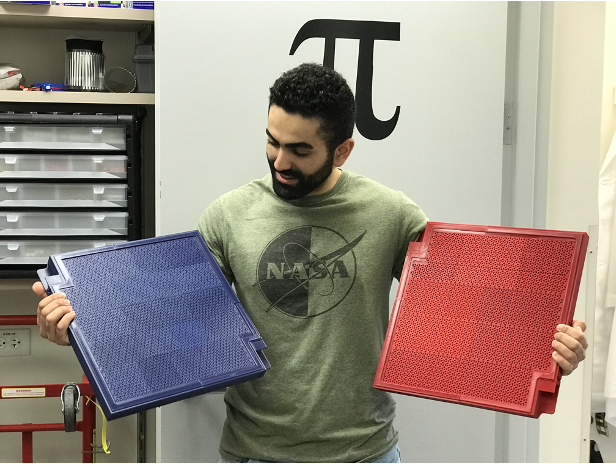
ALT Rawand holding two multiplexed inertial coalescence filters




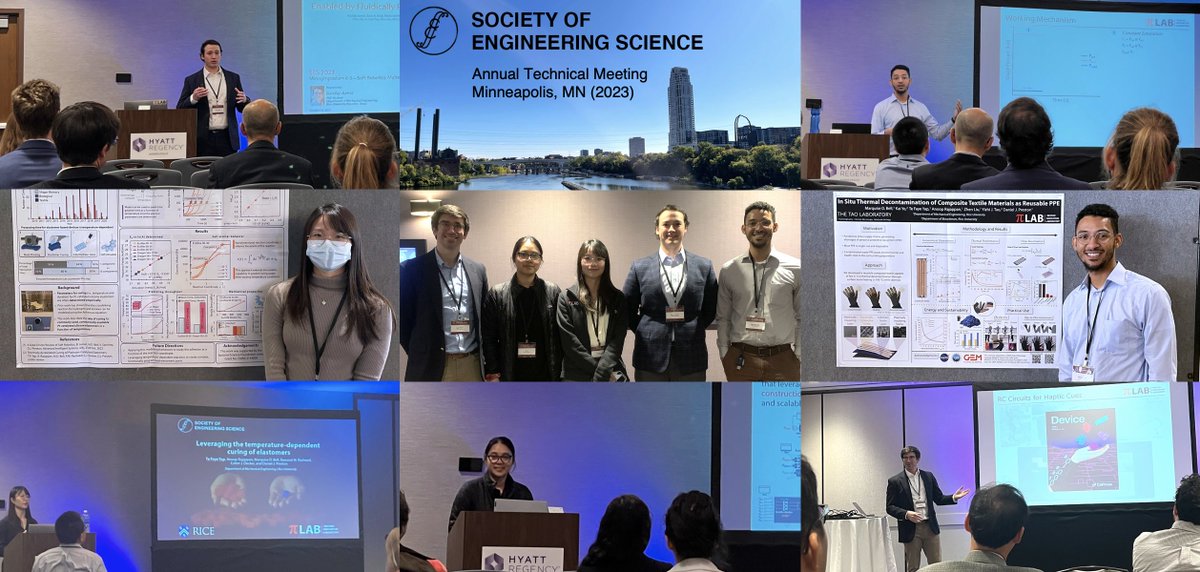
ALT Collage of photos taken at SES 2023
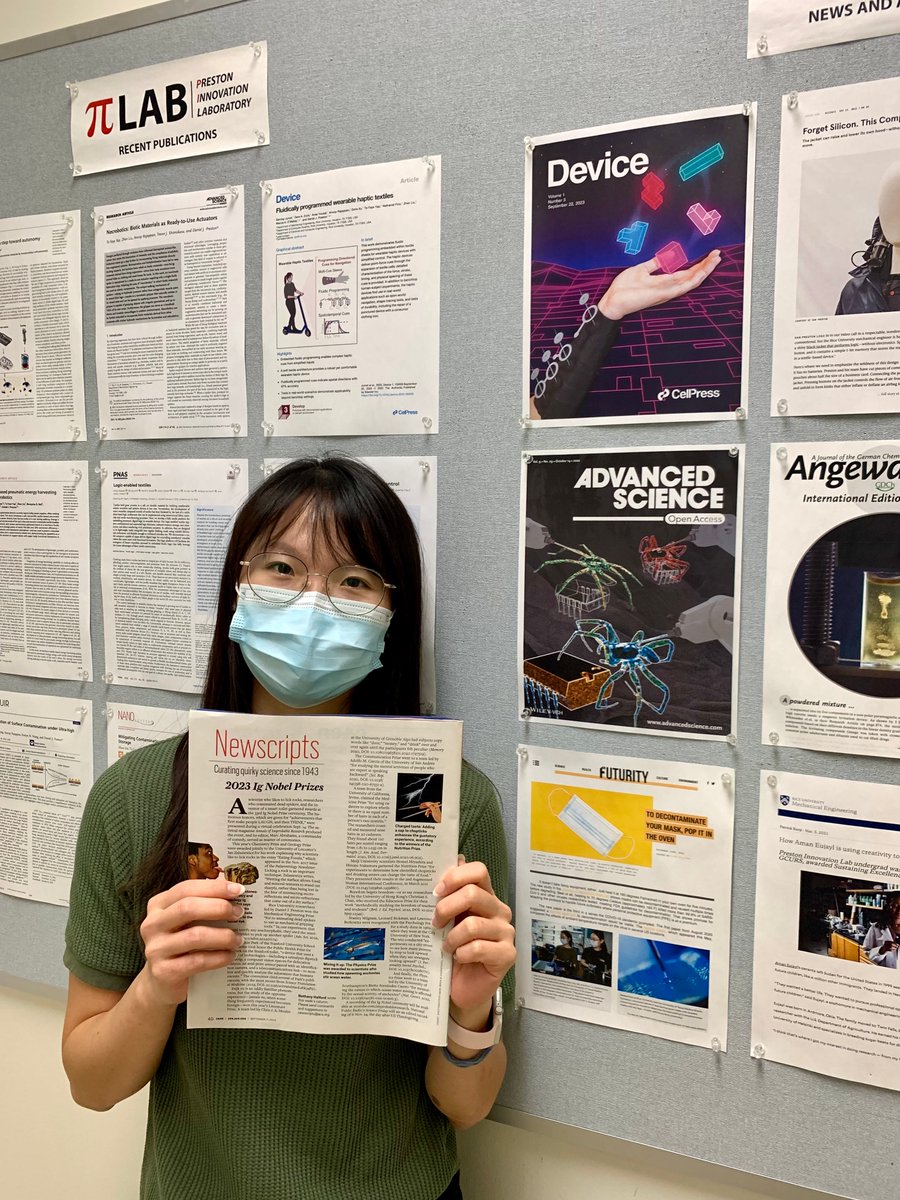
ALT Faye Yap with C&EN magazine showing story on Ig Nobel Prize for her work on necrobotics
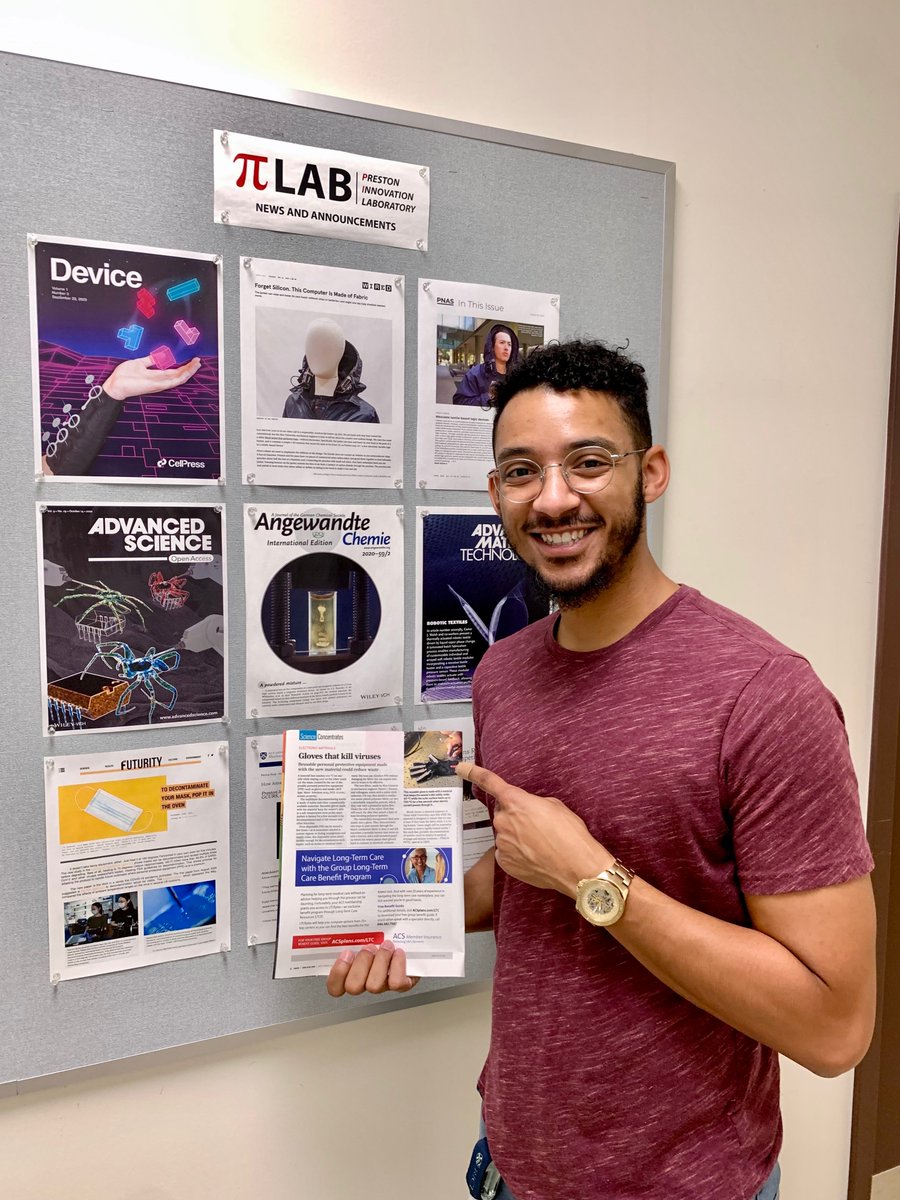
ALT Marquise Bell with C&EN magazine showing story on self-decontaminating wearables he developed
