
Joined February 2014
- Tweets 980
- Following 291
- Followers 1,994
- Likes 1,173
69 Photos and videos

Pinned Tweet

23 May 2023
Proud to announce we are finalists for Apple Design Awards for Innovation this year. 🤩
Great design is essential for creating products that are both beautiful and functional, and we've worked for years to make it happen.
developer.apple.com/design/a…
3
2
18
5,869
Rise Science retweeted

31 Jul 2025
Hey everyone, I have had sleep problems for a long time, and this app, @risescience, has helped a ton.
No, I don't have codes or endorsements or anything, just sayin'.
Well-rested traders make better decisions.
2
5
478
9 Jun 2025
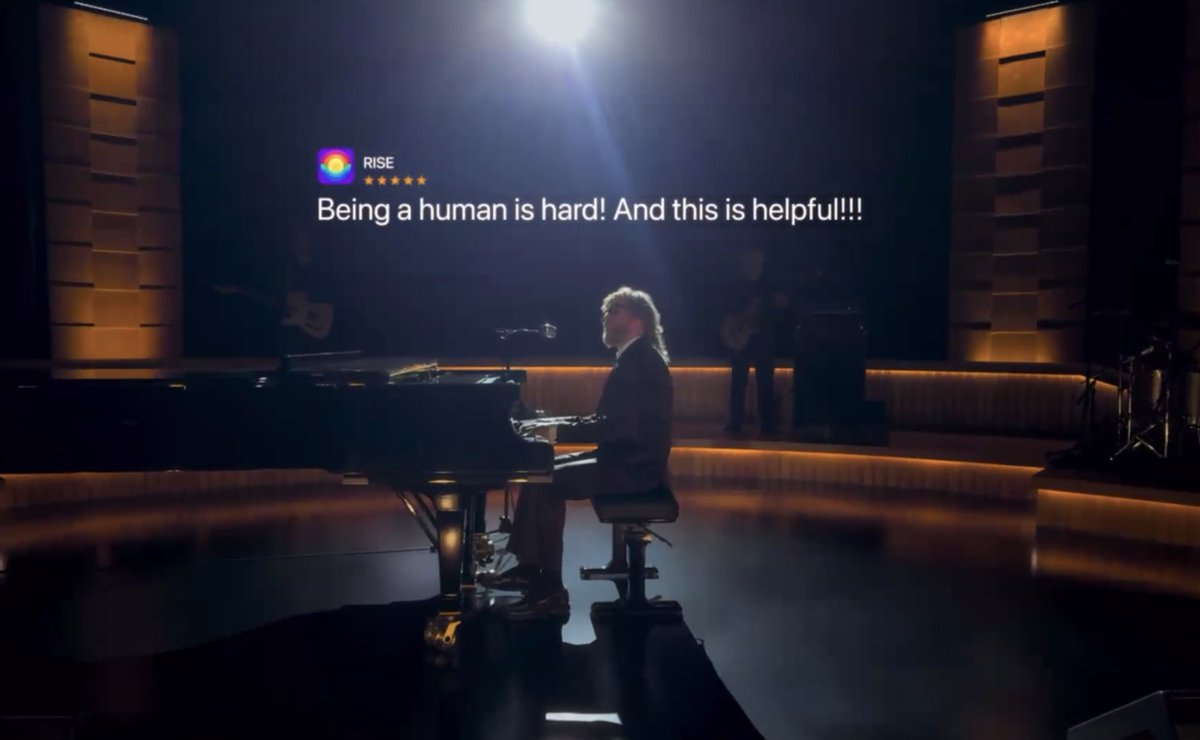
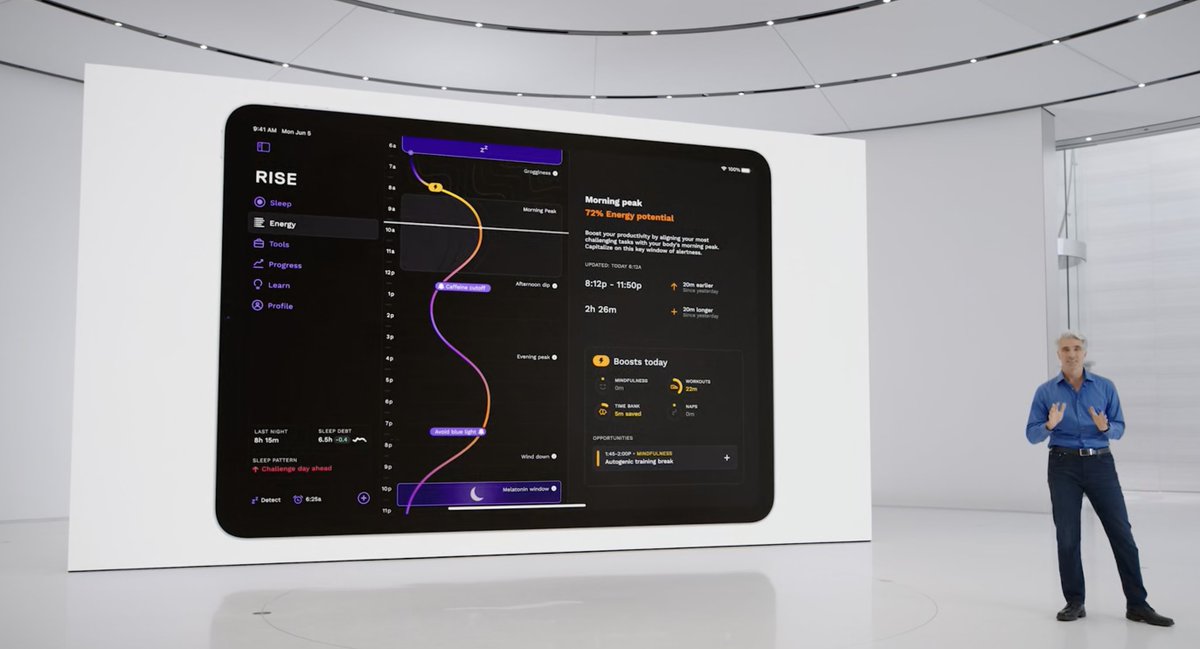
We're grateful to be helping people have better days — and to see that mission recognized at #WWDC25.
1
290
Rise Science retweeted

3 Jun 2025
😵💫 "Revenge travel" fatigue is jet lag's dangerous, stealthy cousin.
Now that the summer travel season is here, @risescience warns that drowsy drivers are 3× more likely to crash after red-eye returns.
bit.ly/4kBYLUe
1
2
403
28 Apr 2025
WizZzy's a fan favorite 🧙♂️✨

2
468
Rise Science retweeted
7 Apr 2025
😩 "RISE told me to wake up at 4:45am. I didn't trust it. Now I fall asleep easily and stay asleep." 😴
Love to see this great feature in @tomsguide on @RiseScience!
They're helping the sleepless finally get rest...with science.
bit.ly/3XFSiPn
1
1
5
394
1 Apr 2025
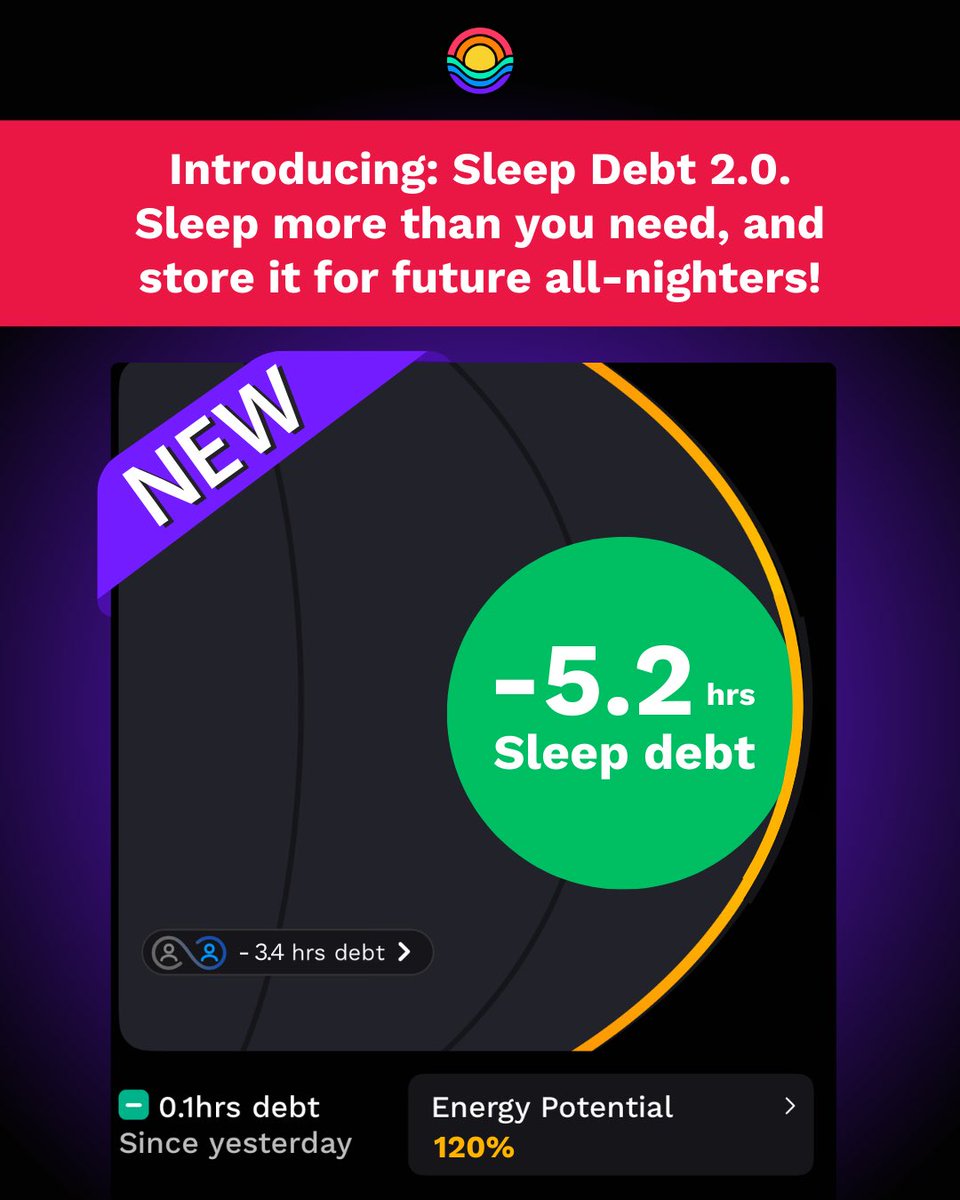
April Fools 😉 You *can’t* bank sleep.
Catching up on lost sleep can improve energy, mood, and a range of health outcomes — but your body doesn’t store up extra hours to offset future all-nighters.
1
183
1 Apr 2025
Sleep Debt 2.0 isn’t real. Sleep debt *is*.
Keep yours low by getting enough quality sleep consistently—not by trying to “preload” it in advance.
184
12 Mar 2025
The clocks sprang forward this weekend in the US for daylight saving time. And while it was just an hour, that small shift can throw us off for weeks.
But here’s the thing—many of us experience these “unofficial” clock changes all the time when we shift our sleep schedules. 🧵
1
2
270
12 Mar 2025
This helps us fall asleep faster and wake up less often, maximizing our time in bed.
Use short-term energy boosts — drinking water, taking a cold shower, listening to music, and even a quick burst of physical activity can help.
1
1
196
12 Mar 2025
Research shows a 10-minute brisk walk improves energy more than a sugary snack.
And try not to panic. While a regular sleep schedule is important (and helps us feel and perform our best), we’ve got to cut ourselves some slack when it’s just not possible every night.
1
182