
Associate Professor @UPFBarcelona. Computational genomics R/Bioc dvlpr. He/him, vi/vim. Mastodon: @robertclab@genomic.social. BlueSky: @robertclab.bksy.social
Joined January 2012
- Tweets 11,384
- Following 127
- Followers 904
- Likes 1,700
208 Photos and videos

Robert Castelo retweeted

Jun 10
Arguably the most boring step in genomics is the first one: normalization. Settled science. Scale log. Move on.
Except that here's been a huge blind spot in the field. And it matters for AIxBio. A 🧵about what I think may be one of the most important papers I've written. 1/
18
148
672
114,632
Robert Castelo retweeted

May 27
Today we're announcing ESMFold2, an open scientific engine to power prediction, design, and discovery across protein biology.
The new model delivers state of the art performance on protein interactions, especially antibodies, a critical modality for therapeutics.
We have designed and validated miniprotein binders and single chain antibodies across five therapeutic targets that are important in cancer and immunology. We are seeing very high success rates, and affinities at levels consistent with therapeutic activity.
We’re also releasing an atlas of 6.8 billion proteins, and 1.1 billion predicted structures.
ESMFold2 is built on a state of the art language model that has been trained on billions of protein sequences.
A world model of protein biology emerges through language modeling.
We’ve used the techniques of mechanistic interpretability developed to understand large language models to understand the concepts ESM uses to represent proteins.
The model’s representation space has a compositional organization of features across scales, levels of complexity, and abstraction, that reflects and mirrors the understanding of protein biology developed through a century of empirical science.
This understanding emerges without prior knowledge, just from language modeling of protein sequences.
Language models are becoming a powerful substrate to understand and program biology.
The design of protein interactions is one of the most fundamental problems in biophysics, and has critical implications for the discovery of new medicines. A simple gradient based search with the model was able to discover high-affinity protein binders.
I'm excited by the potential this has to accelerate basic science and the understanding of proteins. And especially for the new avenues it opens up for therapeutic design and medicine.
74
449
1,612
600,362
Robert Castelo retweeted

Apr 30
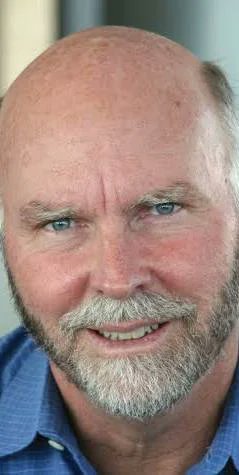
Venter was an abrasive dick, but his general "we can just do things" attitude was transformative in modern genomics. He went against the plodding consensus, and succeeded time after time, first with EST sequencing, then with shotgun sequencing of bacteria and most famously with shotgun sequencing of flies and humans.
I will never forget sitting behind Francis Collins and Eric Lander (the chief honshos of the public human genome project) at the CSHL Biology of Genomes meeting in 1998 right when Venter's Celera was announced, and seeing them panicking because they knew he was going to succeed and make them look like fools (which, despite their massaging of the press, he ultimately did).
Apr 29

I came back to the United States, hearing about a very sad news: Craig Venter passed away today. He is a pioneer, successfully sequenced the first Human genome, and tried to create Synthetic Cells. We lost a giant in Science. RIP.
@JCVenterInst
12
51
537
57,941
Robert Castelo retweeted

Apr 28
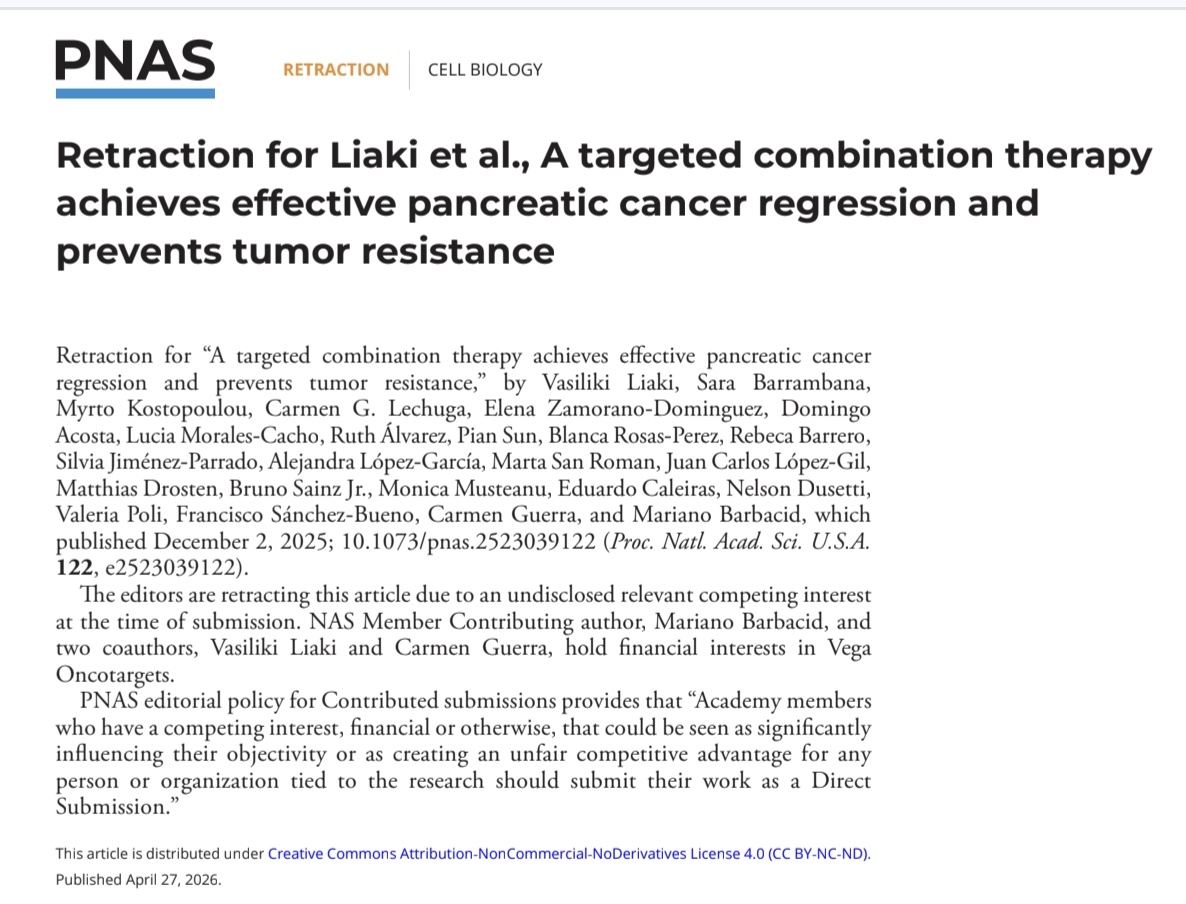
Barbacid ocultó sus intereses empresariales cuando anunció una supuesta 'curación' del cáncer de páncreas, como revelamos en EL PAÍS el 6 de febrero. La Academia de Ciencias de EE UU acaba de retractar su estudio por esa turbia maniobra:
elpais.com/ciencia/2026-04-2… Por @Nunodomin
28
146
350
135,390
Robert Castelo retweeted

The number of grant applications is rising sharply. Our capacity for their evaluation isn’t.
ERC President Maria Leptin explains why stricter resubmission limits are being introduced for 2027 calls and what this mean for applicants.
link.europa.eu/xF7kjc
41
78
147
144,502
Robert Castelo retweeted

Apr 16
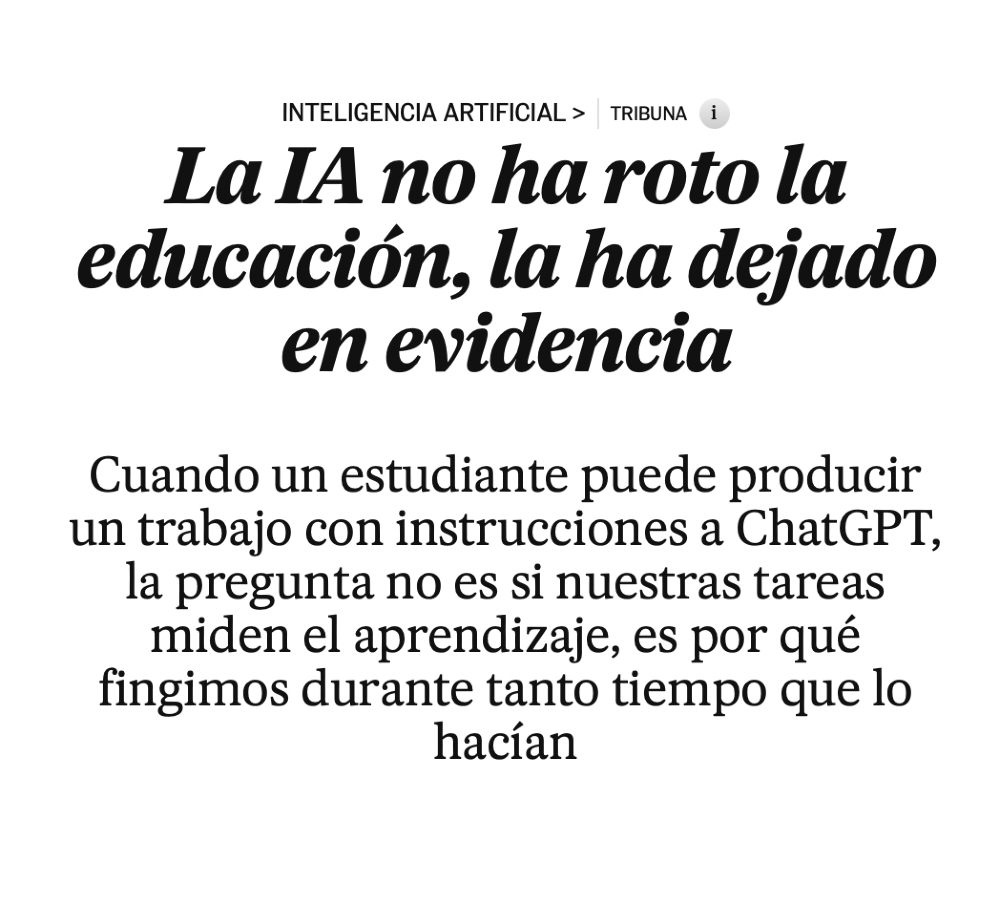
Me ha encantado este texto. Creo que da en el clavo en muchas cosas.
Lo que digo siempre: "Tarea que pueda ser copiada, merece ser copiada".
👉 f.mtr.cool/rcwrfpnxhb
34
307
855
58,000
Robert Castelo retweeted

In my latest column, I explain some of my reasons for being deeply skeptical about AI models that claim to understand DNA, genes, and genomes: stevensalzberg.substack.com/…
6
32
155
16,501
Robert Castelo retweeted

Mar 26
Seguramente algo tendrá que cambiar, pero también es verdad que la tesis doctoral es un medio (para la formación de un investigador/a), no un fin.
También salimos a hacer deporte y corremos durante 1 hora, a pesar de que un coche haría el mismo recorrido en 5 min.
5
15
226
10,618
Robert Castelo retweeted
we just published (in G3) the genome of the oldest living thing on Earth: the bristlecone pine, which can live 5,000 years or more. Do we know yet what allows it to live so long? No, but the genome is a great place to start ucdavis.edu/climate/news/unl…
2
21
74
4,905

Long reads carry multiple small vars and SVs and their phasing. LongcallD is the only caller that tightly integrates germline/mosaic small/structural vars/MEIs and their phasing in a single C program. One command line to get competitive small variant calls and better SVs.
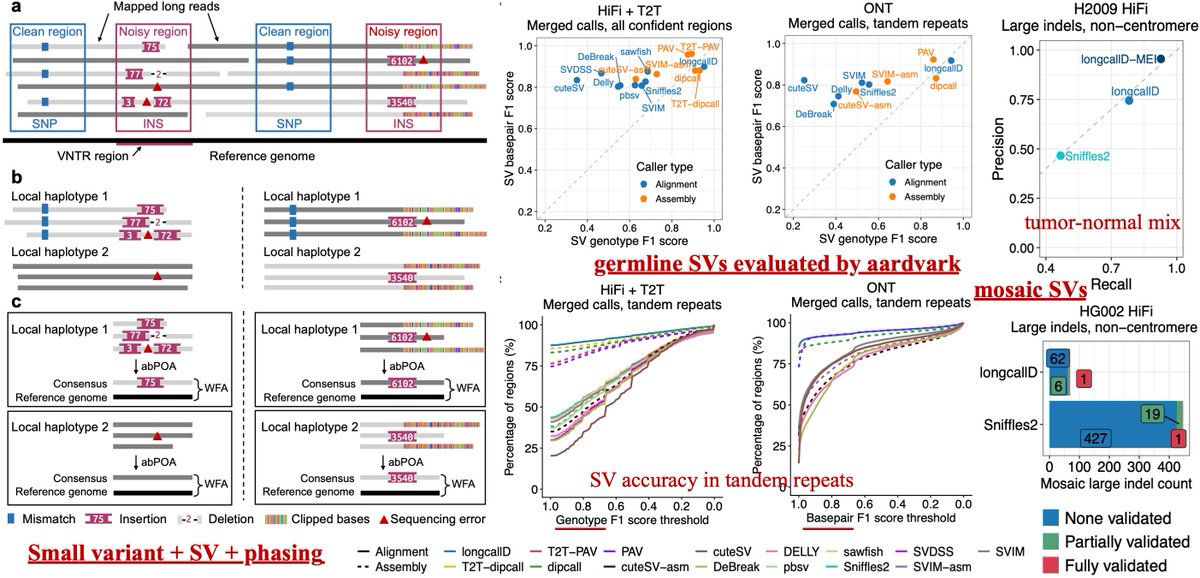

New preprint on longcallD: a unified framework for joint calling and phasing of small, structural and mosaic variants from long reads. Improved SV calling and competitive small variant calling. Supervised by @lh3lh3 , co-work with @QianAlvinQin1, @wwliao88 and @irahall9.
36
131
10,674
Robert Castelo retweeted

Wow!
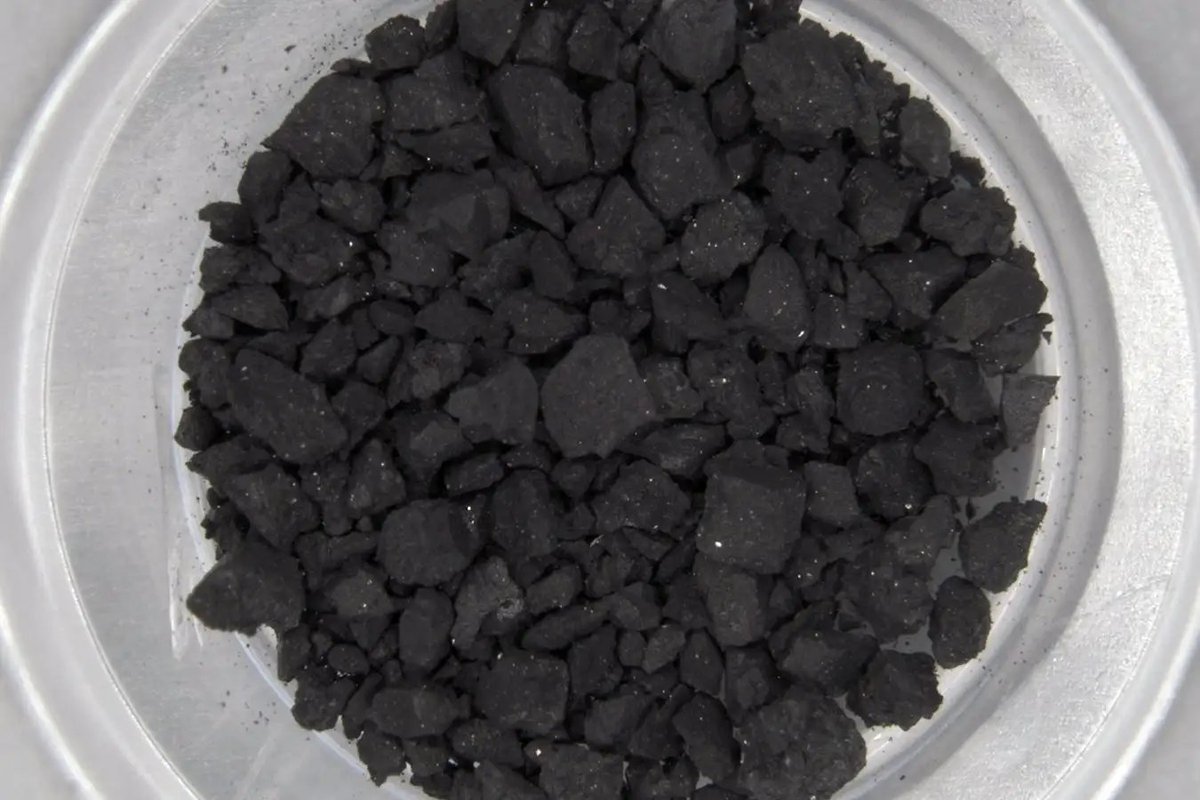
Detecten les 5 bases de l'ADN i l'ARN a les mostres de l'asteroide Ryugu!
Adenina, guanina, citosina, timina i uracil són l'alfabet amb què s'escriuen els llibres d'instruccions de la vida (ADN i ARN).
Què significa aquesta troballa?
Fil...
17
346
1,082
54,459
Robert Castelo retweeted

Mar 18
We have two open positions to work on modeling and analysis of cancer sequencing data. If you are interested, check out the links below or write me an email:
recruitment.crg.eu/content/j…
recruitment.crg.eu/content/j…
1
10
21
2,439

Robert Castelo retweeted
Deep learning researchers created fake citations to support their claims in 51 papers at the latest @NeurIPSConf. I have concerns: stevensalzberg.substack.com/…
2
6
24
3,655
Robert Castelo retweeted

New preprint! 🧵 We introduce jazzPanda, a method for identifying spatial marker genes in imaging-based spatial transcriptomics (Xenium, CosMx, MERSCOPE). Why do we need another marker gene method? Short answer: existing methods ignore spatial coordinates. 👇
1
7
31
3,817
Robert Castelo retweeted

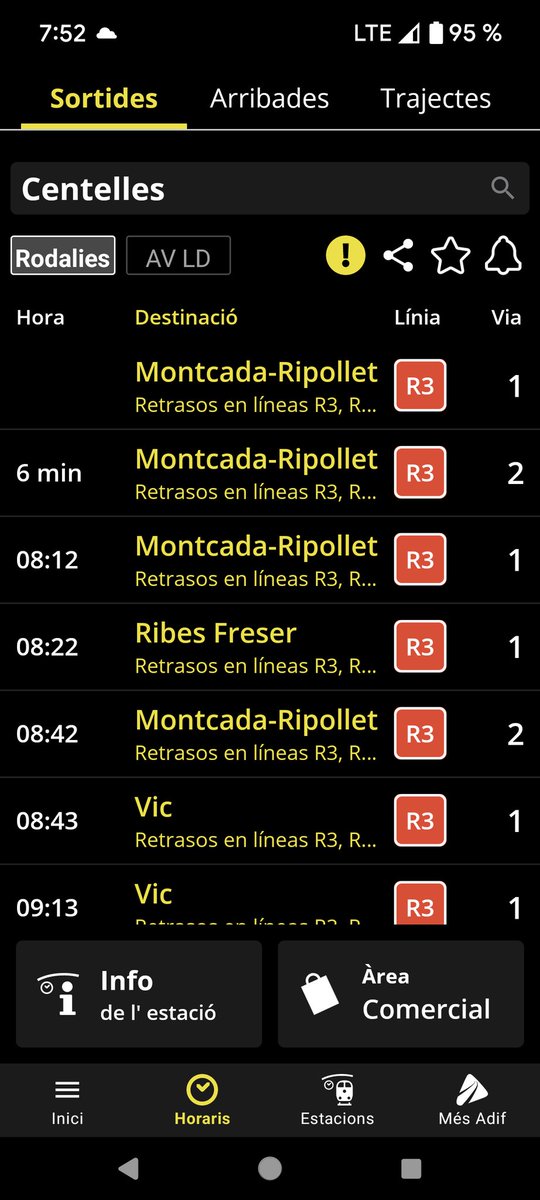
Reclamem que la reobertura del servei ferroviari, que es preveu per als propers dies, sigui de la La Garriga fins a ➡️Ribes de Freser⬅️ i no només fins a Ripoll.
Animem @AjCampdevanol i @AjRibesdeFreser a pressionar perquè sigui així!
@CCRipolles @rodalies @Adif_es @territoricat
Mar 2

La R3 de Rodalies seguirá sin servicio entre Ripoll y Puigcerdà al menos hasta finales de abril elperiodico.com/es/sociedad/…
2
10
25
1,084
Robert Castelo retweeted

Feb 26
A statement from Anthropic CEO, Dario Amodei, on our discussions with the Department of War.
anthropic.com/news/statement…
4,238
9,205
55,516
16,675,456
Robert Castelo retweeted

Feb 26
AI can autodetect gene name date swaps. Is this AGI?

5
23
3,370
Robert Castelo retweeted

Feb 26
It’s finally out! Together with @EMBO and @ReviewCommons, we conducted a structured side-by-side comparison of human peer review and our AI scientific review.
Here’s what we did: Authors whose manuscripts had already received journal-agnostic review at Review Commons were provided with an independent AI review generated by @qedScience. The AI analysis was compared to the combined feedback of multiple human reviewers, not to a single report, and had no access to those reviews.
We then asked authors how they evaluate the strengths and limitations of both approaches, and how they would actually want to use AI.
The conclusion was clear: Scientists want AI feedback to strengthen their work IN ADVANCE, under their control. Not as a gatekeeper, but as a tool for constructive input.
That is exactly what we are building at q.e.d! We are on the authors' side.
q.e.d. is not working in isolation; we are collaborating with leading pro-scientists organizations, including EMBO (and other journals), Review Commons, and OpenRxiv (@biorxivpreprint), and are working closely with researchers across fields. At the same time, we are building an alternative model that puts agency directly in scientists’ hands.
Researchers should be the ones deciding when their work is ready to be shared. We are building the infrastructure to support that.
A pleasure doing this with the great Thomas Lemberger @tlemberger and Niv Samuel Mastboim @nivmast

5
64
222
35,358
In Rust! A new tool to flag foldback and chimeric artifacts in long reads. They are prevalent in some Nanpore datasets. See the full paper for details: link.springer.com/article/10…
Feb 24

Breakinator: github.com/jheinz27/breakina…
1
20
65
9,246