Professor. Views are mine. RT not endorsement. "In matters of style, swim with the current; in matters of principle, stand like a rock," Thomas Jefferson.
Joined July 2014
- Tweets 11,210
- Following 938
- Followers 1,400
- Likes 3,471
1,183 Photos and videos
Pinned Tweet

26 Jul 2023
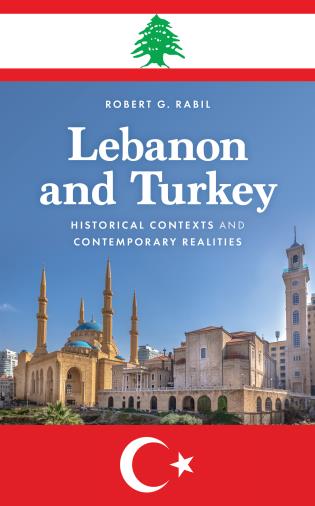
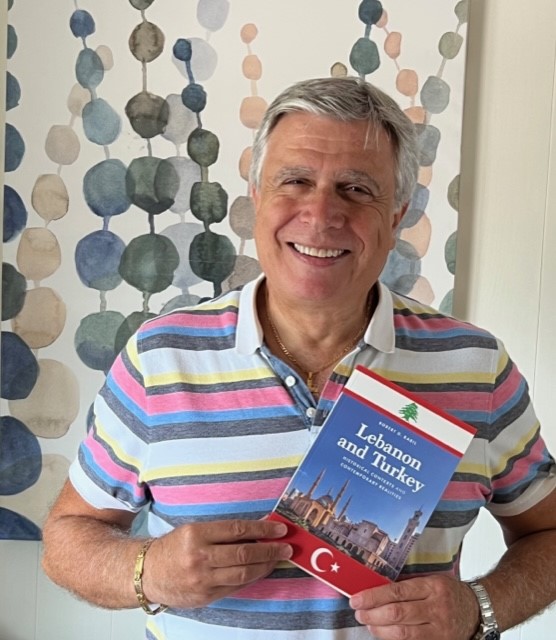
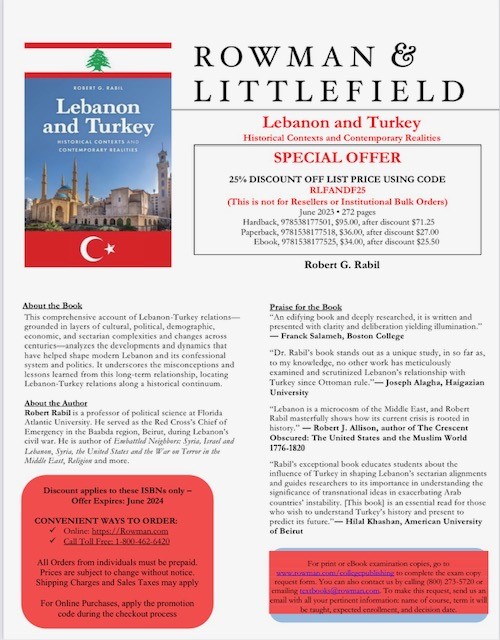
I am happy to announce that today I received copies of my book: Lebanon and Turkey: Historical Contexts and Contemporary Realities.
No empire or a regional power has helped mold the socio-political and religious landscape of a country as the Ottoman Empire and its heir (the Republic of Turkey) have helped shape modern Lebanon, yet no contemporary study has examined Lebanon-Turkey relations back to Ottoman rule of Lebanon. As such, the understanding of this historic and contemporaneous relationship is deficient. This text fills this gap, examining patterns and shifts in Lebanon-Turkey relations within the context of regional and international politics from Ottoman rule to Turkey’s AKP-led governments.
This comprehensive account of Lebanon-Turkey relations—grounded in layers of cultural, political, demographic, economic, and sectarian complexities and changes across centuries—analyzes the developments and dynamics that have helped shape modern Lebanon and its confessional system and politics. It underscores the misconceptions and lessons learned from this long-term relationship, locating Lebanon-Turkey relations along a historical continuum.
The topics with which this book project is concerned with:
-Ties Ottoman rule over Lebanon with contemporaneous Lebanon-Turkey relations
-Examines the shifts and development of Lebanon’s demography and sects under Ottoman rule
-Investigates Ottoman rule over Lebanon against the background of European rivalry
-Analyzes the transition of feudalism based in tax farming under Ottoman rule to political sectarianism in independent Lebanon
-Probes Lebanon’s sectarian massacres in the nineteenth century, which led to foreign intervention and the development of the country’s confessional system
-Examines Lebanon’s Great Famine (1915–1918) within the context of the Great War
-Analyzes Turkey’s foreign policy approach towards Lebanon within the context of Ankara’s ideological and practical outlooks
-Scrutinizes Turkey’s Justice and Development party’s (AKP) interest in Lebanon
-Explores Turkey’s influence in Lebanon
Reviews of the Book:
This is a refreshing, lucid, and seasoned research-based analysis that is crucial to understanding a contemporary Eastern Mediterranean in the midst of roiling shifts, what some have called ‘the end of the Arab century.’ A discerning survey probing deeply post-Ottoman Lebanese-Turkish relations, this book is of special importance on many levels to scholars of the Middle East but also genocide studies and the still ‘hidden’ history of the Great Famine on Mount-Lebanon. An edifying book and deeply researched, it is written and presented with clarity and deliberation yielding illumination.
— Franck Salameh, Boston College
Well researched, chronicled, and argued, Dr. Rabil’s book stands out as a unique study, in so far as, to my knowledge, no other work has meticulously examined and scrutinized Lebanon’s relationship with Turkey since Ottoman rule. The book successfully weaves together the major developments, including the overlooked Great Famine, of this relationship that helped shape modern Lebanon and continues to highlight both the chronic failures of the country’s confessional system and the promise of better Lebanon-Turkey relations, against the backdrop of a fast-paced changing world order.
— Joseph Alagha, Haigazian University
Robert Rabil makes clear the complicated, conflicted, and tragic history of Lebanon and its relationship with its neighbors. This compelling, insightful, and courageous book helps us understand Lebanon’s tangled and contentious history with its neighbors, Turkey and Syria. Lebanon is a microcosm of the Middle East, and Robert Rabil masterfully shows how its current crisis is rooted in history.
— Robert J. Allison, Suffolk University, author of The Crescent Obscured: The United States and the Muslim World 1776-1820
Professor Rabil masterfully traces Turkish Middle Eastern policy from Sultan Abdul Hamid’s Ottomanism to Davutoglu’s Neo-Ottomanism and Erdogan’s realism after the defeat of Arab popular uprisings that demonstrated the limits of Ankara’s regional ambitions. Rabil’s exceptional book educates students about the influence of Turkey in shaping Lebanon’s sectarian alignments and guides researchers to its importance in understanding the significance of transnational ideas in exacerbating Arab countries’ instability. Lebanon: From Ottoman Rule to Erdogan Regime is an essential read for those who wish to understand Turkey’s history and present to predict its future.
— Hilal Khashan, American University of Beirut
Professor Rabil does an excellent job explaining how the Ottoman Empire struggled to survive by applying a policy of mass killings, starvation, and deportations in the empire’s provinces that sought to become more autonomous. It is interesting how an empire resorts to cruel methods to keep itself from falling apart. Rabil’s study is also relevant to understanding contemporary Russia’s involvement in Ukraine. The case of the Ottoman Empire can serve as a historical paradigm to analyze powers that struggle against their own decline. A brilliant and highly enlightening book.
— Luis Fleischman, professor, Palm Beach State College and co-president, Palm Beach Center for Democracy and Policy Research
Robert Rabil ‘s Lebanon-Turkey Relations: From Ottoman Rule to Erdogan’s Regime,” is a gift for those studying the history, politics, and culture of Lebanon and its important neighbor, Turkey. In recent years Turkey’s foreign policy has become an often and serious topic of analysis for Middle Eastern scholars. This book provides an important addition to that literature. It is a unique study concentrating on Turkey’s impact on the development of Lebanon from its early history to its current involvement in the country. Through archival research, and interviews abroad Dr. Rabil provides new insights into Ottoman policies leading to the Great Famine of 1915-1918, the roots of the confessional system, the growth of Arab Nationalism, the Cold War, Lebanon’s civil war and Turkey’s recent and growing involvement in Lebanon and the region. This is a key contribution to filling the missing piece of the Lebanese – Turkish relationship’s place in today’s Middle East foreign policy puzzle. It really is a must read!
— Lenore G. Martin, Professor, Emmanuel College, Middle East Center and Weatherhead Center, Harvard University
Books can be purchased from Amazon, Barnes and Nobles and others, or from publisher with 25% discount, Ebook: $25.00 and paperback: $27.00.
5
4
43
11,215
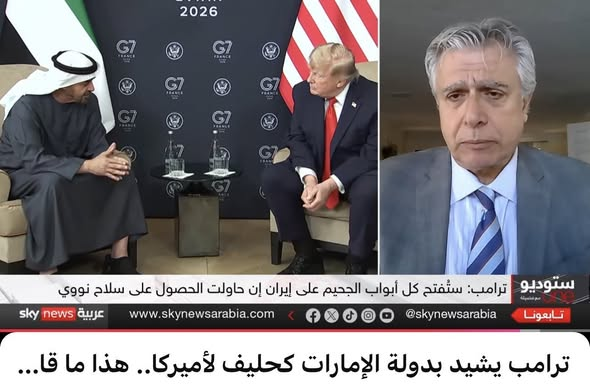
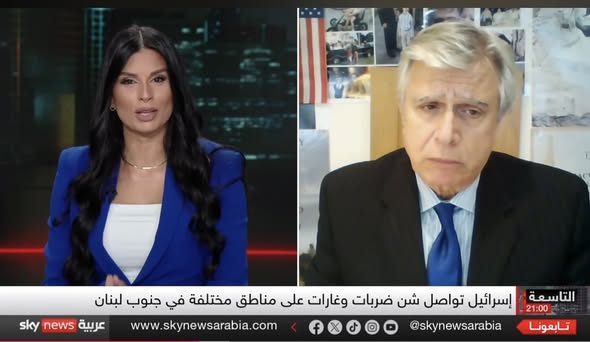
My interview with @fadilaskynews #uae #SkyNews in which I emphasized that United States will have an upward relational trajectory with UAE. UAE has an ambitious futuristic vision and has had a growing strategic partnership with #usa. Its recent solid stance vis à vis Iran has elicited greater #American respect for and trust in UAE, with whom USA will have better and deeper strategic relationship! @bilarakib @OFMUAE @POTUS
youtu.be/vMBKd-q4wIY?si=FnJW…
7
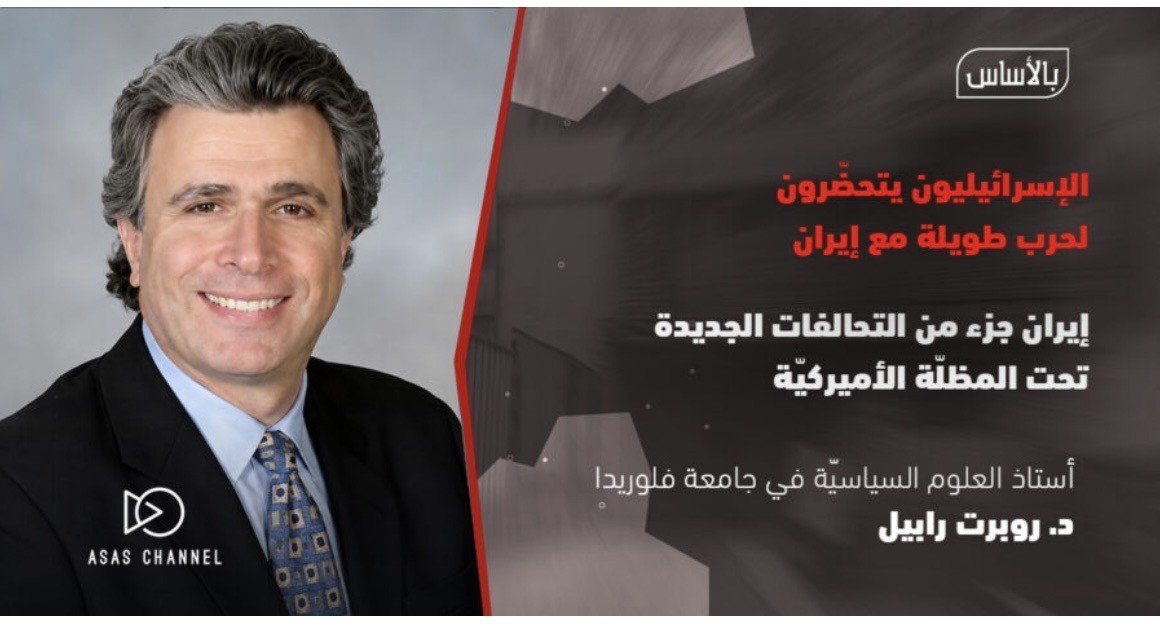
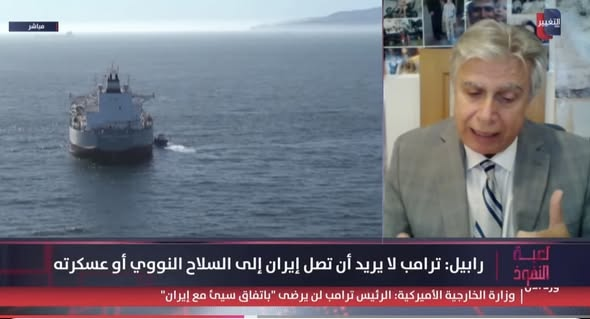
د روبرت رابيل: الإسرائيليون يتحضّرون لحرب طويلة مع إيران
ؤكّد د. روبرت رابيل، أستاذ العلوم السياسيّة في جامعة فلوريدا أتلانتيك، أن أهم ما حقّقه الرئيس الاميركي دونالد ترامب من خلال مذكرة التفاهم مع إيران هو ضمان عدم تحوّل مشروع إيران النوويّ الى مشروع عسكريّ.
ردّاً على سؤال حول الصواريخ الباليستيّة، يقول د. رابيل أن ترامب ربّما سيفرض على إيران قيوداً تتعلّق بمدى هذه الصواريخ. أما عن الأذرع فيؤكّد أن القرار الأميركيّ نهائي بفصلها عن إيران.
في حديثه ضمن برنامج "بالأساس" الذي يعدّه ويقدّمه د. فادي الأحمر، يعتبر د. رابيل أن الحملة الاسرائيليّة على مذكّرة التفاهم يعود الى أن أهداف إسرائيل من الحرب على إيران لم تتحقّق، وإلى شعور الاسرائيليين بأنهم مكبّلون من قبل إدارة ترامب.
يضيف د. رابيل أن المنطقة تشهد تحوّلات استراتيجيّة، وأن تحالفات جديدة ستقوم تحت المظلّة الأميركيّة وتشمل إضافة الى دول عربيّة دولاً أخرى مثل باكستان وتركيا وإيران.
في ما يتعلّق بلبنان، يقول د. رابيل إن إسرائيل ستنسحب من الجنوب وعلى الدولة اللبنانيّة استغلال فرصة اهتمام الإدارة الأميركيّة لبنا دولة
youtu.be/w4TqUl-cO7E?si=edbI…
#Lebanon #Israel #USA #IranWar
114
Robert Rabil retweeted

يؤكّد د. روبرت رابيل، أستاذ العلوم السياسيّة في جامعة فلوريدا أتلانتيك، أن أهم ما حقّقه الرئيس الاميركي دونالد ترامب من خلال مذكرة التفاهم مع إيران هو ضمان عدم تحوّل مشروع إيران النوويّ الى مشروع عسكريّ.
ردّاً على سؤال حول الصواريخ الباليستيّة، يقول د. رابيل أن ترامب ربّما سيفرض على إيران قيوداً تتعلّق بمدى هذه الصواريخ. أما عن الأذرع فيؤكّد أن القرار الأميركيّ نهائي بفصلها عن إيران.
في حديثه ضمن برنامج "بالأساس" الذي يعدّه ويقدّمه د. فادي الأحمر، يعتبر د. رابيل أن الحملة الاسرائيليّة على مذكّرة التفاهم يعود الى أن أهداف إسرائيل من الحرب على إيران لم تتحقّق، وإلى شعور الاسرائيليين بأنهم مكبّلون من قبل إدارة ترامب.
يضيف د. رابيل أن المنطقة تشهد تحوّلات استراتيجيّة، وأن تحالفات جديدة ستقوم تحت المظلّة الأميركيّة وتشمل إضافة الى دول عربيّة دولاً أخرى مثل باكستان وتركيا وإيران.
في ما يتعلّق بلبنان، يقول د. رابيل إن إسرائيل ستنسحب من الجنوب وعلى الدولة اللبنانيّة استغلال فرصة اهتمام الإدارة الأميركيّة لبناء دولة.
ترقّبوا الحلقة كاملةً في تمام الساعة العاشرة مساءً على كافّة منصّات أساس
asasmedia.com/
#أساس_ميديا
@robertgrabil
@Fadi_ahmar
1
3
312
Robert Rabil retweeted

Jun 14
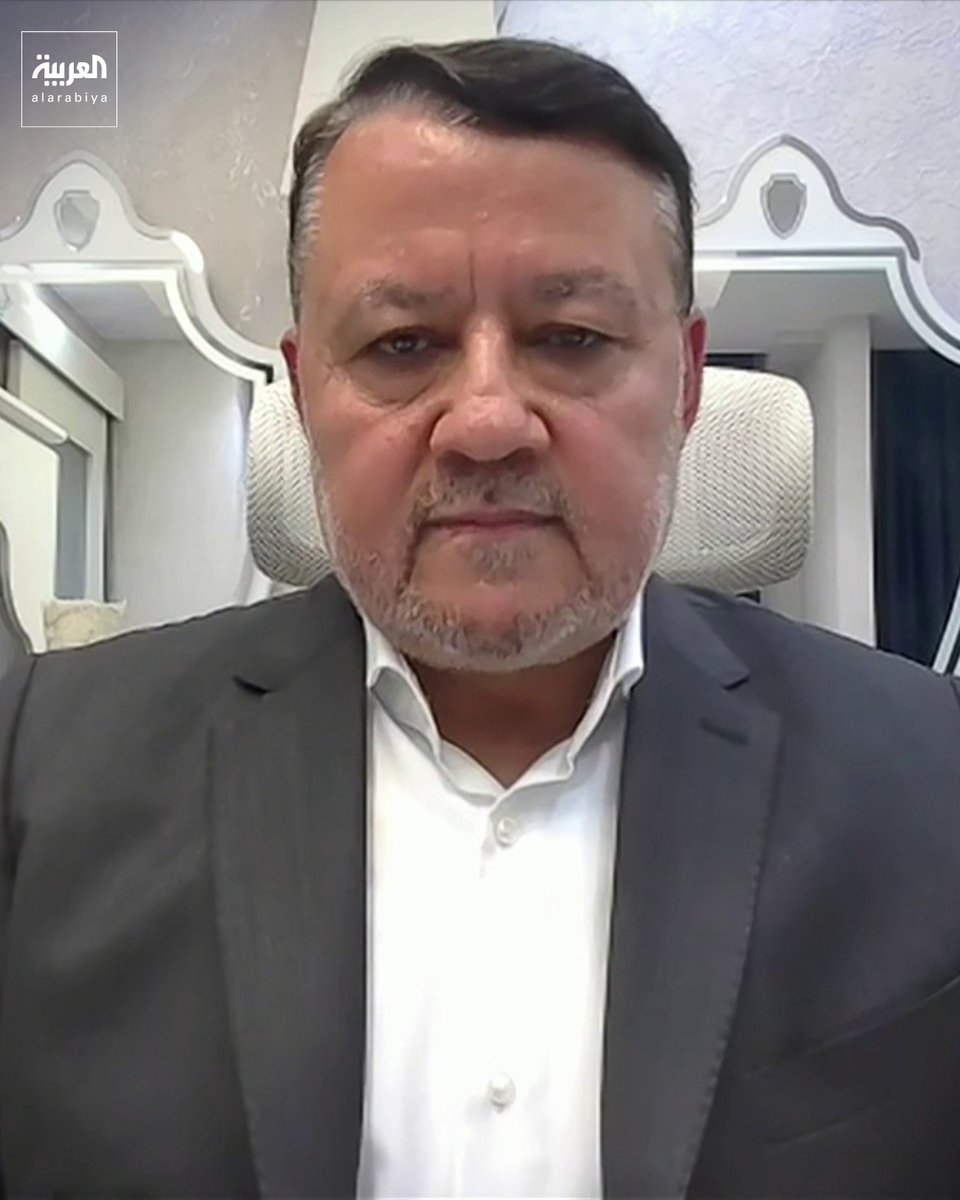
مستشار الرئاسة السورية للعربية:
🔴 على حزب الله أن يكف تدخلاته في الدولة السورية
🔴 أميركا اقترحت علينا التدخل في لبنان
🔴 لسنا معنيون بالتدخل في لبنان
🔴 حزب الله يدعم عناصر النظام السابق
🔴 حزب الله يتسبب بمشاكل للدولة السورية
🔴 على حزب الله أن يكف تدخلاته في الدولة السورية
🔴 دعم الحكومة اللبنانية لا يتم بالتدخلات العسكرية
🔴 ندعم بسط الدولة اللبنانية سيطرتها على أراضيها
29
43
401
84,525
Jun 15
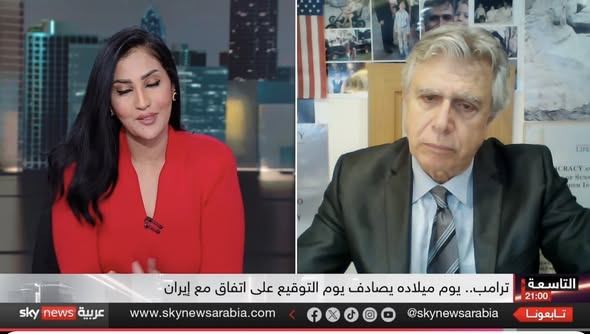
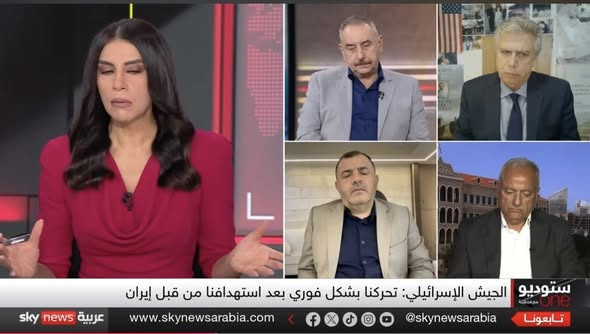
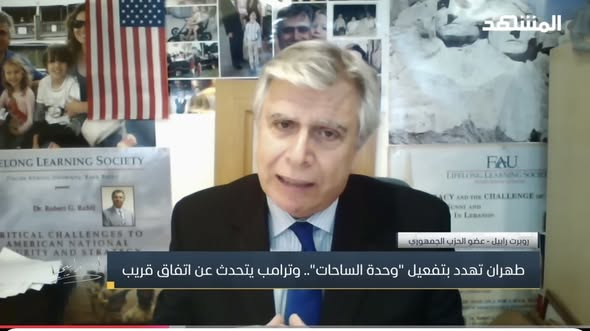
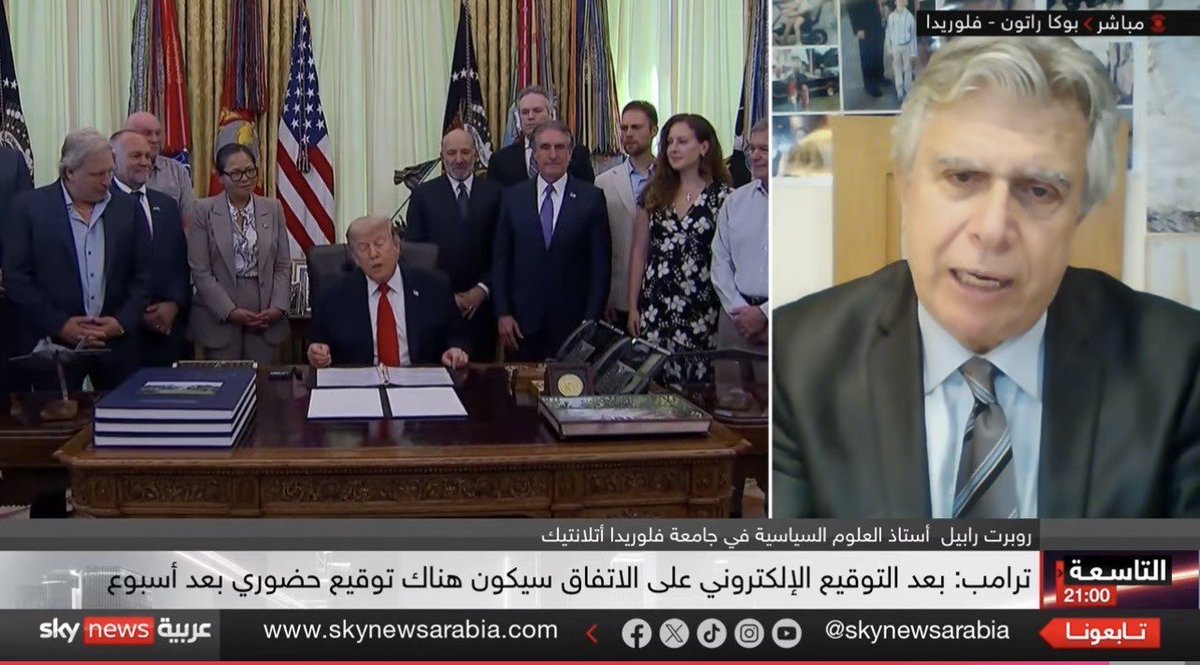
My interview with #uae TV #SkyNews on the potential signing of the USA-Iran Memorandum of Understanding. I emphasized that the MOU will go through; but underscored this is only a partial agreement that deferred most complicated issues [nuclear file, ballistic missile program, Iran's foreign policy, Iran's proxies] to another time that may take more than 60 days. Disagreements could break down the negotiations.
I also emphasized that new geopolitical equations in the Arab Gulf and Levant are being shaped but whose impressions are not yet clear. For one, I don't think think Israel will stop targeting Hezbollah should it keep its arms.
I also think that a new phase of an intelligence warfare will begin and new alliances will take shape in which #turkey, #Pakistan and #Israel will play key roles in the Arab Gulf!
And during my interview I wished @POTUS Happy Birthday!
youtu.be/eD7Fy_YXzNg?si=Ds_V…
75
Jun 15
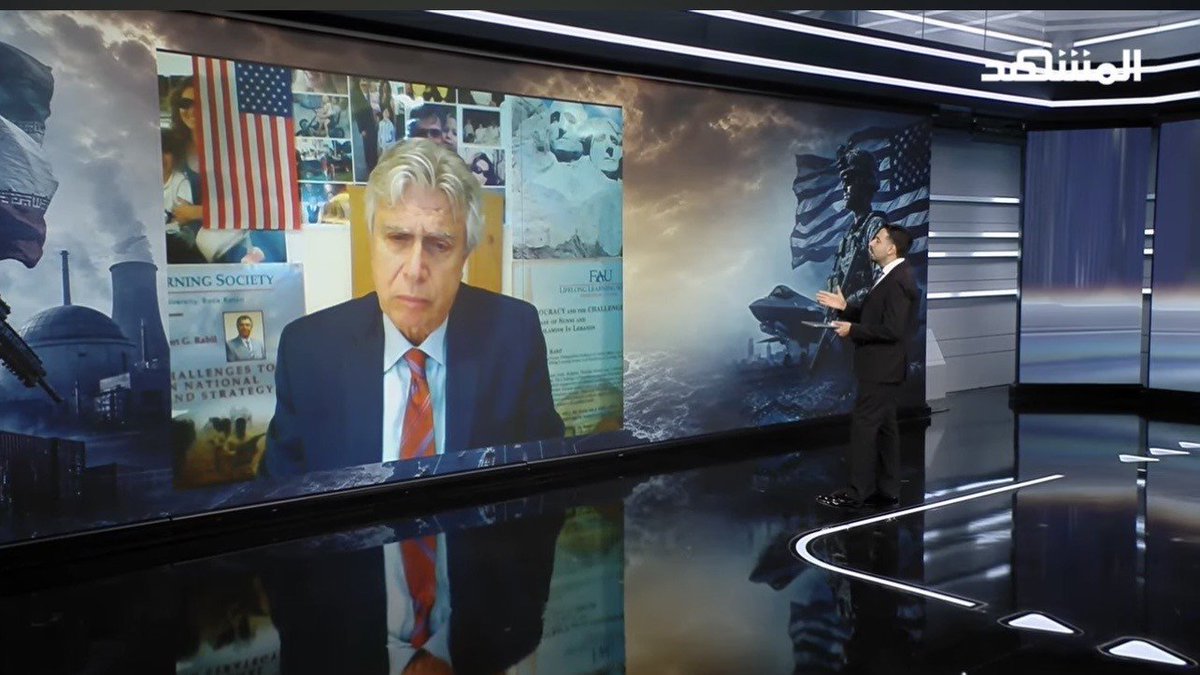
My interview with #uae TV #almashahd on American secret plan to extract enriched uranium from Iran, an operation @POTUS disapproved for its inherent danger. I believe Washington planned to destroy or seize Kharq, Qemsh, and/or Lark islands if USA-Iran negotiations fell through!
youtu.be/eERAE-y2ghg?si=j0Jq…
1
1
61
Robert Rabil retweeted

The Islamabad Memorandum of Understanding has never been closer. Pending its finalization, the media should refrain from entering speculation about its content.
In line with our responsible and transparent approach, all details will be shared with the public in due course.
4,280
6,660
32,762
3,780,394
Jun 11
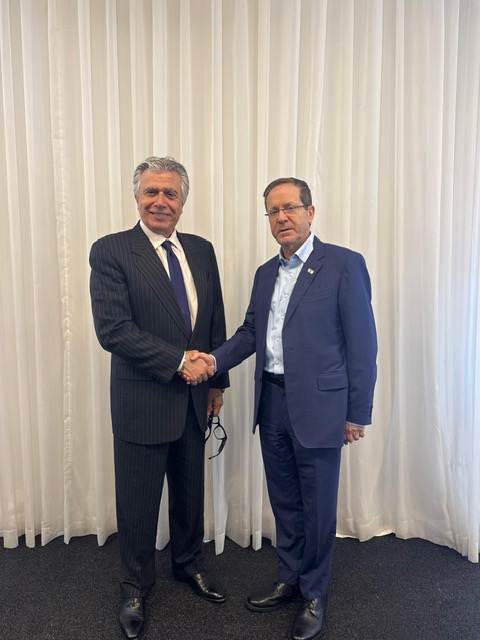
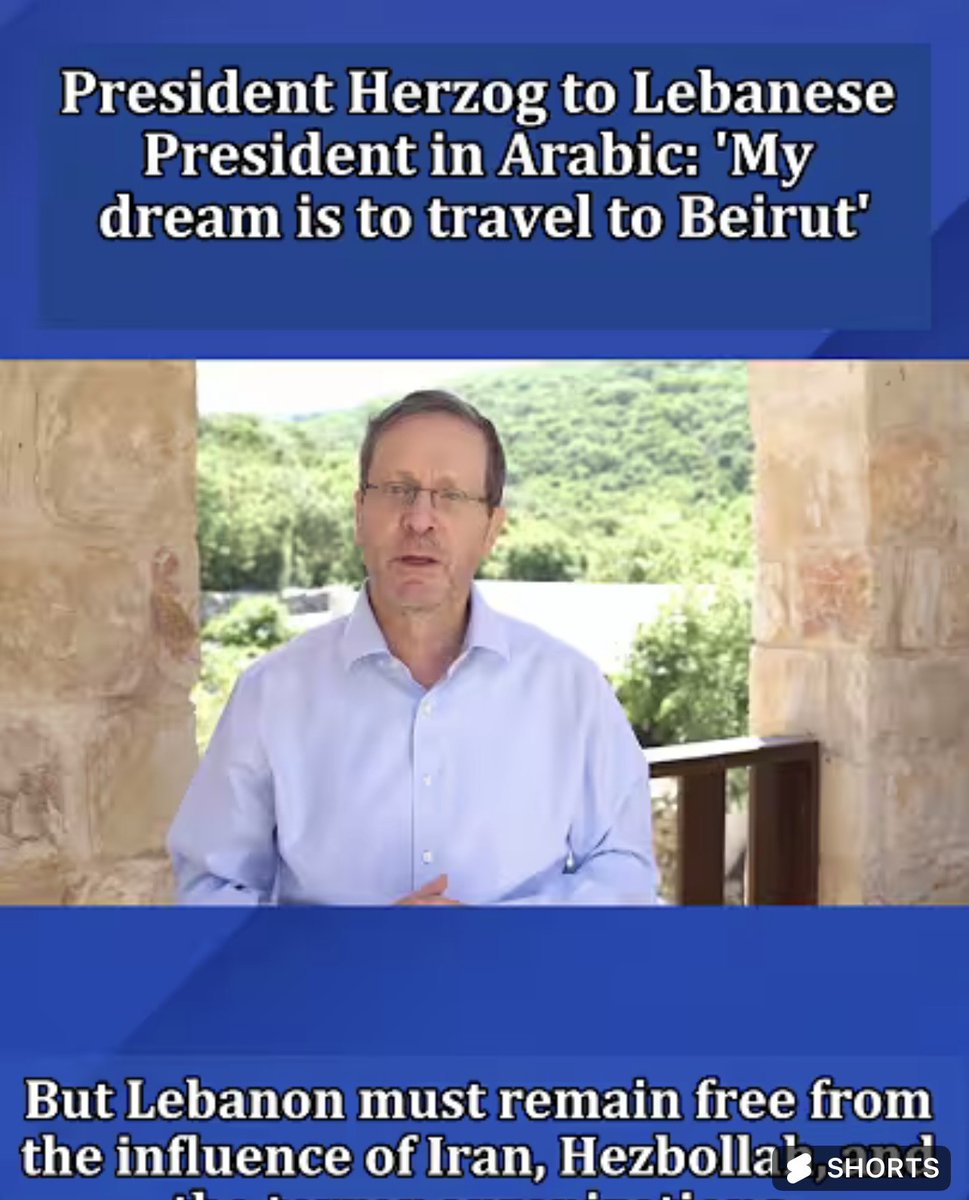
I have a dream to visit #Beirut and #TelAviv in one day and bask in the delight of the sun that radiates its warmth and beauty equally on both cities! Thank you President @Isaac_Herzog for your warmth, hospitality and vision of peace!
1
87
Jun 11
President @Isaac_Herzog addressed Lebanese President and people and told them about his dream to visit Beirut. His dream should be shared by @LBpresidency and people to visit Tel Aviv and Jerusalem. This dream is not out of hand and its path is for Lebanon to reclaim its sovereignty! My dream is to visit #Beirut and #TelAviv in one day and bask in the delight of the sun that radiates its warmth and beauty equally on both cities! youtube.com/shorts/tjfX26Zth…
1
81
Robert Rabil retweeted

Jun 10
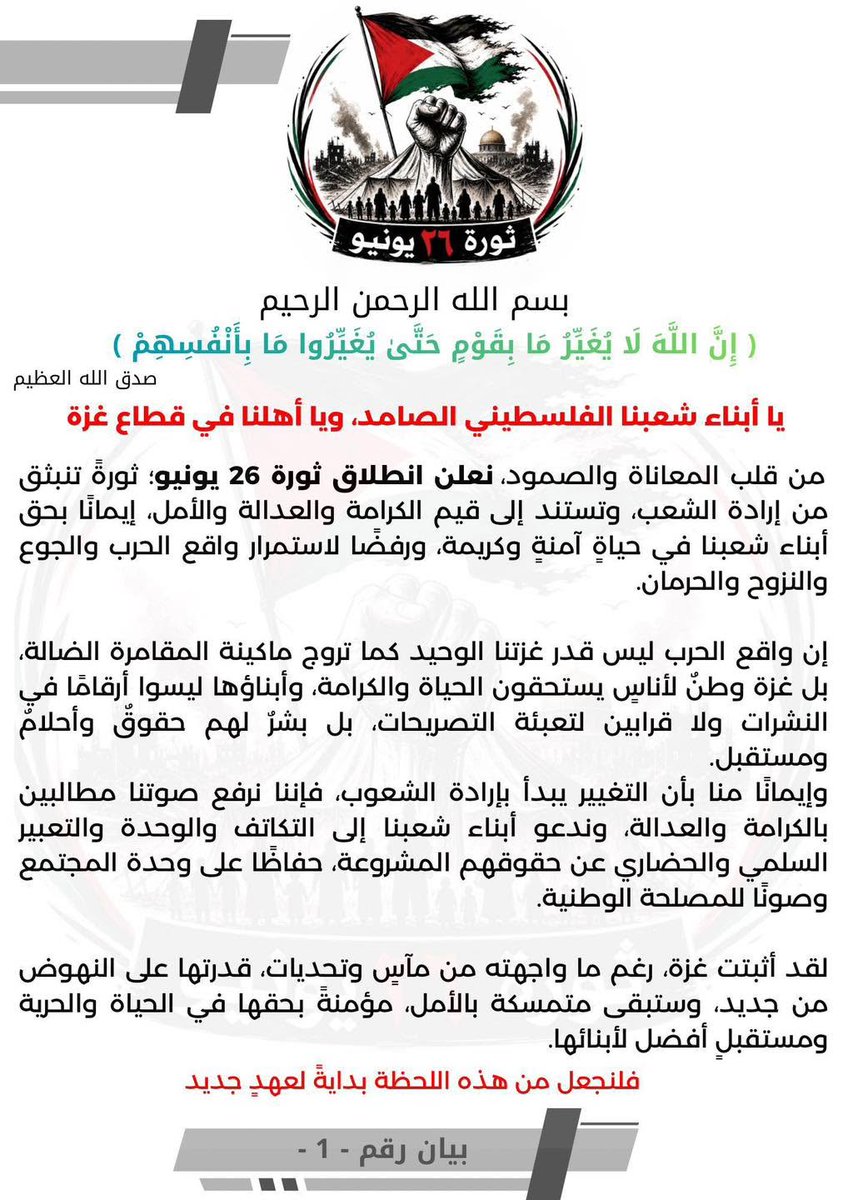
The June 26 Revolution movement in Gaza has issued its first statement.
The popular movement rising against Hamas rule in Gaza speaks directly to the Palestinian people. It demands an end to Hamas's gambling with Palestinian lives. It calls for dignity, justice, and an end to war, hunger, and displacement.
This is the voice Hamas does not want you to hear.
June 26. Mark it.
49
163
434
18,136
Robert Rabil retweeted

Jun 10
Hegseth tells reporters at CENTCOM: "CENTCOM will be busy tonight because we are going to hit Iran hard. Iran has a chance to make a great deal. They haven't been willing to it...they are going to have tap, tap, tap bombs dropping on key facilities in Iran from the U.S. - it is not to restart the war but to set the terms for a deal"
Jun 10

🚨🇺🇸🇮🇷Trump holds meeting with top advisers on Iran strike options. My story on @axios
axios.com/2026/06/10/trump-i…
73
162
581
209,932
Robert Rabil retweeted

Jun 10
Important: Here is the full English version of #Israel president @Isaac_Herzog’s new video message to the people and @LBpresidency president of #Lebanon:
*President Herzog Addresses the Lebanese People and Leadership During Visit to Northern Israel*
*I extend a hand of peace to the President of Lebanon and to the Lebanese people. But Lebanon must remain free from the influence of Iran, Hezbollah, and the terror organizations”_*
On June 10, 2026, President Isaac Herzog toured northern Israel. During his visit, President Herzog sent a message to the President and people of Lebanon.
*Speaking in Arabic, President Isaac Herzog addressed the Lebanese President and people:*
“From Israel’s northern border, I extend a hand of peace to the President of Lebanon and to the Lebanese people. But Lebanon must remain free from the influence of Iran, Hezbollah, and the terror organizations as an independent and sovereign nation.
“My dream is to travel to Beirut, and this dream is still alive, but only if Lebanon’s future is determined in Beirut, and not in Tehran.”
*Speaking in English, President Herzog added:*
“It was Hezbollah that violated the UN Security Council Resolution of 2006. It was Hezbollah that violated the ceasefire agreement of 2024. Israel cannot accept any attacks on our citizens, any attacks crossing our borders, any terror attacks. We have the full right to defend ourselves, and so long as there is no clear arrangement that protects our nation, it will be impossible to move forward. So it's in your hands, fight for it.”
11
23
57
6,179
Robert Rabil retweeted

Prime Minister Benjamin Netanyahu's message to the Lebanese people:
Israel is not at war with Lebanon. We're at war with Hezbollah, that has taken your country hostage, that does Iran's bidding, that uses your territory to launch terrorist attacks against Israel.
Once Hezbollah is dismantled, the possibilities are endless.
468
931
4,454
212,547
Jun 8
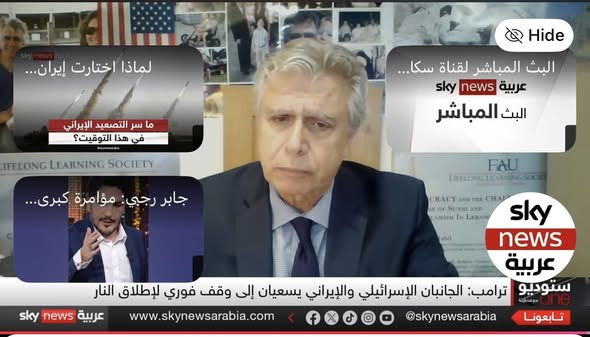
My interview with #uae #SkyNews on recent #Iranian missile attack on Israel and its retaliation.
Iranian regime is trying to force binding the #USA-Iran Track with Israel-Lebanon-USA track for couple of reasons: revive the equation of unity of fronts; undermine both the Israel-Lebanon-USA track and Lebanese government; try to change the military rules of engagement in the Gulf and Lebanon; and try to extract concessions from @POTUS!
#Israel retaliated by carrying out limited yet strategic attacks on vital areas sending a stern message to Iran that its bank of targets in #Iran is comprehensive and crippling should the war resume, while keeping its retaliation under President Trump's ceiling so as not to provoke an full outbreak of war.
President Trump is still favoring the political track yet his patience is wearing thin! And no concessions to Iran's demands!
youtu.be/vQXO4PLDgn4?si=pFdG…
122
Robert Rabil retweeted

Jun 8
من يؤيد كلام ماركو روبيو فليعلق !
أنا شخصيا اعتبر ان بما ان حزب الله إيراني ومن يعمل لصالحه في لبنان يأتمر ب ولاية الفقيه فهو بطبيعة الحال لا يعمل لصالح #لبنان_اولاً
يجب تحميل المسؤولية القانونية : السجن المؤيد والخيانة العظمى لكل فرد او فئة او مجموعة تعرقل مسار السلام والاستقرار في الشرق الأوسط ! النزوح مش مزحة!
الاختباء في بيوت المدنيين مش مزحة !
استخدام الناس ضحايا لمشروع خارجي مش مزحة ! الكذب الدجل التقية مش مزحة ! انتم أعداء لبنان! ارحلوا او وقعوا على وثيقة تحميكم وإلا ستؤكلوا احياء ! #ماريا_معلوف
13
16
97
6,743
Jun 8
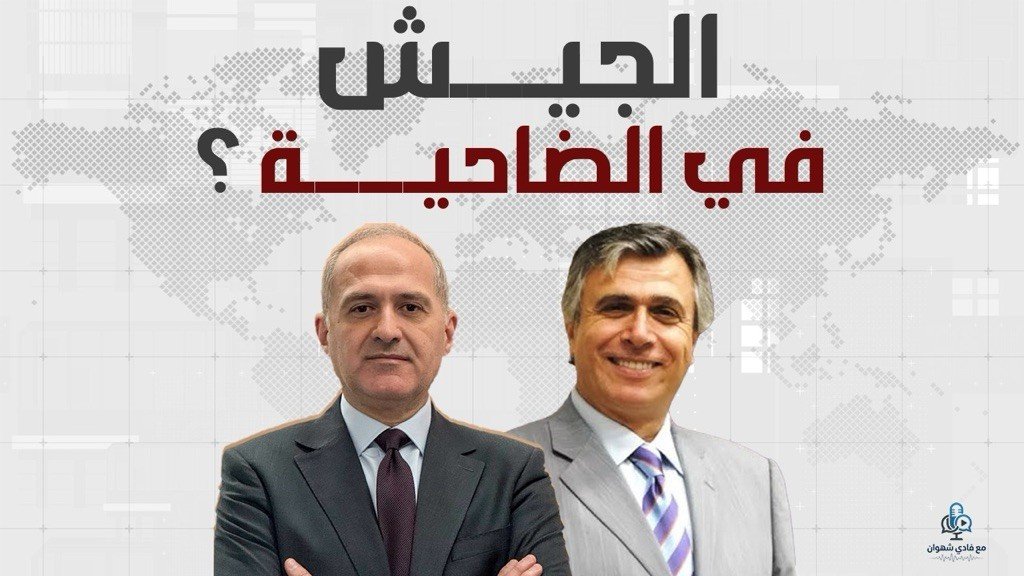
My interview with #Lebanon's MTV anchor and one of the best anchors on his Channel #FadiChahwan. My main points:
#USA will not forsake the Lebanese government and Armed Forces if they implement their commitments. There are no gray areas anymore! No weapons outside the Lebanese government including #Hezbollah's weapons;
#Israel will not withdraw from #Lebanon should Hezbollah keep its weapons; and at the same time Israel will strike at Hezbollah anywhere in Lebanon should Hezbollah fires rockets/missiles or drones at Israeli soldiers in South Lebanon or northern Israel;
Two plans are being prepared for the Lebanese army to implement: Pilot Zones and Security Plan for Greater #Beirut to follow;
Should Hezbollah try to fight the Lebanese army to disrupt its mission and should the Lebanese army's position become tenuous, either #USA or Israel will intervene to support the LAF; Israel did so in 1958 in Lebanon and in 1970 in Jordan as requested by Washington; more so other Arab countries will be indirectly involved to protect the LAF;
#Lebanese people should not be afraid of civil war. Will Hezbollah fight the LAF, the #Druze, #Christian and #Sunni communities, save some Shi'a who are opposed to Hezbollah?
#LAF do not belong to the barracks! They belong throughout Lebanon securing stability and co-existence;
It is about time, Lebanon reclaims its right as a sovereign state!
Lebanon has three borders: Mediterranean, #Syria and Israel! #Beirut cannot rebuild and refashion itself as hub of commerce, tourism and liberty without peace with both Israel and Syria!
@DrSamirGeagea @LBpresidency @nawafsalam @bilarakib @EdyCohen @walidjoumblatt @HarbTom @blackhawkinc @WalidAbboud_Tv @samygemayel @MichellaSKY
youtu.be/rS7k0Os27_g?si=NTo9…
1
4
635