
Founder Backing Founders @GreatNorthVC, Husband, Father, Twin @mnvikingsfan
Joined February 2009
- Tweets 7,797
- Following 1,979
- Followers 5,229
- Likes 27,083
256 Photos and videos









May 28
My brother @mnvikingsfan & I grew up with giving as a core value, and we’ve experienced the clunkiness of managing corporate philanthropy firsthand.
@percentpledge founder Joel Pollick built the exact software we always wished we had. New blog post below👇

Most corporate giving software is clunky, expensive, & ignored by staff.
See how our portfolio company @PercentPledge has built a better solution- greatnorthventures.com/how-p…
1
3
141
Rob Weber retweeted

May 22
The third-party BNPL model is hitting a wall. High defaults and lost margins have smart retailers ditching fintech middlemen for first-party embedded finance. See how LendAPI lets brands reclaim their data and revenue:
lendapi.com/blog/beyond-bnpl…
1
2
135
May 2
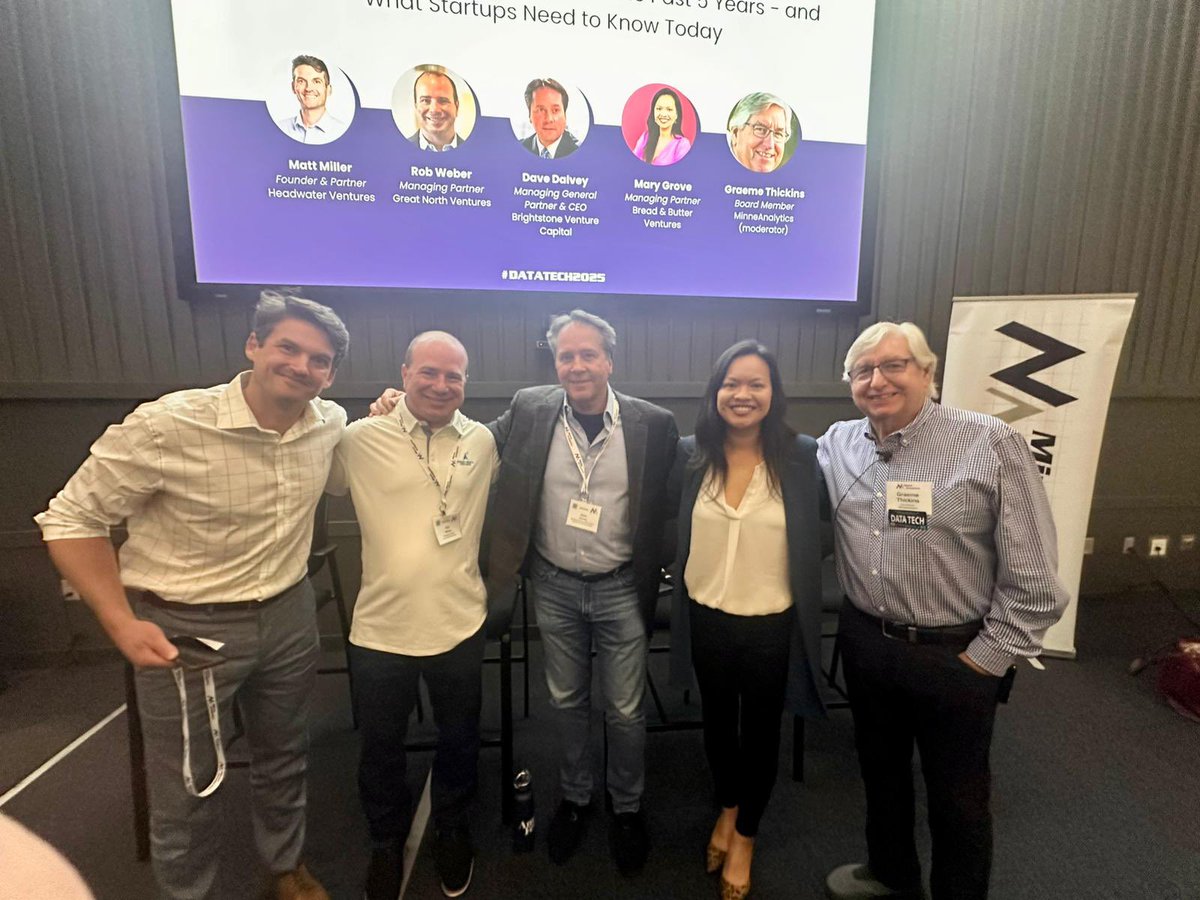
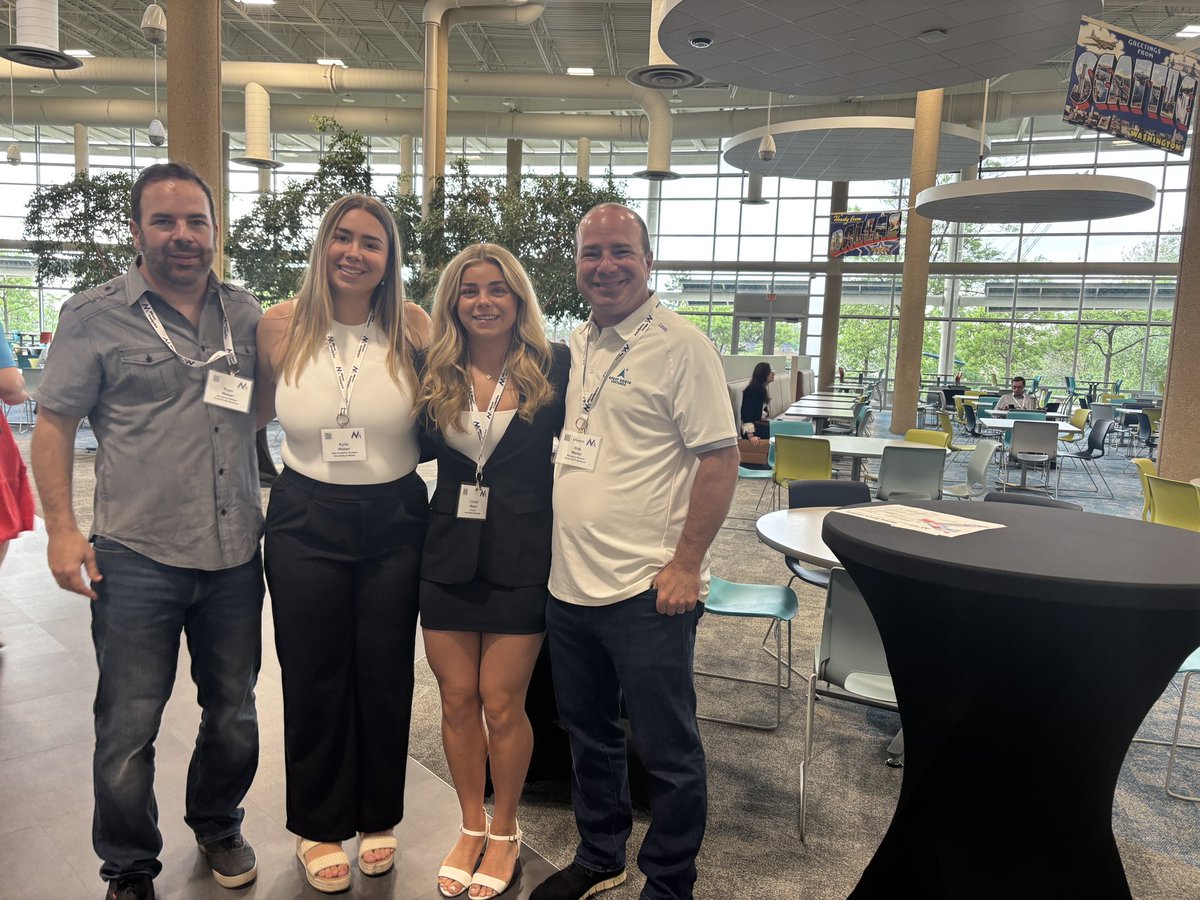
I’m excited to be attending #Minnebar today.
If you’re here, come check out my session at 2:20-
“Lessons from Two Decades of Angel Investing” in room BDE MAKA SKA.
Hope to see you there.
#minnebar20
1
5
310
Apr 18
Long-term care is one of America’s biggest uninsured risks. See how @greatnorthvc portfolio company @joinwaterlily led by founder @lvittayarukskul is using AI to fix the care crisis. Featured in @nytimes: greatnorthventures.com/the-n…
3
1
5
269
Apr 9
1/ At 21, while my peers were graduating, my brother and I had to look 1/3 of our team in the eye and tell them they were out of a job.
Our first layoff. It was heavy, personal, and a brutal lesson in what it actually means to be an "operator." 🧵
1
1
3
409
Apr 9
6/ I recently sat down with @graemethickins to dive into the raw, unpolished stories of our journey—from the "mental wall" of 2001 to leading @greatnorthvc.
1
2
213
Apr 9
7/ If you’re a founder in the "trough of sorrow" right now, feeling the weight of the world: This story is for you.
You aren't alone, and the scars will eventually be your greatest assets.
Read the full story here: greatnorthventures.com/from-…
3
107
Apr 2
Big milestone for portfolio company @branch!🚀
Now integrating as the embedded digital wallet for @stripe Connect, enabling platforms to offer instant worker payouts with minimal lift. A perfect example of our @greatnorthvc thesis in action. Details here: greatnorthventures.com/branc…
4
380
Mar 17
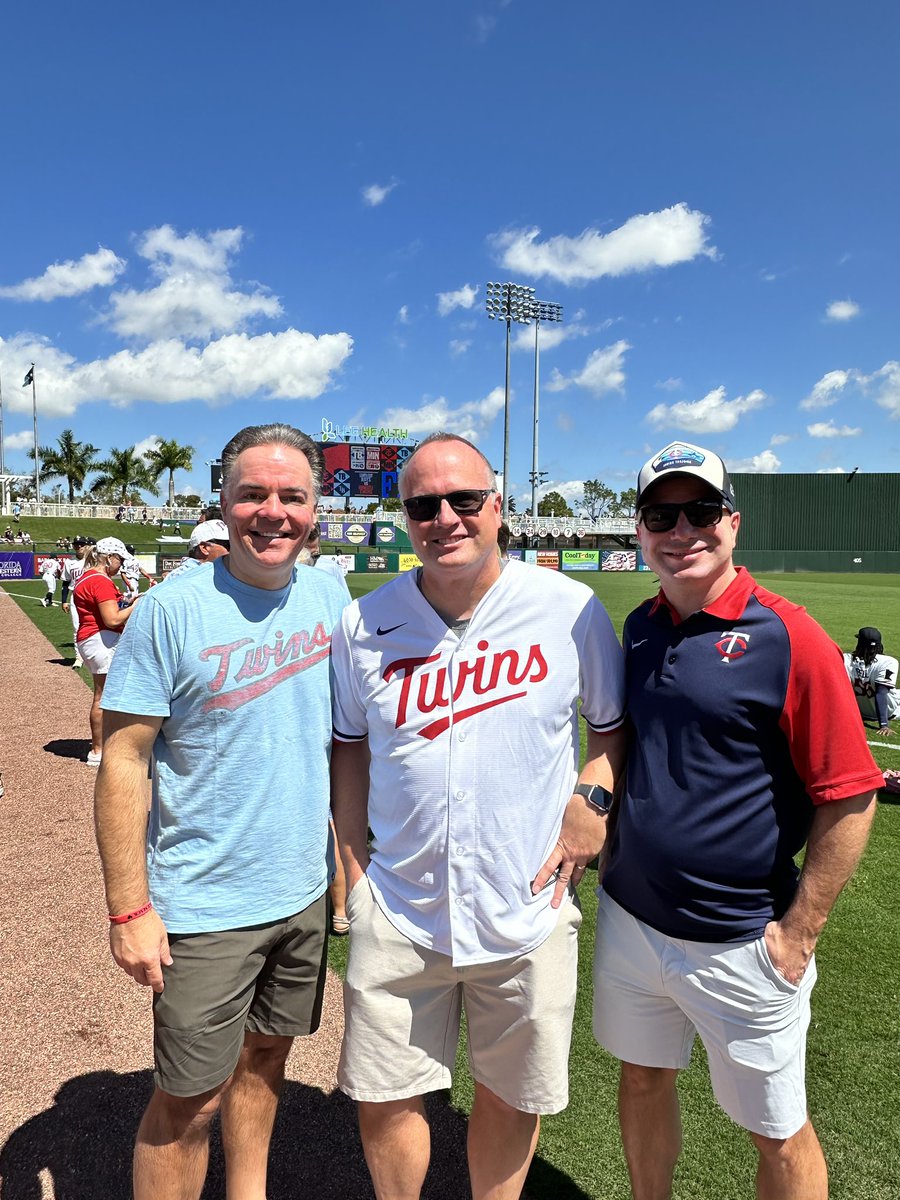
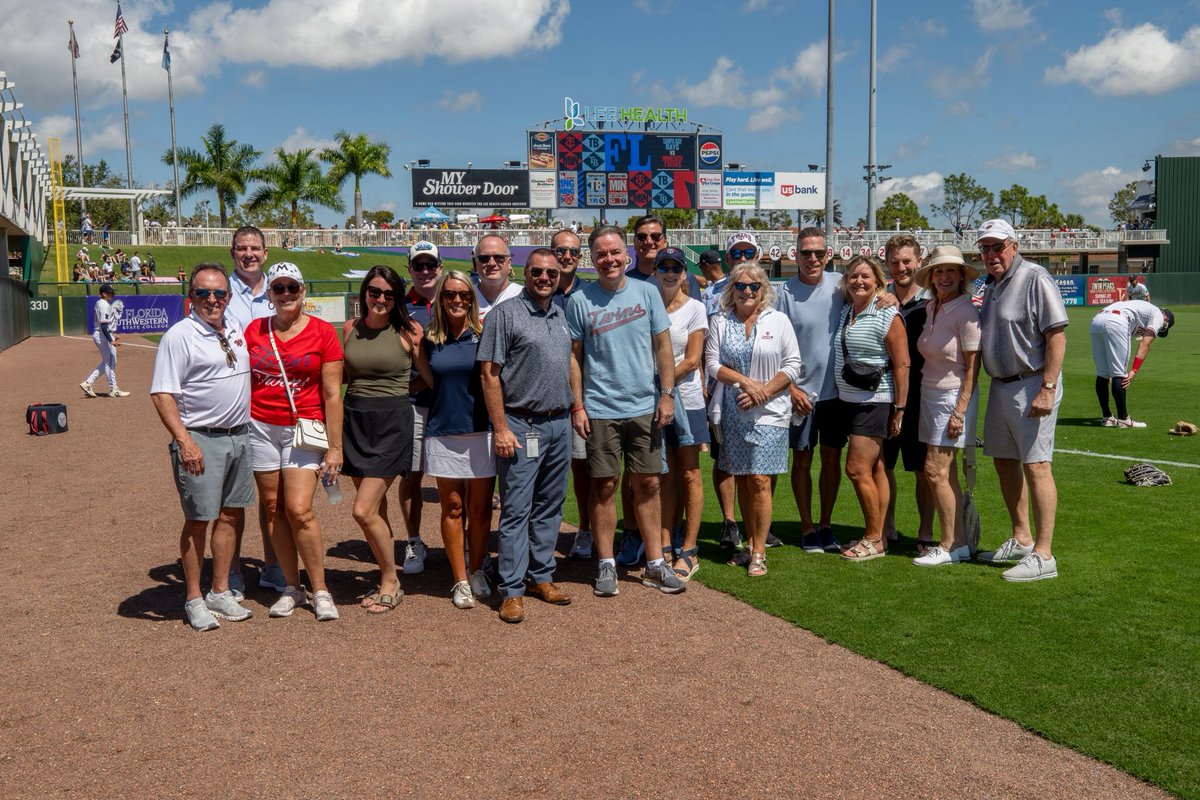
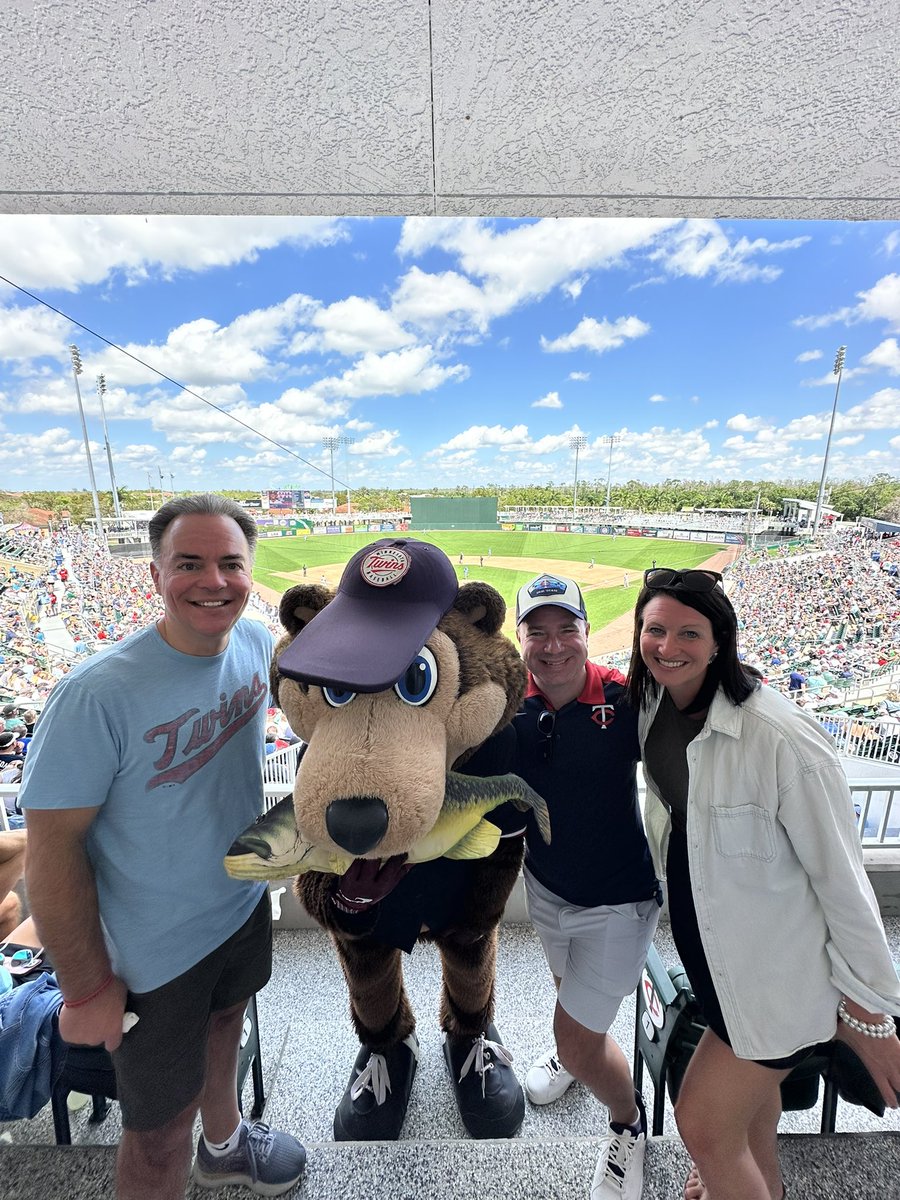
Nothing beats the energy of a ballpark, especially with the founders and partners who make the journey worth it. ⚾️
Great catching up with the @TeamGenius_App team & @BrianSchoenborn at the Twins game. Seeing this crew together is exactly what @greatnorthvc is all about! 🚀
1
4
256
Feb 28
Why are @Affirm & @PayPal chasing bank charters? 🏦
It’s not about becoming traditional banks—it’s about control & escaping regulatory fragmentation.
BNPL is aging out of the hype phase & into the "infrastructure" phase 👇
greatnorthventures.com/towar…
1
1
2
269
Rob Weber retweeted
Feb 22
KLAR is down 70% in 5 months. 📉
The "smooth" BNPL dream is a subprime nightmare. Stuck between merchant volume and spiraling credit losses, Klarna has no move left.
AI can’t fix bad debt.
Full breakdown: medium.com/@thebittersea/why… #Klarna #Stocks
2
3
542
Feb 14
Why wait 6 months to go digital when you can do it in 48 hours?
@Quickllyit is transforming the $100B ethnic grocery market, capturing 10% of all South Asian stores in North America while maintaining a 99% retention rate.
Check out my latest post- greatnorthventures.com/firin…
2
597
Feb 7
Great advice for up and coming SaaS founders👇
Feb 7

Here are 11 tips on how to build a better SaaS business in 2026 (This is something I learned by making mistakes first) 👇
1. Charge from day one (freemium is important, but PAID brings in customers)
2. MVP should only include the essentials, the rest is pure EGO
3. Price by VALUE, not by competition
4. Understand that 10% churn = lose almost 50% of revenue in 6 months (70% of revenue comes from those who are already inside)
5. Having a good product that no one knows about is like having nothing. Value your marketing.
6. On your landing page, the first 3 sec are the most important. The user must understand what you do.
7. Login with Google is mandatory
8. Value and prioritize good UX (use @uxpilotai to get everything you need)
9. In your onboarding process, remove any barriers until the A-HA moment
10. Use your product/SaaS EVERY DAY
11. Often, talking to users is more important than writing more lines of code
It is worth mentioning that this is my experience, and it may undergo some changes depending on your stage and investment profile.
This is what worked for me and helped me take my SaaS to $5M ARR.
You can do it.
1
1
319
Rob Weber retweeted

Jan 24
this is an excellent and realistic breakdown on how hard it is to make money on a startup that has raised a lot of money
Jan 23

Put together a quick analysis of the Brex exit based on an analysis of their cap table.
Done relatively quickly, so pardon any errors! Funding history sourced from @CaplightData.
Overall, it's a pretty big win.
— The company probably minted well in excess of 100 millionaires.
— Everyone who joined or invested in 2018 or earlier is probably pretty happy, some even ecstatic.
— Those who invested / joined in 2020-21 probably aren't but that is a story that is true of almost every employee or investor in that period (private / public market).
— Those who joined in late 2022 through today is probably doing reasonably fine.
Common Stock TL;DR — liquidation Preference took a bit of a bite, but only for those who joined in 2021-22. Everyone else either did fine or really well.
- Founders did very well (~$1B in total). There was a decent bit of dilution, particularly from healthy option pools over the course of 8-9 years.
- Employees joining 2023-2025 would probably be roughly breakeven — they probably received RSUs priced in the $4-6B.
- Employees joining 2021-2022 got stock at the peak. These would have been underwater RSUs or options. Most companies issued additional make-whole shares to those who stuck around. I'm sure Brex did this. However, those who joined then and left after a couple of years probably lost most of the value to their equity.
- Employees joining 2020 did okay -- slightly above where they joined. Not commensurate with the risk, but honestly way better than most companies who raised at peak valuations in the COVID era.
- Employees joining earlier did VERY well. I'd estimate 3-10x if they joined in 2018-19; and 10-100x if they joined in 2017-18.
Investor TL;DR
- Series D/D investors in 2021-21 (Tiger, Greenoaks) get money back but 0% IRR. TBH this is a win since most late stage investments in that vintage are tough.
- Series C investors in 2020 (Kleiner, DST) get a modest return (1.3x) but suboptimal IRR (4%). Again, tough vintage.
- Series C investors in 2018 (DST) get a decent return (2.75x) and 15% IRR.
- Series B investors in 2018 (YC Continuity) gets an excellent return (12x) and IRR (39%)
- Series A investors in 2017 (Ribbit) did fantastic (80x and 64% IRR)
- YC worth calling out — the regular YC check probably netted out close to $100M, on an (I think) $120K check at the time. 800x in 9 years = 110% IRR ain't half bad. If you bake in YC continuity, a total of $600M on probably ~$40M invested.


1
2
610
Rob Weber retweeted
Jan 22
Thanks to @greatnorthvc and their team's support of @LendAPI. Check out their year-end review of their portco!
greatnorthventures.com/looki…
2
3
274