
Statistics/ Machine Learning. Previously at @oxcsml @UnioxOxford
Joined March 2022
- Tweets 37
- Following 165
- Followers 102
- Likes 253
13 Photos and videos


Robert Hu retweeted

May 13
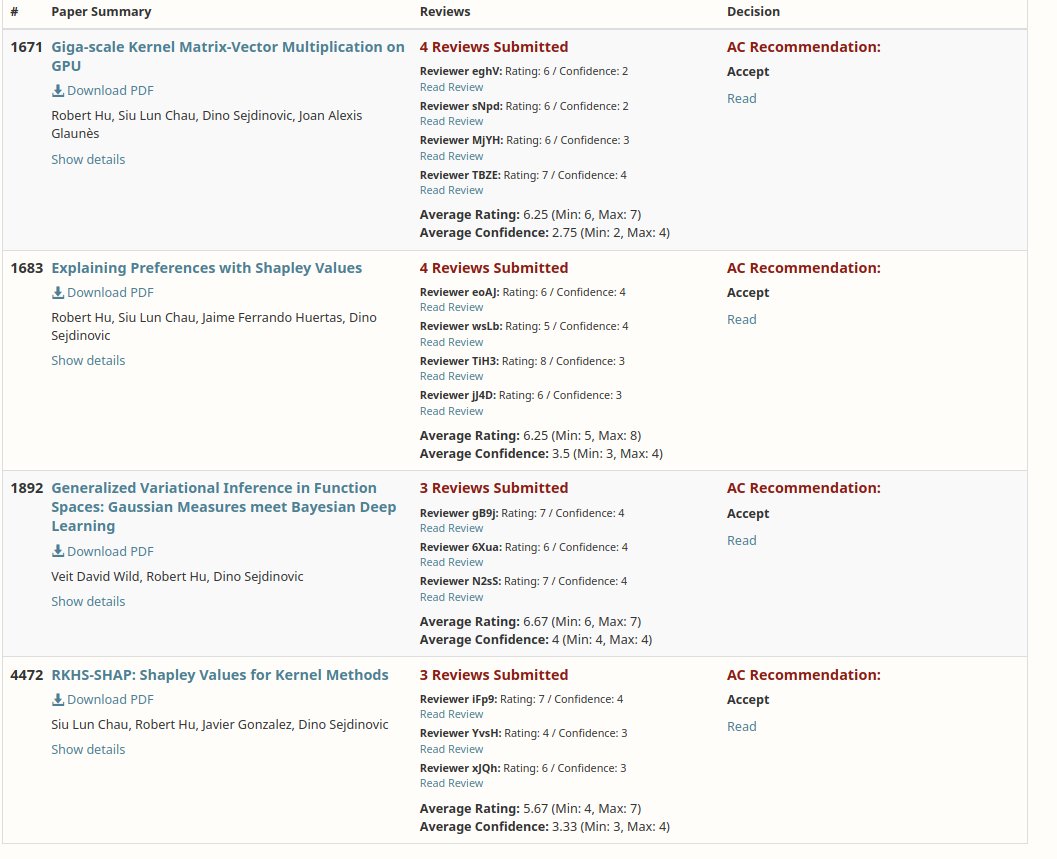
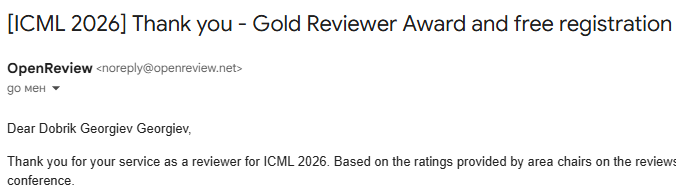
If you know me, perhaps the fact that even ICML recognised my reviewing skills should not surprise you.
I'd like to take a moment, however, to rant that our reviews were of questionable quality
#ICML #Reviewing
1
1
9
338
Robert Hu retweeted

11 Feb 2025
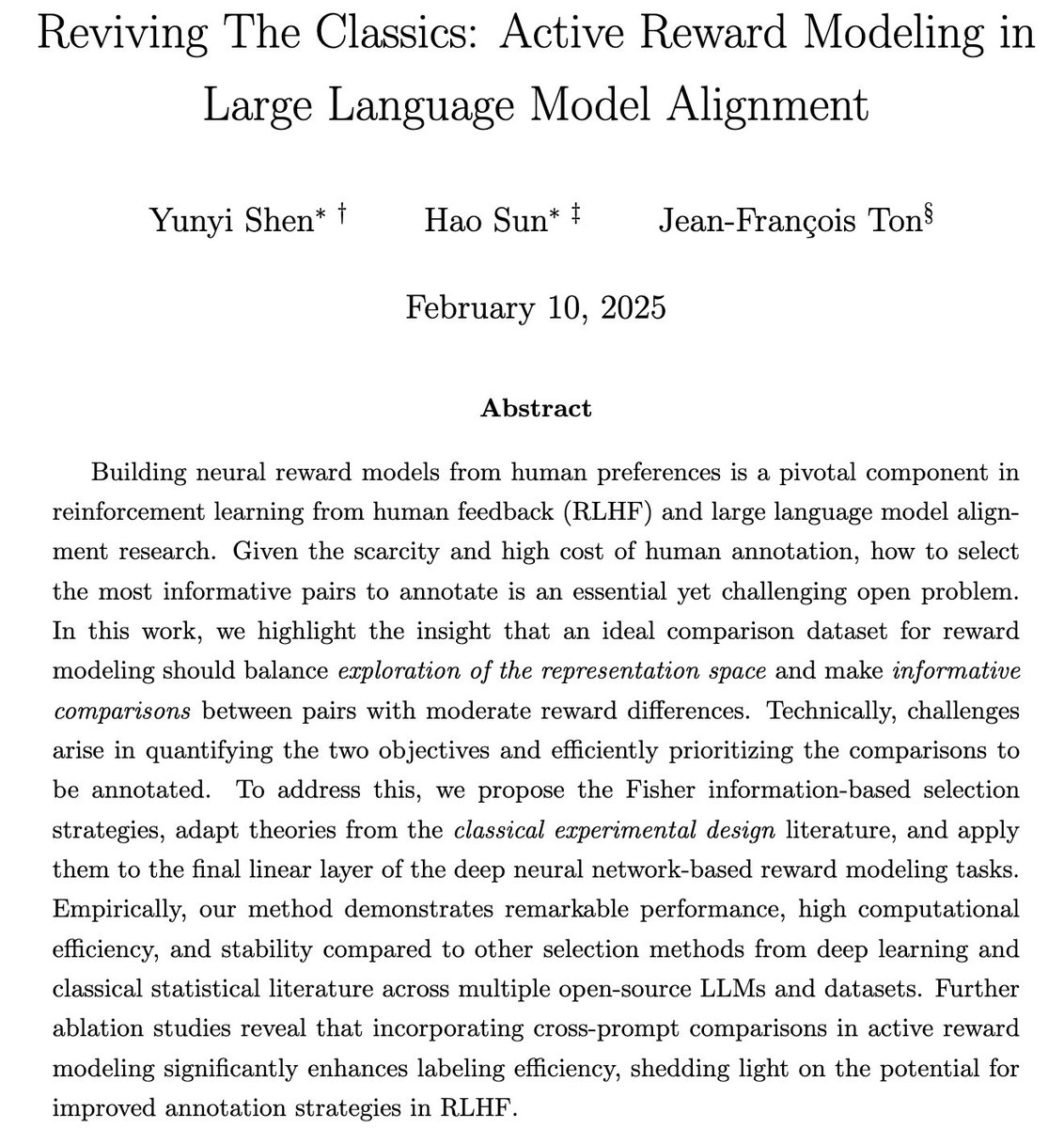
📢New Paper on Reward Modelling📢
Ever wondered how to choose the best comparisons when building a preference dataset for LLMs?
Our latest paper revives classic statistical methods to do it optimally!
Here’s a 🧵on how it works 👇
arxiv.org/abs/2502.04354
1
9
37
8,578
Robert Hu retweeted
12 Nov 2024
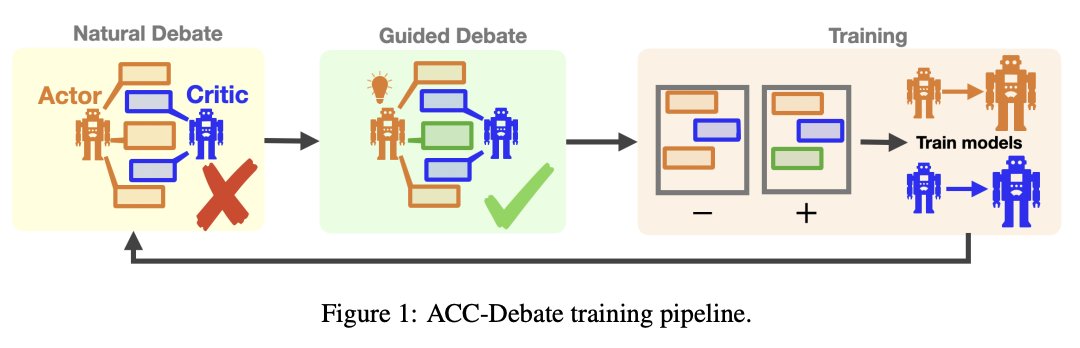
📢 Interested in LLM debating to come up with better solutions?📢
Our latest paper, “ACC-DEBATE: An Actor-Critic Approach to multi-agent Debate,” introduces new and simple framework for training a team of LLMs to debate.
arxiv.org/pdf/2411.00053
See thread 🧵below👇
1
7
24
1,911
Robert Hu retweeted

23 Oct 2024
Looking for a research internship in 2025?
Work with me on building 3D/4D Generative models from our Meta London office in 2025! Apply here: metacareers.com/jobs/8528301…
Email me if you're interested :)
3
39
217
24,803
Robert Hu retweeted

14 Jun 2024
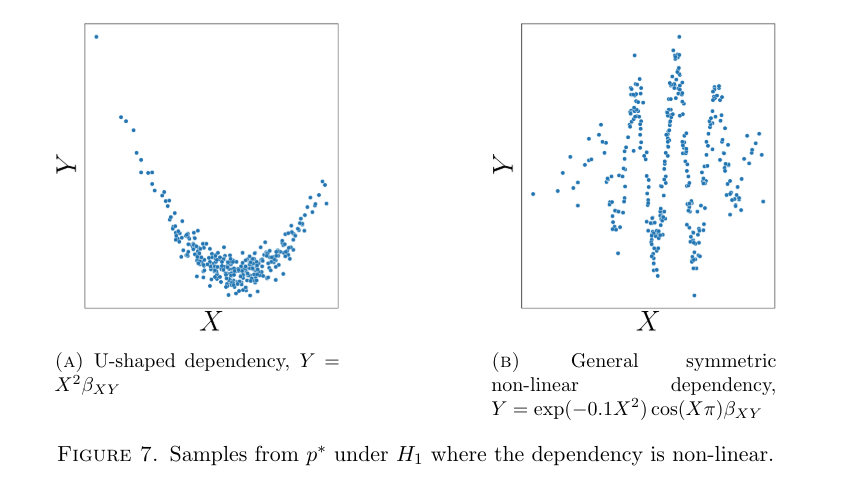
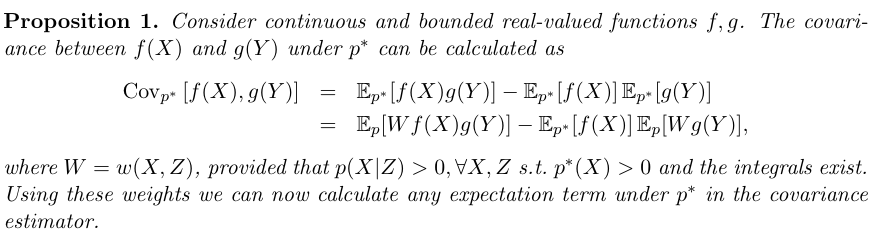
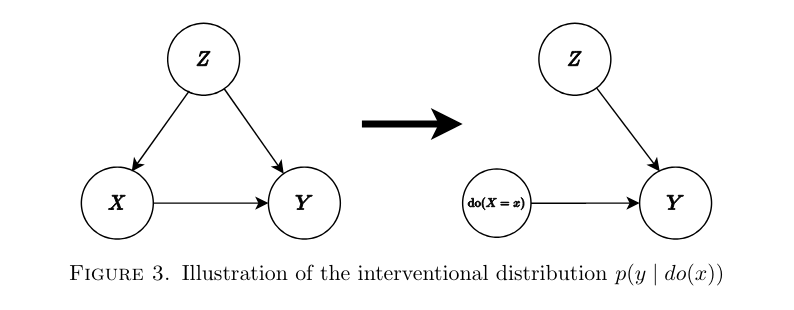
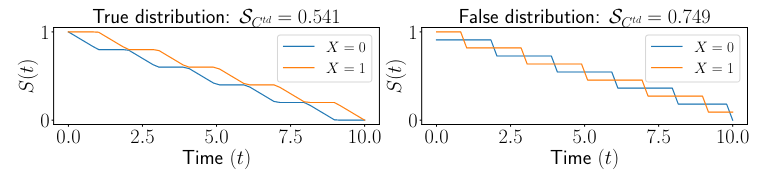
'A Kernel Test for Causal Association via Noise Contrastive Backdoor Adjustment', by Robert Hu, Dino Sejdinovic, Robin J. Evans.
jmlr.org/papers/v25/21-1409.…
#confounders #causal #dependence
3
5
1,115
Robert Hu retweeted

14 Jun 2024
🌟 It’s a great honour that our work has been selected as a spotlight paper for #ICML2024 ! This work offers a new perspective on Domain Generalisation so check it out!
Many thanks to collaborators @_anurags14 @shbouabid @krikamol!
2 May 2024

😵💫What does it mean to generalise a model? Perhaps this should be defined by the model user rather than the model developer. In our latest #icml paper we study this fundamental problem and propose an imprecise learning framework for domain generalisation.
4
18
956

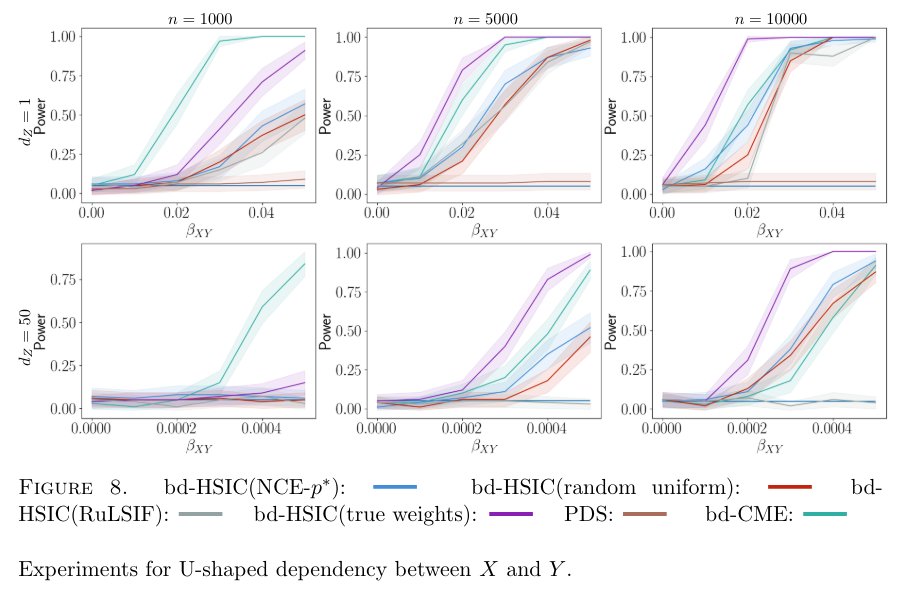
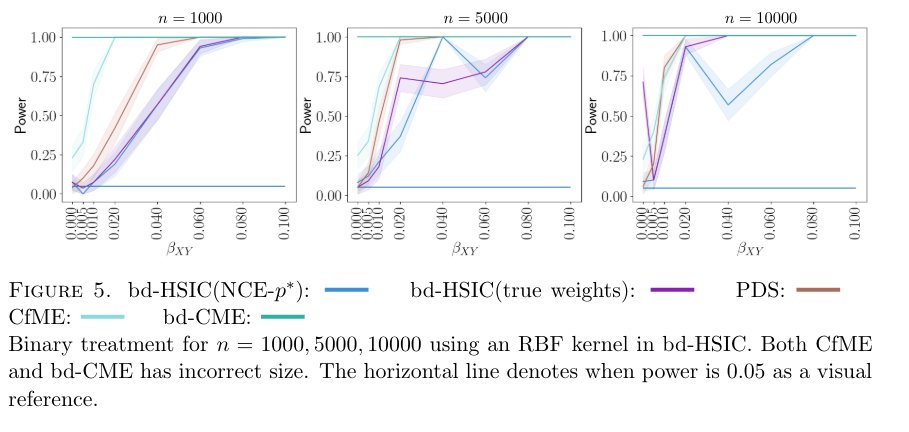
Happy to share that "A Kernel Test for Causal Association via Noise Contrastive Backdoor Adjustment" has just been published in JMLR!
paper: jmlr.org/papers/v25/21-1409.…
with @sejDino and @ItsAStatLife
tl;dr New hypothesis test for causal effect under the backdoor criterion 1/6
1
9
15
4,685
Robert Hu retweeted
21 Aug 2023
📢Post-doc opening in Adelaide with Prof. Dino Sejdinovic @sejDino 📢
I highly recommend working with Dino, who was one of my supervisors during my PhD in Oxford :)
Consider applying if you want to do a great post-doc in sunny Australia !
careers.adelaide.edu.au/cw/e…
9
15
6,110
Happy to be presenting Faster Fast and Free Memory Method (F^3M) at #NeurIPS2022 Hall J #1034.
We take on kernel matrix vector multiplication (KMVM) at scale for tall and skinny data (n<=10^9, D<=7) on GPU in linear time and memory.
neurips.cc/virtual/2022/post…
#GPs
#KeOps
1
6
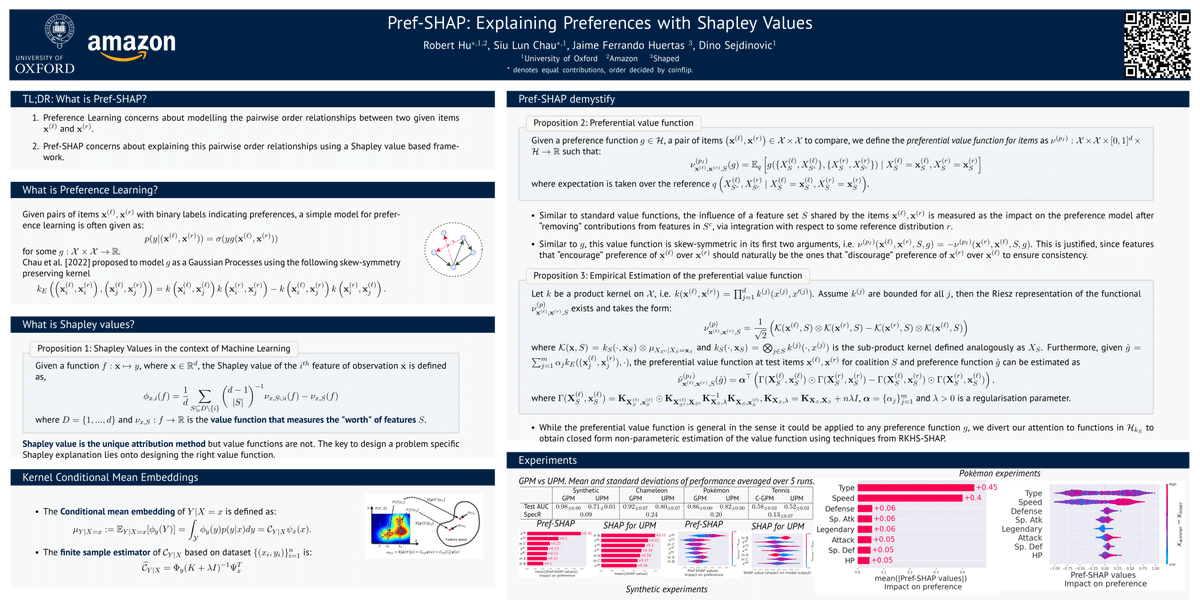
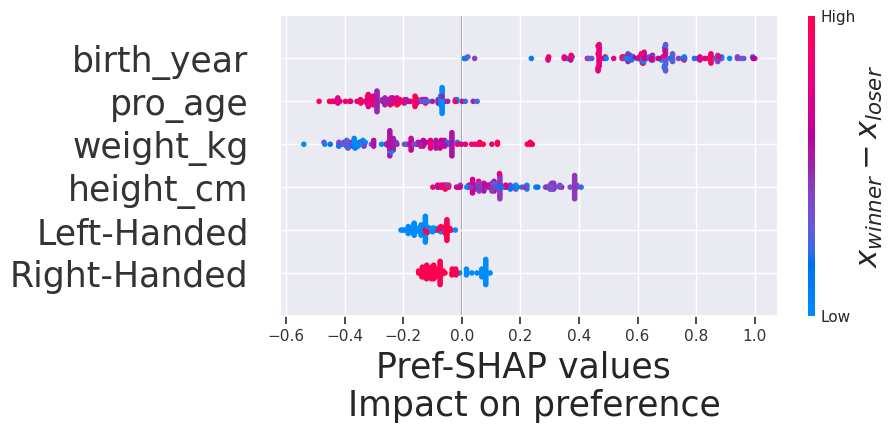
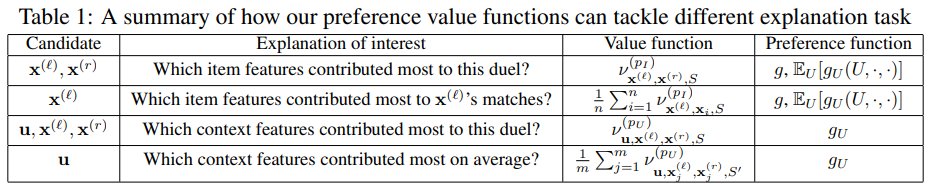
Happy to be presenting Pref-SHAP with @Chau9991 at #NeurIPS2022 Hall J #905.
We develop Shapley values for generalised preference models (GPM), which are preference models without the transitivity assumption (no rock paper scissor relationships).
nips.cc/virtual/2022/poster/…
5
Robert Hu retweeted
30 Nov 2022
Moving on from explaining RKHS functions, tomorrow morning me and @robhu92 will be presenting our work on explaining preference models using Pref-SHAP at Hall J #905!
nips.cc/virtual/2022/poster/…
Come visit to know what insights we have learnt from explaining Pokémon battle data!
3
7
Robert Hu retweeted
29 Nov 2022
Interested in explaining kernel methods (or GP) with Shapley values? Or in using SVs as attribution priors in ERM? I’ve got you covered!
Check out my poster on RKHS-SHAP at Hall J #433 tmrw from 4-6pm CST!
nips.cc/virtual/2022/poster/…
#NeurIPS2022 #ExplainableAI #KernelMethods
3
12
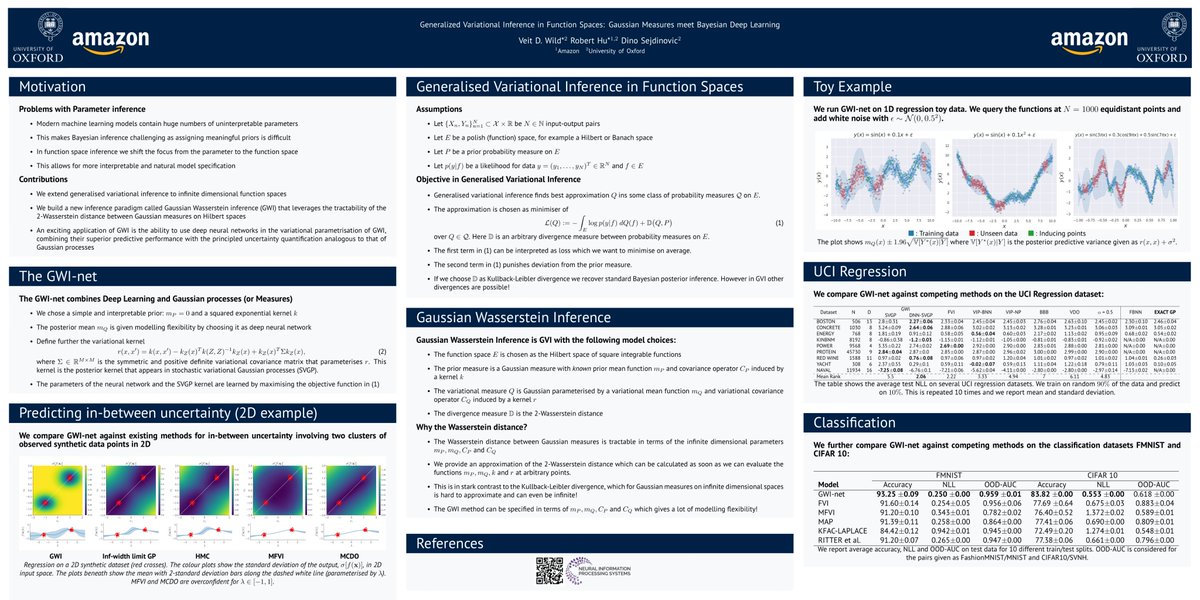
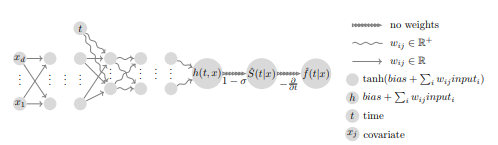
Me and @vdwild will be presenting GWI-net tmrw at poster session 1 #509 at #NeurIPS2022! We bridge VI in infinite-dimensional spaces with BDL, where GWI-net allows us to equip deep nets with uncertainty quantification analogous to that of GPs
neurips.cc/virtual/2022/post…
1
3
22
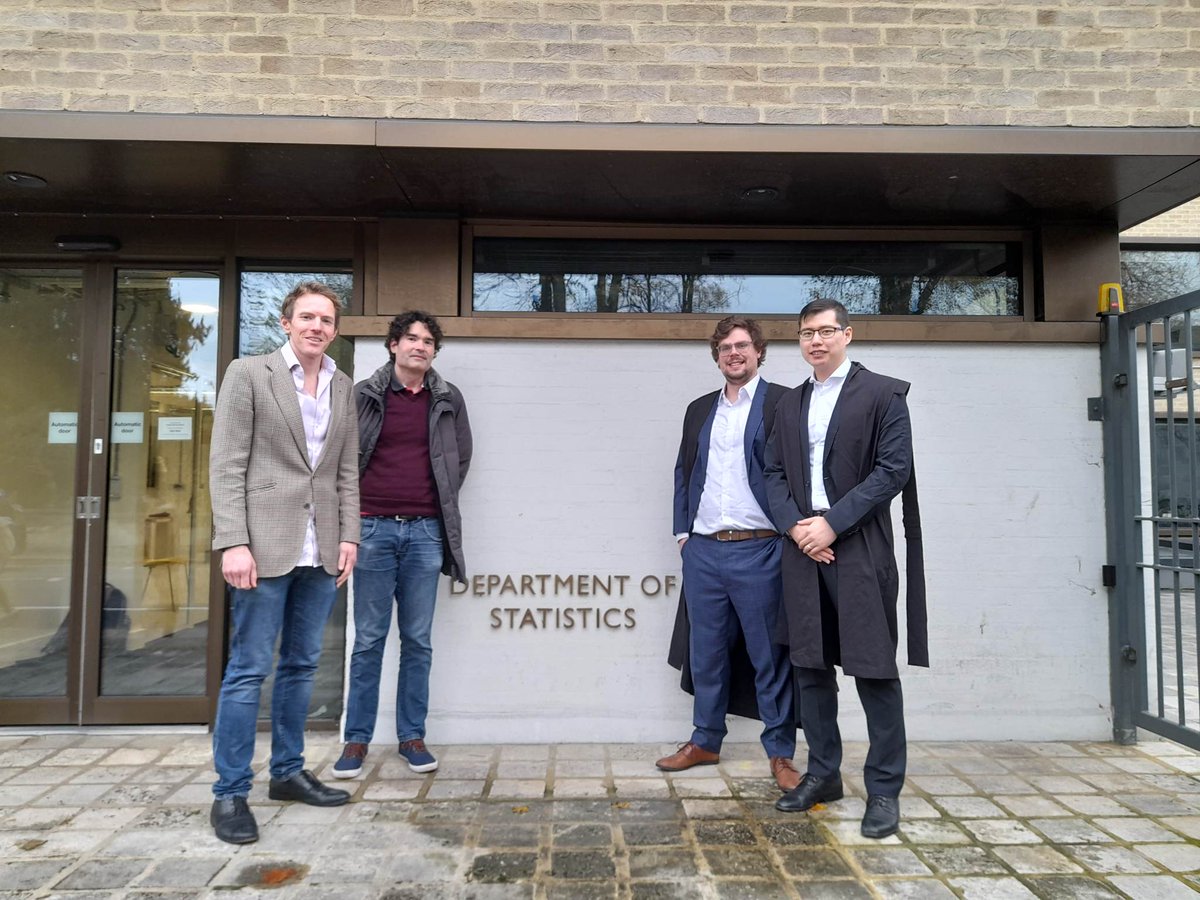
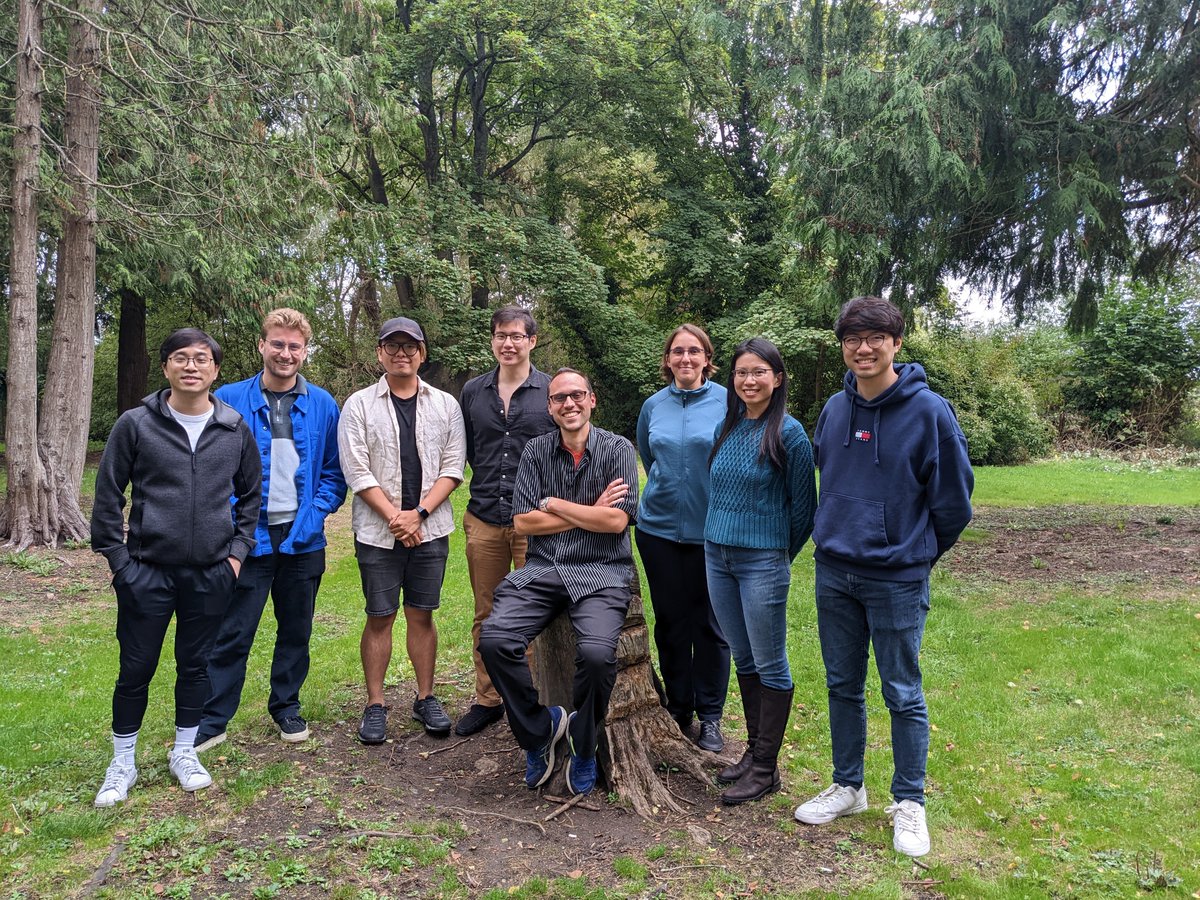
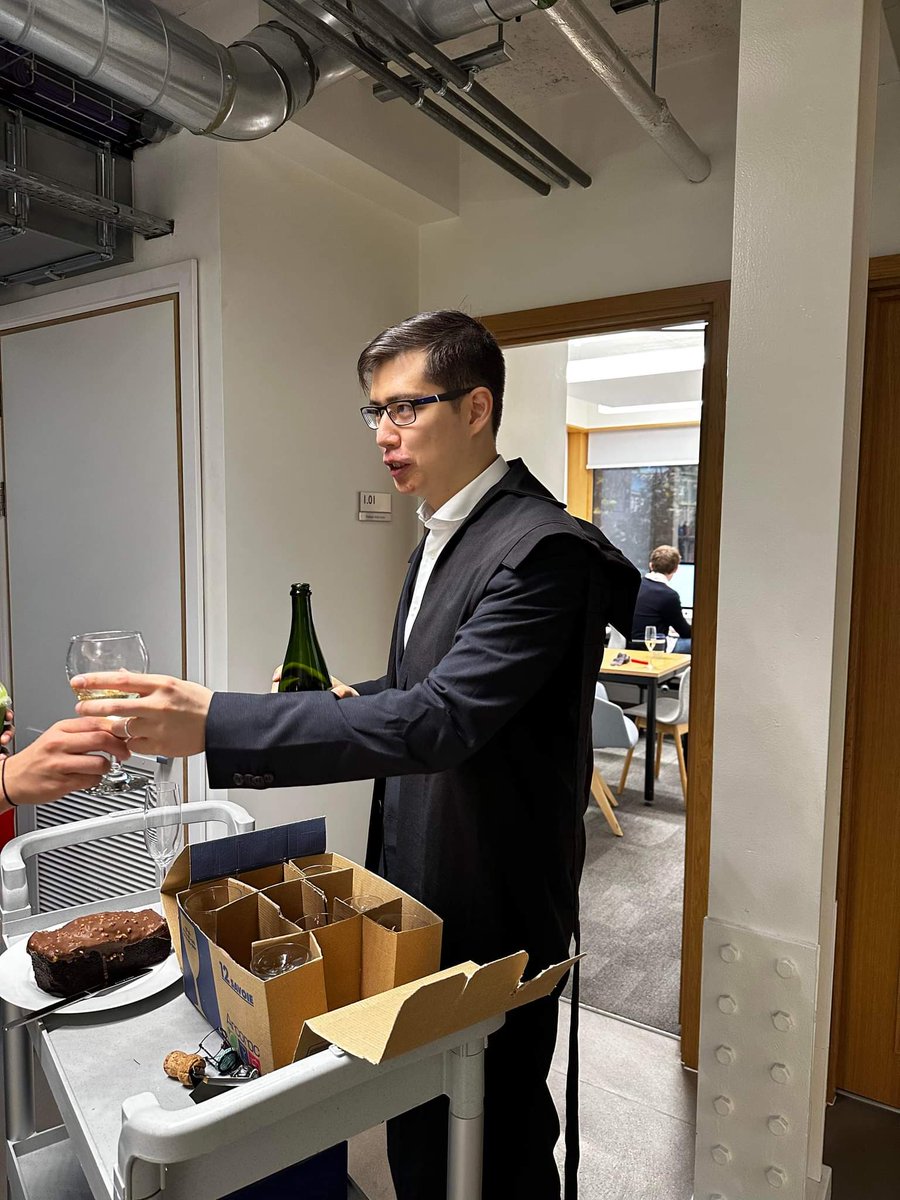
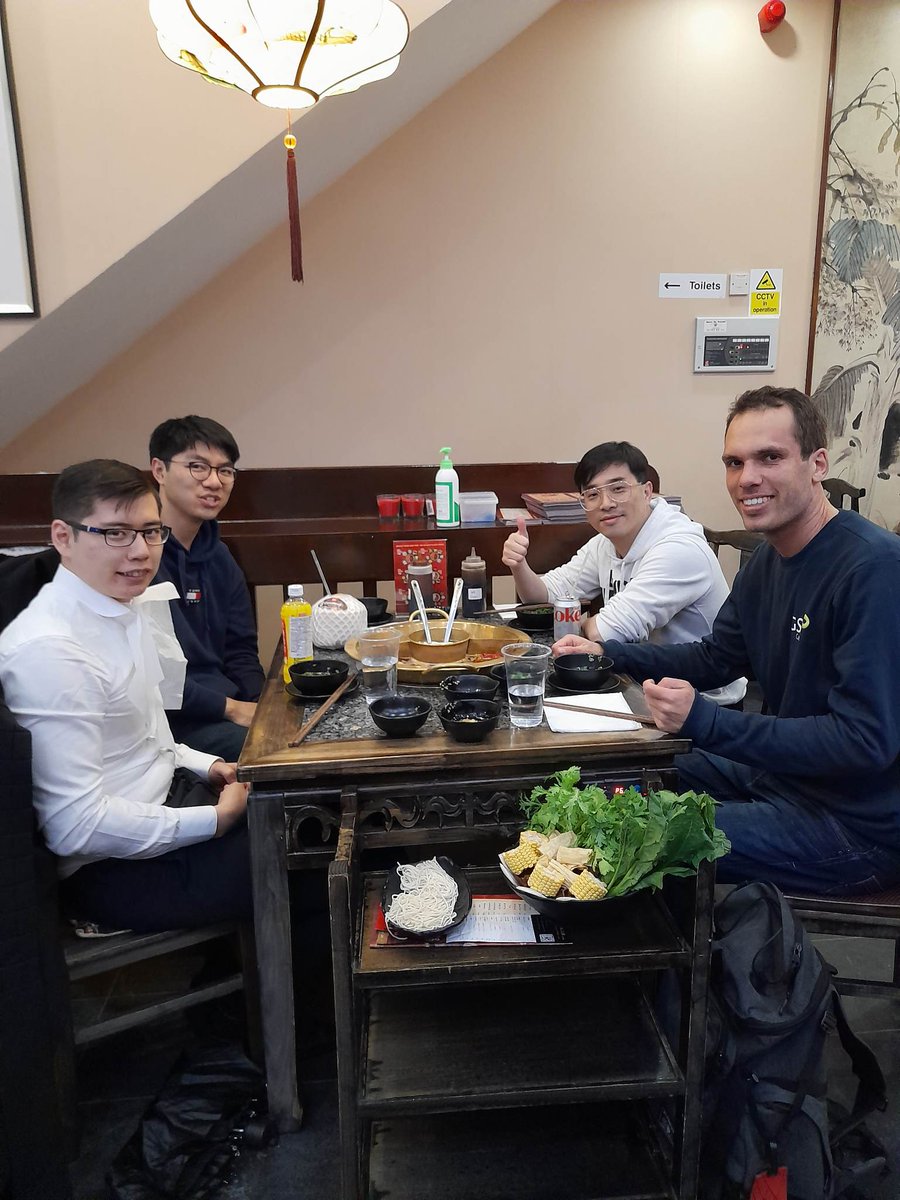
Successfully defended my PhD thesis today! A heartfelt thanks to @tom_rainforth and Ricardo Silva for examining me!
Feeling blessed to have had @sejDino, @ItsAStatLife and @nicholls_geoff as my supervisors.
Thankful to all my colleagues and collaborators for their support!
26
Robert Hu retweeted
15 Sep 2022
Happy to share that both RKHS-SHAP (arxiv.org/abs/2110.09167) and Pref-SHAP (arxiv.org/abs/2205.13662) are now accepted at #NeurIPS2022!
In RKHS-SHAP we utilise mean embeddings to explain kernel methods, while in Pref-SHAP we utilise RKHS-SHAP to explain preference models !
2
2
27