Believer, stakeholder and investor in the sustainable future
Joined October 2009
- Tweets 613
- Following 642
- Followers 5,946
- Likes 1,554
124 Photos and videos


Robin Ren retweeted

Jun 11
Carbonology has successfully closed its Series A round.
We’re grateful for the trust and support from our investors as we continue building at the intersection of carbon, energy and fuel.
From air to fuel.
From constraint to possibility.
More to come. Carbon is the New Oil.
1
209

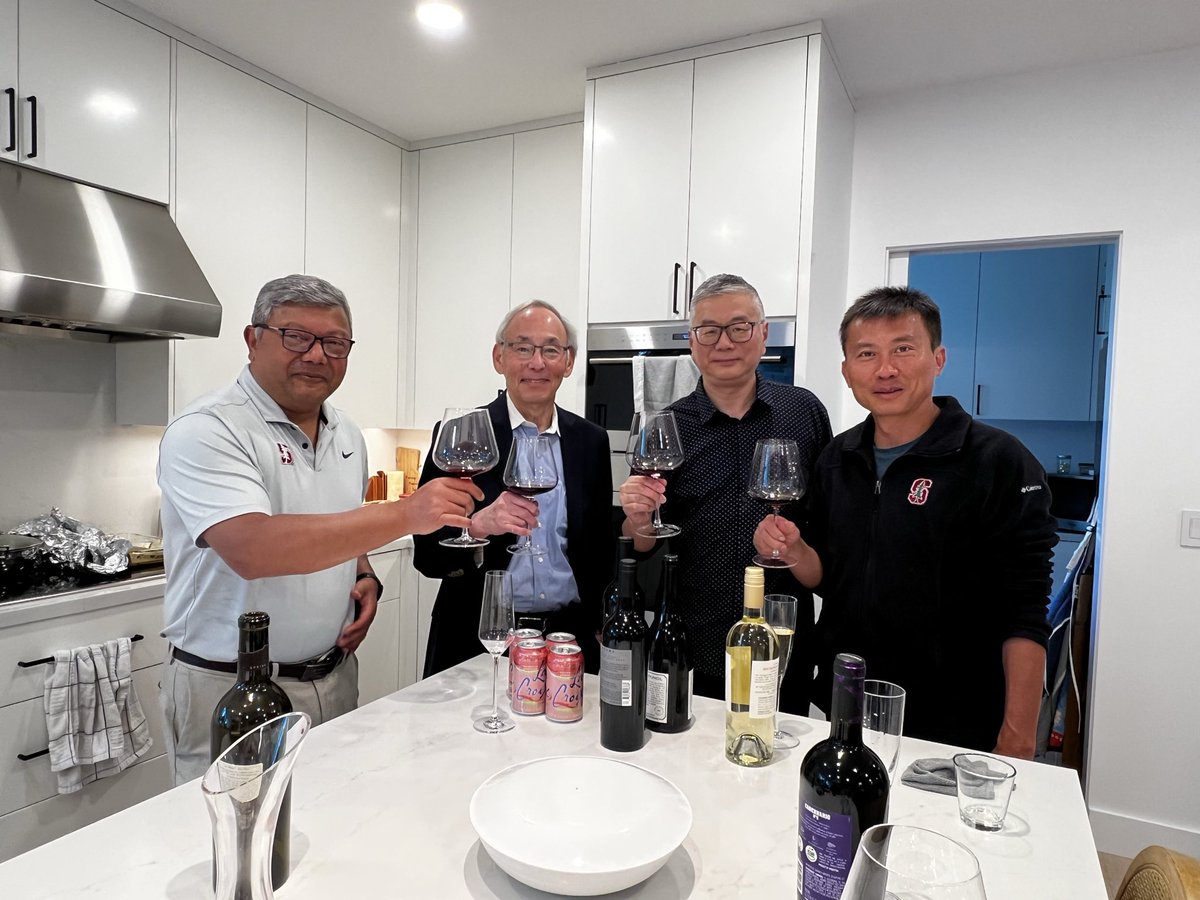
It was great catching up with Dean Arun Majumdar, Secretary Steven Chu and Professor @yicuistanford on carbon capture.
2
15
1,995
Congratulations! Great to see Deepak joining JB and continuing to change the world. Best wishes for success!
I always believe the true potential of Tesla is realized in the companies and technologies its alumni network creates in the years and decades to come.
May 11

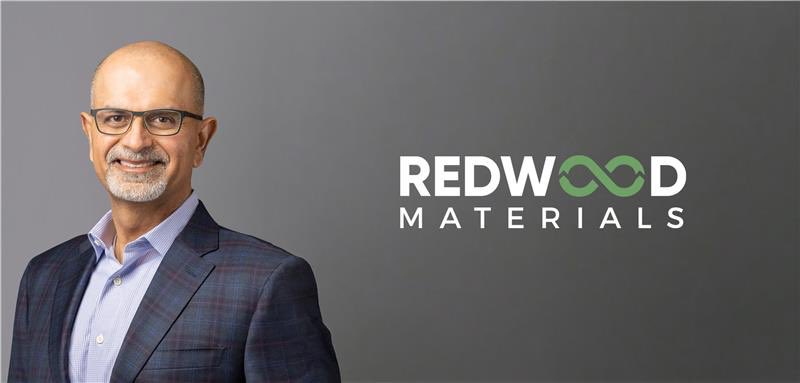
Today, we welcome Deepak Ahuja as Redwood Materials Chief Financial Officer.
Deepak brings decades of financial leadership at companies including Tesla, Verily Life Sciences and Zipline.
Energy storage and domestic critical mineral supply have moved from long-term thesis to immediate national priority. Deepak joins at the right moment to help us scale both.
Learn more about Deepak and Redwood here: redwoodmaterials.com/news/we…
4
994
Glad to see Deepak joining JB and continuing to change the world. Best wishes for success!
I always believe the true potential of Tesla is realized in the companies and technologies its alumni network creates in the years and decades to come.
May 11

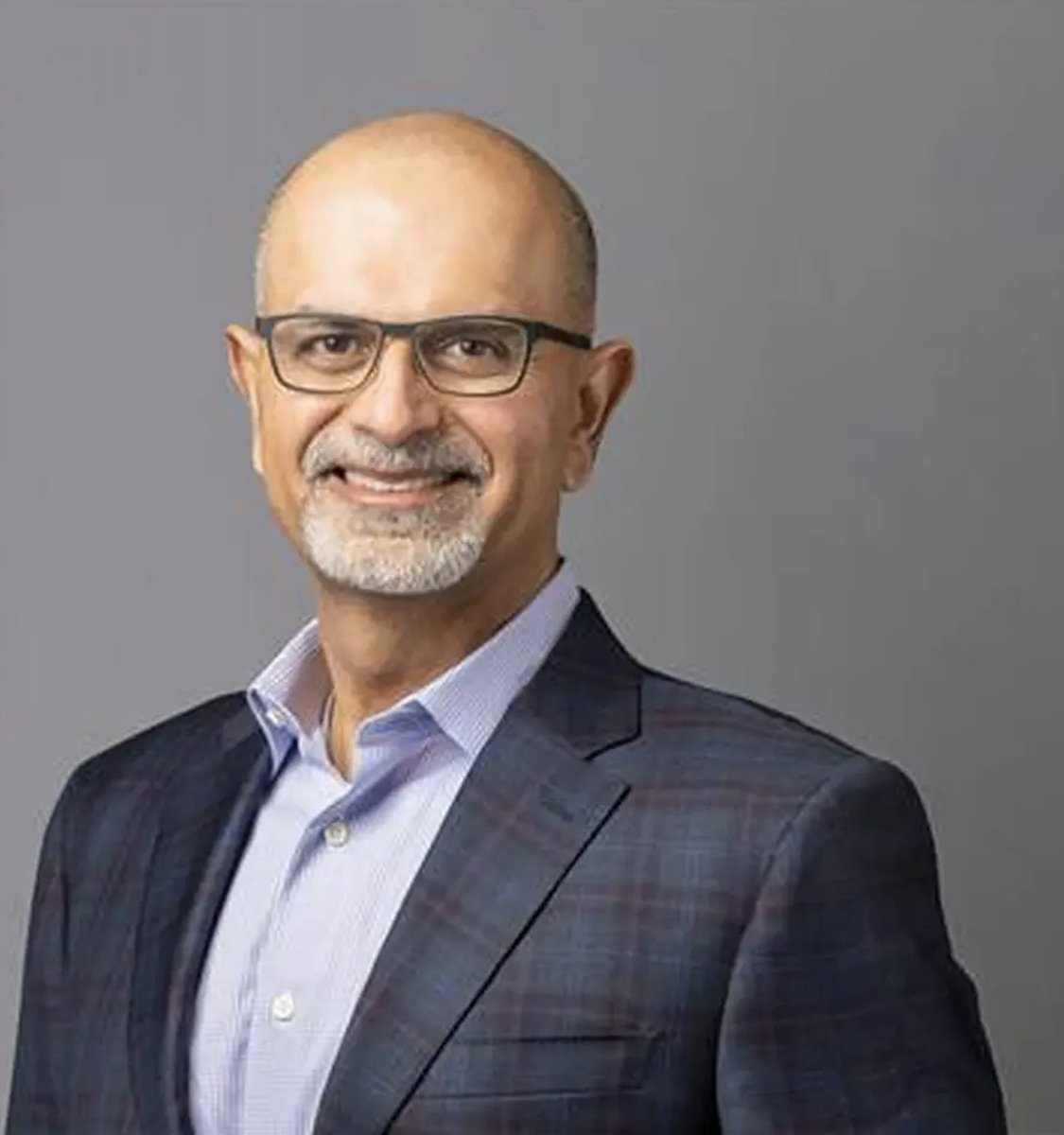
Former Tesla CFO Deepak Ahuja has joined EV battery recycler Redwood Materials as new its CFO.
Deepak was Tesla CFO from 2008 to 2015 (first stint) and March 2017 to early 2019 (second stint). Redwood Materials was founded by current Tesla board member and former CTO JB Straubel.
“Knowing JB for the last 18 years, I have huge respect for him as a leader, an engineer and as a thinker. And knowing so many of the leadership team who are from Tesla makes it easier for me to step in with a sense of credibility and build the business,” Deepak said. “There are different business models, different areas of growth and capital allocation, that it’s still going to be a learning experience for me.”
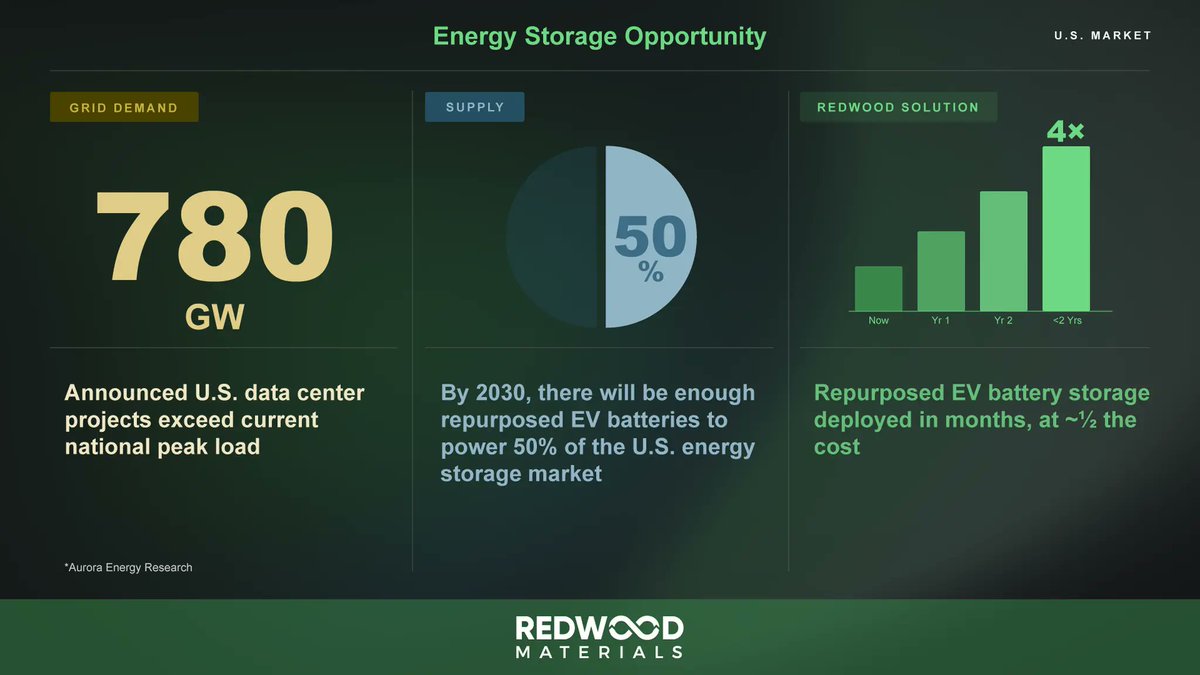
Redwood has more recently also been working on battery energy storage:
10
1,340
Robin Ren retweeted

May 9
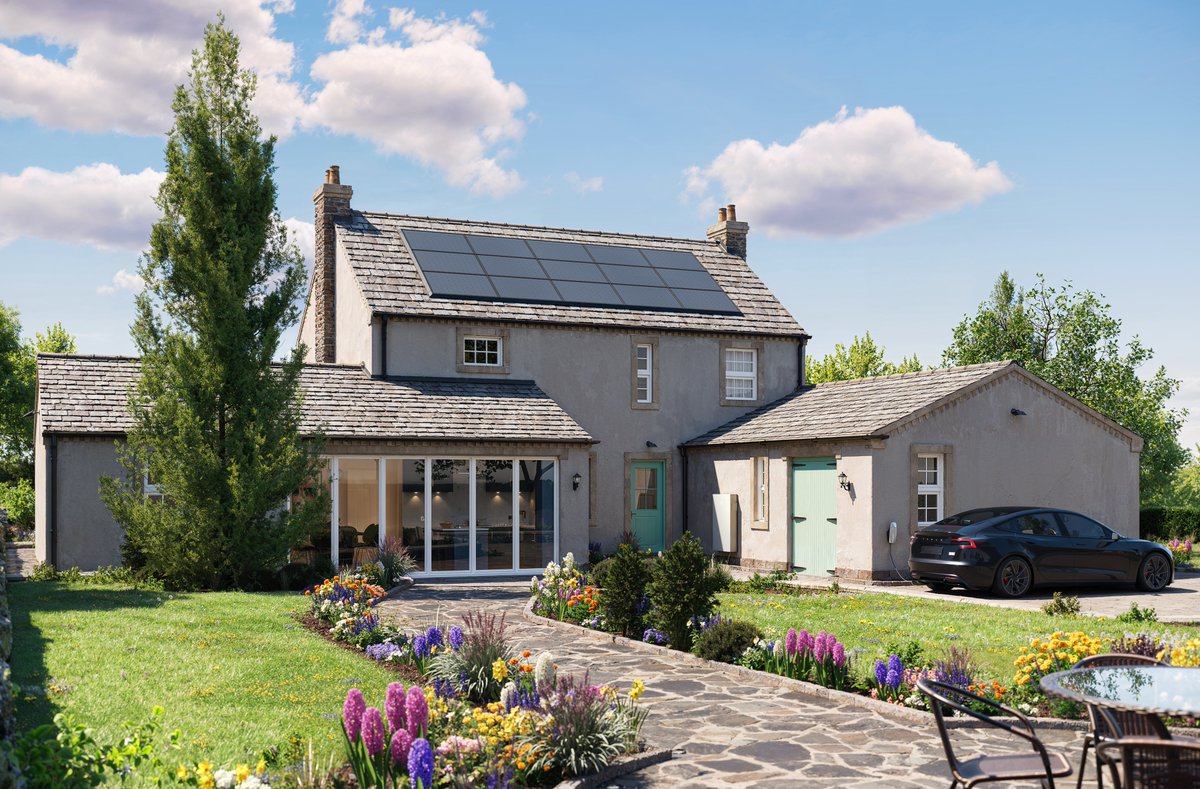
Tesla has introduced a new “Renewable Energy Bundle” in the UK, combining Tesla Solar and Powerwall 3 for £199/month, including installation at 0% interest.
Tesla is also bundling the package with a Tesla Model 3 for just £494/month combined.
The new offer is aimed at Tesla owners and includes an eight-panel solar installation plus a Powerwall 3 battery, all fitted and installed with fixed costs and 0% finance over four years. Customers will need to put down a £1,747 deposit, but Tesla says the package is designed to make renewable energy more affordable for households already driving electric cars.
153
237
2,515
290,541
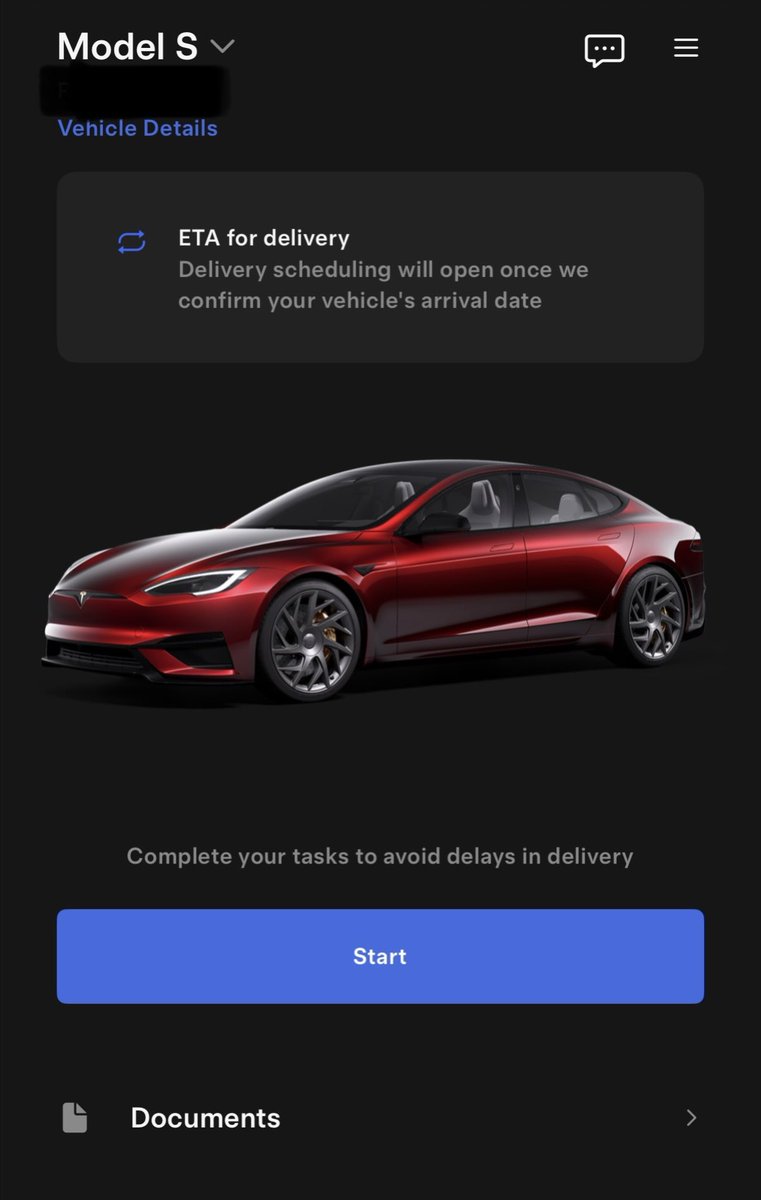
Thanks @Tesla for the invitation. Model S means a lot to me. During 2015-20, my team sold, delivered and serviced a significant number of S and X across many markets. This is a tribute to my former team and customers❤️ I will enjoy this car for many years to come.
35
40
756
30,055
Most people buy electric cars not because they are electric, but because they are better cars.

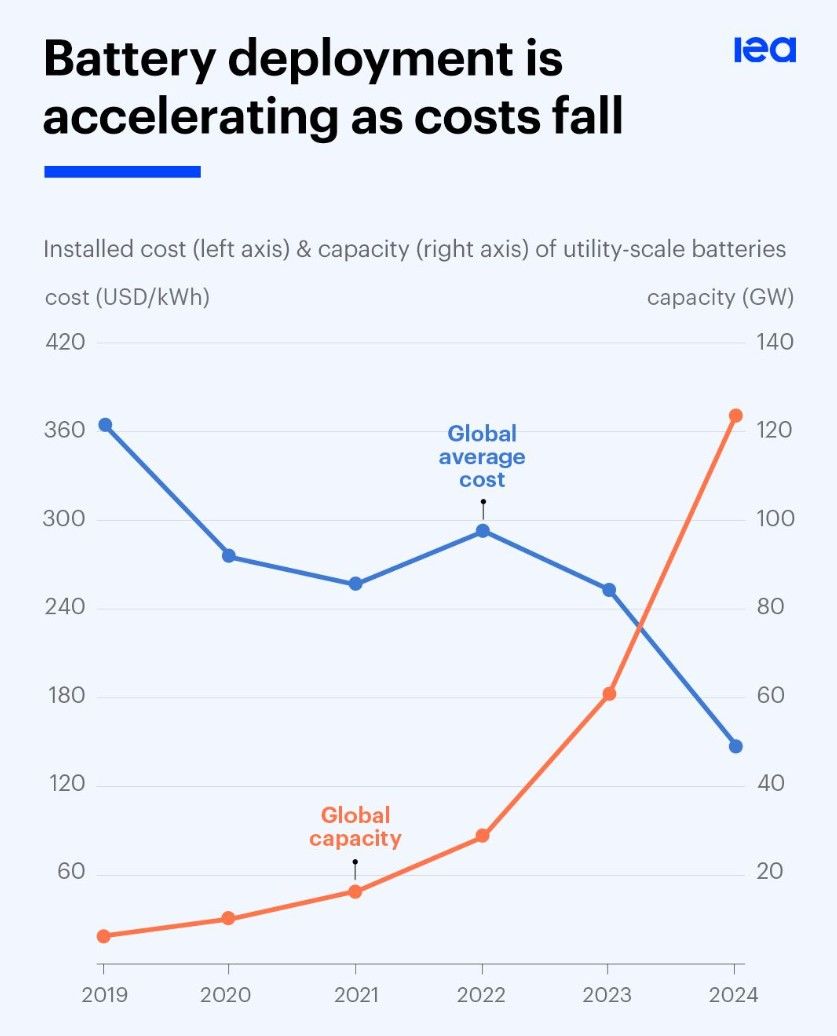
Clean energy such as stationary storage wins not because it is clean. Although being clean is a great result, it is not a business model. Clean energy wins because it is a better product at a lower price.
3
3
36
3,718
I still remember I was boarding a flight and watched the whole event on my phone. It was certainly one of the most consequential product launches ever.
Mar 31

Happy 10 year Anniversary Model 3!
1
19
1,109
This outcome is so disappointing, yet totally foreseen.
16 Dec 2025
Ford CEO Jim Farley on why the company is cancelling the all-electric F-150 Lightning:
"The $50k, $60k, $70k EVs just weren't selling; We're following customers to where the market is. We're going to build up our whole lineup of hyrbids. It's gonna be better for the company's profitability, shareholders and a lot of new American jobs. These really expensive $70k electric trucks, as much as I love the product, they didn't make sense. But an EREV that goes 700 miles on a tank of gas, for 90% of the time is all-electric, that EREV is a better solution for a Lightning than the current all-electric Lightning."
An EREV is what Ford calls an “extended range electric vehicle,” which adds a "gas generator that can recharge the battery pack to power the motors."
11
25
4,718
Most other companies’ exec comp plans have time-based vesting schedules. The Tesla CEO performance awards, 2018 and 2025, are milestone-based. The milestones are 100% aligned with long term shareholder value creation. These will be biz school case studies for decades to come.
Many people may think it is a zero-sum game — if @elonmusk gets an outsized award, it must be at the shareholders’ expense. This is simply not the case. He will lead the company to *grow the pie* significantly in the coming years. All shareholders will benefit. Please vote FOR.
6
43
4,751
Many people may think it is a zero-sum game — if @elonmusk gets an outsized award, it must be at the shareholders’ expense. This is simply not the case. He will lead the company to *grow the pie* significantly in the coming years. All shareholders will benefit. Please vote FOR.

Tesla is at a critical inflection point. We need your vote ahead of our 2025 Annual Meeting on November 6.
Tesla shareholders, the owners of our company, will soon receive their control numbers and voting instructions from their brokers. This will enable you to vote.
We are asking you to vote with the Board’s recommendations on *all* proposals.
Tesla is on the precipice of another massive wave of transformational growth, as demonstrated by the unveiling of our Master Plan Part IV. If you believe, like us, that @ElonMusk is the CEO that can make this ambitious vision a reality, vote your shares.
votetesla.com
5
38
8,537
Thank you for all the passionate comments (and some criticism). I do not work for Tesla so I cannot speak for them. But I trust that they have a capable team who has all the information to make informed decisions. What I do know is that Tesla's #1 priority has never been about making profits. Being a public company, it has responsiblities to shareholders, etc. But its ultimate goal has always been moving the world towards sustainability.
When an established American company enters a new overseas market with much anticipation, people usually expect a quick success — customers will line up outside the door and orders will immediately fly in.
This is simply not the case, especially with large and complex markets such as India or China, and with a product that requires sophisticated ecosystems.
When Tesla first entered China more than a decade ago, the initial excitement and fanfare quickly gave way to customer confusion and inability to charge in most places. It took the team a few quarters to truly understand the market and customer needs. Tesla opened sales and service locations in the right cities and places across a vast country, and built a supercharging network that serves the most critical needs. It also worked with local governments to open up incentives such as less restrictive EV license plates.
All the hard work paid off. Tesla sales in China started to take off. Its revenue in China exceeded $1 billion in 2016, and doubled in 2017, and almost doubled again in 2018 (all this is public information you can find in TSLA annual filings). This growth was achieved *before* Tesla built a factory in Shanghai in 2019 and with 100% of its Model S/X vehicles imported from the US, subject to tariff.
Tesla’s logic of localizing manufacturing has always been to do it *after* proven local demand, not the other way around. That said, I have my full confidence in Tesla sorting out the challenges. Electrification is the future. The world’s transition to sustainability cannot happen without India.
3
51
84
6,683
When an established American company enters a new overseas market with much anticipation, people usually expect a quick success — customers will line up outside the door and orders will immediately fly in.
This is simply not the case, especially with large and complex markets such as India or China, and with a product that requires sophisticated ecosystems.
When Tesla first entered China more than a decade ago, the initial excitement and fanfare quickly gave way to customer confusion and inability to charge in most places. It took the team a few quarters to truly understand the market and customer needs. Tesla opened sales and service locations in the right cities and places across a vast country, and built a supercharging network that serves the most critical needs. It also worked with local governments to open up incentives such as less restrictive EV license plates.
All the hard work paid off. Tesla sales in China started to take off. Its revenue in China exceeded $1 billion in 2016, and doubled in 2017, and almost doubled again in 2018 (all this is public information you can find in TSLA annual filings). This growth was achieved *before* Tesla built a factory in Shanghai in 2019 and with 100% of its Model S/X vehicles imported from the US, subject to tariff.
Tesla’s logic of localizing manufacturing has always been to do it *after* proven local demand, not the other way around. That said, I have my full confidence in Tesla sorting out the challenges. Electrification is the future. The world’s transition to sustainability cannot happen without India.

Tesla's long-awaited entry into India underwhelms, with just over 600 orders falling well short of the company's target bloomberg.com/news/articles/…
6
55
124
14,854
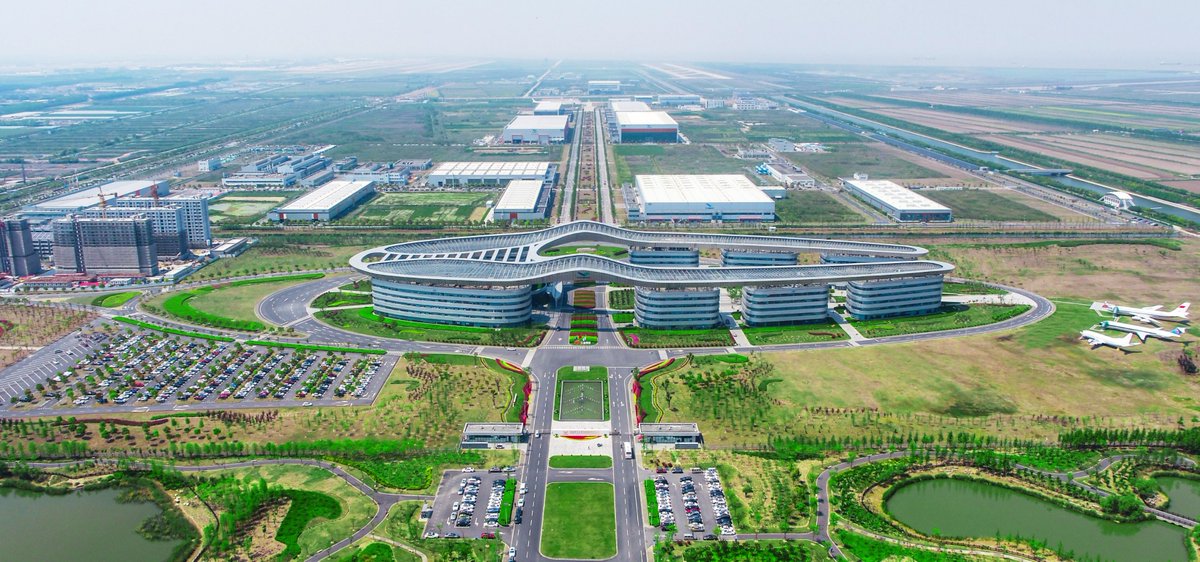
Carbon is the new oil. My new startup, Carbonology 碳生万物, inked a partnership with Shanghai's Lin-gang Special Area, establishing an R&D innovation center. It will develop technologies in direct air capture (DAC) of CO2 and synthesis of sustainable aviation fuel.
@carbonologySH @SHLingang
2 Aug 2025

💬@CarbonologySH has inked a partnership with Shanghai's Lin-gang Special Area, launching its 300 million yuan ($41.7 million) R&D innovation hub in this dynamic area and infusing critical momentum into Lin-gang's high-end manufacturing and new energy industries.
This program, backed by Lin-gang's institutional advantages, will focus on emission reduction and pioneer an industrialization project for direct air carbon capture to prepare sustainable aviation fuel.
4
99
130
17,654
💯
In fact, we are already using a lot more energy than the electricity we generate, by burning fossil fuel for heat, transportation and other industries.
But the fossil fuel is nothing more than stored solar energy by leafy plants millions of years ago.
Instead of living off “borrowed” energy, we need to get out of the energy deficit by: 1. Electrifying all industries; 2. Generating a lot more electricity from the largest nuclear reactor in the sky called the Sun.

Actually, humanity is only about 1% of the way towards a Type I civilization.
We could generate at least 2 orders of magnitude more electricity than we do now.
3
33
3,895
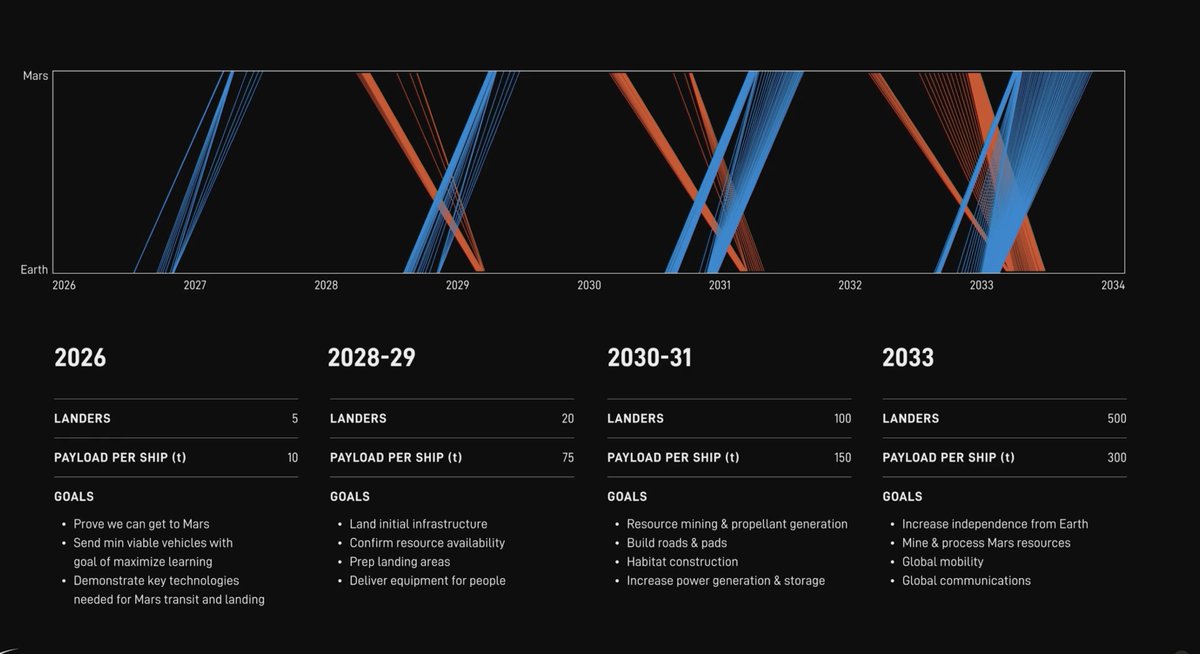
The Mars vision of @elonmusk really ties all the dots together: reusable rockets, Starlink, solar and energy storage, electrical transport, autonomy, humanoid robots, and most importantly, mass manufacturing.
251
638
4,135
1,530,533
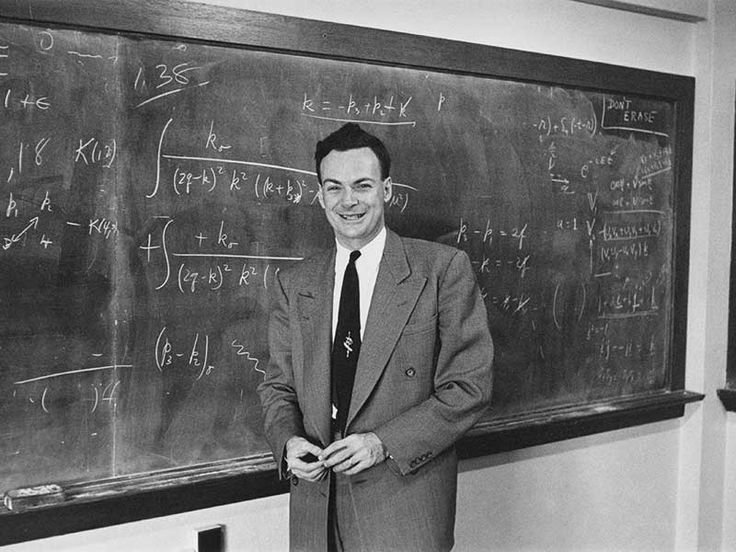
Progress is often made by those not conforming to the conventional wisdom.
23 May 2025

Science is the belief in the ignorance of experts.
- Richard Feynman
11
24
3,387
Everything I have seen Elon did, it was to fundamentally benefit or save the humanity. By definition, if something benefits the humanity, it is good for America.
Also, if I am allegedly “bought” by some country or group, how can they realistically afford it? I’m too expensive 🤣🤣
3
11
123
13,388