
Publishing Director at @newleftreview.
Joined September 2008
- Tweets 1,487
- Following 1,057
- Followers 1,926
- Likes 1,868
123 Photos and videos


My piece for @NewLeftReview / Sidecar on the current US attempt to finish off Cuba via the Venezuelan oil "chokepoint".
Thanks due to Ernesto Teuma and Rolando Prats for insightful feedback.
newleftreview.org/sidecar/po…
16
36
5,370
Here's the video of my talk at Remarque/NYU in November, on the geopolitical history of telegraphy and the internet, including a critique of the current milquetoast European tech-sovereignty discourse. A few people asked at the time; was just uploaded now.
youtu.be/kLecvkHsDLQ?t=2106
1
9
593
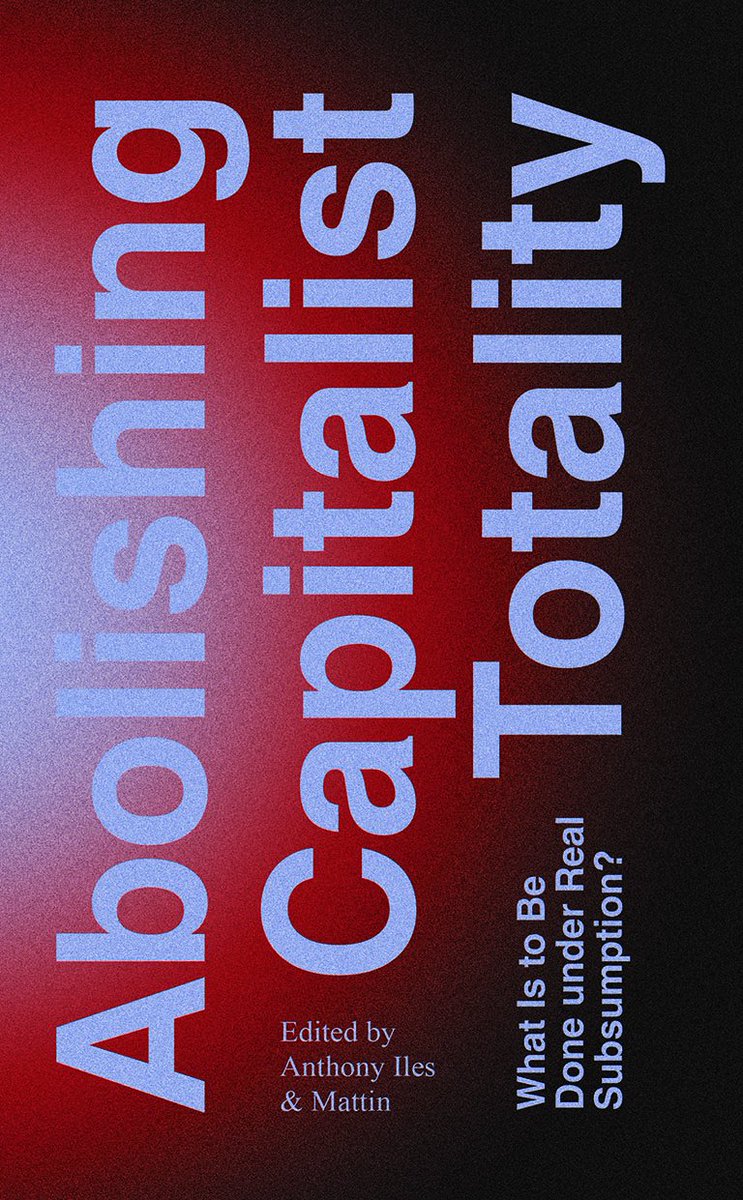
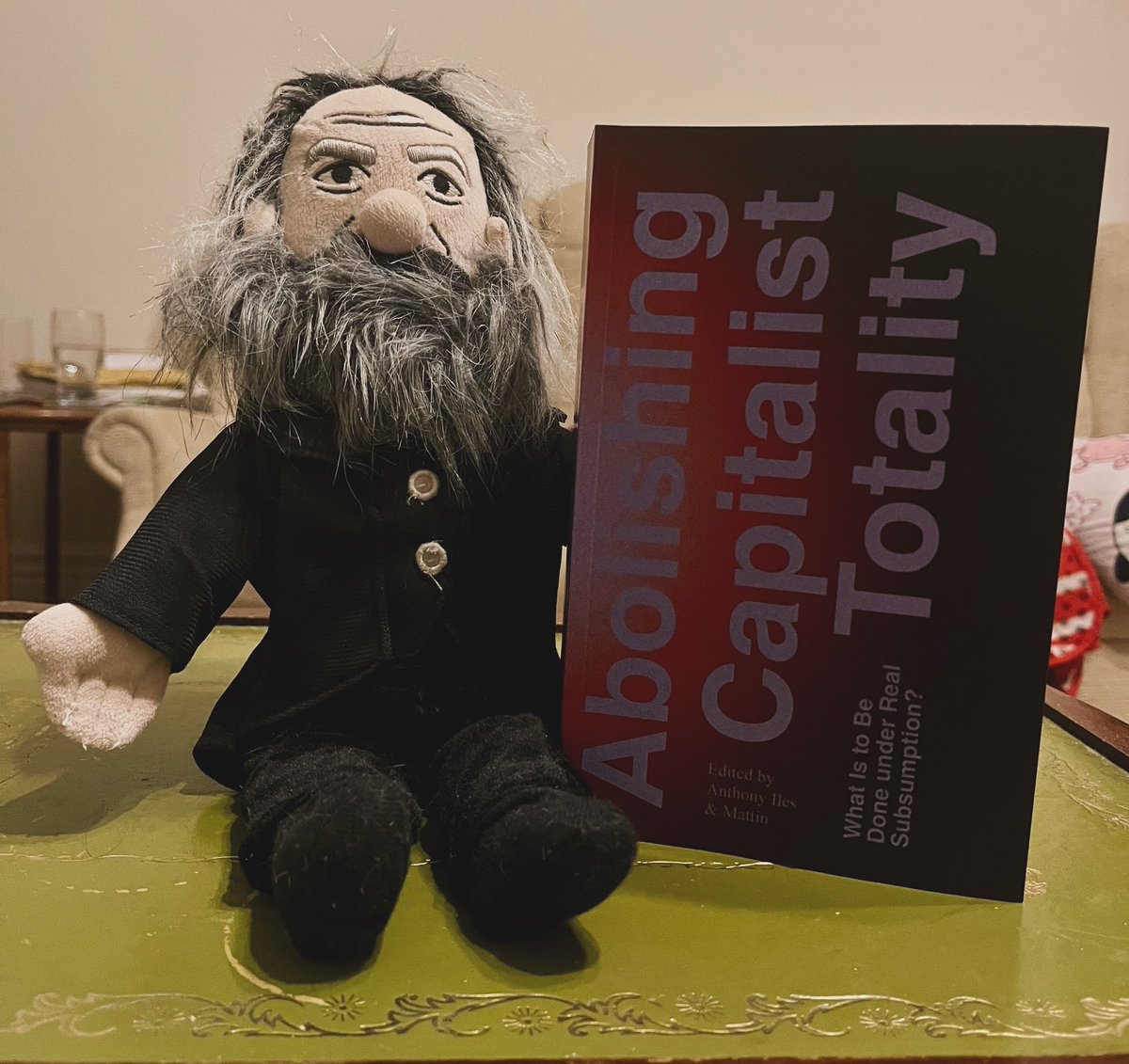
I'm presenting the Endnotes contribution to this book this afternoon at Goldsmiths—coincidentally, also the place that project was first presented in 2007 or 2008.
3-5pm RHB 137 (in person only)
Free and open to all
Organised by the Centre for Philosophy and Critical Thought

Now available for ordering and/or free download…
Abolishing Capitalist Totality: What Is to Be Done under Real Subsumption?
Edited by Anthony Iles & Mattin
minorcompositions.info/?p=16…
When capitalism feels inescapable, theory becomes a weapon to challenge fatalistic totalities.
1
1
34
1,486
Years ago I wrote some stuff for this book, coming out of a debate we participated in as Endnotes. I had thought the project gone, but it has risen from the dead. Odd to have something you wrote come out so long after the event. Glad they got there though!
minorcompositions.info/?p=16…
1
9
66
5,314
RT @SKouvelaki51858: J'ai traduit pour @SRContretemps cet article extrêmement éclairant de @roblucas sur le blocus imposé par les US à Cub…
19
Rob Lucas retweeted

Feb 5
🇨🇺 Armas para pensar | ¿Cuba a punto de ser estrangulada?
✍🏼 @roblucas
diario-red.com/articulo/arma…
1
47
63
1,081
Rob Lucas retweeted

Feb 2
Important piece from @roblucas on the cruel intensification of the US embargo on Cuba - with fresh insights into its history, politics, and energy sources newleftreview.org/sidecar/po…
1
10
13
2,679
If Snowden, Huawei, TSMC signalled a new fear of tech dependency, Nord Stream II and the US embargo on fuel for Cuba should ring alarm bells on the risks of fossil fuels for the sovereignty of those without major deposits. Renewables against chokepoints!
newleftreview.org/sidecar/po…
1
7
677
Rob Lucas retweeted

Jan 31
"Cuba has a history of punching above its weight: the only country of its size with a record of successful foreign military campaigns – undertaken on its own initiative and at the invitation of the national-independence movements in Angola, Guinea-Bissau and Mozambique – not to mention surprising intelligence achievements against the US. Cuba has, of course, been preparing for US invasion more or less since the revolution. The question is whether the Cuban state has the capacity to hold out long enough to reach new strategic terrain."
— Rob Lucas, "Stranglehold?"
communispress.com/llave-al-c…
1
5
8
2,472
Mi artículo sobre las últimas agresiones estadounidenses contra Cuba, en español. Traducido y publicado por @communispress.
communispress.com/llave-al-c…
1
2
1,613
Rob Lucas retweeted

Jan 31
@roblucas on the Trump Administration's current attempt to strangle Cuba:
"The current energy crisis represents a pivotal juncture in US-Cuba relations, between the chokepoint of Venezuelan oil-dependence and a green alternative. The question is whether the Cuban state has the capacity to hold out long enough to reach new strategic terrain."
newleftreview.org/sidecar/po…
1
6
1,214
Rob Lucas retweeted

Jan 30
Rob Lucas, Stranglehold? newleftreview.org/sidecar/po… via @newleftreview
A MUST READ
8
15
2,615
Rob Lucas retweeted

23 Apr 2025
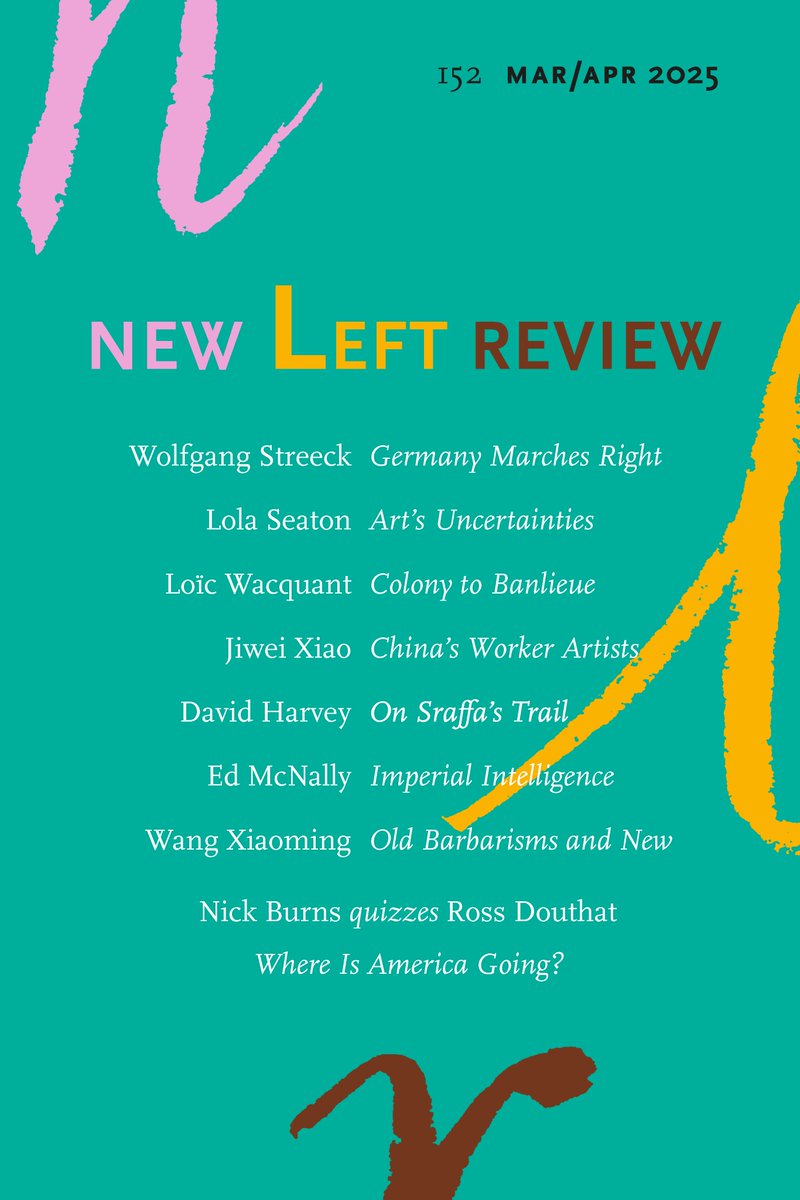
I interviewed Boss Ross @DouthatNYT for the new @NewLeftReview, talking decadence, Trump, his evolution and role at @nytopinion and more. Link in next tweet
7
20
79
27,518
Rob Lucas retweeted
31 Oct 2024
NLR 149 is now online!
Featuring Fredric Jameson on Homer, Perry Anderson on Fredric Jameson, Anton Jäger on US politics, Emma Fajgenbaum on subimperialism, and Jeremy Adelman & Pablo Pryluka on Latin America:
newleftreview.org/issues/ii1…
1
25
134
47,277
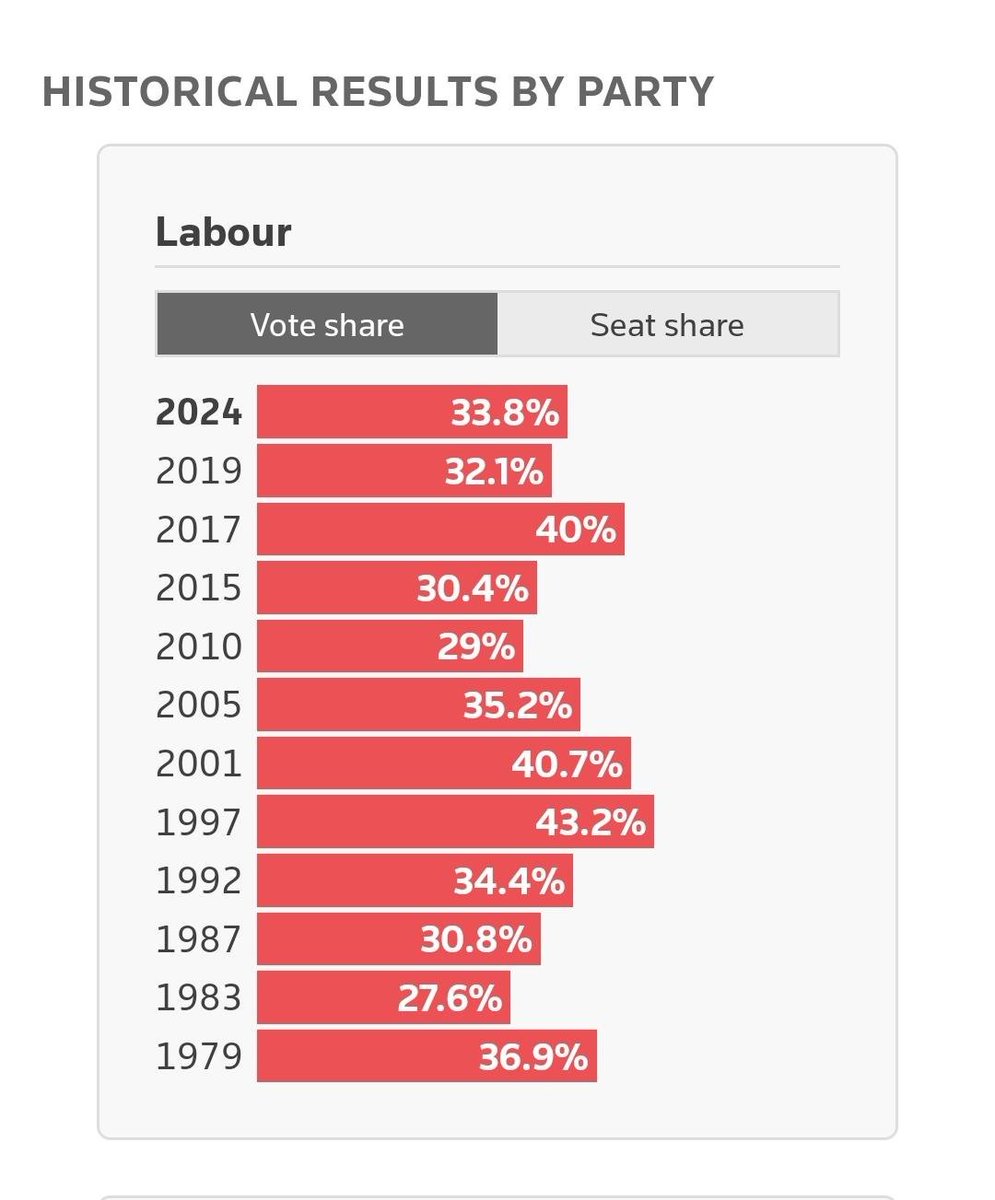
Probably the most striking figures on the UK election so far: Labour won this massive landslide with a smaller vote share than it had when Callahan lost to Thatcher or Corbyn lost to May. reuters.com/graphics/BRITAIN…
ALT Graphic showing Labour's vote share in elections since 1979
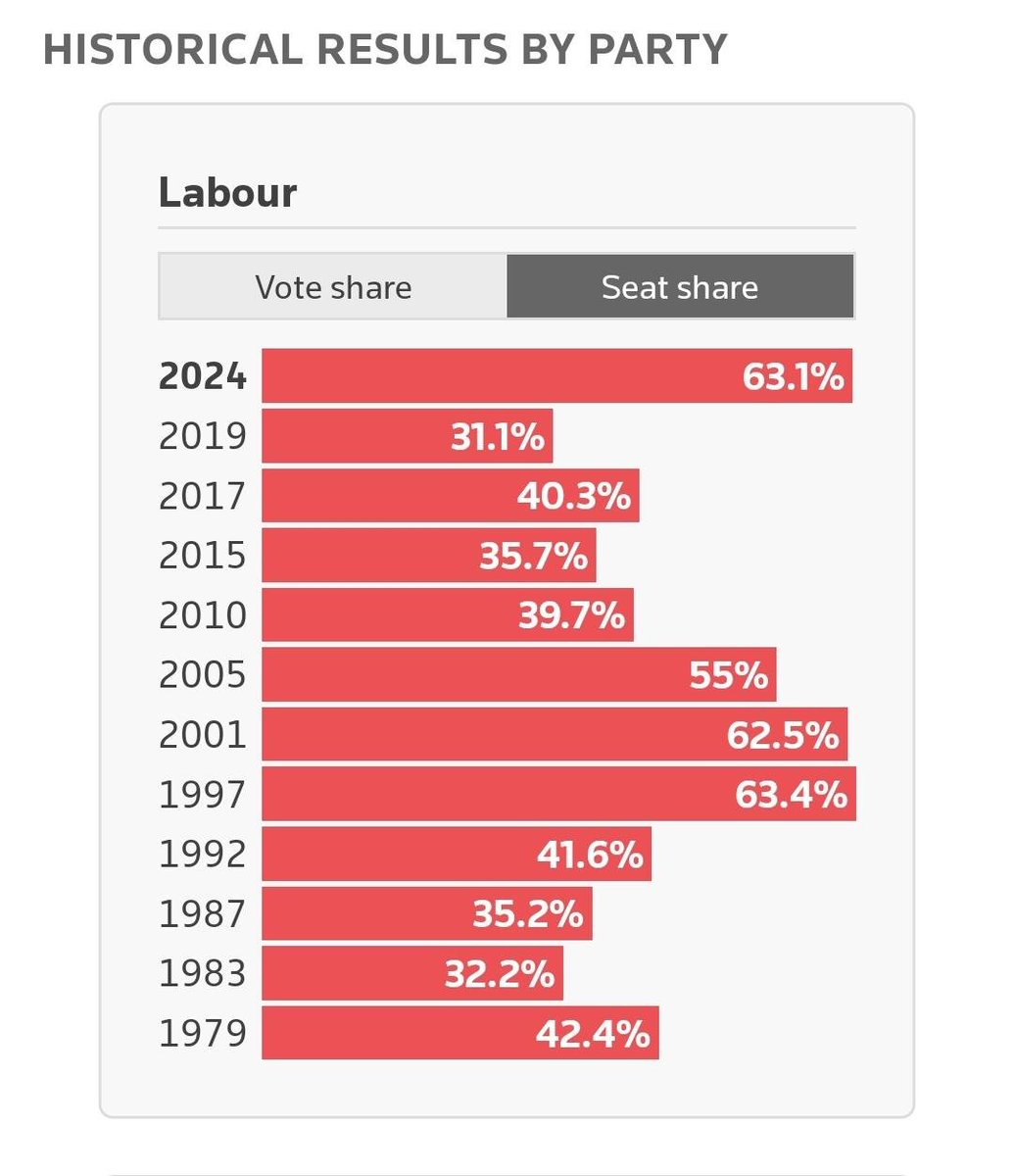
ALT Graphic showing Labour's seat share in elections since 1979
2
317
Rob Lucas retweeted
3 Jul 2024
NLR 147 is now online!
Featuring Rashid Khalidi & Tariq Ali on Palestine, Tony Wood on Mexico, Radhika Desai on India, Cédric Durand on Brett Christophers and Owen Hatherley on Andy Beckett, plus much more:
newleftreview.org/
28
79
30,126
Just put the new NLR online. This is a good one.
newleftreview.org/issues/ii1…
5
18
119
27,895
A particularly egregious example of AI web spam from @diseasemaps . As far as I can tell this is all hallucination, polluting the information-space for people like me who depend on access to reliable information about specific rare diseases.
diseasemaps.org/2q37-monosom…
1
7
544