
Joined April 2024
- Tweets 6,382
- Following 686
- Followers 186
- Likes 24,407
45 Photos and videos

Pinned Tweet

Mar 31
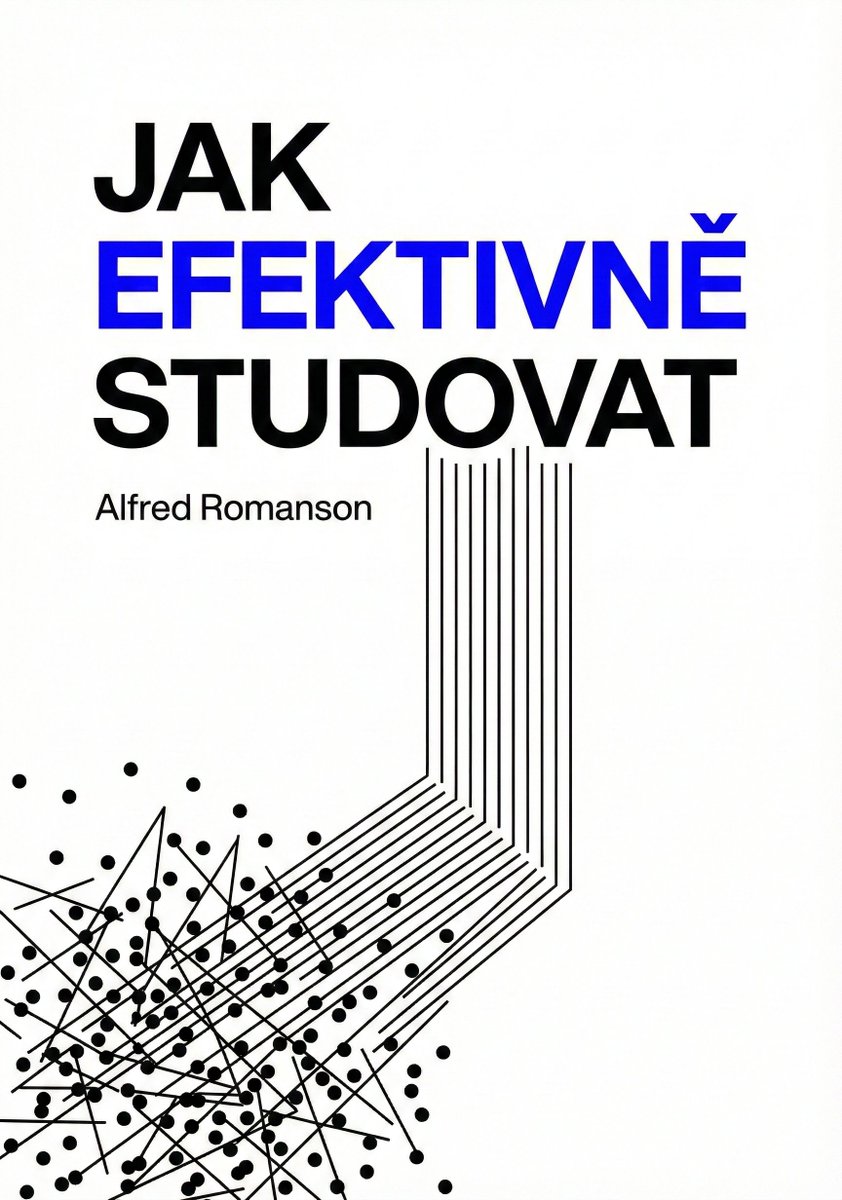
Učíte se hodiny, dáváte do toho všechno, ale u testu máte v hlavě prázdno? Zadržte, než tu učebnici hodíte do skartovačky. Není to vaše chyba. Ve škole nám totiž zatajili jednu zásadní věc. Objevte, jak se učí „mozkoví hackeři“, a stáhněte si bezplatný návod, který všechno změní.
Jak efektivně studovat#utm_source=twitter&utm_medium=sharebt&utm_campaign=top medium.seznam.cz/clanek/alfr…
645

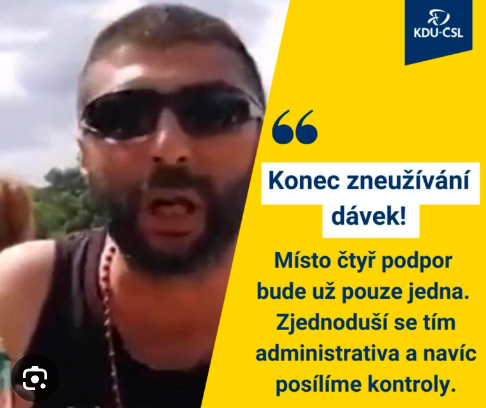
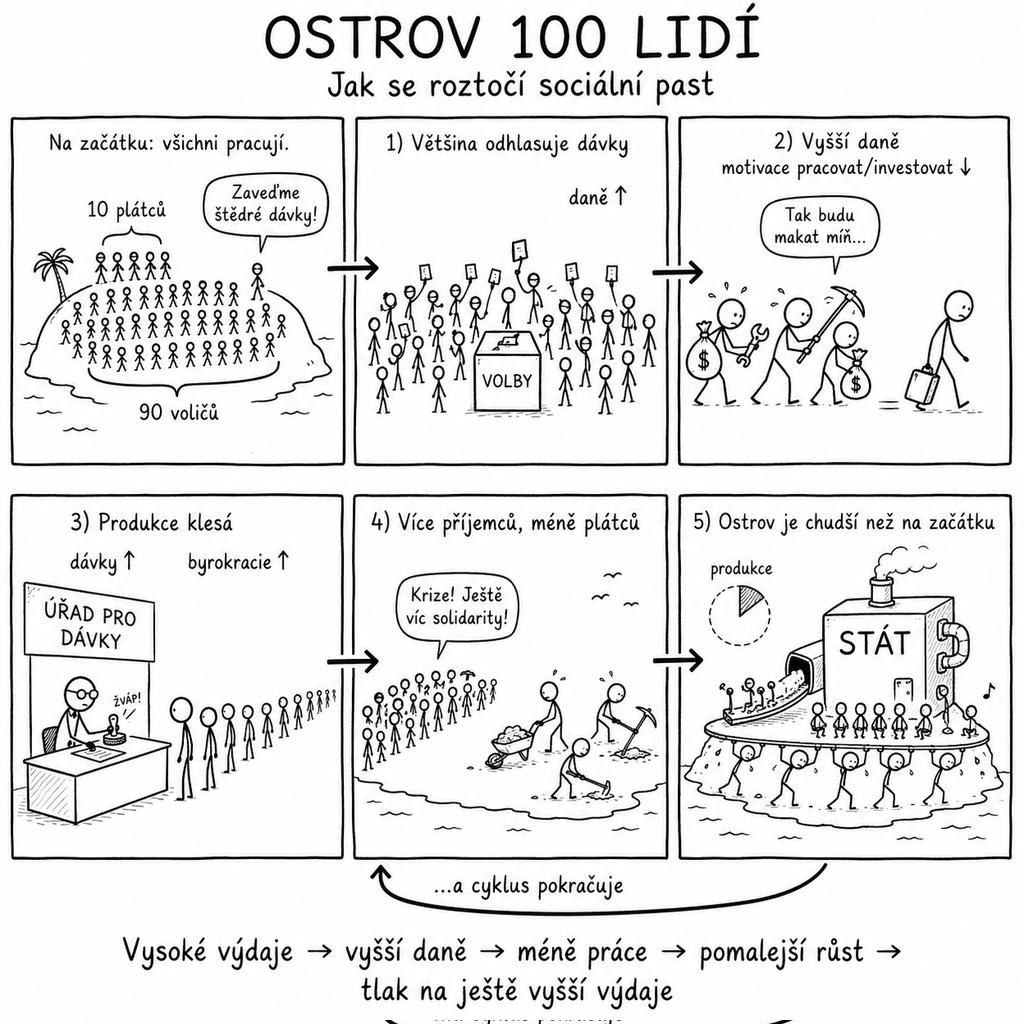
Stát jako ostrov:
1) Všichni pracují.
2) Většina odhlasuje vyšší dávky.
3) Menšina produktivních dostane vyšší daně.
4) Část z nich začne pracovat méně, investovat méně nebo odejde.
5) Produkce klesne.
6) Příjemců přibude.
7) Většina odhlasuje ještě vyšší dávky.
8) Daně znovu vzrostou.
9) Motivace produkovat znovu klesne.
A tak pořád dokola.
Nakonec jsou skoro všichni závislí na systému, který platí stále menší skupina lidí.
Značný kus vezme byrokracie a rozkradou přelozdělovači.
Pointa:
Vysoké výdaje → vyšší daně → méně práce/investic → pomalejší růst → ještě větší tlak na výdaje.
Všichni jsou chudší.
Ale "jinak to přeci nejde!".
13
27
144
9,610
Roman Nerad retweeted

Jun 9
People in France show their support for a White Lives Matter movement..
Notice how they aren’t burning down cities like BLM.
928
9,899
91,686
3,392,790


Roman Nerad retweeted

Jun 8
„Nemusíte spálit knihy, abyste zničili kulturu.
Stačí přimět lidi, aby přestali číst.“
Ray Bradbury

3
4
29
371

Roman Nerad retweeted

Jun 6
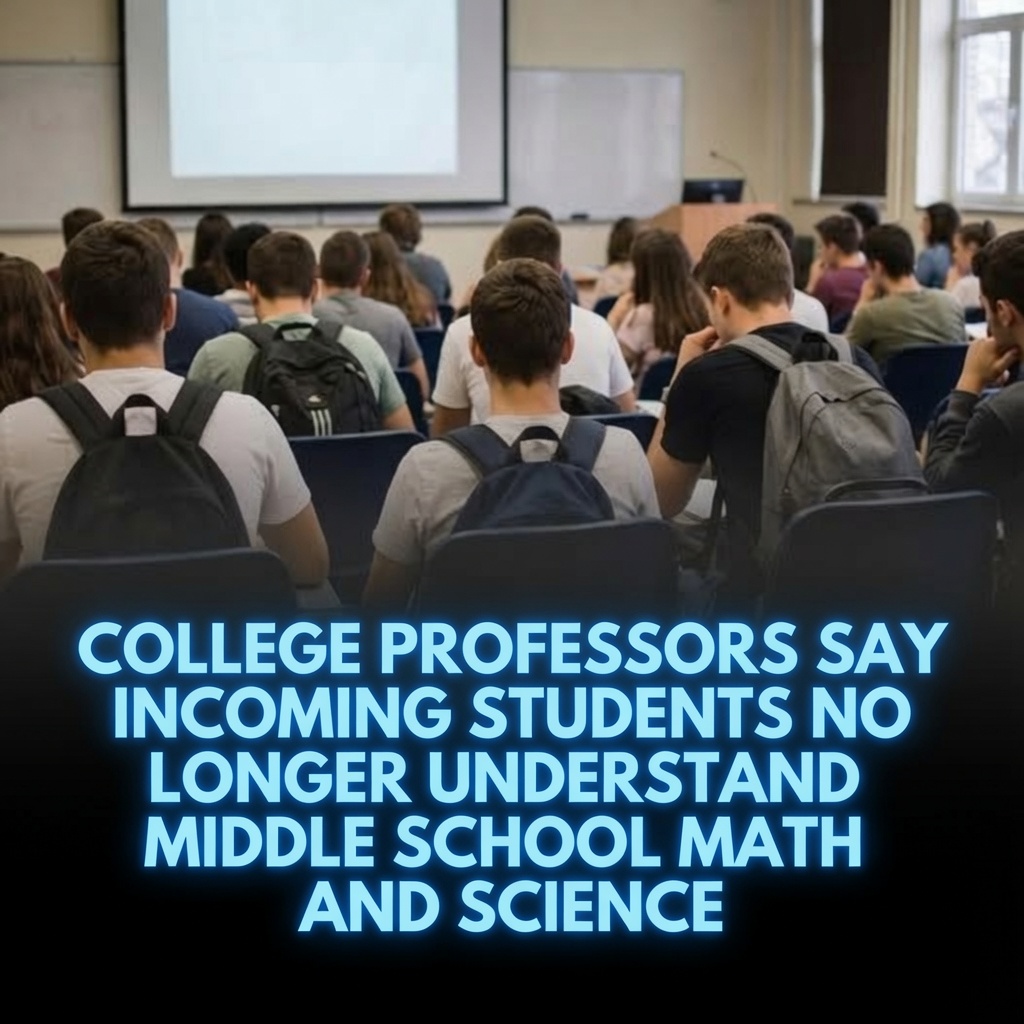
University of California professors are raising urgent concerns that widespread AI-assisted cheating has left many incoming students unprepared for college-level work, particularly in mathematics.
In a letter to university leadership, faculty reported that nearly one-third of students in UC Berkeley’s introductory calculus courses show “severe preparation deficits,” requiring instructors to spend valuable time reteaching middle-school level math concepts.
Educators point to the rapid adoption of AI chatbots like ChatGPT as a major contributor. These tools, they argue, have enabled rampant academic dishonesty, artificially inflated high school grades, and hindered the development of critical thinking and problem-solving abilities.
While top institutions such as MIT, Harvard, and Yale have recently reinstated standardized testing requirements (SAT/ACT) to better assess student readiness, the University of California system has maintained its test-optional policy, citing concerns over racial and socioeconomic inequities in standardized exams.
As remedial teaching strains university resources, the debate is intensifying: Are standardized tests a necessary tool to ensure students are prepared, or do they remain an unfair barrier? With AI now deeply embedded in education, universities face growing pressure to find effective ways to restore academic standards.
85
185
437
46,183
Roman Nerad retweeted

We all need to wake up and defeat all the evil around us !!!
9
16
65
1,101

Roman Nerad retweeted

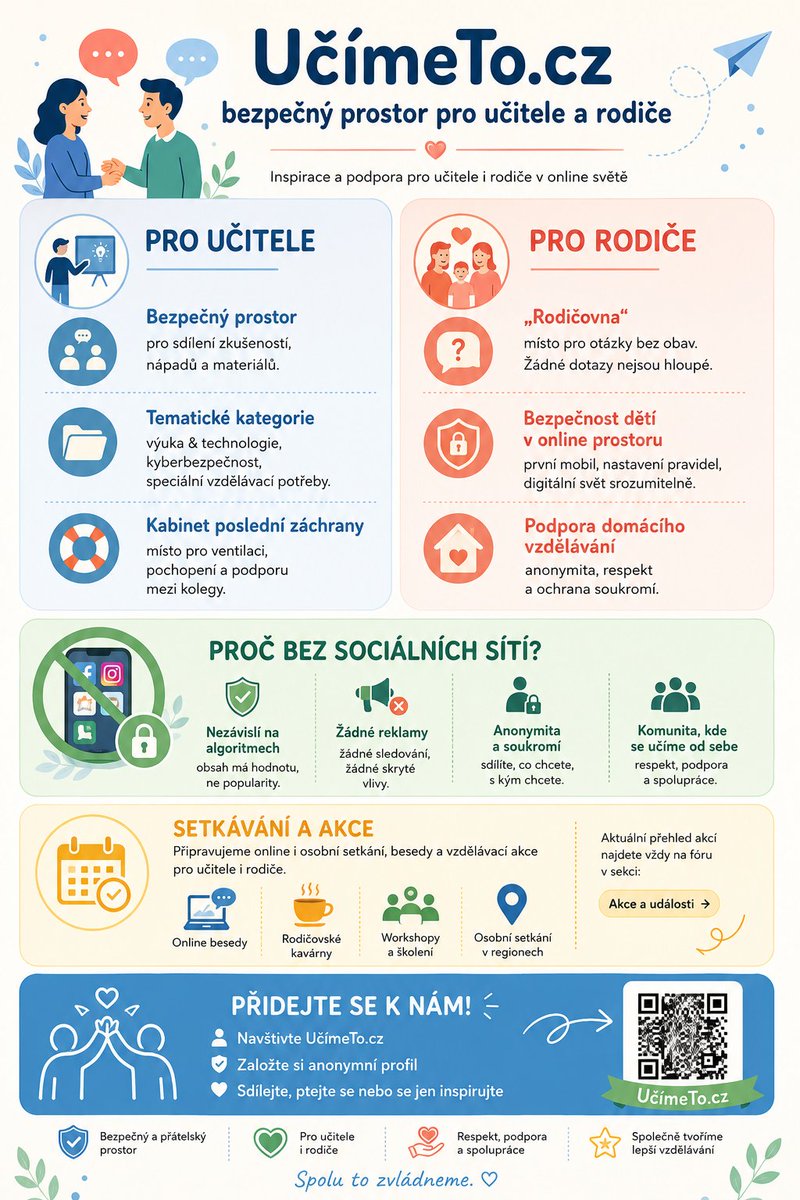
A pak už můžete ladit. Níže je několik variant, včetně té „kolotočářské“, která inspirovala @PlesounStein. Důležité je, že máte pěkné nápady a makety, ze kterých si můžete vzít prvky a koncepce. Získáte tak inspiraci, podle které můžete tvořit třeba v Canvě.



2
4
147
Roman Nerad retweeted

May 29
JUST IN: 🇺🇸 SEC Chair Paul Atkins says he's confident Congress will advance the Clarity Act and President Trump will sign it into law ✍️
110
401
2,581
110,553
Roman Nerad retweeted

May 29
NĚMECKÁ STÁTNÍ TELEVIZE PŘEPISUJE HISTORII. ŠOKUJÍCÍ DOKUMENT O SUDETECH Z NÁS DĚLÁ AGRESORY! ‼️
Dnes jsem narazil na nové video o historii Sudet a poválečném odsunu z produkce německé stanice Deutsche Welle (DW) a zůstal jsem v naprostém šoku. Od oficiálního německého státního média bych dnes čekal objektivitu, ne učebnicové přepisování historie metodou „co se nám nehodí, to vymažeme“. O nějaké novinářské etice tu nemůže být vůbec řeč. Zcela vymazat 6 let nacistického teroru, aby poválečný vývoj vypadal jako bezdůvodná česká agrese vůči nevinným obětem? To je plivnutí do tváře historii.
Tady je přímý rozbor toho, jak DW ve svém „dokumentu“ manipuluje s fakty:
1. Z aktivních rozbíječů státu dělají nevinné oběti
Co tvrdí DW: „Napětí rostlo... rozkol, který Adolf Hitler využil k ospravedlnění převzetí regionu.“
Realita: Žádný nevinný „rozkol“ nebo etnické pnutí. DW naprosto ignoruje fakt, že Sudetoněmecká strana v čele s Henleinem byla pátou kolonou přímo placenou a řízenou z Berlína, s jediným cílem – zničit Československo zevnitř. Tuto zradu aktivně a s nadšením podpořilo téměř 90 % sudetských Němců ve volbách. Nebyli to pasivní chudáci, které Hitler jen „využil“.
2. Vymazání šesti let nacistického vyvražďování
Co tvrdí DW: Udělají plynulý střih z roku 1938 rovnou na konec války. „Spojenci se chtěli vyhnout válce... Druhá světová válka skončila osvobozením Československa.“
Realita: DW z historie naprosto vymazala 6 let brutálního nacistického teroru, Protektorát, heydrichiádu, vypálené Lidice a Ležáky a více než 300 000 mrtvých československých občanů. Když divákovi zatajíte tyto zásadní roky, poválečný vývoj pak logicky působí jen jako nevysvětlitelná a chorobná agrese Čechů.
3. Odsun jako soukromá msta Edvarda Beneše
Co tvrdí DW: „Prezident Edvard Beneš vnímal Sudetské Němce jako kolaboranty nacistů... Spojenecké síly tyto deportace schválily.“
Realita: Slovo „vnímal“ má navodit dojem, že šlo jen o nějaký Benešův osobní pocit, a ne o historicky prokázaný fakt masového členství v NSDAP, SS a SA. A tvrzení, že to spojenci „schválili“, je vyložená lež. Odsun německého obyvatelstva nařídily samy vítězné mocnosti (USA, Velká Británie, SSSR) na Postupimské konferenci. Šlo o závazné mezinárodní řešení pro zajištění míru, ne o projekt E. Beneše.
Tohle zatajování kontextu a obracení rolí agresora a oběti je nebezpečné. Jestli toto má být oficiální pohled německé veřejnoprávní televize na naši společnou historii, tak je mi z toho upřímně špatně.
facebook.com/share/v/18cu1dh…
31
115
319
4,742
Roman Nerad retweeted

MICHAEL SAYLOR: When Bitcoin hits $950,000, many will wait for it to drop to $700,000 before buying. By then, it could skyrocket to $8,000,000.
Soon...🚀

81
137
1,031
18,803
Roman Nerad retweeted

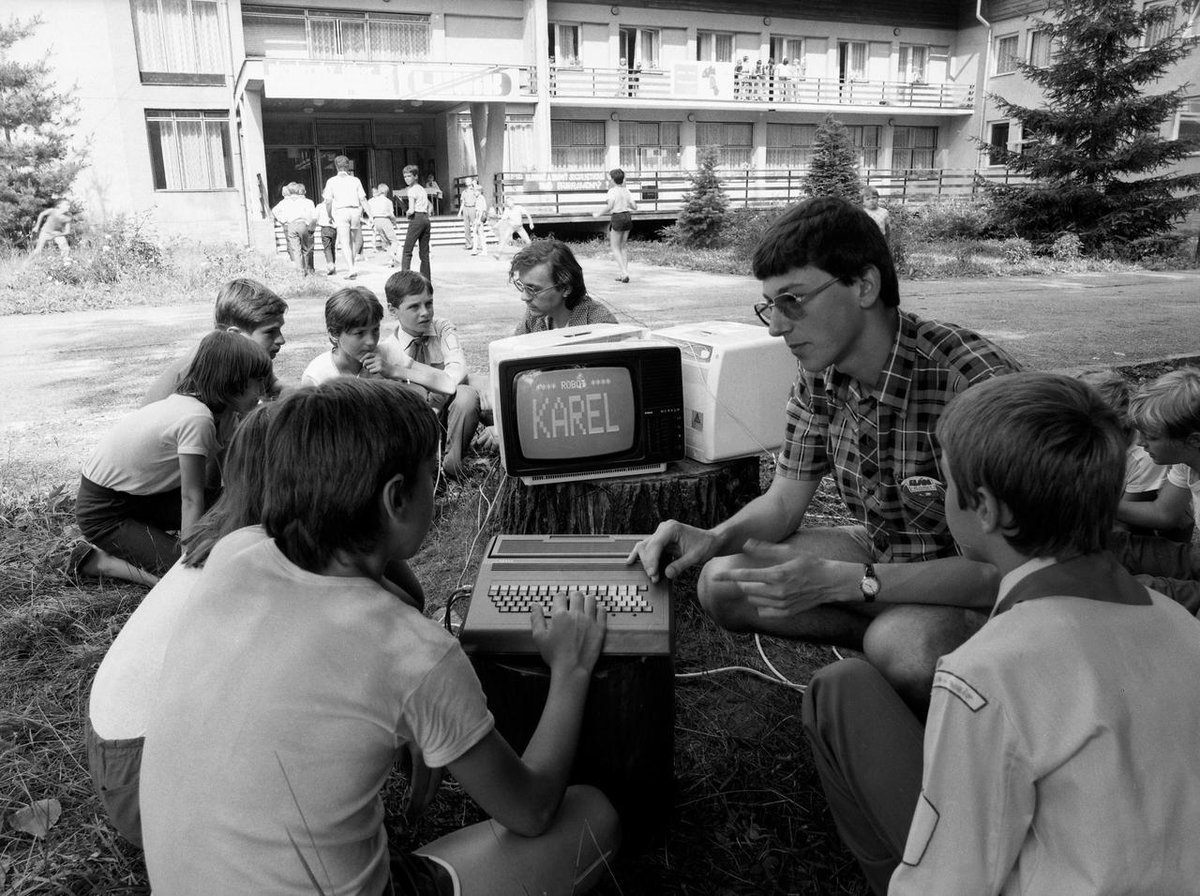
Pioneers learning about computers, Czechoslovakia, 1986.
12
77
723
19,670
Roman Nerad retweeted

JUST IN: THE WORLD'S LARGEST FUTURES EXCHANGE JUST SAID THE CLARITY ACT WILL MAKE #BITCOIN A PERMANENT PART OF THE GLOBAL FINANCIAL SYSTEM
WALL STREET KNOWS WHAT'S COMING
LET'S GO 🚀
27
114
552
25,709
Roman Nerad retweeted

May 19
Jingdezhen shows what happens when a civilization takes one craft seriously for centuries.
For more than 1,700 years, this city shaped porcelain so fine that it crossed courts, oceans, dining rooms, and trade routes.
During the Ming and Qing dynasties, its kilns served imperial taste and exported huge amounts of porcelain to Europe.
A cup was never just a cup.
It carried China’s technical skill and visual taste across the world.
202
3,007
15,846
481,151
Roman Nerad retweeted

May 19
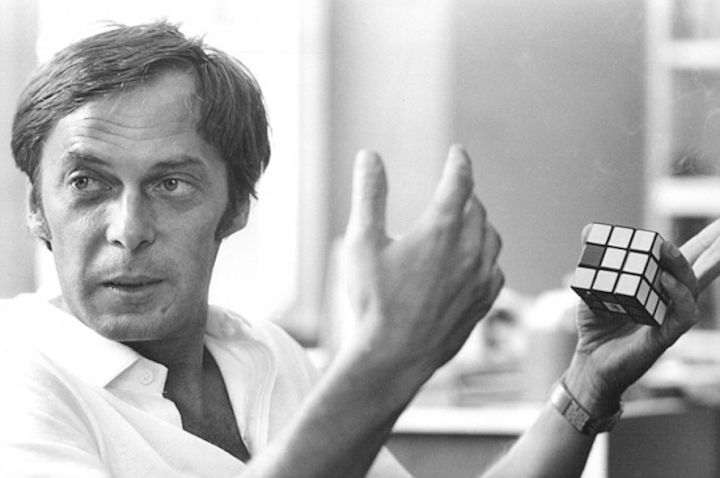
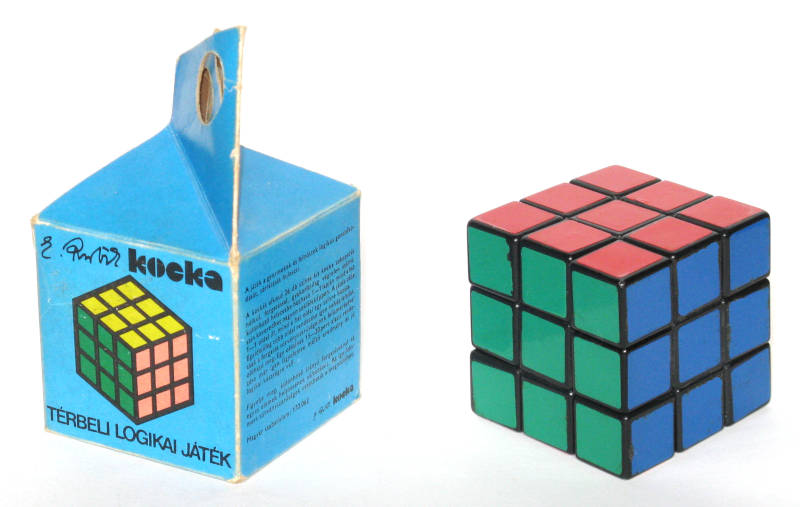
19.května 1974 byl vynalezen hlavolam Rubikova kostka maďarským architektem a vynálezcem Ernő Rubikem, tehdy mu bylo necelých 30 let.
cs.wikipedia.org/wiki/Rubiko…
2
9
103
1,987
Roman Nerad retweeted
RAOUL PAL SAID THE CLARITY ACT WILL PASS AND THAT "ALL BANKS" WILL QUICKLY ADOPT #BITCOIN AND CRYPTO
"THIS IS THE GREEN LIGHT THEY ARE WAITING FOR"
HERE WE GO 🚀
58
169
1,058
40,020
Roman Nerad retweeted

May 18
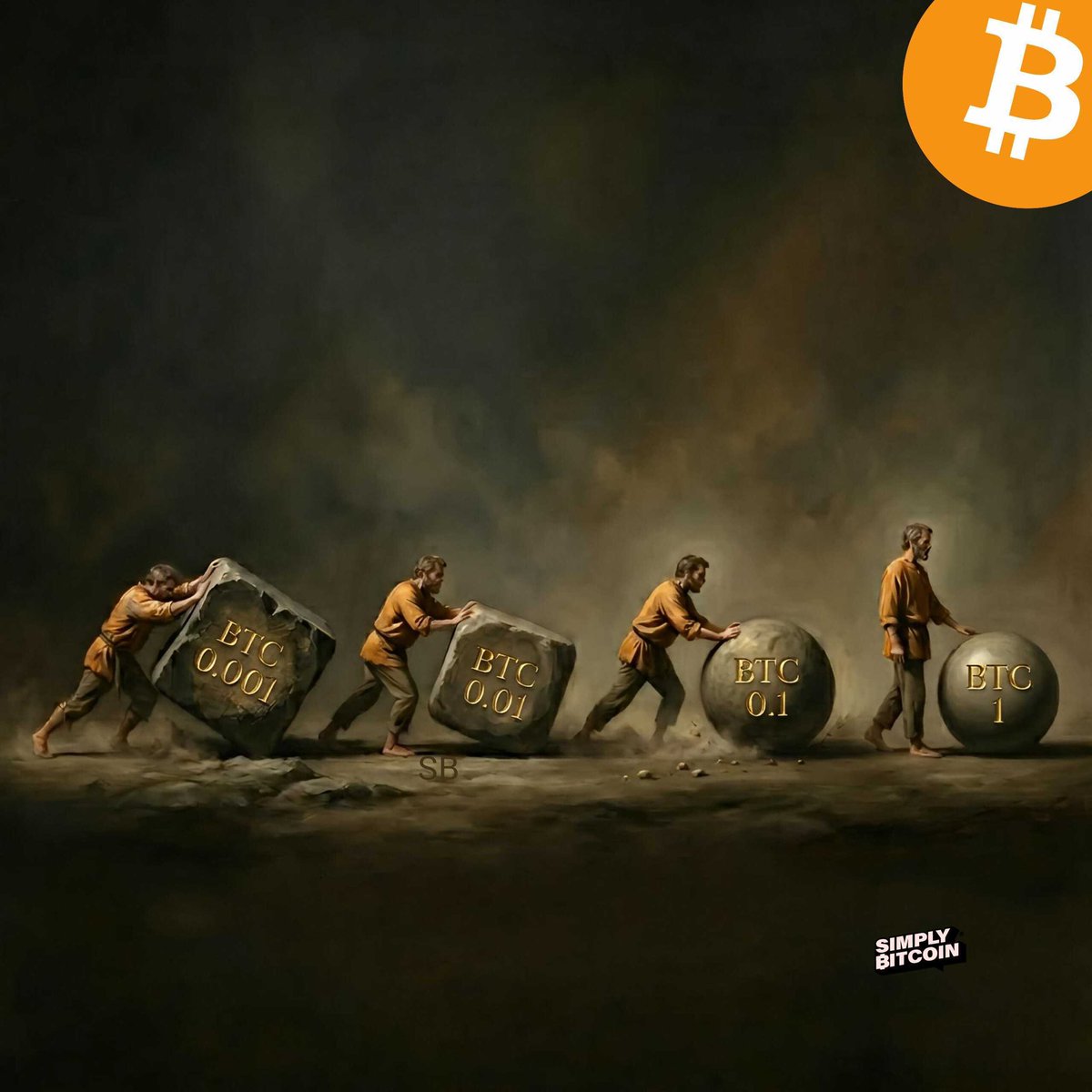
CONSISTENCY = SUCCESS
Bitcoin 🟠
29
90
568
9,054
Roman Nerad retweeted

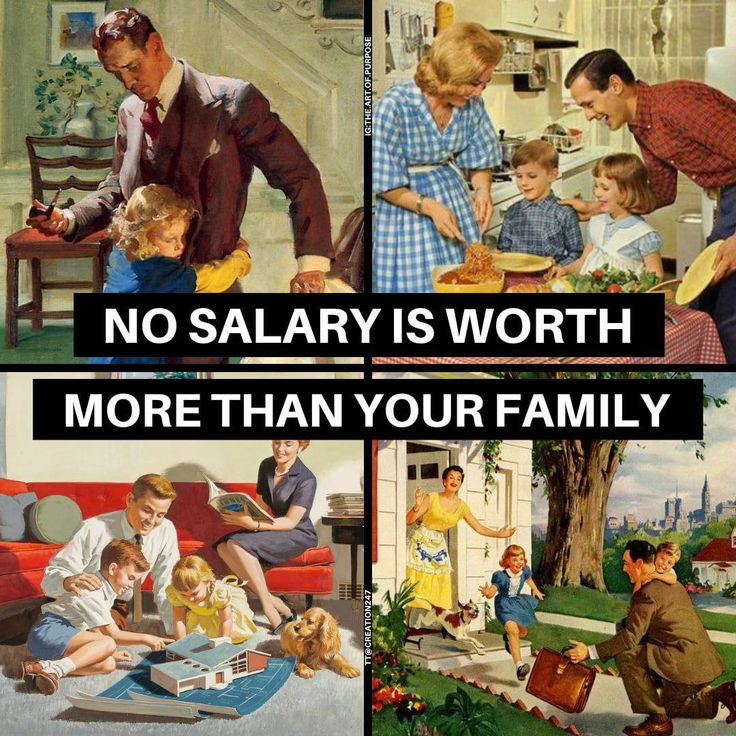
Many women need to learn this:
7
22
151
1,741