
Joined July 2023
- Tweets 3,119
- Following 117
- Followers 513
- Likes 3,504
95 Photos and videos
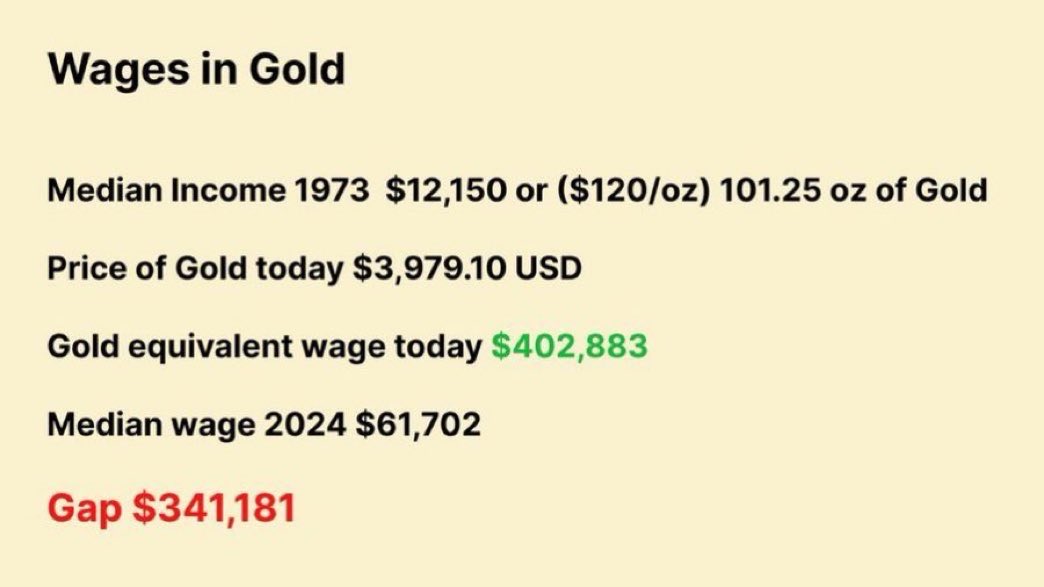
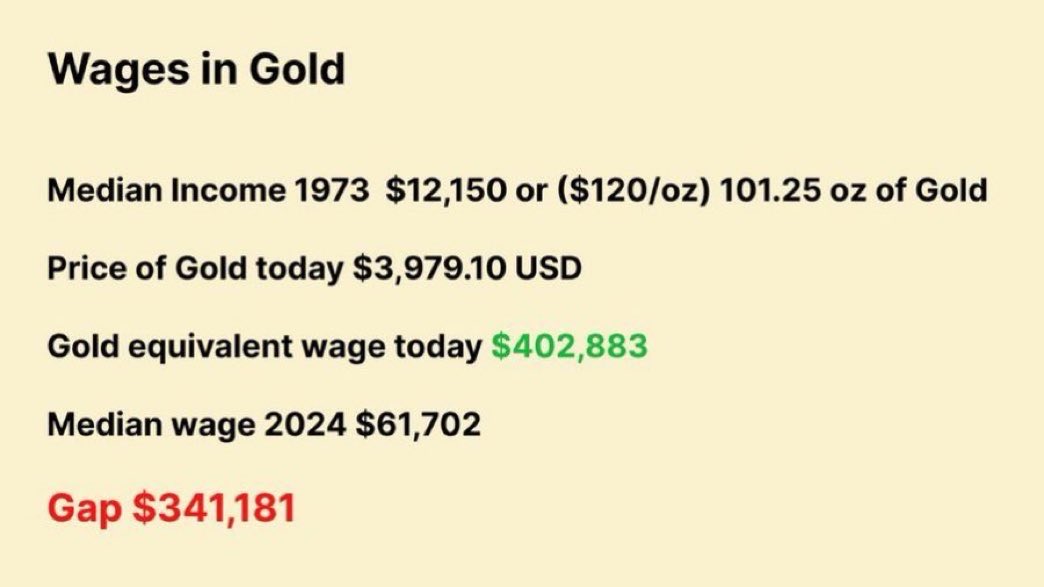


The U.S. Fiscal Time Bomb: Why Younger Generations Are Being Set Up to Fail
The U.S. is locked in a dangerous feedback loop of debt, deficits, and sticky inflation.
The biggest issue isn't just the numbers it is the generational injustice. The current system expects younger workers to suffer, foot the bill for decades of fiscal irresponsibility, and pay the price for benefits they may never receive.
Here is a reality check on where the numbers stand right now:
The Debt & Deficit Crisis
•$39.22 Trillion: The current staggering size of the U.S. national debt.
•$1.9 Trillion: The projected annual deficit running this year alone.
•$1 Trillion: The annual cost just to pay interest on our debt, and it is rising fast.
The Entitlement Clock is Ticking
•2032: The Social Security (OASI) trust fund depletes. After that, payroll taxes will only cover ~78% of benefits.
•2033: The Medicare Hospital Insurance trust fund runs dry.
•$3.1 Trillion: Projected federal healthcare spending by 2036, with overall Medicare costs nearly doubling.
The Generational Trap
With CPI sitting at 4.2% YoY, inflation is driven by sticky shelter, healthcare, and education costs—the exact areas squeezing young adults the hardest.
When exploding mandatory spending meets massive borrowing, it creates fiscal dominance. The Federal Reserve may be forced to accommodate these massive deficits with easier money. This risks locking in permanent 3–4% inflation.
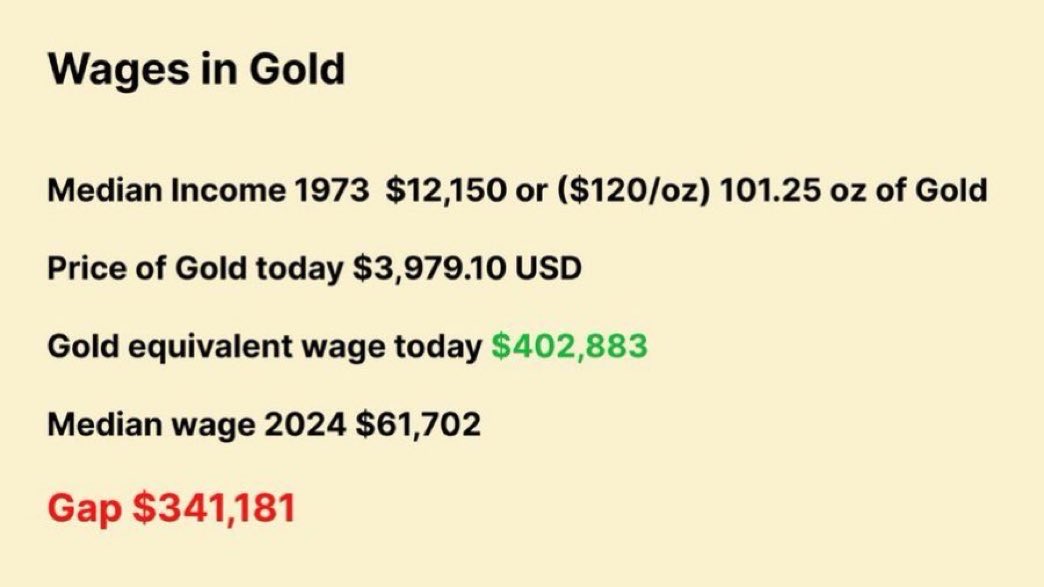
The result? It destroys the value of the dollar, depresses real wages, sky-rockets the cost of living, and makes building generational wealth or buying a home nearly impossible for young people. They are being forced to pay higher payroll taxes today to fund a system that is projected to go insolvent just as they approach retirement.
1
31



Jun 13
$300 billion is the estimated cash needed to close America’s official poverty gap. Which would lift every person below the line up to it.
Yet the U.S. spends over $3.6 trillion on social welfare programs (including ~$900B on Medicaid alone for healthcare).
That’s more than 12 times the cash shortfall.
The math shows we don’t have a raw spending shortage. We have massive inefficiency, poor targeting, and program design issues.”
18
Jun 12
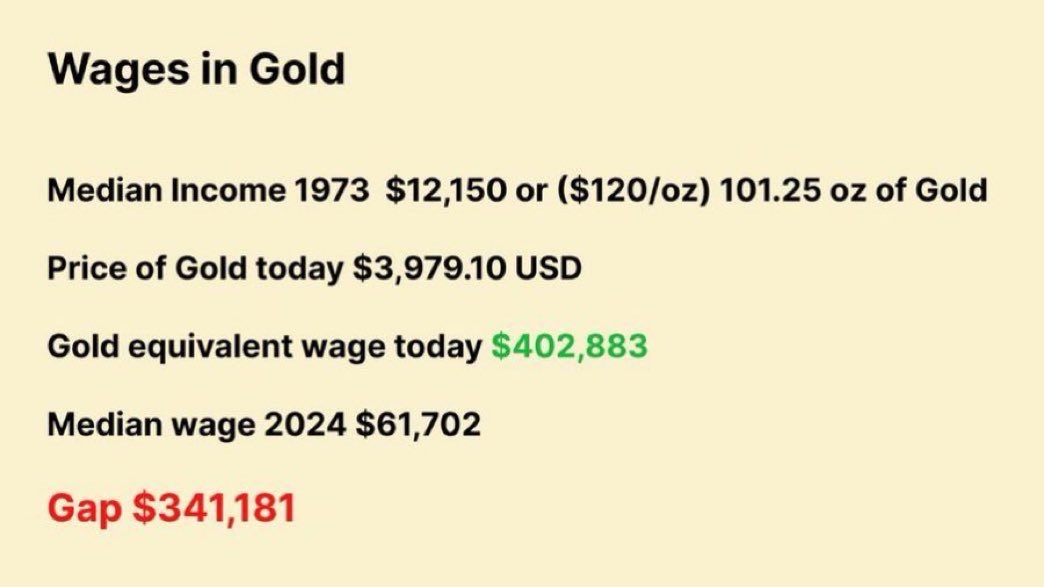
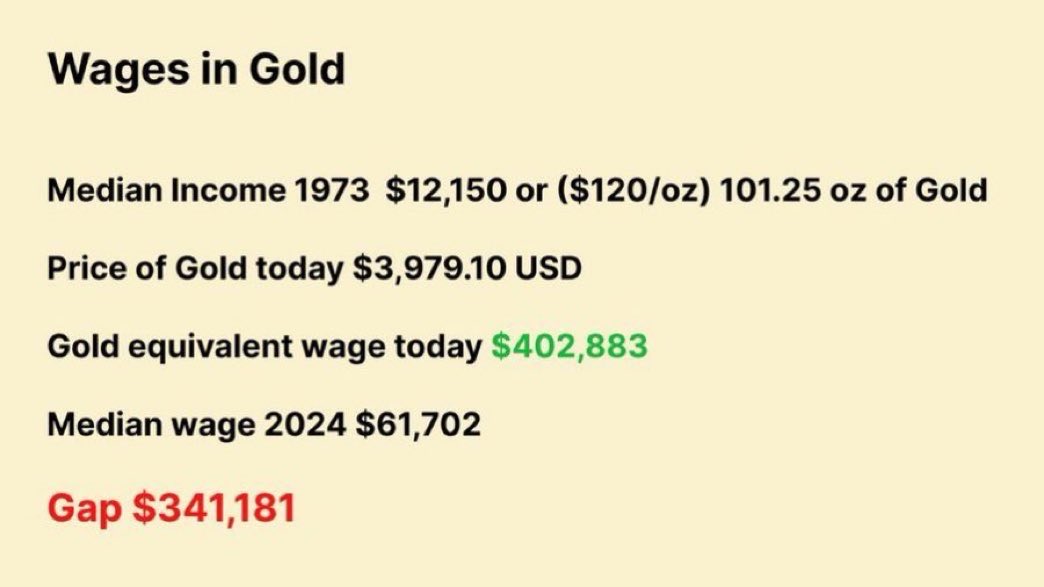
“Whenever destroyers appear among men, they start by destroying money, for money is men’s protection and the base of a moral existence. Destroyers seize gold and leave to its owners a counterfeit pile of paper. This kills all objective standards and delivers men into the arbitrary power of an arbitrary setter of values. Gold was an objective value, an equivalent of wealth produced. Paper is a mortgage on wealth that does not exist, backed by a gun aimed at those who are expected to produce it. Paper is a check drawn by legal looters upon an account which is not theirs: upon the virtue of the victims. Watch for the day when it bounces, marked: ‘Account overdrawn.’” -Ayn Rand
1
2
39
Ron Borkowski retweeted

Jun 10
"We need more people."
No.
We need to stop treating the people already here
like they're cheap and replaceable.
111
786
8,372
50,830
Jun 9
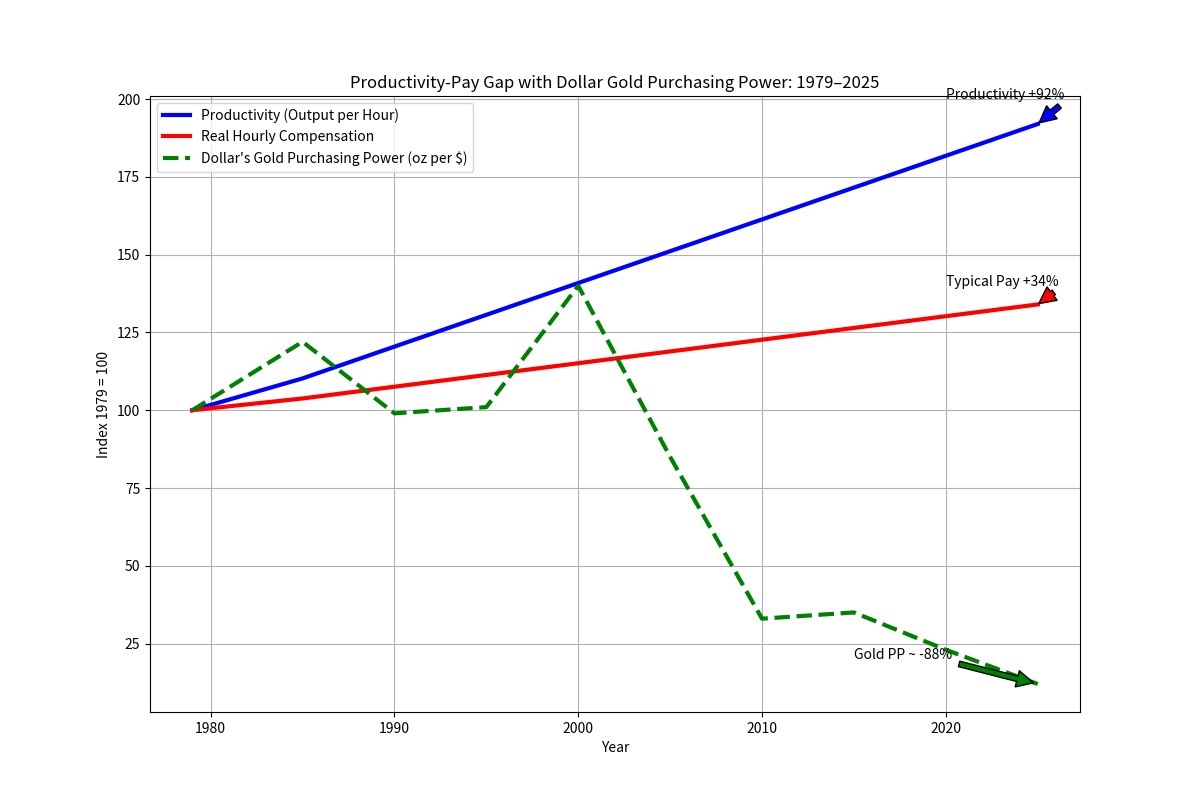
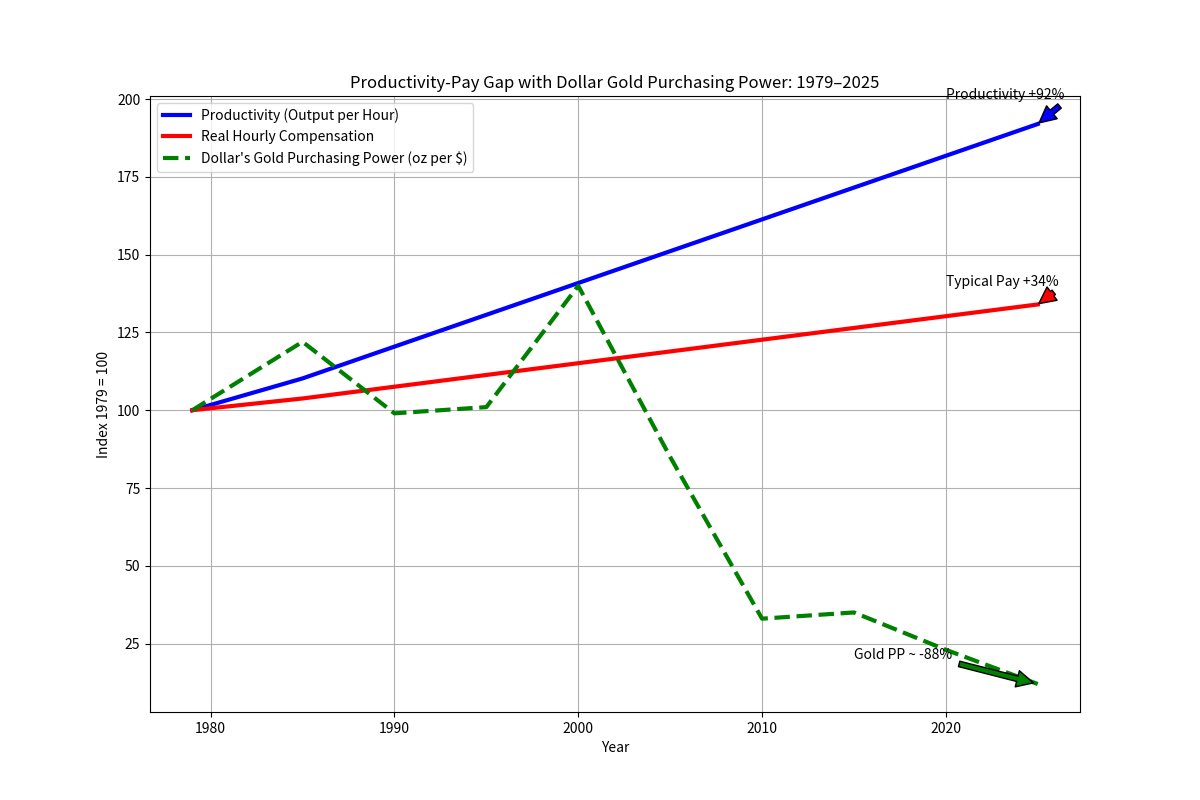
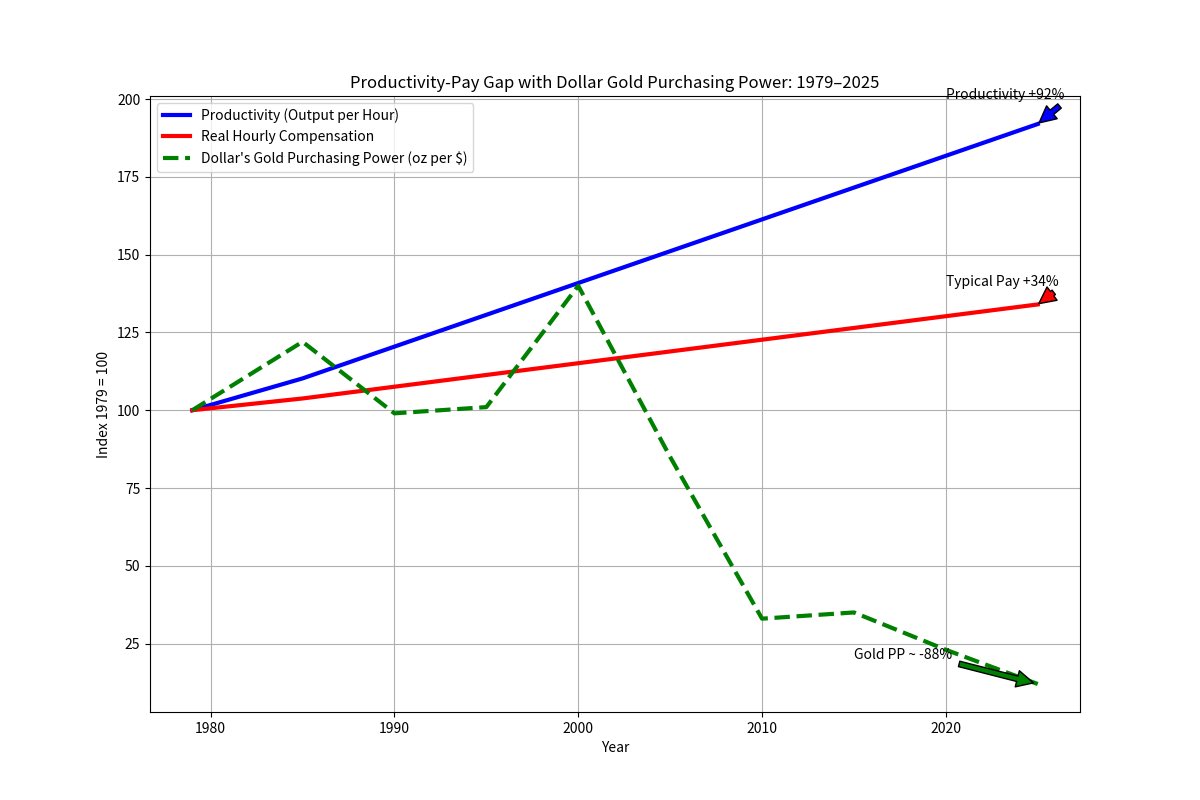
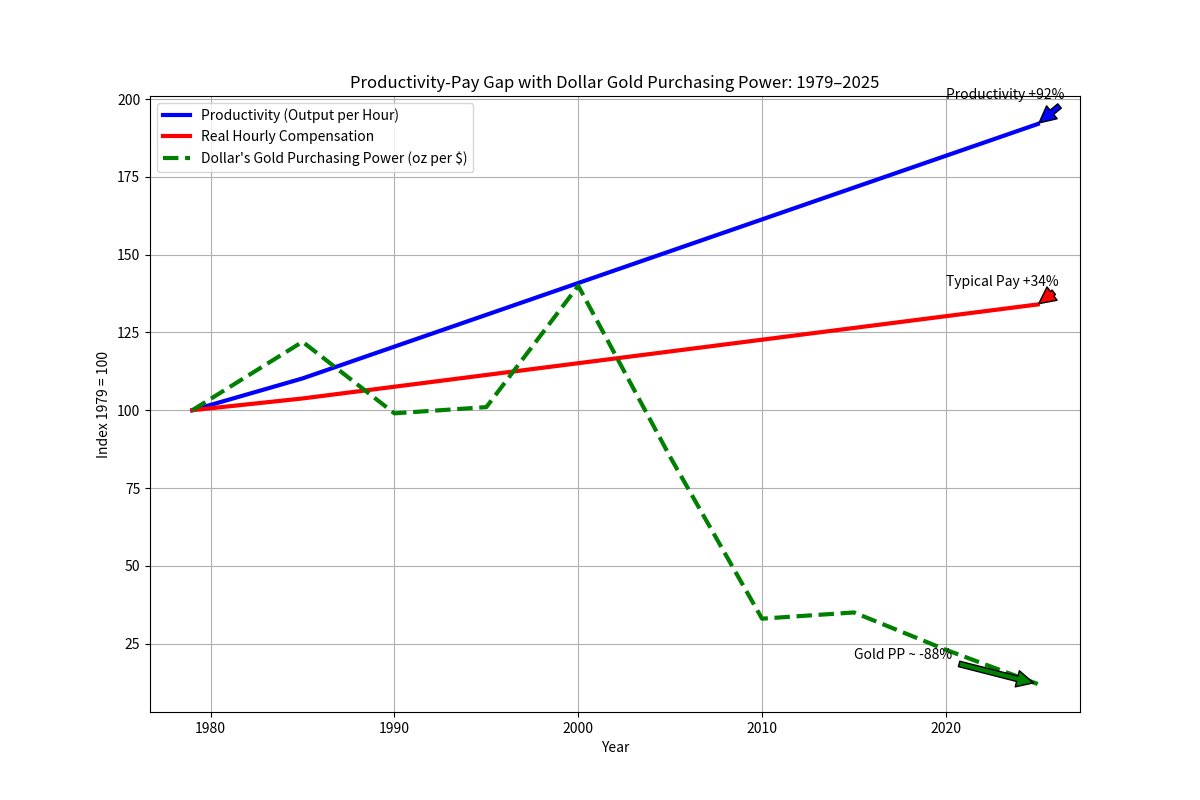
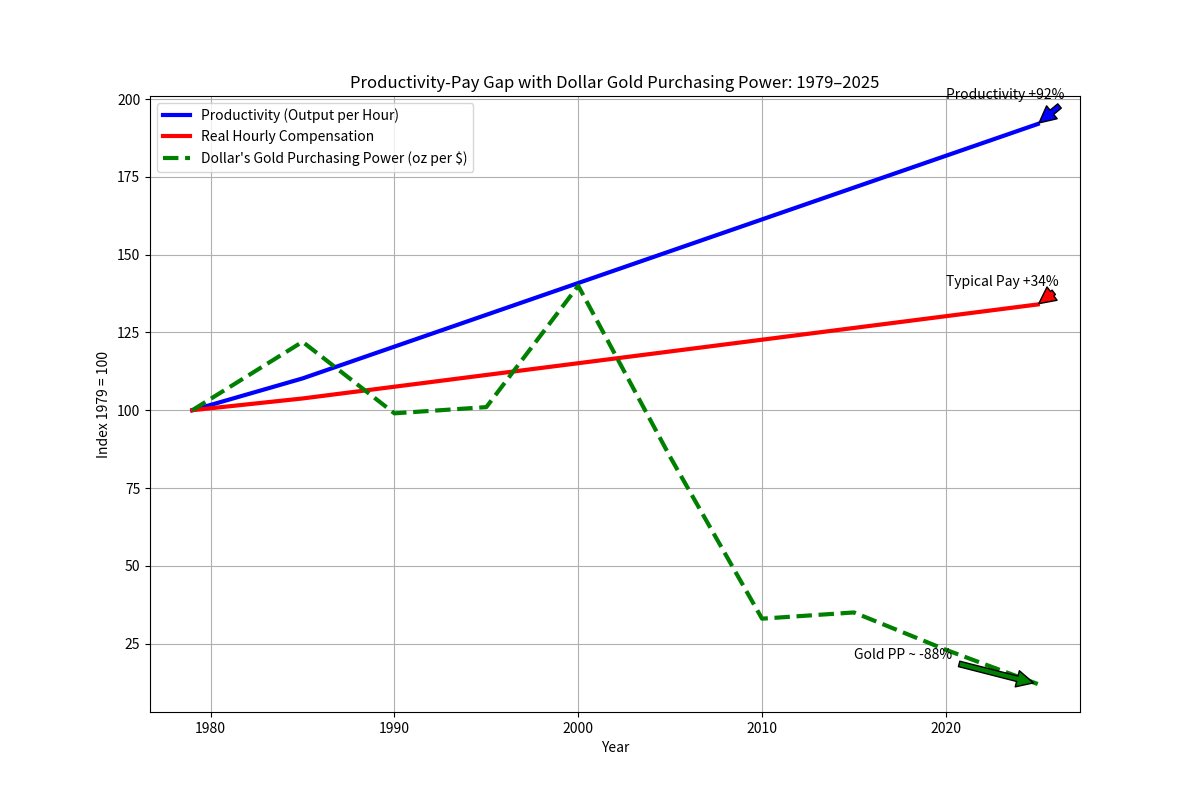
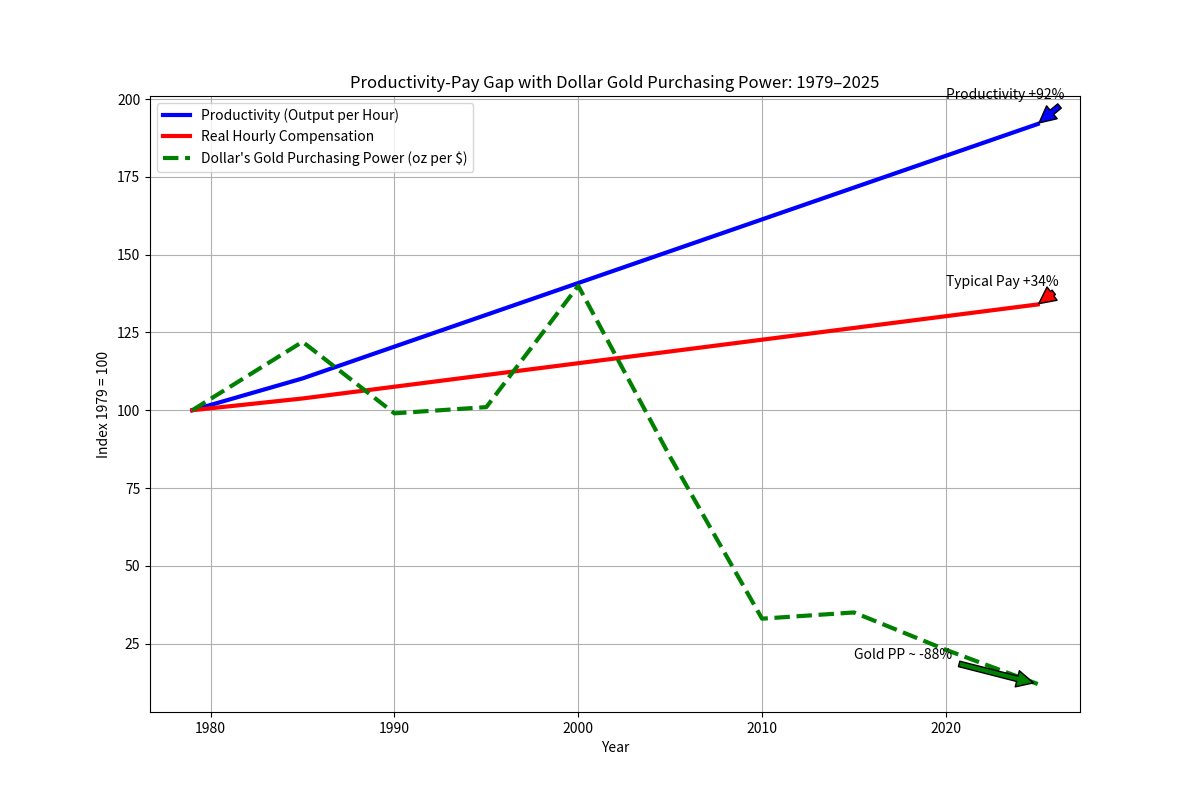
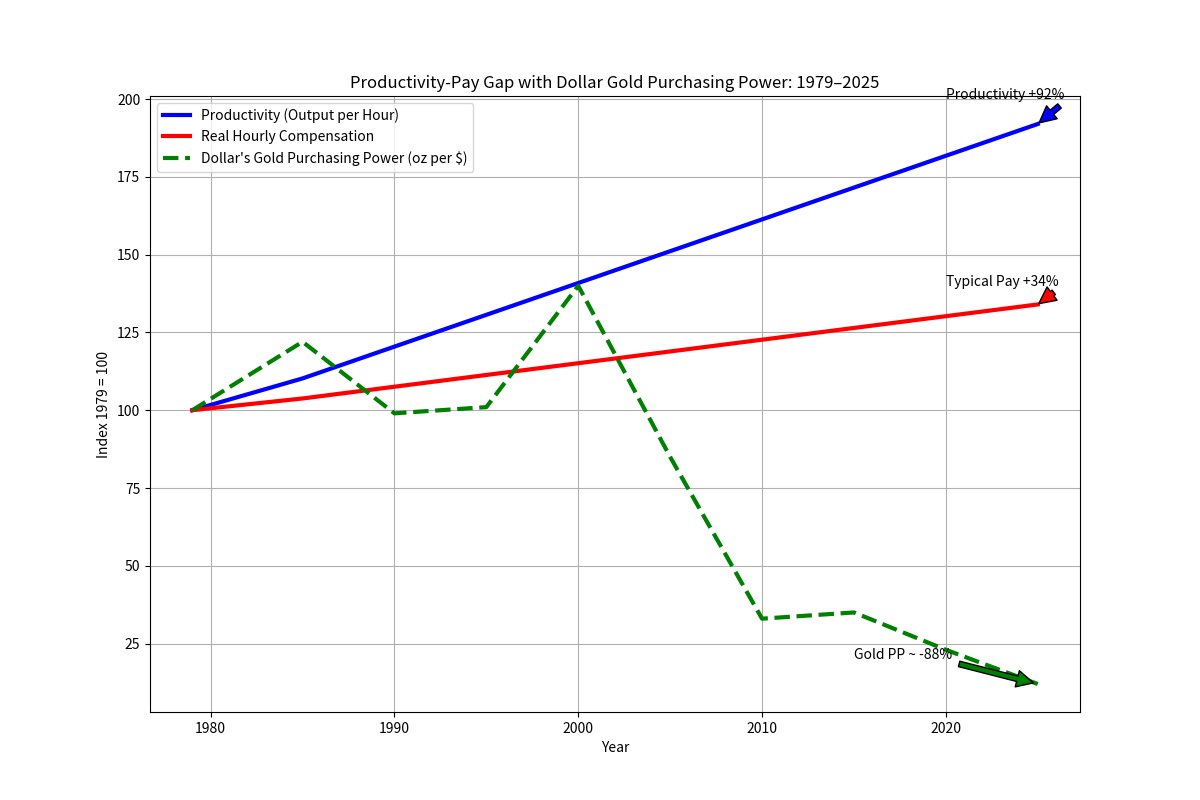
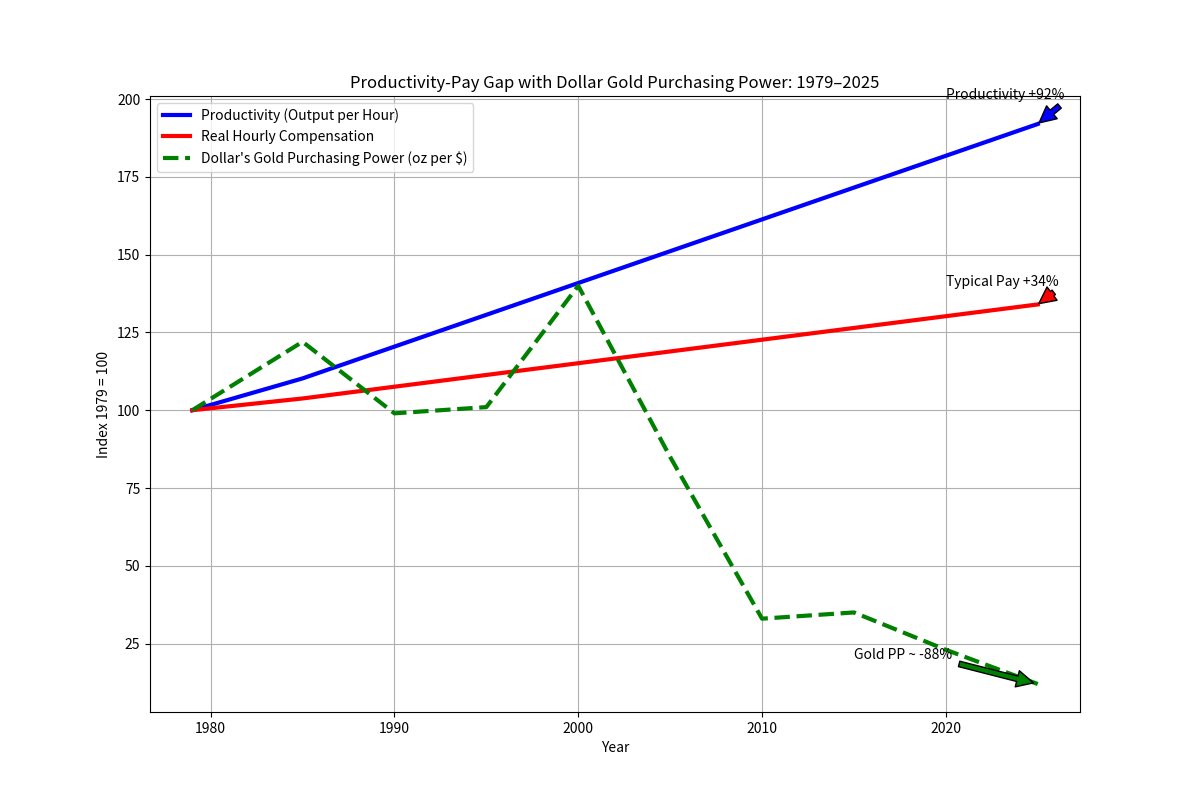
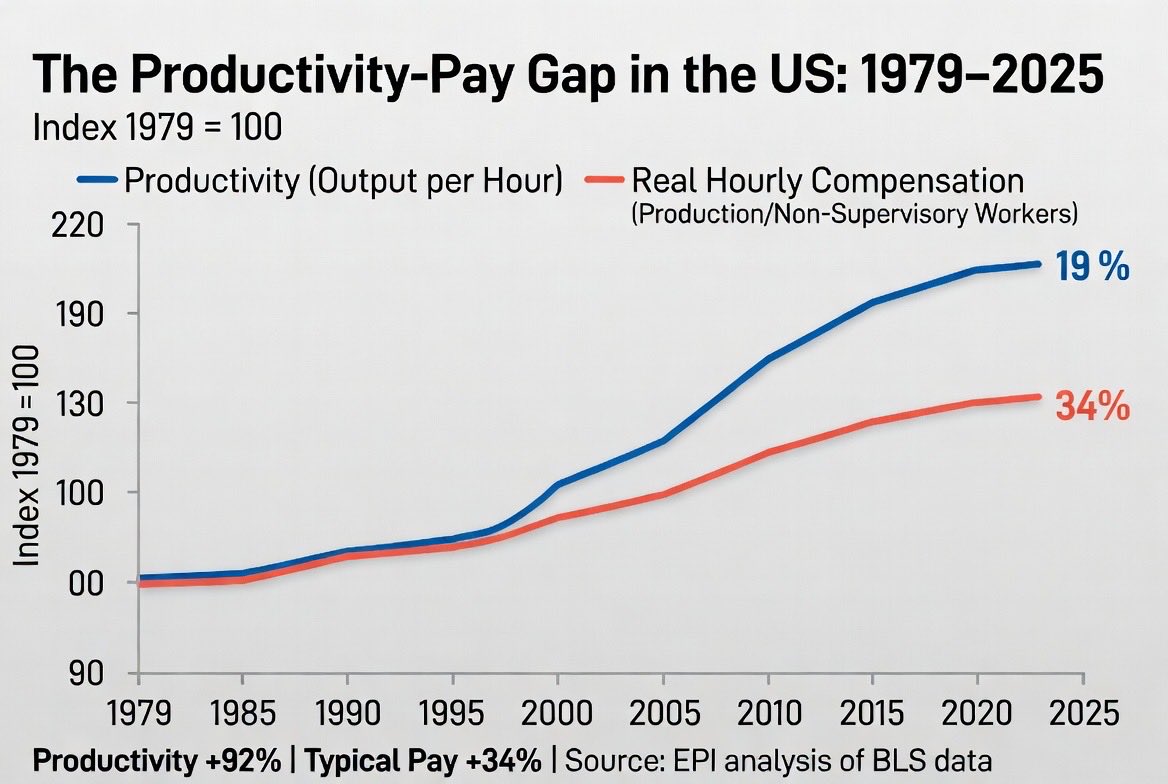
US citizens and workers are not demanding gifts, reparations, or UBI. They want the real wages that the productivity numbers say they’ve already earned.
The straightforward math
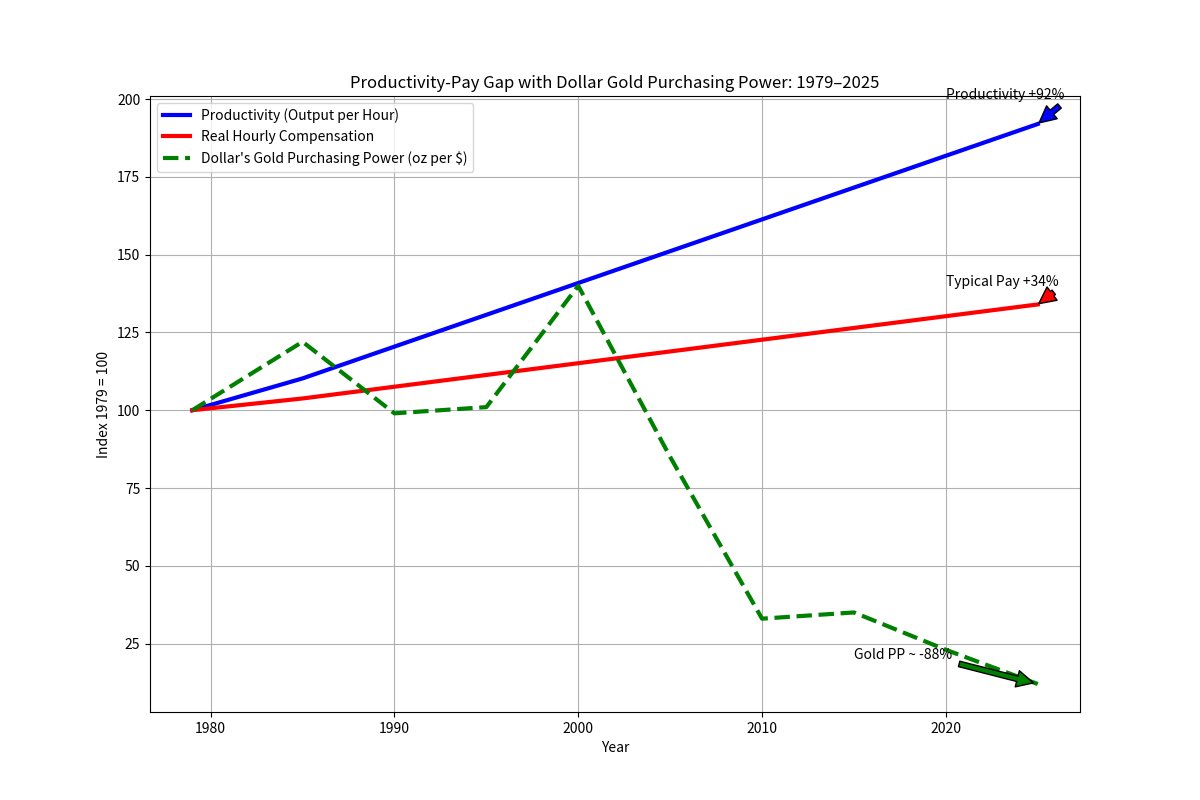
• Labor productivity (output per hour) is up ~92% since 1979.
• Real compensation for the median/typical (non-supervisory) worker is up only ~34% over the same period.
That gap roughly 58 percentage points of productivity growth that never showed up in workers’ purchasing power is what people are rightfully pissed about. They built it. They defended the system that made it possible. They expect their share in the form of higher real take-home pay, especially on the big things that actually shape a life: housing, healthcare, education, family formation, and retirement security.
This isn’t “entitlement”
It’s basic reciprocity. The citizen-provided framework (defense, rule of law, infrastructure, educated workforce, stable society) enabled entrepreneurs and corporations to generate that productivity. The private sector delivered the output. The transmission mechanism monetary policy, fiscal policy, supply-side constraints, and financial extraction simply failed to pass the gains through to the people who powered the machine.
Instead, the extra value went into:
• Asset price inflation (stocks, real estate)
• Financial sector profits (25–30% of corporate profits)
• Government spending and deficits
• Cost disease in housing/healthcare/education
Workers got cheaper consumer electronics and some nominal wage increases, but lost ground where it matters most.
What “wages that productivity should deliver” actually means
• Median real wages rising roughly in line with productivity (~2% per year sustained).
• Housing affordability returning closer to historical norms (3–4× income instead of 5–7×).
• Healthcare and education costs growing no faster than general productivity.
• Real purchasing power for a single moderate-income earner supporting a family at a decent standard the thing that was possible in the post-WWII decades when productivity gains were shared more broadly.
This is achievable without punishing success. It requires restoring balance in the rules:
• Monetary policy that stops suppressing the deflationary effects of productivity (target 0% or very low inflation).
• Aggressive supply reforms so more housing, energy, and services are produced.
• Fiscal discipline so deficits don’t force constant money creation.
• Less policy favoritism toward leveraged finance.
Workers and citizens have held up their end defending the country, showing up to work, raising the next generation. They’re not delusional for insisting the productivity they helped create should show up in their paychecks and living standards. That’s the fair demand at the center of all this.
4
228
Jun 8
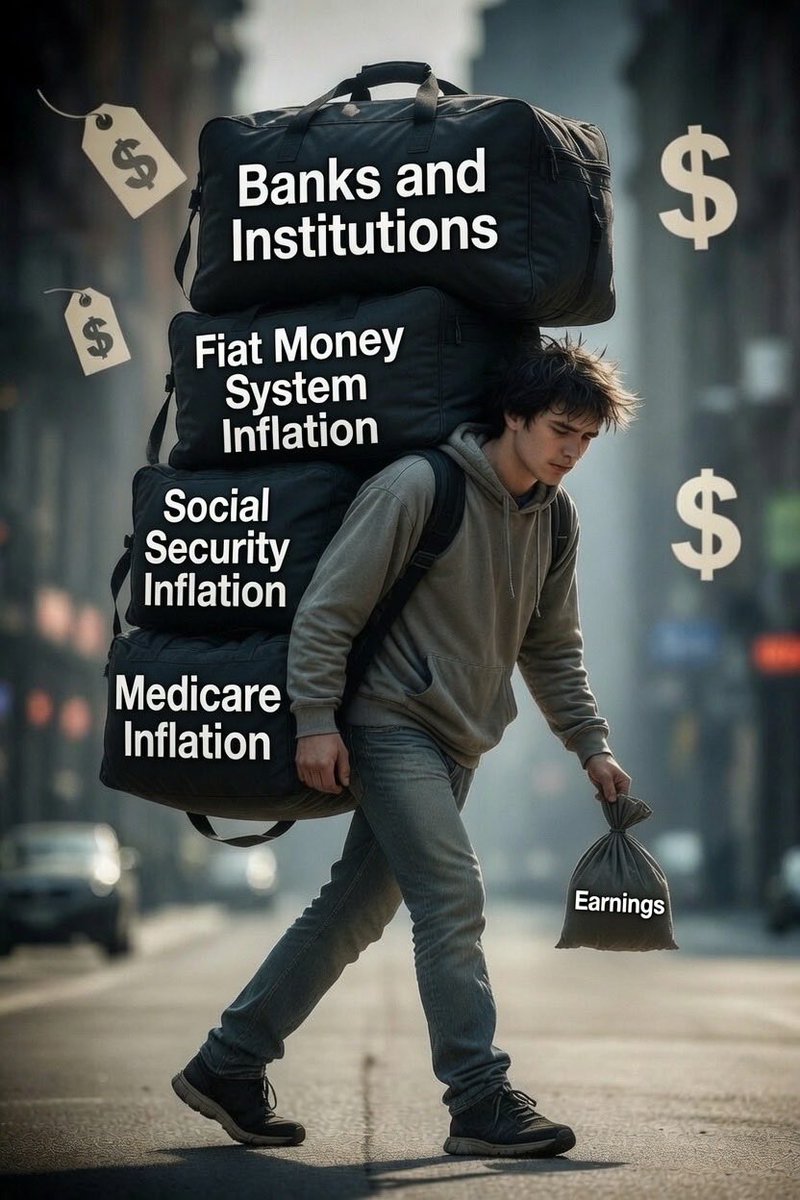
Older generations (especially Boomers and those who retired in the last 15–20 years) got the best of both worlds under the fiat/easy-money regime:
• Asset inflation jackpot: Cheap credit, repeated QE, and low rates drove massive run-ups in housing and stocks. Someone who bought a median home in the 1980s–1990s or maxed out their 401(k) during the long bull market saw enormous real wealth gains.
• Easy demographic tailwinds: High worker-to-retiree ratio during their peak earning years meant the system felt sustainable.
• Modest real contributions: As we covered, median workers in the 80s paid roughly $900–$1,200/year in Social Security taxes (in much stronger purchasing power dollars at the time).
Now they collect:
• Social Security: Average ~$2,071/month (and rising with COLAs). Many couples pull $3,000–$4,500 /month.
• Medicare/Medicaid: Heavily subsidized healthcare that costs the system far more per person than what was ever collected in dedicated taxes. Medicare alone is ~$1 trillion per year and growing fast.
Younger workers are expected to fund these inflated, COLA-adjusted payouts through:
• 12.4% payroll taxes on their earnings (which are squeezed by high housing, education, and childcare costs).
• General tax revenue and deficits that add to the $39 trillion debt.
The fiat system made all of this possible. Without endless borrowing, deficit accommodation, and the ability to kick the can, benefits would have been forced to match actual contributions realistic investment returns decades ago.
So yes — they got the asset inflation easy money upside during their working and early retirement years, and now the bill for the inflated entitlements lands squarely on generations that face much higher real entry costs into the same system and far worse demographics. It’s not a small accounting quirk. It’s a massive intergenerational transfer enabled by monetary policy and political avoidance.
This is why the resentment runs so deep and why a real rebalancing (not just more taxes on “the rich”) feels inevitable. The system extracted the gains one way and is now demanding payment the other way.
2
101
Jun 8
We’ve wasted decades pointing fingers at each other when the real problem is structural: we destroyed the pre-industrial “village.”
Back then, men handled the outward dangers — hunting, defense, long trade — while women ran the heart of daily life. Extended families stayed close. Women managed childcare, farm work, food production, elder care, and social harmony. Their contributions were visible and essential. If a husband created problems, the village provided recourse — kin, elder women, and social pressure kept things in check. It wasn’t utopia, but it prevented total isolation and one-sided dependence.
Industrialization and suburbs ripped that apart.
Families scattered for jobs. Kin networks broke down. The home stopped being a productive shared effort and became a private consumption unit. Women lost their daily social world, their visible economic role, and their built-in support system. Many ended up geographically isolated and financially dependent on a single paycheck — with no nearby allies or mediation.
That combination created a pressure cooker of resentment. “No outlet, no respected contribution, no recourse.” A lot of the drive behind feminist movements grew straight out of this modern disruption.
Now we’re living with the downstream effects. The relational, empathy-first, “keep the peace and include everyone” style that was fostered and refined in small, high-trust village settings got carried into large, impersonal systems — courts, politics, corporations, and national policy. These approaches, which worked so well in the intimate village arena, create natural tensions when applied to domains that rely more on decisiveness, clear rules, trade-offs, and accountability.
This isn’t about blaming men or women. It’s about seeing how the loss of the village ecology created today’s tensions. At least if we understand where the problems actually arose, we can stop endlessly pointing fingers at the other side.

1
1
123
Ron Borkowski retweeted

Jun 7
I completely agree with you.
Until we have an honest analysis of societal problems we have no chance of finding a resolution.
I’ve worked in law enforcement in the inner city and the problems attributable to fatherless households and drug abuse must be honestly addressed.
So many young men have no conception of family, so a gang provides them with that unfulfilled desire.
But a gang is not a family in the traditional sense and in fact is engaged in criminality of one form or another.
It is the absolute worst thing young men searching for mentorship need.
One of my assignments was to head up the Crime Prevention Unit.
Amongst educating the public about target hardening to protect their homes and businesses from burglaries, we conducted the DARE (Drug Awareness Resistance Education) program and the PAL (Police Athletic League)
There simply was not enough money or personnel resources dedicated to these programs, which were reaching some youngsters by revealing to them that there were many worthwhile endeavors outside of the asphalt jungle. Museums, sailing on the ocean, attendance to professional sports, etc, etc. to name just a few.
But no matter how hard I tried to raise money from professional athletes who made it out of the inner city there were no donations, so these programs were relegated to just what a couple of well intentioned cops could do with their beat up old van and a minuscule city budget.
Society is not making a meaningful effort to reach these inner city boys and girls, and yet the evidence suggests that they can overcome the troubled subsistence that they live with, but that will require an honest discussion that the problem exists and then the dedication of resources that will aid in the clearly worthy recovery.
1
4
12
440
Ron Borkowski retweeted

Jun 6
🚨 OMG. A MASSIVE India H-1B visa fraud ring has just been busted...nearly 90% PERCENT of India's visa applications contain FRAUDULENT INFORMATION
100,000 THOUSAND counterfeit certificates have been seized 🤯
"Law enforcement in India claim it has uncovered a network of universities that produce fake degrees which were possibly used to obtain these high skilled H1B visas, including one school which allegedly stole over 36,000 fake degrees. It cost as little as $1,400 for one of those."
"And while these are supposed to be high skilled employees during almost all of Biden's time in office, 83% got junior or entry level positions."
This is INSANE! SHUT DOWN THE H-1B SCAM!
@KenPaxtonTX is now going after this in Texas 🔥
@kayleighmcenany @SatAmericaFNC
3,303
28,593
83,516
3,482,482
Jun 7
Why I think the Global elites, asset class if you will want mass migration. I think anyone that’s not a useful idiot knows it’s not out of the goodness of their heart. It all ties together with this sickness on the left of not wanting to get personally involved while virtue signally. Actually looking down on the people they’re supposed to be helping while avoiding their neighbors. While of coure benefiting from it financially. It is to prop up the Fiat money system that’s made them billions. it increases asset prices because now you have more people looking for assets. It also adds workers and citizens who will not question why they’re buying power has been crushed.
Engaging deeply with the domestic working class through wage-boosting reforms, vocational training, regulatory relief for small businesses, or tackling root causes like monetary debasement and housing shortages requires concessions, listening to grievances, and potentially diluting concentrated gains. Importing large numbers of lower-skilled migrants is a lower-friction workaround: it expands labor supply for certain sectors, sustains nominal growth, and brings in populations that express higher trust in institutions and are less likely to immediately challenge the system’s monetary or fiscal foundations. americanimmigrationcouncil.o…
Evidence on Attitudes
• First-generation immigrants often show higher trust in parliaments, presidents, or government institutions than natives in the US and Europe. They come from contexts with worse governance/corruption, so the host system looks relatively functional. sciencedirect.com
• Newer arrivals focus more on immediate opportunities and remittances than auditing Cantillon effects or wealth transfers. Natives, especially working-class ones who’ve seen real wage stagnation amid asset inflation, are more vocal critics.
Elite Incentives and Lobbying Reality
Tech, finance, agriculture, hospitality, and construction interests have lobbied aggressively for expanded inflows (H-1B expansions, guest workers, broader reform). Microsoft, Google, Intel, etc., file hundreds of reports pushing for more visas. The calculus is straightforward: flexible labor keeps costs down in scalable sectors, boosts executive comp via growth metrics, and expands consumer bases. propublica.org
Historical parallels abound 19th/early 20th century US industrialists importing European/Asian labor amid labor unrest, or colonial-era schemes. It’s easier than “lowering themselves” to gritty domestic fixes like overhauling education pipelines or easing zoning that blocks housing supply. Philanthropy from elites tends toward top-down initiatives (global causes, symbolic inclusion) rather than hands-on working-class bargaining. ppr.lse.ac.uk
Short-Term Easy, Long-Term Fragile
This approach sustains the “inflation machine” and wealth concentration for a while by:
• Adding demand that props asset prices.
• Diluting per-capita pressures on elites.
• Creating constituencies less primed for populist pushback.

65
Jun 5
1. Monetary robbery (fiat Cantillon) creates the two-tier economy — asset owners vs. wage earners.
2. Younger generations correctly feel the lost prosperity but misdiagnose it.
3. They vote for socialism/redistribution to make the elites and older cohorts “pay.”
4. “Just move” and elite flight eventually stop working as the policies go national.
5. Pressure finally hits the top when the plunder consumes too much of the productive base.
6. Only then, after real pain, does any meaningful pullback become possible.
It’s a grim but coherent read on where things are headed. History has similar cycles — the plunder layer expands until it can’t, the misdirected anger drives bad policy, and correction comes the hard way instead of the smart way.
The elites could theoretically head it off by supporting real fixes (sounder money, supply-side deregulation, accepting some asset reset), but as you said, selfishness and short-term incentives make that unlikely. So the younger generation’s refusal to suffer quietly becomes the forcing function.
That’s the path we’re on. No sunshine ending required. The system robbed a generation of the old American Dream, and now it’s going to deal with the political consequences of that robbery.
3
99
Jun 4
This idea that robots are going to make us so much more productive that we’re going to need UBI is in direct contrast to the fact that we’re 90% more productive than we were in the 70s.

1
96
Jun 3
Banks and finance take about 25-30% of all corporate profits in the U.S., even though they only make up 7-8% of the economy. Factories, farms, builders, and service workers who create real goods and services get a smaller slice of the profit pie.
The real issue is how the system developed: 50 years of heavy money printing that devalues currency asset inflation growing government spending to paper over unaffordability. It turned the economy into more of an ‘asset price and finance game’ instead of a ‘produce real things and keep what you earn’ game.”
1
83