
Prof. @Wharton (visit) & @BU_Law, Fellow @YaleISP & @BKCHarvard. Consumer, business, tech & regulation. Past: Consulted for McKinsey and helped start the CFPB.
Joined May 2013
- Tweets 867
- Following 1,020
- Followers 2,477
- Likes 3,900
22 Photos and videos





Pinned Tweet

30 Apr 2020
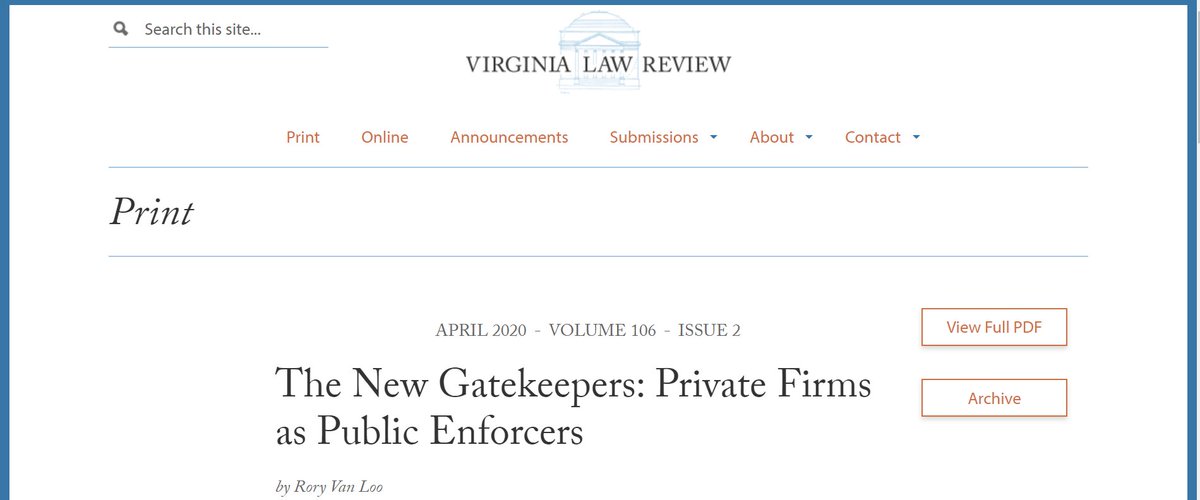
"The New Gatekeepers" is up. It shows how the government increasingly requires giants like Facebook, Citibank, Exxon, & Gilead to regulate smaller businesses.
The article sits at the intersection of corporate law, administrative/regulatory law, and tech.
virginialawreview.org/volume…
19
46
276
Rory van Loo retweeted

Mar 19
AI sovereignty is about more than where data is stored.
On The Road to Accountable AI, I spoke with @TanviSinghCH about an entirely different approach to AI, across data, models, inference, and governance.
Listen onn your favorite podcast platform, or: accountableai.net
2
1
385
Rory van Loo retweeted
Mar 12
I'm delighted to kick of Season 5 of The Road to Accountable AI with Ray Eitel-Porter, former Global Lead for Responsible AI at Accenture, and co-author of the recent book Governing the Machine.
Listen on your favorite podcast platform, or visit: accountableai.net
1
3
3
456
Rory van Loo retweeted
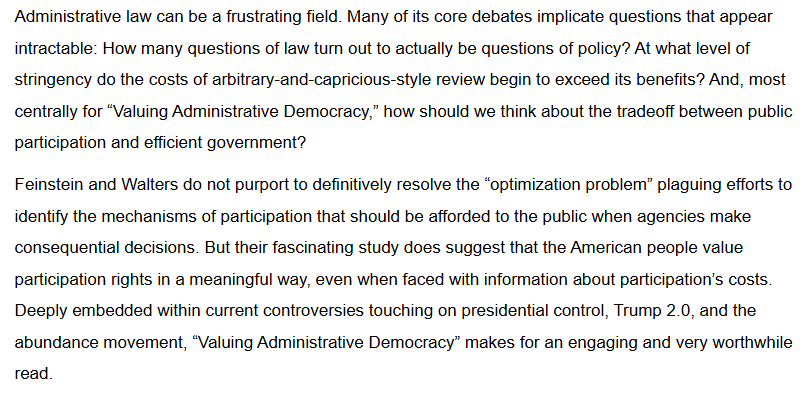
Thanks to @danieltdeacon for his generous review of Dan Walters & my latest manuscript, "Valuing Administrative Democracy," on JREG's Notice & Comment blog.
1
1
4
292
Rory van Loo retweeted

10 Dec 2025
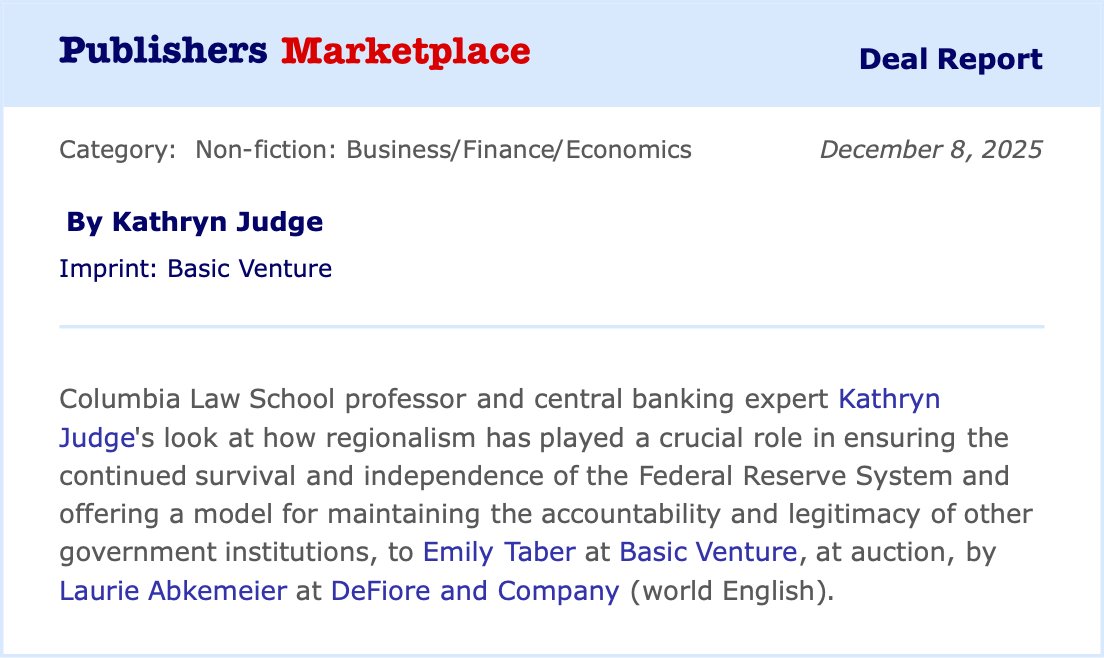
I'm excited to share that I am working on a new book! It's the story of how twelve Reserve Banks, one board and three branches of government produced the modern, independent Federal Reserve system. 1/4
3
13
86
16,388
Rory van Loo retweeted

6 Dec 2025
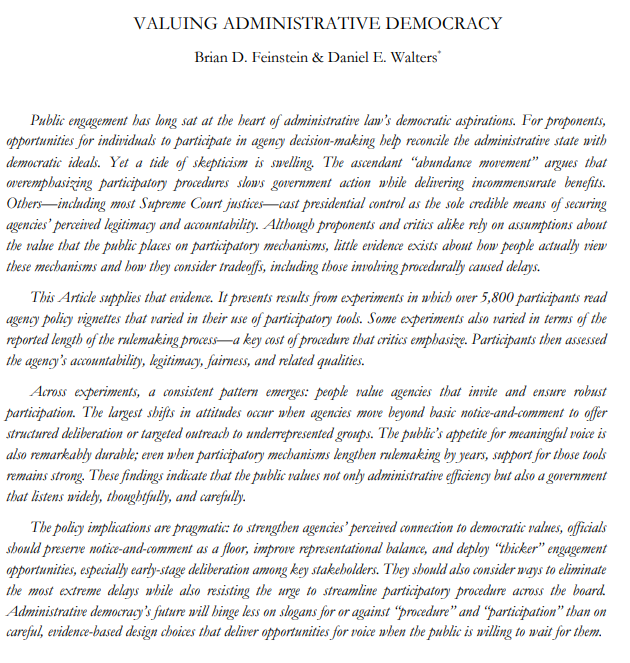
now on SSRN: 𝘝𝘢𝘭𝘶𝘪𝘯𝘨 𝘈𝘥𝘮𝘪𝘯𝘪𝘴𝘵𝘳𝘢𝘵𝘪𝘷𝘦 𝘋𝘦𝘮𝘰𝘤𝘳𝘢𝘤𝘺 (w/ Dan Walters) -
Experimental evidence indicates people want meaningful avenues for public input in agency decisions, even when those procedures add substantial time.
1
3
10
489
Rory van Loo retweeted

In “Foundations for Platform Liability,” Kathryn E. Spier and @RoryVanLoo challenge tech platforms’ immunity from an economic perspective, arguing that lawmakers should strike a better balance between immunity and liability to prevent harms and keep pace with the future.
1
1
6
337
Rory van Loo retweeted

11 Nov 2025
A nice write up about Case Viewer, my legal browser app: hls.harvard.edu/today/harvar…
If you have an iPhone, iPad, or Mac and haven't tried it, you should! Learn more at caseviewer.app, follow @CaseViewerApp, or download for free from app store: apps.apple.com/app/apple-sto…
9
15
2,233
Rory van Loo retweeted
6 Nov 2025
Maybe we've been approaching AI ethics the wrong way?
On this week's podcast, @DotanRavit discusses how she recently shifted her approach, and why I governance practitioners should be more like chefs.
Listen now: accountableai.net or your favorite podcast platform.
2
5
406

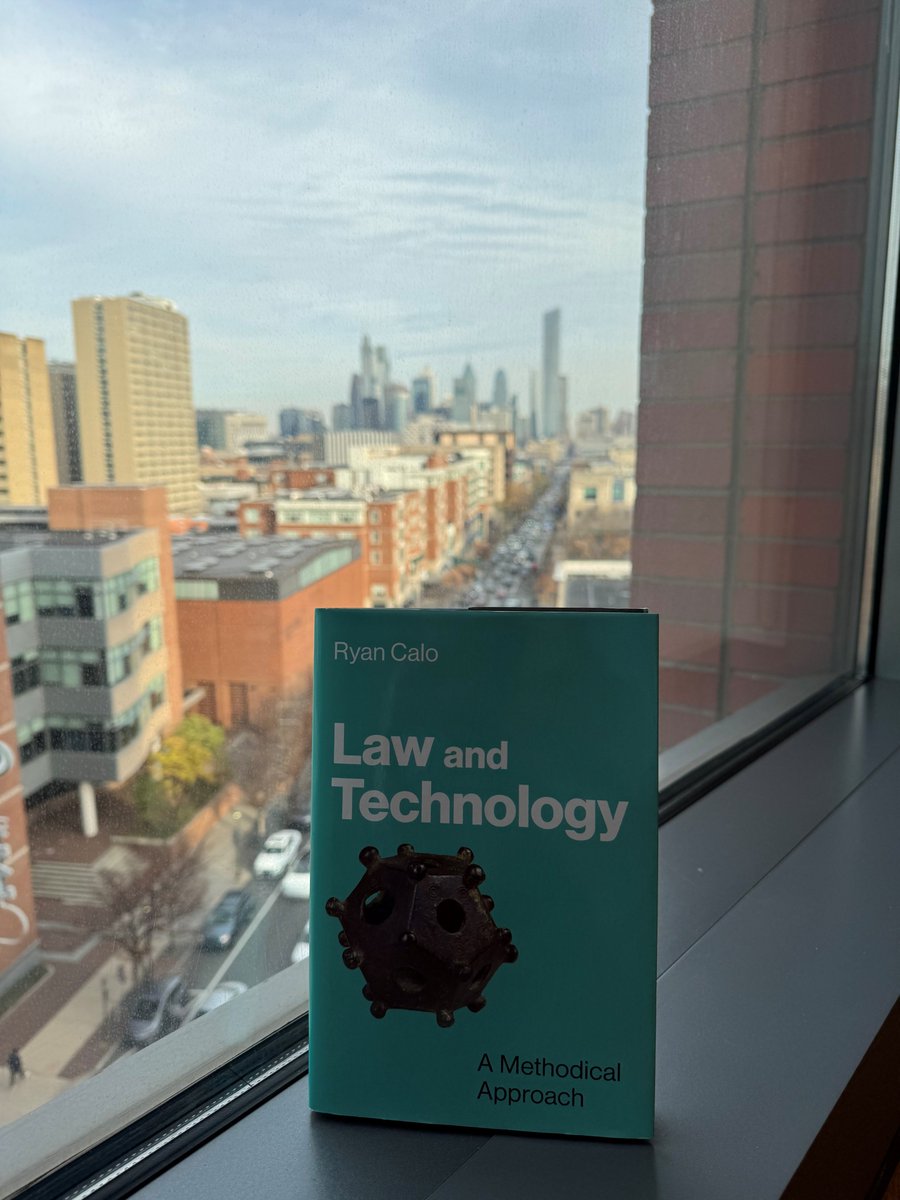
My new book is available for pre-order on Amazon. amazon.com/Law-Technology-Me… Or, if you'd rather buy local riversendbookstore.com/book/…
2
6
933
Rory van Loo retweeted
9 Sep 2025
🚨 Call for Papers! 🚨
The Wharton Accountable AI Lab is hosting the 1st Accountable AI Research Conference at @Wharton on Feb 6, 2026.
Focus: law, ethics, governance & policy shaping real-world AI practice.
Submissions due: Oct 27, 2025. Learn more:
ai-analytics.wharton.upenn.e…
4
5
653
If you're in Boston September 8, I'll be speaking about my new book at MIT Media Lab (11:00 AM) and Boston University School of Law (4:00 PM). global.oup.com/academic/prod…
1
2
5
717
Excited to join Boston University School of Law's world-class faculty to discuss my new book on law and technology! Monday, September 8. bu.edu/law/engagements/law-a… #Boston
1
1
22
917
Rory van Loo retweeted

22 Apr 2025
Great to be with @CNN this morning on the market's latest movements, Fed independence, and @The_Budget_Lab's work on how political risks threaten our safe harbor status.
Link here:
youtube.com/watch?v=PF7-yUiN…
4
4
15
2,758
Rory van Loo retweeted
17 Apr 2025
Can corporate actions, driven by market forces, effectively address the need for AI governance? Lauren Wagner, my guest on this week’s episode of The Road to Accountable AI, has been working for years to align incentives for more trustworthy AI.
apple.co/accountable
1
2
5
1,135
Rory van Loo retweeted

15 Apr 2025
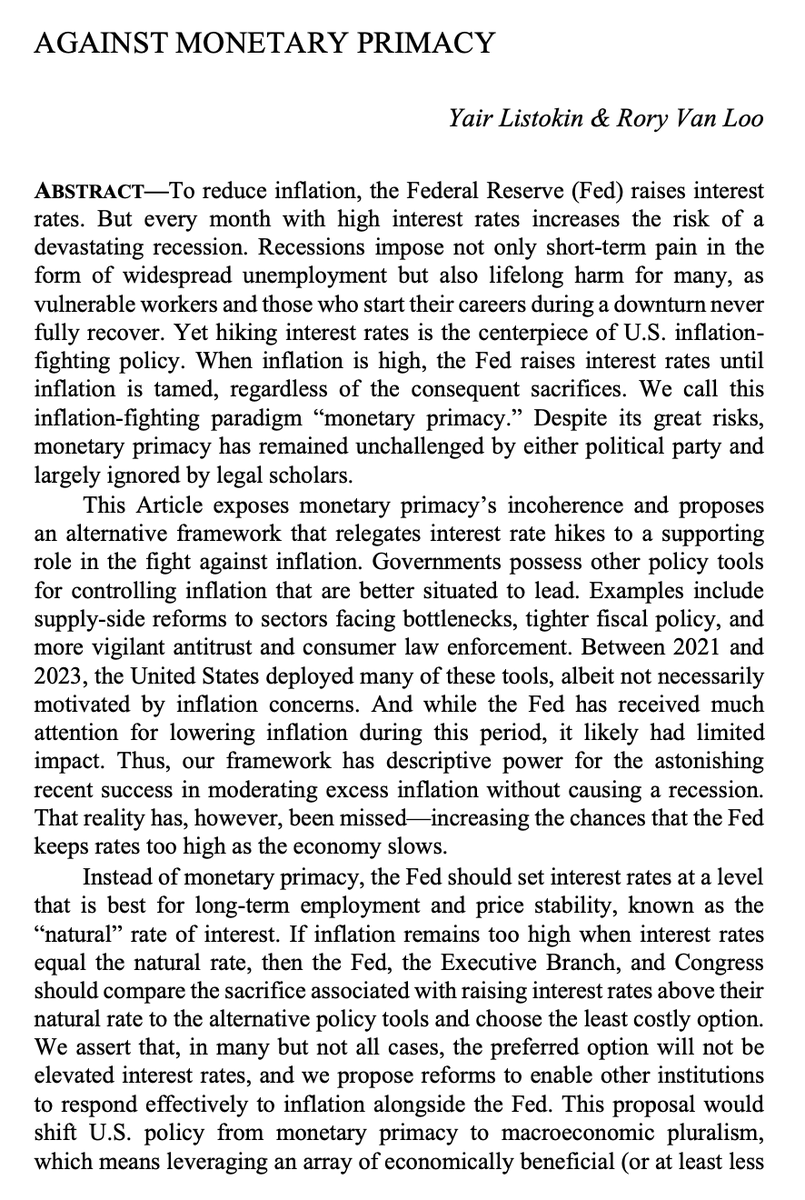
In "Against Monetary Primacy," Profs. Yair Listokin of @YaleLawSch & @Roryvanloo of @BU_Law expose the flaws of “monetary primacy,” the current U.S. inflation paradigm where the Fed raises interest rates to reduce inflation. They push for a new approach. (1/2)
2
3
8
571
Rory van Loo retweeted

1 Apr 2025
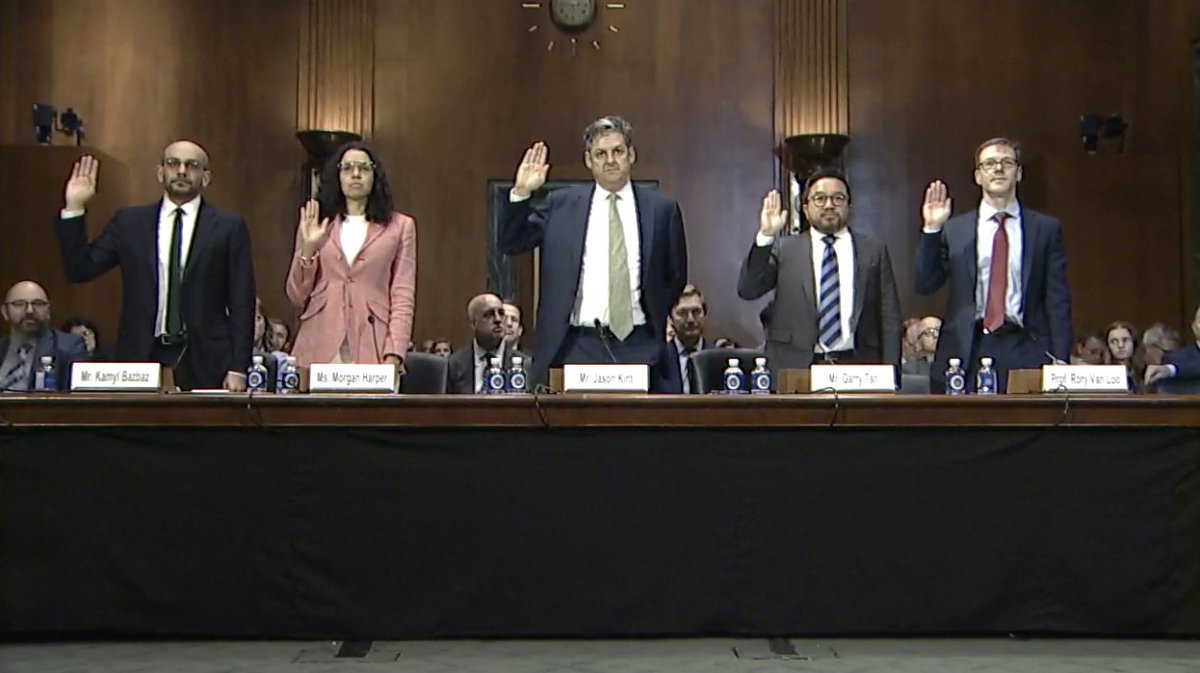
"AMERICA" = "Advertising Middlemen Endangering Rigorous Internet Competition Accountability"
Five experts testifying today:
- @KamylBazbaz of DuckDuckGo
- Morgan Harper of @econliberties
- @jason_kint of @DCNorg
- @garrytan of @ycombinator
- @RoryVanLoo of Boston University
6
17
2,612
31 Mar 2025
Excited to testify tomorrow for the first time in the Senate.
judiciary.senate.gov/committ…
1
3
21
819
Rory van Loo retweeted
10 Mar 2025
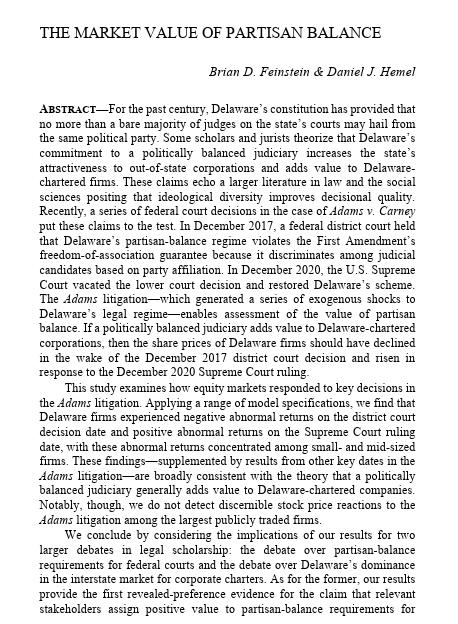
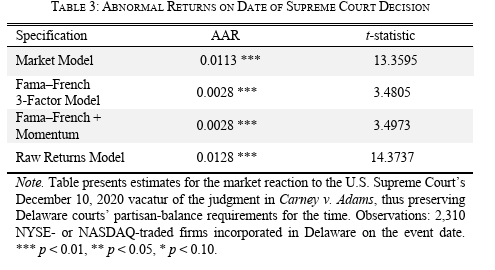
now in print @NwULRev: The Market Value of Partisan Balance (w/ @DanielJHemel) - shows investors value the requirement that Delaware courts include both Dem & GOP judges.
With federal agencies now in flux, that finding suggests investors appreciate stable, bipartisan institutions
2
3
27
2,585