Master Metalsmith, Designer for Fine Jewelry, Sculpture, Dress and Functional Tools, including knives. Influences are Viking, Celtic, Irish and Welsh.
Joined February 2012
- Tweets 5,878
- Following 32
- Followers 59
- Likes 3,942
461 Photos and videos




Jun 15
Incredible insights by, @drallibrown. Science has just begun to see what she has been talking about. Consciousness influences everything.
Jun 14

Neuroscience meets spirituality. Trauma can be viewed through a wider soul lens, and healing may reach across time itself. Consciousness literally changes the way we understand our past, our purpose, and our awakening. ❤️ youtu.be/imtt4d3xt1U?is=CECc…
1
2
116
Jun 14
Questions, questions, questions. What do you think?

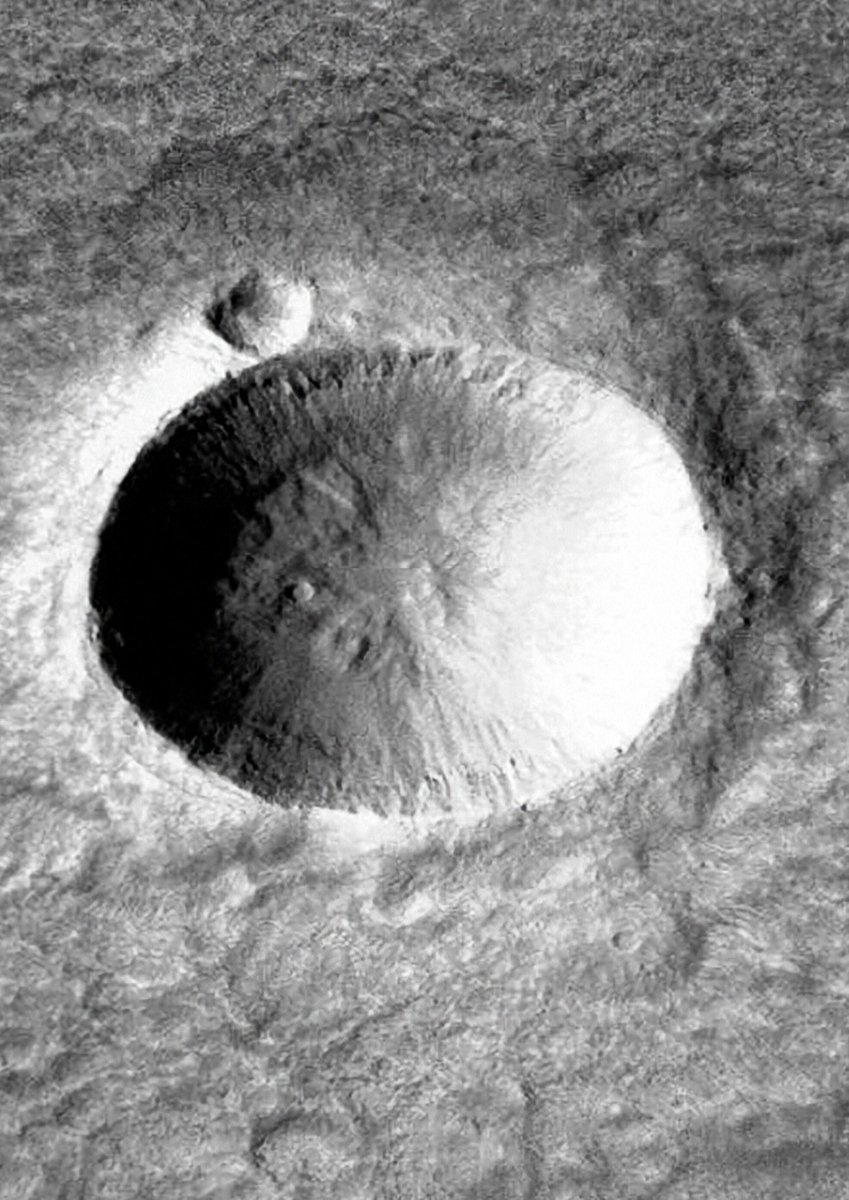
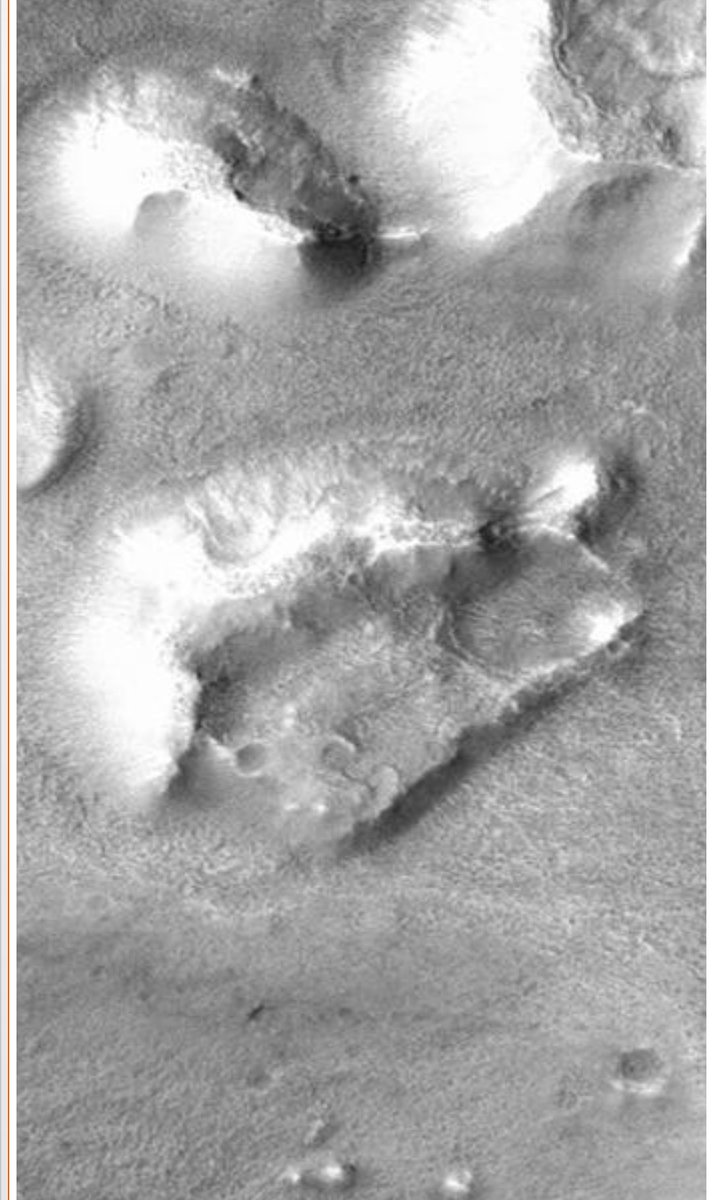
The Eye of the Sahara is 25 miles wide, spotted from space in 1965, and still not convincingly explained. The volcanic collapse theory doesn't sit right with me. What does interest me is that there's something that looks just like it on Mars.
13
Jun 14
This is solid information. Such events and their creation must be fully investigated. Thank you, Brian Dobbs and Andrew Hall.
Andrew Hall of the Thunderbolts Project argues this was carved by a plasma tornado spinning between two opposing jet streams. Look for the cue with a lightning bolt through it. Arguably, we've got both. That's case closed.
Full episode available now: youtube.com/watch?v=ORJo1XqA…
2
12
Jun 14
Wow! @ericweinstein is exactly right on this. Does anyone else see the flaws with the Church of String Theory?
Jun 12

Specifically:
I’d first look at what promising approaches to post-Einsteinian science were we induced to abandon by Quantum Gravity/StringTheorists. I’d spend the first 1/2 million dollars simply destringifying the last 42 lost years.
Then I would look at all the major ideas without ANY refereeing input from string theory/m-theory:
Chern Simons
Asymptotic safety
GU
Einstein Cartan
McDowell Mansouri
Spin connections
Strings
Gravitational Amplitudes
Etc.
Then based on that assessment, I would allocate grants to push for the spacetime successor.
But the first allocation is to destringification. We need to stop being brainwashed by 5 people and their misinterpretation of Ken Wilson.
We need to realize that the real physics that we would need to travel the cosmos got nerfed. By string theory.
The first task is undoing the murderous anti-scientific lie and culture of TOGIT as spread by Witten, Susskind, Greene, Kaku, Gross and company.
Just undoing that and making it viable to do theoretical physics without their fingers around our throats would bring us far closer to post Einsteinian engineering.
Gravitational physics has become a lie under quantum gravity.
9
Thomas Rice retweeted

Brian, we have better than this. We have proof of panspermia. Come on bro.
Jun 12

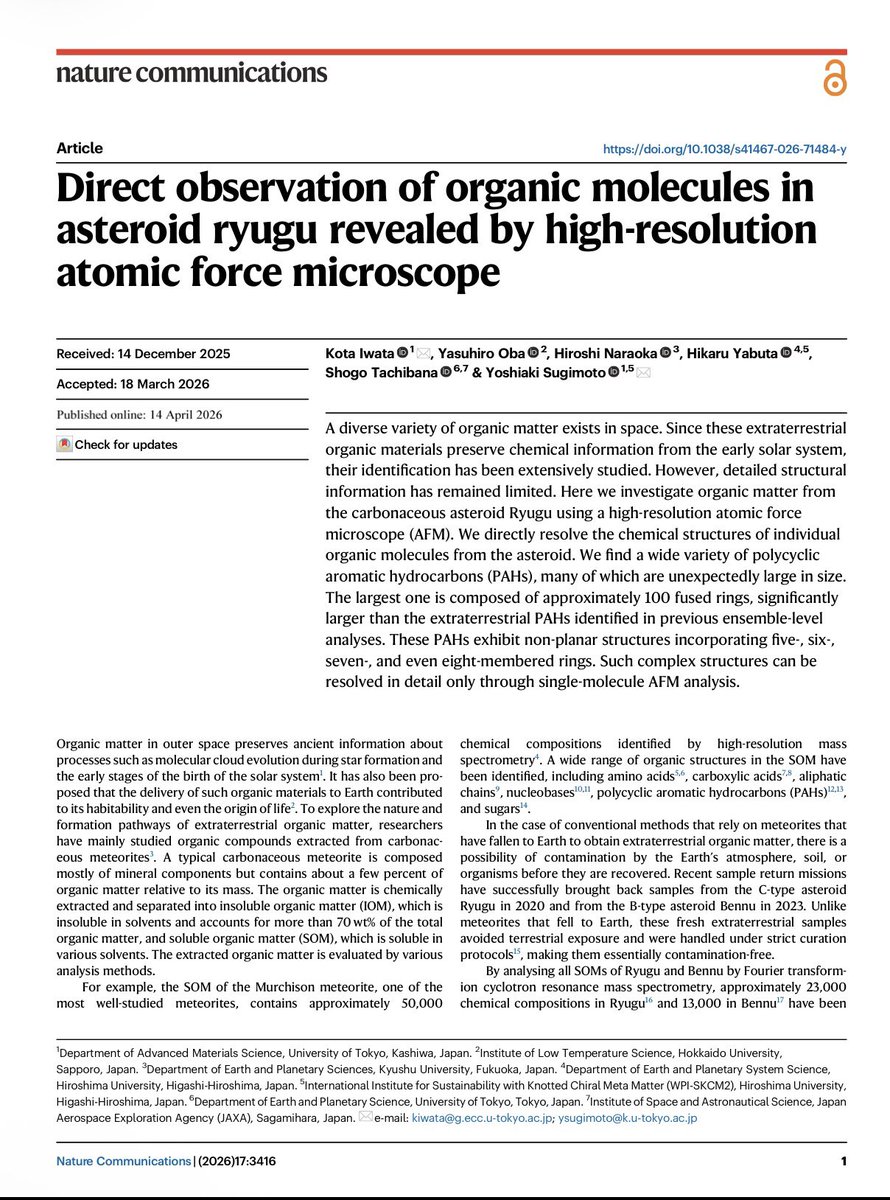
Asteroid Ryugu’s Giant Organic Molecules: Fresh Evidence of Cosmic Prebiotic Chemistry
Japan’s Hayabusa2 spacecraft returned pristine samples from the carbonaceous asteroid (162173) Ryugu in December 2020.
These materials, untouched by Earth’s atmosphere or biology until analyzed in clean labs, continue to yield profound insights into the chemistry of the early Solar System.
A major 2023 study identified thousands of soluble organic molecules, including amino acids (in racemic mixtures, confirming abiotic origins), carboxylic acids, amines, polycyclic aromatic hydrocarbons (PAHs), and nitrogen-heterocyclic compounds.
Building on that foundation, an April 2026 study published in Nature Communications used high-resolution atomic force microscopy (AFM) to directly image individual organic molecules from Ryugu extracts at the single-molecule level.
Researchers, led by Kota Iwata and Yoshiaki Sugimoto (University of Tokyo) in collaboration with teams from Hokkaido University, Kyushu University, Hiroshima University, and others, made a striking discovery: unexpectedly large, complex PAHs far bigger than those previously detected by mass spectrometry.
Key Findings from the AFM Study:
•Gigantic structures: Many of the imaged molecules contained dozens to more than 100 fused rings, with the largest estimated at over 3,000 molecular weight—vastly exceeding the smaller PAHs (typically 1–6 rings, molecular weights ~200–500) identified in earlier ensemble analyses.
•Diverse ring systems: These molecules feature not just the common six-membered (benzene-like) rings, but also five-, seven-, and even rare eight-membered rings, resulting in non-planar, three-dimensional, distorted structures.
•Visualization method: Organic extracts were deposited on a copper substrate and imaged under ultra-high vacuum at ~5 K using CO-functionalized AFM tips, which resolve atomic bonds and skeletal structures directly—bypassing limitations of traditional mass spectrometry for large or insoluble compounds.
These giant molecules likely represent a bridge between interstellar cloud chemistry and the more processed organics found in meteorites.
They provide direct evidence of complex carbon chemistry operating in the cold, ancient environments of the early Solar System, inherited from presolar molecular clouds.
Broader Context and Implications
Earlier Hayabusa2 analyses (published in Science, 2023) already showed Ryugu’s rich complement of ~20,000 distinct organic compositions in small samples, supporting the idea that asteroids delivered prebiotic building blocks to early Earth during the Late Heavy Bombardment period.
The new AFM work extends this by revealing macromolecular complexity that conventional techniques overlooked.
This strengthens the hypothesis of widespread delivery of chemical precursors (a form of panspermia for molecules, not life itself).
Organic molecules appear to have been common across the Solar System, not a rare Earth-specific occurrence.
Similar findings are anticipated from NASA’s OSIRIS-REx samples from asteroid Bennu.
As analysis of these pristine samples continues, Ryugu serves as a time capsule, illuminating how the raw ingredients for life’s chemistry were distributed throughout our cosmic neighborhood billions of years ago.
This work brings us closer to understanding not just where Earth’s organics came from, but how common the pathways to prebiotic complexity may be across the universe.
3
15
547
Jun 13
What!?! @gizadeathstar has the best nose for these issues! Is he right? About two minutes of thoughtful investigation should give you the answer.
Hint: Would you like fries with your brains on a chip???

Note that the brain material is being used for the ostensible purpose of "drug testing": buff.ly/hwvoNKa
8
Jun 13
Don't just glance at it, read it, then think about its meaning. Just a thought.
Jun 13

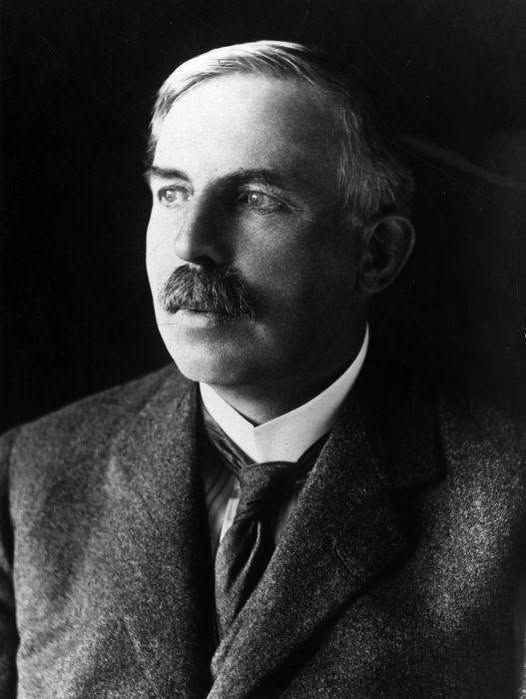
“All of physics is either impossible or trivial. It is impossible until you understand it, and then it becomes trivial.”
- Ernest Rutherford
2
10
Thomas Rice retweeted

“The only thing that truly matters is to stay truthful and just while keeping your peace in a world full of lies and injustice.”
— Marcus Aurelius
9
96
417
7,514


Jun 13
Fact. Prove me wrong.

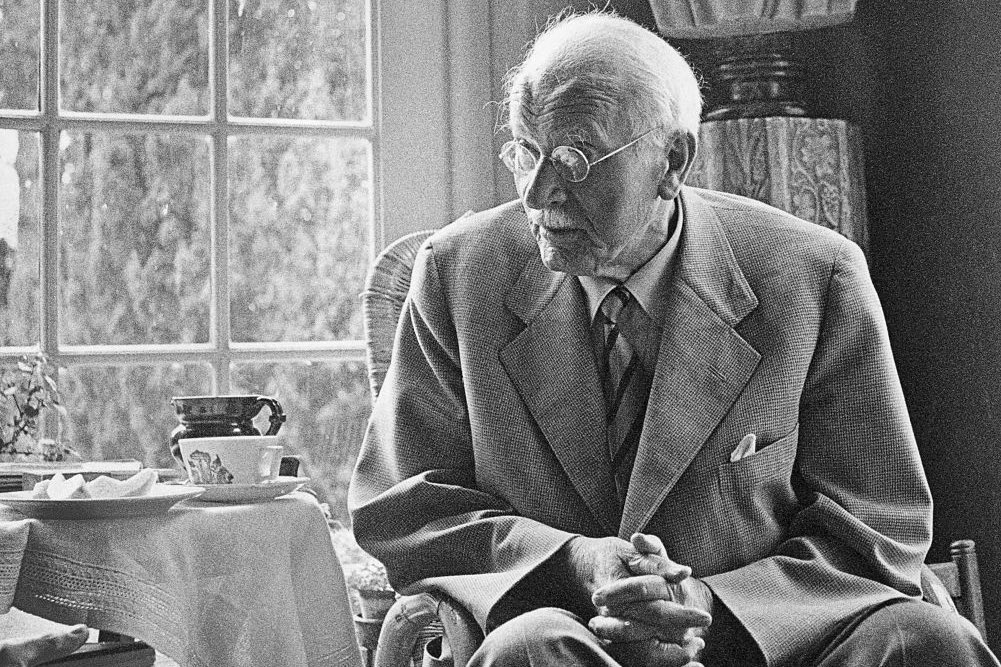
“Do not compare, do not measure. No other way is like yours.”
— Carl Jung
2
8
Thomas Rice retweeted
Big accounts post weak Mars anomalies. SAD!
For the best of the best, follow me, @JeanWardMars, and @Mars_Revealer.
Jun 12
MARS: NASA/JPL raw image link (Sol 1598) Gigapan for closer inspection:
gigapan.com/gigapans/195856/…
Spotted by Mars anomaly expert Martine Grainey.
2
2
14
480
Thomas Rice retweeted

Jun 12
70% increased lifespan in mouse model with #vaccine to #aging
We @immortabio published this in collaboration with @BuckInstitute
#longevity #vitalist
#senovax
#immortabio
$IBRX
link.springer.com/article/10…
10
8
37
1,496
Jun 13
I suggest that everyone pay very close attention to the Doctor's work. Just remember that you were told.
Jun 12

Lactic acid increases #cancer growth by augmenting immune suppression...
pubmed.ncbi.nlm.nih.gov/4228…
2
1
9
463
Thomas Rice retweeted

"A 70% lifespan increase in mice is a solid lab milestone. But when will this translation to human biology begin? What is the estimated timeline for getting regulatory approval for the first human trials?"
3
2
7
329
Jun 13
Dr. Allison Brown is exactly right. Like many others who have stepped forward, there is growing awareness of these facts. Let's say that again, consciousness is key.
Jun 12
Of course it’s hard to wrap our heads around that because we’re analyzing it from a place of relatively primitive technology and propulsion methods. We’re also not considering consciousness and interdimensional forms of “travel.“ One has to think outside of the box. These beings are not operating within our construct of physics.
1
30
Jun 13
For Heaven's sake, how is it that people can't see the elephant in the room!?! Evidence from both scientists and independent investigators provides extensive data points for at least one advanced civilization on Mars. Are we so distracted by the sh|t show in DC???
It'll never happen. Forget about Titan.
There's life on Mars now.
NASA discovered it in 1976 and all you captured astrobiologists talk about is the stupid rocks.
1
3
Jun 10
Amazing how everyone is focusing our attention on little green men while major elections around the globe are being hijacked.
Jun 9

Marco Rubio was briefed on recovered alien bodies. 👀
According to Leslie Kean, former Senate staffer Kirk McConnell was present for classified briefings alongside Marco Rubio about alien bodies.
7
Jun 9
What did President John F. Kennedy say about the CIA shortly before he was murdered?
Jun 8
Ross Coulthart says the CIA is the primary gatekeeper of UFO information and is the agency keeping President Trump in the dark about UFOs. 👀
14
Jun 9
“The wound is the place where the Light enters you.”
—Rumi
...or the photo plate. Thank you, Doctors Villarreal and Busko!

This is HUGE news.
PhD astronomer and former NASA engineer Ivo Busko has single-handedly driven a final nail into the coffin of the contamination-based hypotheses (e.g. plate defects and cosmic rays) proposed to explain the VASCO transients. He did so using one of the most creative approaches in astronomy I have ever seen: by analysing pre-Sputnik photographic plates from a German telescope known to suffer from severe optical distortions (aberrations), he demonstrated that the transients appear on these plates and exhibit the same optical distortions as the stars themselves. They are slightly narrower and sharper than the stars, consistent with brief flashes.
This is a crucial result. It shows that the transient light passed through the telescope optics, meaning the transients originate from real objects producing light, rather than from plate defects or cosmic-ray contamination that hit the plate. Dr Busko has also shown that the transients cluster spatially and are associated with periods close to nuclear tests. See the example of the triple transient with optical comas.
This is the greatest gift. Congratulations, Ivo.
I'm happy beyond belief.
Read Ivo Busko's paper: arxiv.org/pdf/2606.08319
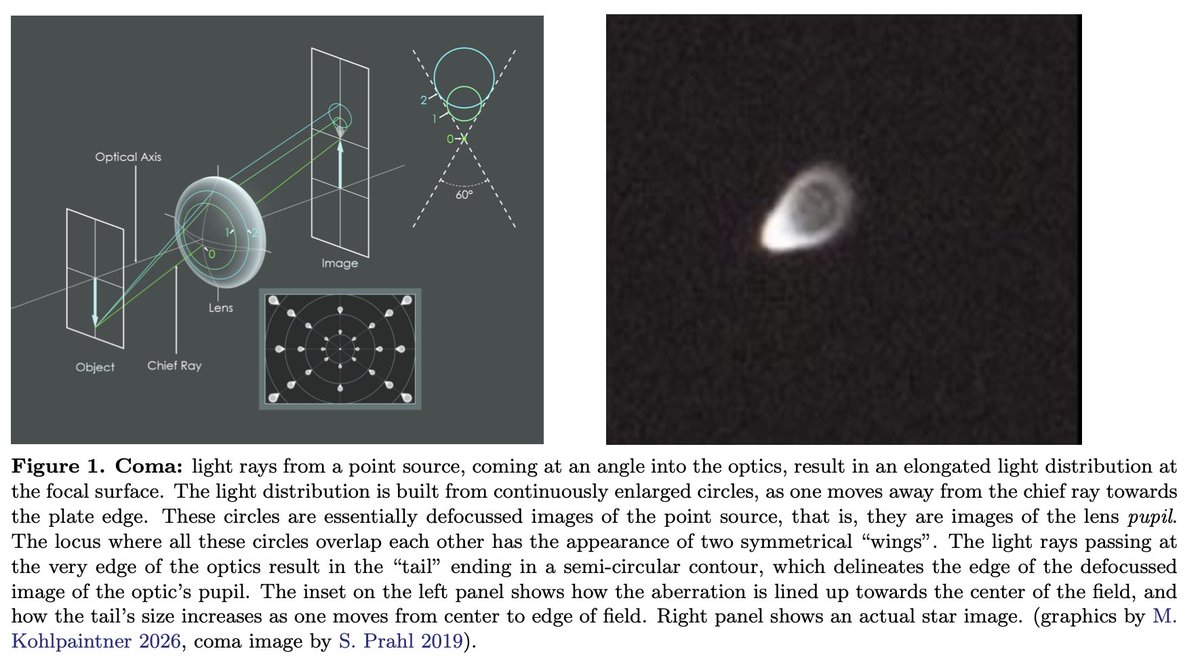
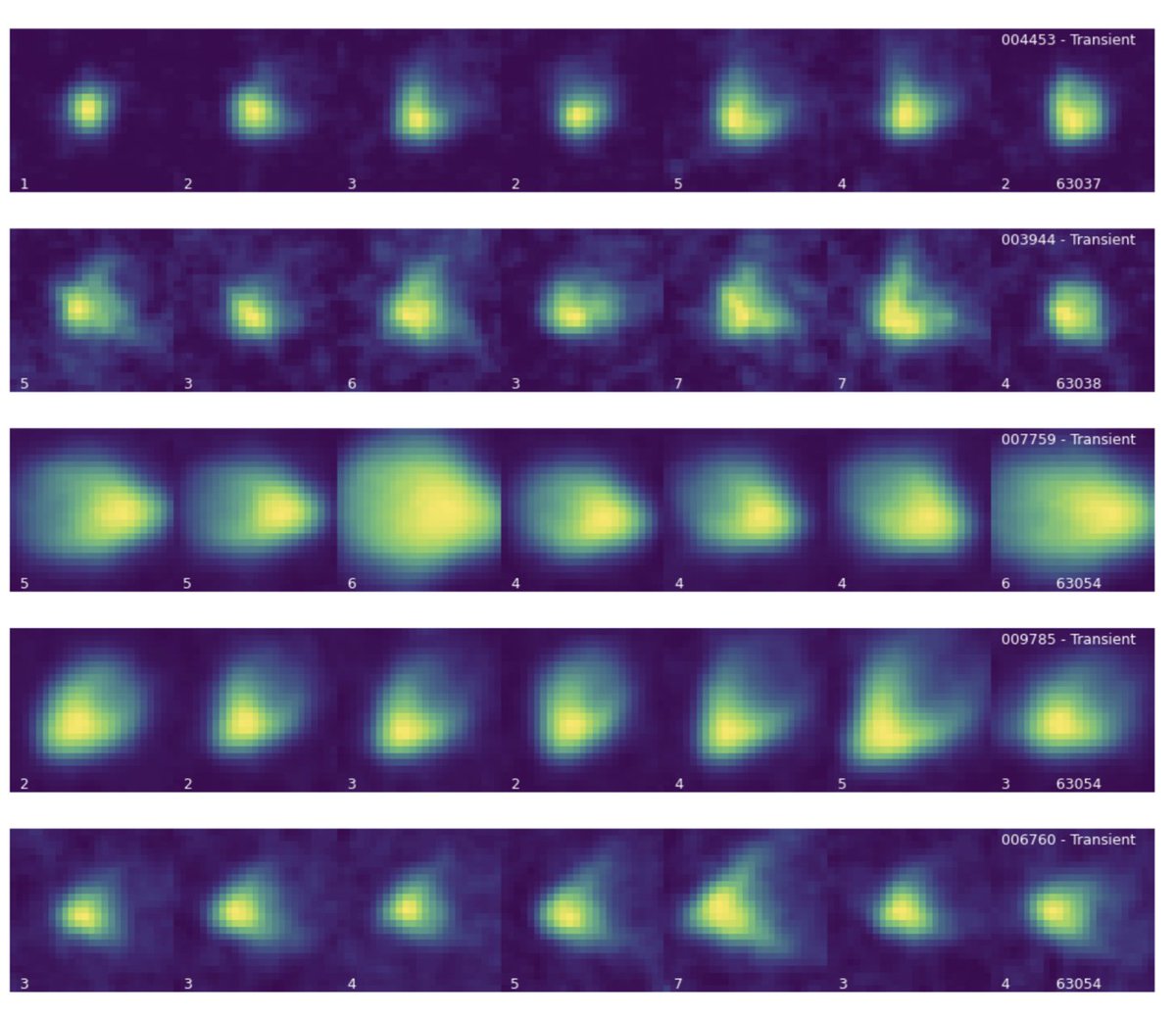
ALT Transients displayed together with some reference stars in their respective neighborhoods.
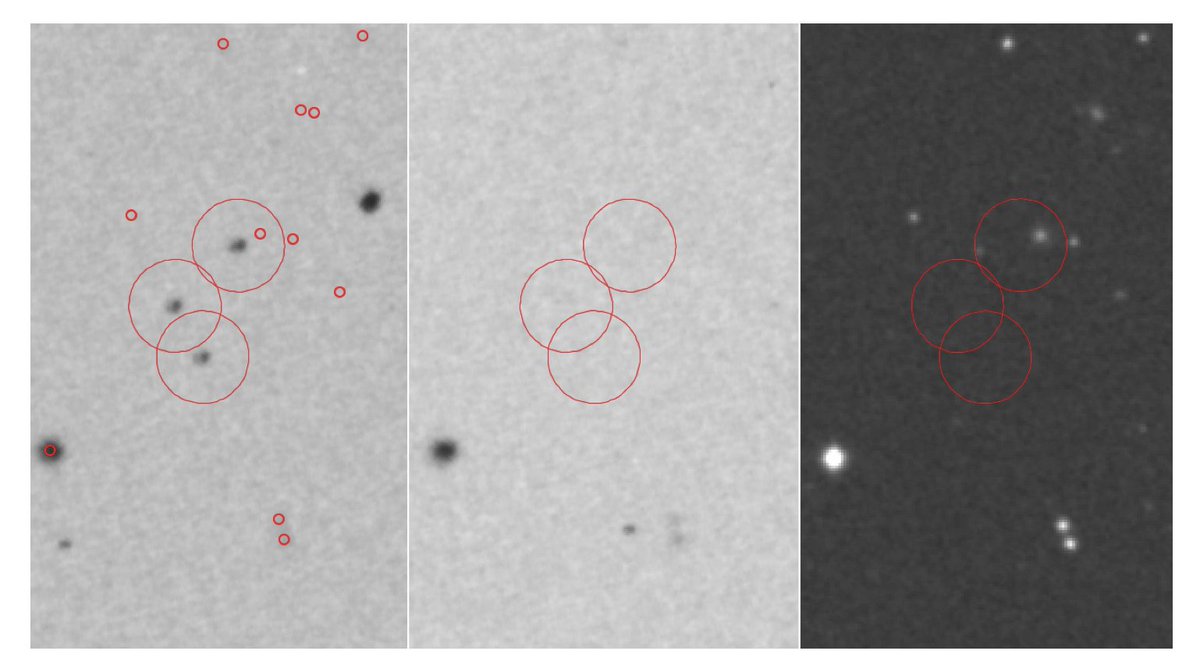
ALT Triple transient that also has commas.
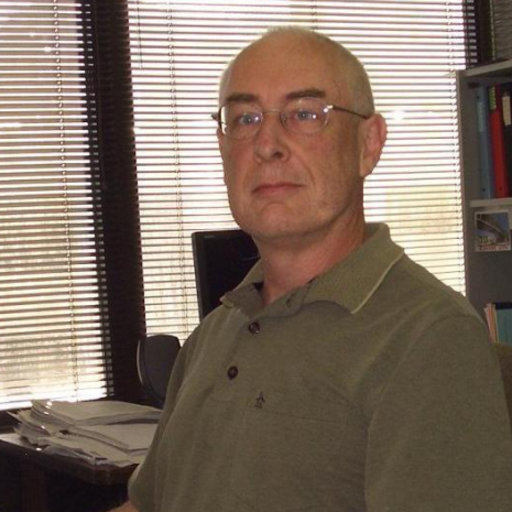
ALT Dr. Ivo Busko.
1
42
Jun 9
Absolutely!
Jun 6
I really believe that if we all work together in a "Manhattan Project" approach to #longevity we can become #immortal.
#immortabio
5