
trying to build stuff. AI engineer by day, whatever my son needs me to be by night.
Joined September 2016
- Tweets 279
- Following 336
- Followers 42
- Likes 1,423
2 Photos and videos


please shut the fuck up i don't even care about the specific thing you're saying i'm just so tired of hearing predictions one after the other telling me what the future is going to be like just please shut the fuck up
385
872
14,585
621,982
Ryzal Kamis retweeted

28 Apr 2025
no amount of vibe coding is going to prevent you from learning how to program
139
198
2,895
131,970
Ryzal Kamis retweeted

4 Jul 2024
It's just a lot of pressure ...
158
165
1,740
635,661

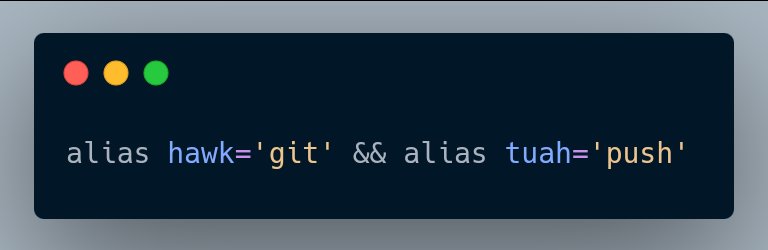
Ryzal Kamis retweeted

6 Jun 2024
LLM bullshit knife, to cut through bs
RAG -> Provide relevant context
Agentic -> Function calls that work
CoT -> Prompt model to think/plan
FewShot -> Add examples
PromptEng -> Someone w/good written comm skills.
Prompt Optimizer -> For loop to find best examples.
95
525
3,321
290,162
Ryzal Kamis retweeted

18 Jan 2024
So, let me get this straight. You just got out of college, and you think every system needs to be distributed? That's your big revelation? Let's think about that for a second. Distributed systems are complex, they're expensive, and they're a headache to maintain. You ever heard of KISS? 'Keep It Simple, Stupid.' That's Engineering 101.
You know what happens when you overengineer a solution? You end up with a mess of dependencies, network latency, and a nightmare of debugging. Ever heard of a single point of failure? Now imagine a dozen of them, scattered across different networks.
Oh, so every system needs to be distributed? What about a local bakery's inventory system? You think they need their doughnut count on five different servers Read Lamport's 'Time, Clocks, and the Ordering of Events in a Distributed System', did we? Or perhaps Brewer's CAP Theorem? It's charming, but let's get real. Distributed systems are not a panacea.
First, think about consensus algorithms. Paxos, Raft, Zab - they're not trivial. You've got to manage leader election, log replication, and handle network partitions and failures gracefully. Ever tried debugging a split-brain scenario in a distributed database?
Then there's data consistency. Sure, eventual consistency sounds great in theory, but have you considered the implications for transactional data? Read Eric Brewer's papers on CAP and then tell me about the trade-offs between consistency, availability, and partition tolerance in a high-volume e-commerce application.
Ever heard of a monolith? It's not a dirty word. It's a viable architecture for a vast majority of applications.
Scaling is not just about handling more requests. It's about handling more complexity. So, before you scale out, scale up. Optimize your monolith. Profile your database queries. Cache your responses. These are your bread and butter.
Next you're going to tell me that every application needs to be on the cloud, right? You read Werner Vogels blog and think you need cross-region replication for all your services. That it's cheaper and more scalable? That you can just spin up a kubernetes cluster and scale your application to hundreds of millions of users overnight?
Did you know that Capital One misconfigured an S3 bucket and it led to a massive data breach? Over 100 million customers' data exposed. That's the dark side of cloud computing. Misconfiguration. It's not just about throwing data on the cloud and calling it a day. It's about understanding the nuances of cloud security. Capital One's breach wasn't due to some high-level hacking wizardry; it was a configuration error.
Maybe use your own brain for once.

126
564
4,610
751,402

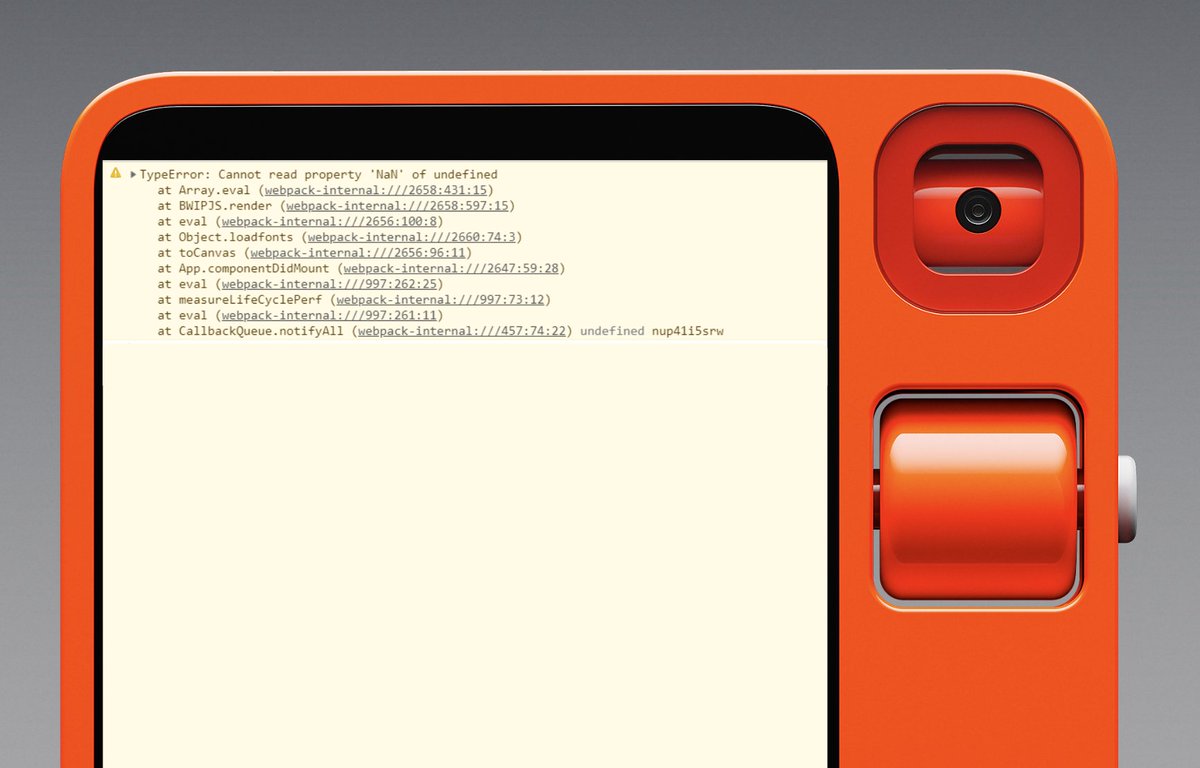
Ryzal Kamis retweeted

29 Aug 2023
I want a laptop with a tensor processor and a unified memory system that runs Linux.
Basically, something that can run large models without weighing a ton, requiring a separate GPU RAM, draining the battery in minutes, costing a fortune, and running a proprietary OS.
215
165
2,262
501,679

Why do almost no papers release code, datasets, info on replication, final models, or any combination of these? I thought for science to work results had to be reproducible and verified. Really not scientific and I don't know why academia accepts this
130
111
1,475
251,031
Ryzal Kamis retweeted

4 Aug 2023
I’m tired of native apps.
> download this app to register your kid for tennis
> download this other app to see your the tennis schedule
> download this app to pay your bill
> download our app
> download our app!
> download our app!!
Websites are great, btw
148
325
4,262
374,848
Ryzal Kamis retweeted

3 Aug 2023
In software engineering, there's what people think of as "docs" and then there's "the information I needed to debug that thing that took to days of my life."
The second thing is different and should be called something other than "documentation." But what should we call it?
544
111
1,758
401,629
Ryzal Kamis retweeted

24 Jul 2023
As a…
– Twitter user
I want…
– unlimited interactivity – centered in audio, video, messaging, payments/banking – creating a global marketplace for ideas, goods, services, and opportunities.
so that…
– It’s no longer possible to even parody this fucking shitshow.
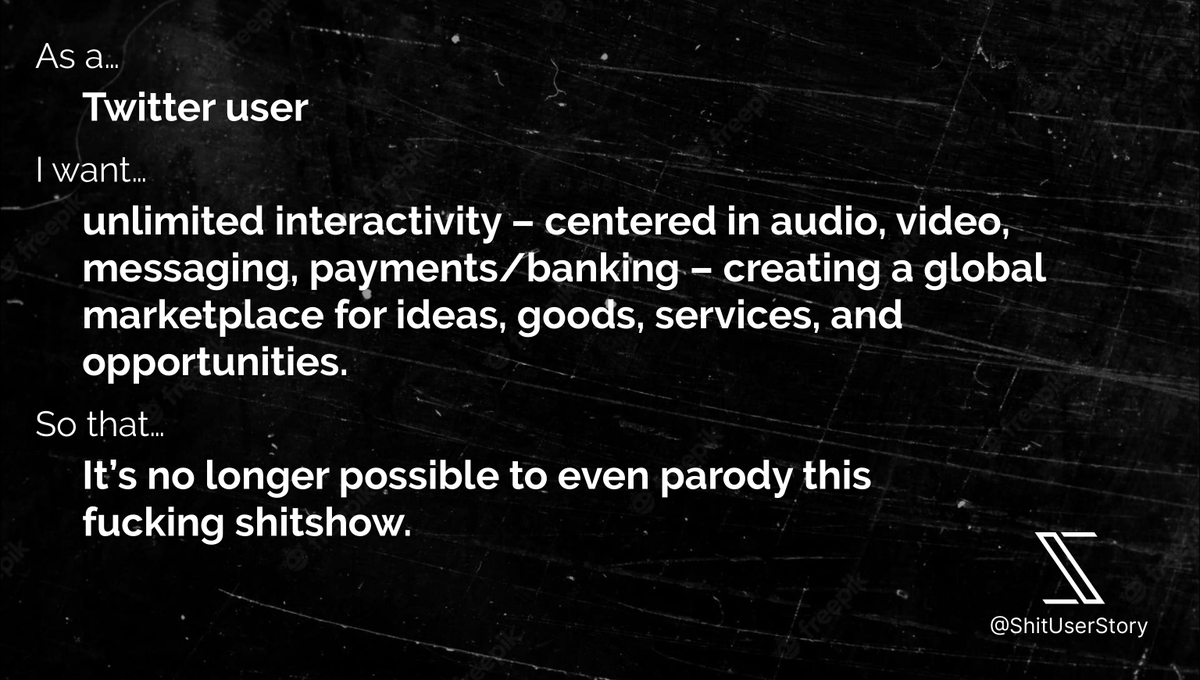
ALT Image repeats text of tweet content in image form for some reason
7
402
1,958
204,500
Ryzal Kamis retweeted

22 Jul 2023
Easily the best paper on current State of LLMs! 🙏
A 50 page read but it’s not “just another” survey paper, that only documents facts. The authors actually add very useful commentary capturing all aspects of building Large Language Models.
Hence the result is a collection of ideas we might have missed across months of research.
It covers both building LLMs and effectively applying them to domains, with a focus on current limitations and “sharp edges”
As always, I think great content makes you discover missing bits in your knowledge, for this reason it’s a solid cover to cover read recommendation:
arxiv.org/abs/2307.10169

38
305
1,889
313,754
Ryzal Kamis retweeted
18 Jul 2023
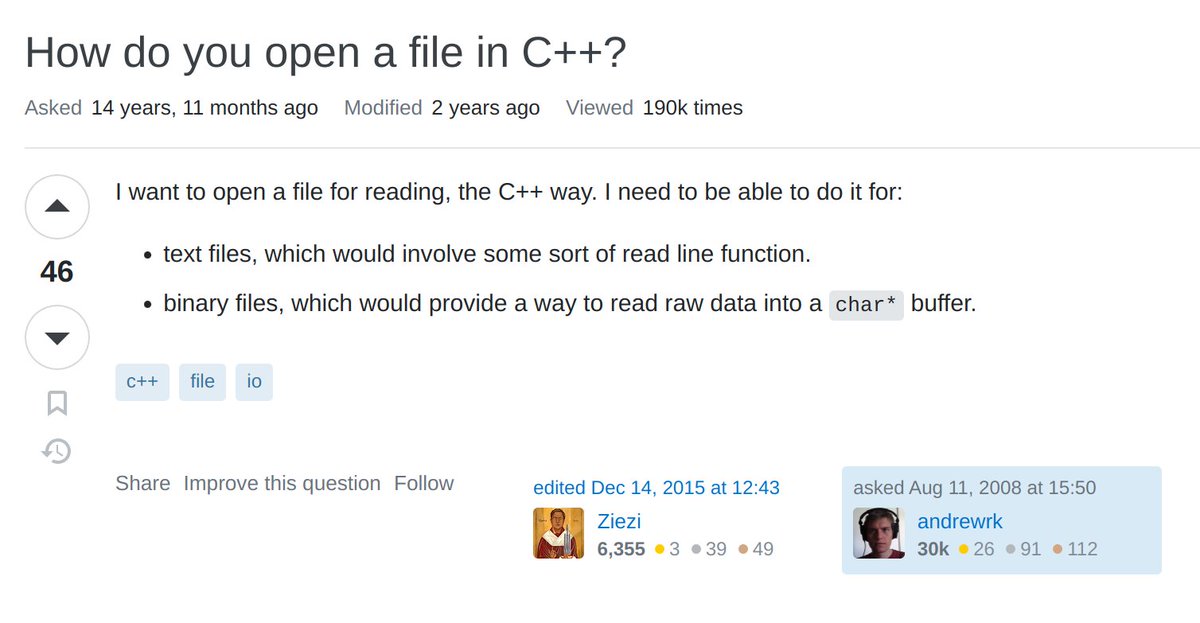
I cannot stop thinking about this. Andrew created Zig and ~15 years ago asked on SO how to open a file in C
177
885
9,005
1,201,289
Ryzal Kamis retweeted

3 Jul 2023
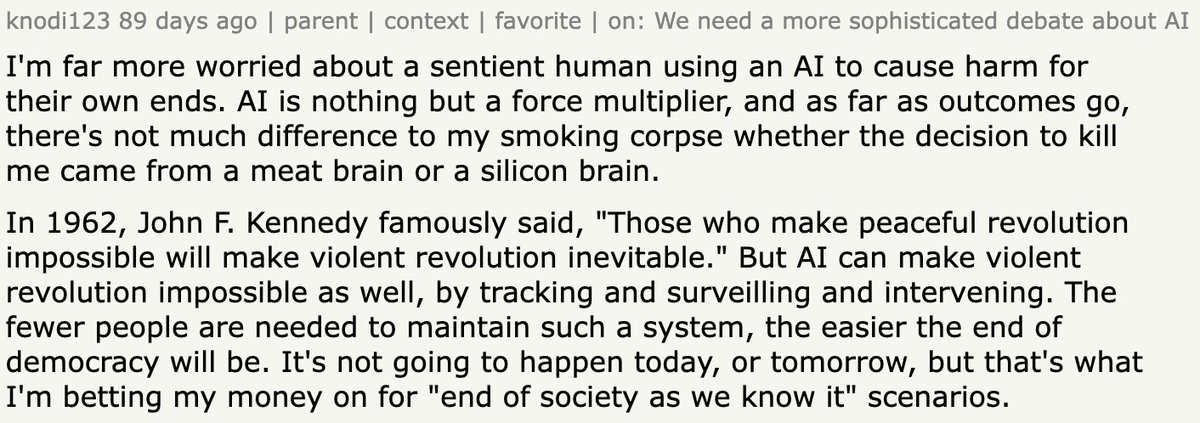
The most powerful and compelling writing I've seen on AI safety was a random HN comment from some anon poster.
knodi123, whoever you are, thank you...
25
131
960
142,231

I wish more developers understood the constant stream of malware that is posted to npm, PyPI, and all package managers...
Here's just a taste of some crazy malware Socket identified in the past couple weeks...
All malware descriptions were FULLY WRITTEN by Socket AI.
39
538
2,572
777,390
Ryzal Kamis retweeted
5 Jun 2023

41
779
4,042
394,263
Ryzal Kamis retweeted
3 Apr 2023
the thing about using ChatGPT for dev is that i am building tools that require TONS of context on already built APIs and Data Types
everything i see for ChatGPT is building "something new." Not integrating it with a workflow in an area with TONS of tribal knowledge
110
61
1,306
194,138

the FBI think they slick


432
40,544
493,393
20,953,625