
More active on 🦋@sneuroble.bsky.social | Comp neuroscientist working towards precision fMRI / networks | @Northeastern | @Yale | @NIH BRAIN R00 | Peru-Am 🇵🇪
Joined February 2017
- Tweets 2,777
- Following 1,227
- Followers 2,263
- Likes 10,546
181 Photos and videos


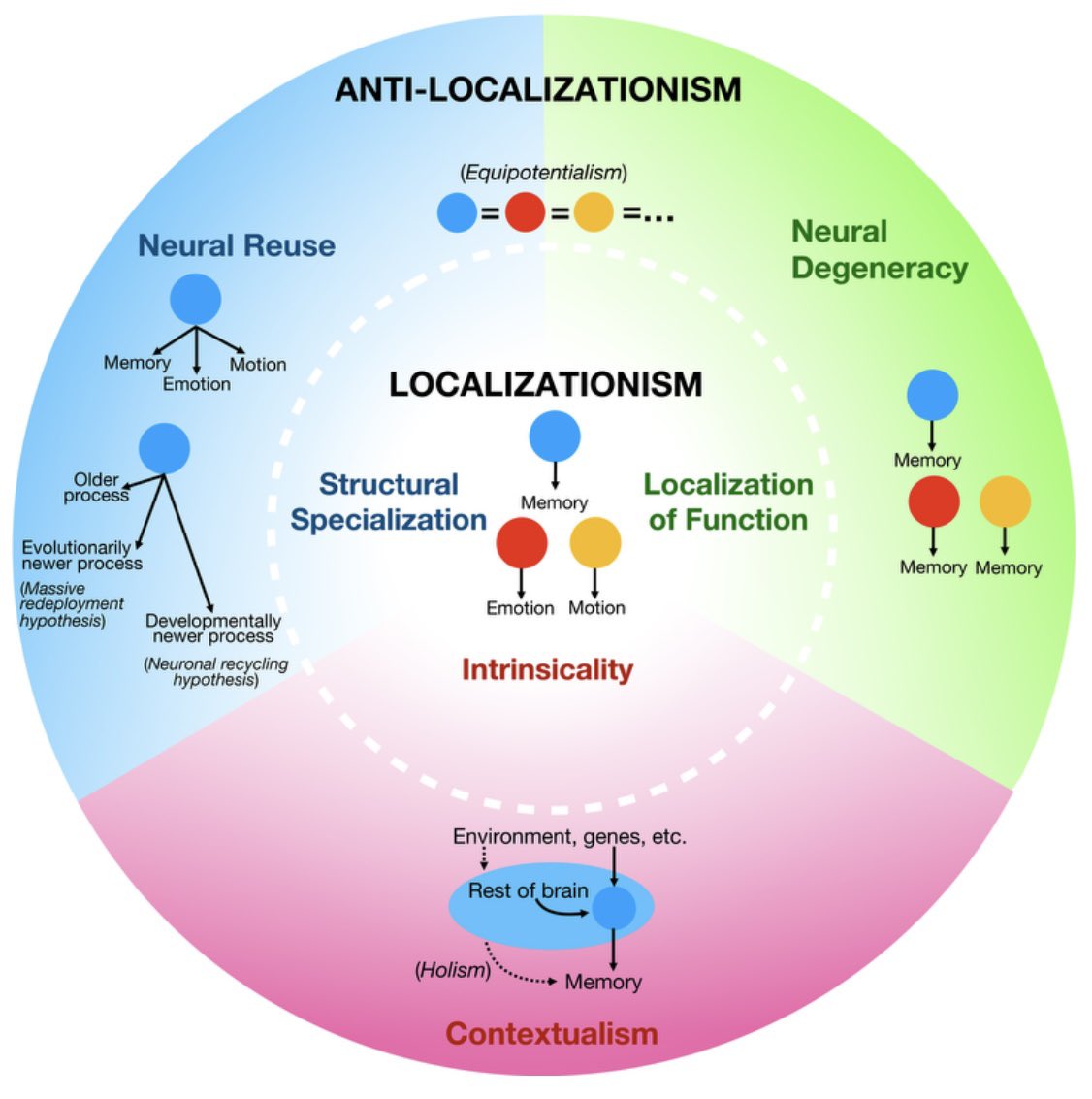

Pinned Tweet

NOA in hand, we are ready to launch research in the NeuroPRISM lab!🚀 Appreciate @noahghola @ResearchAtNU @NUGlobalNews taking time to profile this @NIMHgov R00-funded project
Now hiring a fully-funded postdoc—reach out if interested & spread the word!
news.northeastern.edu/resear…
18
54
185
23,398
📣 Attn researchers interested in movie fcMRI x reliability! Glad to have been part of this work led by @ShearerHallee & @headspace_lab
1
4
445
Yup, everyone’s heading to🦋 (again) in case you haven’t heard. I know we’re all dissatisfied. Come join us in trying to shift the community one more time
( Pic h/t @andreashorn_ )
4 Dec 2024

My friends, it looks like I'm moving out of here to bluesky (am already there). I hope others I follow (outside USA and academia) do so too, because I'll miss you there otherwise!
(But you likely won't see this post because posts like this are dethrottled here. Sorry!)
1
2
433
Stephanie Noble (@sneuroble.bsky.social) retweeted

3 Oct 2024
Researchers at KI have made a significant breakthrough in single-cell RNA-seq technology by developing fully synthetic RNase inhibitors that can replace protein-based reagents. Published in @NatureComms. By @JCMolBio, @antle718, @mhagemannjensen, @sandberglab, @BReinius et al.
1
4
38
2,802
Stephanie Noble (@sneuroble.bsky.social) retweeted

17 Nov 2024
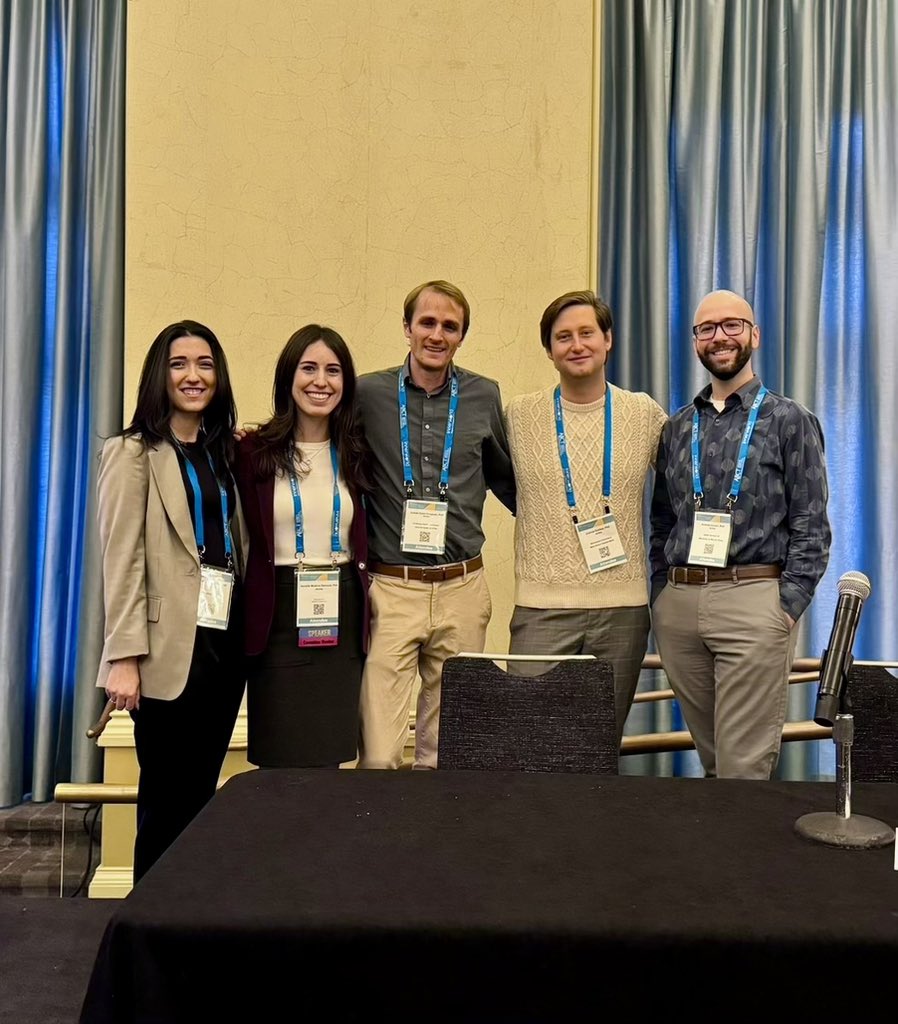
Thanks for such a wonderful symposium :) Lots of fun with my BU teammates! #ABCT2024

Congrats to a wonderful symposium panel on enhancing CBT interventions for trauma @kathyshekhtman @dmoskowdiamond @josephkcarpent @psychonetrics @AndrewCurreri
1
2
18
2,274
Stephanie Noble (@sneuroble.bsky.social) retweeted

17 Nov 2024
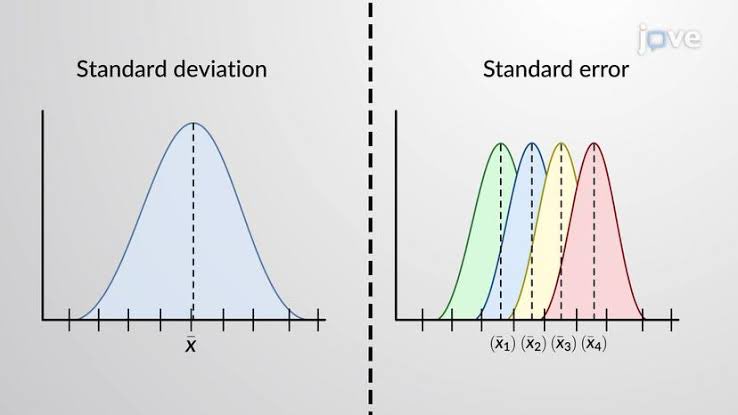
Understanding the difference between Standard Deviation (SD) and Standard Error (SE) is crucial for accurate data interpretation. SD measures the variability within your data, indicating how spread out the individual data points are from the mean.
In contrast, SE measures the uncertainty around the sample mean as an estimate of the population mean. It reflects the precision of the mean, with SE decreasing as the sample size increases, making your estimate more reliable.
The relationship between SD and SE is given by the formula: SE = SD / √(sample size). While SD remains relatively constant with larger samples, SE diminishes, highlighting the reduced uncertainty in the mean estimate.
A common mistake in research is using the “±” notation without specifying whether it refers to SD or SE, leading to potential misinterpretation of the data. Clear distinction is essential for transparency and accuracy in reporting.
Key Takeaways:
• Use SD to describe data variability.
• Use SE to indicate the precision of the mean.
• Always specify which measure you are reporting.
43
1,160
6,484
582,427
Seconded
6 Nov 2024

Universities *outside* the US about now should be working on 4-year positions and facilitating move abroad... With possibility of extension to 8 or 12 years...
I heard of something like that in Canada or Italy, no???
2
610
Stephanie Noble (@sneuroble.bsky.social) retweeted

6 Nov 2024
Universities *outside* the US about now should be working on 4-year positions and facilitating move abroad... With possibility of extension to 8 or 12 years...
I heard of something like that in Canada or Italy, no???
4
2
49
12,800
Stephanie Noble (@sneuroble.bsky.social) retweeted

2 Nov 2024
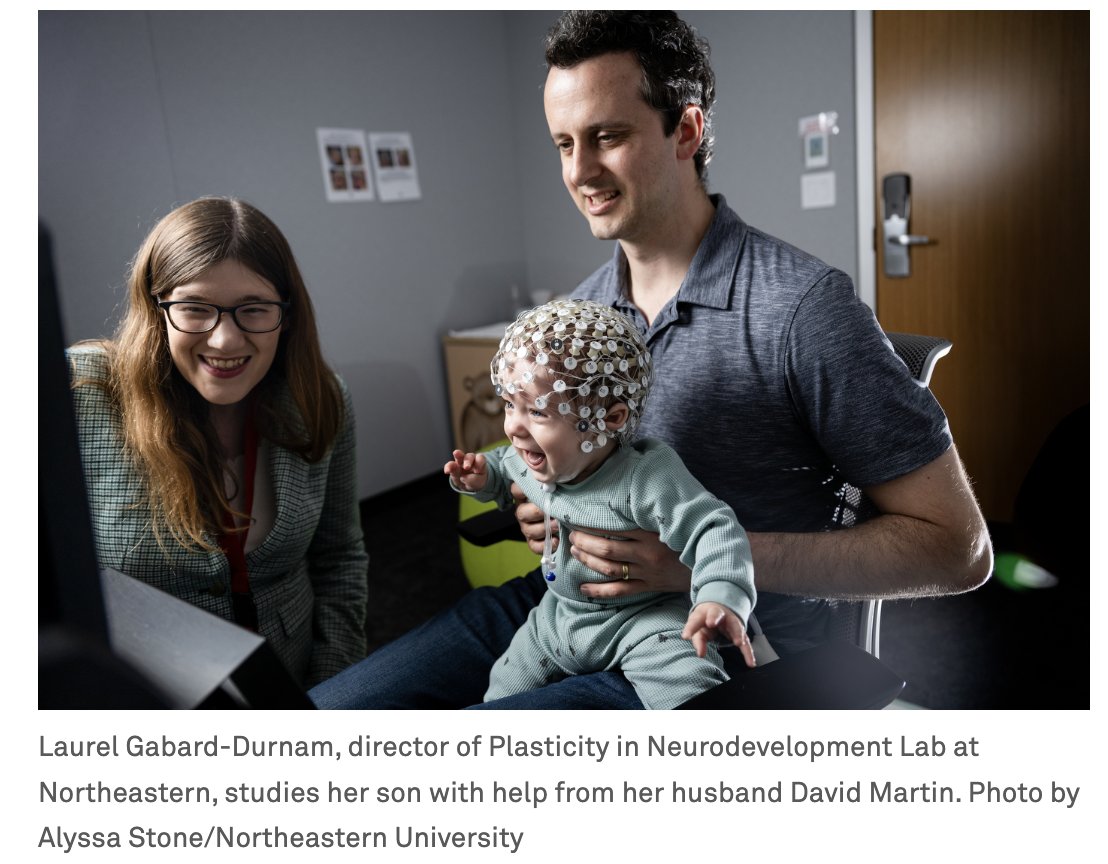
Proud mama moment! Look at my little guy loving brain science with the assist from my wonderful husband!
4
2
179
6,605
💯💯💯
To those applying to PhD programs, this is great advice for contacing potential PIs—take note!
4
616
Stephanie Noble (@sneuroble.bsky.social) retweeted

29 Oct 2024
Another @UCLA faculty position! Assistant Professor (Measurement Issues in Complex Data Structures) recruit.apo.ucla.edu/JPF0988… 👇🏾
9
21
3,591
Stephanie Noble (@sneuroble.bsky.social) retweeted

🚨Call for Submissions: Special Issue on Open Datasets
📷Aperture Neuro, in collaboration with OHBM's Open Science SIG, invites submissions on open datasets in neuroscience.
📷Deadline: 28 February 2025🗓️
apertureneuro.org/pages/731-…
1
6
11
3,032
Stephanie Noble (@sneuroble.bsky.social) retweeted

24 Oct 2024
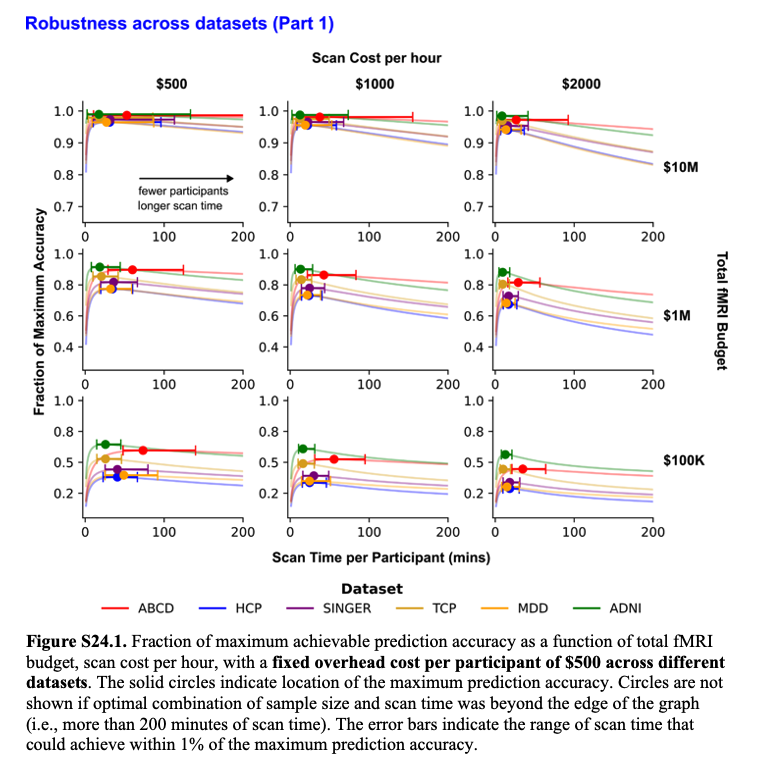
Here's a preliminary release of our calculator to explore sample size and scan time to maximize individual-level prediction accuracy: leonoqr.github.io/ORSP_Calcu…
Let us know if anything is unclear or if there's bugs. Your feedback is welcome. If you find this calculator helpful for your grant application, etc, please also let us know!
23 Sep 2024

Super excited about our revised study! 4 more datasets showing robustness across fMRI sequences, racial groups, disorders, lifespan, phenotypic domains & resting/task FC: doi.org/10.1101/2024.02.16.5…
@Leon_Oo1 @ZShaoshi @csabaorban broke the lab's record with a 76-page response!
3
66
164
40,457
A deep empirical dive into the limits of generalizability led by Brendan Adkinson and @DScheinost ⭐️
21 Oct 2024

Can neuroimaging predictive models survive across diverse real-world data?🧠🌎We put models to the test across 3 large-scale unharmonized datasets with over 2,800 participants. See our new work in this special issue of Developmental Cognitive Neuroscience: sciencedirect.com/science/ar…
5
737
Thanks @ajdneuro 😊
This was such a fun conversation with Andy, ranging from reliability to study planning to anti/localizationism and beyond. Exciting to be part of this latest incarnation of Andy’s Brain Blog!
4
9
2,015
Stephanie Noble (@sneuroble.bsky.social) retweeted

16 Oct 2024
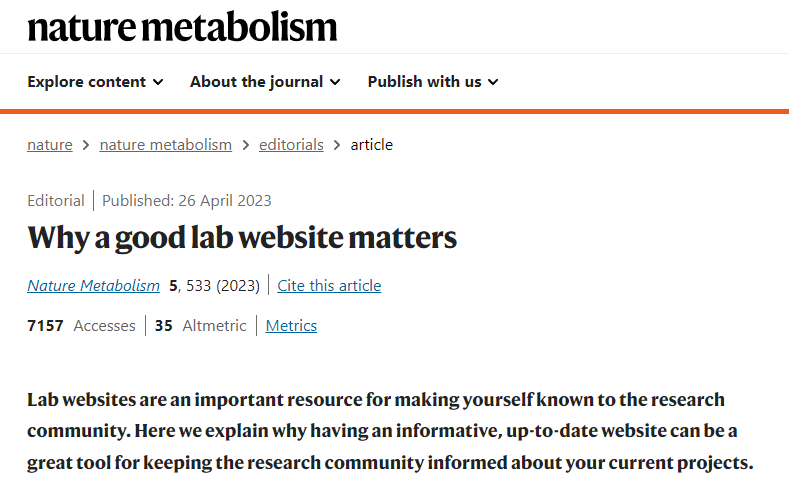
Repeat after me: LAB WEBSITES MATTER!
While it may seem like a nice-to-have... in today's world, it's a need-to-have. For you, your trainees, and your prospective team members.
I couldn't have written this better myself: nature.com/articles/s42255-0…
21
352
1,933
210,360
Very cool—congrats @AnaM_Triana and @eglerean !!
2
415
Stephanie Noble (@sneuroble.bsky.social) retweeted

9 Oct 2024
University of Michigan has an open assistant professor position in Complex Systems. Amazing opportunity to do join an interdisciplinary community of faculty and students. Looking for discipline thinkers who transcend disciplines. lsa.umich.edu/cscs/news-even…
3
63
163
25,962
Anyone else a bit obsessed with playing FoldIt in the late 2000’s, & remember when this came out?
nature.com/articles/nature09…
This past decade has such an exciting success story for DL in protein folding
9 Oct 2024

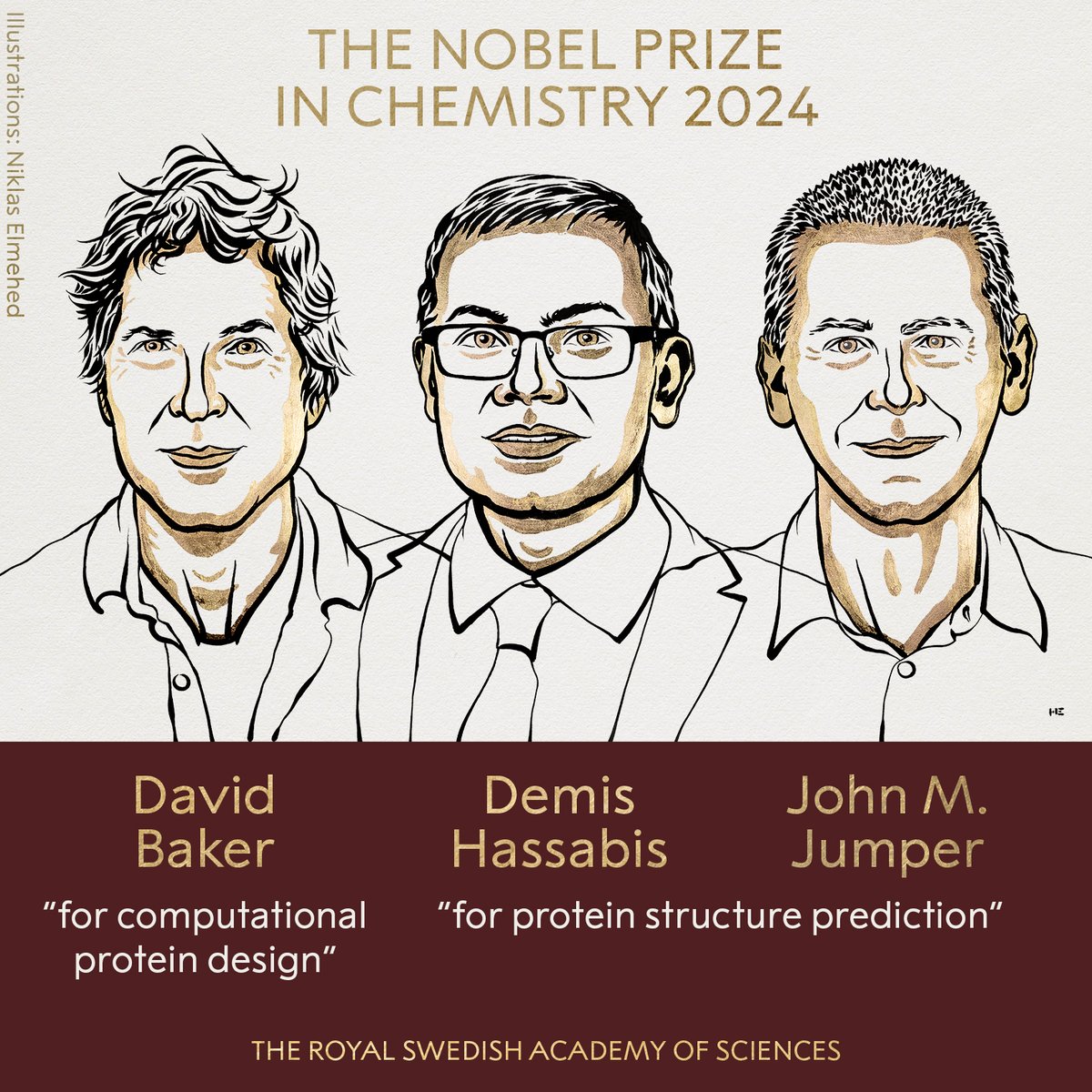
BREAKING NEWS
The Royal Swedish Academy of Sciences has decided to award the 2024 #NobelPrize in Chemistry with one half to David Baker “for computational protein design” and the other half jointly to Demis Hassabis and John M. Jumper “for protein structure prediction.”
1
2
527
As with everything in science, these successes are built on the shoulders of a community of pioneers in crystallography and structure estimation (shout out to my bachelor’s thesis advisor Clarence Schutt!)
133
Stephanie Noble (@sneuroble.bsky.social) retweeted

7 Oct 2024
What are mechanisms in neuroscience? How can we support clarity & progress? 🧠📕🖊️
Article in @_TheTransmitter w @DaniSBassett & Ross with comments from John Krakauer @blamlab @LucinaUddin Arnsten @DesrochersLab @aa_fenton @kaczkurkin @ar0mcintosh @PessoaBrain & @mike_yassa !
7 Oct 2024

Lauren Ross @ProfLaurenRoss and @DaniSBassett outline the different ways neuroscientists use the term mechanism, and they gather insight from nine scientists on how this variety makes it difficult to clarify standards in the field.
thetransmitter.org/the-big-p…
2
27
77
21,396