
Joined March 2012
- Tweets 1,304
- Following 548
- Followers 5,296
- Likes 72
380 Photos and videos
Pinned Tweet

19 Nov 2024
The scientific community is buzzing on Bluesky 🦋 You can now also follow us there: saezlab.bsky.social
2
5
1,919
May 22
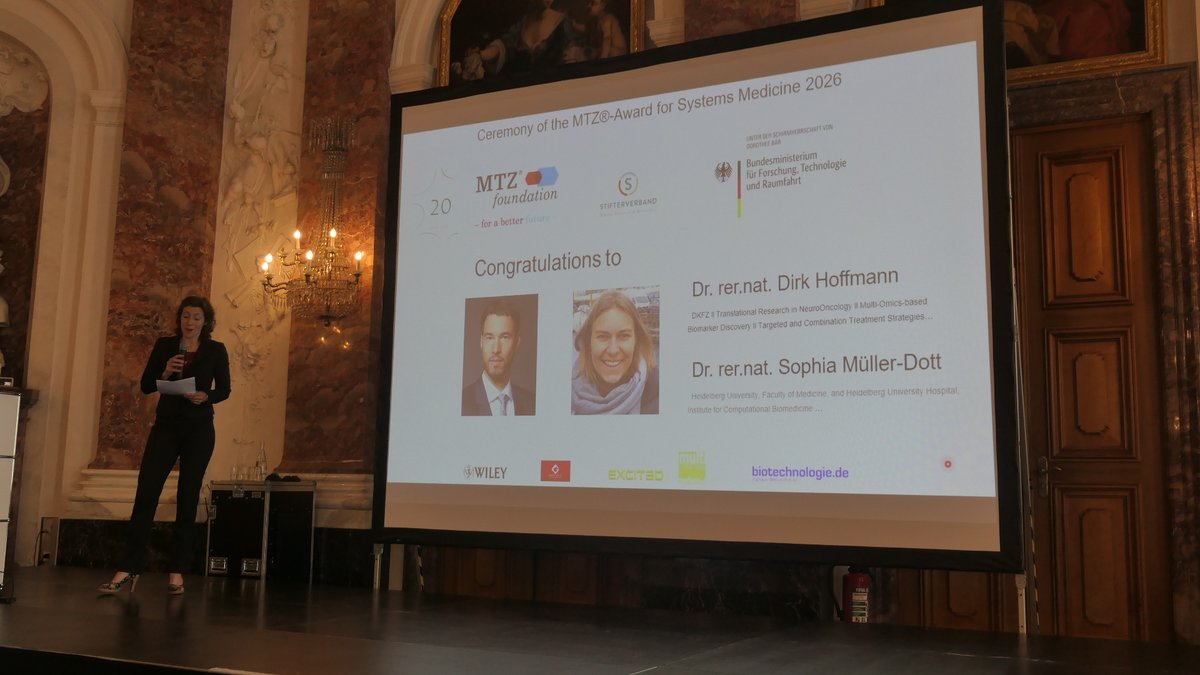
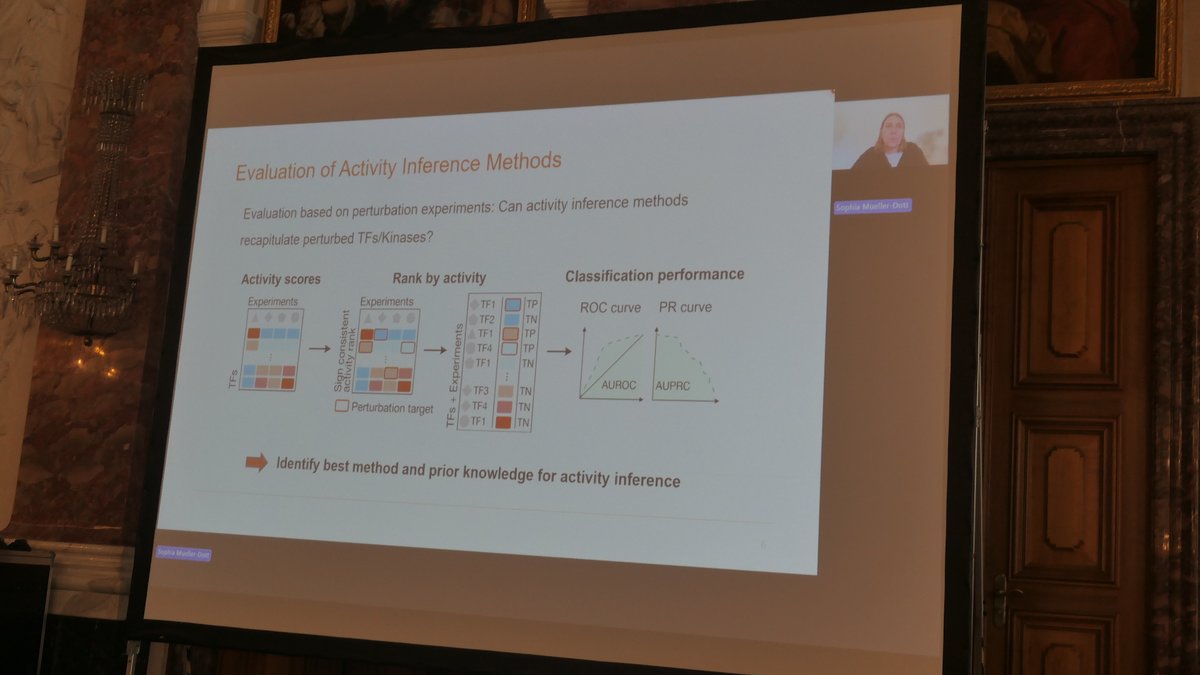
Our alumna Sophia Müller-Dott was honored with the MTZ Award for Systems Medicine for her PhD work. Congratulations, @sophia_mullerd ! 🎉 A special thanks to Monika and Thomas Zimmermann from the @MTZfoundation for their enduring support of Systems Medicine. 🙌
5
413
May 13
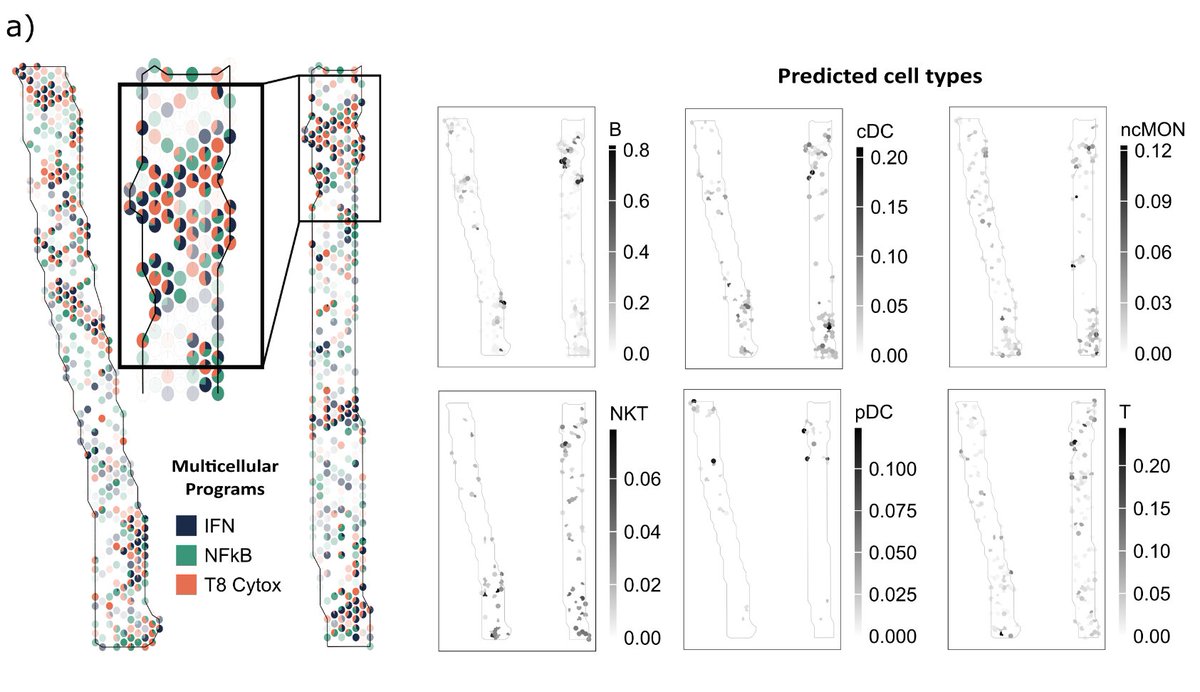
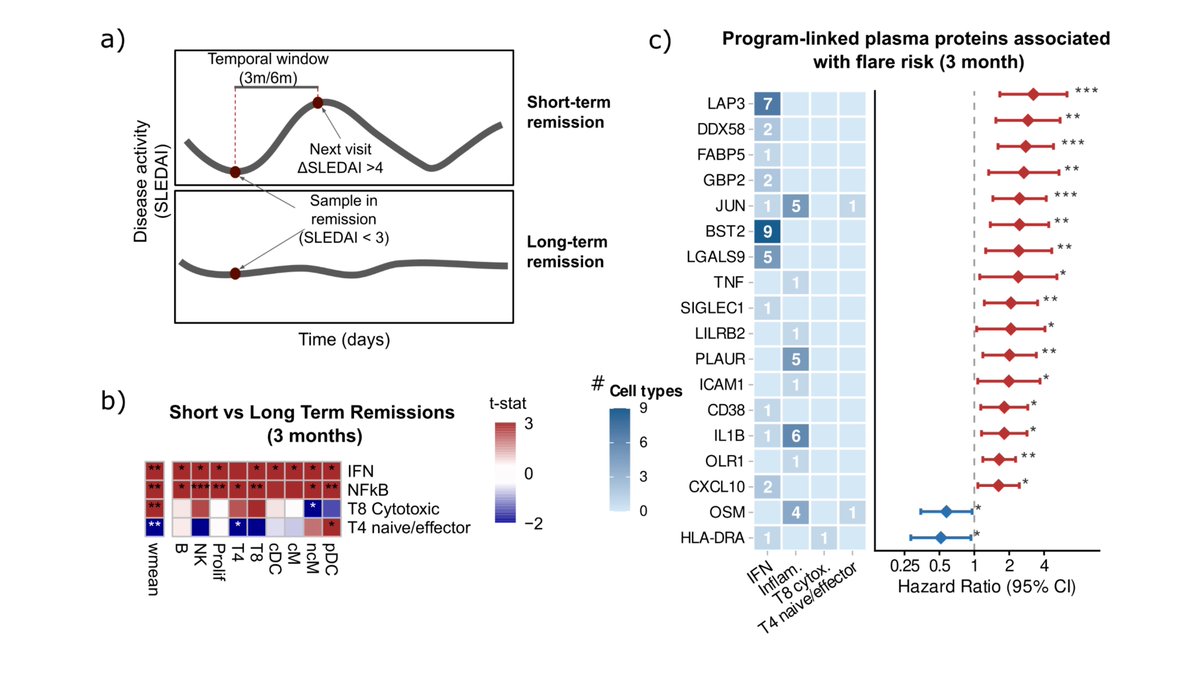
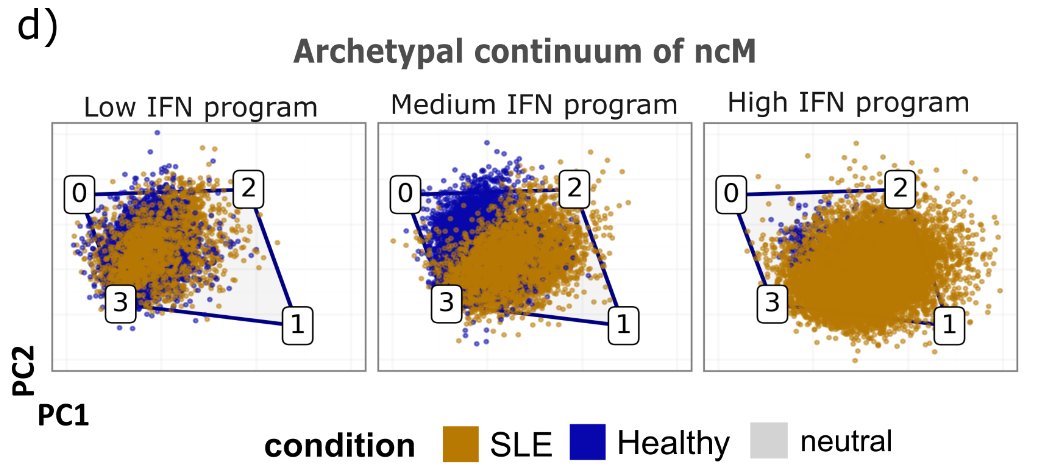
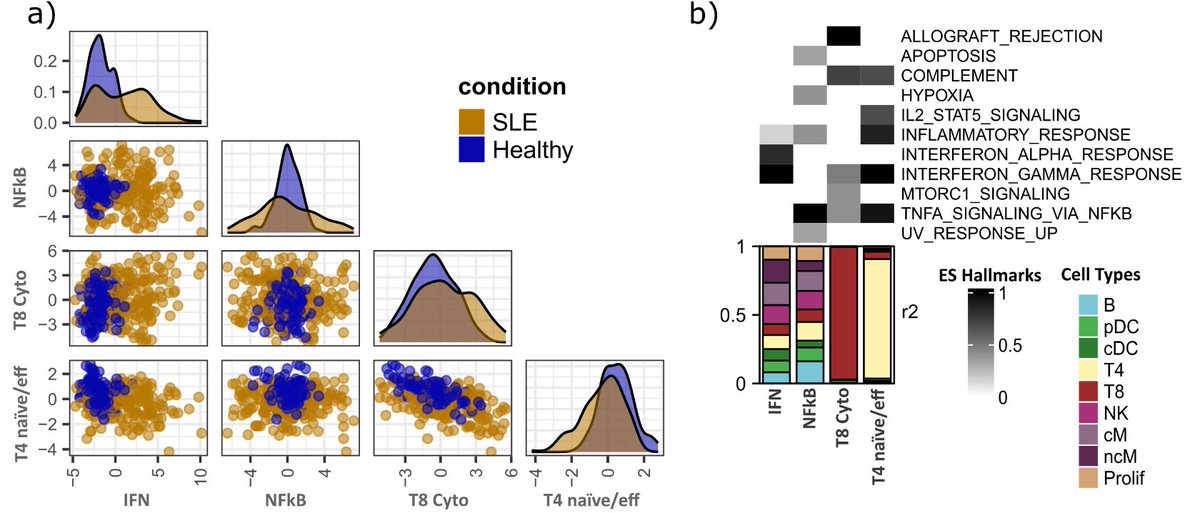
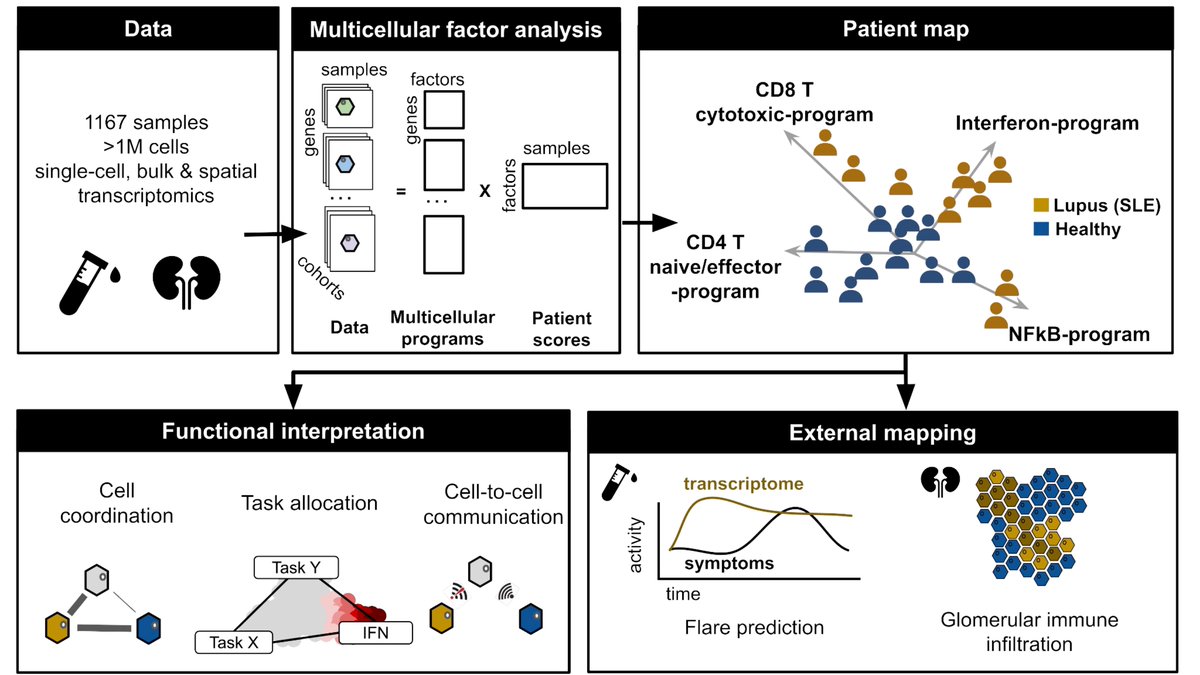
1/🧵New preprint! We built a patient-level map of systemic lupus erythematosus using single-cell blood transcriptomics, linking multicellular immune coordination to patient heterogeneity, future disease activity, and potential tissue pathology.
➡️ doi.org/10.64898/2026.04.28.…
1
8
22
1,832
May 13
Together, this links systemic immune programs measured in blood to local tissue pathology in lupus nephritis.
We see our patient map as a reference where SLE or other autoimmune cohorts can be analyzed.
GitHub: github.com/saezlab/metalupus…
1
114
May 13
Led by José Linares Blanco, supervision from @JulioSaezRod and @roramirezf94, contributions from @psl_schaefer, Leoni Zimmermann, Ricardo Melo Ferreira, Daniel Toro Dominguez, @pcarmonasaez, @tanevski, Marta E. Alarcon Riquelme and Michael T. Eadon.
147
Apr 29
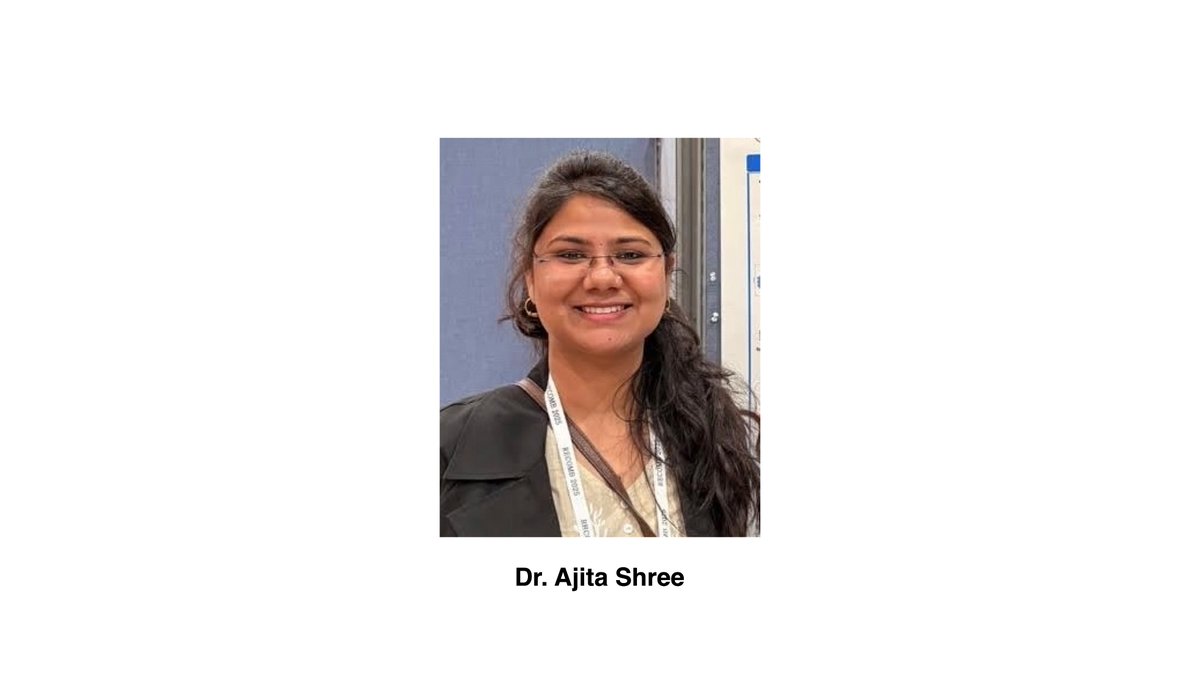
This month we welcome Ajita Shree as a postdoctoral researcher, who will be working on computational methods for cell–cell communication🎉. Ajita has a background in developing deep generative models for single-cell & spatial transcriptomics.
2
431
Apr 29
Great to see how Tunca Doğan's team, our collaborators at Hacettepe University, used OmniPath software for building CROssBARv2 and grateful for their contributions to OmniPath development.
See details below 👇
Apr 17

🚀 Exciting news! Our project, CROssBARv2, is now live as an online tool and its article (preprint)!
We've built a unified AI-powered platform that brings together the fragmented world of biomedical data — and lets you talk to it in plain English.
Here's the story 👇
The problem, in plain terms: Imagine being a detective, but your clues are scattered across 34 different filing cabinets, written in different languages, with no index. That's what biomedical researchers face every day — genes in one database, drugs in another, diseases somewhere else. Connecting the dots is slow & painful without serious programming skills.
CROssBARv2 is our answer to this. 🧬💊🔬
What did we build?
CROssBARv2 is a biomedical Knowledge Graph (KG) — think of it as a giant, intelligent map of biology. We integrated data from 34 well-established databases into a single, structured, and searchable system:
🔵 ~2.7 million nodes (proteins, genes, drugs, diseases, pathways, side effects, & more)
🔗 ~12.6 million edges (biomedical relationships)
🧠 14 node & 51 edge types
🏷️ Rich metadata
Now the exciting part 🤖 — meet CROssBAR-LLM
Large Language Models (LLMs) like ChatGPT or Gemini are brilliant at conversation — but they hallucinate. They confidently tell you things that sound right but aren't. In biomedicine, that's dangerous.
Our solution: ground the LLM in the knowledge graph.
CROssBAR-LLM lets you ask complex biomedical questions in plain English, like:
"What proteins are encoded by genes regulated by NFKB1, participate in the Endocytosis pathway, and are targeted by drugs used to treat diseases comorbid with osteoporosis?"
CROssBAR-LLM tutorial: youtu.be/FjuoKAmzjNM
What happens under the hood:
🗣️ Your natural language question is translated into a formal DB query
⚡ The query runs on the CROssBARv2 KG in real time
📊 Structured, verified results are retrieved
💬 The LLM turns results into a clear, readable answer
No hallucinations. Every answer is traceable back to real data
How does it compare to just directly asking LLMs on a biomedical Q&A benchmark?
GPT/Claude/Gemini: ~50-65%
CROssBAR-LLM (w/ Gemini 1.5 Pro): 98% accuracy 🎯
CROssBAR-LLM (w/ GPT-4o): 97% accuracy 🎯
Everything is open and accessible 🔓
🌐 Web platform: crossbarv2.hubiodatalab.com/
📡 GraphQL API
🖥️ Neo4j Browser for visualisation
📂 Full data on Hugging Face & Google Drive
💻 All code on GitHub
No paywall. No programming required. Just ask your question!
Huge thanks to the team!
Bünyamin Şen, Erva Ulusoy @ervaulusy , Melih Darcan, Mert Ergun, Sebastian Lobentanzer, Ahmet S. Rifaioğlu @ahmet_rifaioglu , Dénes Türei, Julio Saez Rodriguez @JulioSaezRod , and me, in collaboration with Saez Lab @saezlab
spanning Hacettepe University @Hacettepe1967 , Heidelberg University @HeidelbergU , Helmholtz Munich @HelmholtzMunich , and European Bioinformatics Institute | EMBL-EBI @emblebi
📄 Read the preprint: biorxiv.org/content/10.64898…
⚙️Try the tool: crossbarv2.hubiodatalab.com/…
***Please repost!***
#AI #LLM #ML #Bioinformatics #KnowledgeGraph #DrugDiscovery #Biomedicine #OpenScience
2
7
1,093
Mar 17
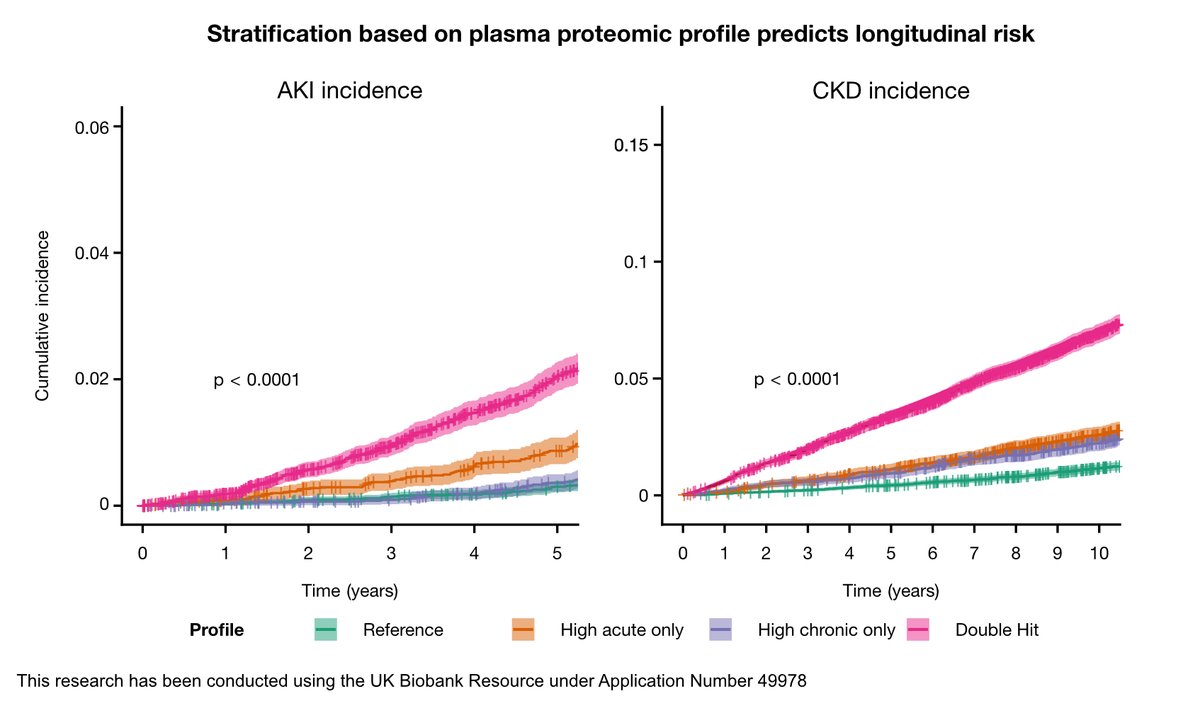
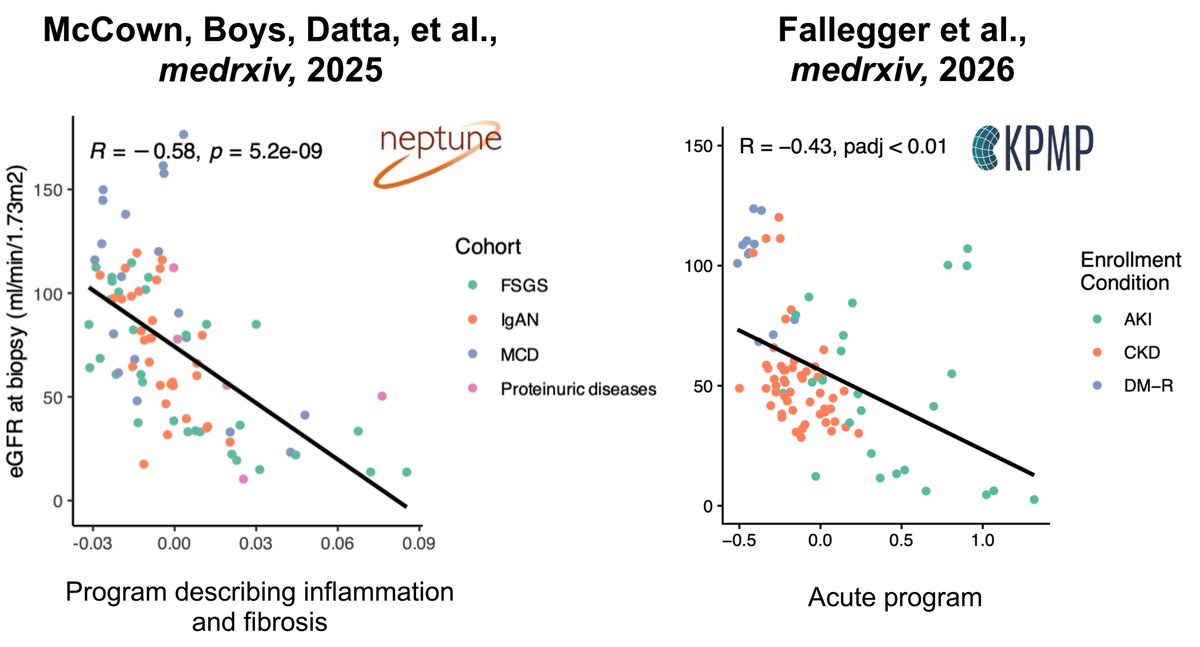
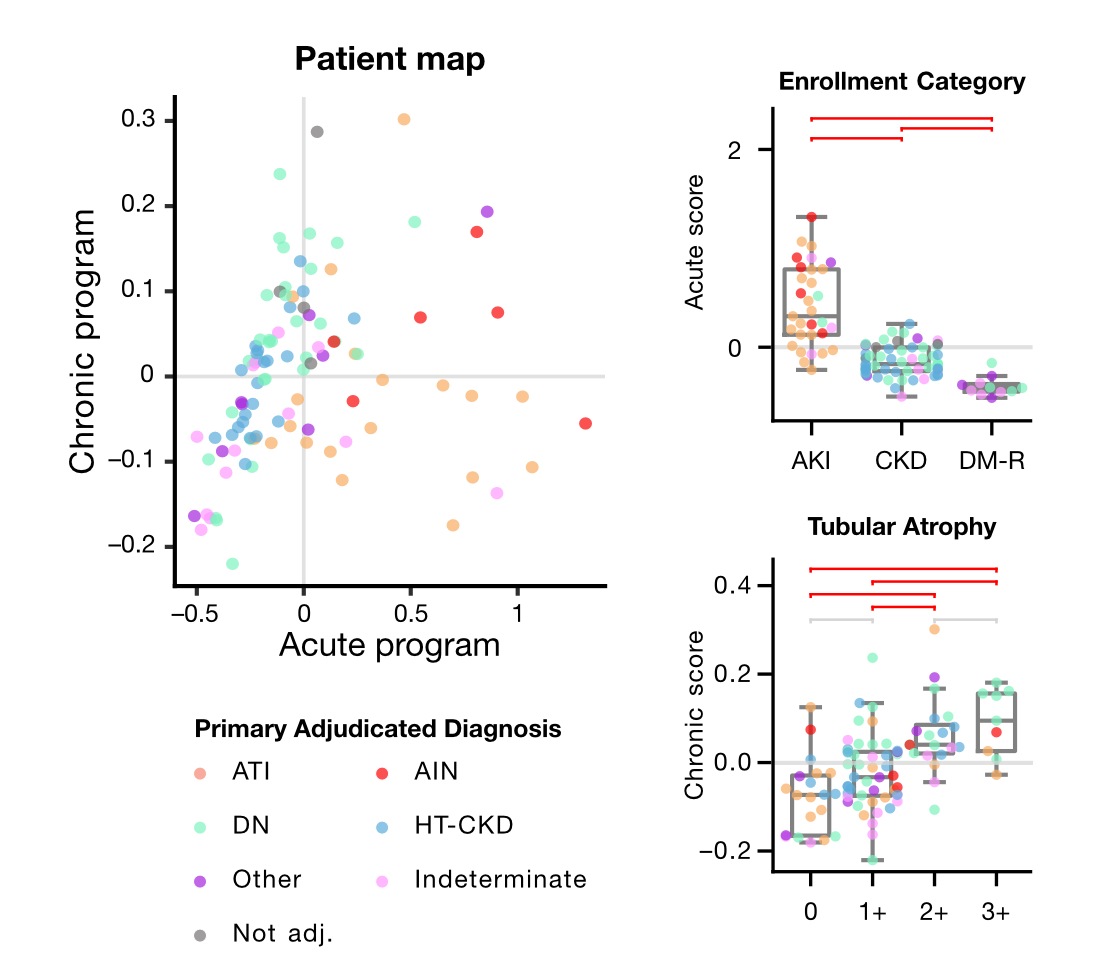
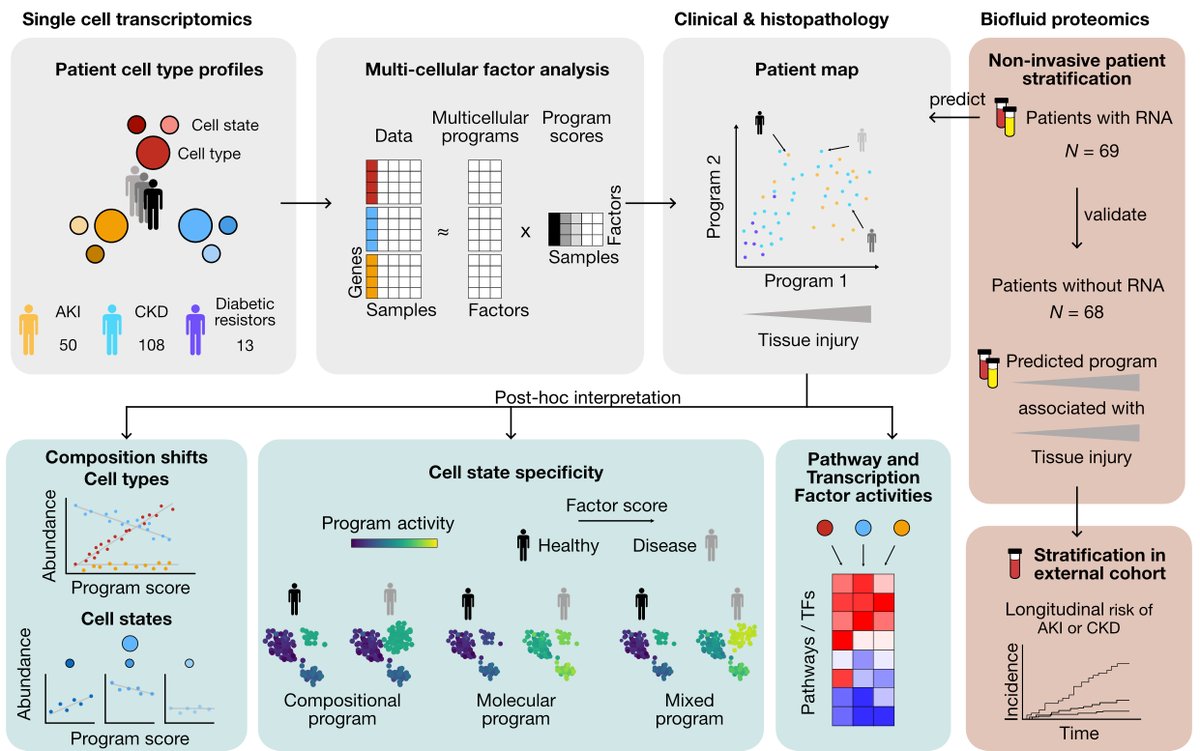
What does single-cell transcriptomics reveal about individual patients with acute (AKI) and chronic (CKD) kidney 🫘 disease? Can we use it to find new biomarkers? In our new preprint, we asked this using biopsies from 150 participants from the Kidney Precision Medicine Project.
1
8
40
2,752
Mar 17
A step toward molecularly grounded, precision assessment of kidney injury and the possibility of non-invasive tracking of tissue damage using blood and urine biomarkers.
1
113
Mar 17
This work was led by Robin Fallegger and Sergio A. Gomez-Ochoa, supervised by @JulioSaezRod with Matthias Kretzler and Michael T Eadon. Thanks to all involved, including Charlotte Boys, @roramirezf94, @tanevski, and many more. We thank all funders and patient participants!
141
Mar 12
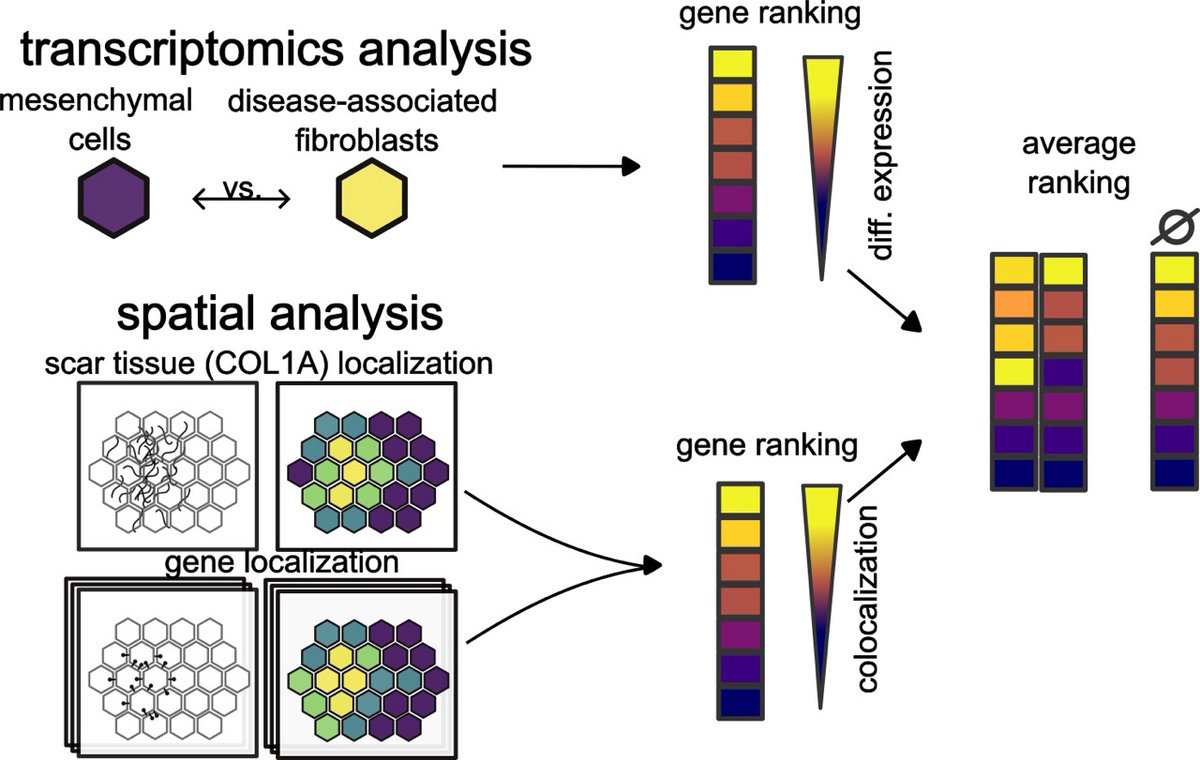
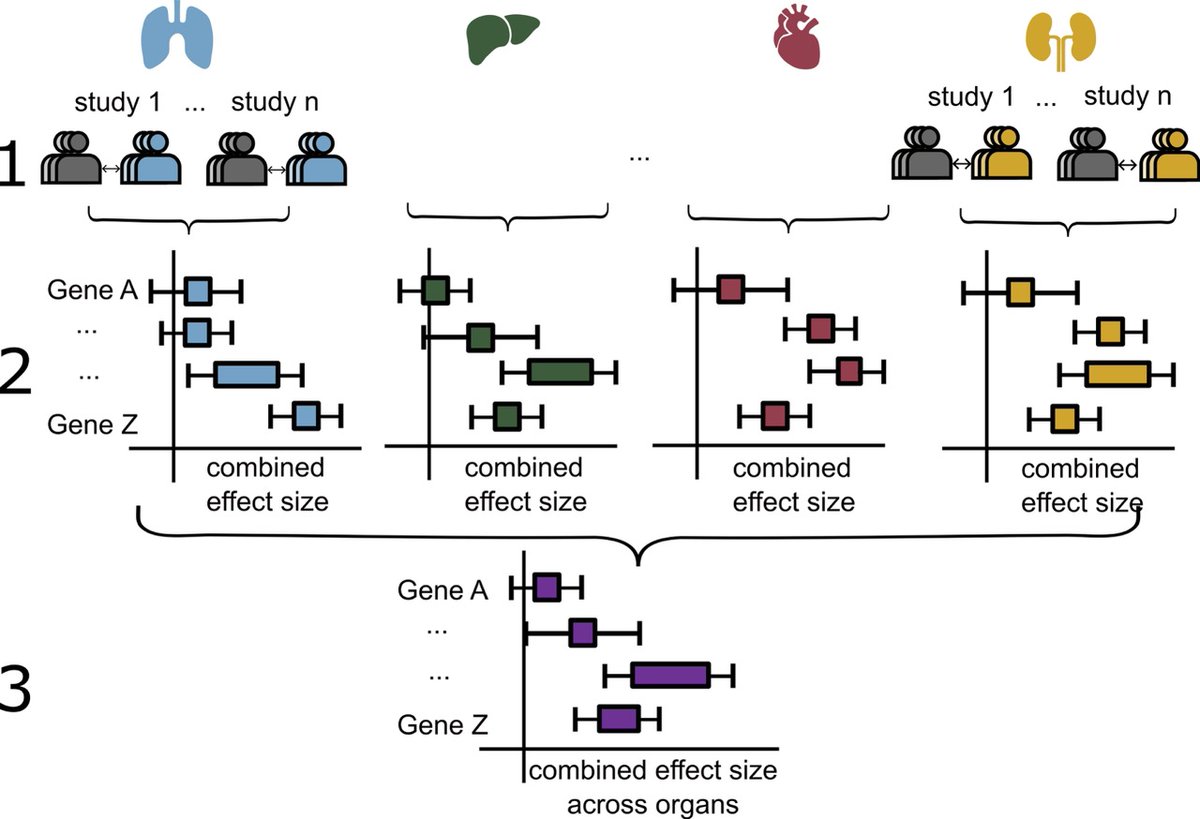
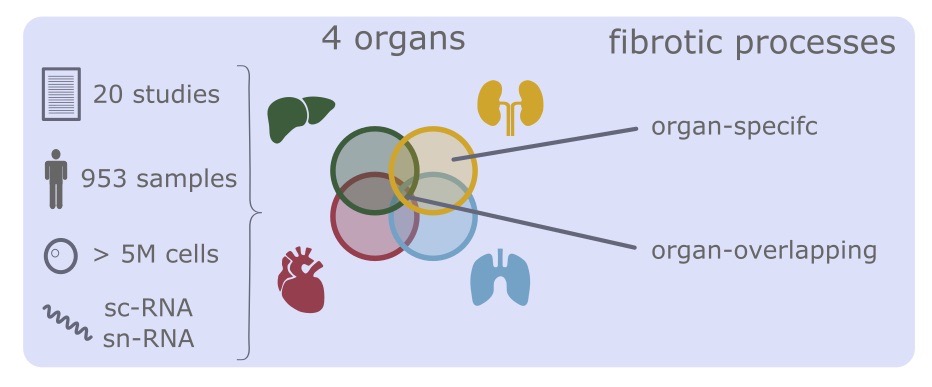
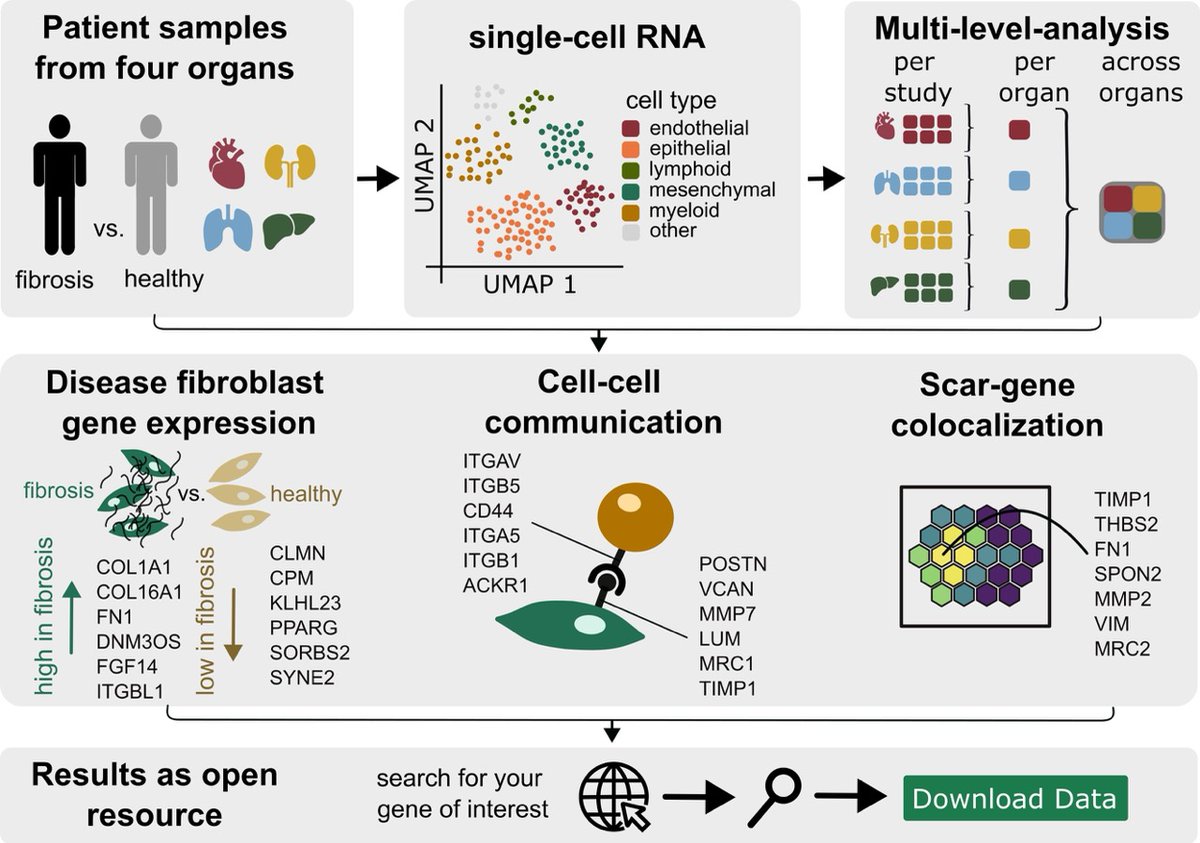
🧵 See 👇 our new preprint on shared and organ-specific gene expression programs of fibrotic diseases 🧬
📄 Paper: doi.org/10.64898/2026.03.09.…
📊 Explore the data: organfibrosis.saezlab.org/
1
19
74
5,351
Mar 12
We further combine single-cell data with spatial transcriptomics to identify spatially constrained fibrotic cell signalling events shared across organs. All results are published as an open resource to support further discovery: organfibrosis.saezlab.org/
1
1
147
Mar 12
This study was led by @l_kuechenhoff, with supervision by @JulioSaezRod and @roramirezf94 & contributions from Gahyun Kim, @JanLanzer, and Matthias Kretzler.
We greatfully acknowledge funding from the German Federal Ministry of Research, Technology, and Space (@bmftr_bund)
1
155