A Yugoslav. Publishing on the economics of transformation in times of social collapse. Postdoc @ICTA_UAB.
Joined August 2013
- Tweets 5,619
- Following 656
- Followers 4,092
- Likes 3,526
941 Photos and videos



Aleksandar Matković retweeted

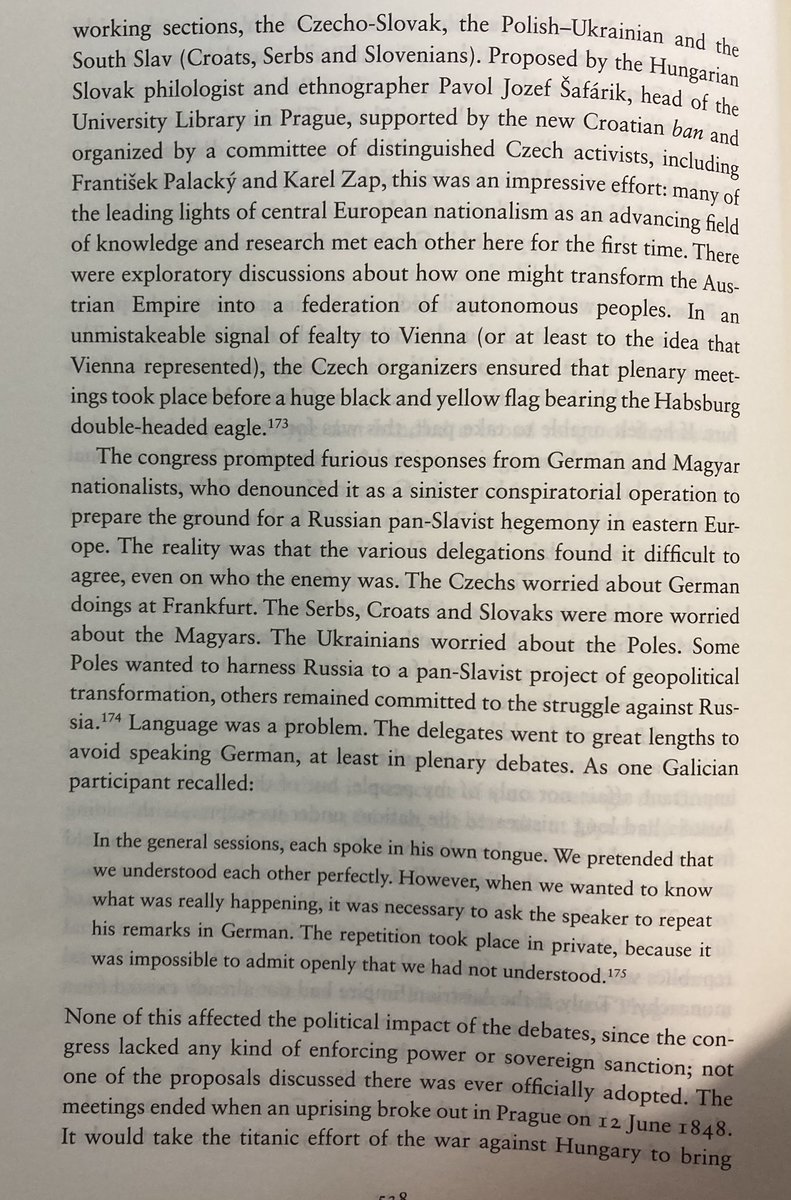
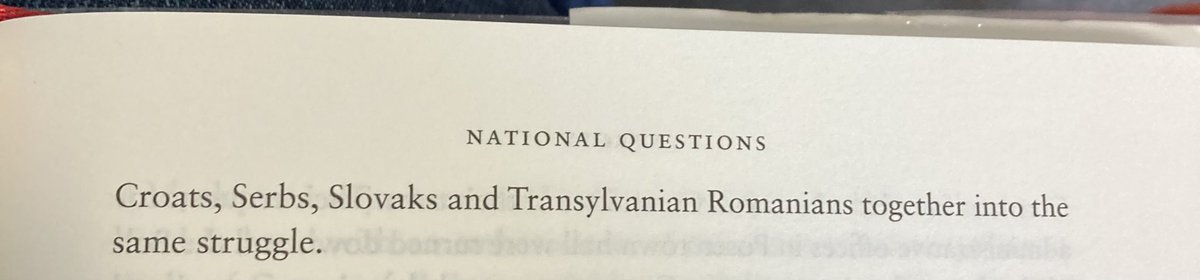
The Slavic Congress of 1848 was one of the most Slavic events to ever happen. They met, pretended to understand each other’s languages as mutually intelligible, secretly repeated each stipulation in German in private, agreed on absolutely nothing.

57
682
7,802
169,215
Aleksandar Matković retweeted

Jun 11
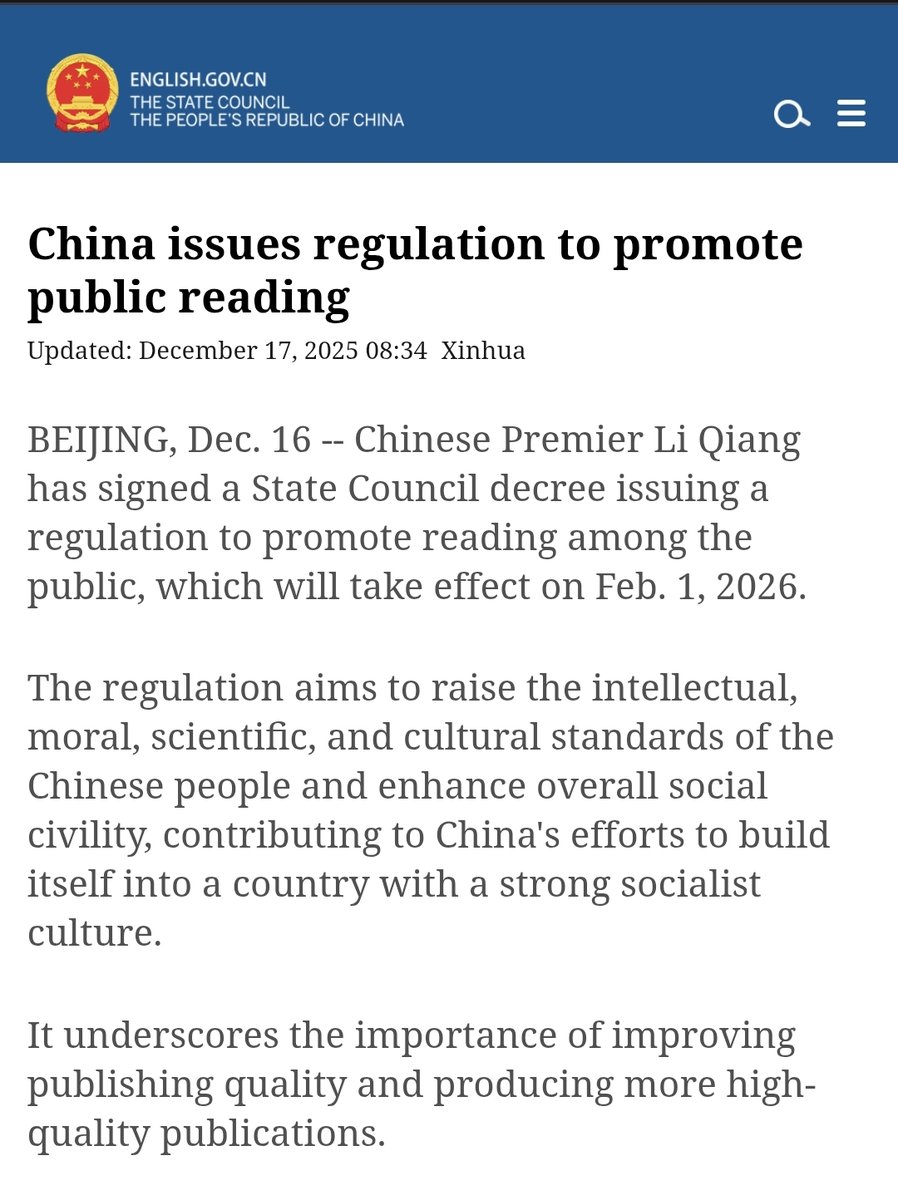
El país que más invierte en inteligencia artificial del planeta acaba de sancionar una ley nacional para obligar a sus ciudades a abrir bibliotecas y volver a los libros de papel.
China era el candidato perfecto para enterrar el papel: pone más de cien mil millones de dólares al año en inteligencia artificial y es de los que más la incluyen en los currículos educativos. Si algún país iba a declarar que el libro ya no hace falta, que para eso está la máquina, era este.
Sin embargo, hizo exactamente lo contrario: en vez de mandar todo a la pantalla, está promoviendo el libro por ley. Desde el primero de febrero, rige una norma que obliga a cada gobierno local a poner dinero en bibliotecas, abrir espacios de lectura hasta en las zonas rurales y sostener una Semana Nacional de la Lectura. Desde ahora, es obligación del Estado.
¿Por qué un país que ya tiene la mejor tecnología se molesta en legislar la lectura? Porque separaron para qué sirve cada cosa. La inteligencia artificial te sirve para producir, competir, ir rápido: es la herramienta.
El libro te entrena en lo que ninguna máquina te da: atención sostenida y criterio propio. Es la cabeza la que después decide qué hacer con esa herramienta. Como lo resume uno de sus investigadores: solo a través de la lectura se llega a un pensamiento profundo e independiente.
El premier Li Qiang lo decretó dentro del mismo plan quinquenal donde está su apuesta de inteligencia artificial. Las dos cosas son estratégicas y van de la mano.
Mientras tanto, Estados Unidos hace el camino inverso: batió su récord de libros sacados de las escuelas (casi veintitrés mil desde 2021) y sus chicos sacaron las peores notas de lectura en más de veinte años, con cuatro de cada diez de cuarto grado que no llegan ni al nivel básico.
La inteligencia artificial la va a tener todo el mundo. La cabeza para saber qué hacer con ella, no. Usala para pensar CON vos y no POR vos.
141
1,823
4,704
301,815
Aleksandar Matković retweeted

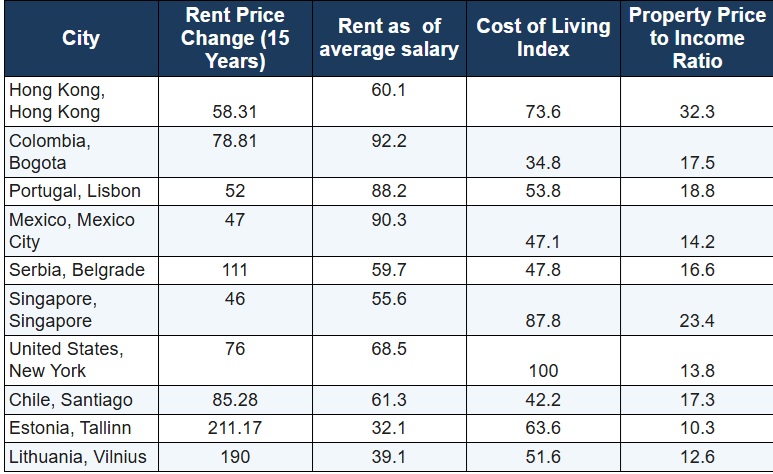
According to @tradetaurex, Belgrade is is among the world’s most expensive cities for its own residents.
The Serbian capital ranks fifth on the list of the least affordable cities for locals.
11
89
398
39,110

Dali's interesting interview for a Yugoslav television, in which he states that he praises Tito.
Jun 9

😄Salvador Dali je svojevremeno pristao na petominutni intervju sa našom divnom i malo zatečenom novinarkom.
1
18
5,839
Aleksandar Matković retweeted

Jun 7
Crazy that this is getting barely any coverage. This year’s European Press Prize was just awarded to an investigative report by the Dutch newspaper De Volkskrant. It is entitled “What the Wounds Tell” and in it the journalists Maud Effting and Willem Feenstra document the cases of 114 children in Gaza under the age of 15 who were struck by a single bullet to the head or chest. Almost all of them died or were left severely disabled. They chose to document only the cases of boys and girls under the age of 15 (though often much younger: aged 3, 4 or 7) because these are children who can be immediately identified as such. “A single bullet in these parts of the body is a clear indication that these children were deliberately targeted“, the two journalists write.
This is the article: volkskrant.nl/kijkverder/v/2…

493
24,294
48,120
1,441,287
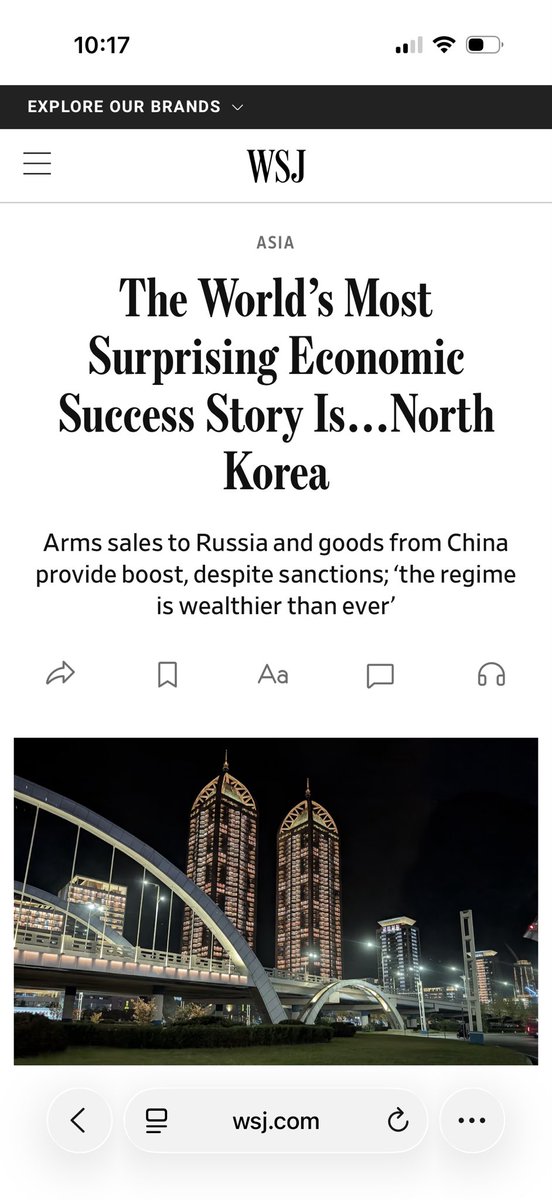
"Pyongyang built more housing last year than LA" - not that I think that more houses=always good (the Serbian construction market boomed after 2008 but many apartments were left empty because real-estate functioned as a storage of value)... but this stuck with me.
Jun 8

The two best statistics in the WSJ’s genuinely great article on North Korea’s economic boom:
Pyongyang built more housing last year than LA. (Says something about CA housing dysfunction).
North Korea assembled more cellphones than the USA.
(Assuming the #s are true!)
3
431
ovo... plus Dačić koji u emisiji reklamira neki jastuk sa crkvenim motivima. Dakle SPC ovih dana dobija divlji PR i to neposredno nakon skandala sa policijom, usled raskopavanja Beograda, studentske kampanje, uletanje američkih investicija, izraelske fabrike dronova...
1
3
238
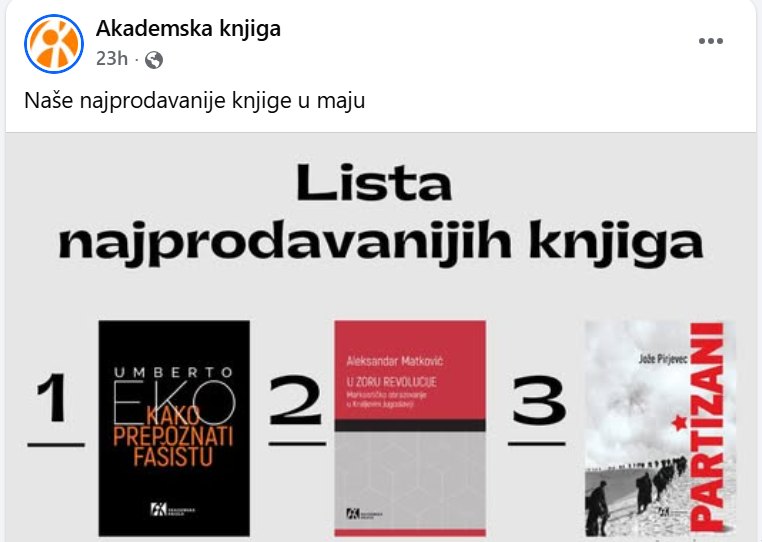
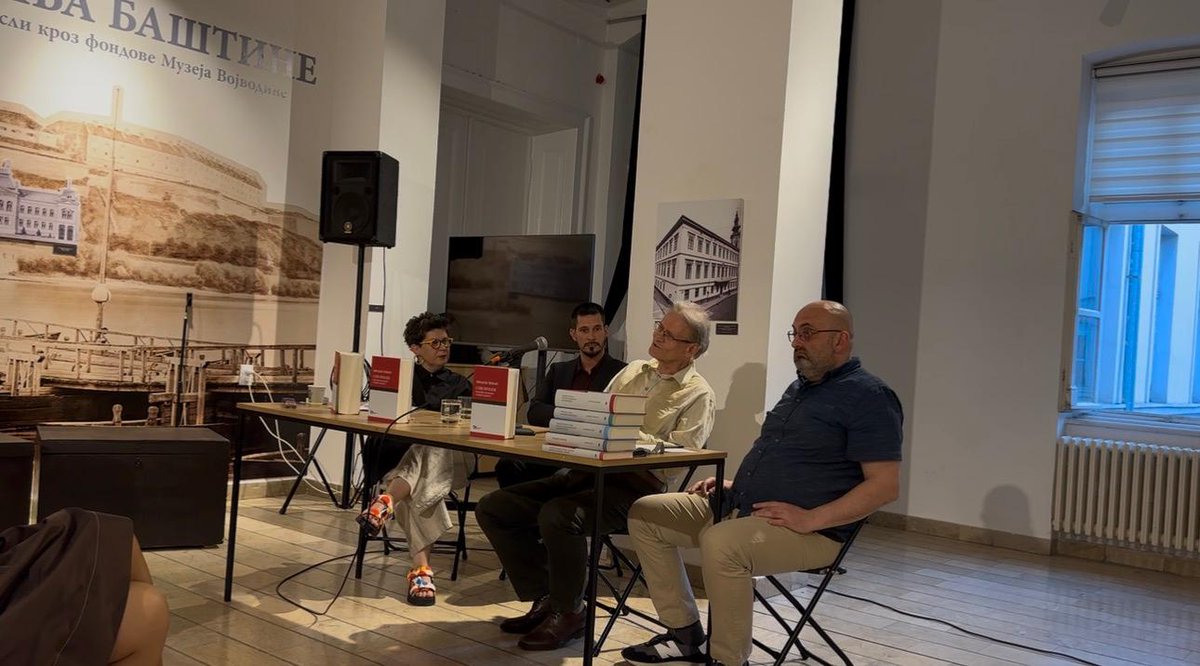
"U zoru revolucije: marksističko obrazovanje u Kraljevini Jugoslaviji" je uvršena među najprodavanije knjige Akademske knjige u maju, iako je prva promocija bila tek 26. maja.
2
34
5,429
am not a supporter of Edi Rama (nor any other current Balkans politician) in any way, but this description is spot on

🤣 Albanian PM Edi Rama on when Albania will join the EU:
“There are three things you can't predict: God, sex and the EU.”
Probably the most accurate description of EU enlargement ever.
1
6
774
Was just in the Archives of Yugoslavia this morning, and can confirm.
Jun 5

I spoke yesterday in Paris about how socialist policy can enable us to overcome social deprivation and ecological crisis, by aligning investment and production with democratically determined objectives.
I noticed that some people assume socialism necessarily means 100% public ownership, but this is not the case. Yes, for many important reasons, we need public ownership of public services, utilities and the commanding heights, and yes we need a public finance system, industrial policy and credit guidance...
But there's no reason we cannot have private firms producing consumer goods like watches, beer, etc - the key is that they should be democratically owned and managed, by workers or communities empowered to determine the objectives of investment and production.
We know that when people have democratic control over production they are more likely to align it with social and ecological needs.
Socialism is ultimately about economic democracy: extending the principle of democracy into the realm of production. Cooperatives are an important step in this direction.
3
275
mrzim što ga ljudi dele i pridaju mu na značaju, i mrzim da delim ovakve stvari - ali... ovo

5
207
Aleksandar Matković retweeted

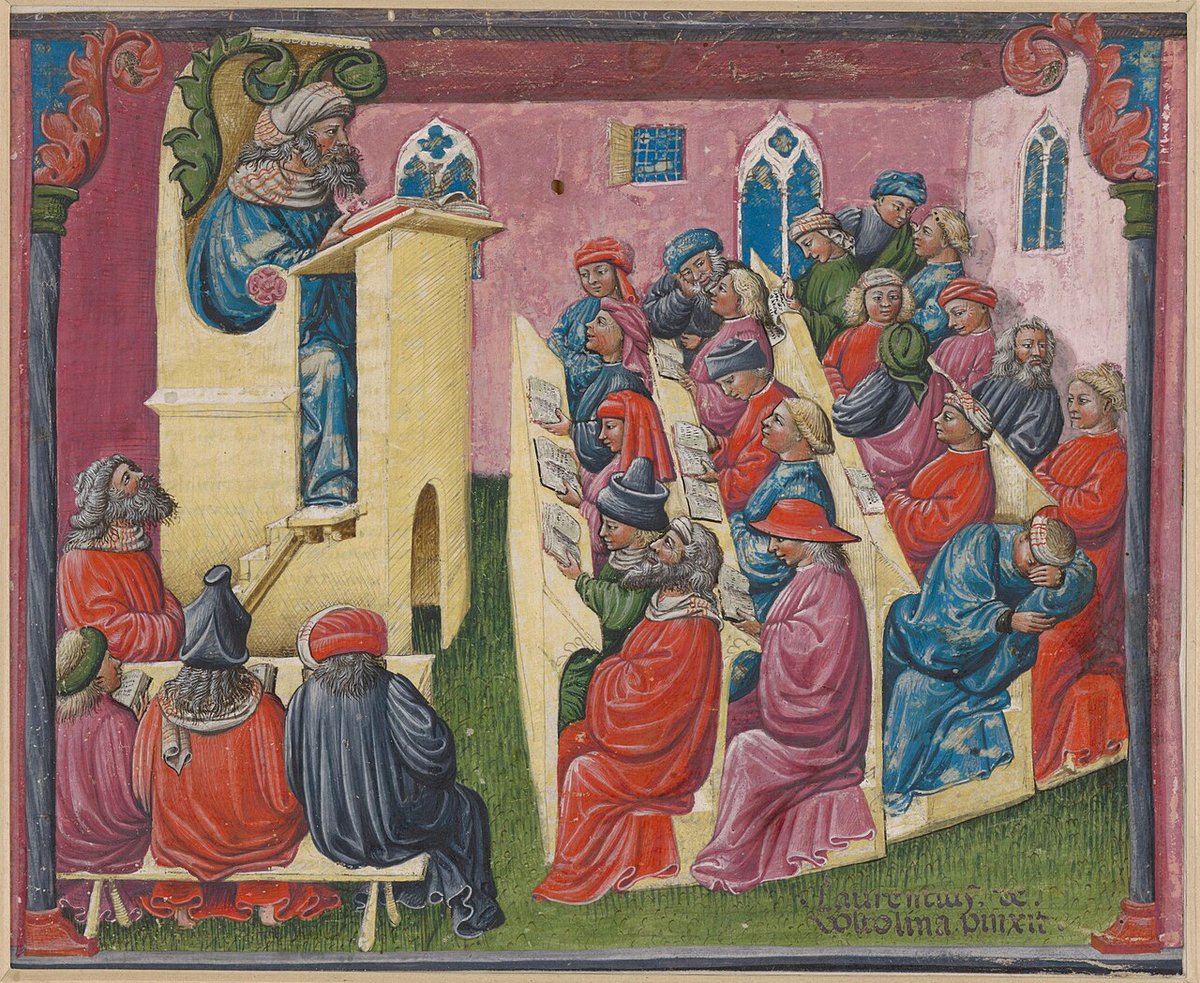
Kako nastaju i šta su srednjovekovni univerziteti?
1. Nastaju kao korporacije, nalik trgovačkim ili zanatskim gildama (namerno ne koristim turcizam "esnaf" - slično je, ali nije isto.)
2. Čije korporacije: studenata, kao što je slučaj sa Bolonjom; profesora, kako je bilo na Sorboni i Oksfordu.
3. Razlika između univerziteta i drugih gildi jeste široka autonomija univerziteta i privilegije koje druge gilde nemaju.
4. Tek na četvrtom mestu, kao karakteristika univerziteta dolazi standardizovani obrazovni kurikulum. Takav kurikulum imaju i druge institucije, npr. carigradski Pandidakterion. Međutim, to nije univerzitet jer nije autonomna gilda studenata/profesora, već naprosto visoka državna škola.
Dakle, šta jeste, a šta nije univerzitet ne određuje kvalitet obrazovanja, ili kurikulum, već unutrašnja organizacija.
Pošto se često piše kako je univerzitete osnivala crkva, treba ponovo naglasiti: prvi univerziteti nastaju iz postojećih škola, svetovnih (Bolonja), ili crkvenih (Sorbona), kao korporacije/gilde studenata (Bolonja), ili profesora (Sorbona, Oksford). Tek kasnije, pojedine univerzitete direktno osnivaju vladari (Napulj, Prag, Krakov) ili crkva (Luven), sa sličnim autonomijama i privilegijama, po uzoru na Bolonju, Sorbonu ili Oksford.
Eto, nadam se da je sad jasnije šta je univerzitet, a šta nije.
9
31
137
5,308
Aleksandar Matković retweeted

Yugoslavian actress Neda Arnerić, 1970s.

3
42
653
14,552
podseća me na ono kad te simpatija lajkuje na fejsbuku pa poludiš od sreće
Jun 2

Brnabić: Vučić u svetu ima veći uticaj nego što ga je imao Tito danas.rs/vesti/politika/brna…
1
257
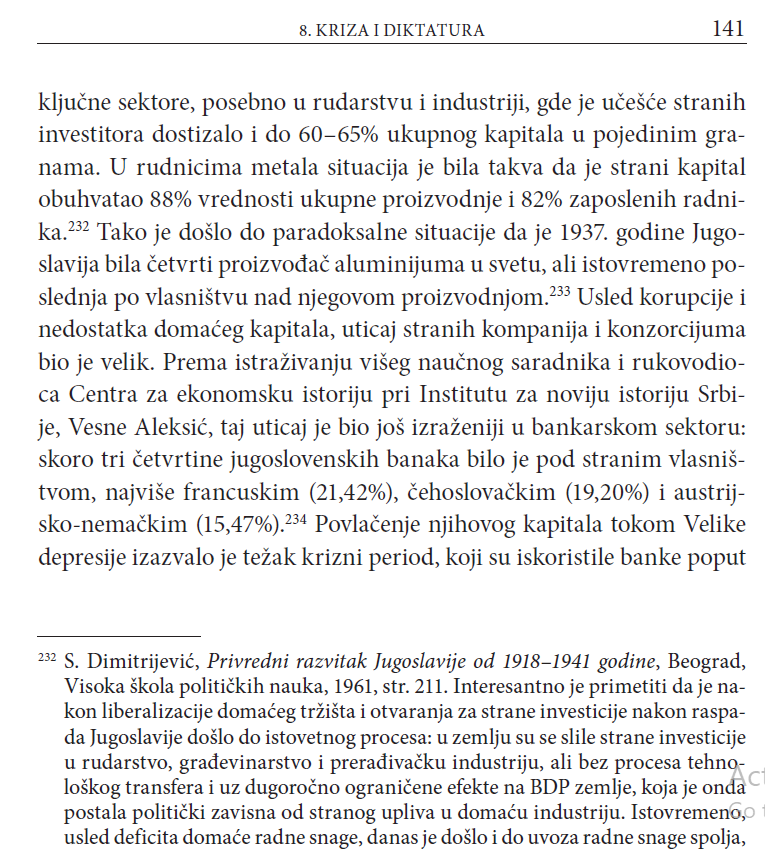
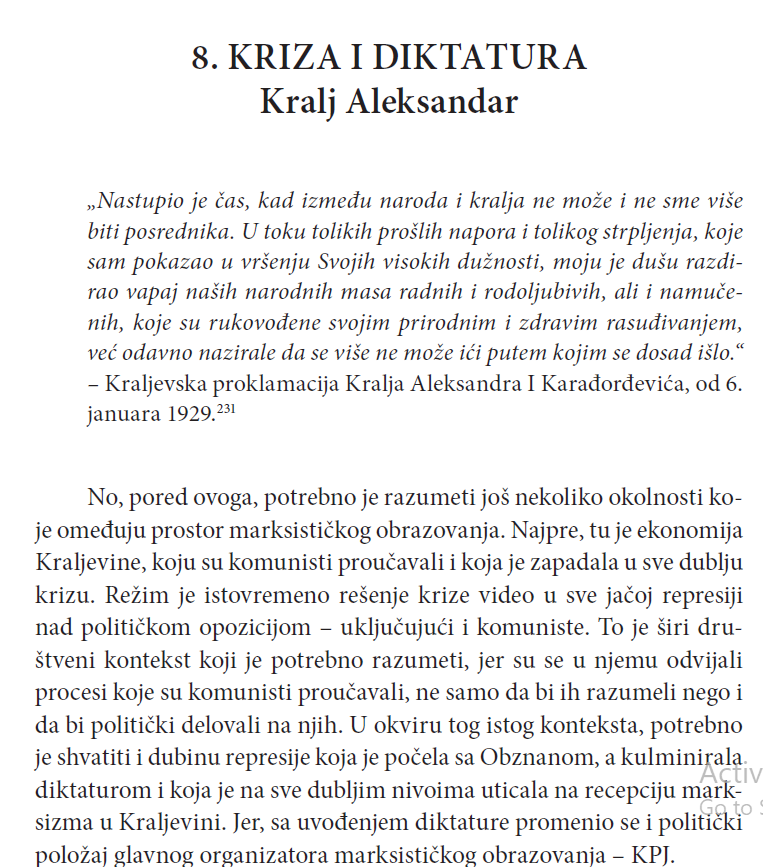
Evo jedan isečak iz moje nove knjige "U zoru revolucije" (poglavlje "Kriza i diktatura", str. 140-146), u kojem dajem kratak prikaz ekonomije Kraljevine Jugoslavije da bih opisao kontekst u kojem su se odvijale različite socijalne borbe. Naime, umesto oporavka nakon Prvog (1/21)
2
3
16
1,303
govorili o polukolonijalnom položaju Kraljevine – ona je navodno bila slobodna zemlja, ali ekonomski potčinjena britanskom, nemačkom i francuskom kapitalu. Čak je i Rio Tinto učestvovao u jednom rudarskom konzorcijumu koji je uslovljavao proizvodnju i cene bakra u Boru. (20/21)
1
2
167
Prema najnovijim istraživanjima, Kraljevina Jugoslavija je imala najgori ekonomski rast u celoj Istočnoj Evropi: „rast“ BDP‑a Kraljevine u proseku je iznosio minus 0,6% od 1913. do 1938. godine, a u smislu prihoda najgore su prolazili seljaci, šegrti i žene. (21/21)
2
2
162